

What To Do After Unprotected Sex Or Condom Failure A Comprehensive Guide
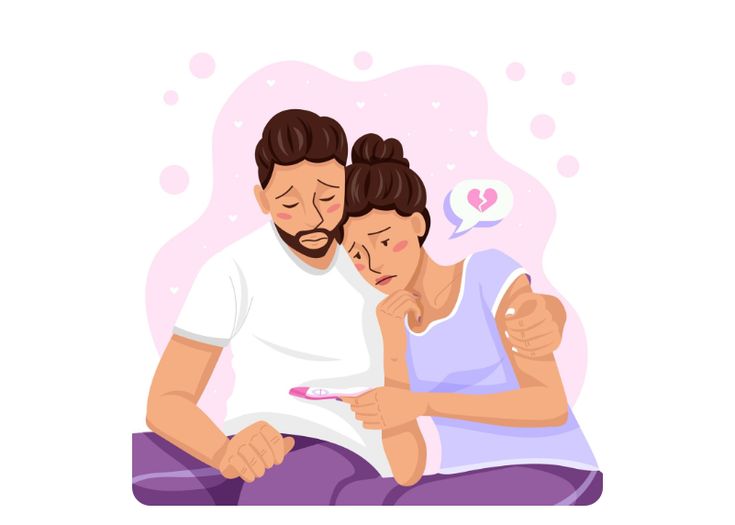
Responding to Unprotected Sex or Condom Failure
It’s natural to feel uncertain after experiencing unprotected sex or noticing a condom failure. These situations are not uncommon, and it’s important to remember that while the risks associated with unprotected sex are real, there are clear, practical steps you can take immediately to reduce the chances of unintended pregnancy or sexually transmitted infections (STIs).
In this article, we’ll walk you through the necessary actions you should take immediately after such an event, offering advice on preventing pregnancy, managing potential STI risks, and taking proactive steps to protect your sexual health.
Whether you’re concerned about pregnancy or your STI risk, taking the right steps at each stage can make a significant difference in the outcome. Here’s how to handle the situation calmly and confidently.
Immediate Steps After Unprotected Sex or Condom Failure
1. Remain Calm and Assess the Situation
The first step after any instance of unprotected sex or condom failure is to remain calm. It’s normal to feel anxious, but panic won’t help. Take a moment to assess the situation and decide what to do next based on the circumstances.
-
If the condom broke during intercourse, stop any further sexual activity and remove yourself from the situation.
-
If you had sex without a condom, it’s essential to think about your next steps in terms of emergency contraception, STI
prevention, and your general well-being.
2. Immediate Post-Sex Hygiene and Comfort Measures
Use the Bathroom
After intercourse, it’s a good idea to visit the bathroom. This helps to clear any remaining fluids from your body, reducing the risk of a urinary tract infection (UTI), which can occur when bacteria enter the urethra during sexual activity. It’s also a way to provide comfort and cleanliness after the event.
- Peeing can help flush out some bacteria.
- Avoid douching, as it can disturb your vaginal flora and increase the risk of infection.
Wash the Area Gently
While it’s tempting to scrub and clean thoroughly, it’s important not to overdo it. Gentle washing of the genital area with lukewarm water is sufficient to clean the area. Avoid using scented soaps or harsh chemicals, as these can cause irritation. Over-washing or douching can disrupt the natural balance of bacteria, potentially leading to infections.
Key Point: Peeing won’t prevent pregnancy, as sperm has already traveled toward the egg during intercourse, but it can help reduce the risk of UTIs.
3. Mental and Emotional Check-In
After any sexual encounter, especially one where a contraceptive method has failed, it’s crucial to check in with yourself emotionally. It’s common to feel worried, frustrated, or anxious—particularly if you’re concerned about potential pregnancy or STI exposure.
Take a moment to reflect on how you feel, and don’t hesitate to reach out for support. Talking to a trusted friend or family member can help you process your feelings. Alternatively, speaking to a healthcare professional or using a sexual health hotline can provide expert guidance during this time.
What to Do Within the First Few Days
If you’re worried about pregnancy or potential STI exposure after unprotected sex, the next 72 hours are critical for taking action. Here are the steps to follow:
4. Emergency Contraception (EC) Within 72 Hours
Emergency Contraceptive Pills (Plan B or similar)
If you’ve had unprotected sex or condom failure, taking emergency contraception (EC) can significantly reduce the chances of pregnancy. EC pills are designed to delay ovulation or prevent the fertilized egg from implanting in the uterus.
-
The most common EC pills, such as Plan B or Next Choice, are available over-the-counter
at pharmacies and can be taken within 72 hours of unprotected sex.
-
EC pills contain levonorgestrel, a synthetic hormone that works to either stop ovulation or prevent sperm from
fertilizing an egg.
Effectiveness:
- Within 24 hours of intercourse, EC can reduce the chance of pregnancy by 95%.
- The effectiveness drops to 88% if taken between 24 to 72 hours after intercourse.
When to Take It:
For best results, EC should be taken as soon as possible after unprotected sex. The longer you wait, the less effective it becomes.
5. Post-Exposure Prophylaxis (PEP) for HIV Prevention
If you’re concerned about the possibility of contracting HIV, seek Post-Exposure Prophylaxis (PEP) from a healthcare provider. PEP is a medication that, if taken within 72 hours of exposure, can reduce the risk of HIV infection.
- PEP must be started within 72 hours of exposure, with the most success when taken as soon as possible.
-
The treatment typically involves a combination of antiretroviral medications taken for 28 days.
Effectiveness:
PEP can reduce the risk of HIV by 80% if started promptly.
What to Do Within 5 Days
If you didn’t take emergency contraception within the first 72 hours, you still have options for up to 5 days after unprotected sex.
6. Copper IUD as Emergency Contraception
The Copper IUD (ParaGard) is one of the most effective forms of emergency contraception. It can be inserted by a healthcare provider up to 5 days after unprotected sex to prevent pregnancy. It works by creating an environment in the uterus that’s hostile to sperm and eggs, preventing fertilization and implantation.
-
Effectiveness:
The copper IUD has a 99% effectiveness rate for emergency contraception.
-
Long-Term Protection:
It can also be left in place for 5 to 10 years as a regular birth control method.
What to Do After 2 Weeks: STI Testing
If you’ve had unprotected sex or condom failure, it’s crucial to monitor your health in the two-week window after the event. At this point, you may want to get tested for sexually transmitted infections (STIs), especially if you have new or multiple sexual partners.
7. Signs and Symptoms to Watch For:
STIs can sometimes have no symptoms, but in some cases, you may notice:
- Pain during urination
- Unusual discharge
- Sores or blisters
- Itching or burning in the genital area
8. Get Tested for STIs
Two weeks after unprotected sex, it’s advisable to schedule an STI test. Testing will ensure that you receive the proper treatment if you’ve contracted an infection. Most STIs are treatable with antibiotics or antiviral medication.
What to Do After 3 Weeks: Pregnancy Testing
If you’re worried about the possibility of pregnancy, waiting until 3 weeks after unprotected sex is an ideal time to take a pregnancy test.
9. Pregnancy Test Timing and Reliability
-
Pregnancy tests work by detecting a hormone called human chorionic gonadotropin (hCG). This hormone is released after an
embryo implants in the uterus.
- It takes time for enough hCG to build up in your system, so testing too early may give a false negative.
- A test taken 3 weeks after the incident will likely be more accurate.
What to Do After 6 Weeks: Further STI Testing and Health Checks
After about 6 weeks, certain STIs like syphilis or herpes may become noticeable. If you haven’t already, it’s a good time to re-test for these infections, especially if you’ve had multiple sexual encounters.
10. Syphilis and Herpes Testing
- Syphilis may cause sores or rashes that appear in the genital area, mouth, or anus.
- Herpes may cause blisters or sores around the genital region, and sometimes flu-like symptoms.
-
Both infections can be treated with medication, but regular testing and early detection are important for effective treatment.
What to Do After 3 Months: Rechecking STI Status and Ensuring No Re-infections
Even after initial STI testing and treatment, it’s a good idea to get tested again 3 months after the event. This is particularly important if there’s a risk of re-infection or if you had multiple partners.
11. Follow-Up STI Tests
Getting tested again after 3 months ensures that you are clear of any infections and that treatments have been successful. It also helps detect any new infections that might have arisen after your previous test.
For Next Time: Preventing Future Risks
After experiencing unprotected sex or condom failure, take steps to avoid future occurrences:
12. Use Barrier Methods for STI Protection
Always use condoms or dental dams during sexual activity to protect against both STIs and unintended pregnancies. It’s important to check the expiration dates on condoms and ensure they’re stored properly to avoid breakage.
13. Consider Secondary Contraception
Using an additional form of contraception, such as hormonal birth control or an IUD, alongside condoms can further reduce the risk of pregnancy. This approach is often referred to as “doubling up” on contraception.
14. Regular STI Screenings
If you have multiple partners, or if you’re concerned about potential exposure to STIs, schedule regular screenings to stay on top of your sexual health. Many clinics and healthcare providers offer free or low-cost STI testing, so it’s worth prioritizing.
Proactive Measures and Responsible Choices
While it can be alarming to experience unprotected sex or a condom failure, there are clear steps you can take to protect yourself from pregnancy and STIs. The key is to act quickly and decisively, using emergency contraception if needed, and following through with STI testing.
Taking responsibility for your sexual health will help you make informed decisions for both the immediate future and long-term wellbeing. Being proactive ensures you can continue enjoying your sexual health with confidence and peace of mind.
Shopping or spending abroad? Check out the GiftTree Brand



.jpg)









.jpg)





.jpeg)





.jpeg)



.jpeg)







.jpeg)



.jpeg)

.jpeg)

.jpeg)

.jpeg)




.jpeg)
.jpg)

.jpeg)






.jpeg)
.jpeg)




.jpeg)





.jpeg)


.jpeg)

.jpeg)

.jpeg)

.jpeg)







.jpeg)
.jpeg)
.jpeg)





.jpeg)



.jpeg)





.jpg)
.jpeg)









.jpg)


ulva-Logo.jpg)




.jpeg)



.png)














.png)