
The Ultimate Guide To Perfumes
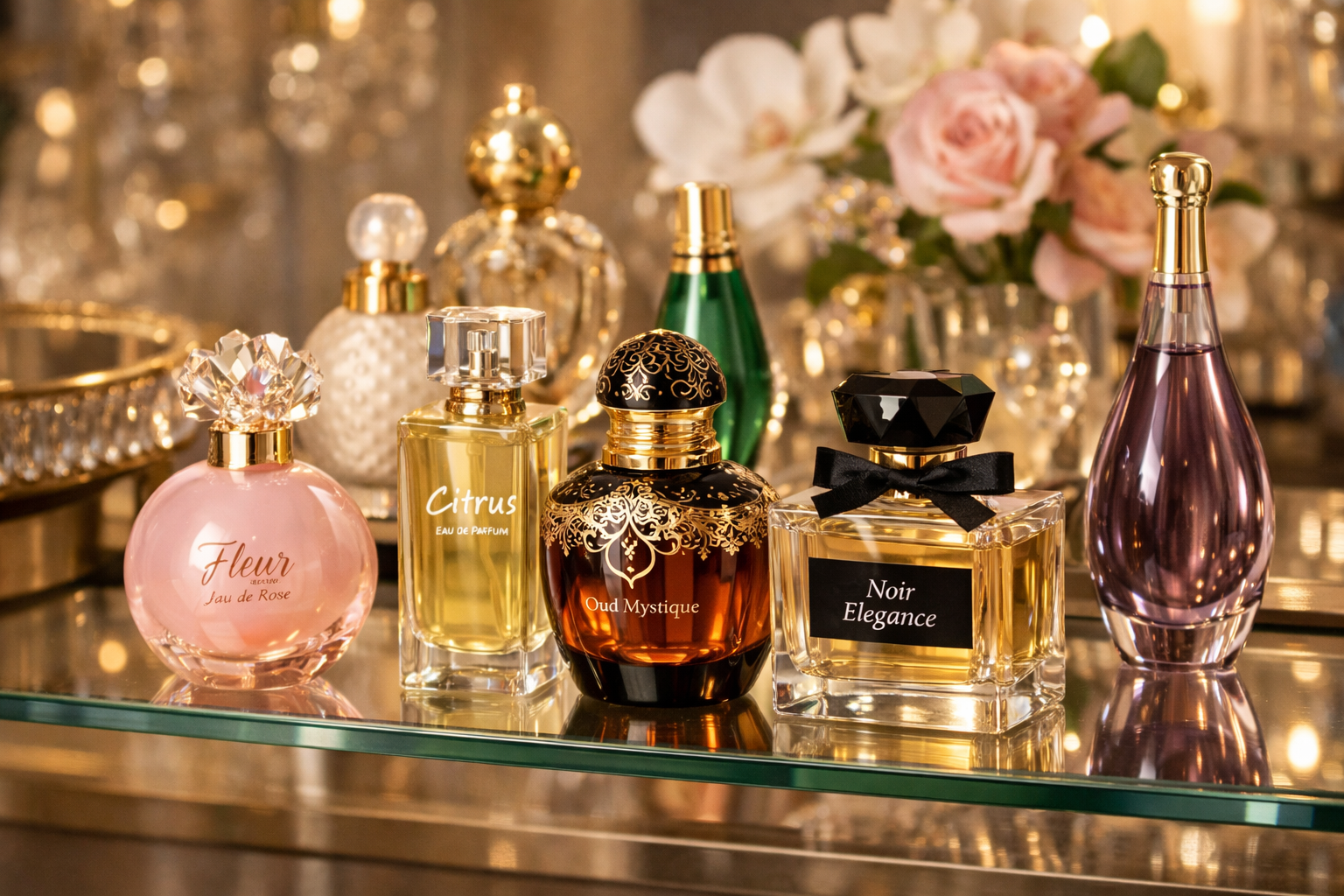
Perfumes have the unique ability to transform a person’s mood, personality, and even their day. A good fragrance can trigger powerful
memories, evoke feelings of romance, or even elevate one's confidence. Whether you’re purchasing a perfume for yourself or as a gift, it’s
important to understand how fragrances work and how to choose the right one. This detailed guide will take you through the various elements
of perfumes, their history, ingredients, fragrance families, and tips for choosing and applying perfume.
Introduction: The Allure of Perfumes
Perfume is more than just a scent—it's an experience, a mood, and a reflection of who we are. Many of us wear perfume to leave a lasting impression, evoke emotions, or simply enjoy the subtle power of fragrance. In this guide, we will break down every aspect of perfumes, from their history to how they are made, and how you can select a fragrance that suits you perfectly.
Perfume has been around for centuries, with origins tracing back to the ancient Egyptians. They were the first to use scented oils and resins, which were later refined by other cultures, including the Persians and Greeks. By the time the Romans introduced perfumery to Europe, the practice had spread across the world. Today, perfumes are an essential part of personal care, fashion, and self-expression.
Understanding Perfumes: What Makes a Great Fragrance?
Perfumes are complex creations, often made from hundreds of individual ingredients, both natural and synthetic. But at their core, perfumes are a blend of essential oils, alcohol, and water. Let’s dive deeper into what makes up a great perfume.
The Science Behind Perfumes
When a perfumer creates a fragrance, they rely on a specific formula that combines top, middle, and base notes. Understanding these components is essential for appreciating how a perfume works:
-
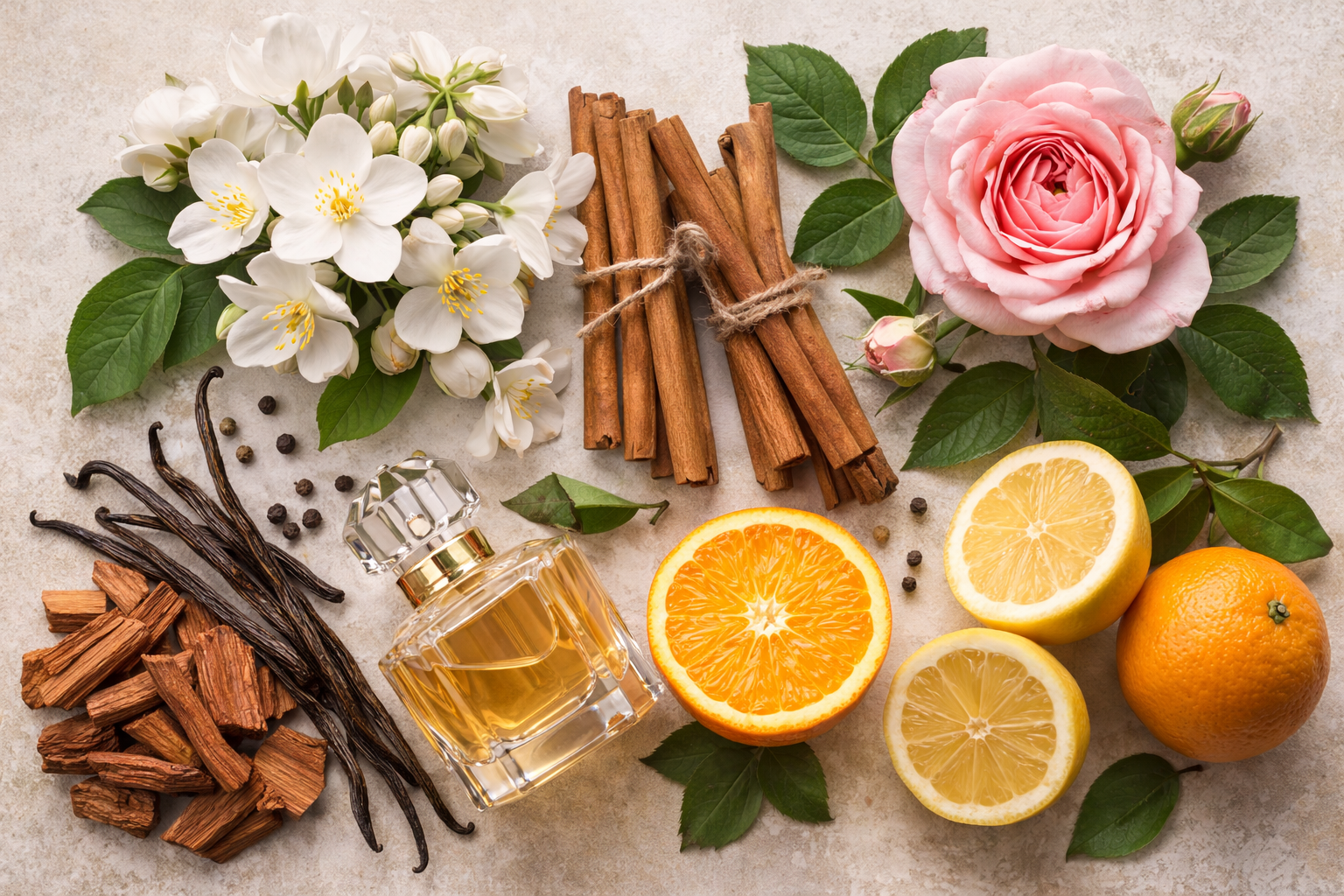
Top Notes: These are the first scents you experience when you spray a perfume. They are light and evaporate quickly, giving
the initial impression of the fragrance. Common top notes include citrus, herbs, and light florals.
-
Heart Notes: Also known as middle notes, these emerge once the top notes fade. Heart notes form the core of the perfume and
are typically floral, fruity, or spicy.
-
Base Notes: These are the deep, rich scents that provide lasting power to a perfume. Base notes linger after the perfume’s
top and middle notes have faded. Common base notes include woods, musk, amber, vanilla, and patchouli.
The Perfume Pyramid
The perfume pyramid is a visual representation of these notes. It typically looks like a triangle with top notes at the top, middle notes in the center, and base notes at the bottom. This pyramid structure helps to understand how a fragrance develops over time.
How to Choose the Right Perfume for You?
Selecting the right perfume can be a daunting task with so many options available in the market. It requires considering multiple factors that contribute to your scent profile and preferences. Here are some key tips to guide your perfume shopping:
Factors to Consider When Choosing a Perfume
Choosing a perfume isn’t as simple as smelling a bottle and liking the scent. Here are some factors to keep in mind:
-
Seasonal Scents:
-
In the summer, opt for fresh and light fragrances with citrus, floral, or green notes that evoke a sense of freshness and energy.
- In the winter, go for deeper, warmer scents like vanilla, amber, and spices that create a cozy and comforting atmosphere.
-
In the summer, opt for fresh and light fragrances with citrus, floral, or green notes that evoke a sense of freshness and energy.
-
Occasion:
- For daily wear, choose subtle, airy fragrances that aren’t overpowering.
-
For special occasions, like an evening event or a romantic dinner, consider richer, more intense perfumes that make a bold statement.
- For daily wear, choose subtle, airy fragrances that aren’t overpowering.
-
Personal Style:
-
Your fragrance should reflect your personality. If you’re a classic person, you may prefer timeless scents like rose or lavender. If you’re
adventurous, opt for exotic spices or woodsy notes.
-
Your fragrance should reflect your personality. If you’re a classic person, you may prefer timeless scents like rose or lavender. If you’re
adventurous, opt for exotic spices or woodsy notes.
-
Skin Type:
-
Your skin type plays a role in how a perfume smells. Oily skin tends to hold onto scents longer, while dry skin may cause fragrances to
dissipate quicker.
-
Your skin type plays a role in how a perfume smells. Oily skin tends to hold onto scents longer, while dry skin may cause fragrances to
dissipate quicker.
Popular Perfume Families
Perfumes can be classified into several families based on their core ingredients. These categories help guide consumers in selecting scents that match their preferences:
-
Floral:
Floral perfumes are light, romantic, and feminine. These fragrances are perfect for spring and summer. Popular floral notes include rose, jasmine, lavender, and lily of the valley.
- Example: Chanel No. 5 – A classic floral fragrance with notes of rose, jasmine, and ylang-ylang.
- Example: Chanel No. 5 – A classic floral fragrance with notes of rose, jasmine, and ylang-ylang.
-
Woody:
Woody perfumes are warm, earthy, and often have a more grounded, musky scent. These fragrances are commonly unisex and are perfect for the fall and winter months. Popular woody notes include sandalwood, cedarwood, and vetiver.
- Example: Tom Ford Oud Wood – A rich fragrance with oud, sandalwood, and vanilla.
- Example: Tom Ford Oud Wood – A rich fragrance with oud, sandalwood, and vanilla.
-
Citrus:
Citrus fragrances are fresh, zesty, and energizing. They are ideal for daytime wear, especially in hot weather. Notes include lemon, bergamot, grapefruit, and orange.
- Example: Acqua di Parma Colonia – A light, citrus-based fragrance that is refreshing and elegant.
- Example: Acqua di Parma Colonia – A light, citrus-based fragrance that is refreshing and elegant.
-
Oriental:
Oriental fragrances are warm, exotic, and luxurious. These fragrances often feature rich spices like cinnamon, clove, and vanilla, combined with floral or woody undertones.
- Example: Yves Saint Laurent Black Opium – A seductive fragrance with coffee, vanilla, and white flowers.
- Example: Yves Saint Laurent Black Opium – A seductive fragrance with coffee, vanilla, and white flowers.
-
Fresh:
Fresh fragrances evoke a sense of cleanliness and crispness. These perfumes are often inspired by aquatic notes, green leaves, and herbs.
- Example: Davidoff Cool Water – A fresh, aquatic fragrance with mint, lavender, and musk.
- Example: Davidoff Cool Water – A fresh, aquatic fragrance with mint, lavender, and musk.
Perfume Tips and Tricks
Now that we’ve explored how perfumes are made and how to choose them, let’s dive into some tips and tricks to get the most out of your fragrance.
How to Apply Perfume for Maximum Effect
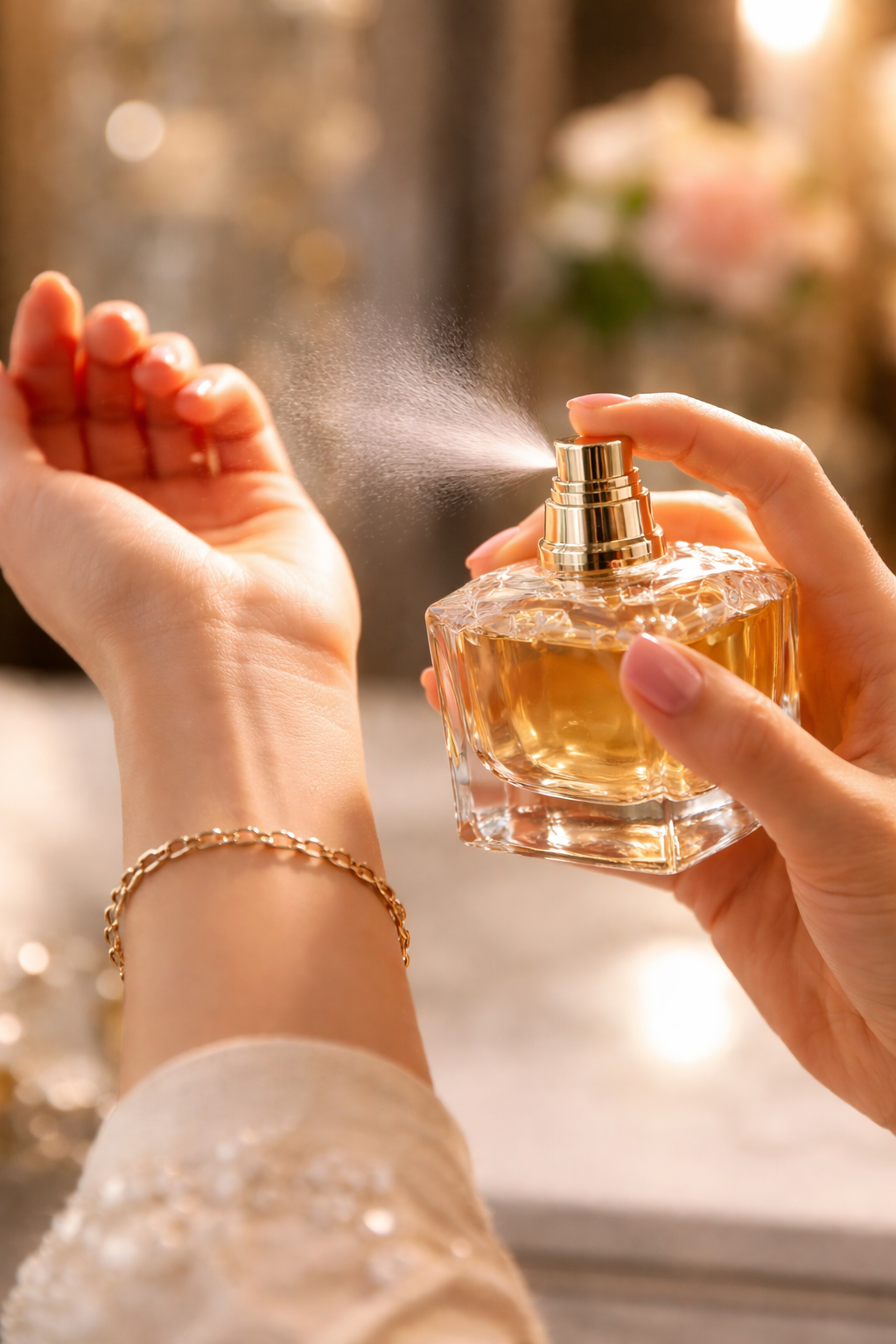
Applying perfume the right way ensures you get the most longevity and impact. Here are some tips:
-
Spray on Pulse Points: These are areas where your body radiates heat, such as the wrists, neck, behind the ears, and inside
elbows. Heat helps to diffuse the fragrance.
-
Don’t Rub Your Wrists Together: Rubbing wrists after spraying perfume can cause the scent to change. Let the perfume dry
naturally.
-
Layering Fragrances: Layering different perfumes can create a unique scent. For example, you can pair a floral perfume with
a musky one to add depth and complexity.
Top Perfume Trends in 2026
Perfume trends evolve over time, influenced by cultural movements, fashion, and advancements in fragrance technology. Here are the trends you can expect to see in 2026:
Sustainable Perfumes
Sustainability is becoming a key focus in the fragrance industry. More perfume brands are now creating eco-friendly products that use sustainable sourcing of ingredients and recyclable packaging.
- Example: Le Labo – Known for their sustainable and eco-conscious approach to fragrance.
Gender-Neutral Scents
Unisex perfumes are on the rise as more people are opting for fragrances that are not bound by traditional gender norms. These perfumes often feature woody, citrus, and spicy notes, making them suitable for all genders.
- Example: Tom Ford Neroli Portofino – A fresh, citrus scent that appeals to both men and women.
Best Perfumes for Different Occasions
Fragrance can set the tone for any occasion. Here are some of the best perfumes suited for different events:
Perfumes for Daytime
For daytime wear, especially in the warmer months, choose fragrances that are fresh, light, and energizing.
- Chanel Chance Eau Tendre – A soft floral scent perfect for everyday wear.
- Acqua di Parma Colonia – A refreshing citrus fragrance for a bright, sunny day.
Perfumes for Nighttime
For evening wear or special occasions, select perfumes that are deeper, richer, and more intense. These perfumes often have musky, spicy, or woody base notes.
- Tom Ford Black Orchid – A bold, sensual fragrance that lasts all night.
- Yves Saint Laurent Black Opium – A warm and inviting fragrance perfect for evening affairs.
Perfumes for Formal Events
If you’re attending a formal event, you want a fragrance that is elegant and sophisticated without being overpowering.
- Creed Aventus – A luxurious, masculine fragrance with fruity and smoky notes.
- Chanel No. 5 – A timeless classic that exudes elegance and refinement.
Perfumes for Casual Days
On casual days when you want to feel comfortable yet fresh, go for something light, clean, and subtle.
- Jo Malone English Pear & Freesia – A fruity and floral fragrance that’s perfect for laid-back days.
- Dior Homme Intense – A refined scent with leather and iris notes.
How to Store Your Perfumes
Proper storage is crucial for maintaining the quality of your perfumes. Here are some tips to ensure your fragrances last as long as possible:
-
Avoid Sunlight: Keep your perfumes in a cool, dark place to prevent the fragrance from deteriorating due to heat and light
exposure.
-
Store Bottles Upright: Storing perfume bottles upright prevents leakage and keeps the fragrance from deteriorating due to
contact with air.
- Avoid Temperature Fluctuations: Extreme heat or cold can alter the perfume’s composition. Store your perfumes in a stable, moderate environment.
Perfume is an essential element of personal branding, acting as an invisible yet powerful accessory. Just as you carefully select your wardrobe or makeup, your choice of fragrance speaks volumes about your personality, taste, and even aspirations. Here’s how perfume plays a significant role in shaping your personal brand:
How Scent Influences First Impressions
First impressions matter. The scent you wear upon meeting someone for the first time can leave a lasting impression, often before you even exchange words. A signature fragrance can set the tone for how others perceive you—whether you want to come across as confident, sophisticated, approachable, or adventurous.
For example, floral fragrances are often associated with softness, femininity, and warmth, making them perfect for a casual meeting or day-to-day interactions. On the other hand, spicy or woody perfumes may convey strength, authority, and professionalism, making them ideal for business meetings or formal occasions.
Scent and Emotional Connection
Fragrance is closely tied to memory and emotion. Certain smells have the power to evoke strong memories, making them integral to your personal brand. For instance, the scent of jasmine might remind someone of a summer vacation, while sandalwood may remind them of a beloved grandparent. By carefully choosing a fragrance that aligns with the emotions you want to evoke, you create a signature scent that triggers those feelings in others.
-
Example: A person who frequently wears a sophisticated and deep perfume like Chanel No. 5 might be
perceived as elegant and timeless. Conversely, someone who wears a vibrant citrus fragrance like Dolce & Gabbana Light Blue
might convey a lively, youthful personality.
Choosing a Signature Scent for Your Personal Brand
Establishing a signature scent involves selecting a fragrance that feels like an extension of yourself. Here are some guidelines to help you choose:
-
Consider Your Lifestyle: Your day-to-day activities influence your fragrance choice. If you’re a busy professional, you
might want a long-lasting, versatile fragrance that transitions well from day to night. If you’re someone who enjoys adventure, a bold,
exotic fragrance could represent your spontaneous nature.
-
Think About Your Values: Your fragrance can align with your values, such as sustainability, luxury, or minimalism. If
sustainability is important to you, choosing eco-conscious brands like Le Labo or Aesop may resonate with
your personal values.
-
Experiment with Layering: Personal branding doesn’t just mean picking one fragrance. Layering different perfumes can create
a unique and customized scent profile that’s unmistakably yours. For instance, combining a fresh floral fragrance with a deeper woodsy scent
can create a harmonious blend that reflects both lightness and strength.
Advanced Perfume Families and Notes
Understanding the Complexity of Perfume Families
Perfumes are often categorized into broader fragrance families. However, many fragrances belong to multiple families, making them more complex and layered. Here’s a more detailed breakdown of some of the more complex perfume families:
Floriental: A Mix of Floral and Oriental Scents
Floriental perfumes combine the softness of florals with the richness of oriental notes, making them luxurious and elegant. These fragrances are warm, sensual, and bold. Ideal for evening wear or romantic occasions, florientals balance the freshness of flowers with the opulence of spices, vanilla, and resin.
-
Example: Jean Paul Gaultier Scandal – A floral oriental fragrance that blends honey, orange blossom, and
patchouli for a sensual and sweet scent.
Gourmand: Sweet, Edible, and Irresistible
Gourmand fragrances are often described as “edible” perfumes, as they have notes that evoke the smell of food. These perfumes often include sweet, dessert-like notes such as chocolate, vanilla, caramel, and almond. They are rich, comforting, and can be quite addictive.
-
Example: Prada Candy – A playful gourmand fragrance with notes of caramel, vanilla, and benzoin.
Chypre: A Classic Blend of Citrus, Floral, and Woody Notes
Chypre perfumes are characterized by a complex blend of citrus, floral, and woody notes. These fragrances have a distinctive earthy quality and are often quite sophisticated and elegant. The term "chypre" refers to a specific fragrance structure that was originally created in 1917 by François Coty and is still widely used in perfumery today.
-
Example: Chanel No. 19 – A chypre fragrance with floral and green notes, balanced by a woody base of
oakmoss and sandalwood.
Fougère: Masculine and Fresh
Fougère fragrances are traditionally considered masculine, though there are now many unisex and female options in this category. These perfumes feature a combination of lavender, oakmoss, and coumarin, creating a fresh, herbal, and woody aroma. They evoke the outdoors and are often associated with cleanliness and strength.
-
Example: Hugo Boss Bottled – A fougère fragrance with apple, cinnamon, and sandalwood notes, offering a
fresh and warm feel.
Understanding Fragrance Longevity and Sillage
What is Longevity in Perfume?
Longevity refers to how long a perfume lasts on your skin. Some fragrances, like Chanel No. 5 or Tom Ford Black Orchid, can last for 8-12 hours or more, while others might fade more quickly, especially those with lighter, fresher notes. Here are a few things that affect the longevity of perfume:
-
Concentration: Parfum (extrait de parfum) lasts the longest, followed by Eau de Parfum (EDP), Eau de Toilette (EDT), and
Eau de Cologne (EDC). This is because higher concentrations of fragrance oils result in longer-lasting scents.
-
Skin Type: Oily skin tends to hold onto fragrance longer than dry skin. If you have dry skin, you may need to reapply your
perfume more frequently.
-
Perfume Composition: Heavier notes, such as musk, amber, and woods, tend to last longer than lighter, more volatile notes
like citrus and florals.
What is Sillage?
Sillage is a French term used to describe the scent trail that a fragrance leaves behind as you move. A fragrance with good sillage will project its scent into the air and leave a noticeable trail. This is particularly desirable in perfumes designed for evening wear or special occasions.
Some perfumes with exceptional sillage include:
-
Creed Aventus – Known for its strong sillage and lasting power, this fragrance leaves a bold and fruity trail.
- Dior Sauvage – A popular fragrance that projects well, with notes of bergamot, pepper, and Ambroxan.
Perfume and Its Impact on Mood and Psychology
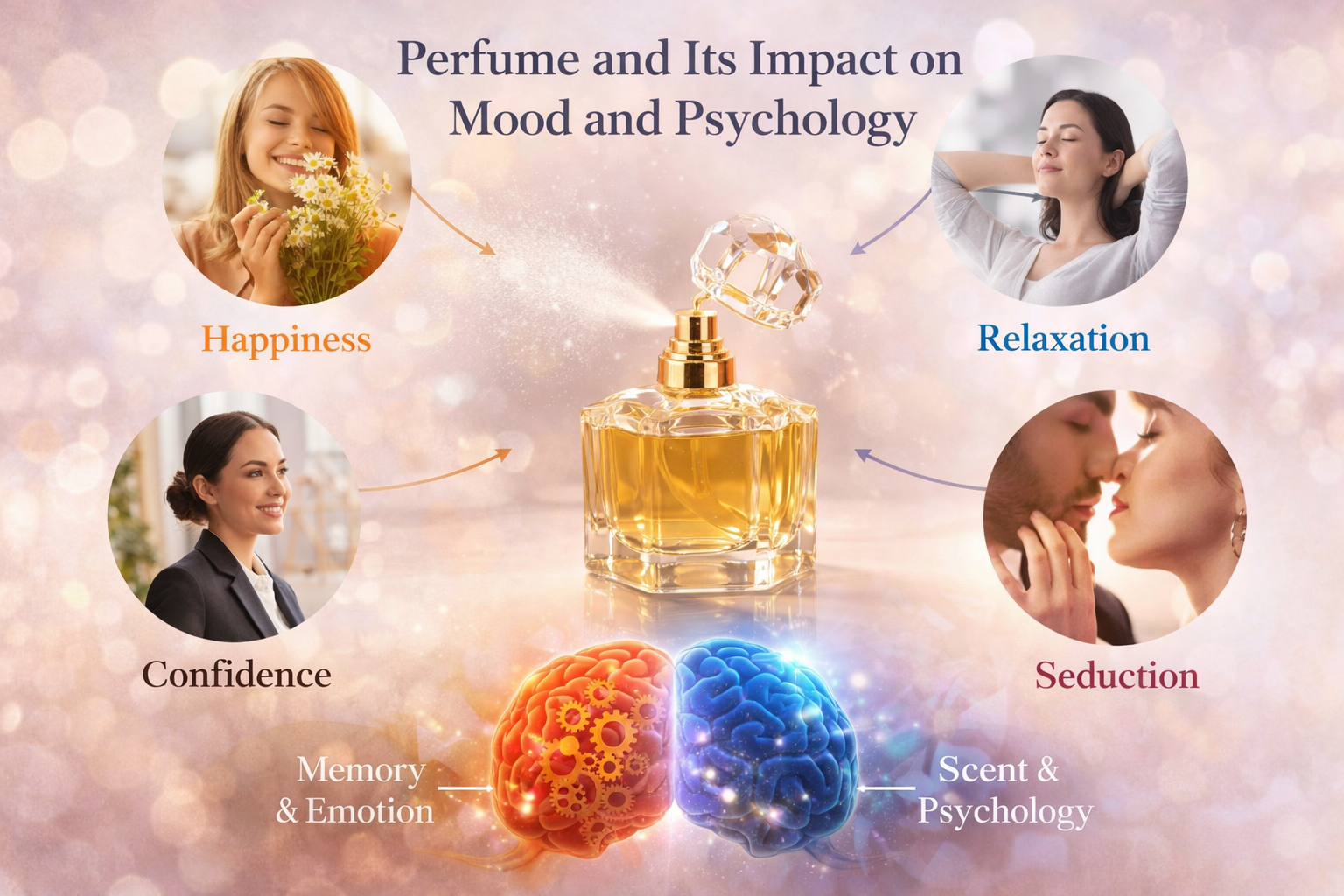
Fragrance has a significant impact on our emotions and mood. Certain scents can stimulate the brain in ways that influence our emotions, making perfume an essential tool in personal expression. Here’s how different types of perfumes can affect your mood:
Energizing Fragrances
Citrus and green scents are known to invigorate and energize. They can uplift your spirits, improve concentration, and even boost your mood. These are perfect for a busy workday or a trip to the gym.
-
Example: Jo Malone Lime Basil & Mandarin – A fresh citrus fragrance that revitalizes and boosts energy
levels.
Relaxing Fragrances
Lavender, chamomile, and sandalwood are known for their calming and relaxing properties. Wearing these scents can help reduce stress and anxiety, promoting a peaceful state of mind.
-
Example: Aveda Stress-Fix – A fragrance that combines lavender and lavender oil to help reduce stress.
Romantic Fragrances
Perfumes with warm, sensual notes like vanilla, musk, and amber can be used to set the mood for romance. These scents have an intimate and inviting quality, perfect for a date night or a romantic evening out.
-
Example: Tom Ford Velvet Orchid – A rich and warm fragrance with notes of honey, vanilla, and rose, ideal
for an intimate setting.
The Best Perfumes for Special Occasions
Perfumes for Weddings
Your wedding day is one of the most memorable days of your life, and your fragrance should reflect the significance of the event. Choose a fragrance that complements the romance, elegance, and joy of your wedding day.
-
Example: Viktor & Rolf Flowerbomb – A floral explosion of jasmine, orange blossom, and patchouli,
perfect for a wedding.
Perfumes for Anniversary Celebrations
For an anniversary celebration, opt for fragrances that are deep, sensual, and intimate. You want something that resonates with the romantic connection between you and your partner.
-
Example: Dior J’adore – A luxurious floral fragrance with ylang-ylang, rose, and jasmine, perfect for a
romantic evening.
Perfumes for Work and Office Wear
When choosing a perfume for work, select something that is subtle and professional, yet still memorable. Opt for fresh, light fragrances that won’t overpower the office environment but still make an impact.
-
Example: Chanel Chance Eau Tendre – A fresh, floral fragrance that is light enough for everyday office
wear.
Conclusion: Perfume as a Form of Self-Expression
Perfume is much more than just a fragrance. It’s a form of self-expression, a signature that reflects your personality, mood, and the experiences you wish to share with others. Choosing the right fragrance is a personal journey, one that should be made with care and consideration. Whether you prefer floral, woody, oriental, or citrus scents, there is a perfume that will suit every personality and occasion.
Perfume not only enhances your style but also boosts your confidence and leaves a lasting impression. So, the next time you choose a fragrance, think about the emotions and memories you want to evoke, and let your scent speak for you.



.jpg)








.jpg)




.jpeg)



.jpeg)



.jpeg)






.jpeg)

.jpeg)

.jpeg)

.jpeg)

.jpeg)




.jpeg)
.jpg)

.jpeg)






.jpeg)
.jpeg)




.jpeg)




.jpeg)


.jpeg)

.jpeg)

.jpeg)

.jpeg)






.jpeg)
.jpeg)
.jpeg)


.jpeg)

.jpeg)




.jpg)
.jpeg)






.jpg)

ulva-Logo.jpg)




.jpeg)



.png)














.png)