
The Ultimate Guide To Hair Oiling For Growth Strength And Shine Tips And Best Oils For 2026
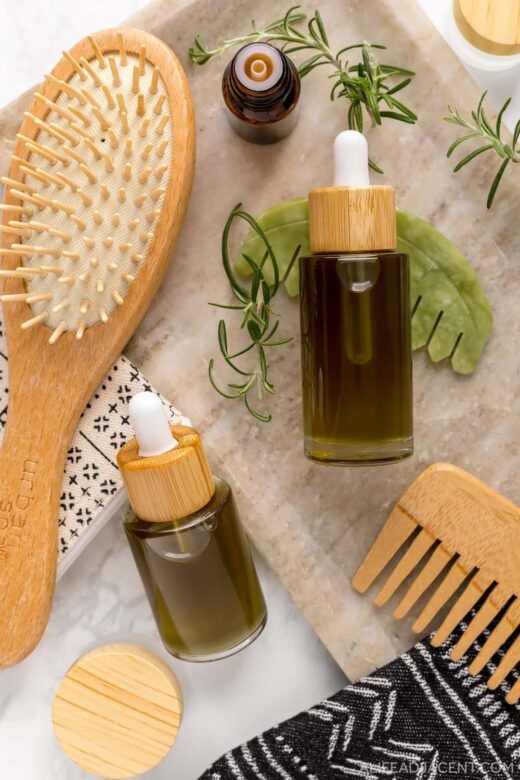
As we move into 2026, many of us are thinking about how we can improve our well-being—physically, mentally, and emotionally. While most people focus on skincare and fitness, one area that often gets overlooked is hair care. However, healthy, strong, and shiny hair can have a huge impact on how we feel about ourselves. One of the best ways to nourish and strengthen your hair is through hair oiling, an ancient practice that has stood the test of time. Whether you’re hoping to encourage hair growth, reduce frizz, or simply improve the health of your locks, hair oiling offers a wealth of benefits.
In this article, we’ll dive into the practice of hair oiling, the best oils for hair growth, and offer practical tips and techniques to achieve the healthiest, most vibrant hair in 2026.
Why Hair Oiling Works: The Science Behind It
Hair oiling has been practiced for centuries, and for good reason. The act of massaging oils into your scalp and hair helps improve circulation, strengthens hair follicles, locks in moisture, and encourages healthy hair growth. Here’s a quick look at the science behind why hair oiling is so effective:
-
Improved Circulation: When you massage oil into your scalp, it increases blood flow to the hair follicles. This promotes
nutrient delivery to the roots, which can support hair growth and improve the health of the scalp.
-
Moisture Lock-In: Oils form a barrier that helps lock in moisture, preventing hair from becoming dry, brittle, or frizzy.
This is especially helpful for people with curly or coarse hair.
-
Strand Strengthening: Oils help nourish the hair shaft, preventing breakage, split ends, and damage from environmental
factors like sun exposure and pollution.
-
Hair Growth: Certain oils, like castor oil and rosemary oil, are believed to stimulate hair growth by increasing
circulation to the scalp and promoting stronger, thicker hair.
Best Oils for Hair Growth and Overall Hair Health
Not all oils are created equal, and each type of oil offers unique benefits for different hair concerns. Here's a breakdown of the best oils for promoting hair growth, improving texture, and boosting overall hair health in 2026.
1. Coconut Oil
Coconut oil is one of the most popular oils used for hair care, and for good reason. Rich in lauric acid, it penetrates the hair shaft deeply, helping to reduce protein loss and strengthen the hair. It’s also great for reducing dandruff and soothing the scalp.
Best For: Dry, damaged hair, and scalp health
Why It Works: Moisturizes hair, prevents protein loss, and reduces breakage.
How to Use: Warm a small amount of coconut oil and massage it into your scalp and through your hair, leaving it on for at
least an hour before washing it out.
2. Castor Oil
Castor oil is widely known for its ability to stimulate hair growth. It’s packed with ricinoleic acid, which increases circulation to the scalp, boosting nutrient delivery to hair follicles. It also has antifungal and antibacterial properties, making it excellent for scalp health.
Best For: Hair thinning and promoting hair growth
Why It Works: Improves scalp circulation, strengthens hair, and prevents hair loss.
How to Use: Mix castor oil with a lighter oil like coconut or jojoba oil (since castor oil is quite thick) and apply it to
the scalp. Leave it overnight for best results.
3. Argan Oil
Argan oil is often referred to as "liquid gold" due to its incredible nourishing properties. Rich in vitamin E and antioxidants, it hydrates and repairs dry hair, making it incredibly shiny and smooth. It also helps to tame frizz and split ends.
Best For: Dry, frizzy hair
Why It Works: Hydrates, adds shine, and strengthens hair.
How to Use: Apply a few drops of argan oil to the ends of your hair or use it as a leave-in treatment for deep
conditioning.
4. Jojoba Oil
Jojoba oil is chemically similar to the natural oils produced by our skin, known as sebum. It helps regulate oil production on the scalp, making it great for people with both dry and oily scalps. Jojoba oil also works well to prevent dandruff and flakiness.
Best For: Balanced scalp, oily or dry scalp, dandruff
Why It Works: Balances sebum production, nourishes hair, and soothes the scalp.
How to Use: Apply jojoba oil directly to the scalp and massage gently, then work it through the hair for moisture.
5. Rosemary Oil
Rosemary oil is a well-known oil for stimulating hair growth. It’s believed to promote cell regeneration and improve circulation, which helps nourish the hair follicles. Rosemary oil also prevents hair loss by increasing the flow of blood to the scalp.
Best For: Hair growth and preventing hair loss
Why It Works: Stimulates hair follicles, improves circulation, and strengthens roots.
How to Use: Mix a few drops of rosemary oil with a carrier oil (like coconut or olive oil) and massage it into your scalp
for 5–10 minutes. Leave it for 30 minutes before washing out.
6. Olive Oil
Olive oil is packed with antioxidants, vitamins A and E, and healthy fats. It’s great for adding moisture and shine to hair while also reducing damage caused by UV rays and environmental pollutants.
Best For: Dry or damaged hair
Why It Works: Hydrates, strengthens, and provides deep nourishment.
How to Use: Warm a few tablespoons of olive oil and massage it into your scalp. Leave it on for at least 30 minutes or
overnight for deep conditioning.
How to Oil Your Hair: Step‑by‑Step Routine
Now that you know which oils to use, it’s time to dive into how to oil your hair for the best results. Follow this simple, detailed routine for healthy hair growth, nourishment, and strength.
1. Choose the Right Oil
Pick the oil(s) that best suit your hair type and goals. For instance, use castor oil for hair growth, coconut oil for moisture, and argan oil for shine and frizz control.
2. Warm the Oil
Heat the oil slightly by placing the bottle in a bowl of warm water. This helps the oil absorb better into your hair and scalp. If you're using essential oils like rosemary or peppermint, always dilute them with a carrier oil to avoid irritation.
3. Section Your Hair
Part your hair into sections for easy application. This ensures that the oil reaches your scalp and every strand of your hair.
4. Massage the Scalp
Gently massage the oil into your scalp using your fingertips. This stimulates blood flow to the hair follicles, helping the oil penetrate more deeply and effectively.
5. Apply Oil to Hair Length
Once your scalp is covered, apply oil to the lengths of your hair, focusing on the ends, which are more prone to dryness and split ends.
6. Leave the Oil in for At Least an Hour
Allow the oil to sit for 1 hour, or overnight if your hair is particularly dry or damaged. For deeper conditioning, you can cover your hair with a warm towel or shower cap to lock in heat, which helps the oil absorb more effectively.
7. Wash and Condition
After the oil has had time to soak in, wash your hair thoroughly with a mild shampoo. You may need to shampoo twice to fully remove the oil. Follow up with conditioner to lock in the moisture.
How Often Should You Oil Your Hair?
The frequency of hair oiling depends on your hair type and the results you're hoping to achieve. Here’s a quick guide:
| Dry or Damaged | 2–3 times a week |
| Oily Scalp | Once every 7–10 days |
| Thin Hair | Once a week |
| Normal Hair | 1–2 times a week |
Additional Hair Oiling Tips for Maximum Results
1. Mix Oils for a Custom Blend
For enhanced benefits, mix different oils to address multiple hair concerns. For example:
- For growth + moisture: Castor oil + coconut oil
- For thicker hair: Jojoba oil + rosemary oil
- For deep nourishment: Olive oil + argan oil
2. Use a Scalp Brush
For deeper oil penetration and better scalp circulation, use a scalp brush or massager when applying oil. This helps distribute the oil more evenly and provides a relaxing experience.
3. Practice Patience
Results from hair oiling don’t happen overnight. Consistency is key. Stick to a weekly routine for the best results, and in a few months, you’ll notice healthier, shinier, and stronger hair.
Common Mistakes to Avoid
- Using Too Much Oil: A little goes a long way. Over-oiling can make your hair greasy and difficult to wash.
- Skipping the Massage: Massaging helps improve circulation and allows the oil to absorb into your scalp.
-
Using Hot Water: Always wash your hair with lukewarm or cool water. Hot water can strip your hair of its natural oils.
Hair oiling is a simple, effective practice to rejuvenate your hair and promote growth. By choosing the right oils and following a consistent routine, you can nourish your hair, boost circulation, and achieve stronger, shinier locks. Whether you’re aiming for thicker hair, less frizz, or a healthier scalp, the right oiling routine will give you the nourishment you need to look and feel your best in 2026. Start incorporating hair oiling into your self-care regimen, and enjoy the benefits of beautiful, healthy hair all year long!
Shopping or spending abroad? Check out the GiftTree Brand



.jpg)








.jpg)





.jpeg)





.jpeg)


.jpeg)








.jpeg)



.jpeg)

.jpeg)

.jpeg)

.jpeg)




.jpeg)
.jpg)

.jpeg)






.jpeg)
.jpeg)




.jpeg)





.jpeg)


.jpeg)

.jpeg)

.jpeg)

.jpeg)







.jpeg)
.jpeg)
.jpeg)




.jpeg)


.jpeg)






.jpg)
.jpeg)









.jpg)

ulva-Logo.jpg)




.jpeg)



.png)












.png)