

The Future of Work: Jobs at Risk of Disappearing by 2030 Due to AI and Automation
Introduction: Navigating a Changing Job Market
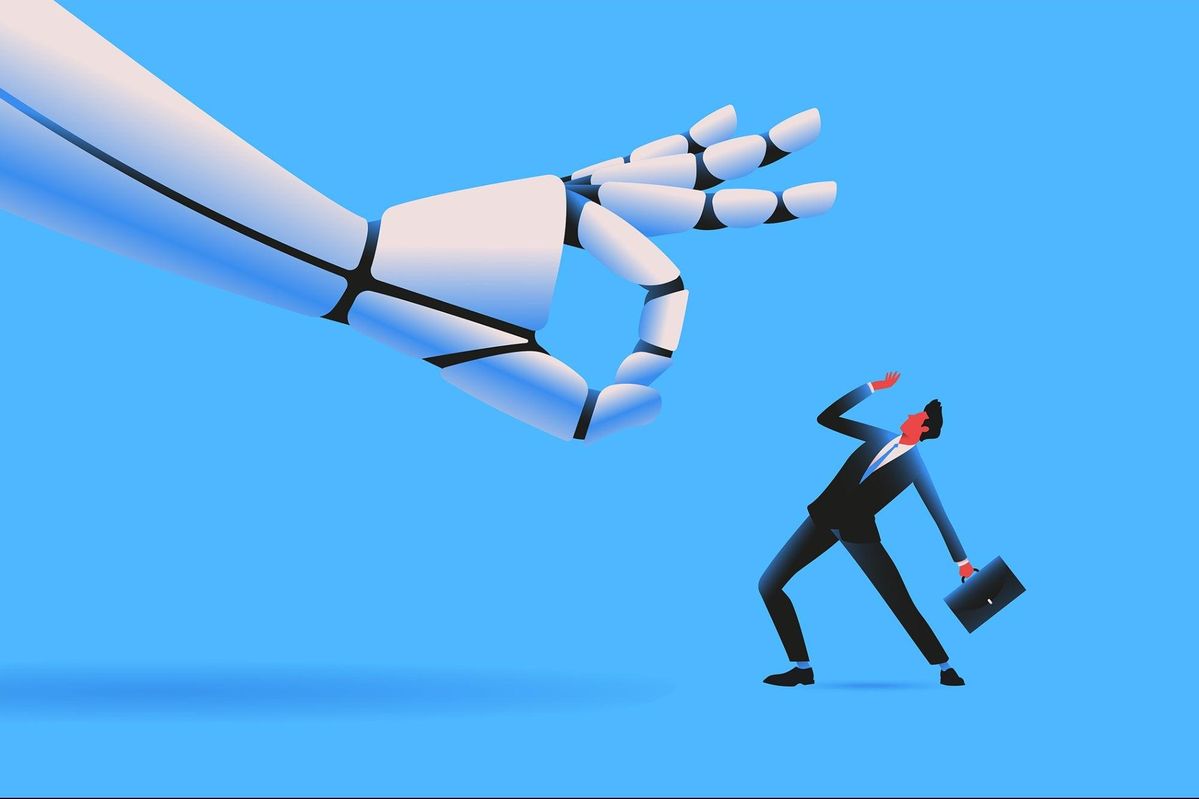
As we move towards 2030, technological advancements, particularly in artificial intelligence (AI), automation, and machine learning, are poised to reshape the global workforce. By 2030, experts predict that millions of workers will be displaced by machines, software, and automated systems that can perform tasks more efficiently and cost-effectively than humans. While AI and automation will create new opportunities, certain jobs—particularly those that involve routine tasks, data collection, and repetitive processes—are likely to be phased out.
The World Economic Forum predicts that 92 million jobs—around 8% of global employment—will become obsolete by 2030. At the same time, these advancements will lead to the creation of 170 million new jobs, fueled by new sectors and innovations, including clean energy, AI, data science, and technology-driven industries.
In this article, we will explore the job titles most vulnerable to displacement by 2030 and the industries where AI and automation will have the most significant impact. By understanding the landscape of the future workforce, we can prepare for the opportunities that lie ahead and mitigate the effects of job loss due to technology.
Jobs at Risk of Disappearing by 2030 Due to AI and Automation
AI’s reach extends across multiple industries, and roles that are repetitive, routine, or based on predictable tasks are most at risk. As machines become smarter, they can handle data processing, decision-making, customer service, and even creative tasks more efficiently than humans. Below is an expanded list of jobs that are expected to disappear or significantly decline by 2030.
1. Postal Service Clerks
As the world shifts toward digital communication, the need for physical mail services has drastically decreased. Automated sorting systems, drones, and digital services like email and e-billing will continue to reduce the demand for postal clerks.
2. Bank Tellers and Cashiers
Online banking and contactless payments have already started eliminating the need for bank tellers. Similarly, automated checkout systems and self-service kiosks in retail stores are gradually replacing cashiers. The rise of cryptocurrencies and blockchain technology is further disrupting traditional banking roles.
3. Data Entry Clerks
Many administrative jobs, especially data entry roles, are susceptible to automation. AI-driven systems can handle data collection, organization, and processing much faster and more accurately than humans. Tools like optical character recognition (OCR) and machine learning algorithms are making data entry tasks redundant.
4. Retail Cashiers and Ticket Clerks
The growing popularity of self-checkout systems in supermarkets and automated ticketing kiosks in public transportation and cinemas means that retail cashiers and ticket clerks will be increasingly replaced by machines. The use of RFID and contactless payment systems is making it easier to automate these tasks.
5. Administrative Assistants and Executive Secretaries
AI-powered virtual assistants such as Siri, Alexa, and Google Assistant are becoming capable of handling scheduling, task management, and communication tasks. While higher-level secretarial work may still require human oversight, many administrative roles, such as appointment scheduling and document management, are becoming automated.
6. Telemarketers
Telemarketing relies on repetitive scripts and customer data, making it highly vulnerable to AI chatbots and automated calling systems. AI is already capable of handling customer service inquiries and sales calls, making telemarketing jobs increasingly obsolete.
7. Legal Secretaries and Paralegals
AI is revolutionizing the legal profession. Tools such as contract analysis software and automated legal research are replacing routine paralegal and legal secretary tasks. Document review, a critical part of legal work, is increasingly being handled by AI systems that can quickly analyze large volumes of information.
8. Graphic Designers and Illustrators
The rise of AI-powered design software means that graphic design is becoming more automated. Programs that can generate logos, web layouts, and even custom illustrations without human input are becoming more advanced, making some roles in traditional design vulnerable to automation.
9. Claims Adjusters and Insurance Underwriters
AI and machine learning algorithms are now capable of analyzing insurance claims, detecting fraudulent activity, and determining payouts faster than human workers. Insurance companies are investing in AI-powered underwriting tools to assess risks and decide coverage, reducing the need for human underwriters and adjusters.
10. Travel Agents
With the rise of online travel booking platforms and AI travel assistants, the role of traditional travel agents has become largely obsolete. These AI tools allow consumers to plan trips independently, booking flights, hotels, and activities without human intervention.
11. Assembly Line Workers
Automation in manufacturing has already begun to replace manual labor in assembly lines. Robotic arms and AI-powered machines can assemble products faster and more accurately than human workers. Industries like automotive manufacturing and electronics production are highly affected by this shift.
12. Machine Operators
As AI-driven machinery becomes more advanced, roles that require machine operation will be increasingly automated. AI can monitor, control, and adjust machinery processes in real-time, eliminating the need for human oversight in many industrial settings.
13. Warehouse Workers
The rise of robotics and AI-powered logistics systems has transformed warehousing operations. Automated picking systems, drones, and robotic sorting machines are increasingly used to move goods in warehouses, reducing the demand for human labor in the sector.
14. Customer Support Agents
With advancements in AI chatbots and virtual assistants, many customer support roles are being automated. These AI systems can handle a wide range of customer inquiries, troubleshoot issues, and process orders, reducing the need for human customer service representatives.
15. Content Writers and Copywriters
AI systems such as GPT-3 are becoming increasingly capable of generating high-quality written content. While human writers may still be needed for creative and nuanced writing, AI is expected to take over many tasks such as content generation, SEO optimization, and report writing.
16. Tax Preparers and Bookkeepers
With the advent of AI-driven accounting software, tax preparation and bookkeeping roles are under threat. AI tools like QuickBooks and TurboTax can automatically file taxes, track expenses, and manage financial records, reducing the need for human involvement in these tasks.
17. Marketing Analysts
AI and machine learning can analyze large datasets to identify trends and patterns in consumer behavior, making traditional marketing analysis roles vulnerable. Automated tools are increasingly able to predict customer preferences and help design marketing strategies with little human input.
18. Retail Stock Clerks
The use of RFID tags, automated inventory management systems, and robotic stocking machines is making retail stock clerks obsolete. These systems can track inventory, reorder products, and restock shelves without human intervention.
19. Social Media Managers
AI tools that monitor social media engagement, track consumer sentiment, and schedule posts are beginning to replace traditional social media management roles. These systems can manage social media accounts, create content, and engage with customers more efficiently than humans.
20. Construction Laborers
Automation is slowly creeping into construction, with AI-driven machinery and 3D printing becoming more advanced. Robotic bricklaying machines and drones for surveying are making certain construction jobs increasingly redundant.
21. News Reporters and Journalists
AI-driven systems capable of gathering data, generating news reports, and even conducting interviews are becoming more advanced. Automated journalism tools can now produce sports reports, financial summaries, and other routine news stories without human input.
How to Adapt to the Future: Preparing for the Job Market of 2030
As we look to the future, it’s essential to recognize the importance of adaptability and upskilling. While many jobs are expected to disappear by 2030, new roles will emerge. By understanding which skills are in demand and staying ahead of the curve, individuals can position themselves for success in an evolving job market.
1. Upskill for the Future
Focusing on AI literacy, data analysis, and cybersecurity will make you indispensable in the future workforce. Fields like machine learning, AI ethics, and robotics will require specialized knowledge.
2. Develop Transferable Skills
Critical thinking, leadership, and adaptability are skills that will remain valuable across any profession. By developing a strong foundation of transferable skills, you can easily pivot into new roles as industries evolve.
3. Diversify Your Career Path
Building multiple streams of income, such as freelance work, side businesses, or passive income from investments, will help mitigate the risk of sudden job displacement. Always have a plan B in place to stay financially secure.
4. Stay Tech-Savvy
Keep up with technological advancements and seek out educational opportunities to stay competitive. Platforms like Coursera, LinkedIn Learning, and Udemy offer courses to help you acquire new skills and stay relevant.
Conclusion: Embrace Change and Prepare for the Future of Work
The future of work may seem daunting, but it also offers unprecedented opportunities for those who are willing to adapt. By embracing new technologies, upskilling in key areas like AI and data science, and cultivating flexible career paths, individuals can not only survive but thrive in the job market of 2030 and beyond. Although some roles will disappear, many others will emerge—driven by AI, automation, and the changing needs of the global workforce. The key to securing your future is preparation, adaptability, and a willingness to learn and grow.



.jpg)









.jpg)





.jpeg)





.jpeg)



.jpeg)








.jpeg)



.jpeg)

.jpeg)

.jpeg)

.jpeg)




.jpeg)
.jpg)
.jpeg)






.jpeg)
.jpeg)




.jpeg)





.jpeg)


.jpeg)

.jpeg)

.jpeg)

.jpeg)







.jpeg)
.jpeg)
.jpeg)




.jpeg)



.jpeg)





.jpg)
.jpeg)









.jpg)


ulva-Logo.jpg)




.jpeg)



.png)















.png)