

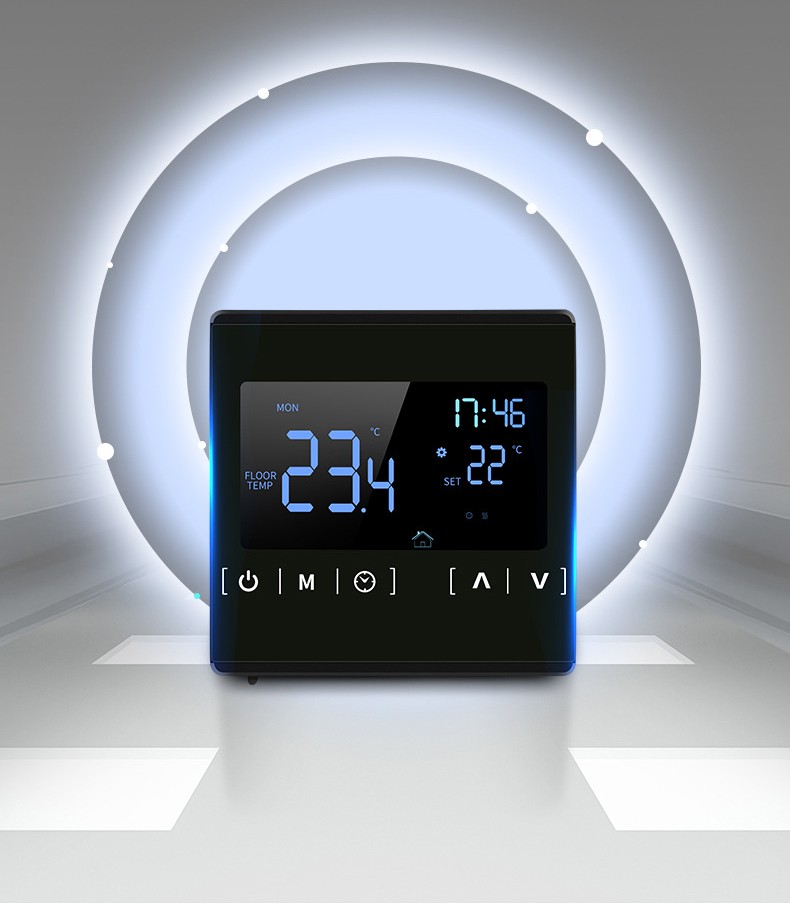
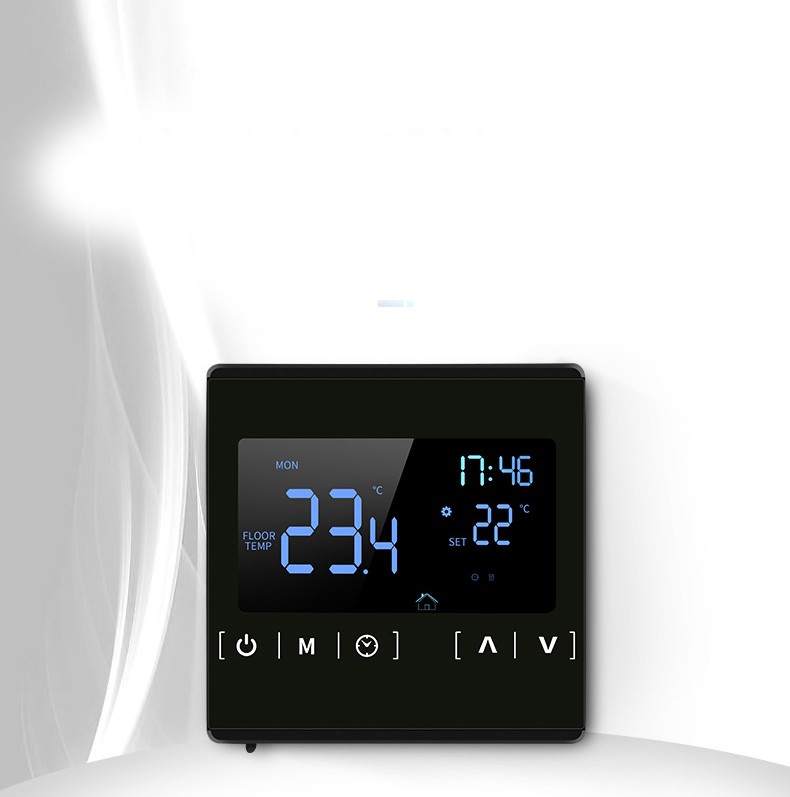
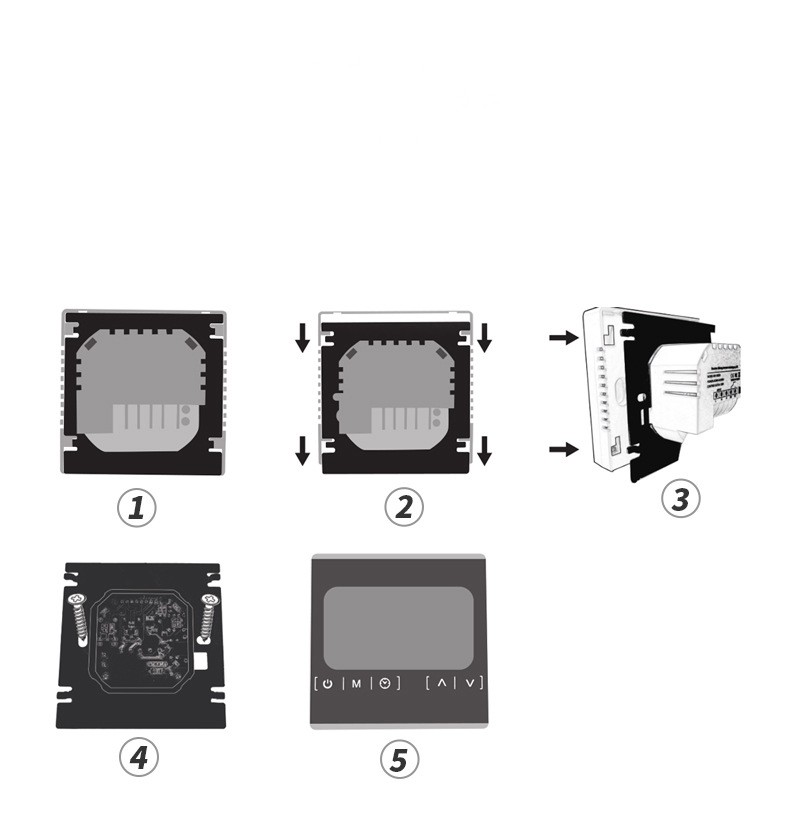
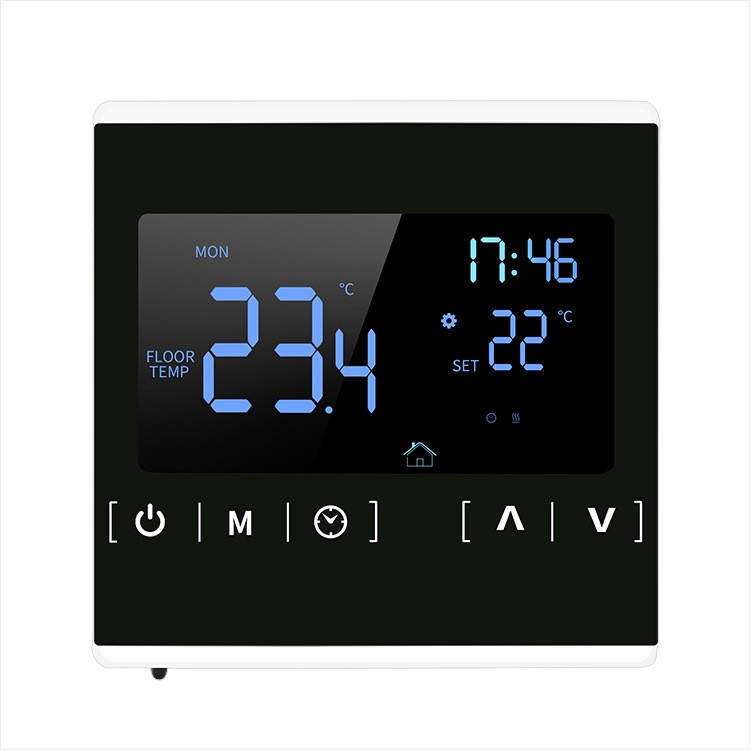
Temperature Switch

Product information:
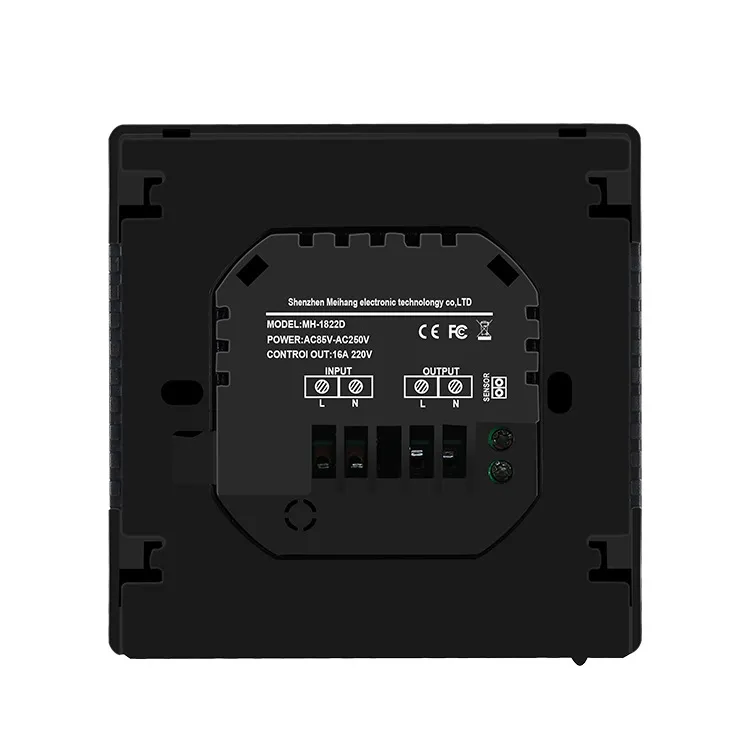
Temperature sensor: NTC
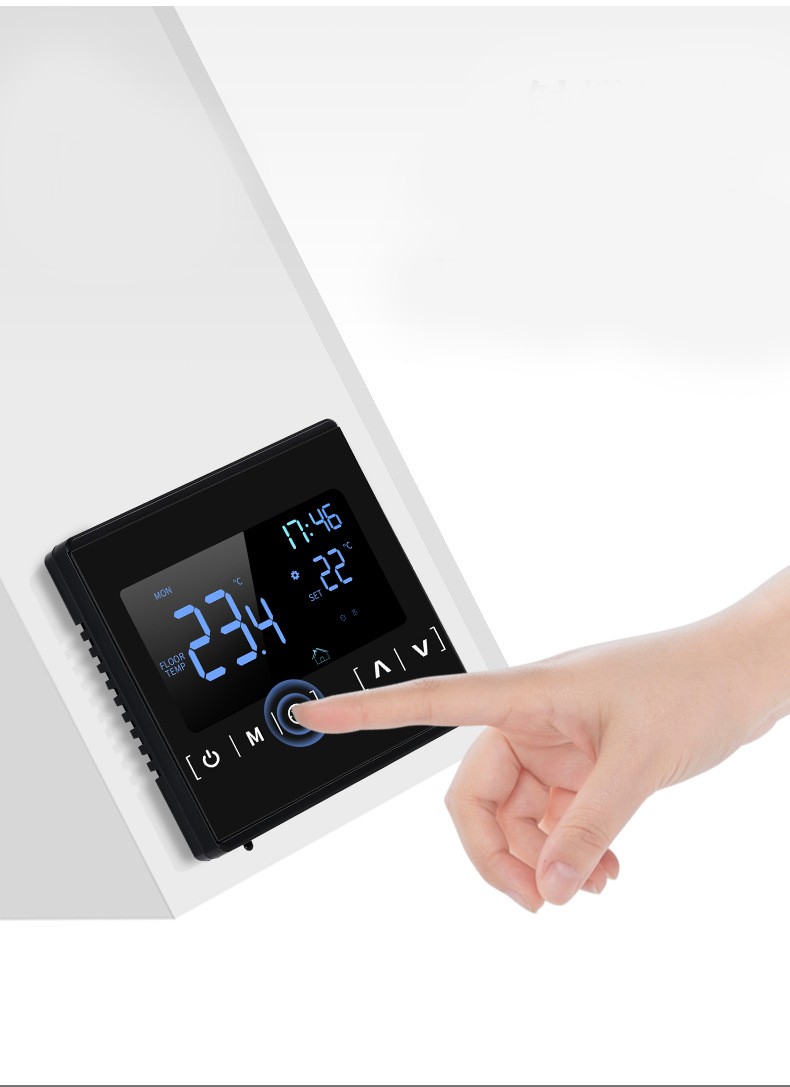
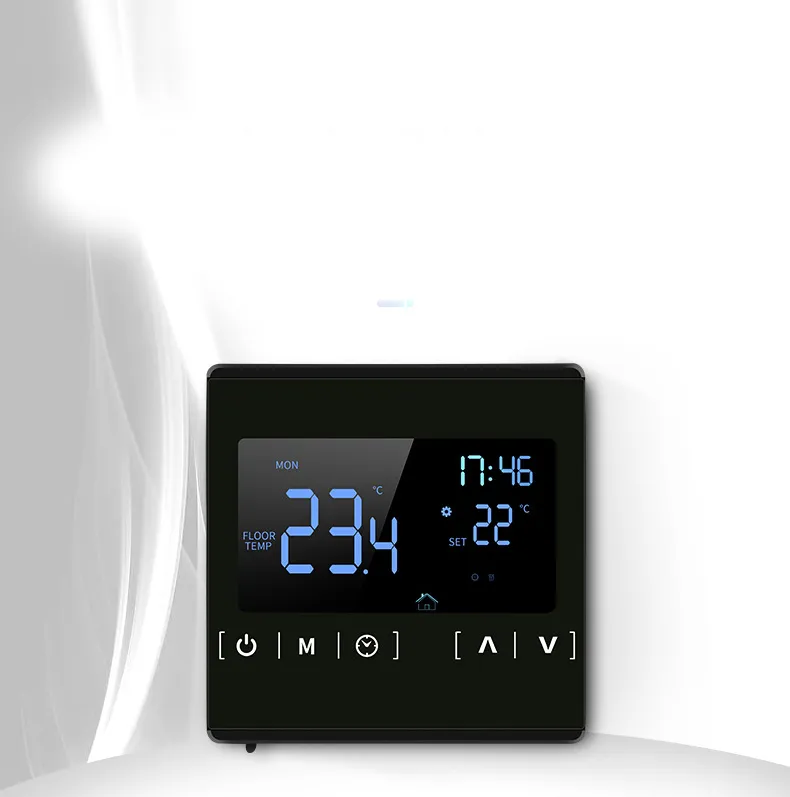
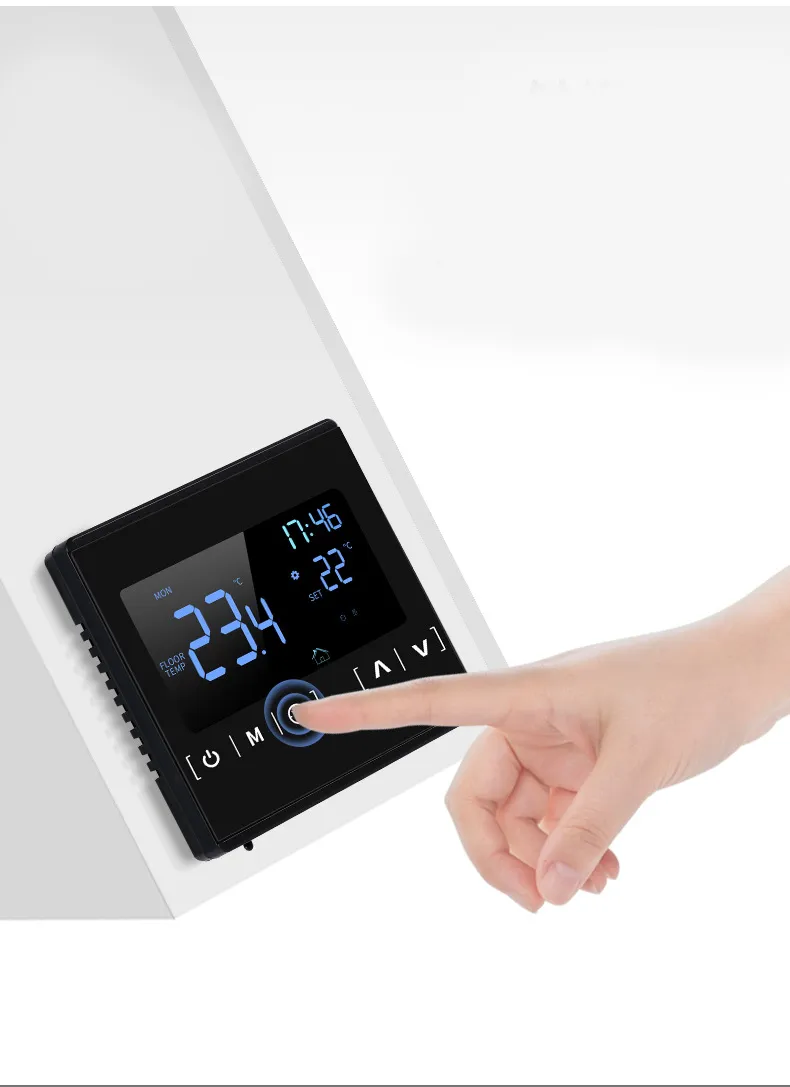
Key: touch key
Power consumption:. <1W
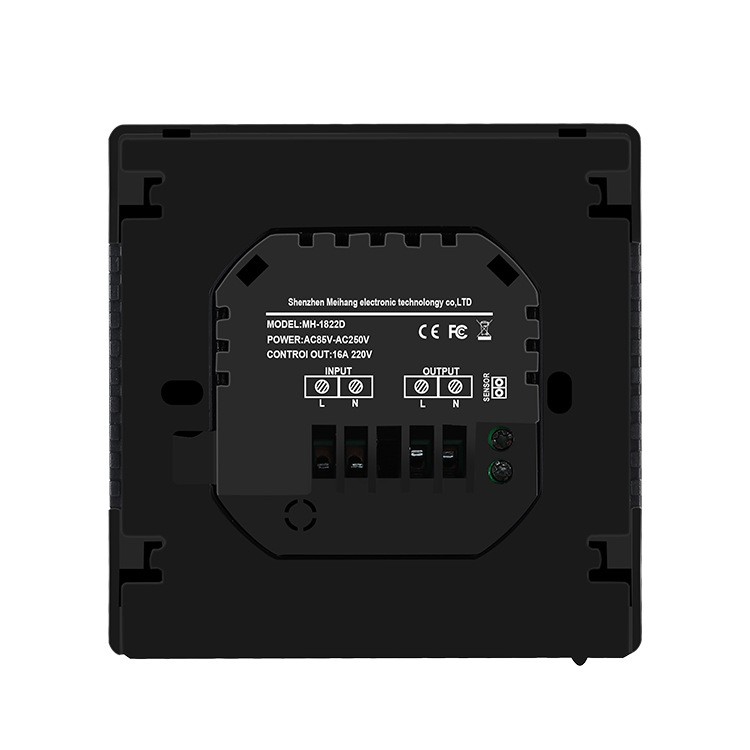
Voltage: AC85V-250V 60HZ
Load current: 16A
Temperature setting: 5-50°C
Control temperature accuracy: ±1°C
Temperature measurement range: -9°C~99°C
Colour: Black
Size Information:
Product size: 8.5*8.5*1.6CM
Packing List:
1* Thermostat
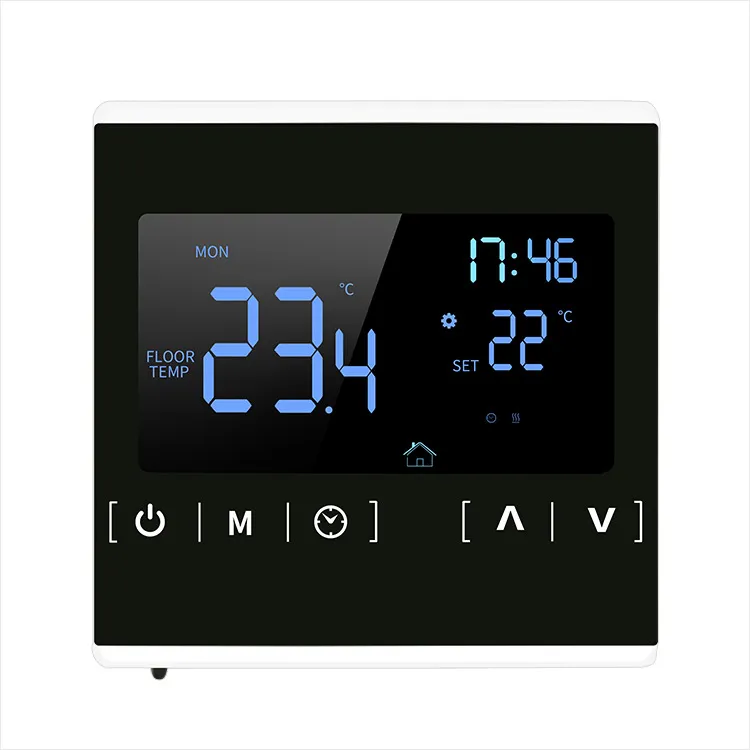
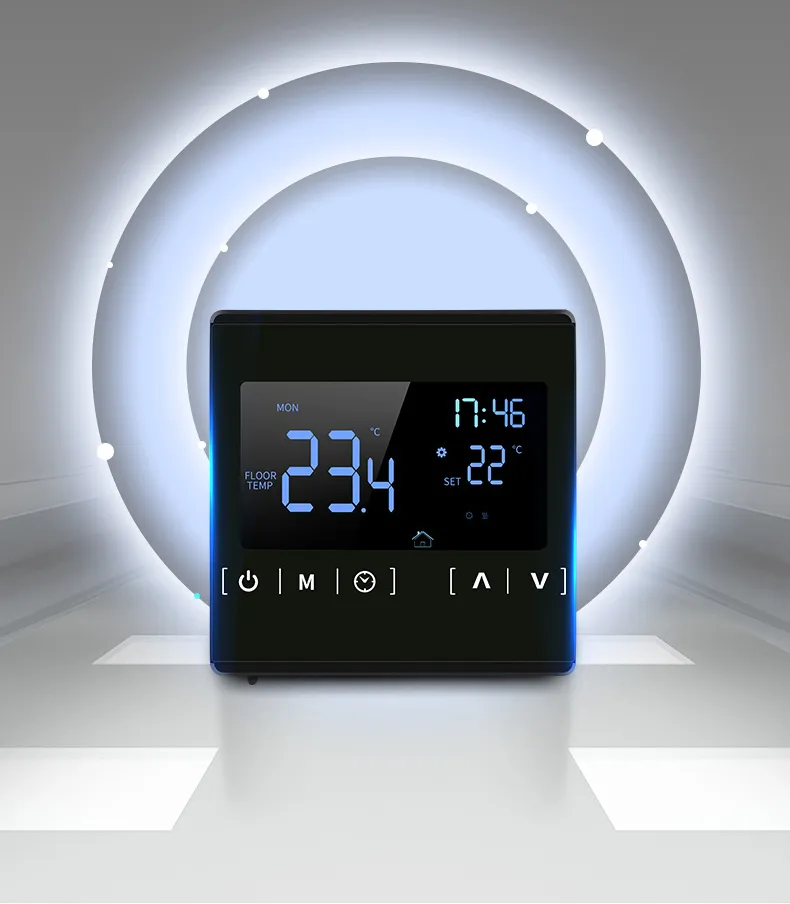
Temperature Switch – Reliable, Automatic Temperature Control
Perfect for HVAC Systems, Refrigeration Units, Water Heaters, Industrial Equipment, and Home Appliances
A Temperature Switch is a vital device that automatically turns electrical circuits on or off based on temperature changes. It is ideal for applications where maintaining a specific temperature range is critical — from household water heaters and air conditioning systems to industrial machines and refrigeration units. Whether you want to protect equipment from overheating, automate climate control, or ensure safe operation of temperature‑sensitive systems, a temperature switch delivers dependable performance with minimal maintenance.
This device is perfect for homeowners, technicians, engineers, and maintenance professionals who require fast, automatic response to thermal conditions. With intuitive settings and rugged designs, temperature switches help preserve safety, improve efficiency, and reduce manual oversight by activating cooling fans, heaters, alarms, or other devices when temperature limits are reached.
Description – Temperature Switch
A Temperature Switch is an electromechanical or electronic device that monitors temperature via a sensor and triggers a switch action when a set temperature threshold is crossed. Depending on its design, it can open (turn off) or close (turn on) an electrical circuit, controlling heating or cooling equipment, alarms, fans, compressors, or other machinery.
The core components include a temperature sensor (such as a bimetallic strip, thermistor, thermocouple, or RTD), a switching mechanism (mechanical contacts or solid‑state relay), and adjustable settings that define the temperature at which the switch should activate. Some units provide a single switch point, while others offer both high and low setpoints for greater control.
Temperature switches are widely used in HVAC systems to control compressors and fans, in refrigeration units to protect against overheating or freezing, and in industrial equipment to prevent damage from overtemperature conditions. They can also be found in water heaters, incubators, engines, boilers, and climate‑controlled cabinets. Their purpose is to automate response to temperature changes, reducing the need for manual intervention and enhancing safety and operational reliability.
Key Points
Feature 1: Automatic Temperature Monitoring
Continuously senses environment or equipment temperature and triggers switch action when set thresholds are reached.
Feature 2: Adjustable Temperature Setpoints
Users can set the activation point (and sometimes deactivation point) according to system requirements, enabling tailored control for
specific applications.
Feature 3: Electromechanical or Solid‑State Operation
Mechanical contacts or solid‑state switching provide reliable output signals to control heating, cooling, or safety circuits.
Feature 4: Wide Temperature Sensing Range
Available in models that cover a broad range of temperatures — from sub‑zero refrigeration environments to high‑heat industrial systems.
Feature 5: Quick Response Time
Fast switching action minimizes delay between temperature change and control response, improving system protection and stability.
Feature 6: Robust Construction
Designed with durable housings and quality internal components to withstand harsh environments, vibration, moisture, and frequent cycling.
Feature 7: Versatile Mounting Options
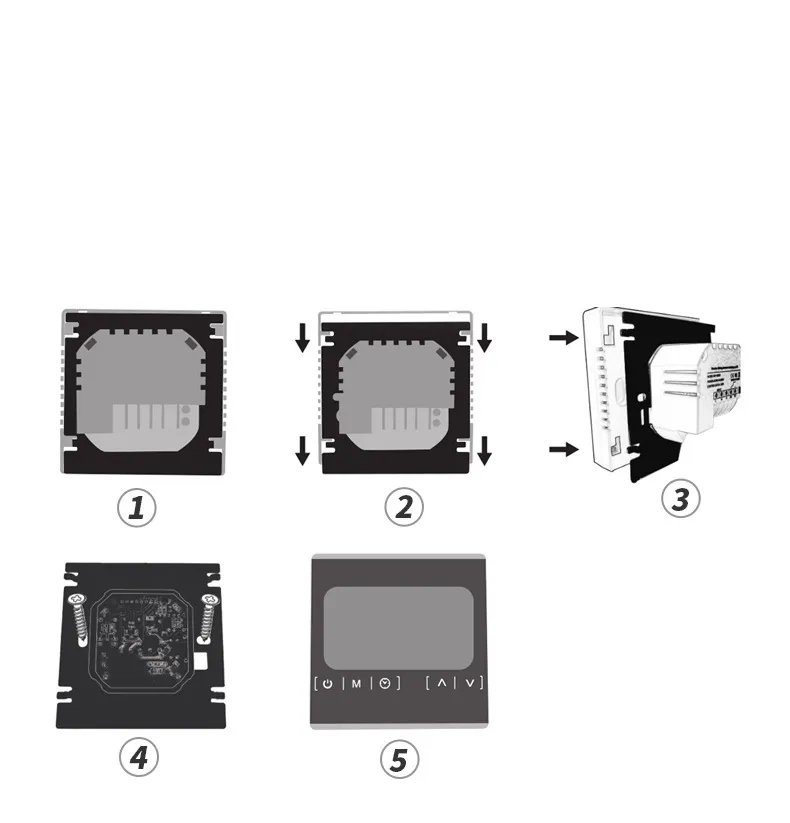
Cabinet, panel, rail, and surface mount configurations support easy integration into existing systems and control panels.
Feature 8: Clear Indicator and Adjustment Interfaces
Some models include dials, digital displays, or indicator lights to show current temperature and active switch status, improving usability.
Benefits
Benefit 1: Enhanced Safety
Automatically protects equipment and environments from overheating or freezing by activating cooling or shutdown sequences when temperatures
go outside safe limits.
Benefit 2: Energy Efficiency
By enabling automatic control of heaters and coolers, temperature switches help reduce unnecessary power use and prolong equipment life.
Benefit 3: Reduced Manual Oversight
Eliminates the need for continuous monitoring, allowing systems to self‑regulate based on temperature thresholds — saving time and reducing
human error.
Benefit 4: Versatile Application
Applicable in residential, commercial, and industrial settings — from building climate control to machinery protection and environmental
monitoring.
Benefit 5: Improved Equipment Longevity
Avoids thermal stress on components by maintaining temperatures within safe operating ranges, reducing breakdowns and maintenance costs.
Benefit 6: Simple Installation and Integration
Standardized interfaces and mounting options make these switches easy to install with heaters, fans, compressors, or control circuits.
Benefit 7: Customisable Control Logic
Adjustable setpoints offer flexibility to tailor switch behaviour to specific temperature thresholds and system requirements.
Benefit 8: Immediate Response to Temperature Change
Rapid switching action ensures timely activation of connected equipment, preventing temperature extremes from causing damage or discomfort.
Why Choose This Temperature Switch?
Choose this Temperature Switch if you want a dependable and automatic way to monitor and control temperature conditions in your systems. Its combination of simple setpoint adjustment, rugged construction, and reliable switch action makes it suitable for HVAC systems, refrigeration units, water heaters, and industrial machinery where temperature management is essential.
This model stands out due to its wide sensing range and quick response time, ensuring that changes in temperature are detected and addressed immediately. The robust design handles frequent cycling and harsh environments, while user‑friendly adjustment interfaces reduce setup time and make fine‑tuning easy.
Whether you’re protecting critical equipment from thermal damage, automating comfort control in buildings, or integrating temperature‑based safety features into larger systems, this temperature switch provides a reliable and efficient solution that enhances performance and peace of mind.
Conclusion
The Temperature Switch is a versatile and reliable device that automates temperature‑based control of electrical systems. With adjustable setpoints, robust construction, fast response, and easy installation, it provides dependable protection and automation for heating, cooling, and safety applications across residential, commercial, and industrial environments.
By reducing manual monitoring and enabling automatic responses to changing temperatures, this device improves safety, saves energy, prolongs equipment life, and enhances the overall performance of controlled systems. Whether used in HVAC units, refrigeration systems, industrial machines, or environmental control cabinets, a quality temperature switch ensures stable and efficient temperature management with minimal effort.
The product may be provided by a different brand of comparable quality.
The actual product may vary slightly from the image shown.
Shop amazing plants at The Node – a top destination for plant lovers

.png)












.jpg)









.jpg)





.jpeg)





.jpeg)



.jpeg)








.jpeg)



.jpeg)

.jpeg)

.jpeg)

.jpeg)




.jpeg)
.jpg)

.jpeg)






.jpeg)
.jpeg)




.jpeg)





.jpeg)


.jpeg)

.jpeg)

.jpeg)

.jpeg)







.jpeg)
.jpeg)
.jpeg)





.jpeg)



.jpeg)






.jpg)
.jpeg)









.jpg)


ulva-Logo.jpg)




.jpeg)



.png)















.png)