
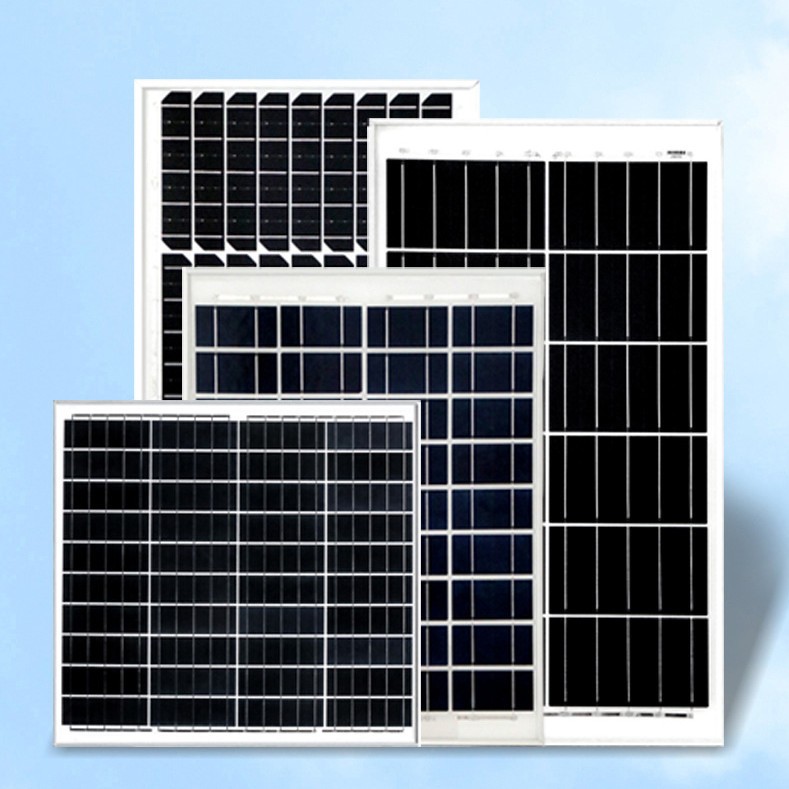
Solar Panel

Product information:
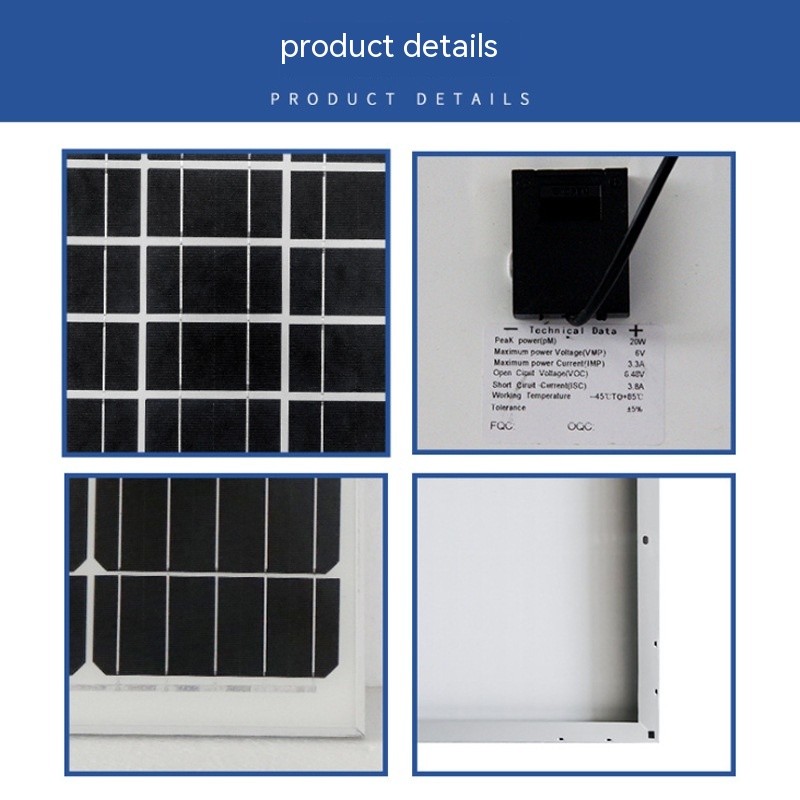
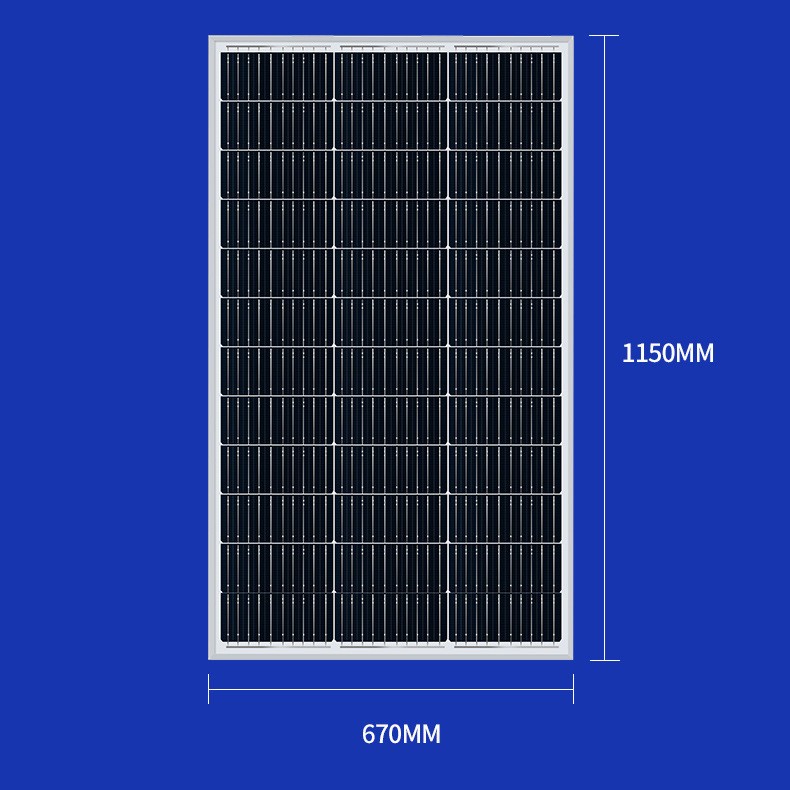
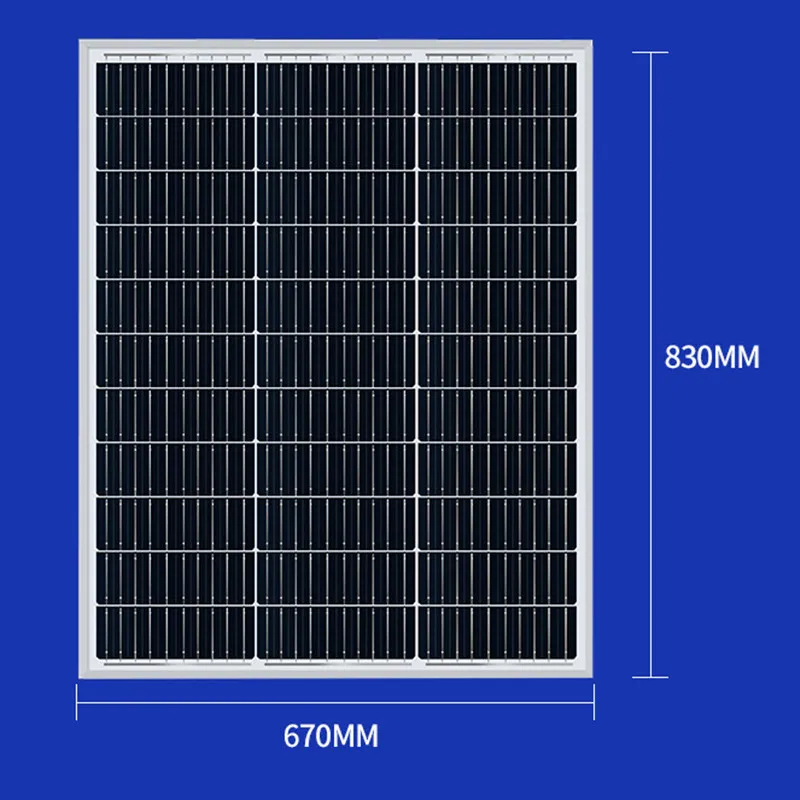
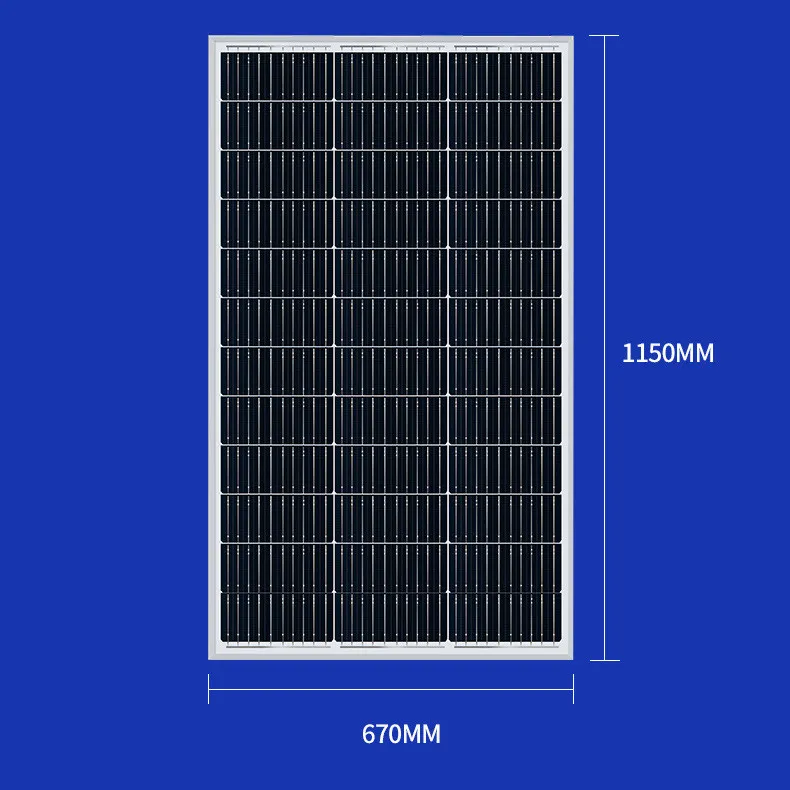
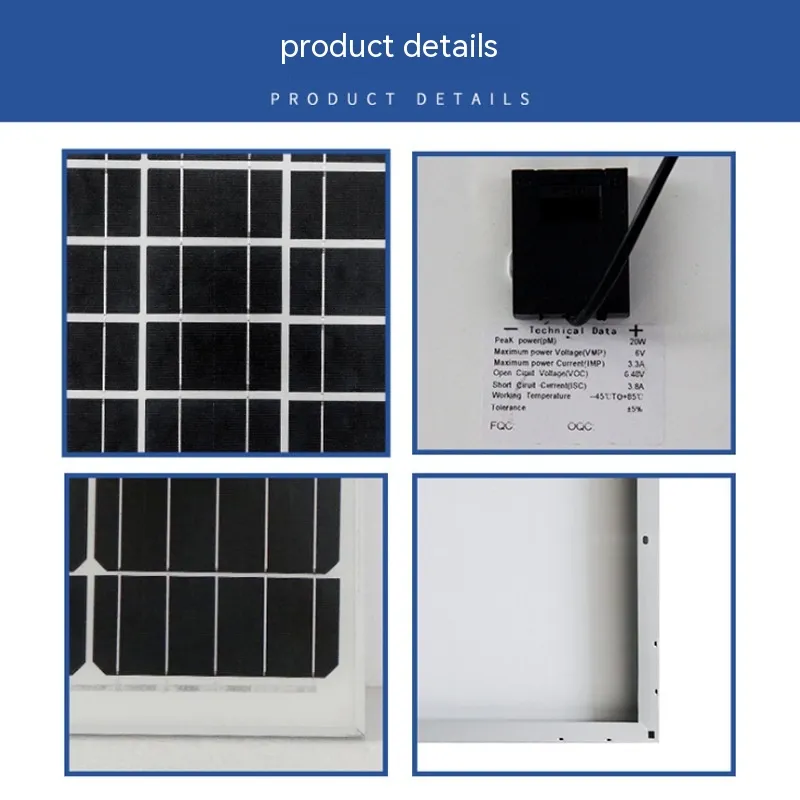
Peak power (WP) : 109W/150W
Peak voltage (V) : 18.2V/18.0V
Peak current (A) : 5.99A/7.70A
Short circuit current (A) : 6.20A/7.92A
Open circuit voltage (V) : 21.4V/23.4V
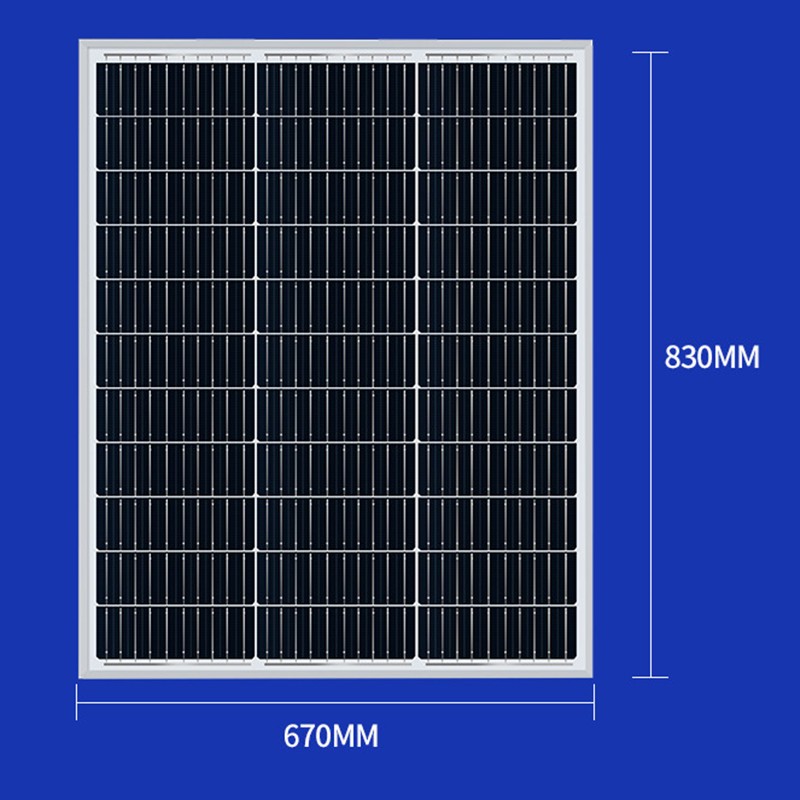
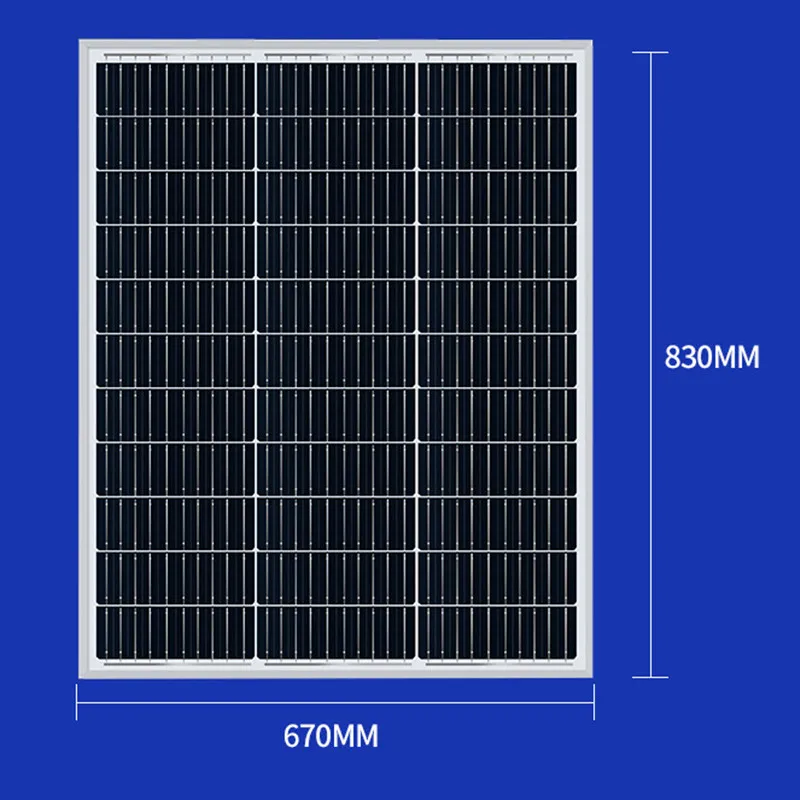
100W Paper Box:84x68x24.8CM
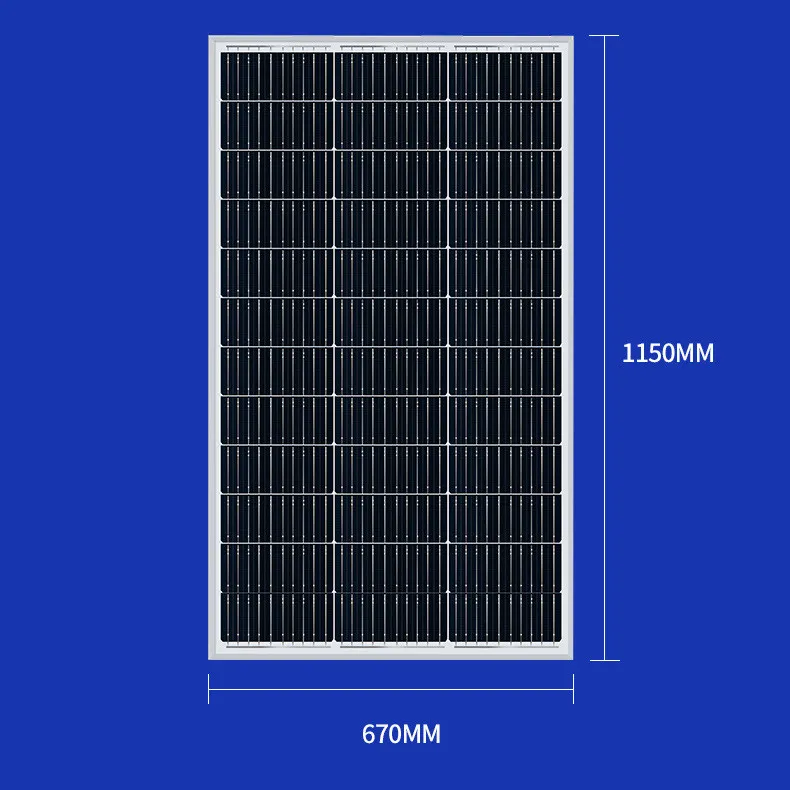
150W Paper Box:116x68x24.8CM
Packing list:
Solar Panel*1
Product Image:
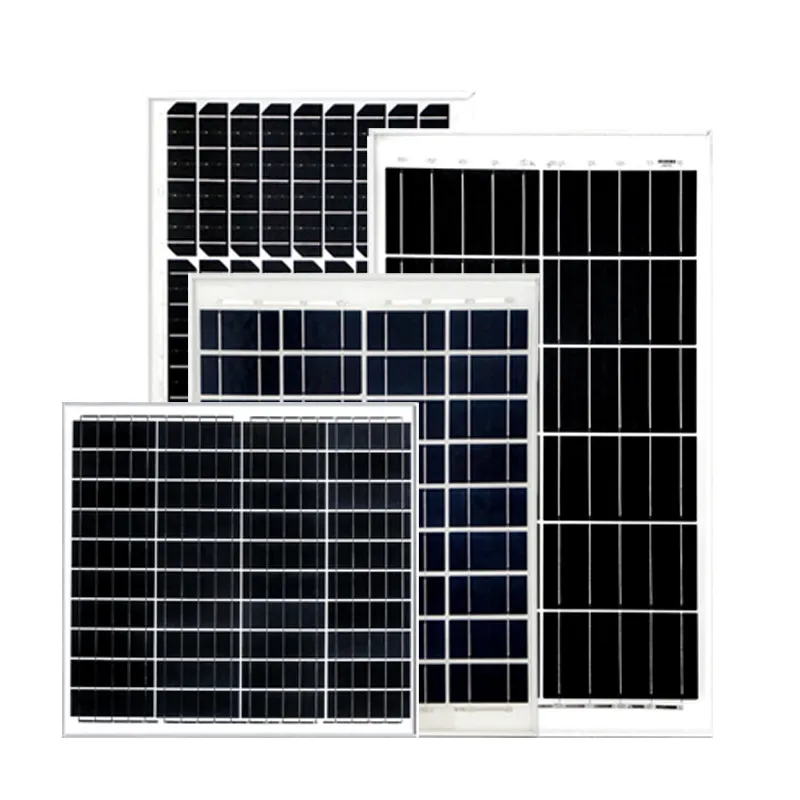
Solar Panel – Clean, Reliable Energy for Your Home and Devices
Perfect for Homeowners, Businesses, Off‑Grid Living, and Eco‑Conscious Consumers
Solar Panel technology is ideal for people and organisations who want to harness the power of the sun to generate clean, sustainable electricity. Whether you are looking to reduce your energy bills, decrease your environmental footprint, support off‑grid systems, or supplement your grid‑connected power, solar panels provide a reliable and long‑lasting solution. This product is perfect for homeowners seeking energy independence, businesses aiming to lower operating costs, rural communities without stable electricity access, and anyone who values renewable energy sources.
Solar Panels are essential in today’s energy landscape because they convert sunlight into usable electricity without emissions, fuel costs, or moving parts. They are widely used in residential rooftops, commercial buildings, solar farms, recreational vehicles, boats, and remote installations. With advancements in efficiency, durability, and affordability, solar panel systems have become more accessible and practical for a wide range of applications. If you want a sustainable, cost‑effective way to power appliances, lighting, electronics, and essential systems while reducing reliance on traditional power sources, solar panels deliver a transformative solution that aligns with modern energy goals.
Description – Solar Panel
A Solar Panel (also called a photovoltaic panel) is a device that captures sunlight and converts it into electrical energy through the photovoltaic effect. Constructed from multiple solar cells made of semiconductor materials (typically silicon), these panels absorb sunlight and generate an electrical current as photons from the sun’s rays knock electrons into motion within the cells. The electricity produced is direct current (DC), and when connected to an inverter, it can be converted into alternating current (AC) for use in homes and businesses.
Solar panel systems are modular and scalable. Whether you need a single small panel for a off‑grid lighting system or a large array for whole‑house power, the design allows you to tailor the setup to your unique energy requirements. The panel’s frame is made from durable materials like aluminium, with tempered glass covering the solar cells to protect them from weather, impact, and UV degradation. These components are engineered to withstand harsh conditions including rain, hail, wind, and heat, ensuring consistent performance over decades with minimal maintenance.
Installations vary based on application. Residential rooftop solar panels are mounted on roof racking systems oriented towards the sun to maximise energy capture. Ground‑mounted systems offer flexibility in orientation and tilt for properties with ample outdoor space. Solar panels are also integrated directly into structures via building‑integrated photovoltaics (BIPV) for architectural applications or integrated into portable systems used in RVs, boats, and remote cabins.
A complete solar energy system typically includes solar panels, mounting hardware, a solar inverter, wiring, and, optionally, energy storage (batteries). Advanced installations may include monitoring systems that track energy production, performance analytics, and smart energy management features. With net metering, grid‑connected solar systems can send excess electricity back to the utility, reducing future energy bills and contributing clean energy to the grid.
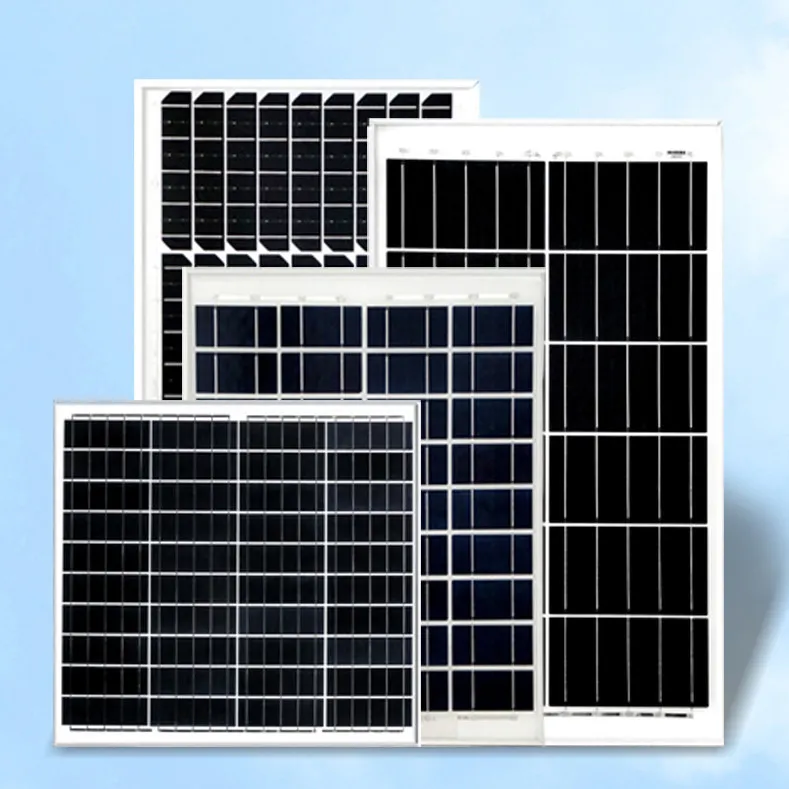
Solar panels perform best in direct sunlight, but they can still generate power on cloudy days. Advances in cell technology, such as monocrystalline and polycrystalline designs, have improved efficiency and durability. Monocrystalline panels are known for higher efficiency and performance in limited space, while polycrystalline panels offer cost‑effective energy capture. Emerging technologies like thin‑film and bifacial panels further expand options for specific environments and budget considerations.
Because solar panels have no moving parts and require minimal ongoing maintenance, lifetime costs are typically lower than traditional energy sources. Cleaning the panels periodically and ensuring connections remain secure are usually sufficient to maintain optimal performance. With most high‑quality solar panels carrying warranties of 25 years or more, long‑term energy production is reliable and predictable.
Whether your goal is to cut utility bills, achieve energy independence, reduce carbon emissions, or create a backup power source in areas prone to outages, solar panels are a powerful tool that supports sustainable living and economic savings.
Key Points
Feature 1: Photovoltaic Energy Conversion
Solar panels convert sunlight into electrical energy through the photovoltaic effect. This technology allows renewable electricity
generation without fuel costs or emissions, providing a clean energy source for homes and businesses.
Feature 2: High‑Durability Construction
Panels are built with weather‑resistant tempered glass, sturdy aluminium frames, and encapsulated solar cells to endure harsh outdoor
conditions including rain, hail, heat, and wind over multiple decades.
Feature 3: Scalable and Modular System Design
Solar panels are modular — you can add more panels to increase energy capacity as your needs grow. This makes the system customizable for
small installations, large residential arrays, or commercial solar farms.
Feature 4: Multiple Mounting Options
Panels can be rooftop mounted, ground mounted, or integrated into specialized applications like building facades or portable setups.
Adjustable tilt and orientation help maximise sun exposure and electricity generation.
Feature 5: Compatible with Energy Storage
Solar panels can be paired with batteries or energy storage systems. This enables storing excess energy for nighttime use or emergency
backup, increasing self‑sufficiency and resilience.
Feature 6: Grid Integration and Net Metering Support
When connected to the electrical grid, solar systems can export surplus electricity back to the utility through net metering. This reduces
utility bills and can generate credits for future energy use.
Feature 7: Low Operating Costs and Simple Maintenance
With no moving parts, panels require minimal maintenance beyond occasional cleaning. Durable construction and long warranties ensure
consistent performance and low long‑term costs.
Feature 8: Multiple Technology Options
Panels are available in different cell types (monocrystalline, polycrystalline, thin film), each with unique efficiency and performance
characteristics, allowing you to choose the best fit for budget and space.
Benefits
Benefit 1: Reduced Energy Costs
By generating your own electricity from sunlight, you reduce reliance on grid power and lower monthly utility bills. Over time, solar panels
can pay for themselves through energy savings and incentives.
Benefit 2: Environmentally Sustainable Power
Solar energy produces no greenhouse gas emissions during operation, helping reduce your carbon footprint and support cleaner air —
contributing to a more sustainable future.
Benefit 3: Energy Independence and Reliability
With solar panels, you produce your own power, reducing dependence on grid electricity and protecting yourself from fluctuating energy
prices or supply disruptions.
Benefit 4: Long‑Lasting Performance
High‑quality panels are designed for long lifespans (often 25 years or more), providing stable, reliable electricity production with minimal
upkeep over decades.
Benefit 5: Flexible Installation Across Applications
Solar panels aren’t limited to houses — they are used on commercial rooftops, off‑grid cabins, agricultural sites, RVs, boats, and anywhere
you need reliable electricity.
Benefit 6: Increased Property Value
Homes and properties with solar installations often have higher market value and appeal to buyers seeking energy efficiency and lower
operational costs.
Benefit 7: Supports Backup Power Solutions
When combined with battery storage, solar panels help supply power during outages, improving energy resilience for critical needs like
refrigeration, lighting, communication, and medical devices.
Benefit 8: Incentives and Financial Returns
Many regions offer tax credits, rebates, or feed‑in tariffs for installing solar panels. These incentives can accelerate return on
investment and make renewable energy more affordable.
Why Choose This Solar Panel?
Choose this Solar Panel if you want a cost‑effective, durable, and environmentally responsible way to generate electricity. It’s engineered to convert abundant sunlight into usable power for your home or business, reducing reliance on fossil fuels and utility electricity. With its robust construction, scalable design, and compatibility with energy storage and grid integration, this panel supports both current energy needs and future expansions.
Unlike traditional power sources that require fuel and ongoing operating costs, solar panels harness free energy from the sun, making them a long‑term solution that pays dividends through reduced energy bills and increased property value. The flexibility in mounting options and technology types allows you to tailor the solution for your specific location, space constraints, and performance expectations.
Whether you’re installing a small array to supplement your household usage or deploying a larger system to handle most of your power demands, this solar panel delivers reliable performance with minimal maintenance. Its resilience in adverse weather and consistent energy production make it suitable for diverse climates and applications.
A high‑quality solar panel also offers a peace‑of‑mind warranty that covers performance and product quality for many years, ensuring that your investment is protected and productive throughout its lifecycle.
Conclusion
The Solar Panel is an advanced renewable energy solution that brings sustainable, cost‑effective electricity to your home, business, or remote installation. By converting sunlight into usable power with no emissions or fuel costs, it supports energy independence and long‑term financial savings. With modular scalability, robust construction, and compatibility with storage and grid systems, solar panels are among the most adaptable and forward‑thinking technologies for modern energy challenges.
Whether you’re cutting energy costs, supporting backup power needs, enhancing your property value, or contributing to a greener planet, solar panels offer tangible benefits that extend well beyond electricity generation. They provide reliable performance, low operating costs, and flexibility for future energy demands, making them a smart choice for anyone looking to embrace sustainable living and resilient power solutions.
Choose solar energy today — a clean, efficient, and long‑lasting way to power your life with the limitless energy of the sun.
The product may be provided by a different brand of comparable quality.
The actual product may vary slightly from the image shown.
Shop amazing plants at The Node – a top destination for plant lovers

.png)










.jpg)









.jpg)





.jpeg)





.jpeg)



.jpeg)







.jpeg)



.jpeg)

.jpeg)
.jpeg)

.jpeg)




.jpeg)
.jpg)

.jpeg)






.jpeg)
.jpeg)




.jpeg)





.jpeg)


.jpeg)

.jpeg)

.jpeg)

.jpeg)







.jpeg)
.jpeg)
.jpeg)





.jpeg)



.jpeg)




.jpg)
.jpeg)









.jpg)


ulva-Logo.jpg)




.jpeg)



.png)














.png)