
Portable Mini Exercise Bike with LCD Monitor

Staying active does not always require a full home gym or a large cardio machine. For many New Zealand households, the real barrier to exercise is not motivation—it is practicality. Limited space, unpredictable schedules, winter weather, and the reality of day-to-day fatigue can make consistent exercise harder than it needs to be. A portable mini exercise bike, sometimes called an under-desk pedal exerciser, is designed to remove those barriers by making movement easy, accessible, and low-impact.
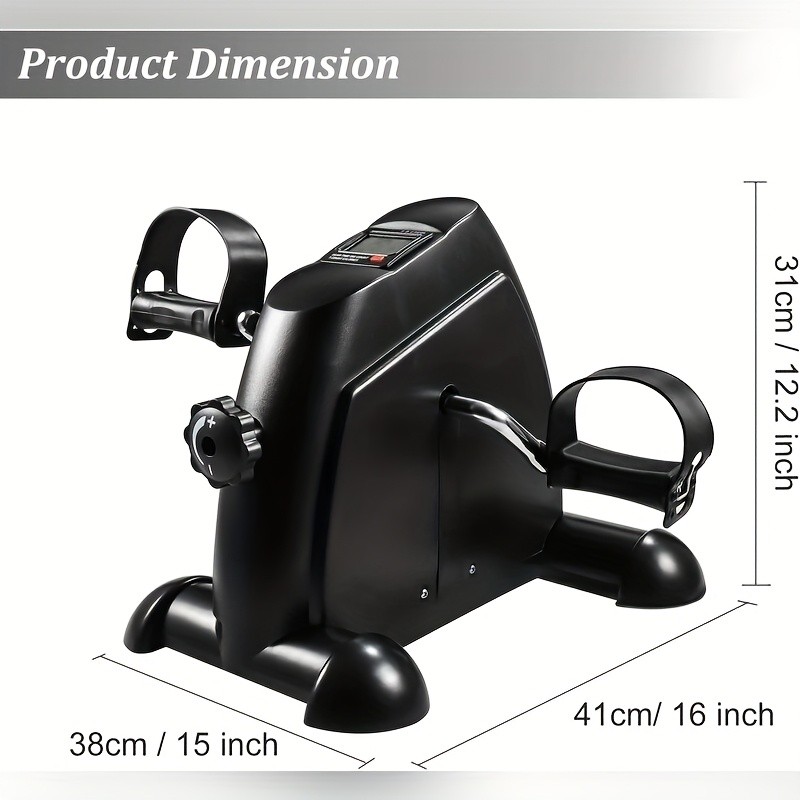
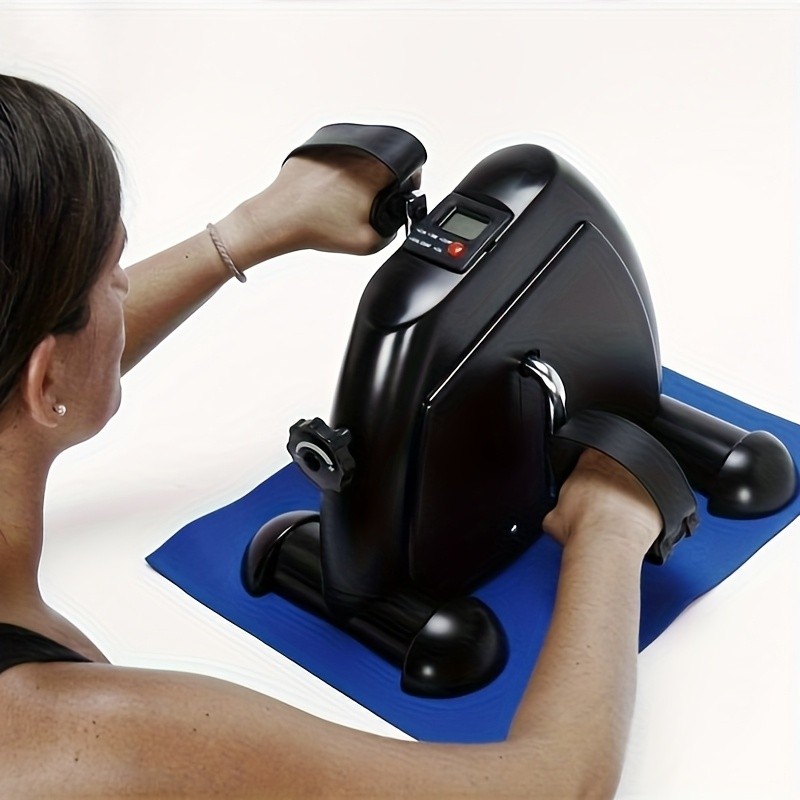
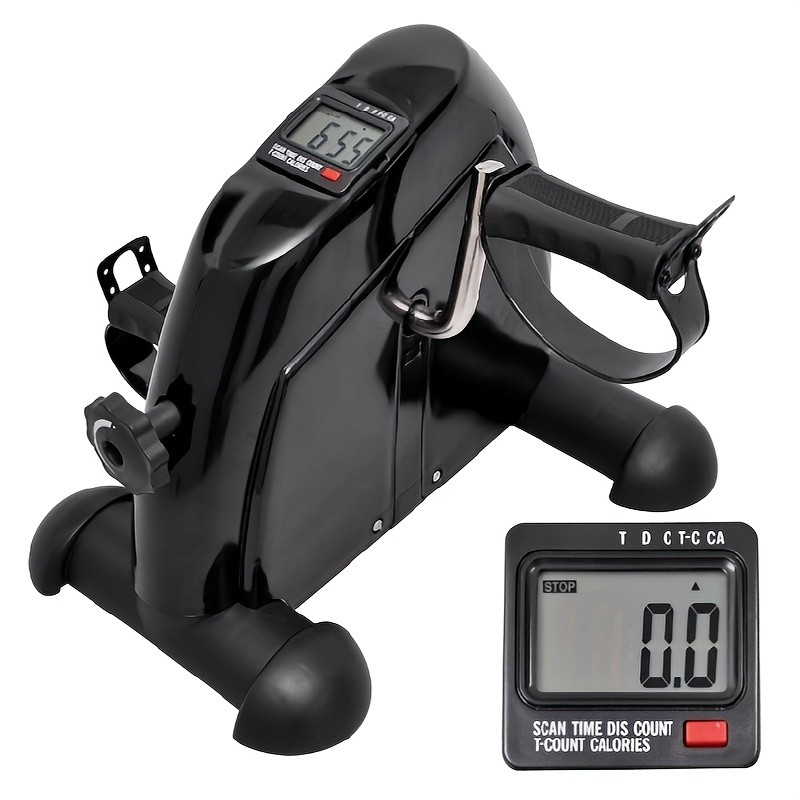
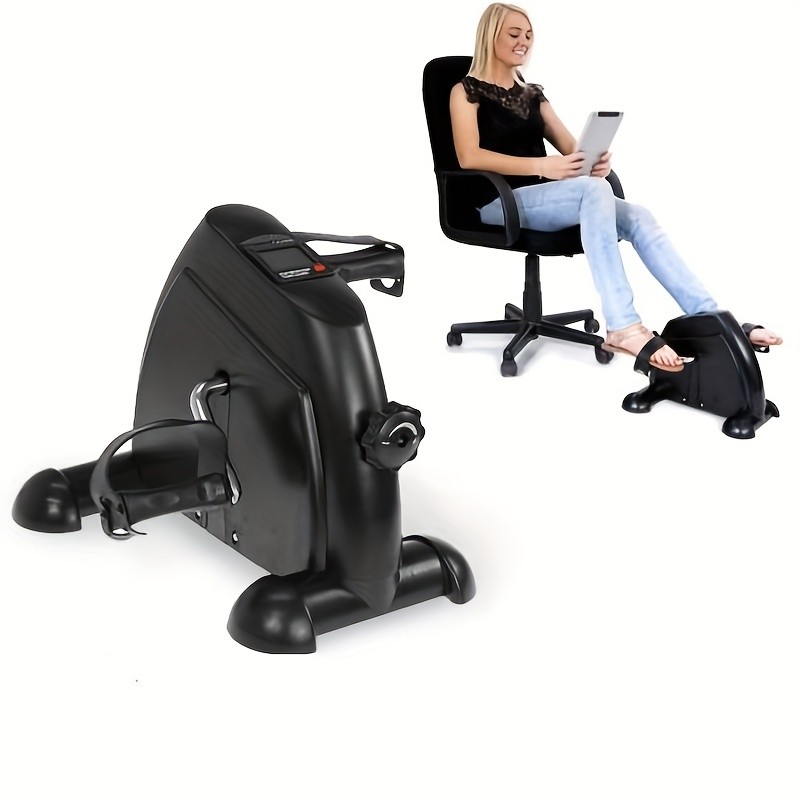
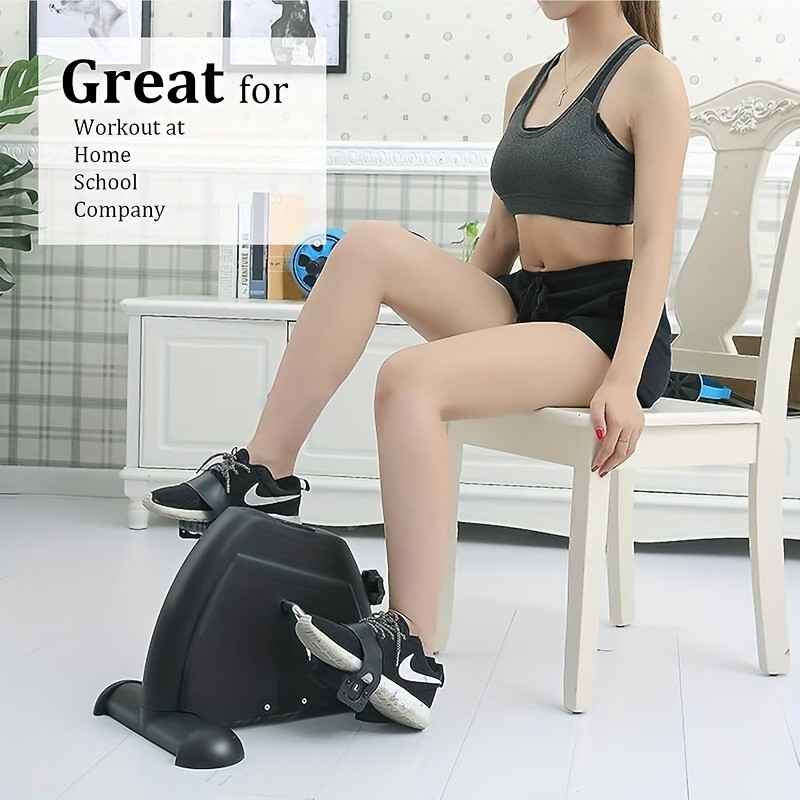
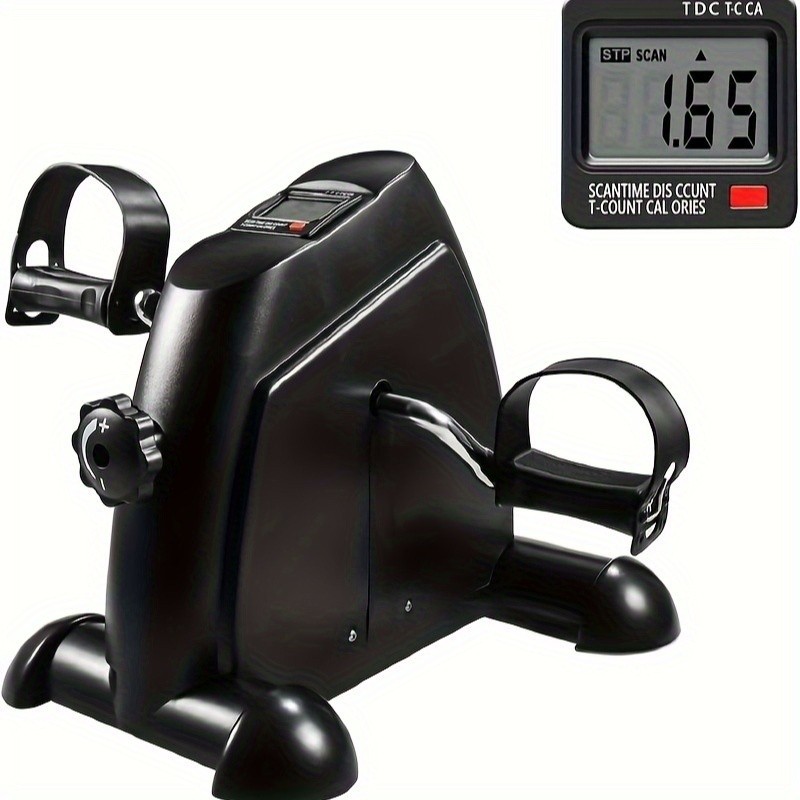
This mini bike combines a compact, foldable design with adjustable resistance, a belt-driven friction system for smooth pedalling, stabilising feet for better grip, and an LCD monitor that tracks key activity metrics such as time, distance, and calories. It is non-electric, meaning it does not rely on a power outlet, and it can be used in a wide range of home settings—on the couch, at a desk, in front of the TV, or in a chair-based exercise routine. For seniors, people recovering mobility, and anyone who wants a simple way to increase daily movement, it offers a practical path toward consistency.
This long-form NZ-focused guide explains what a mini exercise bike is best used for, how the resistance and tracking features help, and how different New Zealand users can integrate it into everyday life.
Why a Mini Exercise Bike Is a Smart Choice for NZ Home Fitness
New Zealand fitness habits are often shaped by the environment and lifestyle:
- winter evenings can be cold and dark, reducing outdoor activity
- many people work long hours or have long commutes
- not everyone has room for a treadmill or full-size exercise bike
- some households need low-impact exercise options for older family members
- rehabilitation and gentle movement are common needs after injury or surgery
- many people want exercise that fits into daily routines rather than requiring “gym time”
A mini bike addresses those realities by offering short, repeatable movement opportunities throughout the day. Instead of needing a dedicated workout session, you can pedal for 10–20 minutes while working, watching TV, reading, or relaxing. Over time, that consistency can be more valuable than occasional intense workouts.
What This Mini Bike Is Designed to Do
A portable mini exercise bike is designed for seated pedalling. It is most commonly used for:
- low-impact cardio movement
- gentle leg strengthening
- maintaining circulation through regular movement
- warm-ups and recovery routines
- light daily activity for people with limited mobility
- under-desk pedalling during work or study
Because it is non-electric and belt-driven, the pedalling motion is created by the user rather than by a motor. You control speed, effort, and duration. The adjustable resistance adds the ability to make pedalling easier or harder based on your fitness level.
Adjustable Resistance: Making the Workout Fit Your Body
The most important feature for long-term use is adjustable resistance. A mini bike that has only one resistance level often becomes either too easy (and ineffective) or too hard (and discouraging). Adjustable resistance allows progression and comfort.
How Resistance Helps Different NZ Users
For seniors:
Lower resistance supports comfortable movement without strain. Over time, resistance can be increased gradually as strength improves.
For rehab and recovery:
Controlled resistance helps maintain a safe level of effort. This is useful for gentle recovery routines when movement needs to be
consistent but not aggressive.
For desk-based users:
Moderate resistance provides light activity that can be sustained during work without creating excessive fatigue or sweat.
For home fitness:
Higher resistance can turn steady pedalling into a more challenging cardio and leg-strengthening session.
Resistance adjustability makes this mini bike suitable for a broad range of users, from beginners to those who want a compact “daily cardio” tool.
Belt-Driven Friction System: Smooth, Consistent Pedalling
A belt-driven friction system is designed to provide smooth rotation and consistent resistance. Compared to some simpler mechanical systems, belt-driven designs often feel more stable and fluid.
Practical benefits include:
- smoother pedalling motion for comfort
- steady resistance without jerky transitions
- reduced “mechanical feel,” especially during longer sessions
- better suitability for steady, low-impact exercise
This matters in NZ households where the mini bike may be used while watching TV or working. A smoother pedal cycle helps make the experience more enjoyable, which increases the likelihood of consistent use.
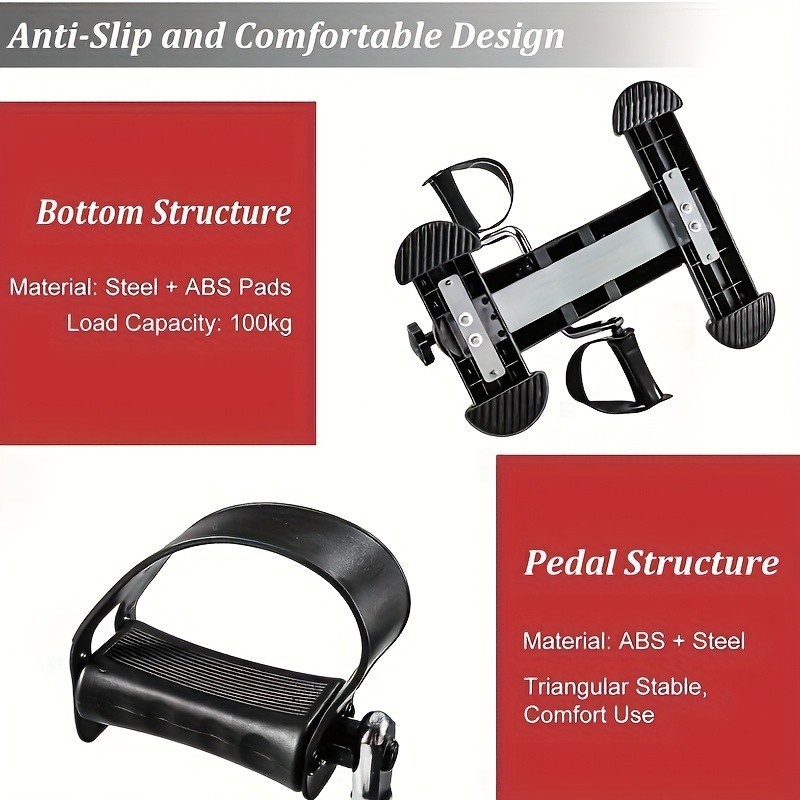
Stabilising Feet: Better Grip and Safer Use
One of the challenges with compact exercise equipment is movement during use. Stabilising feet help keep the mini bike more secure on the floor, especially during stronger pedalling.
This matters because it:
- improves safety for seniors and rehab users
- reduces slipping on common NZ flooring types (carpet, laminate, hardwood)
- makes the unit feel more solid and confidence-inspiring
- supports more consistent cadence without repositioning
If the mini bike stays stable, users can focus on movement rather than constantly correcting the machine’s position.
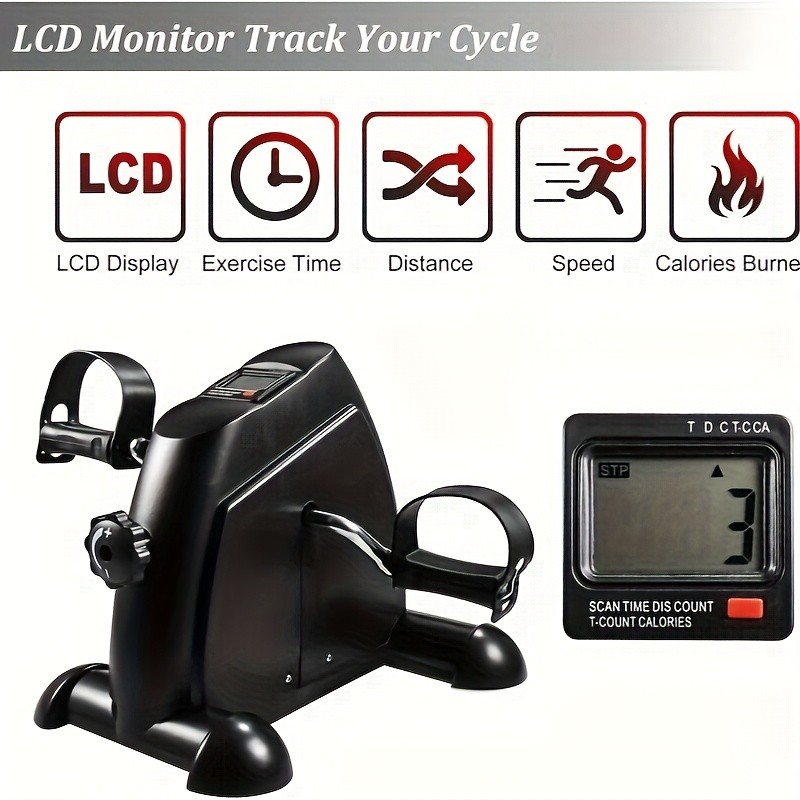
LCD Monitor Tracking: Calories, Time, and Distance Made Visible
Tracking is not only for athletes. For many people, especially beginners and seniors, a simple display provides motivation and structure. The LCD monitor typically tracks metrics like:
- time pedalled
- distance (estimated)
- calories (estimated)
- sometimes speed or rotation count (depending on model)
Why Tracking Helps in Real NZ Life
Motivation through feedback:
Seeing progress builds routine. A user may start with 5–10 minutes per day and gradually increase.
Simple goals:
Instead of “exercise more,” you can aim for “15 minutes per day” or “100 minutes per week.”
Consistency for rehab:
Tracking can support structured routines and gradual increases in activity.
Routine-building for busy schedules:
A quick glance tells you whether you have done enough movement today, even if it is spread across short sessions.
It is important to understand that calories and distance on compact devices are estimates, but they still provide a useful benchmark for progress.
Ideal Users in New Zealand
Seniors and Low-Impact Fitness Needs
For older adults, consistent movement supports mobility and comfort. A mini bike provides a safe, chair-based movement option that is easier on joints than high-impact exercise.
It can be used for:
- gentle daily pedalling
- circulation support through regular movement
- maintaining leg activity during sedentary periods
- gradual strength and endurance improvement
Because the device is portable, it can be used in different rooms, making it more likely to become part of a daily routine.
Home Rehab and Recovery
Many NZ households look for simple tools that support movement after injury or during recovery. A mini bike can assist with gentle range-of-motion work, especially when combined with medical guidance where relevant.
Typical use includes:
- light pedalling sessions
- controlled resistance work
- consistent daily movement rather than intense workouts
If you have specific recovery needs, it is best to follow advice from a physiotherapist or healthcare professional regarding intensity and duration.
Work-From-Home and Under-Desk Activity
For desk-based users, long sitting hours can create stiffness and reduce daily movement. Pedalling under a desk can help add light activity without disrupting work.
This is especially useful for:
- remote workers in NZ who sit for long periods
- students studying for long hours
- people wanting movement during winter when outdoor activity drops
A mini bike can turn passive time into active time.
Small Homes and Apartments
Compact living spaces are common in many NZ areas. A foldable mini bike suits:
- apartments
- small bedrooms
- shared living spaces
- homes where exercise equipment must be stored away
The foldable design means the equipment does not need to dominate your space.
Foldable, Non-Electric Design: Practicality and Portability
A non-electric mini bike avoids the hassle of cords and charging. You can place it anywhere, move it easily, and use it without setup complexity.
Foldability adds further practicality:
- easier storage under a couch or bed
- simple packing for travel or temporary living
- convenient for households that need multi-use spaces
For NZ users who prefer minimal clutter and maximum flexibility, these features are essential.
How to Use a Mini Bike Effectively at Home
Set Realistic Daily Targets
A mini bike works best with consistent use. Practical targets include:
- 10 minutes daily to start, then increase gradually
- 20–30 minutes while watching TV in the evening
- short “movement breaks” throughout the day (5 minutes at a time)
Consistency matters more than intensity for most users.
Choose the Right Chair Height
For comfortable pedalling, your chair should allow:
- a stable seated posture
- a knee bend that feels natural and not overly compressed
- feet that stay comfortably on the pedals without strain
A supportive chair with a stable base is ideal.
Increase Resistance Gradually
Start light. If the pedalling feels too easy after consistent use, increase resistance gradually. This helps avoid strain and supports steady improvement.
Add It to Existing Habits
The easiest way to build routine is to attach it to something you already do:
- pedal during the evening news
- pedal while watching a series
- pedal during morning emails
- pedal during study sessions
When exercise becomes part of a habit loop, consistency improves dramatically.
Safety and Comfort Considerations
To maximise comfort and reduce risk:
- ensure the unit is stable before starting
- avoid pedalling aggressively if the unit shifts
- start with low resistance if you are new or returning to exercise
- take breaks if you feel discomfort in knees or hips
- consider supportive footwear for better pedal grip
For seniors, it may be helpful to begin with shorter sessions and increase duration as comfort improves.
Who This Mini Exercise Bike Is Best For
This portable mini exercise bike is ideal for:
- NZ seniors wanting low-impact movement at home
- people seeking gentle, consistent exercise routines
- home rehab and recovery support (with appropriate guidance)
- remote workers and students wanting under-desk activity
- anyone with limited space who still wants regular movement
- households wanting a compact, simple cardio tool without electricity
Summary: Compact Daily Movement for NZ Homes and Busy Routines
A foldable mini exercise bike with LCD tracking, adjustable resistance, belt-driven friction, and stabilising feet offers an accessible path to consistent movement in New Zealand homes. It fits small spaces, supports seniors and low-impact routines, and provides simple tracking to build motivation over time. Whether used under a desk, in front of the TV, or as part of a gentle daily routine, it is designed to make exercise more practical, repeatable, and achievable—without needing a full gym setup.
The product may be provided by a different brand of comparable quality.
The actual product may vary slightly from the image shown.
Shop amazing plants at The Node – a top destination for plant lovers

.webp)
.webp)



.jpg)






.jpg)


.jpeg)





.jpeg)


.jpeg)








.jpeg)



.jpeg)

.jpeg)

.jpeg)

.jpeg)



.jpeg)
.jpg)

.jpeg)






.jpeg)
.jpeg)




.jpeg)





.jpeg)

.jpeg)

.jpeg)

.jpeg)

.jpeg)




.jpeg)
.jpeg)
.jpeg)




.jpeg)



.jpeg)


.jpg)
.jpeg)









.jpg)


ulva-Logo.jpg)




.jpeg)



.png)













.png)