


PEJE AI Smart Glasses: Real-Time Translation, Object Recognition, and Open-Ear Audio

Smart eyewear has moved beyond novelty. For many people, the most useful wearables are the ones that solve real friction in daily life: language barriers during travel, hands-busy communication at work, quick access to information without pulling out a phone, and audio that stays comfortable and situationally aware. PEJE AI Smart Glasses are designed around those practical outcomes—bringing together real-time translation, object recognition, open-ear audio, and an ultra-light form factor that fits naturally into everyday routines.
In New Zealand, where people often blend work, commuting, outdoor activities, and travel across regions (and overseas), smart glasses can offer a convenient layer of assistance that feels less intrusive than constantly looking down at a phone. Whether you are navigating a new city, engaging with international customers, collaborating with multilingual teams, or simply wanting safer audio during walks and commutes, the right pair of AI smart glasses can become a high-utility tool rather than a gimmick.
This long-form guide explains what these glasses are, how each feature translates into real benefit for NZ users, what use cases they best suit, and what to consider when setting them up for daily reliability.
What These AI Smart Glasses Are Designed to Do
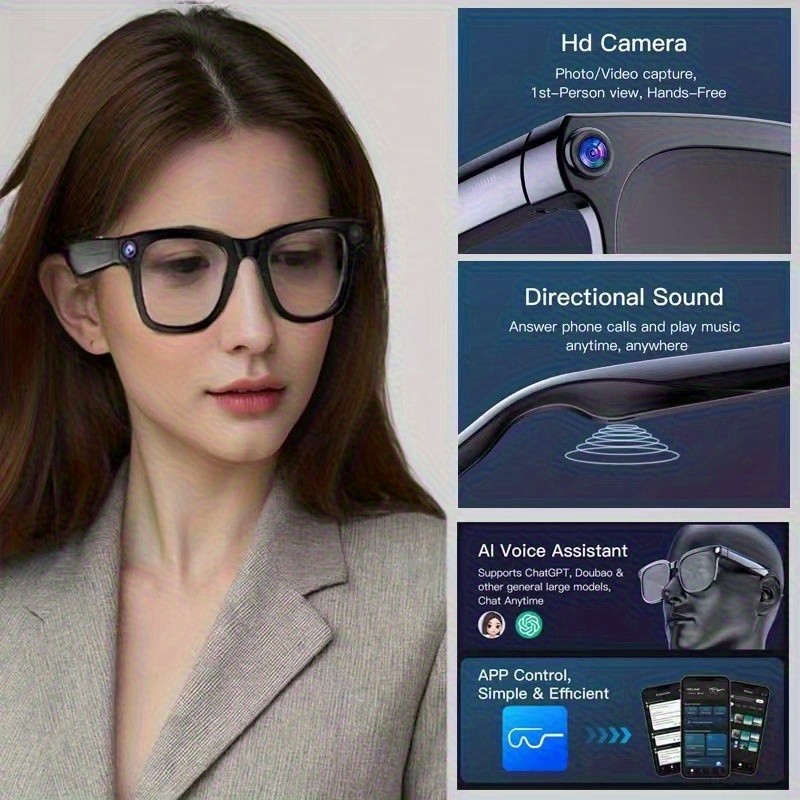
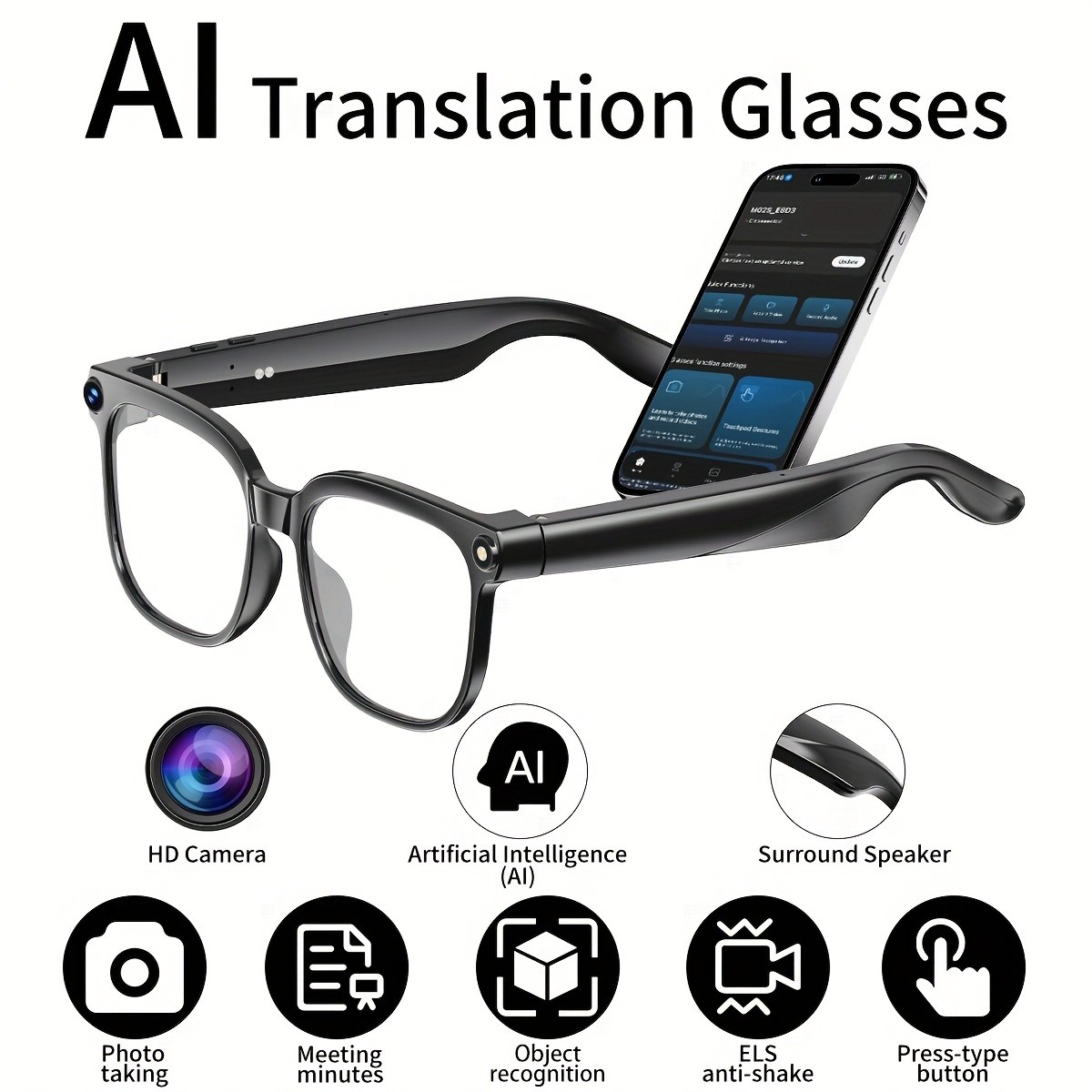
PEJE AI Smart Glasses are built to act as a wearable assistant—delivering real-time support through translation, recognition, audio, and recording-oriented usage. The product’s core value lies in combining multiple high-demand features into a single, lightweight wearable:
- Real-time translation support for conversations and travel scenarios
- Object recognition to assist with identifying items and surroundings
- Open-ear audio for calls, media, navigation prompts, and alerts
- Wireless operation for day-to-day convenience
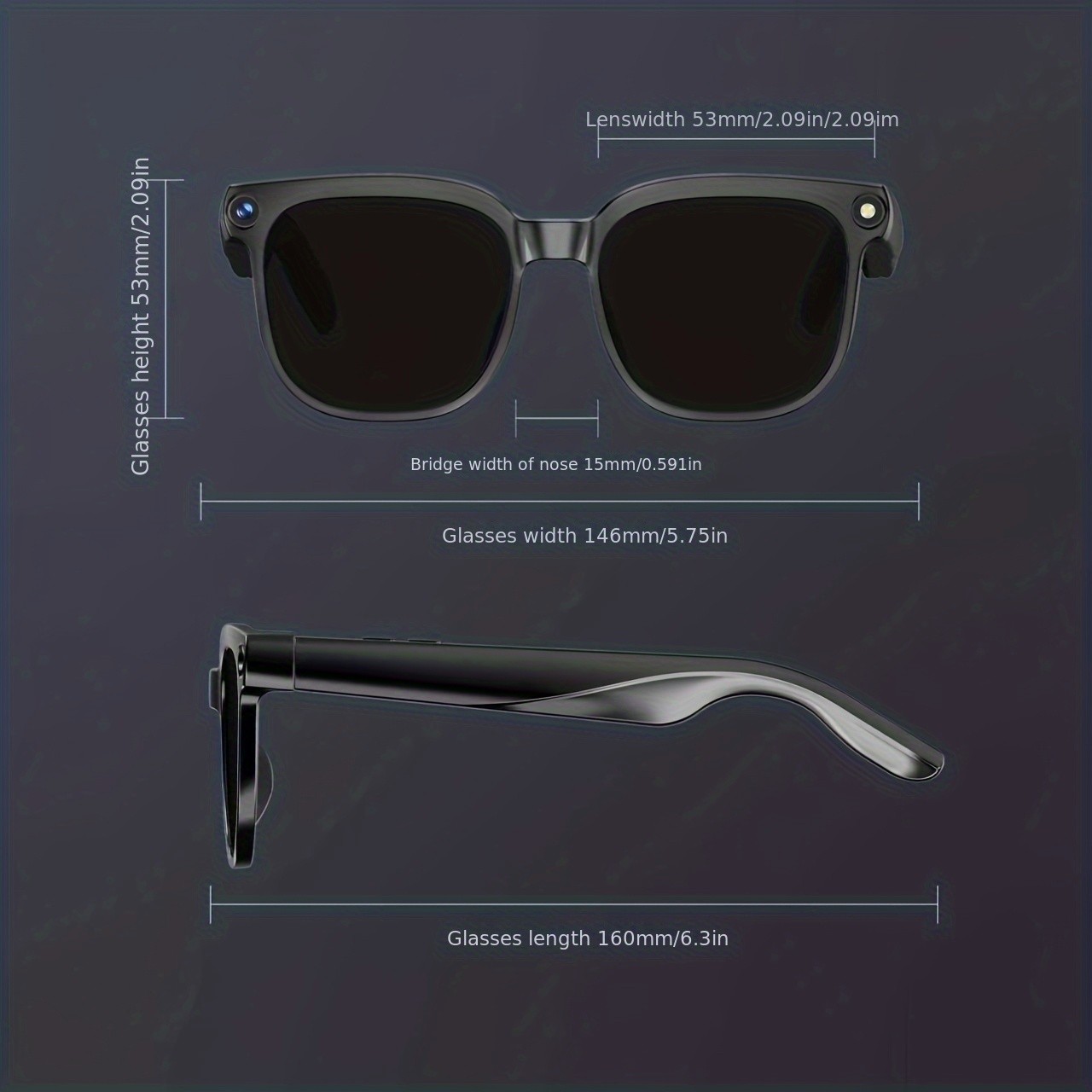
- Ultra-light design intended for long wear and comfort
- Up to 8 hours playtime (usage-dependent)
- USB charging with a rechargeable lithium polymer battery
In practical terms, the goal is to reduce the “phone dependency” loop—unlocking your device repeatedly for small tasks—by moving key functions into a wearable form that keeps your hands free and your attention up.
Why Smart Glasses Make Sense for NZ Daily Life
New Zealand lifestyles often involve movement and multitasking. People commute, walk, bike, travel for work across regions, and spend time outdoors. Even in office settings, there is a steady push toward productivity tools that reduce distraction while keeping you connected.
Smart glasses can fit NZ usage patterns in several ways:
-
Commuting and walking: open-ear audio helps you remain aware of surroundings while still listening to prompts, calls, or
audio.
-
Work and customer interaction: translation features can support smoother communication in diverse environments.
- Travel: real-time translation and recognition can reduce friction when navigating unfamiliar places.
-
Hands-busy moments: in kitchens, warehouses, retail floors, or on-site work, wearable access beats pulling out a phone.
For many users, the appeal is not replacing a smartphone—it is reducing how often you need to reach for it.
Real-Time Translation: Practical Communication Support When It Matters
Real-time translation is one of the most compelling reasons to consider AI smart glasses, particularly if you:
- travel internationally for holidays or work
- interact with customers, suppliers, or colleagues who speak different languages
- attend events or meetings where multilingual conversation is common
- want extra confidence when dealing with non-native English interactions
Where Real-Time Translation Adds Value
Travel scenarios:
When travelling from New Zealand to destinations in Asia, Europe, or South America, language friction can slow everything down—ordering
food, asking for directions, dealing with transport changes, and handling accommodation. Real-time translation is designed to make those
interactions more manageable, especially in quick “micro conversations” that happen repeatedly during a trip.
Work scenarios:
Many NZ businesses work with international partners, seasonal workers, tourists, and diverse communities. Translation support can reduce
misunderstandings and help conversations flow more naturally.
Daily community interactions:
Even without international travel, translation features can be useful in local contexts—community events, cultural festivals, or service
interactions in diverse neighbourhoods.
What to Expect From Real-Time Translation in a Wearable
To set expectations appropriately, real-time translation performance depends on factors such as:
- background noise levels
- clarity of speech and distance from the speaker
- strength and stability of your connected device and network (if translation relies on cloud services)
- language pair complexity and dialect differences
In real life, the best results typically come from:
- speaking clearly in short phrases
- using the glasses in moderate-noise environments
- allowing a brief delay when needed for accurate processing
Used properly, translation features can meaningfully reduce friction—even if they are not perfect in every environment.
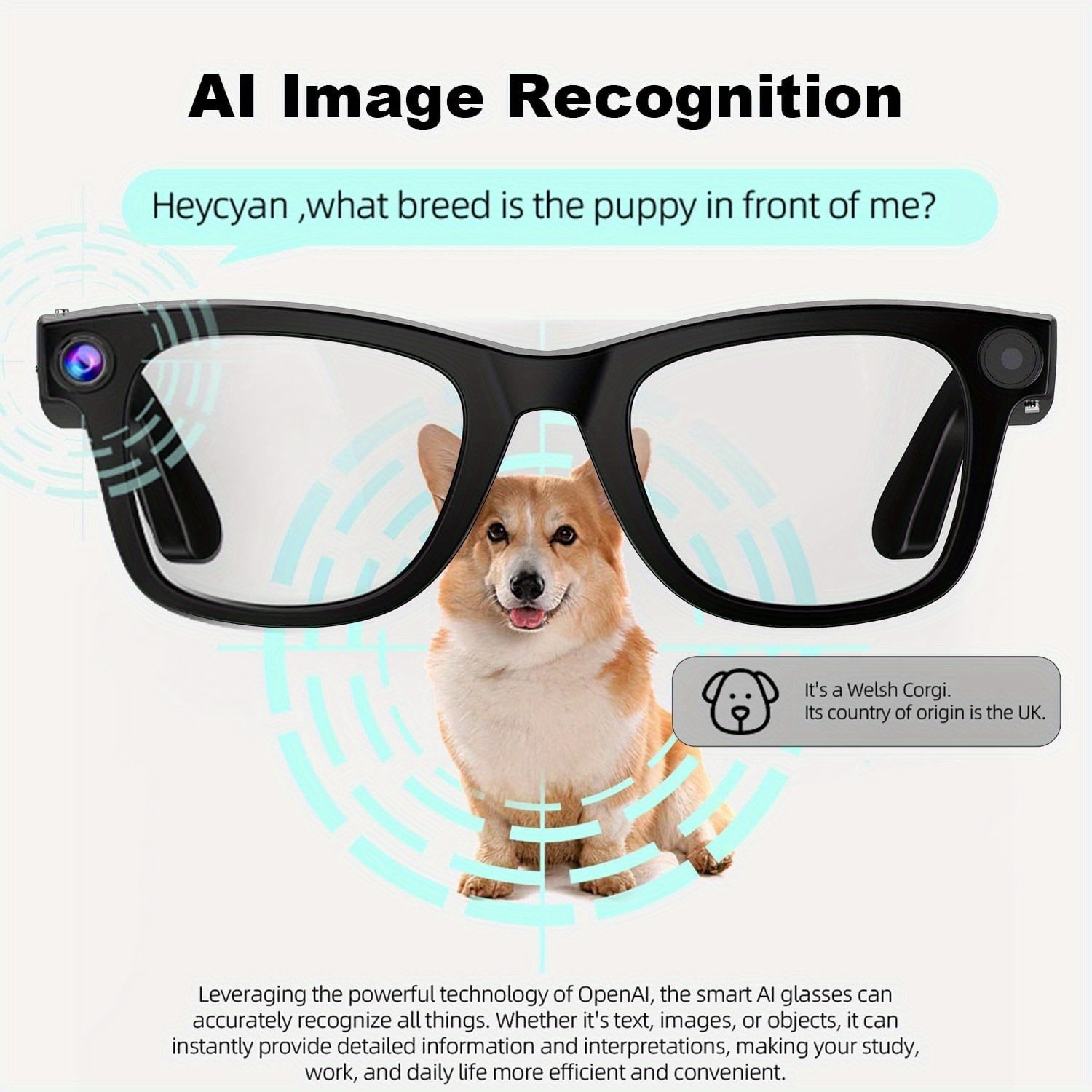
Object Recognition: Seeing More Clearly Through Context
Object recognition in AI glasses is intended to help identify and interpret items in your environment. This can be useful for:
- travellers navigating unfamiliar signage, products, or local items
- users wanting quick identification or contextual prompts
- daily scenarios where you want instant recognition support without opening an app
Practical Object Recognition Use Cases
Travel and navigation:
Object recognition can support wayfinding and situational awareness—helping you understand what you are looking at more quickly.
Shopping and daily tasks:
Recognising items can help when you are trying to locate specific products, compare choices, or confirm what something is, especially in
unfamiliar environments.
Work environments:
In some settings (retail, warehousing, fieldwork), recognition features may provide utility depending on how the device integrates with
relevant workflows.
As with translation, recognition performance depends on lighting, camera quality (if applicable), and how the underlying AI service is implemented. The best user experience typically comes from using object recognition in well-lit conditions and holding steady when prompted.
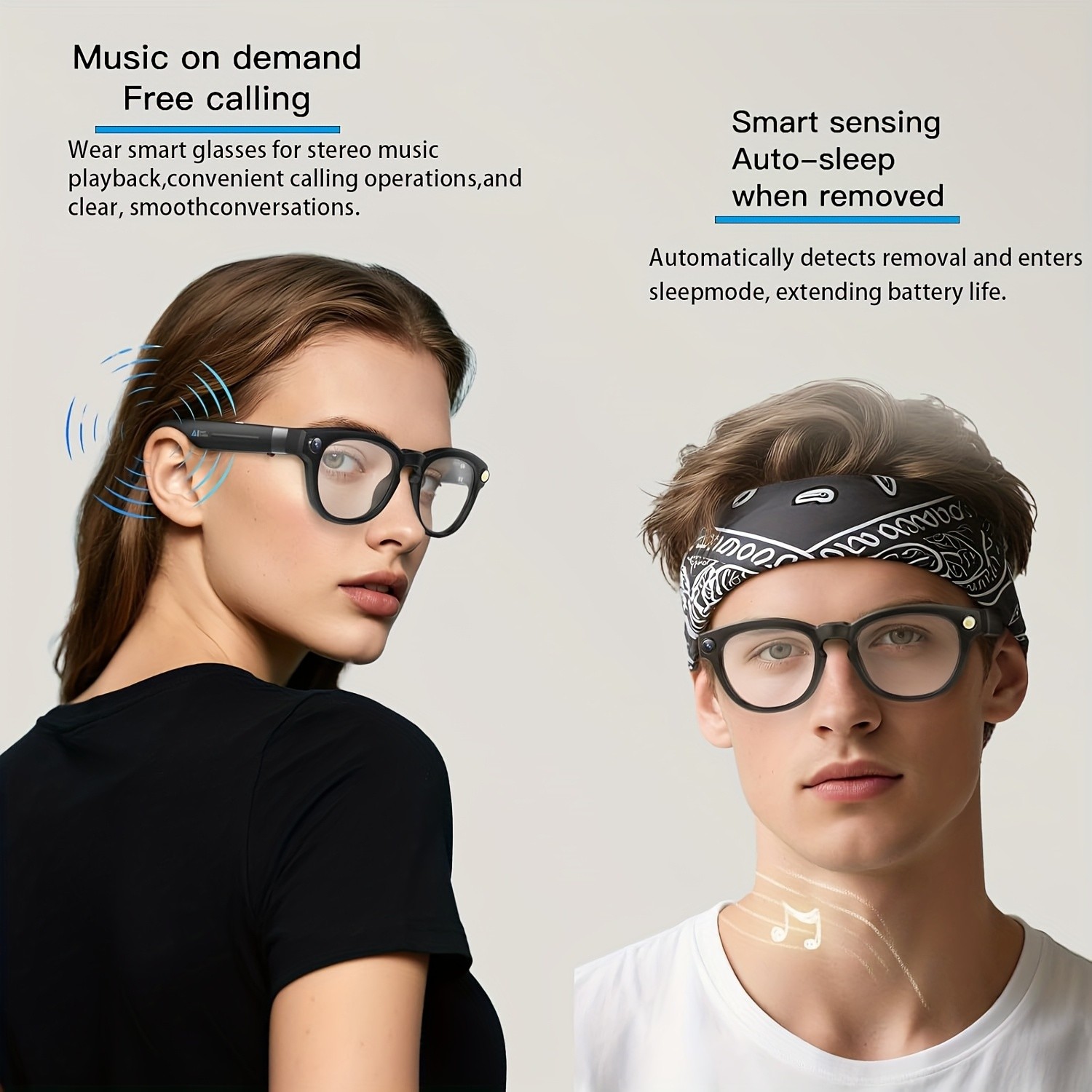
Open-Ear Audio: Hear What You Need Without Losing Awareness
Open-ear audio is designed to sit outside the ear canal rather than sealing it. This matters for comfort and awareness, particularly for:
- walking in urban areas
- commuting
- office environments where you need to hear colleagues
- working on-site where safety and awareness are important
Why Open-Ear Audio Is Useful
Situational awareness:
You can listen to calls, navigation prompts, or audio while still hearing traffic, announcements, and people around you.
Comfort over long wear:
Many people find in-ear earbuds fatiguing over time. Open-ear audio can feel less invasive, especially when worn for hours.
Practical daily listening:
If your goal is calls, prompts, and casual listening rather than high-isolation audio, open-ear can be a better fit.
Best-Fit Listening Expectations
Open-ear audio typically performs best for:
- calls
- podcasts and speech
- navigation prompts
- light music listening in quiet-to-moderate environments
In very noisy places, in-ear options may still outperform open-ear solutions for immersion. The trade-off is awareness and comfort, which many users prioritise for daily use.
Ultra-Light Design: The Feature That Determines Whether You Actually Wear Them
The most advanced wearable is useless if it is uncomfortable. Ultra-light design is not a cosmetic benefit—it is the difference between a device you wear daily and one you leave in a drawer.
A lightweight frame matters because it reduces:
- pressure points on the nose bridge
- ear fatigue during long wear
- headaches that can occur with heavier frames
- “device awareness,” where you constantly feel the wearable on your face
For NZ users who might wear these during commutes, office hours, or travel days, comfort is a primary decision factor. If the glasses sit naturally and feel stable, you are far more likely to integrate them into routine use.
Battery Life Up to 8 Hours: What It Means in Real NZ Routines
A stated maximum of up to 8 hours playtime is generally intended to cover typical daily usage patterns—commutes, calls, prompts, occasional translation, and light media.
Battery performance in real life varies with:
- volume levels
- frequency of translation and recognition usage
- connection stability
- recording activity
- standby time between interactions
Practical Scenarios for NZ Users
Workday support:
If you use the glasses for calls, prompts, and occasional translation support, the battery profile may fit within a standard workday,
especially if you can top up via USB.
Travel days:
On travel days (airports, transit, navigation prompts), battery can drain faster. USB charging becomes important here because it allows you
to recharge from a power bank, laptop, or car charger.
Daily commuting:
For many users, commuting use is relatively light and can easily fit within battery limits.
USB Charging and Rechargeable Lithium Polymer Battery: Convenience That Matters
USB charging is one of the most practical features because it aligns with how people in NZ already manage devices:
- power banks for travel
- charging in cars
- USB ports at workstations and laptops
- multi-device charging setups at home
Lithium polymer batteries are commonly used in wearables due to their balance of energy density and form factor suitability. For you as the user, the practical advantages are:
- the ability to recharge frequently without hassle
- portability and easier integration into your existing charging setup
- better readiness for travel and commuting
To keep battery health strong over time, typical best practice includes avoiding prolonged storage at 0% and not leaving the device fully depleted for long periods.
Wireless Connectivity: Day-to-Day Use Without Friction
Wireless operation is essential for wearables because it keeps the experience fluid:
- quick pairing and reconnection
- audio without cable management
- compatibility with modern devices and routines
In practical NZ usage, wireless is particularly important for:
- commuting while carrying bags
- travel days where you are constantly moving
- work environments where you are switching between tasks quickly
A smooth wireless experience is often defined less by “peak performance” and more by consistency—staying connected and behaving predictably.
Recording and Capture Use: When It Adds Real Value
Your product title indicates suitability for recording. In practical use, recording features are often valuable for:
- capturing quick notes or observations while travelling
- documenting work site details for later review (where permitted)
- remembering key points from conversations (with consent)
- capturing moments hands-free in appropriate settings
Important note for NZ users: recording laws and workplace policies vary by context. If you intend to record conversations or in professional settings, it is best practice to obtain clear consent and ensure you comply with relevant rules and expectations.
Ideal Use Cases for NZ Customers
Daily Use
- Calls on the move without isolating yourself from surroundings
- Listening to navigation prompts while walking or commuting
- Quick “micro tasks” where you want assistance without opening a phone
- Light media listening while staying aware of your environment
Work Use
- Hands-free calls during admin or light physical tasks
- Translation support for diverse customer interactions
- Quick recognition support in relevant environments
- Efficient switching between tasks without constant phone checking
Travel Use
- Translation help when navigating unfamiliar locations
- Recognition support for signs, objects, and local items
- Open-ear prompts to stay aware while exploring new places
- USB charging compatibility for travel-friendly power management
How to Get the Best Experience: Setup and Habit Tips
To get strong day-to-day performance, a few habits typically make the difference:
Keep Your Charging Routine Simple
Treat the glasses like your phone: a quick charge daily or every second day, depending on usage. For travel, keep a small power bank in your bag.
Optimise for Clear Audio
Use moderate volume where possible and position the glasses correctly so open-ear speakers align comfortably.
Use Translation Strategically
For best results:
- speak in short, clear phrases
- reduce background noise where you can
- allow a slight processing delay rather than rushing
Keep Use Cases Focused
Smart wearables are most useful when you use them for a clear purpose:
- calls and prompts
- travel translation support
- situational awareness audio
- occasional recognition when needed
This helps avoid “feature overload” and makes the product feel dependable.
Who These Glasses Are Best For
These PEJE AI Smart Glasses are most suitable for:
- NZ customers who travel often and want translation support
- professionals working with multilingual clients or teams
- commuters who want open-ear audio for safety and comfort
- users who prefer lightweight wearables they can actually wear all day
- people wanting a wearable that supports calls, prompts, and daily tasks
- users who value USB charging and practical battery life
They are also a strong option for gifting—particularly for frequent travellers, students preparing for overseas trips, or professionals working in customer-facing roles.
Summary: Practical Smart Eyewear Built for Modern Routines
PEJE AI Smart Glasses bring together the features that make smart eyewear genuinely useful: real-time translation to reduce communication friction, object recognition for added context and support, open-ear audio for comfortable awareness, and a lightweight design suitable for daily wear. With up to 8 hours playtime (usage-dependent), USB charging, and a rechargeable lithium polymer battery, they are designed to fit into real routines in New Zealand—workdays, commutes, travel days, and everyday life where convenience and awareness matter.
The product may be provided by a different brand of comparable quality.
The actual product may vary slightly from the image shown.
Shop amazing plants at The Node – a top destination for plant lovers




.webp)
.webp)




.jpg)








.jpg)




.jpeg)





.jpeg)



.jpeg)








.jpeg)



.jpeg)

.jpeg)
.jpeg)

.jpeg)



.jpeg)
.jpg)

.jpeg)






.jpeg)
.jpeg)




.jpeg)





.jpeg)


.jpeg)

.jpeg)

.jpeg)

.jpeg)






.jpeg)
.jpeg)
.jpeg)





.jpeg)



.jpeg)



.jpg)
.jpeg)









.jpg)


ulva-Logo.jpg)




.jpeg)



.png)













.png)