


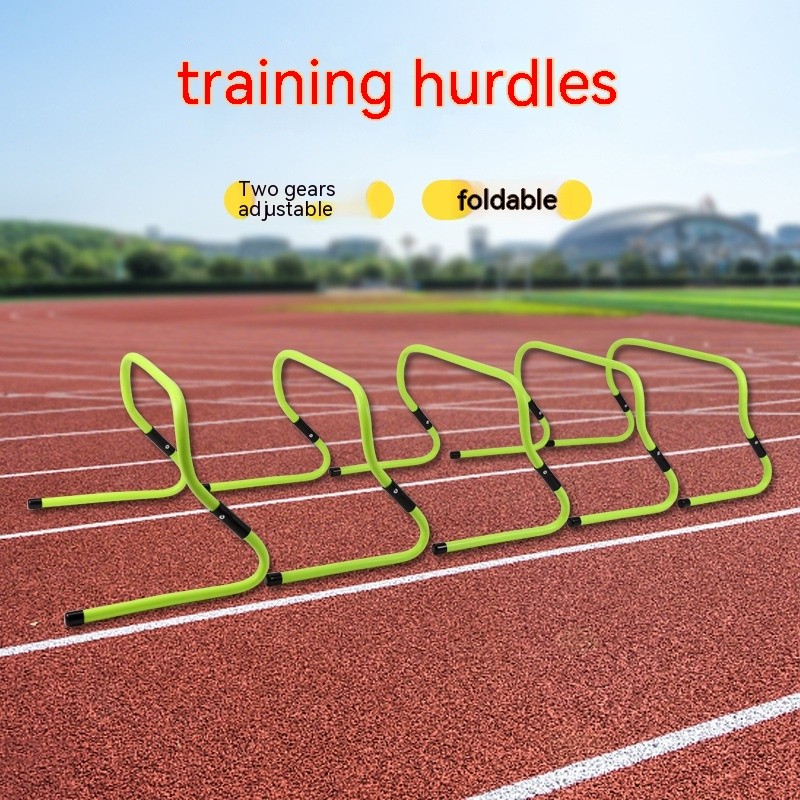
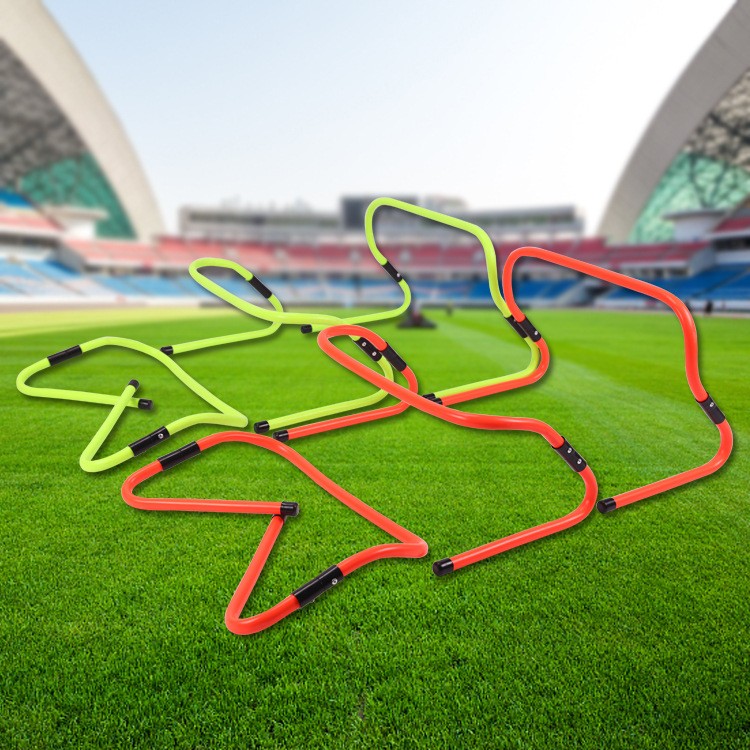
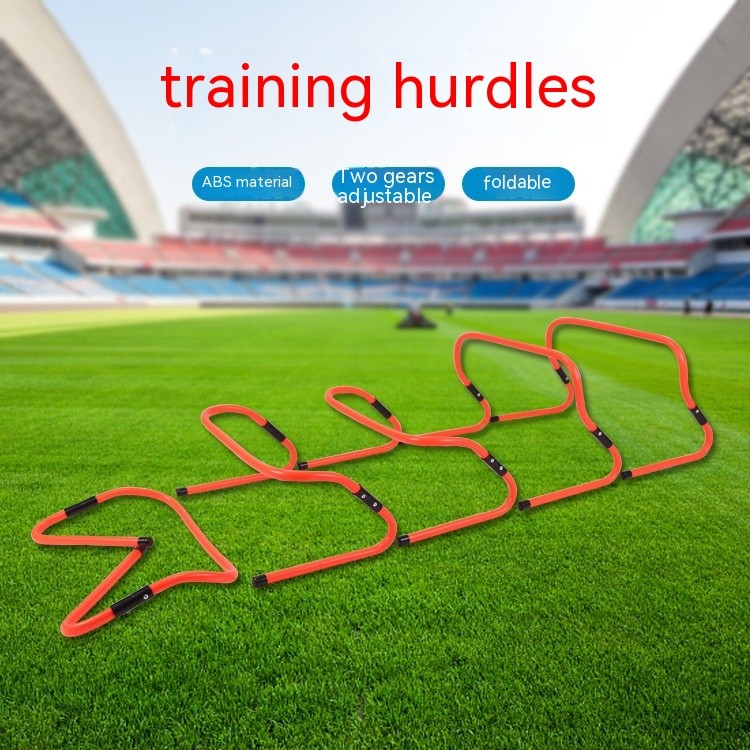
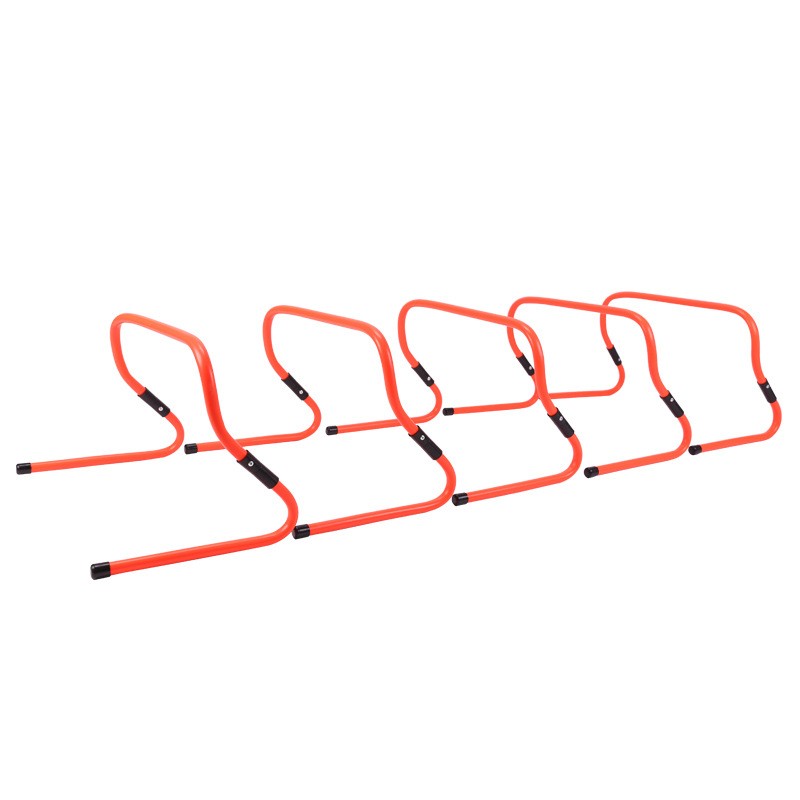
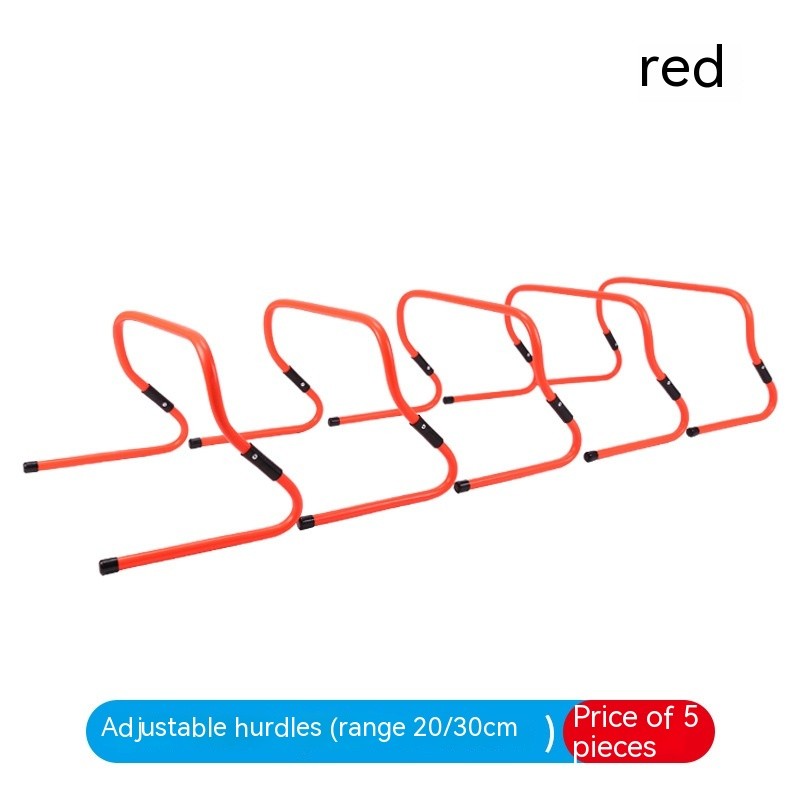
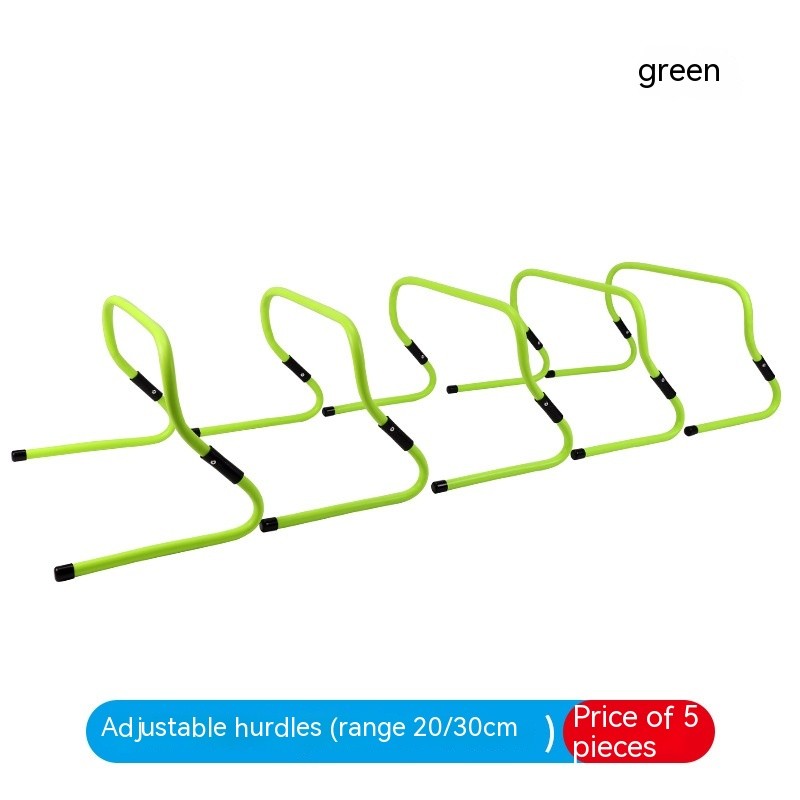

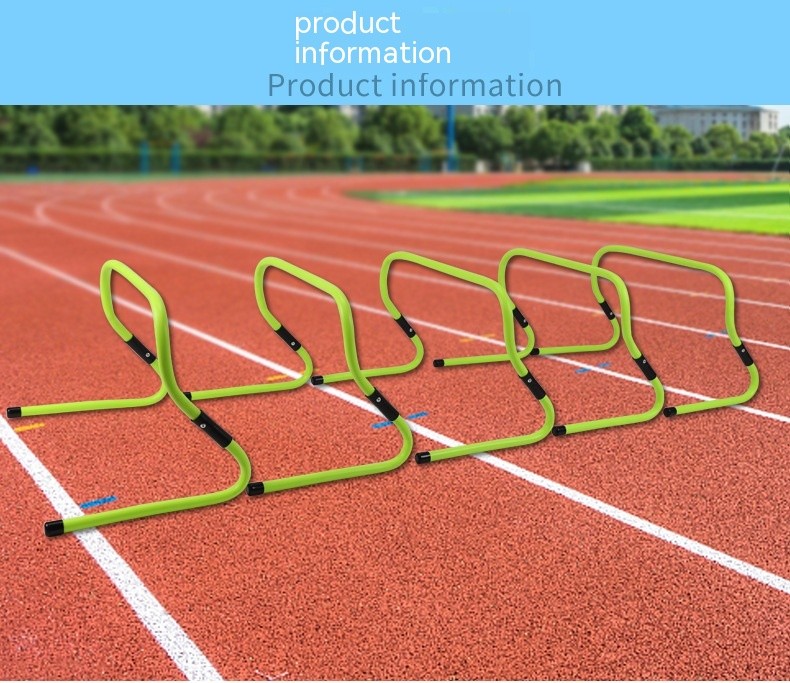
Football Hurdles

Product information:
Applicable Sports: Football
Applicable scenario: foot basket row movement
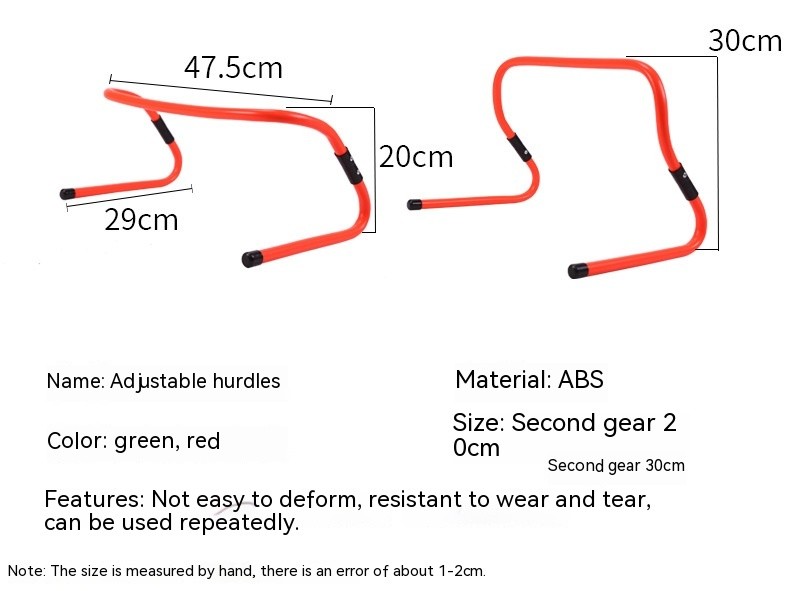
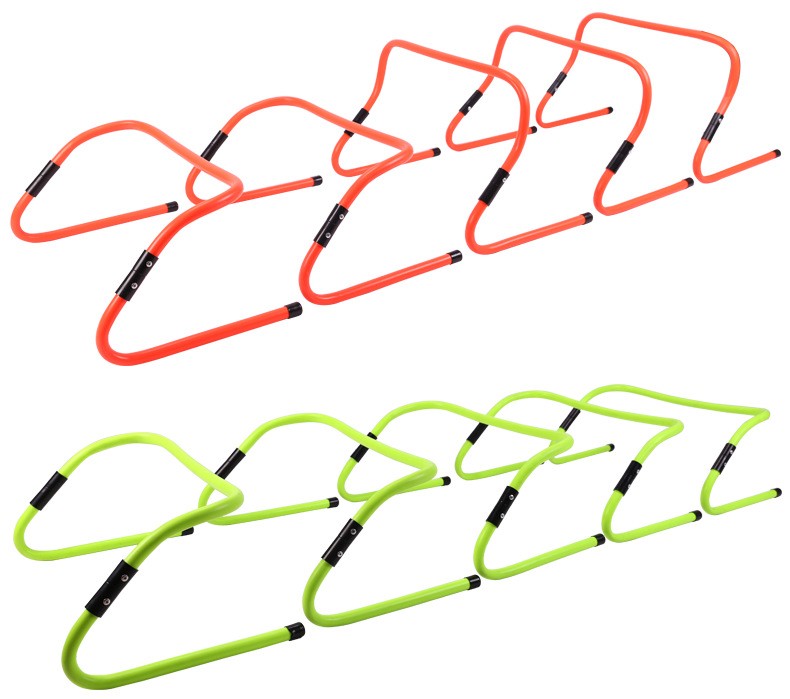
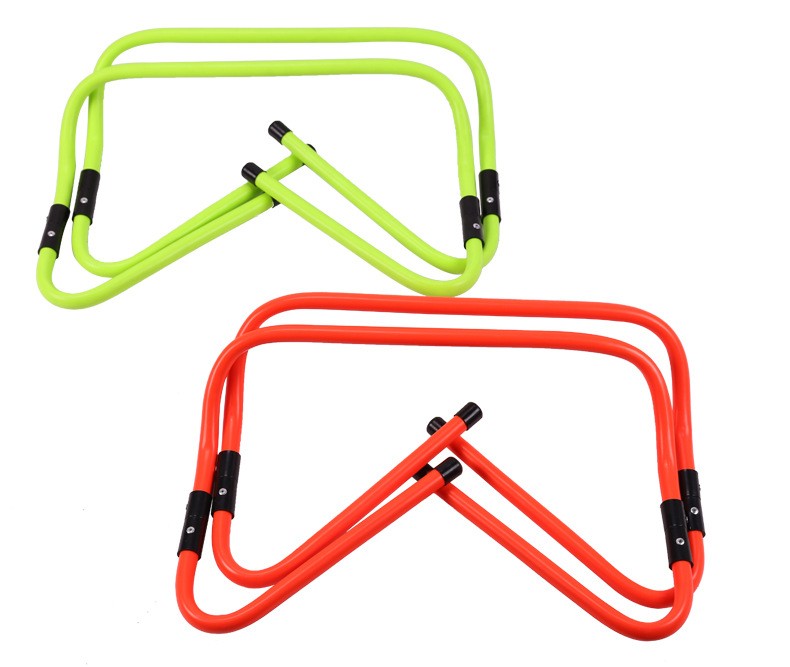
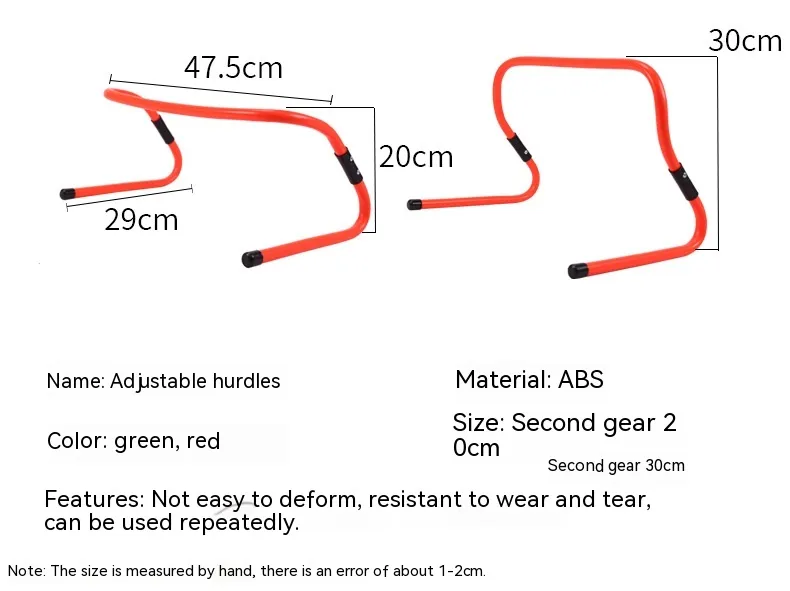
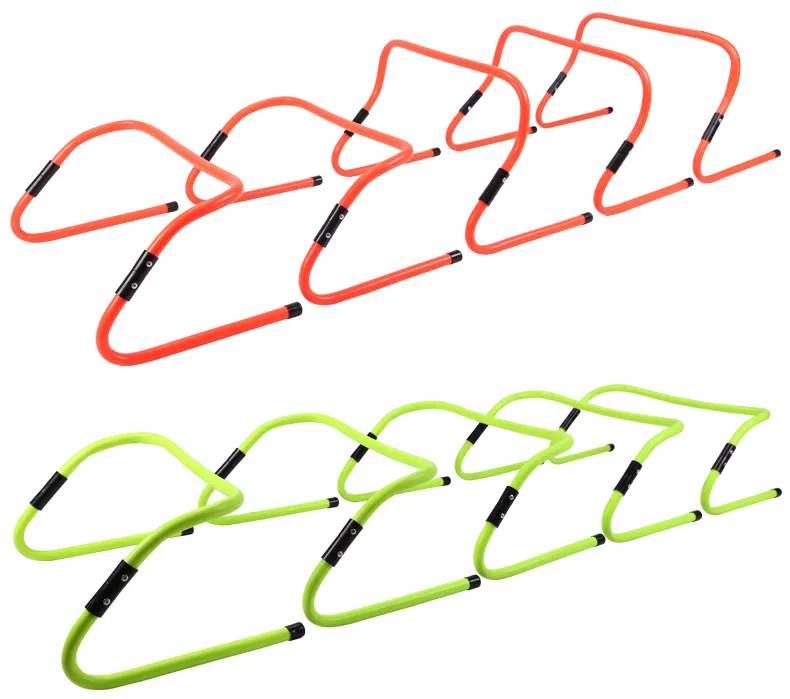
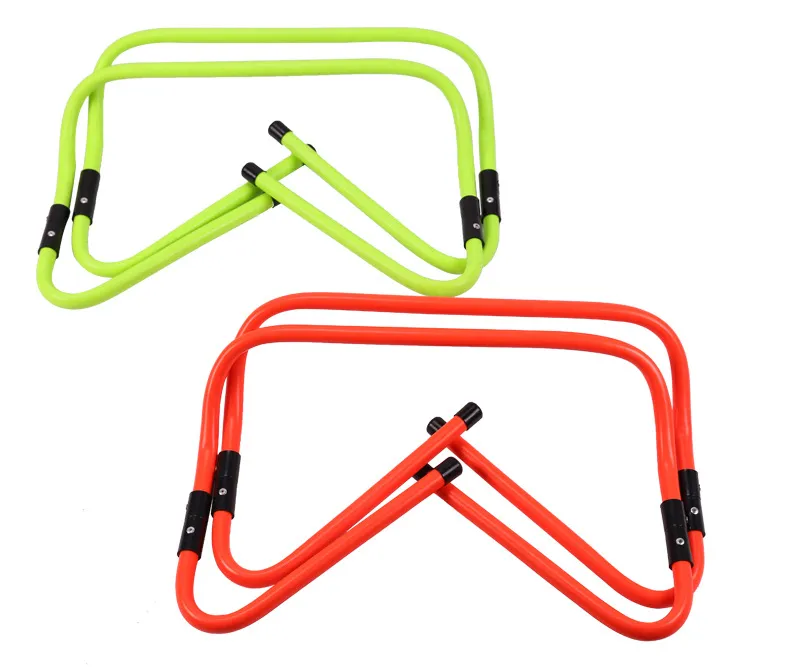
Color: orange, green
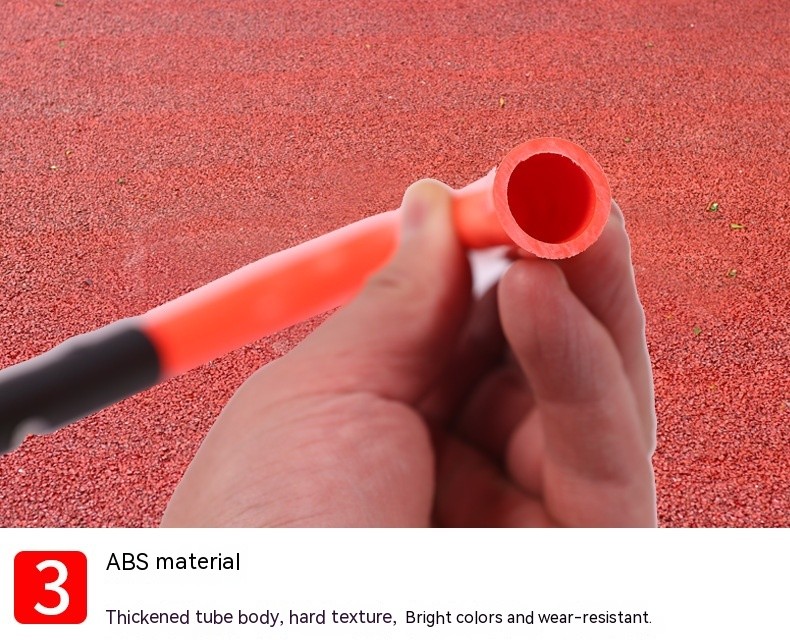
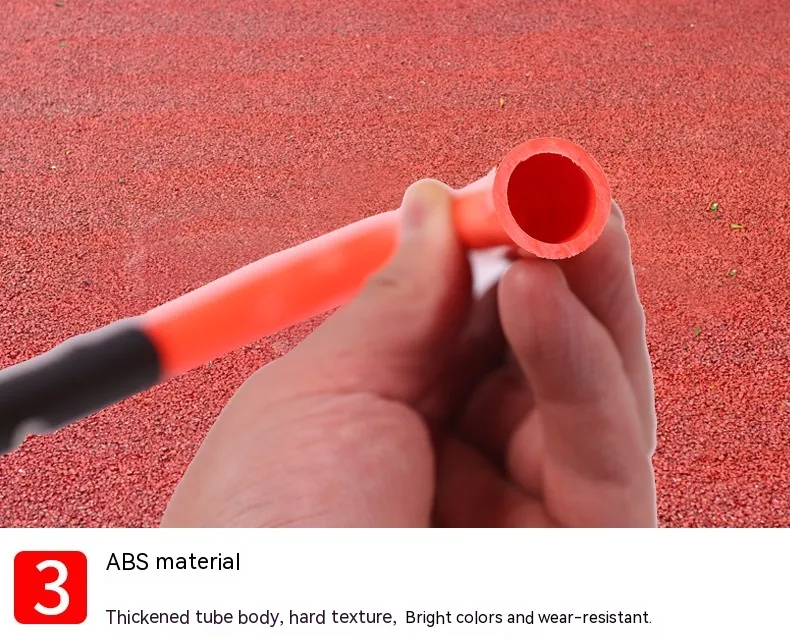
Material: ABS
Hurdling * 1
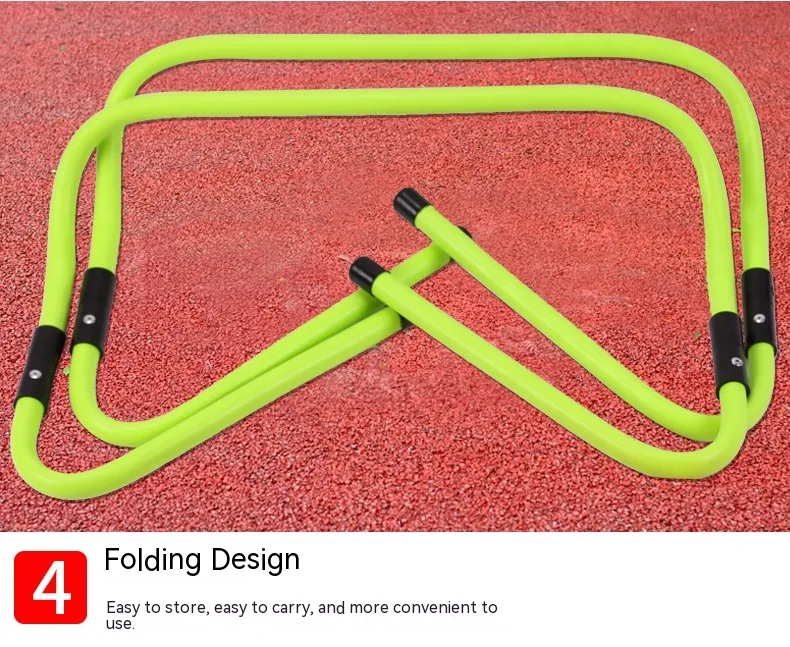
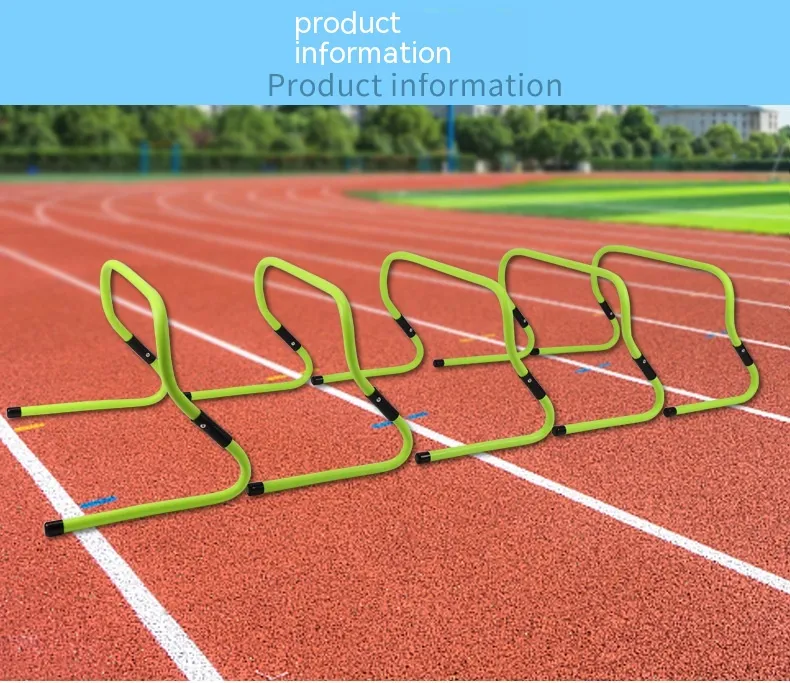
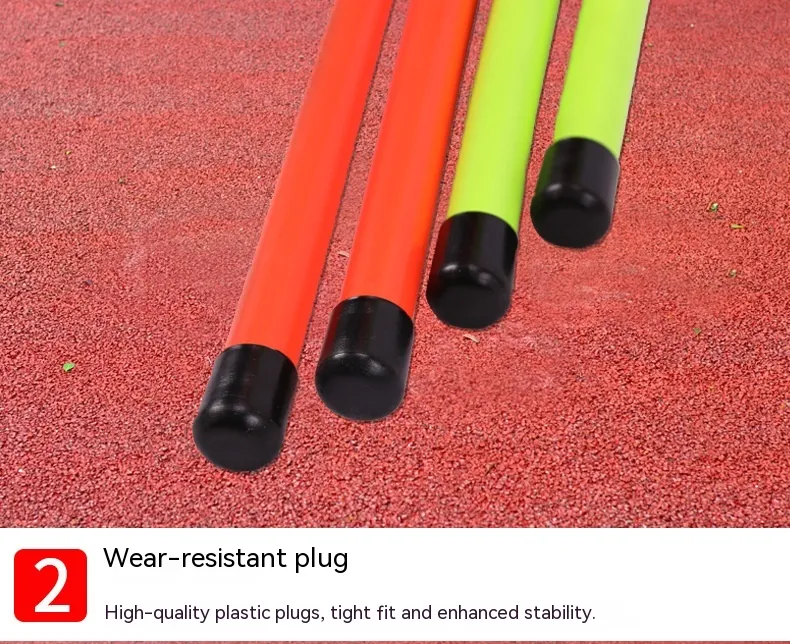
Football Hurdles – Speed, Agility & Football Performance Training Tool
Perfect for Football Players, Coaches, and Speed & Agility Enthusiasts
Football hurdles are essential training tools designed to improve speed, agility, coordination, and explosive power — all critical components for football performance. Whether you’re a youth player developing foundational athleticism, a high school or collegiate athlete sharpening competitive edge, or a coach building dynamic training sessions, football hurdles deliver measurable improvements in footwork, stride frequency, hip flexibility, and body control. These hurdles help athletes accelerate faster, cut sharper, react quicker, and maintain peak performance during high‑intensity drills.
In addition to football, hurdles are widely used in other field sports, sprint programs, circuit training, and athletic conditioning routines. Because they support a range of drills and skill levels, football hurdles have become a staple in modern athletic development environments — from professional training facilities to backyard practice stations.
Description – Football Hurdles
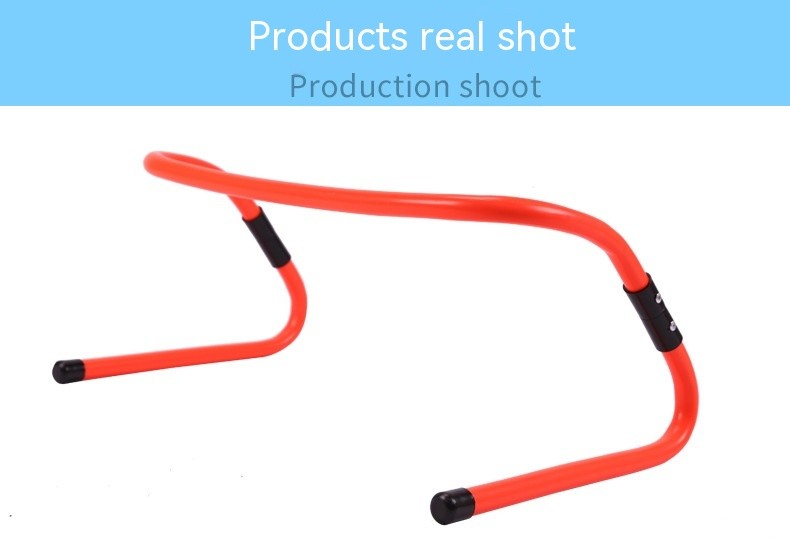
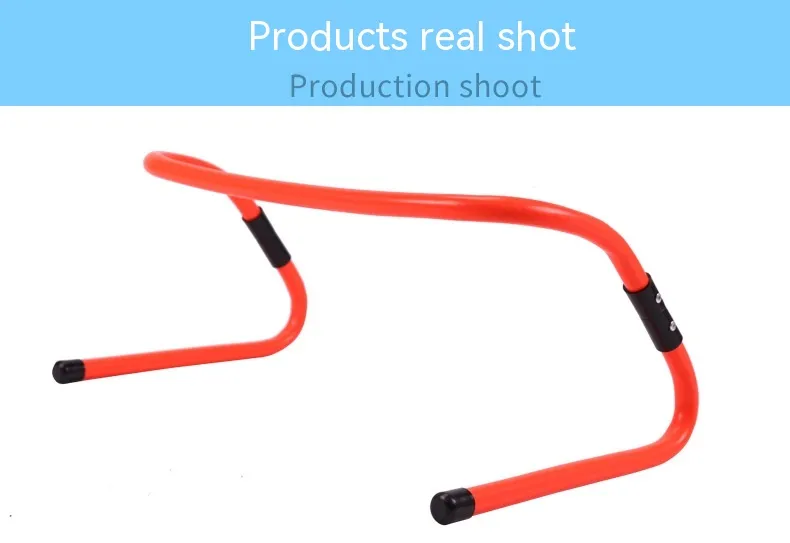
Football hurdles (also called agility hurdles) are lightweight, portable bars raised above turf or ground level to create obstacles that athletes must step over, run through, or jump across during training. They are typically made from durable yet flexible materials such as high‑density polyethylene (HDPE), PVC, or rubber‑reinforced plastic to withstand repetitive impact and outdoor conditions.
These hurdles come in various heights (commonly 6″, 9″, 12″, 18″, and 24″) to challenge athletes at different skill levels and training objectives. Lower hurdles are used to improve quick feet, burst speed, and ankle stiffness, while higher hurdles activate hip flexors, glutes, and explosive jump mechanics.
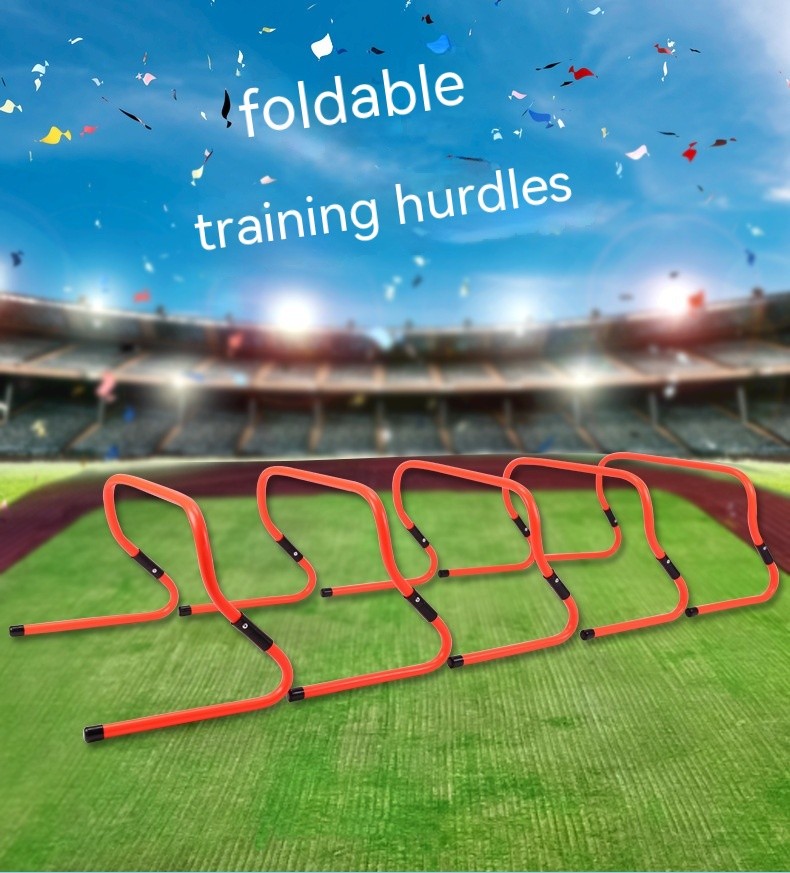
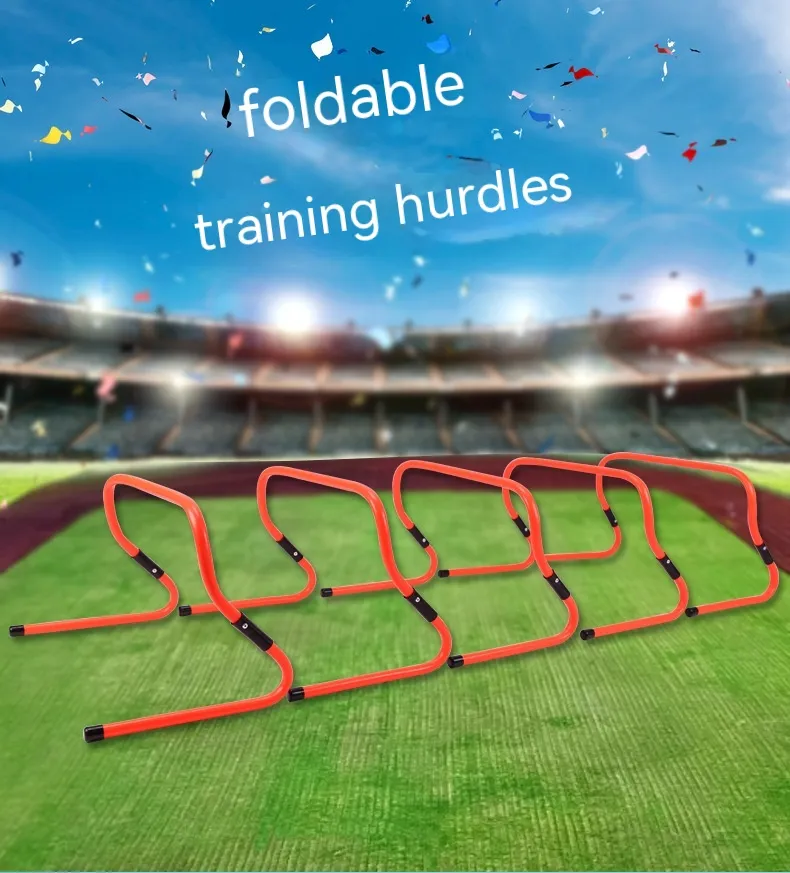
Football hurdles are often used in agility ladders, speed lanes, and custom drill formations. Their modular design allows them to be placed in lines, boxes, or staggered patterns across the field. Most models stack or nest for compact storage and easy transportation, enabling athletes and coaches to set up training courses in minutes.
Key Points
Durable Construction
Made from robust, weather‑resistant materials that endure repeated impacts, outdoor field conditions, and intense drill sequences.
Multi‑Height Variation Options
Available in a range of heights suitable for beginners through advanced athletes, supporting progressive training and layered athletic
development.
Lightweight & Portable
Easy to carry, reposition, and stack — ideal for practice fields, gyms, backyards, and travel to games or training camps.
Versatile Training Uses
Supports a wide variety of drills including lateral quickness, high‑knee lifts, single‑leg hops, bounding, sprint starts, and plyometric
progressions.
Safe & Athlete‑Friendly Design
Rounded edges, flexible construction, and low‑impact materials reduce risk of injury if hurdles are clipped, kicked, or stepped on during
drills.
Stackable & Space‑Efficient
Many football hurdles fit together for compact storage — a practical solution for teams with limited space or coaches on the move.
Training Progression Capable
Heights can be mixed within drill layouts to create variable challenge levels and support periodized training programming.
Benefits
Improved Speed & Acceleration
By forcing athletes to lift knees, extend strides, and coordinate foot placement through hurdles, football hurdles enhance stride mechanics
and overall acceleration ability.
Enhanced Agility & Quickness
Drills that incorporate lateral movements, cut‑and‑turn elements, and rapid footwork over hurdles build the coordination needed for
effective change of direction on the field.
Injury Prevention Through Motor Control
By training proper hip flexion, ankle stiffness, and core stability during explosive movements, athletes reduce the risk of common
lower‑limb injuries.
Better Explosive Power & Jumping Mechanics
High hurdles and plyometric routines encourage athletes to produce force quickly, translating to stronger verticals, longer bounds, and more
dynamic play.
Game‑Specific Movement Integration
Hurdles allow repetition of sport‑relevant gestures — quick starts, lateral shifts, and rapid decelerations — leading to better on‑field
performance.
Versatility for Injuries & Rehab
Football hurdles support lower‑impact movement drills that can bridge progression from basic motion to full sprinting, useful in many
rehabilitation phases.
Confidence & Coordination
Regular hurdle work builds neuromuscular coordination, improving body control, rhythm during high‑speed movement, and confidence in
competitive scenarios.
Adaptable for Team & Individual Training
Hurdles are suitable for solo workouts, partner drills, coach‑led circuits, speed stations, and group agility courses.
Why Choose These Football Hurdles?
Choosing the right Football Hurdles means selecting a tool that enhances performance while being adaptable, durable, and user‑friendly. These hurdles are engineered for athletes at various development stages — from novices learning basic movement patterns to elite players refining polished speed and agility.
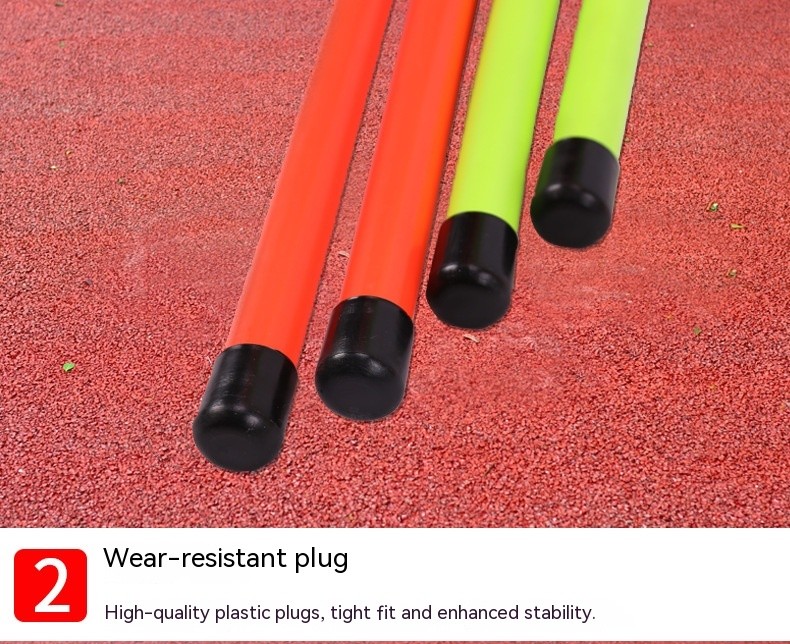
Quality football hurdles are designed to stay upright through repeated impact yet flexible enough to bend without breaking when clipped or grazed, reducing injury risk and downtime. Durable plastics and reinforced connections ensure they withstand intense training sessions — turf, grass, gym floors, or outdoor track environments.
Their modular design allows coaches to design endless drill configurations — linear speed ladders, zigzag patterns for lateral change‑of‑direction work, bounding hurdles for power development, and multi‑direction arrays that mimic real game demands. This adaptability makes them ideal for strength & conditioning programs, speed camps, pre‑season training, and year‑round athletic development.
Teams that invest in well‑designed football hurdles observe improved training consistency because these tools are easy to set up, rearrange, or scale for different age groups and performance goals. Used effectively, hurdles become a reliable cornerstone of systematic athletic progression rather than a one‑off accessory.
Conclusion
Football Hurdles are indispensable training tools that support key aspects of athletic development — speed, agility, power, coordination, and overall motor control. Whether used in systematic speed circuits, plyometric sequences, or agility‑focused sessions, they help translate physical conditioning into game‑relevant performance gains.
With varying heights, durable materials, and flexible drill design options, these hurdles cater to athletes of every level — from beginners building base athleticism to advanced players honing precision movement under fatigue. Their lightweight, portable nature ensures that training can happen anywhere, anytime, without complicated setup or excessive equipment.
Investing in high‑quality football hurdles equips athletes and coaches with a reliable resource to build speed, reduce injury risk, and enhance competitive edge — all while making training engaging, structured, and performance‑driven.
The product may be provided by a different brand of comparable quality.
The actual product may vary slightly from the image shown.
Shop amazing plants at The Node – a top destination for plant lovers

.png)







.jpg)









.jpg)





.jpeg)





.jpeg)


.jpeg)








.jpeg)



.jpeg)

.jpeg)

.jpeg)

.jpeg)



.jpeg)
.jpg)

.jpeg)






.jpeg)
.jpeg)




.jpeg)





.jpeg)


.jpeg)

.jpeg)

.jpeg)

.jpeg)







.jpeg)
.jpeg)
.jpeg)



.jpeg)



.jpeg)





.jpg)
.jpeg)









.jpg)


ulva-Logo.jpg)




.jpeg)



.png)














.png)