
Fishing Line Sizes

Product information:
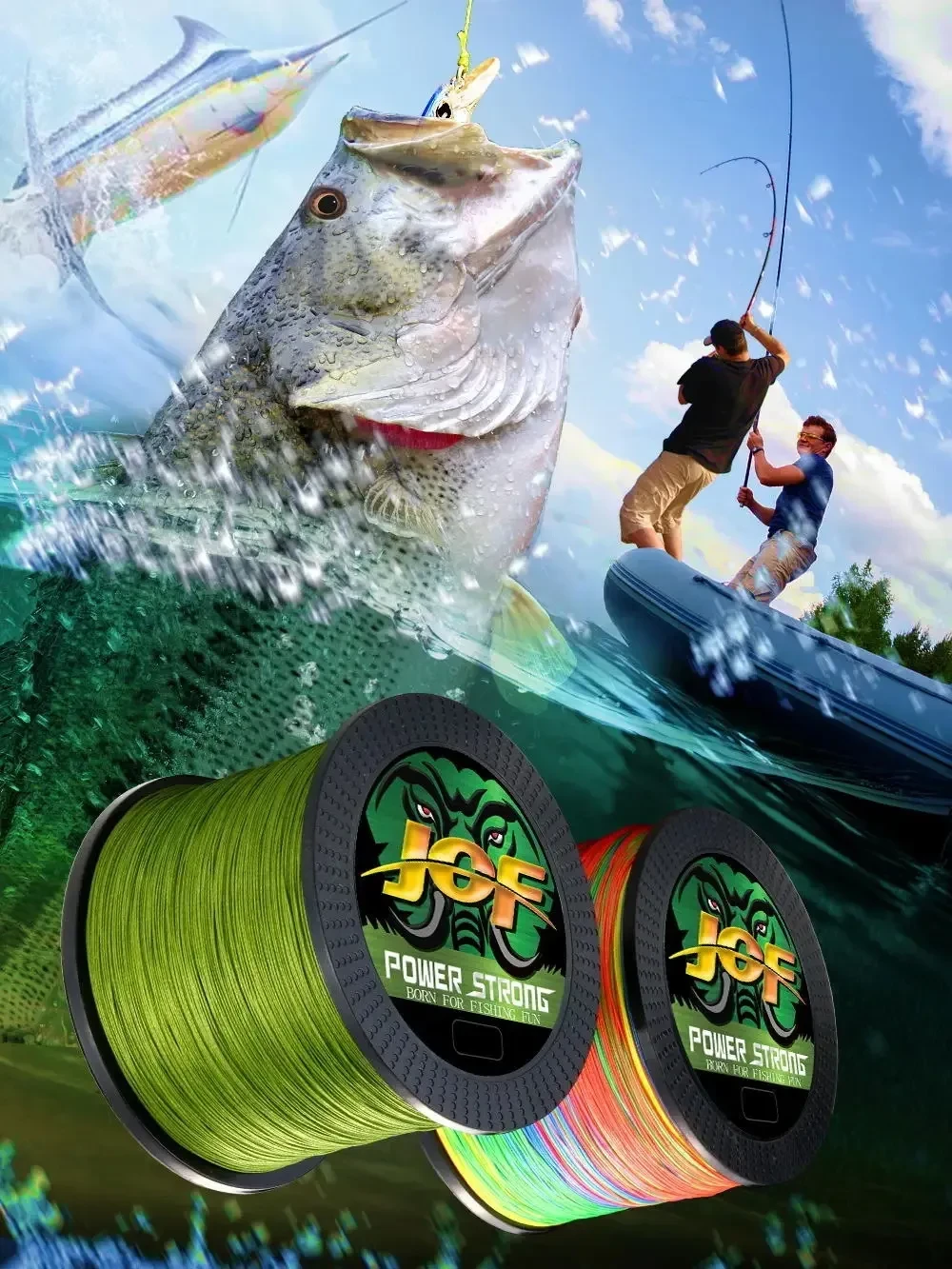
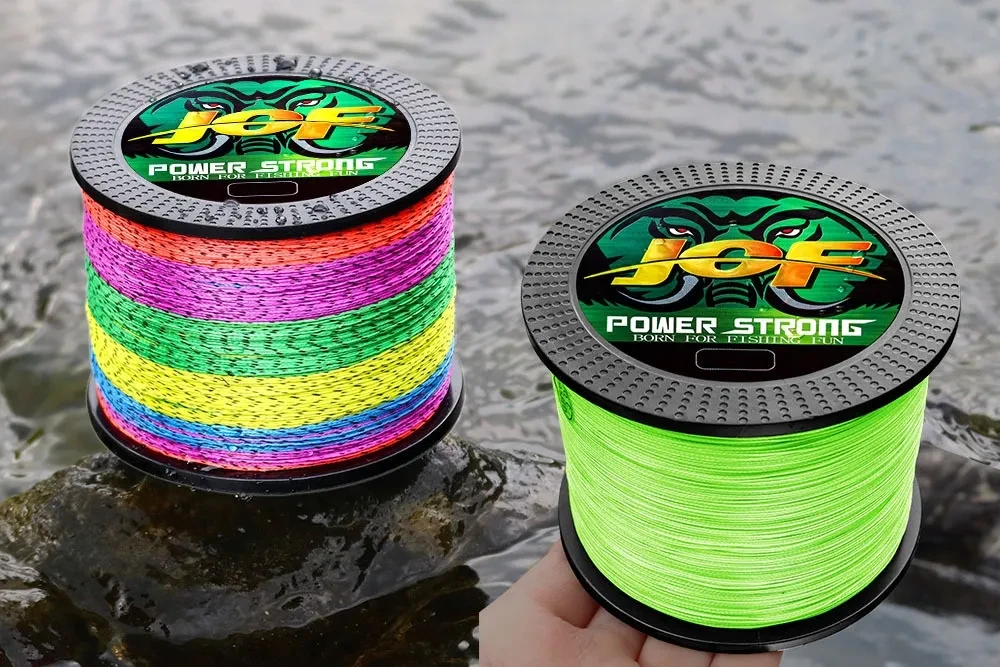
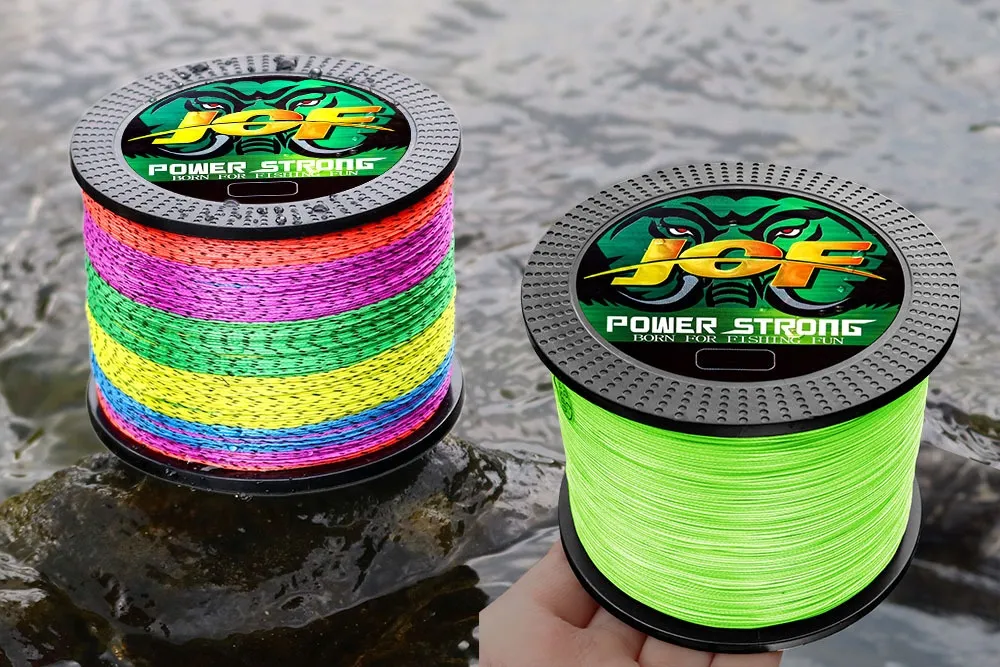
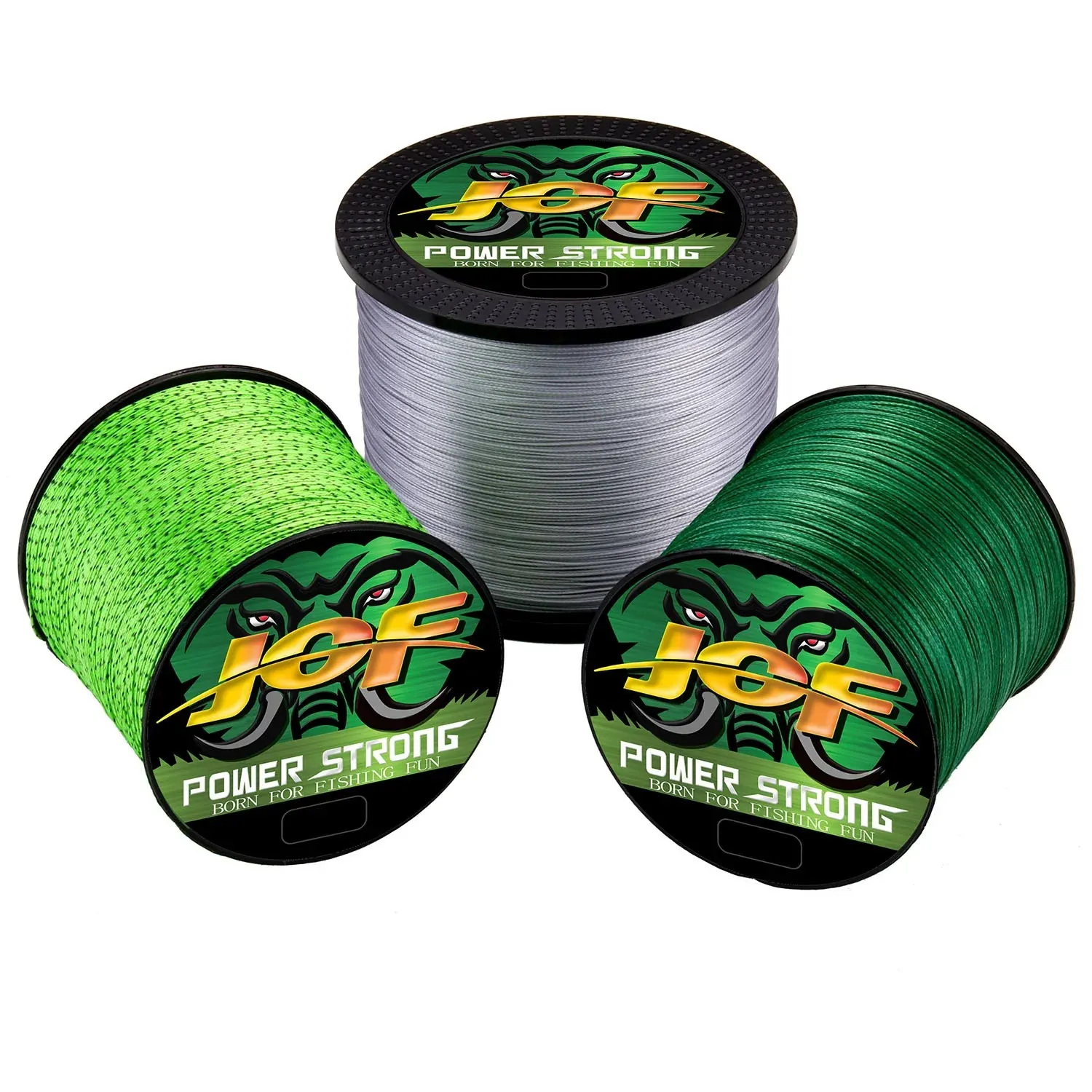
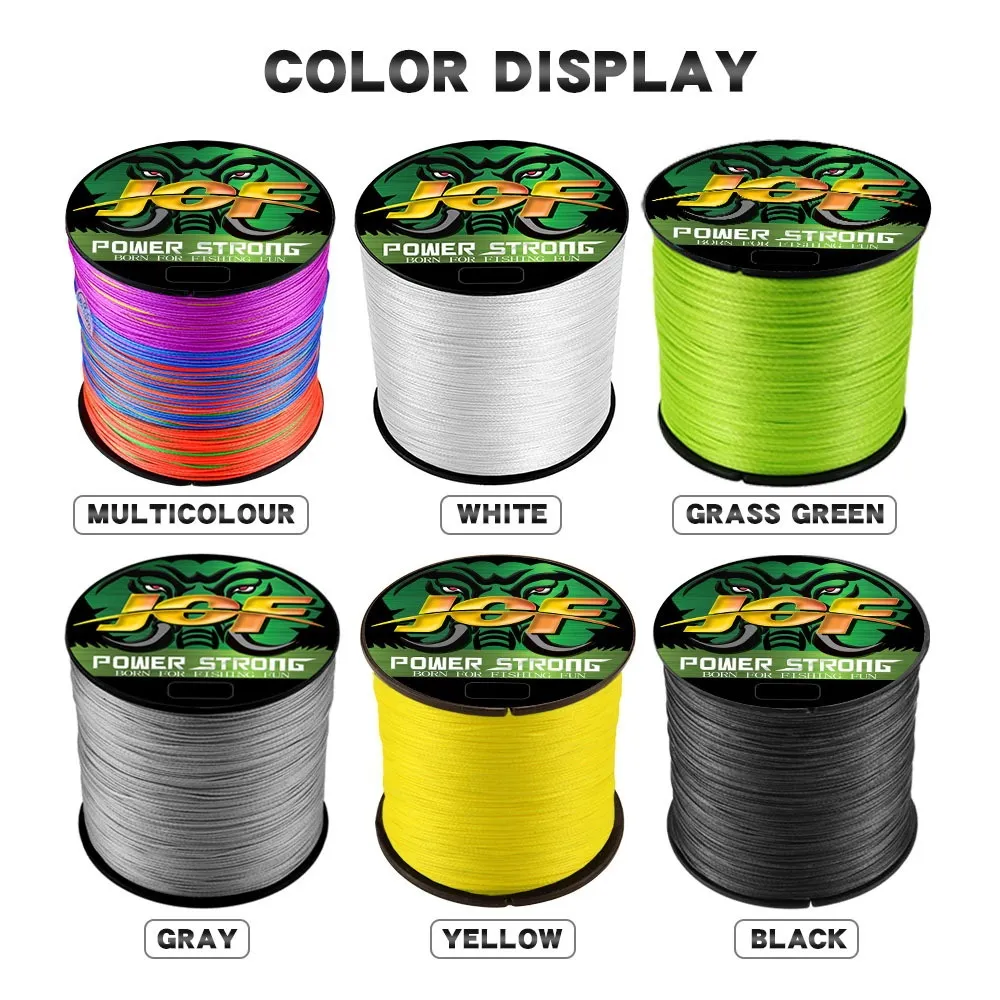
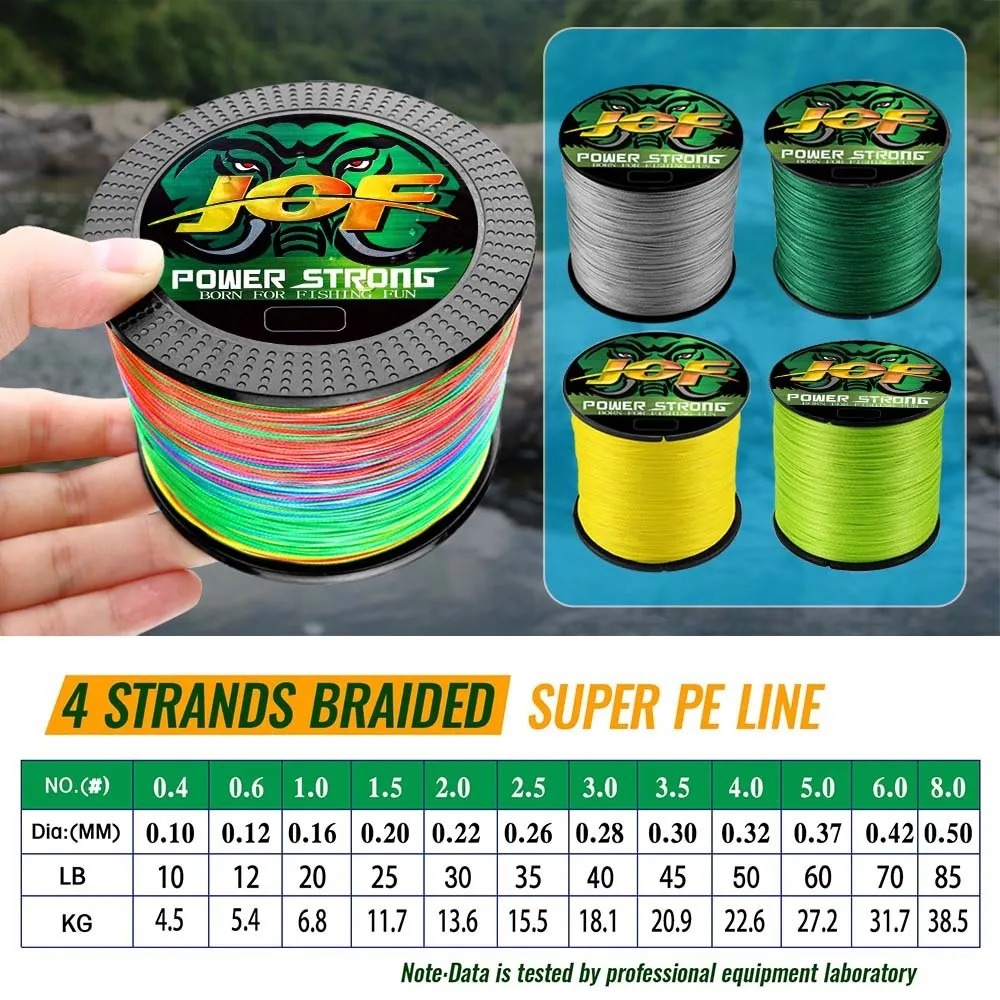
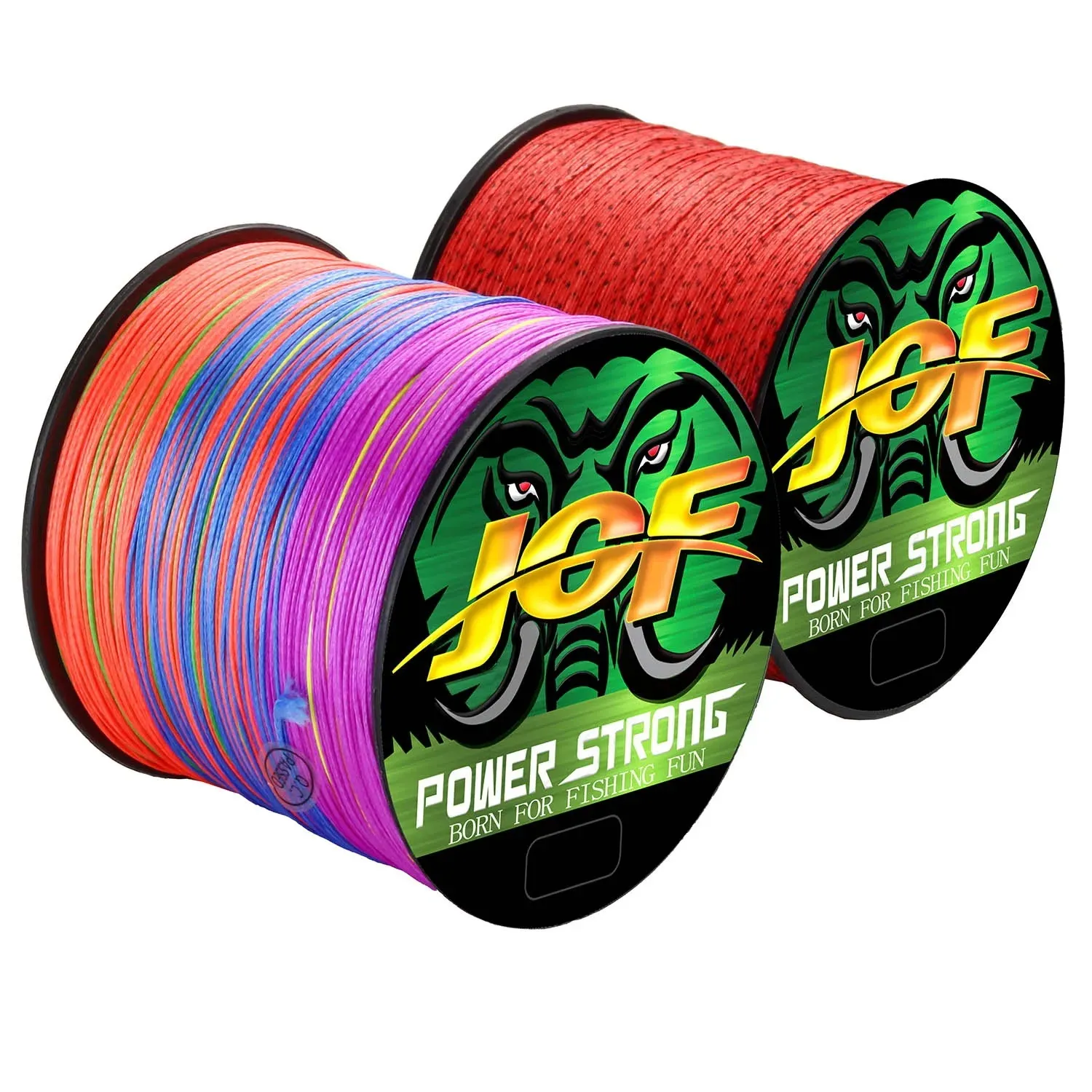
Color: Green, gray, grass green, black, white, blue
Line Number: 100M -0.4, 100M -0.6, 100M -1.0, 100M -2.0, 100M -3.0, 100M -4.0, 100M -5.0; 300M -0.4, 300M -0.6, 300M -1.0, 300M -2.0, 300M
-3.0, 300M -4.0, 300M -5.0
Material: PE
Category: Fishing Line
Packing list:
Fishing line x1PC
Product Image:
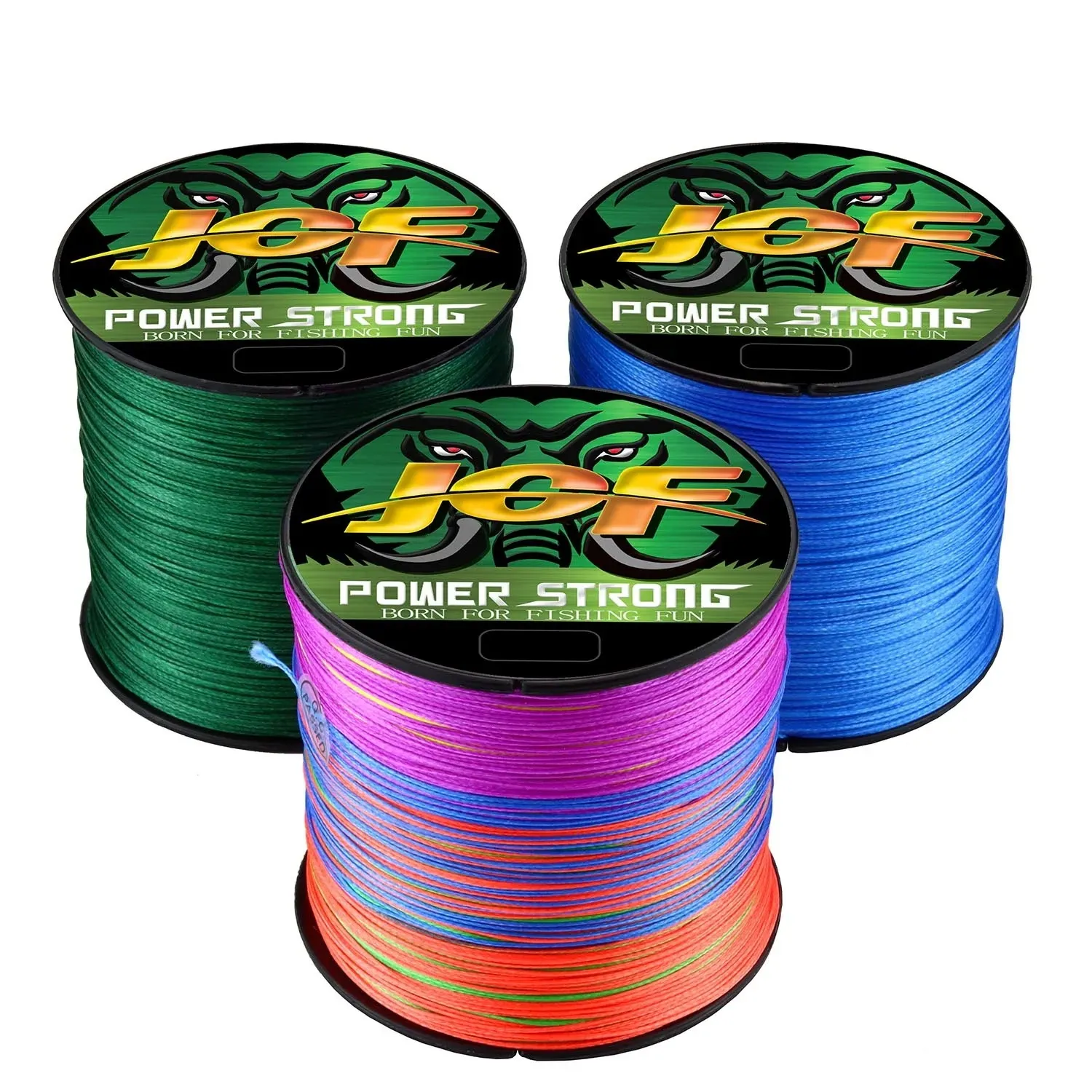
Fishing Line Sizes – Choose the Perfect Line for Every Catch
Perfect for Anglers of All Skill Levels
Fishing line size is a critical component of any angler's gear, influencing everything from casting accuracy to the ability to reel in a catch. Whether you’re a seasoned angler or a beginner, understanding fishing line sizes is essential for achieving optimal performance. From light fishing lines perfect for small catches to heavy-duty lines designed to handle large fish, choosing the right size ensures your success and enjoyment while fishing.
Description – Fishing Line Sizes
Fishing lines come in various sizes, measured in diameter, pound test (strength), and material. The size you choose depends on the type of fishing you’re doing, the species of fish you’re targeting, and the fishing environment. The most common line types include monofilament, fluorocarbon, and braided lines, each with its own strengths and weaknesses.
Monofilament Fishing Line
Monofilament lines are the most common and versatile. They are made from a single strand of nylon and are known for their flexibility and stretch, making them ideal for beginners. The most common fishing line sizes range from 2lb to 80lb test, with thinner lines suited for smaller fish and thicker lines for larger species.
Fluorocarbon Fishing Line
Fluorocarbon lines are known for their near-invisibility in water and their low stretch, making them an excellent choice for stealthy presentations. These lines tend to be stiffer than monofilament but are highly durable and resistant to abrasion. Fluorocarbon lines typically range from 2lb to 30lb test, with smaller sizes ideal for finesse fishing.
Braided Fishing Line
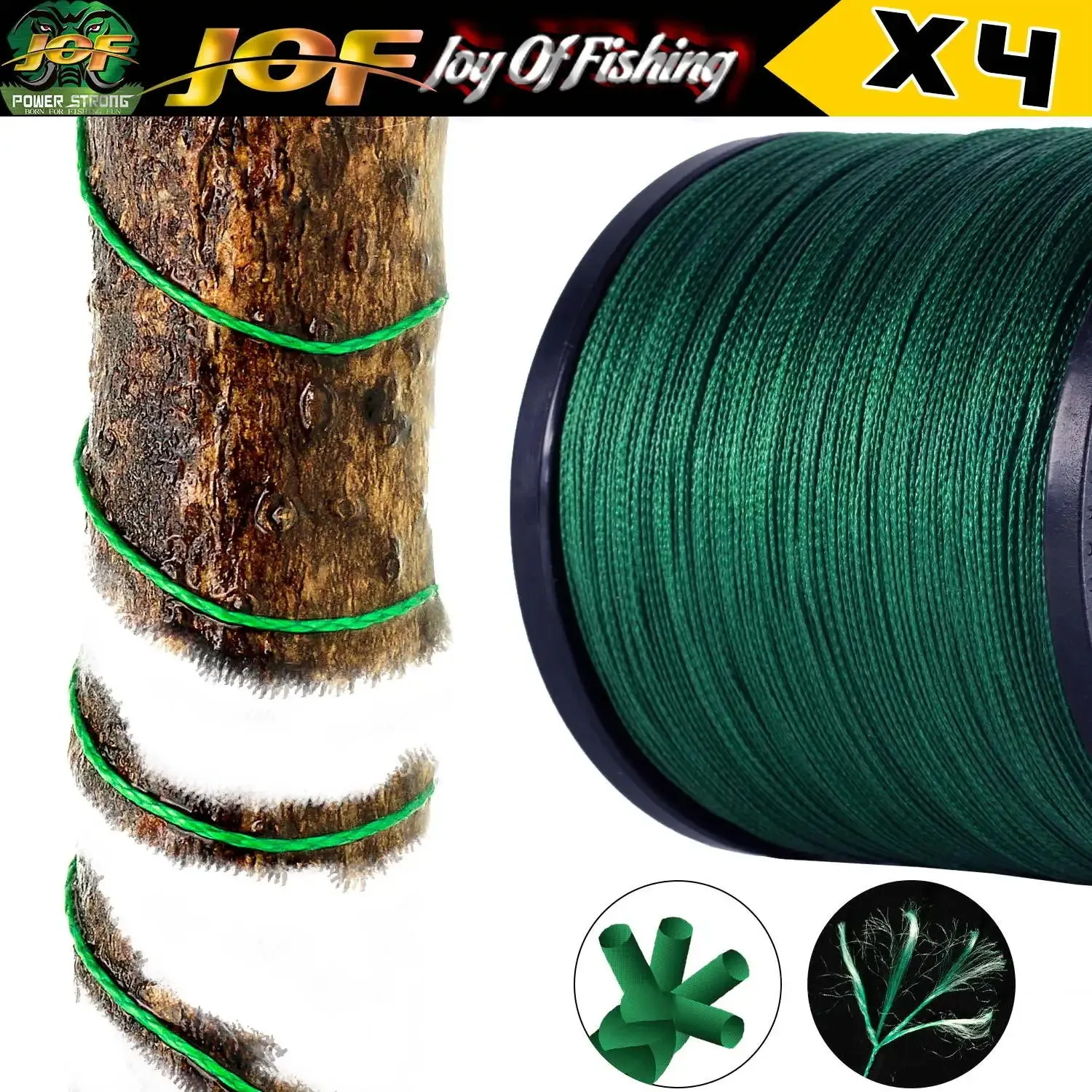
Braided lines are made from multiple strands of synthetic fiber woven together to create an ultra-strong and durable line. While they have little stretch, braided lines are incredibly strong relative to their diameter and are ideal for reeling in large fish in heavy cover. Braided lines usually come in sizes ranging from 10lb to 100lb test.
Key Points
Feature 1: Multiple Line Types
Monofilament, fluorocarbon, and braided lines offer different benefits based on your fishing style and target species. Each line type serves
a distinct purpose, and selecting the right one will improve your fishing experience.
Feature 2: Various Pound Test Ratings
Fishing lines come in a wide range of pound test ratings, from as low as 2lbs for finesse fishing to 80lbs for heavy-duty fishing. The pound
test indicates the strength of the line, which determines how much weight it can handle before breaking.
Feature 3: Versatile for Different Fishing Environments
Whether you're fishing in freshwater, saltwater, or deep-sea environments, different line sizes and types are better suited to specific
conditions, ensuring that you’re prepared for any challenge.
Feature 4: Enhanced Durability
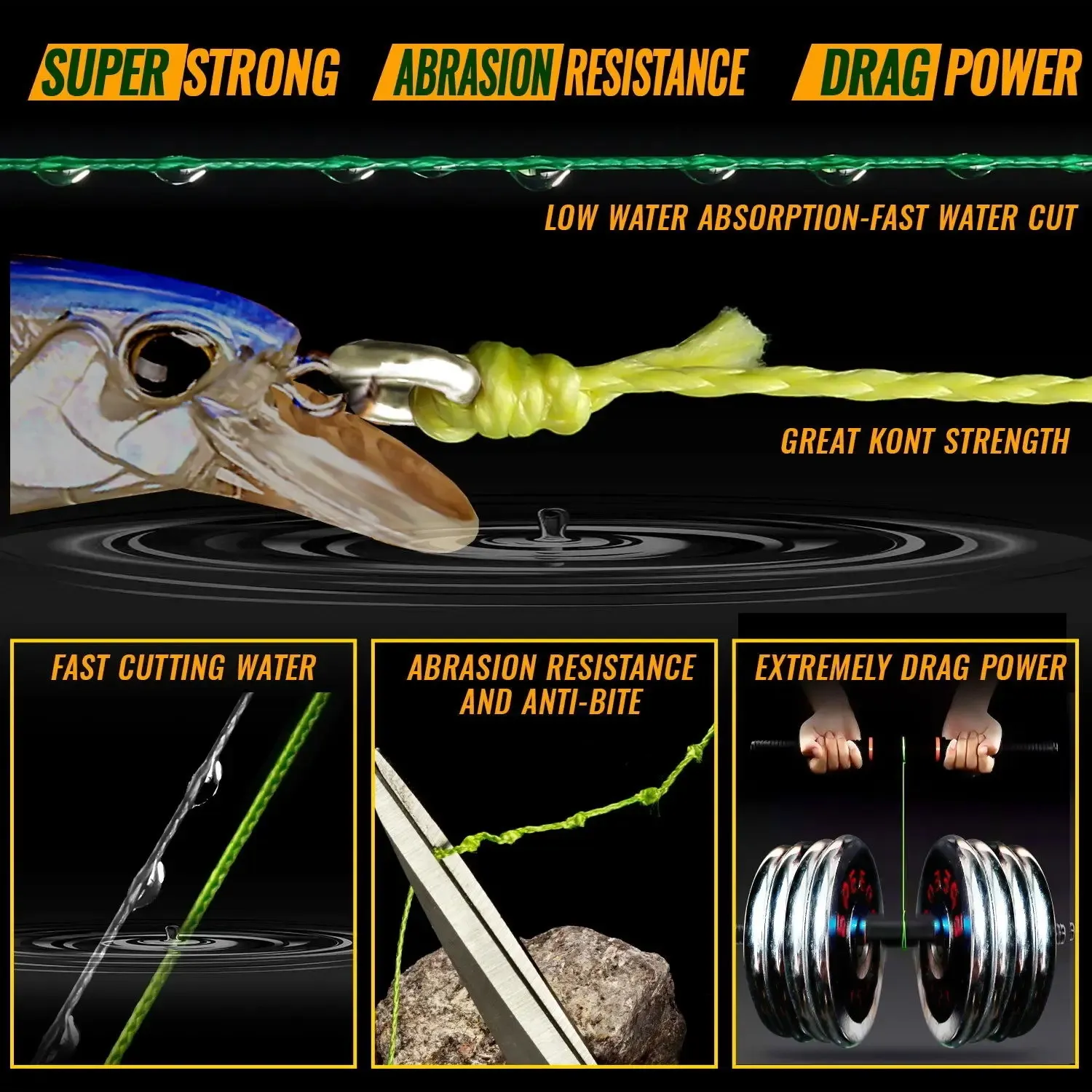
Modern fishing lines are designed to handle wear and tear, offering excellent abrasion resistance and UV protection, ensuring that your line
lasts longer under challenging conditions.
Benefits
Benefit 1: Better Control and Accuracy
Choosing the right fishing line size allows for more accurate casts and better control when fighting fish, enhancing your chances of landing
the catch.
Benefit 2: Suitable for All Fish Species
With a variety of line sizes available, there is an ideal line for any fish species, whether you're targeting small trout or large marlins,
providing the necessary strength and flexibility.
Benefit 3: Improved Durability and Strength
Fishing lines are made to withstand the rigors of fishing, including sharp rocks, fish teeth, and environmental factors, ensuring
long-lasting performance and reliability.
Benefit 4: Tailored to Specific Fishing Styles
With options for light, medium, and heavy fishing, you can choose the perfect line for your style of fishing, whether you prefer finesse
techniques, trolling, or deep-sea fishing.
Why Choose the Right Fishing Line Size?
Selecting the correct fishing line size is vital for achieving optimal performance. The right line ensures that you can handle the specific fish species you are targeting, and it increases your chances of success. With a wide range of options available, from ultra-light lines for small fish to heavy-duty lines for big game fishing, it’s important to choose the right size based on your fishing environment, target species, and technique.
Conclusion
Fishing line sizes are crucial to your fishing success. By understanding the different types and their corresponding pound tests, you can ensure that you are prepared for any fishing adventure, from small stream fishing to deep-sea expeditions. With the right line size, you can enjoy better control, durability, and overall performance, making your fishing trips more enjoyable and productive.
The product may be provided by a different brand of comparable quality.
The actual product may vary slightly from the image shown.
Shop amazing plants at The Node – a top destination for plant lovers
.png)




.jpg)




.jpg)



.jpeg)



.jpeg)
.jpeg)





.jpeg)



.jpeg)

.jpeg)
.jpeg)

.jpeg)


.jpeg)
.jpg)
.jpeg)






.jpeg)
.jpeg)



.jpeg)




.jpeg)

.jpeg)

.jpeg)

.jpeg)

.jpeg)




.jpeg)
.jpeg)
.jpeg)

.jpeg)

.jpeg)



.jpg)
.jpeg)





.jpg)

ulva-Logo.jpg)


.jpeg)


.png)







.png)