



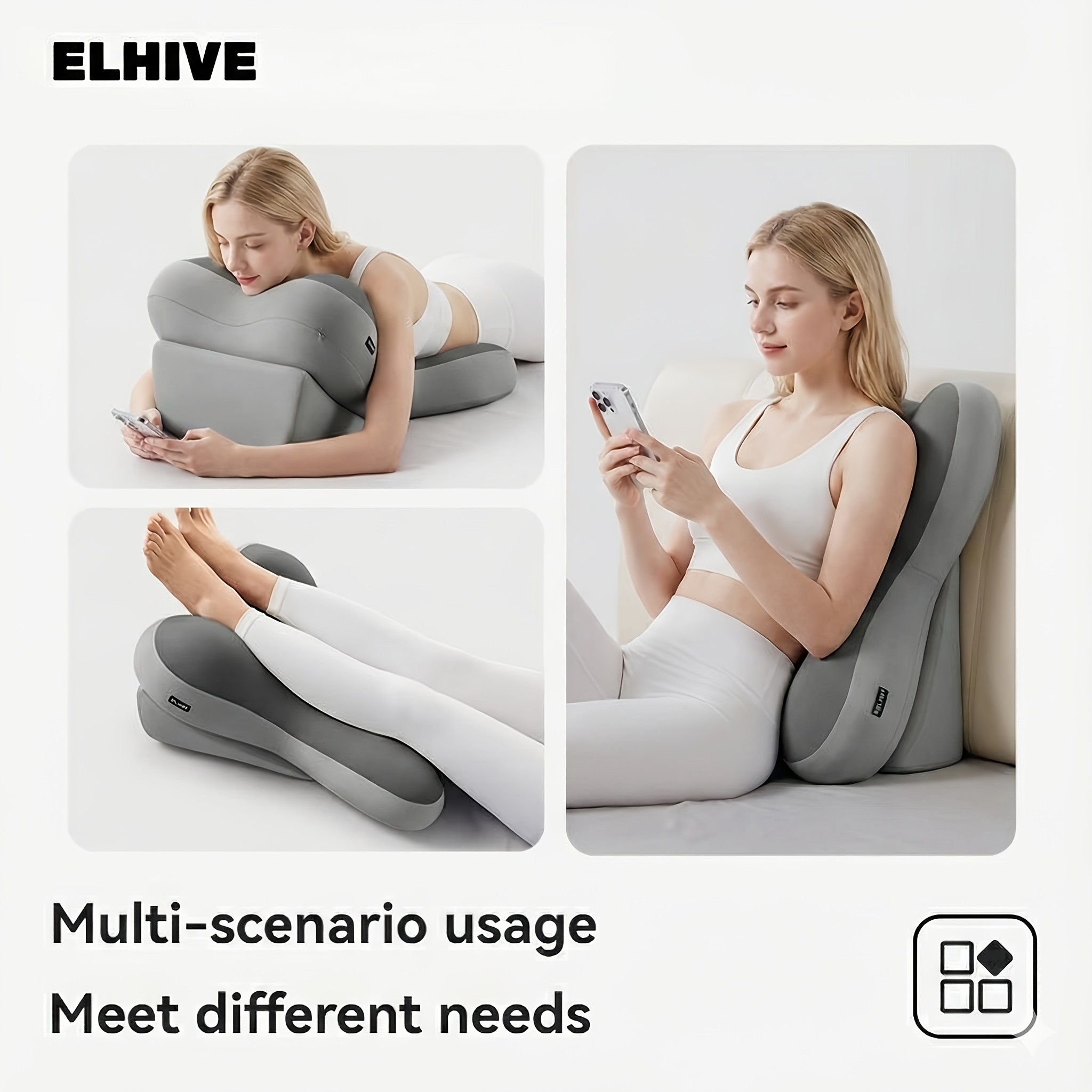
ELHIVE Adjustable Backrest Pillow for Bed

Comfort in bed is not only about having a soft mattress. For many people, the real issue is support—support for the back while sitting up, support for the upper body while resting, and support for the legs when elevation helps with circulation, recovery, or general comfort. In New Zealand, where many households use bedrooms as multi-purpose spaces for reading, working on a laptop, recovering from illness, or simply relaxing in the evenings, a well-designed bed support pillow can quickly become an everyday essential.
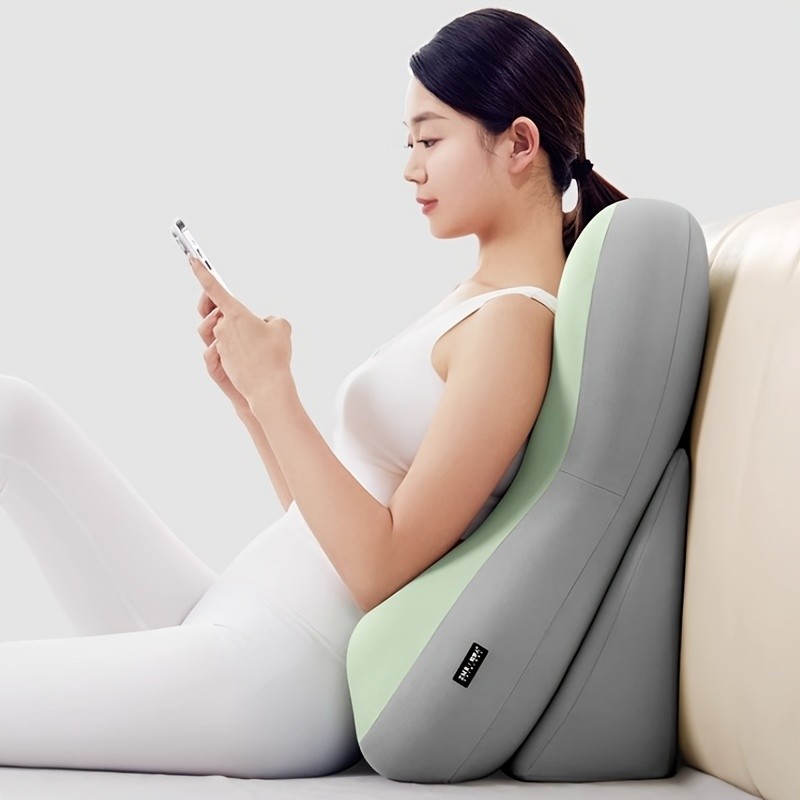
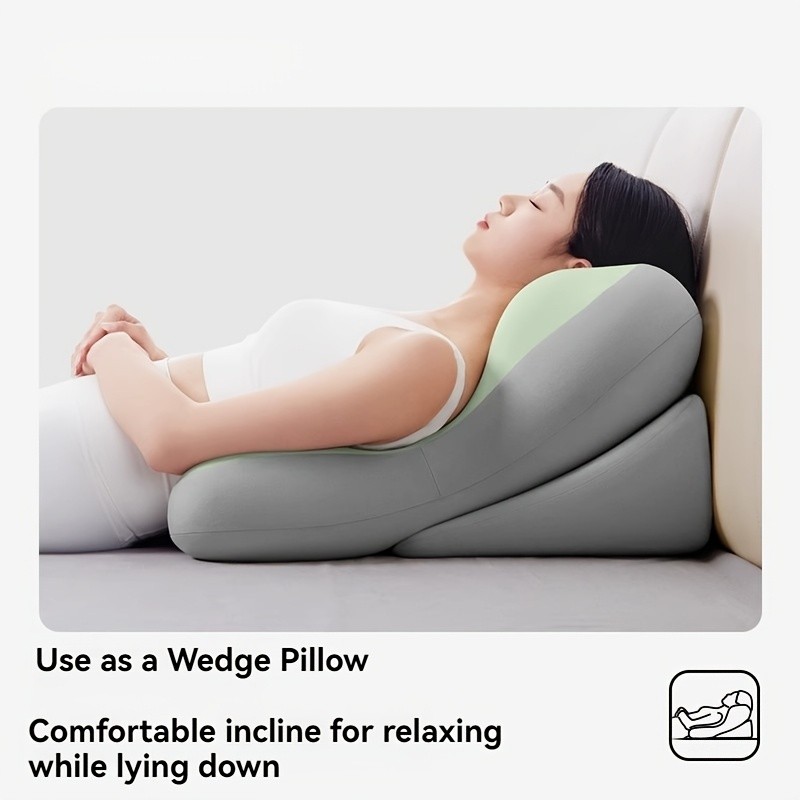
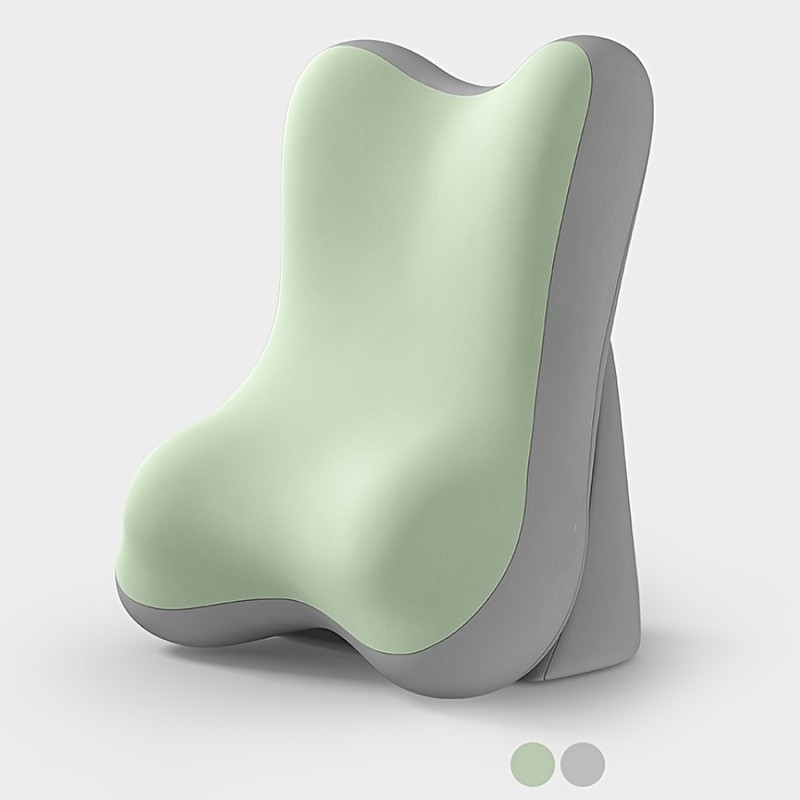
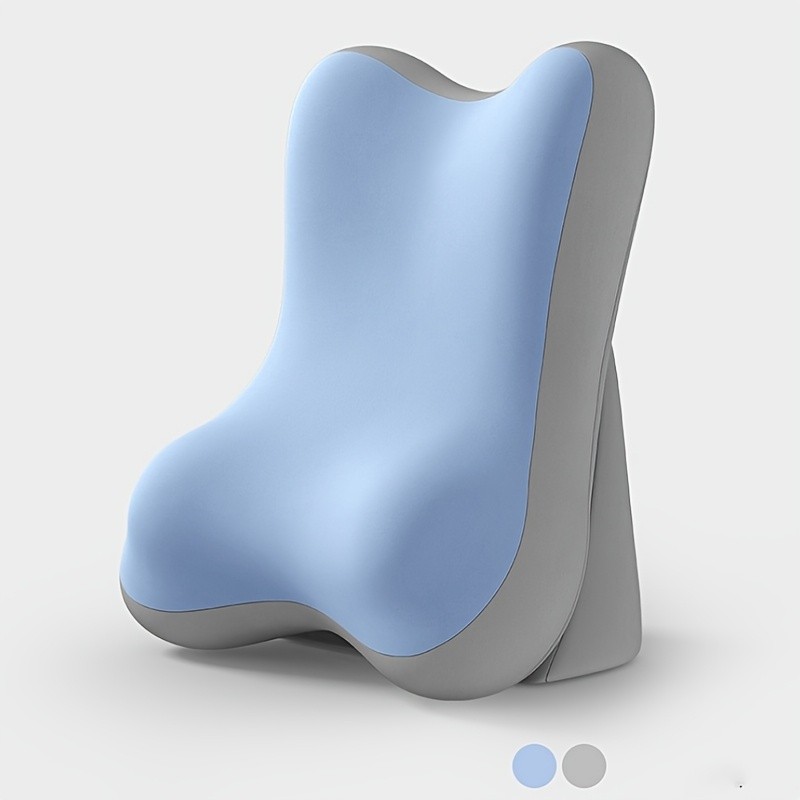
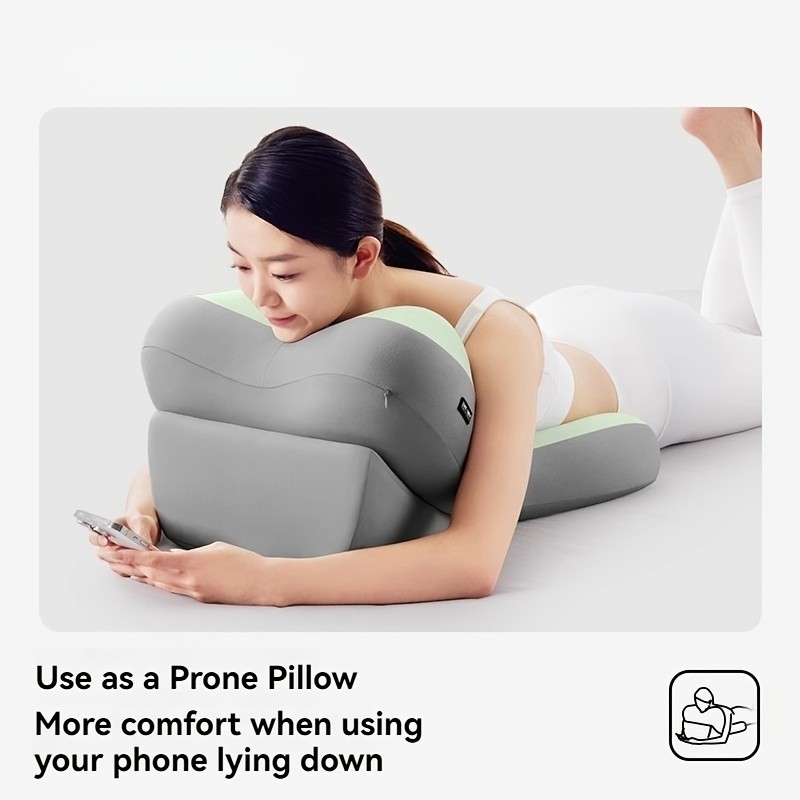
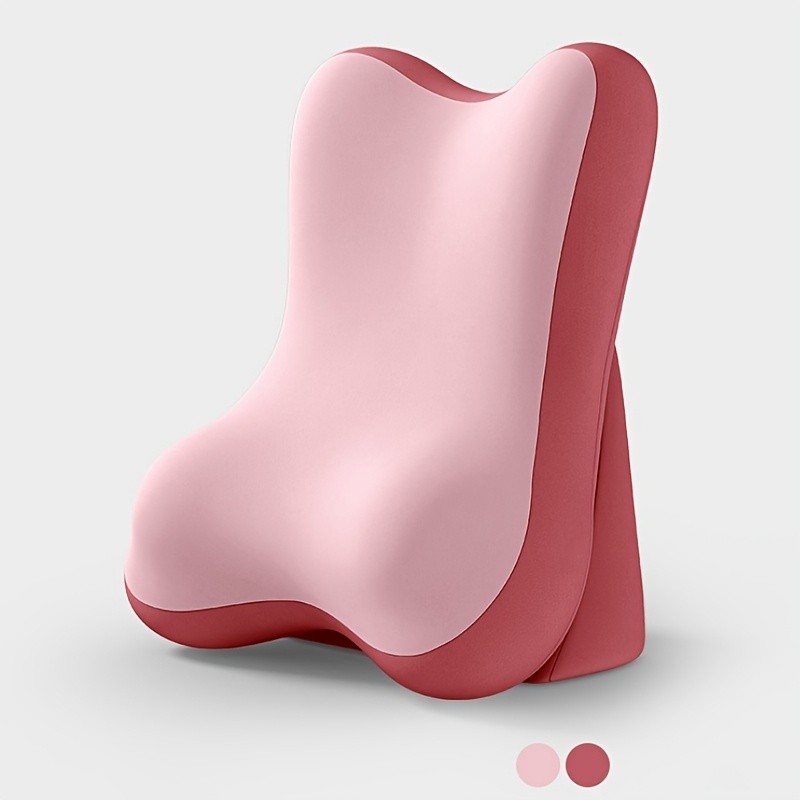
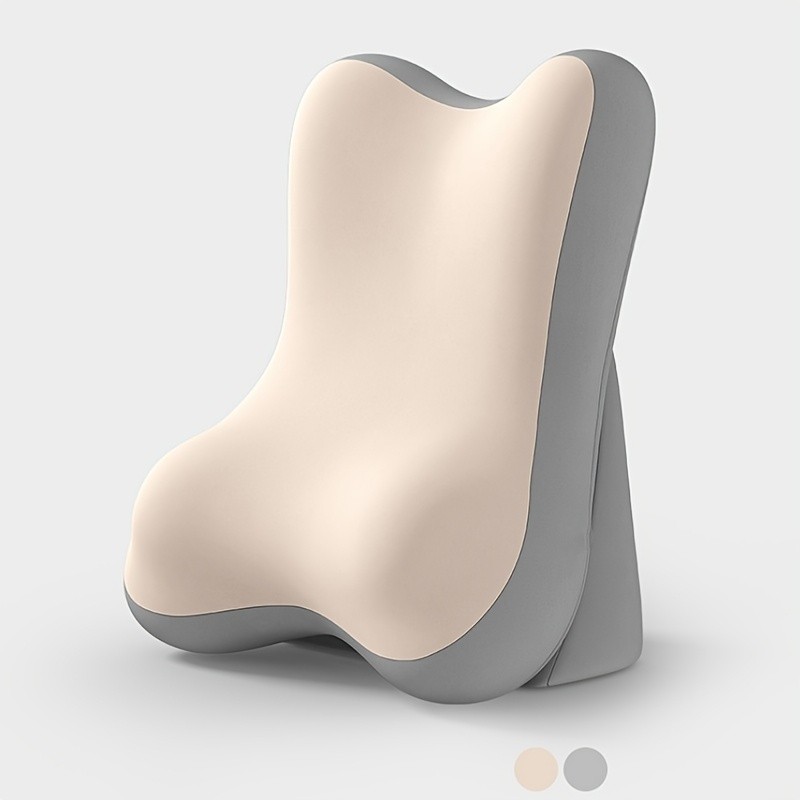
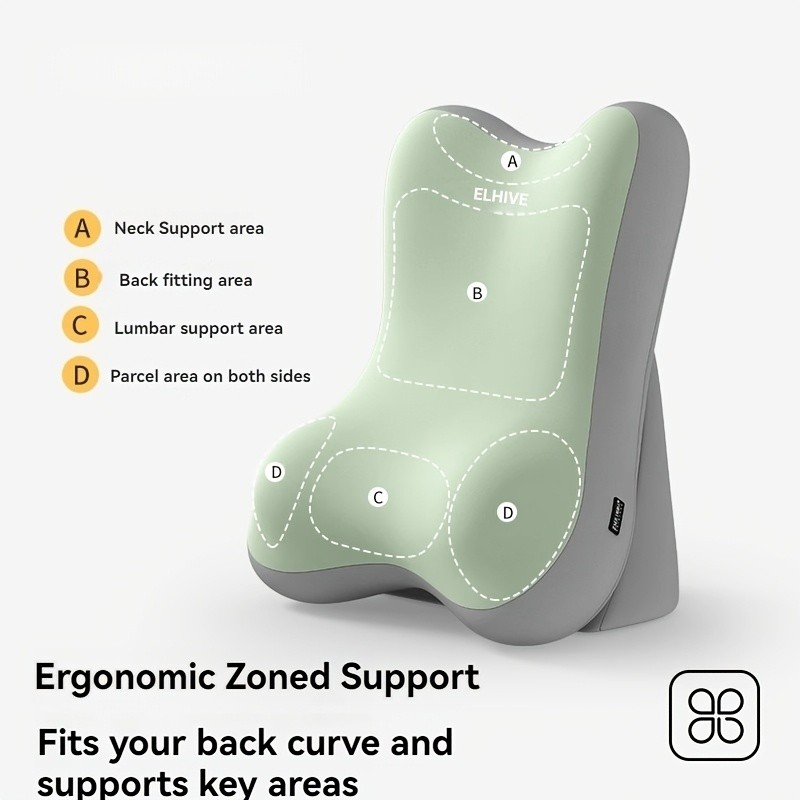
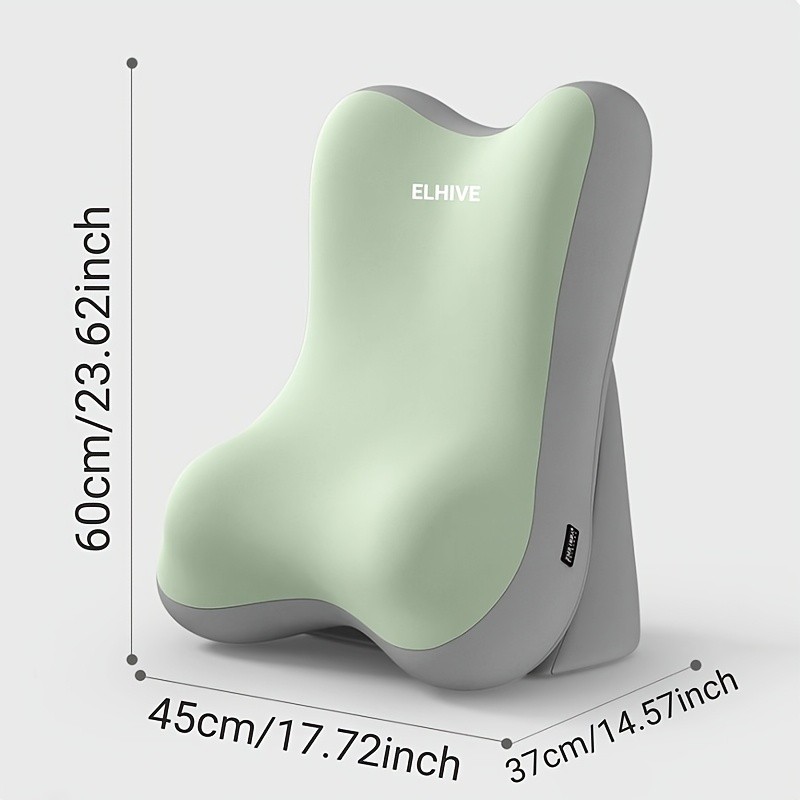
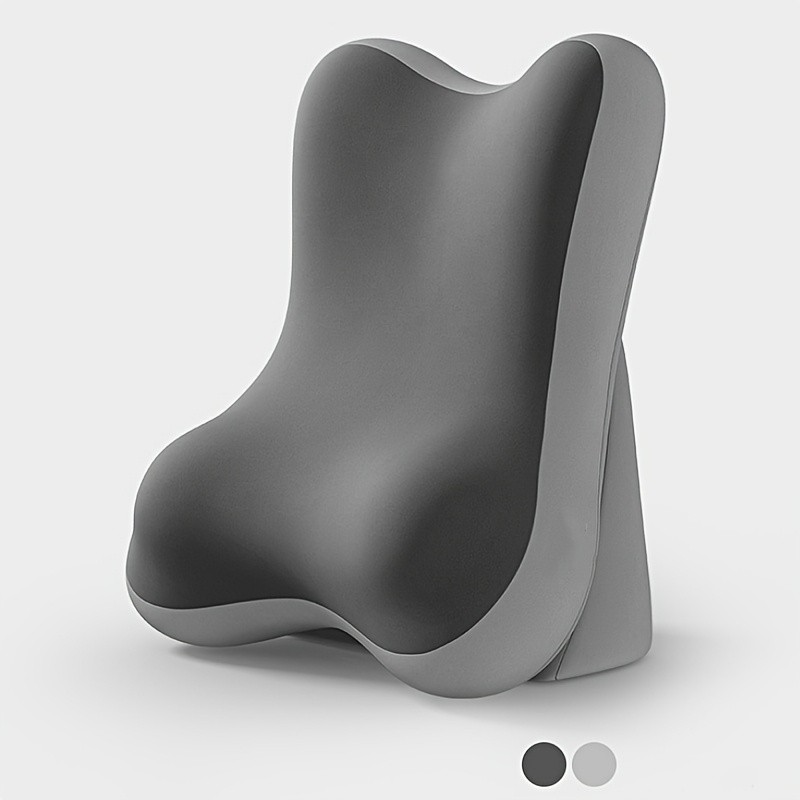
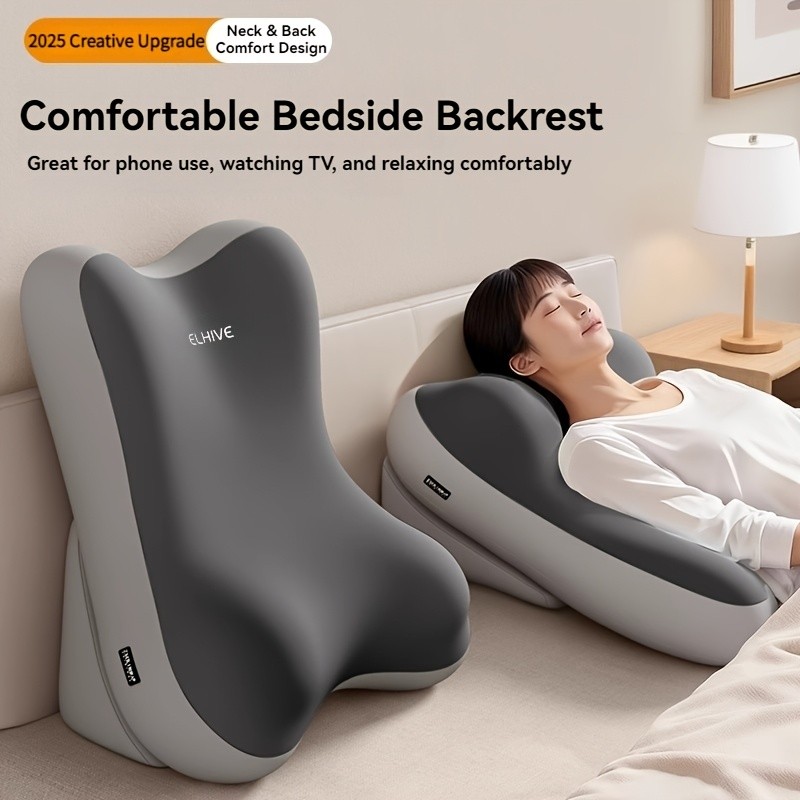
The ELHIVE Adjustable Backrest Pillow for Bed is positioned as an ergonomic, memory foam bed cushion system that provides leaning support for sitting up, plus a leg elevation wedge to improve posture, comfort, and rest quality. Unlike a standard pillow that collapses or shifts, an engineered wedge and backrest system is designed to hold its shape and keep your body in a more supported alignment—whether you are reading, watching TV, scrolling on your phone, or resting after a long day.
This long-form description explains how this style of adjustable bed wedge pillow works, who benefits most from it, why memory foam matters, and how NZ users can incorporate it into daily routines for comfort and support.
Why Bed Support Matters More Than People Expect
Many people assume discomfort in bed is “normal”—especially when sitting up to read, recovering from a busy week, or dealing with occasional back tension. But discomfort often has a mechanical cause: poor alignment. When your back is unsupported, your spine rounds, your shoulders hunch forward, and the body compensates by tensing muscles in the lower back, neck, and hips.
A supportive backrest pillow changes that dynamic by:
- supporting your upper body in a more neutral position
- reducing pressure on the lower back and hips
- helping you sit upright without constant muscle effort
- improving comfort during longer reading or resting sessions
In NZ households, this is particularly helpful for:
- people who read in bed regularly
- students and remote workers using their bed as an occasional workspace
- anyone who experiences stiffness after sitting without support
- people recovering from surgery or illness who need supported rest positions
- individuals who benefit from leg elevation for comfort or circulation
What the ELHIVE Adjustable Backrest Pillow Set Is Designed to Do
This product is described as an adjustable backrest pillow system with memory foam and an included leg elevation wedge. That indicates a multi-position support approach rather than a single, fixed pillow.
The core goals of this kind of system are:
- Leaning support: to sit up comfortably in bed without sliding or collapsing
- Ergonomic alignment: to reduce strain on neck, shoulders, and lower back
- Leg elevation: to lift the legs for comfort, recovery support, and relaxation
-
Flexible positioning: to support different activities—reading, resting, watching, sleeping support, or recovery use
For NZ users, the appeal is convenience: you can create a supportive setup at home without needing a recliner chair or specialised furniture.
Ergonomic Back Support for Reading and Sitting Up in Bed
Reading in bed is one of the most common reasons people look for a backrest pillow. The usual alternatives—stacking regular pillows or leaning against the headboard—rarely provide stable support. Pillows slip, compress, and lose shape quickly, which leads to:
- a rounded back position
- forward head posture
- tension through shoulders and neck
- discomfort after 15–30 minutes
A structured backrest pillow helps maintain posture by providing a firmer, shaped surface for the upper and mid-back. This supports more relaxed reading and reduces the “constantly adjusting pillows” problem.
Where This Helps in Real NZ Routines
- Evening reading to unwind without discomfort
- Watching shows or sports in bed during colder months
- Using a laptop briefly without slouching heavily
- Sitting up comfortably while recovering from illness
Many NZ homes have cooler bedrooms in winter, and people often spend more time in bed with warm bedding. A supportive backrest setup makes those longer rest periods more comfortable.
Memory Foam: Why It’s a Practical Material for Bed Support
Memory foam is widely used in comfort products because it conforms to the body while retaining supportive structure. For a backrest pillow and wedge system, the goal is a balance:
- soft enough to feel comfortable against the back
- firm enough to hold shape and provide proper support
- responsive enough to reduce pressure points
In practical terms, memory foam helps because:
- it adapts to your body contours
- it distributes pressure more evenly
- it reduces the “hard edge” feeling common in cheaper foam wedges
- it tends to maintain shape longer than standard polyester fill
For NZ buyers, memory foam is particularly appealing for “everyday use” items because it supports repeated daily use without flattening as quickly as typical pillows.
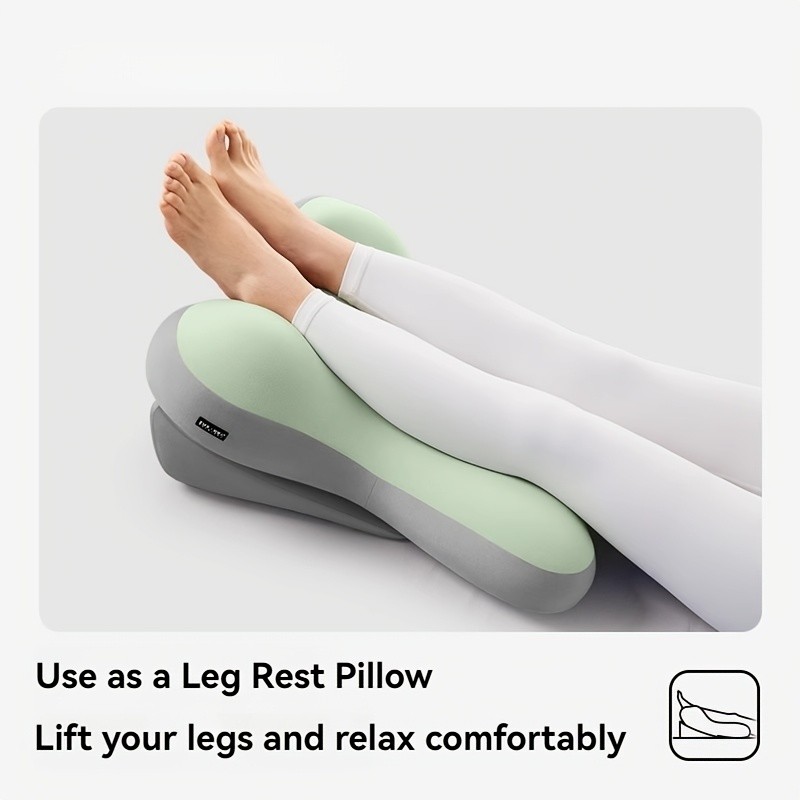
Leg Elevation Wedge: Comfort, Recovery Support, and Relaxation
Leg elevation can be beneficial for many everyday reasons, even without a medical condition. After long hours standing, walking, or sitting at work, elevating the legs can feel restorative.
A leg elevation wedge is commonly used to:
- reduce tired-leg discomfort
- support relaxation after work or travel
- improve comfort during extended rest
- support specific recovery routines (when recommended)
It can also be a practical addition for people who want more comfortable positions while reading or watching in bed. Elevation changes pressure distribution and can reduce the strain that occurs when legs are unsupported.
Common NZ Lifestyle Scenarios Where Leg Elevation Helps
- After long shifts (retail, hospitality, trades, healthcare)
- After long drives or flights (domestic travel and overseas trips)
- After workouts, runs, or active weekends
- During recovery periods where rest is a priority
A wedge can also be used creatively: some people place it under knees while lying on the back to relieve lower back tension, while others use it as a general support cushion for comfort positioning.
Adjustable Support: Why Flexibility Matters
The word “adjustable” is important here. Different people need different angles, and different activities require different postures. A flexible system is useful because:
- reading often feels best with a higher back angle
- watching content may require a slightly reclined position
- resting may feel best at a moderate incline
- leg elevation needs a stable incline that supports the calves and ankles
In NZ homes, where the same bed may be used for relaxing, reading, working, and sleeping, adjustability allows one product to support multiple needs without having to buy separate cushions.
Better Alignment for Back, Neck, and Shoulders
When support is properly set up, your body can relax instead of constantly compensating. That is the real benefit of an ergonomic wedge system.
A supportive backrest setup can help by:
- reducing slouching and rounding through the spine
- helping shoulders stay more open and relaxed
- reducing neck strain caused by poor upper-body positioning
- supporting the lumbar region more effectively than stacked pillows
This is particularly helpful for people who feel discomfort when sitting against a flat headboard or wall. A shaped cushion provides a more natural support surface and can reduce fatigue during long sessions.
Suitable For Home Use, Rest, and Everyday Recovery Routines
A bed wedge system can be useful in NZ homes for many everyday scenarios:
Reading and Relaxation
- comfortable upright positioning
- reduced need to re-stack pillows
- improved comfort for longer sessions
Post-Illness and Rest Days
When you are unwell, sitting fully upright can be uncomfortable, but lying flat may not feel ideal either. A wedge system allows you to rest at an incline.
Support During Periods of Reduced Mobility
For people who need more bed rest temporarily—whether from injury, recovery, or fatigue—a supportive cushion can improve comfort and reduce the sense of “being stuck” in one position.
Pregnancy and General Comfort Support
Many people look for wedge support during pregnancy for comfort positioning. A wedge can support legs or help create a more comfortable resting posture depending on what feels best day-to-day.
(As always, for pregnancy-related support and positioning, comfort preferences vary and individual guidance from a healthcare professional is best if you have specific medical needs.)
Where This Pillow System Fits Best in a New Zealand Bedroom
This type of bed support is generally easy to integrate into NZ bedrooms because it does not require any installation.
Practical placement options include:
- against the headboard as a reading support system
- on top of bedding for quick setup and removal
- stored at the side of the bed when not in use
- used on a daybed or guest bed for extra comfort
It is also useful for guest rooms, where visitors may appreciate a supportive setup for reading or resting, especially during longer stays.
How to Set It Up for Best Comfort
A simple setup approach can improve results immediately:
- Position the backrest wedge against the headboard or wall for stability
- Sit so your lower back is supported rather than sliding forward
- Adjust your legs with the elevation wedge so pressure is comfortable
- If using for reading, keep your book or device at a comfortable height to avoid neck bending
- If using for laptop work, consider a lap desk to prevent hunching
Small adjustments can make a big difference. The goal is to support your body so you can relax without constantly shifting position.
Cleaning and Maintenance Considerations
For any bed cushion product, practical maintenance matters. In NZ homes, dust and bedding lint accumulate over time, especially during winter when bedding is heavier.
General best practices include:
- keeping covers clean according to care instructions
- airing out cushions occasionally
- avoiding moisture exposure and damp storage
- keeping the wedge system in a dry, ventilated space when not in use
Memory foam products generally benefit from being kept dry and not compressed for extended storage, as this helps maintain shape and longevity.
Who This ELHIVE Adjustable Backrest and Bed Wedge Pillow Is Best For
This product is well suited for:
- people who read in bed regularly and want better back support
- NZ households wanting a more comfortable bed lounging setup
- anyone who benefits from leg elevation for comfort and recovery routines
- people wanting an ergonomic alternative to stacking standard pillows
- students and remote workers who occasionally use bed as a workstation
- individuals wanting better posture support during rest periods
It can also be a thoughtful gift for someone setting up a more comfortable bedroom environment, especially if they spend time reading, recovering, or relaxing in bed.
Summary: A Practical Comfort Upgrade for NZ Bedrooms
The ELHIVE Adjustable Backrest Pillow for Bed combines ergonomic leaning support with a memory foam cushion feel and a leg elevation wedge to create a flexible, supportive bed setup. For NZ users who read in bed, relax indoors during colder seasons, recover from fatigue or illness, or simply want a more comfortable way to sit up without slouching, this style of wedge pillow system offers a practical improvement to daily comfort.
With adjustable positioning, memory foam support, and multi-purpose use across reading, resting, and leg elevation routines, it is designed to make the bed a more functional comfort zone—without needing bulky furniture or permanent changes to your bedroom.
The product may be provided by a different brand of comparable quality.
The actual product may vary slightly from the image shown.
Shop amazing plants at The Node – a top destination for plant lovers


.webp)
.webp)




.jpg)









.jpg)





.jpeg)





.jpeg)



.jpeg)








.jpeg)



.jpeg)

.jpeg)

.jpeg)

.jpeg)




.jpeg)
.jpg)

.jpeg)






.jpeg)
.jpeg)




.jpeg)





.jpeg)


.jpeg)

.jpeg)

.jpeg)

.jpeg)







.jpeg)
.jpeg)
.jpeg)





.jpeg)



.jpeg)





.jpg)
.jpeg)









.jpg)


ulva-Logo.jpg)




.jpeg)



.png)















.png)