

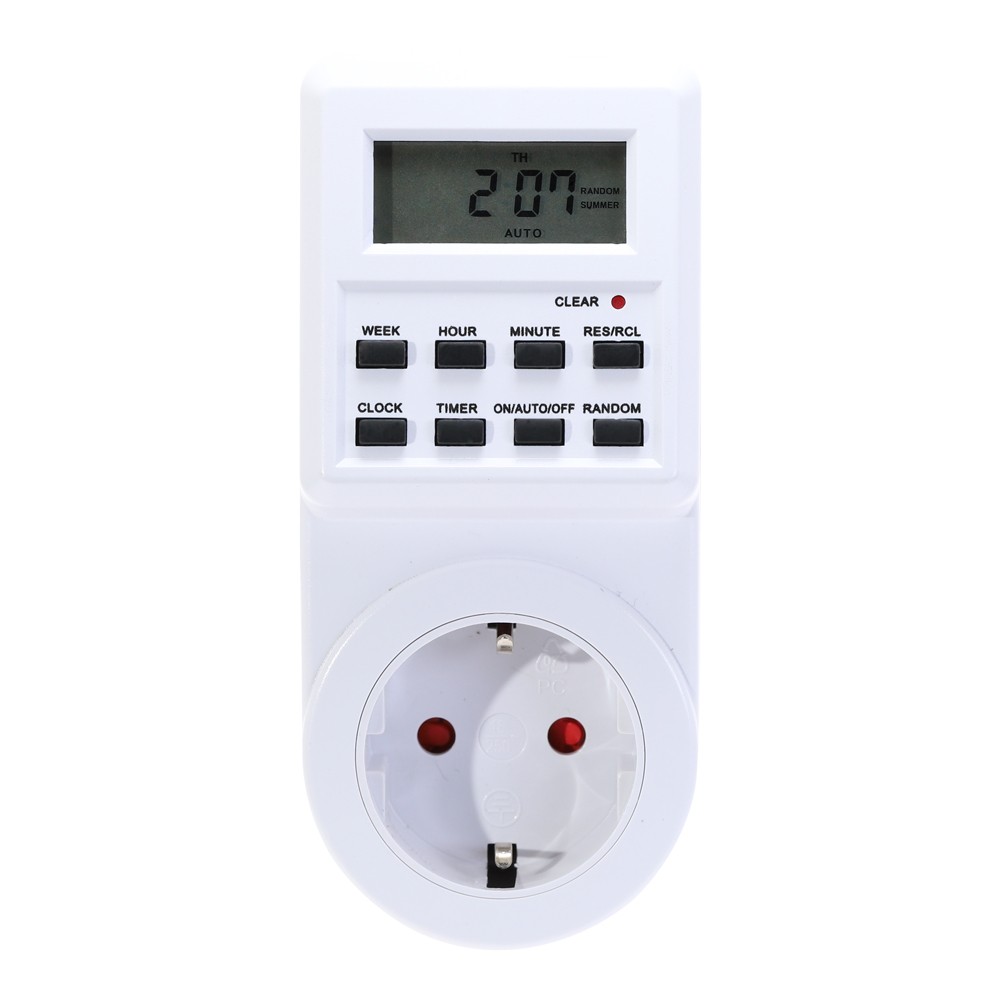
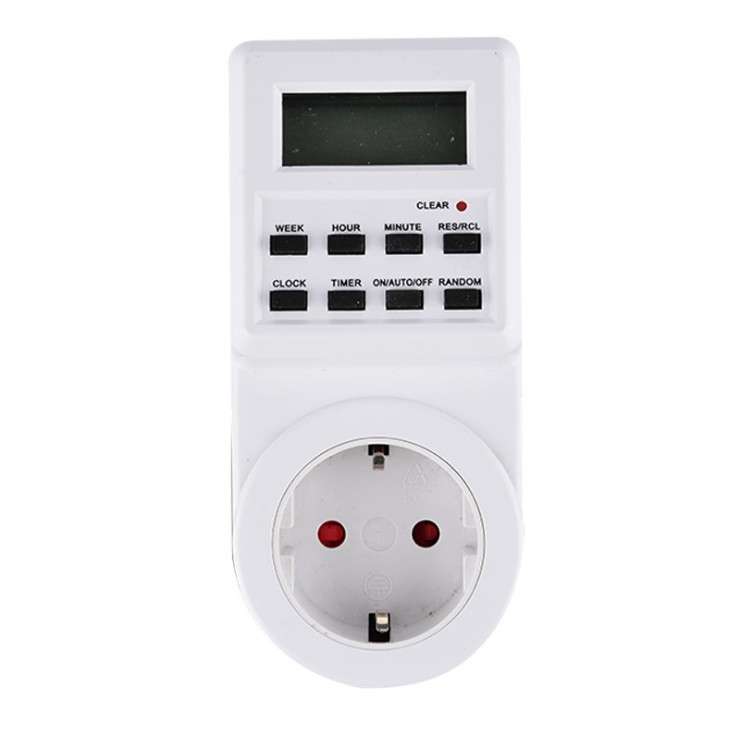
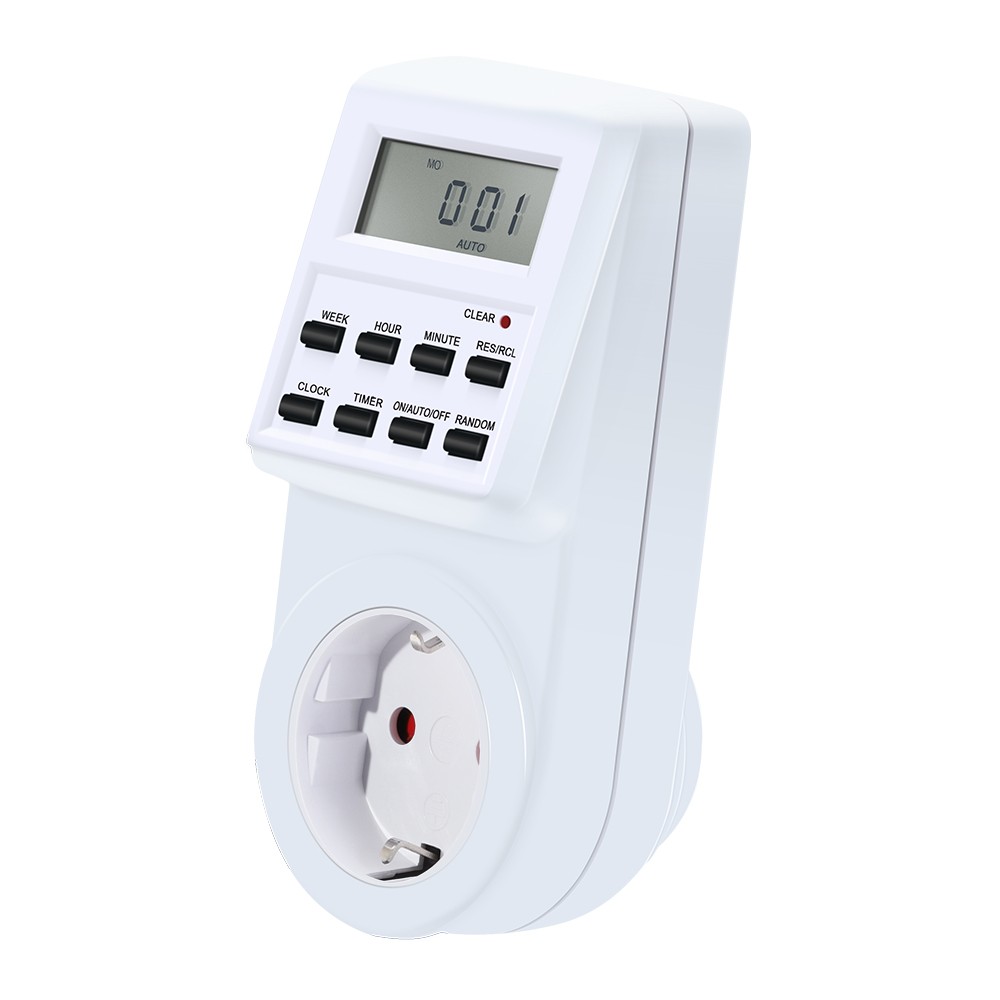
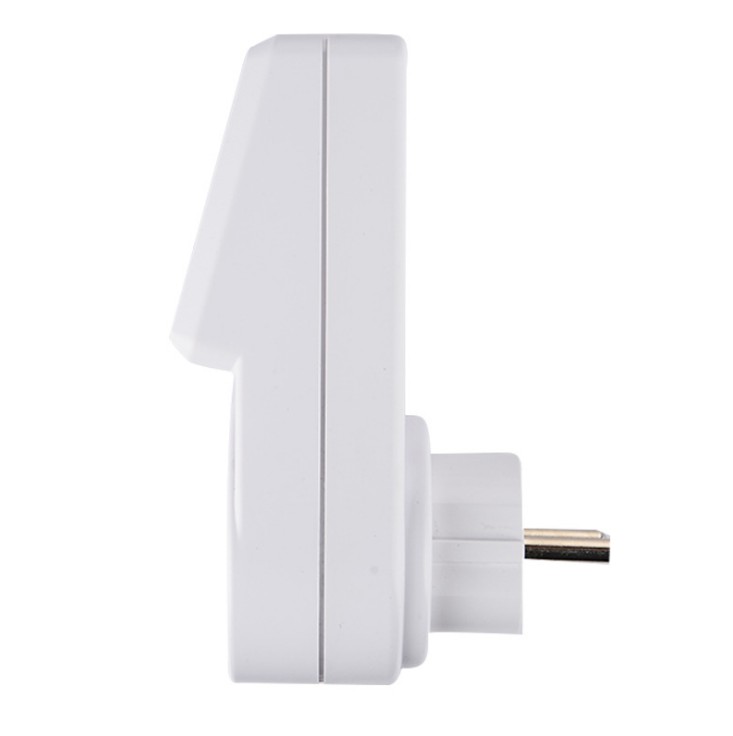
Electric Timer

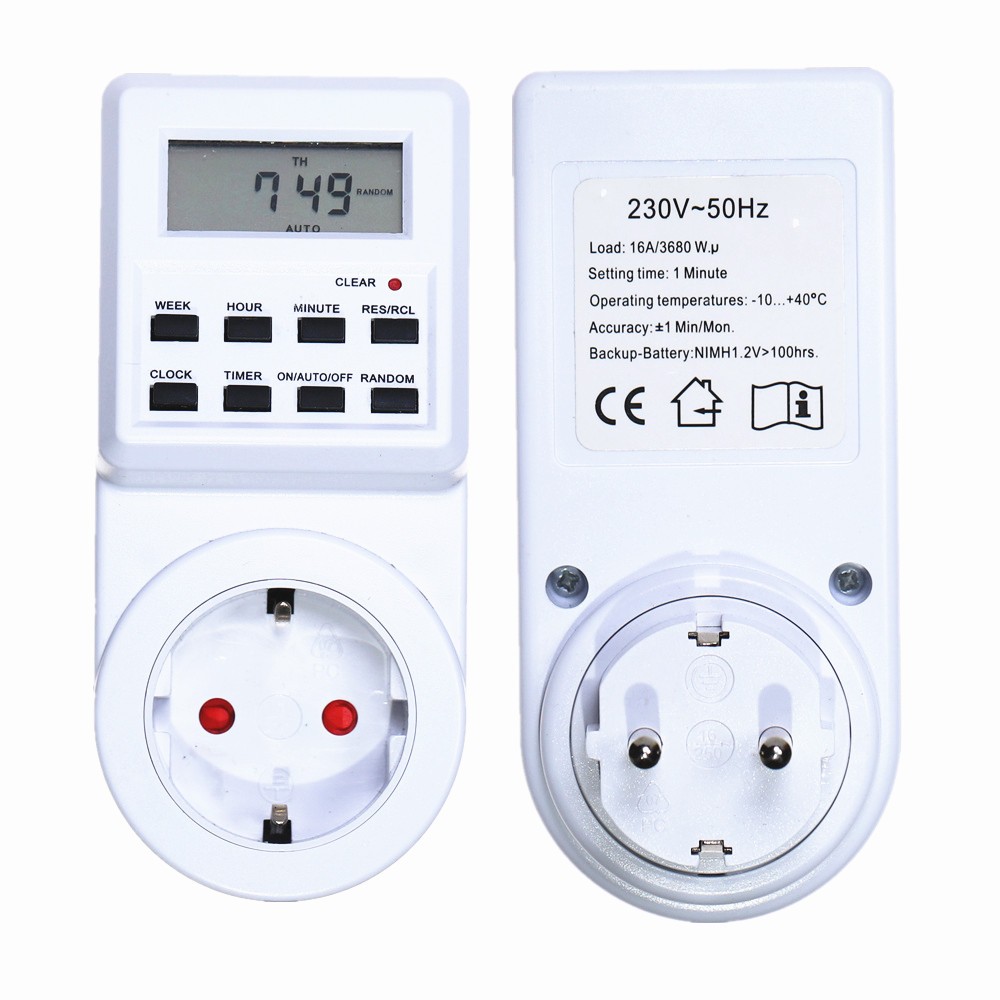
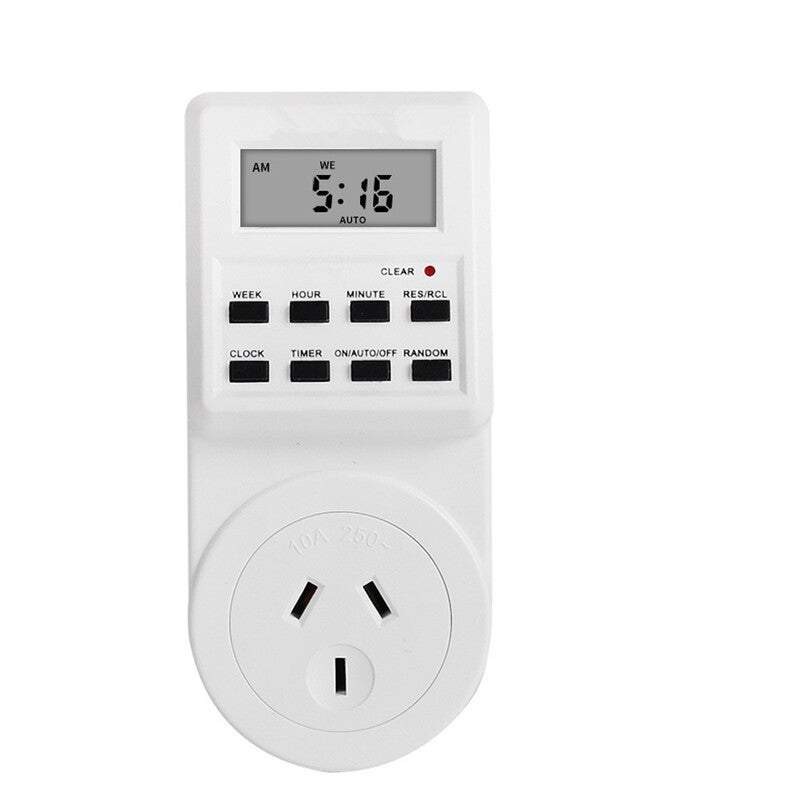
Product information:
Shell material: plastic
Movement: Electronics
Display type: LCD
Display type: LCD
Appearance: rectangular
Power type: external battery + built-in battery
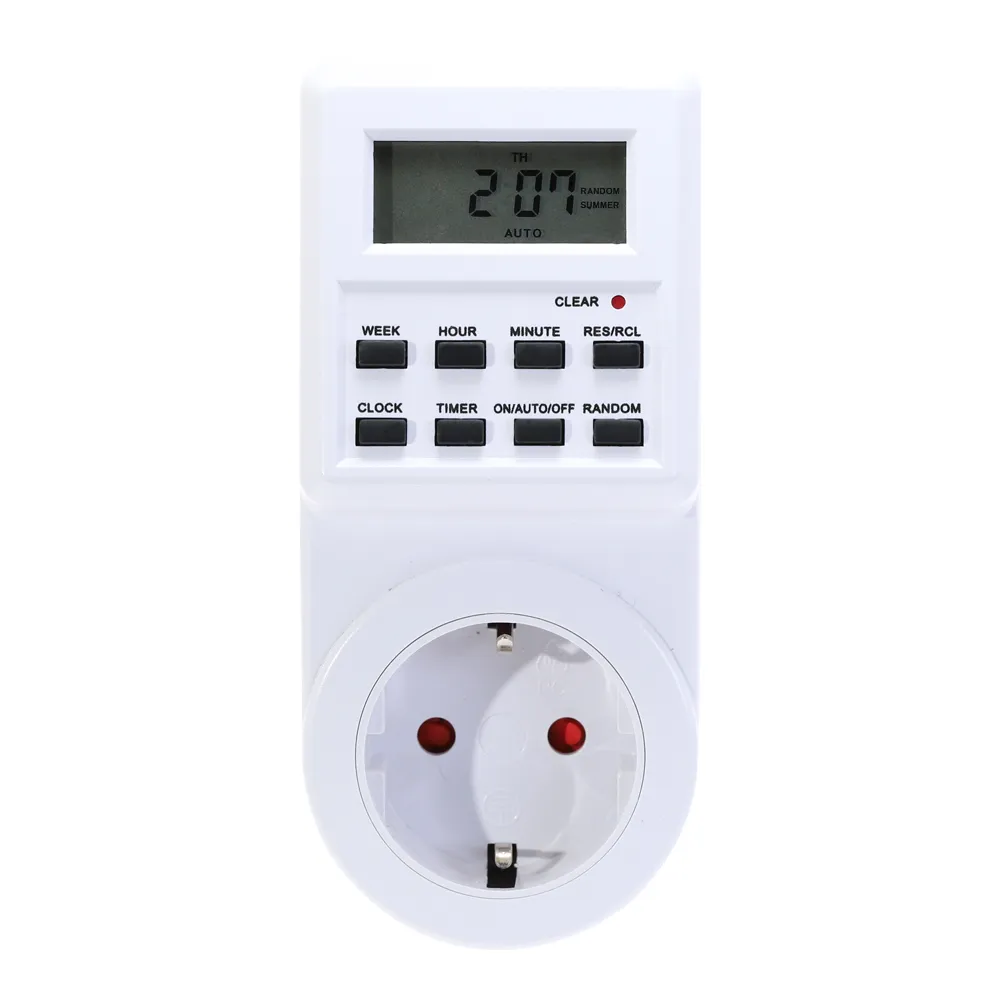
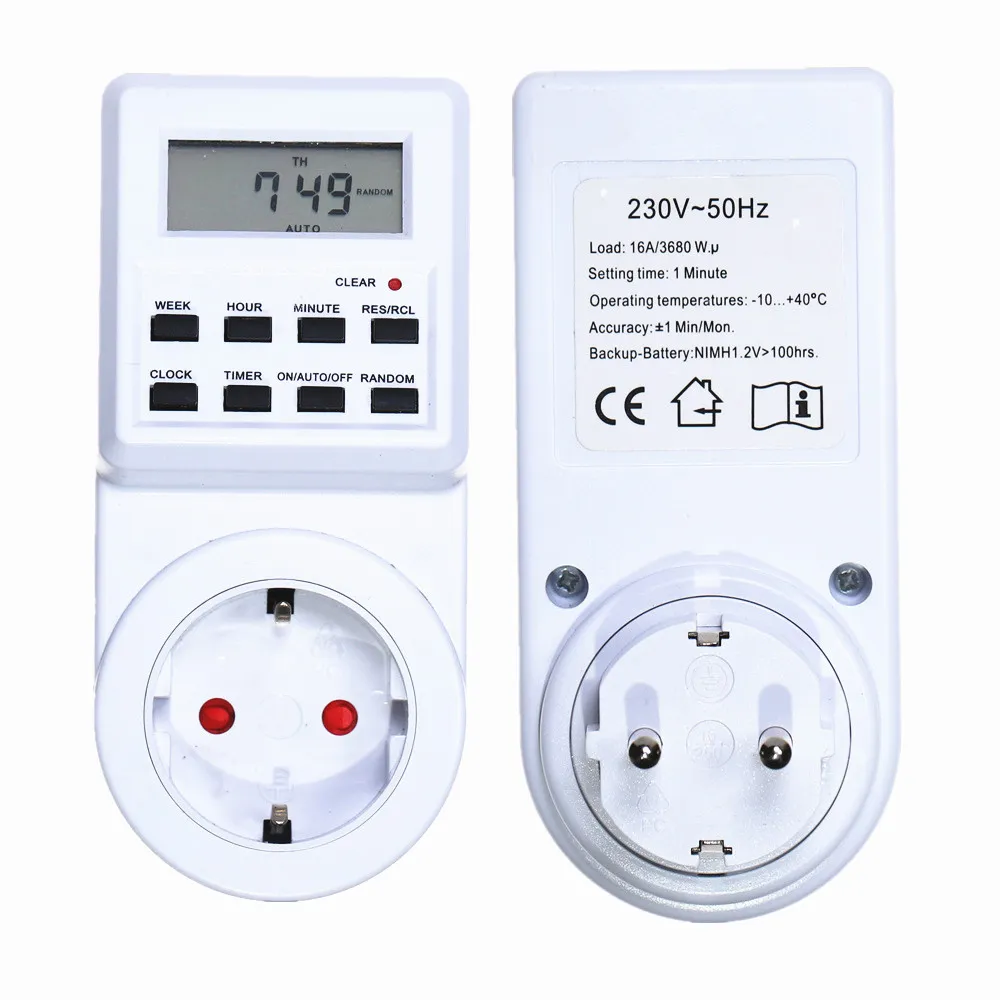
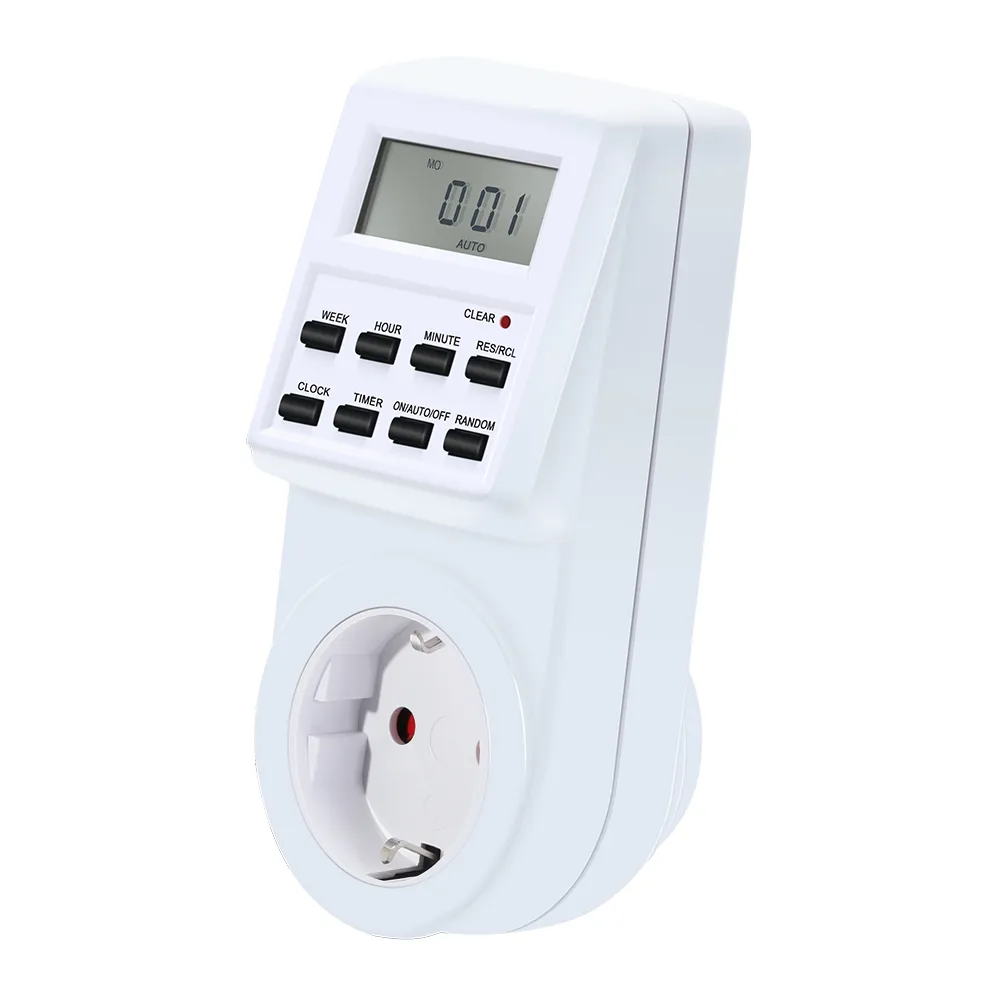
Electric Timer – Automated Control for Efficient Power Management
Perfect for Homeowners, Renters, Office Managers, Gardeners, and Energy‑Conscious Users
The Electric Timer is an essential device for anyone who wants to automate electrical systems, control energy use, enhance security, and increase convenience throughout their living or working environment. Whether you’re scheduling lights for security purposes, managing heating/cooling systems to save energy, automating garden lighting or irrigation, or controlling appliances to operate only when needed, the electric timer streamlines routines and ensures precise control without manual intervention. Ideal for homeowners, renters, landlords, office administrators, gardeners, and workshop users alike, this device helps reduce energy waste, improve comfort, and enhance safety across a range of applications.
An electric timer brings consistency and predictability to everyday electrical tasks. Instead of remembering to switch devices on or off at specific times, the timer performs these actions efficiently and accurately — day after day — according to your schedule. This functionality makes it particularly beneficial for busy individuals, people with irregular schedules, or those who want to achieve energy savings without compromising convenience. With features like programmable time schedules, weekday/weekend settings, countdown functions, and durable construction, this device can be deployed in a variety of environments to support effective power management and automated control.
Description – Electric Timer
The Electric Timer is an electrical accessory designed to automatically turn a connected device or circuit on or off according to a preset schedule. It acts as a programmable intermediary between a power source and an electrical load — such as lights, appliances, pumps, heaters, fans, or garden systems — enabling timed control of electricity flow. Electric timers are widely used to control lighting systems for security, streamline energy consumption in households, schedule office equipment usage, automate holiday decorations, and support garden and outdoor applications like fountain pumps or landscape lighting.
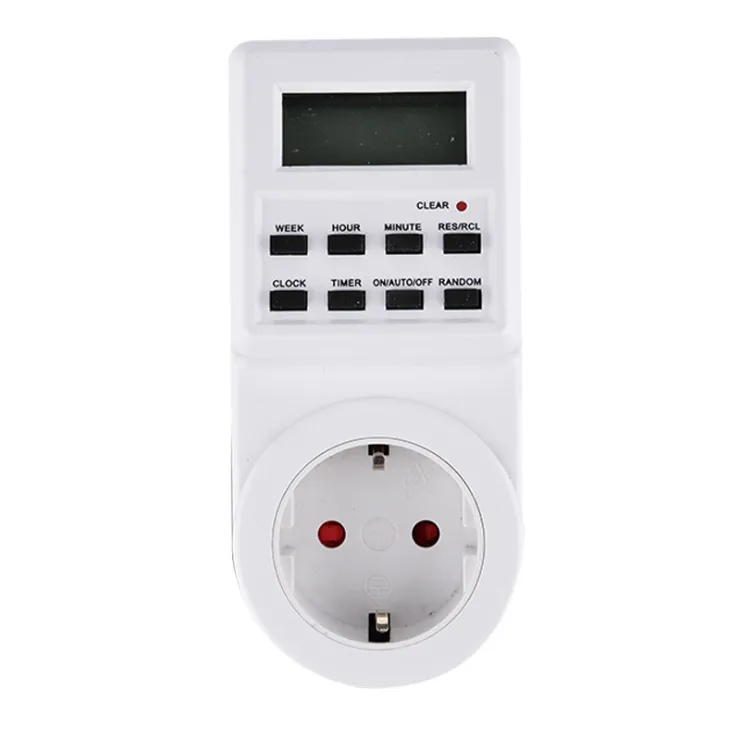
Electric timers come in a variety of forms — from plug‑in models that connect directly to wall sockets, to in‑line hardwired units designed for permanent installations. They may support simple on/off schedules, multiple daily or weekly programming cycles, or more advanced modes like randomised settings that deter intrusion by simulating occupancy. Older electromechanical models rely on rotating dials and mechanical switches, while modern digital timers offer LCD screens, precise minute‑by‑minute programming, memory backup, and battery support to maintain settings through power interruptions.
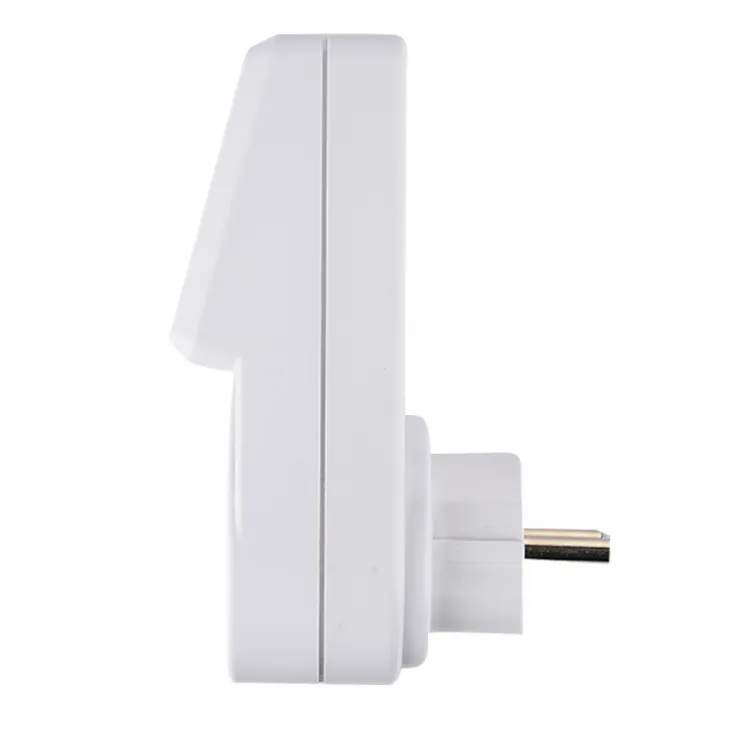
Installation and programming of an electric timer is generally straightforward. Plug‑in versions attach between the device’s power cord and a standard outlet, while panel‑mount or wall‑box models fit into existing electrical boxes and replace standard switches or outlets. Programming is typically done via clearly marked controls or digital menus that allow you to select the desired on/off times, duration intervals, days of the week, and operational modes. Once programmed, the timer automatically switches the connected device on or off according to the schedule, without further user input.
Electric timers are designed to be rugged and reliable, with internal components capable of handling voltage and current typical to their rated load. Safety mechanisms such as surge protection, over‑current safeguards, and weather‑resistant housings (for outdoor models) ensure dependable service in various conditions. Many are built to comply with electrical safety norms and include certifications that give users confidence in long‑term performance and electrical compatibility.
Regardless of environment — be it a single‑family home, rental property, retail space, or outdoor garden — an electric timer enhances control, reduces the need for manual intervention, and helps manage energy usage more effectively. With its ability to automate recurring tasks, this device addresses the demands of both everyday convenience and long‑term energy planning.
Key Points
Feature 1: Programmable On/Off Scheduling
The electric timer allows users to establish precise on/off schedules for connected devices. This can range from simple one‑cycle setups to
complex weekly routines that automatically regulate power usage without manual switching.
Feature 2: Multiple Operating Modes
Many models offer multiple modes including daily cycles, weekly programming, countdown timers, and randomised patterns that mimic presence
for enhanced security — ideal for indoor and outdoor applications.
Feature 3: Digital or Electromechanical Control
Available in digital models with LCD displays, memory backup, and fine‑tuned accuracy, as well as traditional electromechanical versions
with rotating dials and mechanical switches, accommodating different user preferences and simplicity levels.
Feature 4: Safety and Durability Features
Built‑in safeguards such as surge protection, overload protection, and weather‑resistant housings (for outdoor versions) help ensure
long‑lasting performance and safe operation in diverse environments.
Feature 5: Easy Installation and Setup
Plug‑in versions are quick to install by connecting between the device and outlet, while hardwired or panel models replace existing switches
or control circuits. Programming interfaces guide users through setting up schedules with minimal effort.
Feature 6: Load Capacity Compatibility
Timers are rated for various electrical loads — from small lighting circuits and appliances to heavier motors or HVAC control circuits —
allowing selection based on power requirements of the connected device.
Feature 7: Memory Backup (for Digital Models)
Many digital electric timers include internal battery backup or memory retention features that preserve programmed schedules during power
interruptions, avoiding reconfiguration after outages.
Feature 8: Versatile Indoor/Outdoor Use
With weather‑sealed outdoor models and indoor units suited for living spaces, offices, kitchens, or garages, these timers meet the needs of a
wide spectrum of installation environments.
Benefits
Benefit 1: Enhanced Energy Efficiency
By automating the on/off cycle of electrical devices, the electric timer prevents unnecessary power use, leading to lower energy bills and
reduced environmental impact — especially useful for lighting, heating, and irrigation systems.
Benefit 2: Improved Convenience and Comfort
Timers eliminate the need for manual operation. Appliances and systems operate on auto‑generated schedules — providing hot water, lighting,
or climate comfort exactly when needed without daily attention.
Benefit 3: Increased Security and Occupancy Simulation
Automatic control of indoor or outdoor lighting, when set to random or scheduled patterns, can create the impression of occupancy. This is a
well‑recognized deterrent against unauthorised entry or burglary for homes and rental properties.
Benefit 4: Better Appliance Management
Timely control of devices such as water heaters, pumps, fans, and holiday decorations ensures they run only when necessary, reducing wear
and tear and prolonging device life by avoiding continuous operation.
Benefit 5: Cost Savings Through Automation
By eliminating the habit of leaving devices on longer than needed, electric timers contribute to tangible electricity cost savings across
residential and commercial settings.
Benefit 6: Customised Daily and Weekly Routines
With flexible scheduling capabilities, users can tailor daily and weekly operating patterns to suit lifestyle requirements — for example,
reducing heating during work hours or scheduling garden lights only at dusk.
Benefit 7: Reliable Performance and Repeatability
Once programmed, the timer performs consistently and repeatedly without further user intervention. This reliability is ideal for busy
schedules or recurring tasks that must occur at specific times.
Benefit 8: Simplified Installation and Broad Compatibility
Whether used in plug‑in format for appliances or installed within electrical panels for larger circuits, electric timers offer broad
compatibility with common household and commercial electrical systems.
Why Choose This Electric Timer?
Choose this Electric Timer if you want precise, dependable control over when your electrical devices operate — without needing to remember schedules or intervene manually. With programmable schedules that accommodate daily and weekly needs, this timer helps you fine‑tune your energy use and increase the convenience of your routines. The variety of operating modes — from countdown functions to randomised occupancy‑simulating patterns — makes this device suitable for an expansive set of applications including home lighting, garden systems, holiday décor, heating and cooling systems, office machines, and workshop tools.
Digital models with memory backup offer extra reliability, ensuring your schedules persist even through power interruptions, while electromechanical versions provide straightforward and rugged performance with minimal technological complexity. Safety and durability features make it suitable for both indoor and outdoor installations, supporting a wide range of environments and electrical loads.
Its versatility helps reduce energy waste and lower monthly costs by ensuring that devices operate only when necessary. Whether your goal is to automate lighting for security, manage appliances for energy savings, or schedule equipment in a workshop or office, this electric timer brings both simplicity and precision to your power management strategy.
Investing in this device means taking control of recurring electrical tasks — freeing you from constant manual operation and creating a more efficient, comfortable, and secure environment for your home or workspace.
Conclusion
The Electric Timer is a versatile, efficient, and user‑friendly tool that automates electrical control with precision and reliability. With programmable scheduling, multiple operating modes, robust safety features, and flexible installation options, it meets the needs of homeowners, renters, gardeners, office managers, and commercial users alike. Whether you’re seeking energy savings, enhanced comfort, improved security, or streamlined automation, this device delivers consistent, repeatable performance that simplifies everyday tasks and supports smarter power management.
By automating device operation according to custom schedules, the electric timer reduces unnecessary power consumption, lowers utility costs, and helps preserve the life of connected appliances. Its compatibility with a wide range of electrical loads and environments — from indoor comfort systems to outdoor lighting and irrigation — makes it an indispensable accessory for contemporary living and working spaces. Easy to install, simple to program, and reliable in operation, the electric timer empowers users to take practical control of their electrical infrastructure with confidence and convenience.
Choose the Electric Timer for automation that enhances energy efficiency, convenience, security, and device management — a smart addition to any residential or commercial electrical setup.
The product may be provided by a different brand of comparable quality.
The actual product may vary slightly from the image shown.
Shop amazing plants at The Node – a top destination for plant lovers
.png)





.jpg)









.jpg)





.jpeg)





.jpeg)



.jpeg)








.jpeg)



.jpeg)

.jpeg)

.jpeg)

.jpeg)




.jpeg)
.jpg)

.jpeg)






.jpeg)
.jpeg)




.jpeg)





.jpeg)


.jpeg)

.jpeg)

.jpeg)

.jpeg)







.jpeg)
.jpeg)
.jpeg)





.jpeg)



.jpeg)






.jpg)
.jpeg)









.jpg)


ulva-Logo.jpg)




.jpeg)



.png)















.png)