
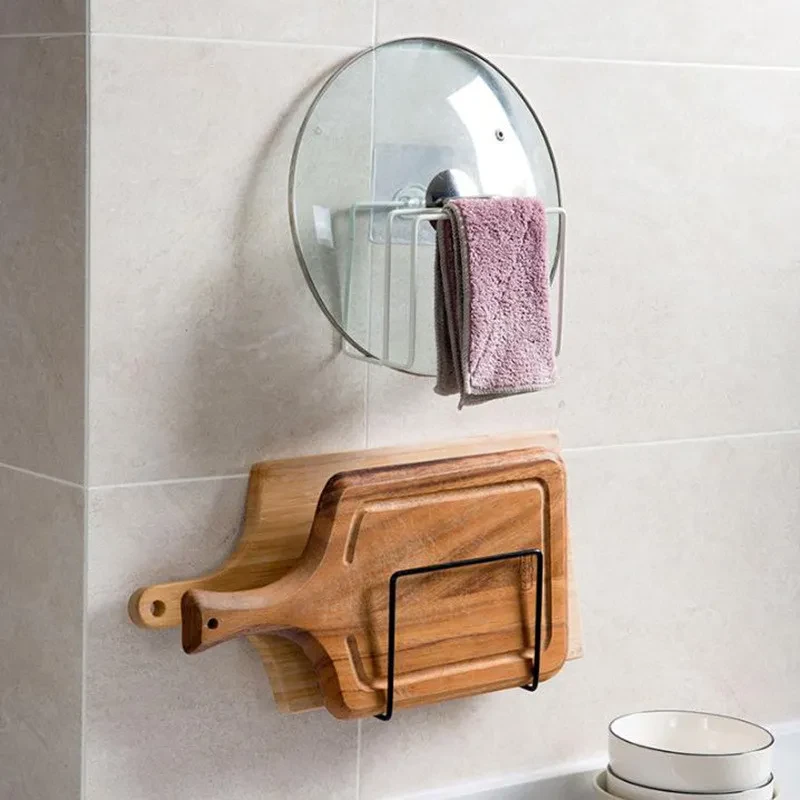
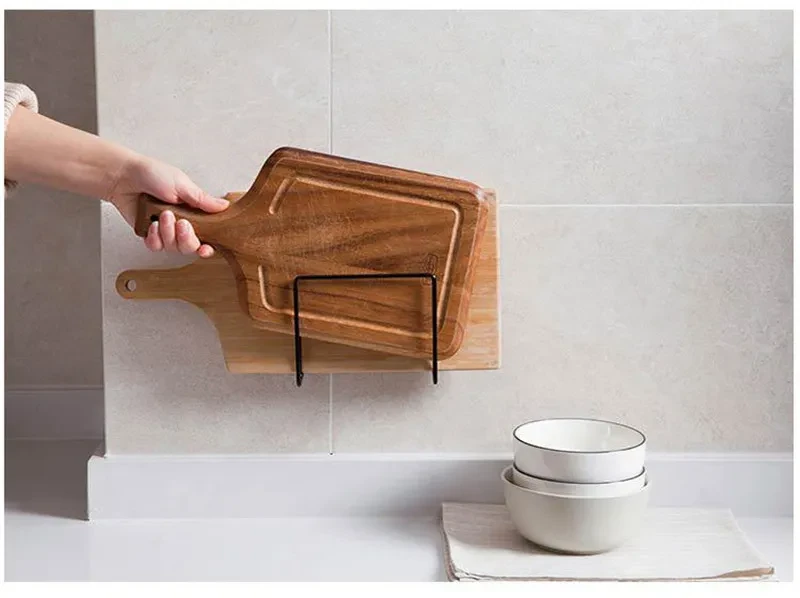
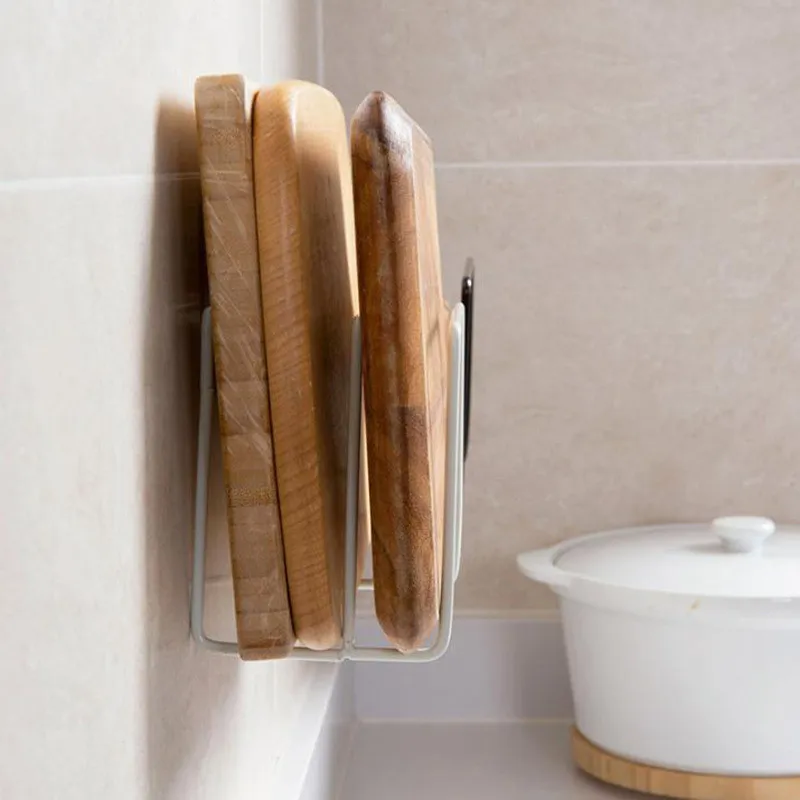
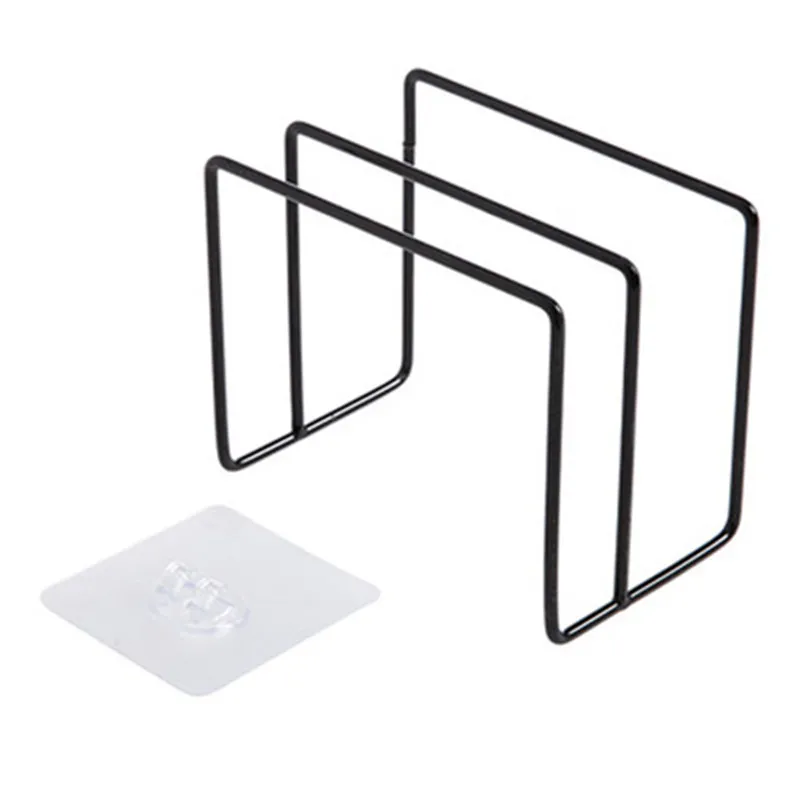
Cutting Rack

Material: Stainless steel
specification:
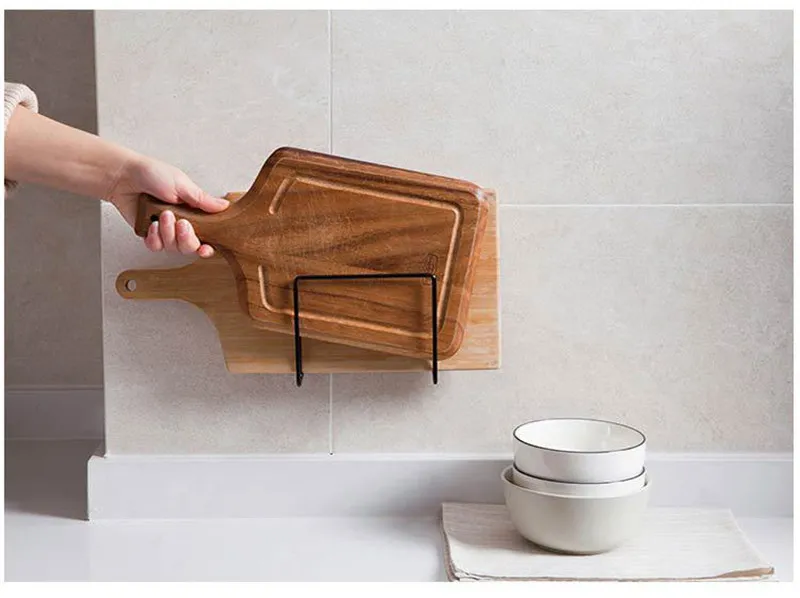
Name: Anvil Board Rack
Material: Iron
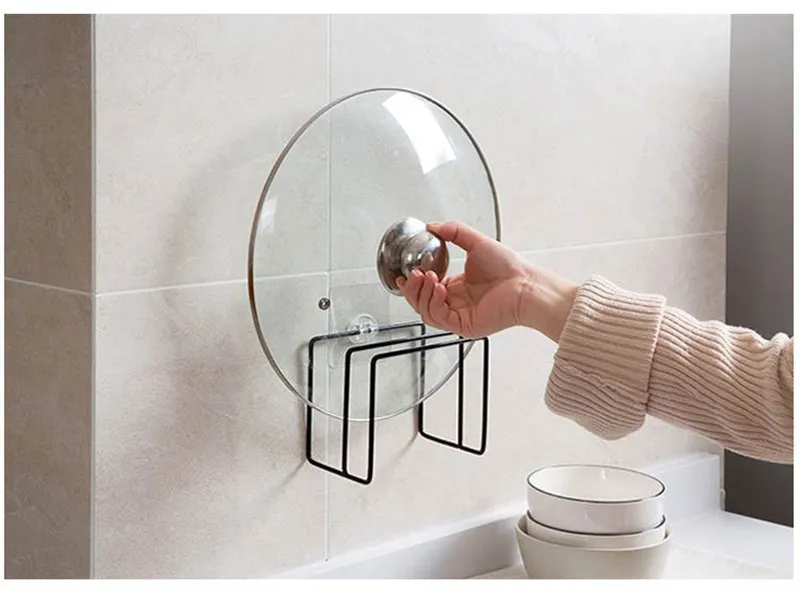
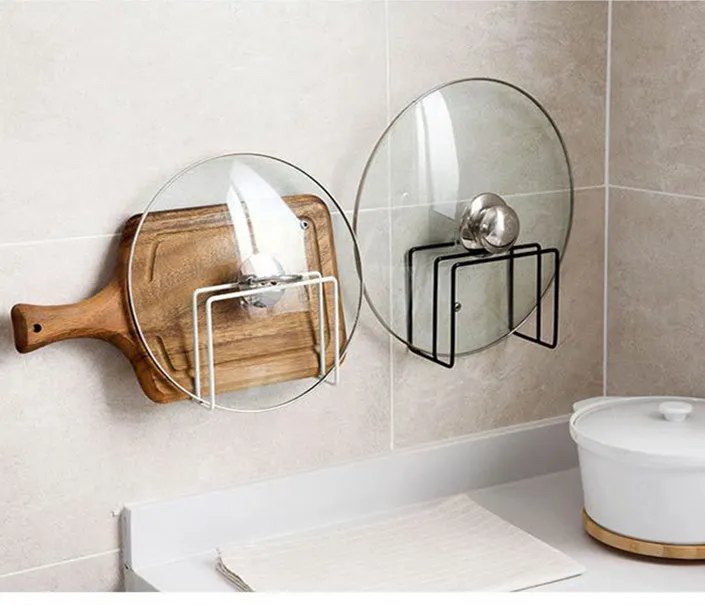
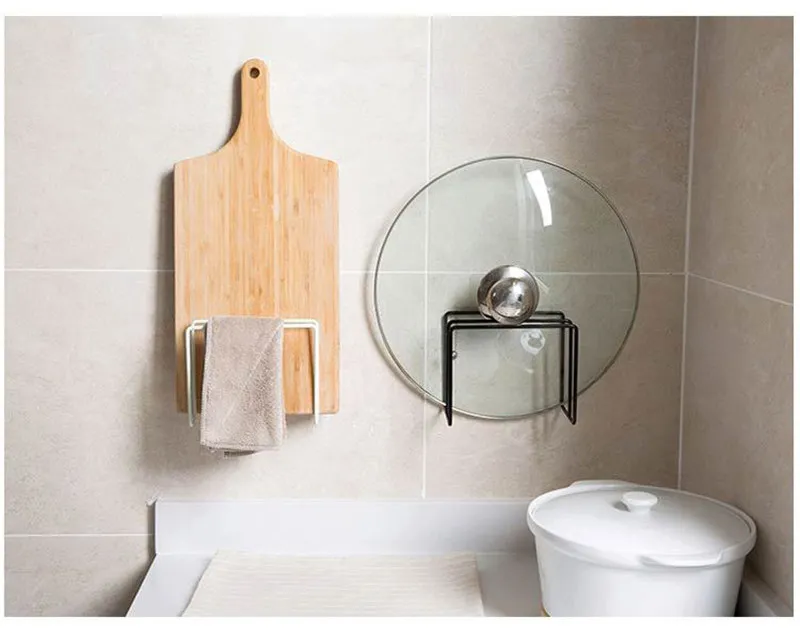
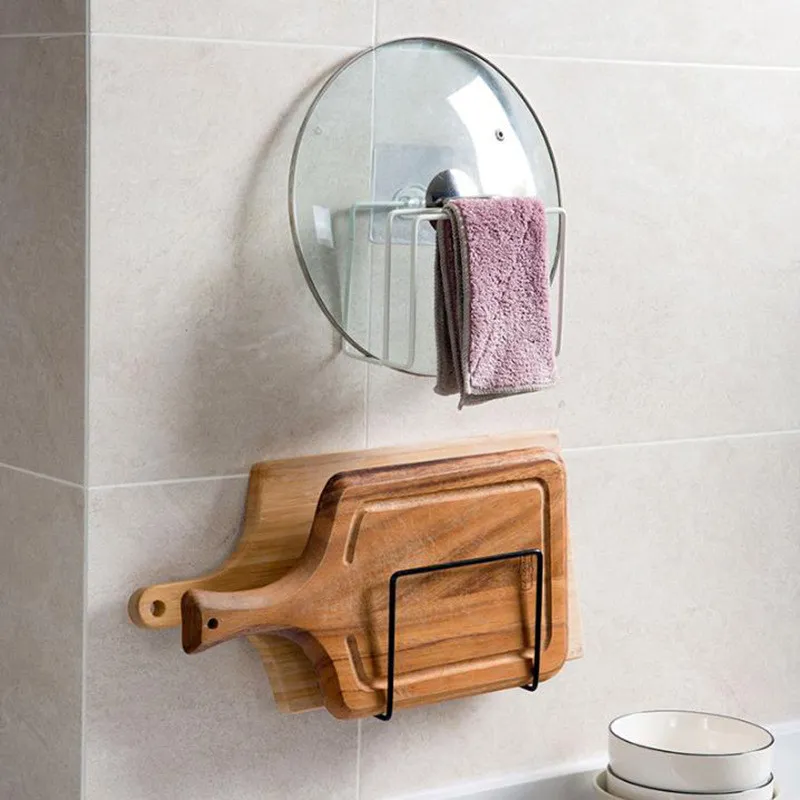
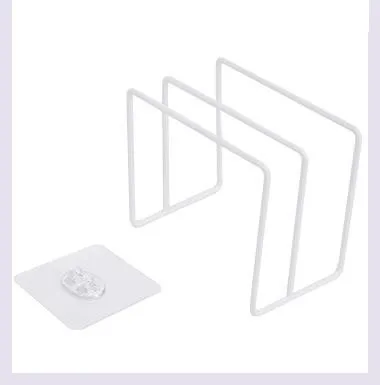
Color: black, white
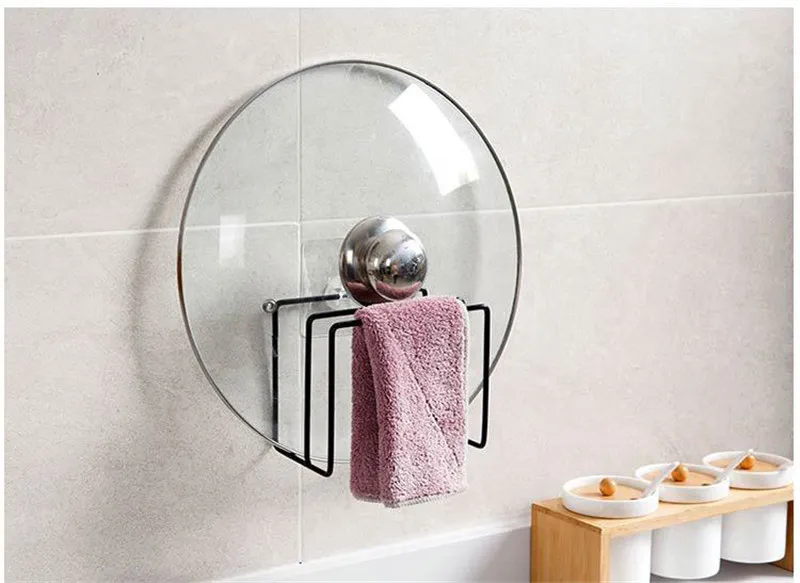
Pot rack cover: Not easy to rust, no smell, is a good choice for household kitchen supplies.
Pot lid pot: Specially designed to make it elegant
Multi-function: used for pots, lids and cutting boards
Cutting Rack – Organised, Accessible, and Efficient Tool Storage
Perfect for Professional Kitchens, Home Chefs, Butchers, Food Prep Enthusiasts, and NZ Workshops
A cutting rack is an essential organiser that elevates the cooking experience for anyone in New Zealand who values tidy workspaces, easy access to knives and tools, and efficient food preparation. Whether you run a catering business in Auckland, operate a busy home kitchen in Wellington, or enjoy DIY craft and workshop tasks, a cutting rack brings structure, safety, and convenience to your workflow. Designed for holding knives, cleavers, cutting boards, and related tools in a stable, visible format, cutting racks combine durable construction, ergonomic design, and thoughtful capacity to suit a wide range of cutting tasks and environments.
Description – Cutting Rack
A cutting rack is a purpose‑built storage solution designed to keep knives, cleavers, food prep tools, and cutting boards organised, protected, and within easy reach. Racks come in a variety of configurations — from freestanding blocks and magnetic strips to wall‑mount systems and countertop caddies — each crafted to secure blades safely while minimising clutter. Most cutting racks are constructed from premium materials such as food‑grade timber, stainless steel, brushed aluminium, or heavy‑duty polymers, ensuring they withstand daily use in professional kitchens or busy home settings.
In a kitchen environment, cutting racks streamline workflow by reducing time spent searching for knives or switching between blades. A well‑organised rack places each tool in a dedicated slot or position, preventing dulling caused by loose storage and supporting blade longevity. In workshops or craft spaces, cutting racks efficiently store utility knives, chisels, carving tools, and precision blades — improving safety and extending tool life by avoiding contact with other metallic surfaces.
Cutting racks benefit both novices and professionals: home cooks appreciate the convenience and safety of dedicated knife storage, while chefs and busy food prep teams benefit from rapid access to multiple tools during high‑demand tasks. In New Zealand — where culinary culture embraces everything from weekend barbecues and Sunday roasts to fine dining, seafood preparation, and artisan baking — a cutting rack is a practical, everyday tool that supports consistency and organisation in every kitchen.
Key Points
Dedicated Tool Organisation:
Cutting racks separate and hold knives, cleavers, and food prep tools in individual slots or positions, reducing clutter and supporting
intuitive access during cooking or workflow tasks.
Durable Materials & Construction:
High‑quality cutting racks are made from materials like stainless steel, premium timber, anodised aluminium, and food‑safe plastics that
resist moisture, corrosion, and daily wear, making them suitable for busy kitchens and workshops.
Safety & Blade Protection:
By storing blades securely and avoiding contact between multiple tools stored together, cutting racks help preserve edge sharpness and
reduce accidental cuts or damage from loose storage.
Versatile Configurations:
Available in countertop, wall‑mount, magnetic strip, or freestanding formats, cutting racks adapt to varied kitchen designs, workspace
sizes, and user preferences.
Benefits
1. Enhanced Kitchen Workflow:
Cutting racks keep tools organised and visible, minimising downtime and interruptions during food prep. This is especially important in
professional kitchens or busy weeknight cooking routines.
2. Improved Safety:
Dedicated slots and secure holders reduce accidental contact with blade edges when retrieving or returning tools, promoting a safer
environment for families, apprentices, and team members.
3. Blade Longevity:
Avoiding loose storage and metal‑on‑metal contact helps protect blade edges from chipping or dulling, extending the usable life of knives
and cutting tools.
4. Hygiene & Cleanliness:
Elevated racks and materials designed for wet environments help maintain sanitary conditions by allowing airflow and easier cleaning around
and between stored tools.
5. Aesthetic & Workspace Upgrade:
Cutting racks contribute to a tidy, professional appearance in kitchens and workshops, creating an organised backdrop that reflects care and
craftsmanship.
6. Customisable & Scalable:
With options from compact 3‑slot racks to large multi‑blade arrays, cutting racks scale with your tool collection and workspace needs.
Why Choose This Cutting Rack?
Choosing the right cutting rack means selecting a product that fits your tools, workspace, and cooking style. This cutting rack is engineered for durability, safety, and ergonomic convenience—features that make it an everyday asset in both home and commercial kitchens. Unlike generic storage solutions that bundle tools in drawers or utensil pots, cutting racks offer direct access and organisation tailored specifically to cutting tools. Each slot or holder is designed to cradle blades securely, reducing the risk of accidental nicks and extending blade sharpness by preventing unnecessary contact.
The materials used in this cutting rack are selected for moisture resistance, easy cleaning, and sustained performance in both domestic and high‑demand environments. Food‑grade timber options bring natural warmth to kitchen design while resisting water exposure when properly maintained, and stainless steel or aluminium versions deliver industrial robustness ideal for professional kitchens or workshops where cleanliness and resilience are paramount.
Flexible configuration options allow this rack to adapt to many layouts: place it on countertops for immediate access, mount it on walls to free bench space, or install magnetic strips near prep zones for minimalist storage. This adaptability makes it ideal for small kitchens, large gastronomic spaces, outdoor cooking setups, and even food trucks.
Compared with makeshift storage — such as knife blocks that hold only a few tools or drawer trays that bury blades — this cutting rack keeps essential tools within sight and reach. Its thoughtful design supports multi‑tasking, organisation, and workspace efficiency, making it a worthwhile investment for cooks, caterers, and craft professionals alike.
Detailed Features Explained
Individual Knife & Tool Slots
Each slot or holder cradles a blade securely, preventing contact with adjacent tools and ensuring blades remain sharp and safe. This organisation supports quick tool swaps during intense food prep moments.
Durable, Moisture‑Resistant Materials
Options like stainless steel resist rust and corrosion, while premium timber or engineered wood provide a traditional aesthetic with strong performance. Food‑safe plastics offer easy maintenance and rugged durability.
Wall‑Mount & Countertop Options
Wall‑mount racks save bench space and place knives at eye level for instant visibility. Countertop racks prioritise accessibility and mobility for dynamic prep stations.
Magnetic Strip Variants
Some cutting rack systems use powerful magnets to hold knives in place — ideal for slim profiles and modern kitchens. Magnetic racks provide flexibility for storing knives of varying sizes without fixed slots.
Additional Utensil Holders & Accessories
Larger cutting rack systems may include space for carving forks, sharpening steels, shears, or even cutting boards, centralising all prep tools in one location.
Quick Clean Design
Open architectures, smooth surfaces, and removable elements support easy cleaning — essential in wet, food‑prep environments to maintain hygiene.
Everyday Use & Kitchen Scenarios
Daily Meal Preparation
A cutting rack reduces prep time by placing all essential knives and tools within immediate reach, letting you switch between tasks like slicing vegetables, trimming meat, and finishing garnishes without fumbling through drawers.
Professional & Commercial Kitchens
In busy service environments — cafés, restaurants, bistros — a cutting rack enhances operational efficiency by standardising tool locations and minimising errors or delays during peak cooking periods.
BBQs & Outdoor Entertaining
Outdoor kitchens and barbecues benefit from a stable, organised rack that keeps grilling knives, skewers, and prep tools in sight and protected from outdoor elements.
Workshops & Craft Areas
Beyond kitchens, cutting racks support organisation in workshop spaces for storing chisels, carving tools, hobby knives, and precision blades — preventing damage and improving workflow.
Training & Culinary Education
Schools, cooking classes, and learning kitchens use cutting racks to teach proper tool storage, safety habits, and kitchen organisation from the outset.
Safety Tips & Best Practices
Keep Out of Reach of Children:
Store racks at heights or locations where children cannot access sharp blades without supervision.
Clean & Dry Tools Before Storage:
Wipe blades clean and dry before placing them in the rack to prevent corrosion and maintain hygiene.
Avoid Overcrowding:
Use appropriate rack sizes to match your tool collection. Overloading slots can compromise organisation and safety.
Sharp Tool Handling:
Always handle knives by the handle, not the blade. Place knives into slots carefully to avoid accidental cuts.
Maintain Material Health:
For timber racks, periodically condition wood surfaces to protect against moisture and cracking; stainless steel and plastic versions
require regular wiping.
Choosing the Right Cutting Rack for You
Match Rack Size to Tool Collection
Select a rack with enough slots for your current knives and future additions — from a small set of essentials to large collections used for diverse cooking tasks.
Consider Material & Kitchen Environment
Moisture‑prone kitchens benefit from stainless steel or plastic racks, while timber racks add warmth and style to dry indoor spaces.
Select Installation Type
Countertop racks offer mobility; wall‑mount racks enhance visibility and save bench space; magnetic racks present minimalist storage with versatile tool placement.
Think About Additional Tool Storage
If you use sharpening steels, shears, or specialty blades, choose racks that include accessory holders or plan space nearby.
Evaluate Cleaning & Maintenance Needs
Smooth, open designs simplify cleaning. Removable elements help reach deeper surfaces and maintain sanitation.
Real‑World Benefits for NZ Users
Kitchens of All Sizes:
Cutting racks work equally well in compact urban units — where bench space is precious — and large family kitchens where tool access matters
during busy cooking sessions.
Entertaining Households:
For BBQ enthusiasts, holiday hosts, and families that love dinner parties, organised tools reduce stress and improve enjoyment during food
prep.
Catering & Professional Use:
Caterers and culinary professionals find cutting racks improve service flow, minimise tool misplacement, and standardise workspace setup.
Culinary Hobbyists:
Amateur chefs and baking enthusiasts benefit from organised workspaces that encourage creativity without the chaos of misplaced tools.
Workshops & Craftrooms:
DIYers and craft hobbyists get extended tool life and safer storage — whether handling utility knives, carving chisels, or fabric cutters.
Installation & Setup Guide
1. Plan Your Layout
Identify a location — countertop near prep zones, wall beside chopping boards, or integrated with other kitchen storage.
2. Measure Space
Use internal wall widths, bench depths, or designated prep station dimensions to select a cutting rack that fits without crowding.
3. Install Securely
For wall‑mount systems, use appropriate fixings (anchors, screws) rated for wall type (plaster, brick, tile). Countertop racks simply sit in place.
4. Arrange Tools
Sort knives and tools by type and frequency of use — place daily use items at easy‑reach positions.
5. Clean & Maintain
Wipe down rack surfaces weekly and inspect tools for cleanliness before storage.
Comparison: Knife Block vs Cutting Rack
| Tool Visibility | Limited | Excellent |
| Capacity | Moderate | Scalable |
| Blade Protection | Good | Very Good |
| Bench Space | Takes space | Depends on type |
| Sanitation | Harder to clean | Easier to maintain |
| Flexibility | Fixed slots | Configurable |
Cutting racks excel in visibility, scalability, and hygiene, making them superior choices for busy or organised kitchens.
Conclusion
A cutting rack is a versatile, practical, and essential tool for organising knives, cleavers, and food prep instruments in kitchens and workshops across New Zealand. With options ranging from compact countertop models to wall‑mounted systems and magnetic racks, these organisers meet diverse needs and spatial constraints. By keeping tools secure, visible, and accessible, cutting racks streamline food preparation, enhance kitchen safety, protect blade edges, and contribute to a tidy — and inspiring — workspace.
Whether you’re a hobby cook, professional chef, outdoor entertainer, or workshop enthusiast, investing in a quality cutting rack improves efficiency, protects your tools, and elevates everyday tasks from preparation to presentation. With thoughtful design, durable materials, and adaptable configurations, cutting racks become trusted partners in daily routines, special occasions, and creative projects alike.
The product may be provided by a different brand of comparable quality.
The actual product may vary slightly from the image shown.
Shop amazing plants at The Node – a top destination for plant lovers
.png)







.jpg)









.jpg)





.jpeg)





.jpeg)



.jpeg)







.jpeg)



.jpeg)

.jpeg)

.jpeg)
.jpeg)




.jpeg)
.jpg)

.jpeg)






.jpeg)
.jpeg)




.jpeg)





.jpeg)


.jpeg)

.jpeg)

.jpeg)

.jpeg)







.jpeg)
.jpeg)
.jpeg)





.jpeg)


.jpeg)





.jpg)
.jpeg)









.jpg)


ulva-Logo.jpg)




.jpeg)



.png)









.png)