

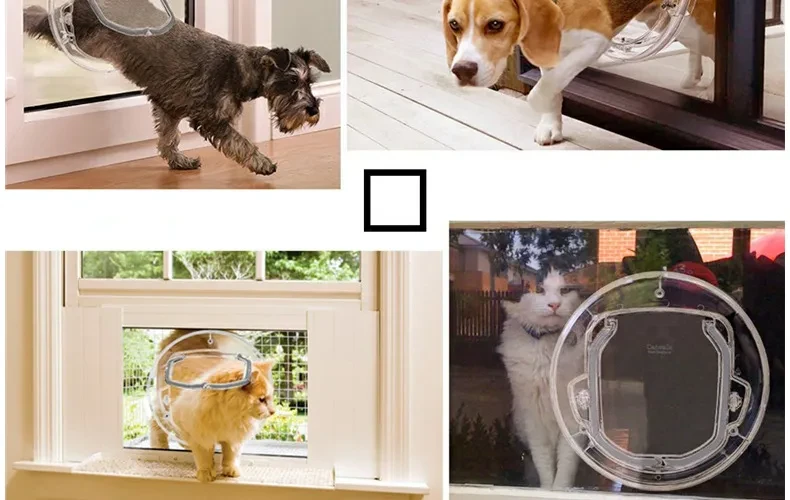
Cat Door

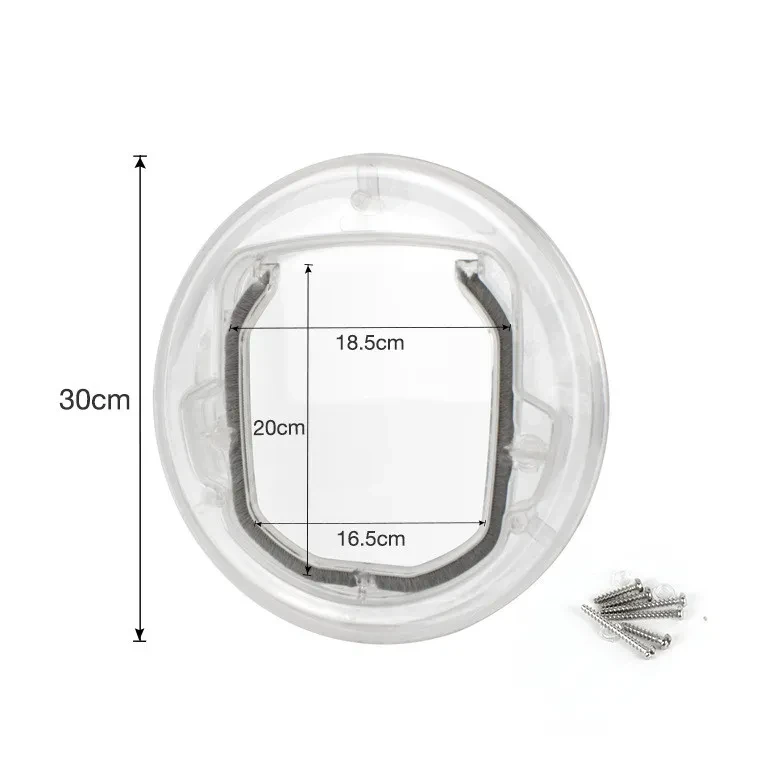
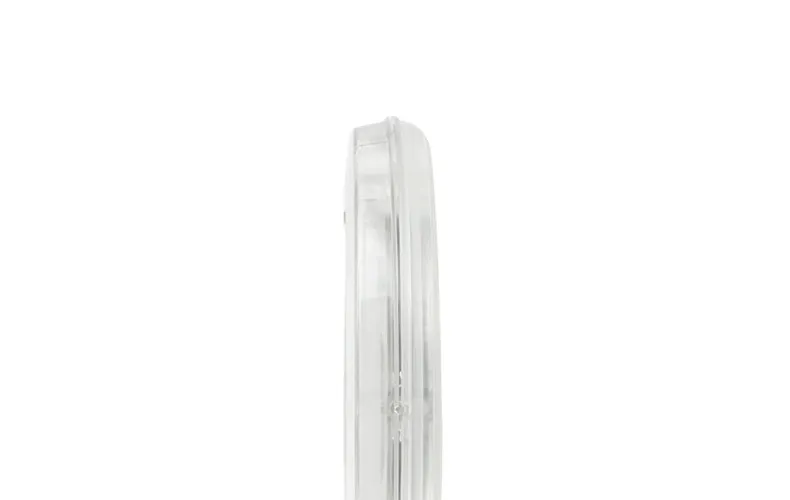
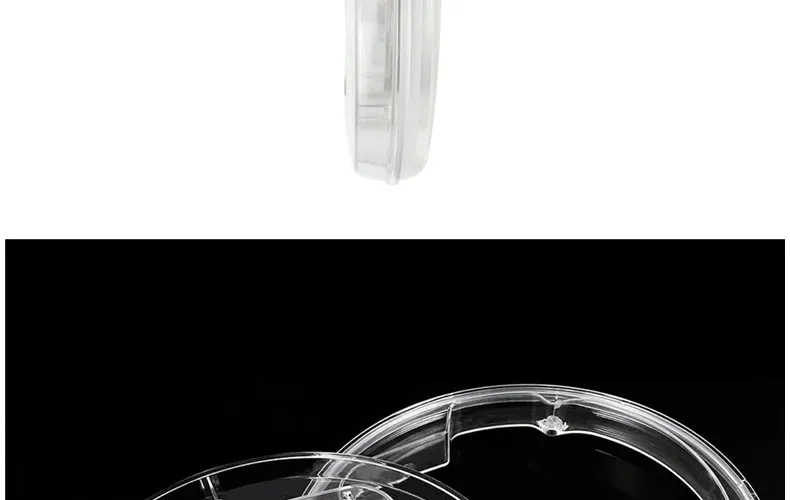
material: plastic
Color: transparent
Size: Approx. 30x4 cm / 11.81 inches x 1.57 inches (diameter * height)
Features:
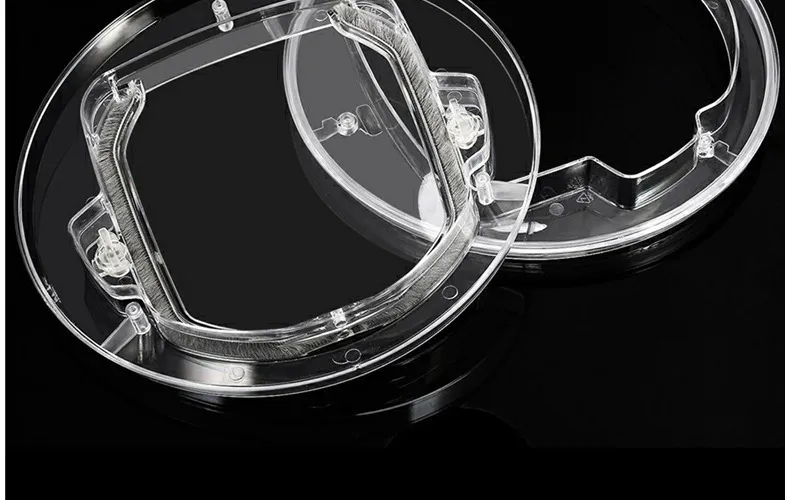
Made of sturdy material with 4 locking channels and a single switch.
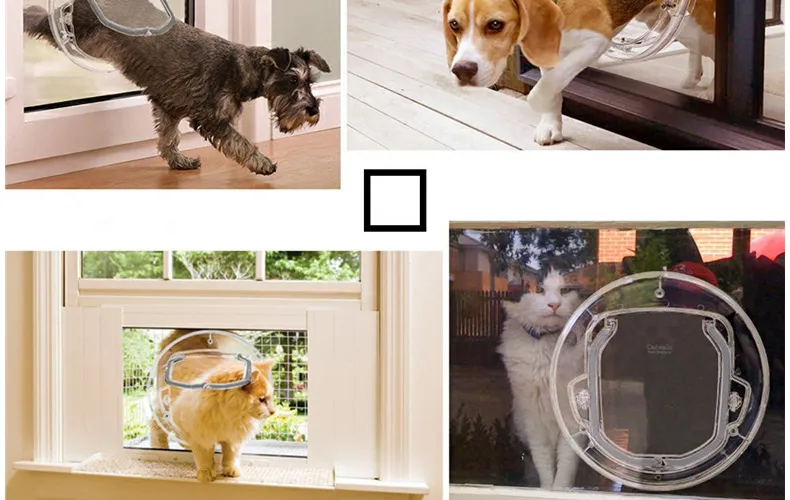
Suitable for all doors, windows, panels or any other screen area.
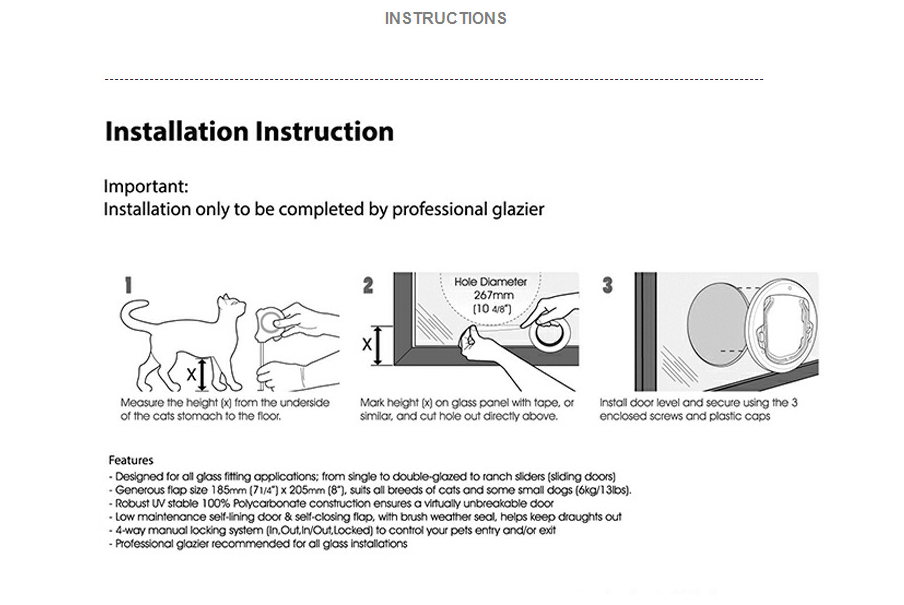
Easy to install and only need to be tightened with screws to avoid peeling.
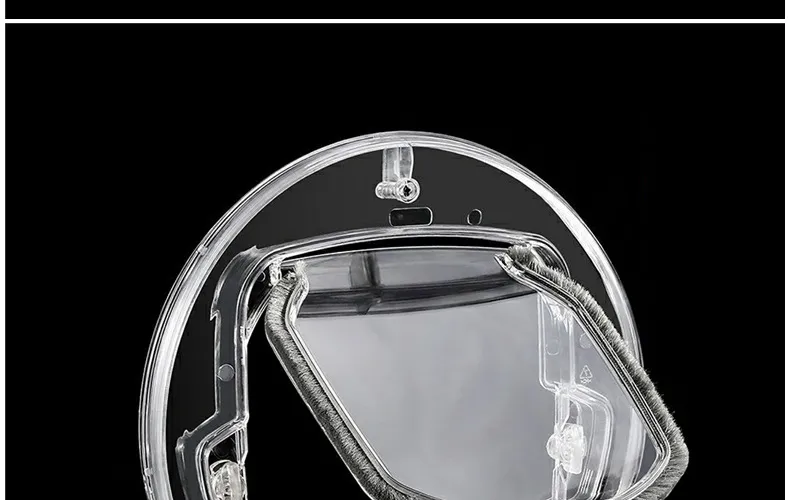
Internal door rotary switch allows pets to come and go as they please.
As the animal enters and exits, the magnet quickly fixes the door leaf in its original position
Plush design on the edges to perfectly reduce noise and effectively prevent pets from playing outdoors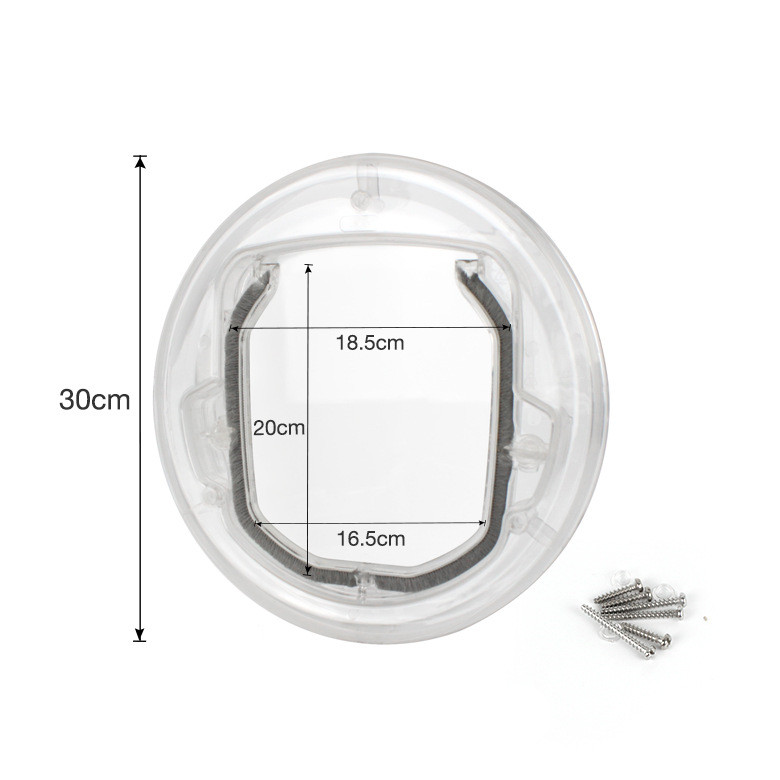
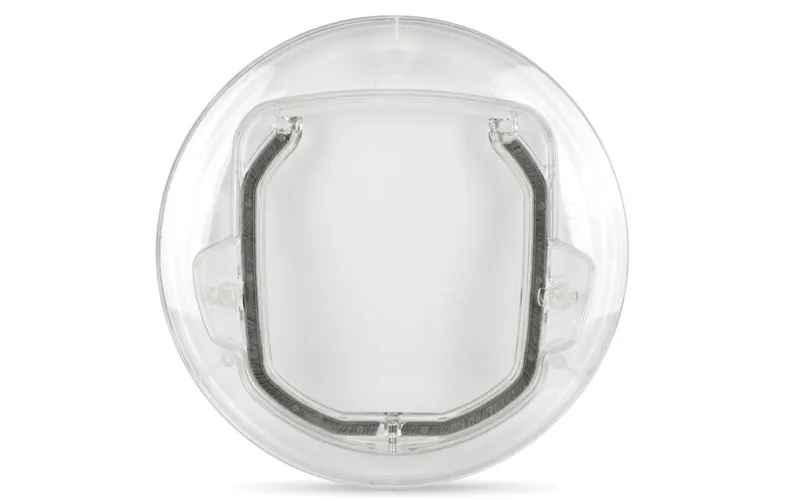


Cat Door – Easy Access, Happy Pets
Perfect for Cat Owners and Pet Lovers in New Zealand
A cat door is ideal for New Zealand households with indoor/outdoor pets, multi‑cat families, or anyone who wants to give their cat independence while maintaining a home that stays secure. Whether you live in an urban townhouse in Auckland, a suburban home in Christchurch, a lifestyle block near Tauranga, or a rural property in Queenstown, a cat door allows your feline friend to enter and exit freely without daily intervention. Designed for comfort, convenience, and pet safety, a quality cat door makes life easier for you and more enjoyable for your cat.
Description – Cat Door
A cat door (also called a pet door or kitty flap) is a small, purpose‑built opening installed in a door, wall, or window that allows cats to safely come and go without needing human assistance. Designed specifically for feline size, behaviour, and safety, cat doors are engineered to balance accessibility for your pet with durability and security for your home.
Constructed from robust materials such as heavy‑duty plastic, aluminium, and acrylic flaps, cat doors provide a secure yet flexible entry point that withstands repeated use and diverse weather conditions. Many modern cat doors incorporate features like magnetic closures, flexible flaps, weather seals, multiple locking modes, and even electronic sensors that recognise your cat’s microchip or collar tag—offering enhanced control over pet access and home security.
Cat doors are available in a wide range of designs: from simple manual flaps to smart electronic units that allow selective access; from basic single‑flap models to insulated, dual‑flap systems that improve energy efficiency. Installed in external doors, sliding doors, walls, or even windows, the right cat door can optimise your home’s functionality while keeping your cat safe, comfortable, and happy.
For busy pet owners, a cat door reduces the need for constant door opening and closing, prevents pets from pacing at doorways, supports natural routines like outdoor play and toileting, and gives cats the autonomy they crave. With the right installation and product choice, a cat door can enhance both your home and your cat’s day‑to‑day quality of life.
Key Points
Pet‑Sized Access Built for Cats
Cat doors are engineered to provide just the right size opening for cats. This ensures easy, comfortable passage without the size or weight
of full human doors. Proper sizing helps avoid stress, injury, or hesitation during use.
Durable Construction and Weather‑Resistant Seals
High‑quality cat doors use durable materials like heavy‑duty plastic, reinforced aluminium frames, and insulated flaps with weather seals.
These features keep out wind, rain, and drafts while ensuring the door stands up to frequent use.
Secure Locking Options
Many cat doors include manual locking systems, sliding locks, or magnetic/electronic locking mechanisms. This allows owners to control when
pets can use the door, enhancing home security and regulating outdoor access.
Optional Smart Electronic Controls
Advanced cat doors can integrate with microchips or RFID tags. Only pets with registered tags or chips can open the flap, preventing stray
animals or other neighbourhood pets from entering your home.
Benefits
1. Freedom and Independence for Your Cat
A cat door gives your feline friend the autonomy to go outside for play, exercise, or toileting whenever it likes—without waiting for
someone to open the door. This supports natural routines and reduces anxiety in pets who dislike waiting at entrances.
2. Convenience for Busy Pet Owners
Busy schedules, late evenings, and early mornings often make it inconvenient to attend to a cat’s needs every time it wants to go outside. A
cat door simplifies routines by removing the need for constant door‑handling, freeing up your time for other tasks.
3. Enhanced Home Security
Unlike leaving doors open for pets, a cat door maintains home security while allowing controlled pet access. Many models provide lockable
options, electronic selective access, and sturdy construction that prevents forced entry by people or larger animals.
4. Energy Efficiency and Weather Management
Insulated cat doors with dual flaps, brush seals, and low‑draft seals help preserve your home’s indoor temperature, reducing heat loss in
winter or cool air escape in summer. This is especially valuable in New Zealand’s variable climate.
Why Choose This Cat Door?
Choosing the right cat door means investing in a product designed for reliability, longevity, and improved daily living for both you and your pet. Unlike makeshift pet openings or poorly designed flaps, a quality cat door provides these key advantages:
• Tailored fit for cats: Comfortable dimensions and smooth edges reduce hesitation and stress during use.
• Long‑lasting materials: Weather‑resistant seals, durable frames, and sturdy flaps resist wear and tear.
• Security features: Locking options and smart sensor compatibility keep your home secure while giving pets freedom.
• Versatile installation: Designed for doors, walls, sliding doors, and even windows, cat doors adapt to your home
configuration.
• Added value: Improves indoor comfort and reduces energy loss compared with leaving doors open or poorly sealed openings.
Cats are curious, independent creatures who thrive on having choice in their environment. A cat door recognises this instinctive need, elevating your pet’s lifestyle while maintaining your household’s comfort and security.
Types of Cat Doors
Manual Cat Doors
Manual cat doors are the simplest option. They typically include a flexible flap that your cat pushes open. Many have basic locks to block access when needed (e.g., at night or during unsafe weather).
• Benefits: Affordable, easy to install, low maintenance.
• Best for: Pet owners who want simplicity and reliability.
Magnetic Cat Doors
Magnetic cat doors include a flap with magnetic strips or magnetic tags that help the door close securely after each use. Some models grant limited access using magnetic collar tags.
• Benefits: Tight closure reduces drafts; limits access to pets with matching magnetic tags.
• Best for: Homes that want simple entry control without electronics.
Electronic Cat Doors
Electronic cat doors use microchip recognition, RFID tags, or programmable sensors. The flap opens only when it recognises an authorised pet, blocking entry from other animals.
• Benefits: Selective access, improved security, reduce stray animal entry.
• Best for: Multi‑pet households or homes in areas with feral or stray animals.
Insulated Dual‑Flap Cat Doors
Dual‑flap models provide extra insulation and weather protection. Two layers of flaps, often paired with brush seals, help minimise drafts and energy loss.
• Benefits: Better thermal performance, reduced noise, and improved weather resistance.
• Best for: New Zealand’s cooler regions or homes prioritising insulation.
Installation Considerations
Where to Install:
Cat doors can be installed in wooden doors, hollow core doors, glass doors (with an acrylic panel kit), brick walls (with a tunnel), and
sliding doors with the compatible track system. Choosing the right location ensures ease of use and keeps the opening safely away from
hazards.
Sizing:
Measure your cat’s height and width to choose the right size. A properly sized cat door allows confident passage without squeezing or
hesitation. Most manufacturers provide sizing charts based on cat body dimensions.
Weather and Insulation Needs:
Consider your local climate. Homes in cooler parts of New Zealand (e.g., Central Otago, Southland) benefit from insulated models with dual
flaps or brush seals, while milder climates may be suited to standard flaps.
Security and Access Control:
If stray or neighbourhood cats are common in your area, an electronic selective access model or locking slide option helps ensure only your
pets can enter.
DIY vs Professional Installation:
Many cat doors are designed for straightforward DIY installation with included templates and instructions. However, complex installations
(e.g., wall cavities or glass panels) may require professional assistance for precise cutting and sealing.
Tips for Helping Your Cat Adjust
Encourage Familiarisation:
Place treats, familiar bedding, or toys near the cat door to encourage exploration and comfort.
Train with Patience:
Gently guide your cat through the opening the first few times. Use positive reinforcement with praise or treats.
Start Indoors:
Begin by introducing the cat door in a closed indoor context before using it to access outdoor spaces.
Keep Visual Cues Clear:
Cats respond well to contrast and movement. If your cat hesitates, place a favourite toy on the other side to encourage passage.
Monitor Initial Usage:
Ensure your cat is using the cat door confidently before relying on it for full outdoor access—noting behaviour for safety and comfort.
Safety and Security
Selective Access Controls:
Electronic models with microchip recognition help prevent access by stray cats or other animals, keeping your home cleaner and safer.
Locking Options:
Many cat doors include manual covers or integrated locks that let you restrict access at night or in adverse weather.
Visibility and Placement:
Install the cat door at a comfortable height and location where your cat feels safe entering and exiting, away from busy walkways or
hazards.
Predator Awareness:
In rural areas where larger animals or predators may be present, consider models that allow controlled access and increased visibility for
your cat.
Maintenance and Care
Clean Flaps Regularly:
Remove dust, fur, and debris from flaps to ensure smooth opening and closing. A soft cloth and mild detergent typically suffice.
Check Seals and Weather Strips:
Inspect weather seals periodically, especially in colder months, to ensure insulation and prevent drafts.
Lubricate Moving Parts:
If your cat door includes mechanical or electronic moving components, follow manufacturer guidance on light lubrication or care.
Replace Worn Parts:
Replace worn flaps or seals as needed to maintain security, energy efficiency, and smooth operation.
Monitor Batteries (Electronic Models):
Keep electronic models powered with fresh batteries or ensure wiring is intact. Test sensors occasionally to verify selective access is
functioning.
Real‑Life Benefits for NZ Households
Independent Outdoor Access:
Cats that have outdoor routines—whether exploring gardens, chasing insects, or climbing trees—benefit from the freedom a cat door provides,
increasing physical activity and reducing boredom.
Reduced Stress and Behavioural Issues:
Cats often show frustration when denied outdoor access at will. A cat door meets their natural exploration instincts, reducing stress
behaviours such as scratching at doors or pacing.
Convenience for Families:
Busy families with children, work commitments, or varying schedules find that cat doors eliminate the need for constant door monitoring.
Support for Multiple Pets:
Multi‑cat households appreciate models with selective access or multi‑pet recognition, helping manage who comes and goes without conflict.
Preserves Indoor Climate:
With insulated features, cat doors help maintain indoor warmth during winter and cooler air in summer—important for New Zealand’s variable
seasons.
Choosing the Right Cat Door for You
Assess Your Cat’s Behaviour:
Active cats may require larger, easy‑access flaps, while more cautious felines benefit from clear sightlines and gradual introduction.
Consider Your Home’s Structure:
If you have glass sliding doors, explore compatible panel kits. For brick or cavity walls, ensure professional measurements and
installation.
Evaluate Weather Requirements:
In cooler NZ regions, dual‑flap and insulated options help maintain home warmth without compromising access.
Budget and Features:
Manual models are affordable and reliable; smart electronic models offer selective pet access and enhanced security for higher investment.
Conclusion
A cat door is a practical, pet‑friendly upgrade for New Zealand households seeking to enhance their cat’s quality of life and reduce daily hassles for owners. With thoughtful design, durable construction, and options tailored to pets’ needs and local weather conditions, a quality cat door balances convenience, security, and comfort.
By choosing the right size, style, and access features for your home and cat, you provide your feline friend with freedom and independence while maintaining the safety and integrity of your living space. With easy installation, reliable operation, and long‑term benefits, a cat door transforms everyday routines into smooth, stress‑free experiences for both pets and people across New Zealand.
The product may be provided by a different brand of comparable quality.
The actual product may vary slightly from the image shown.
Shop amazing plants at The Node – a top destination for plant lovers
.png)






.jpg)








.jpg)





.jpeg)





.jpeg)



.jpeg)








.jpeg)



.jpeg)

.jpeg)

.jpeg)

.jpeg)



.jpeg)
.jpg)

.jpeg)






.jpeg)
.jpeg)




.jpeg)





.jpeg)


.jpeg)

.jpeg)

.jpeg)

.jpeg)







.jpeg)
.jpeg)
.jpeg)





.jpeg)



.jpeg)





.jpg)
.jpeg)









.jpg)


ulva-Logo.jpg)




.jpeg)



.png)














.png)