
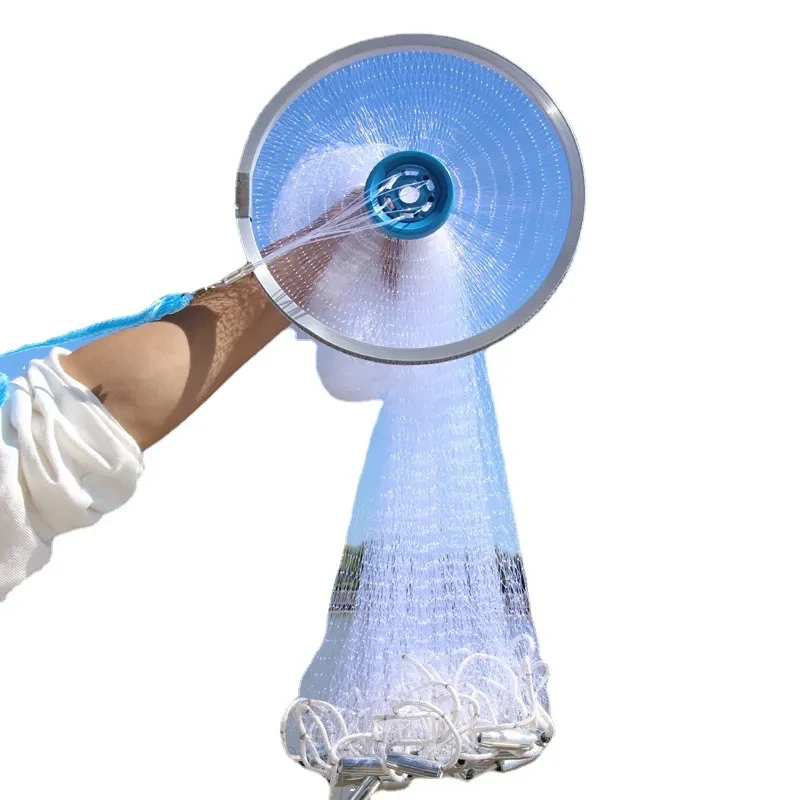
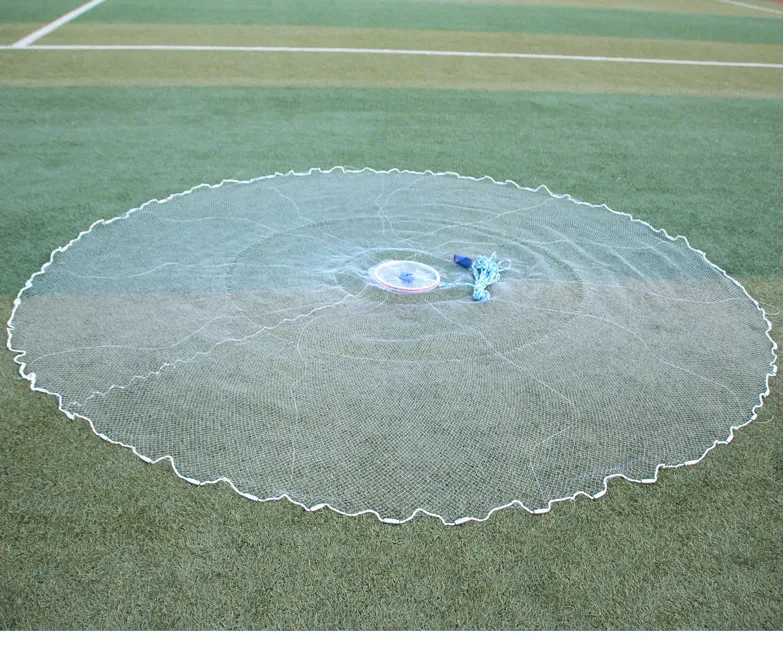
Cast Net NZ

Product information:
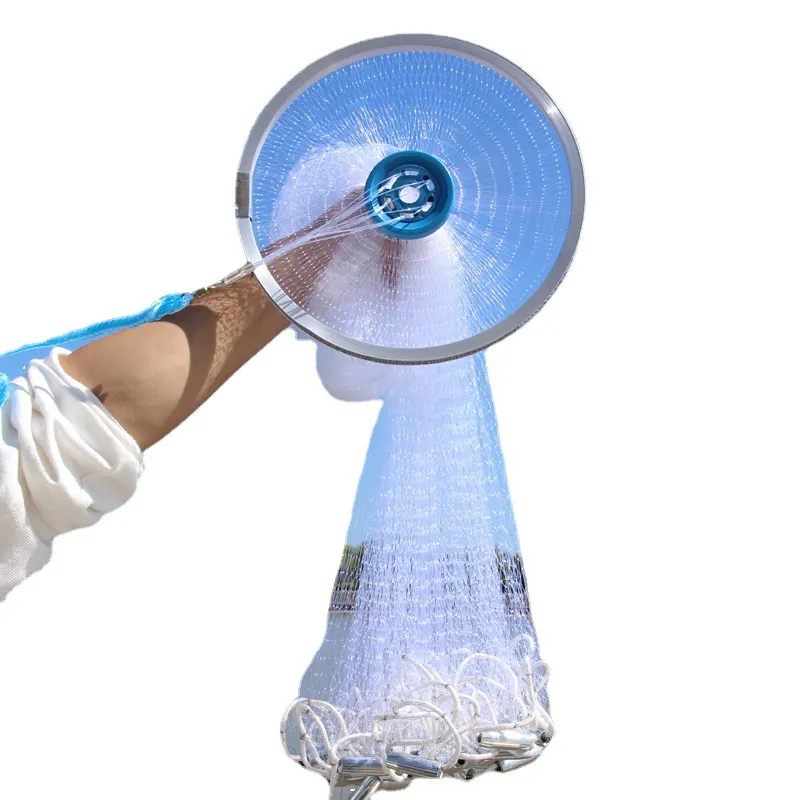
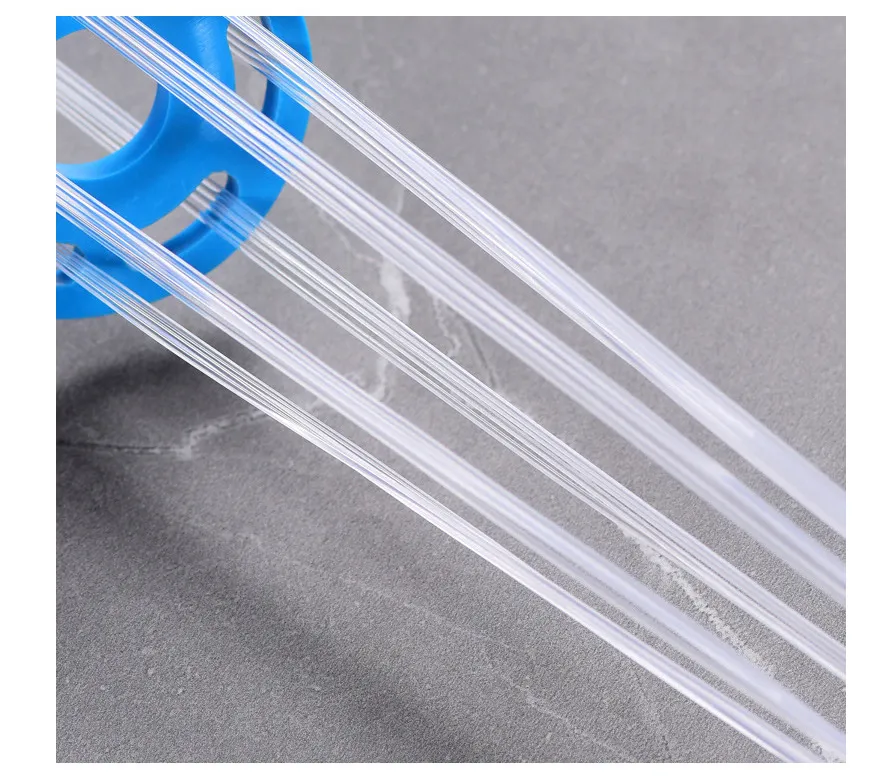
Material: monofilament tire wire
Size: 27 * 27 * 7
Weight: 240-1.3 kg
300-1.5
360-1.7
420-2.1 kg
Packing list:
Hand cast net*1
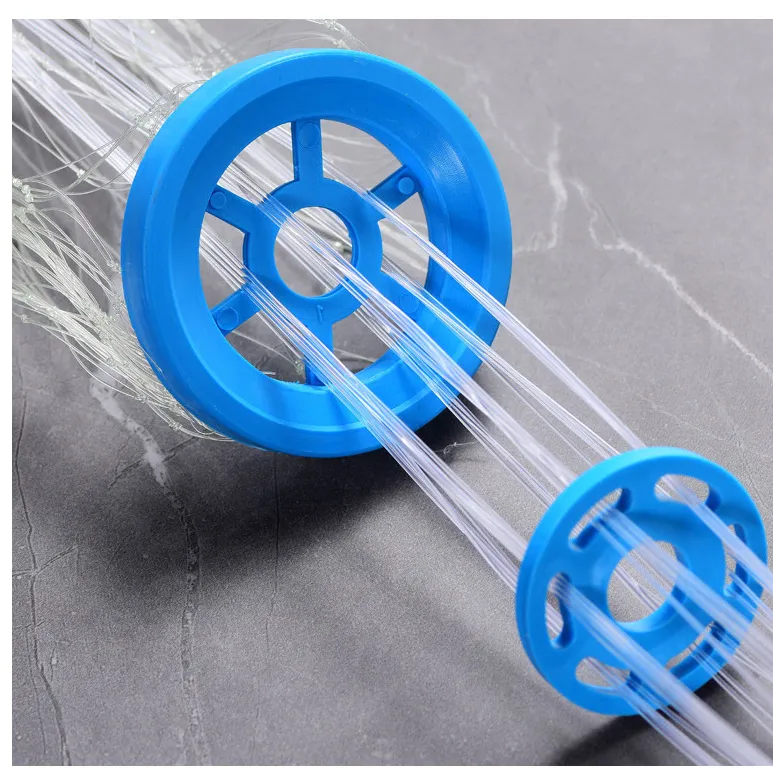
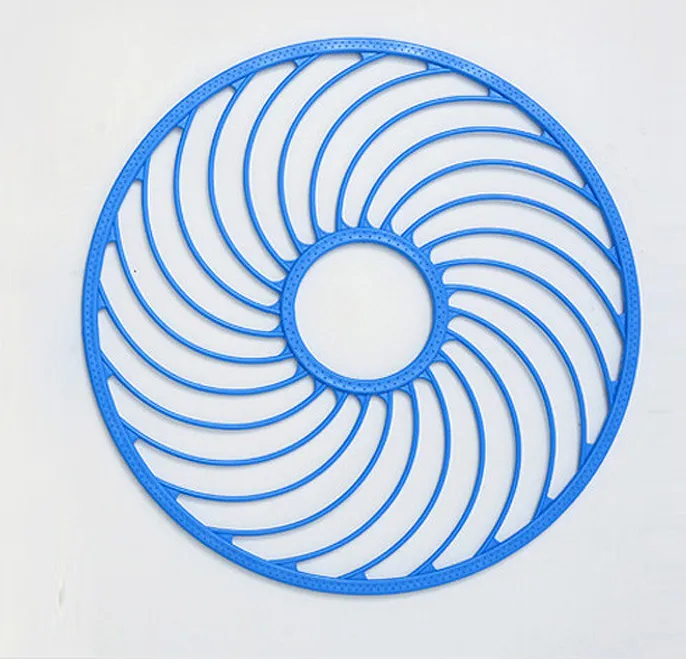
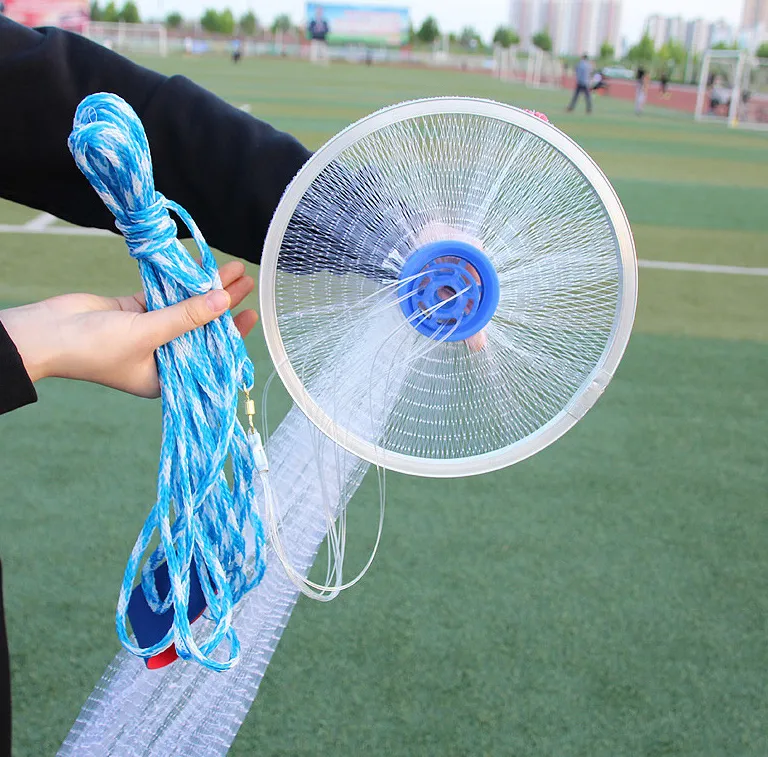
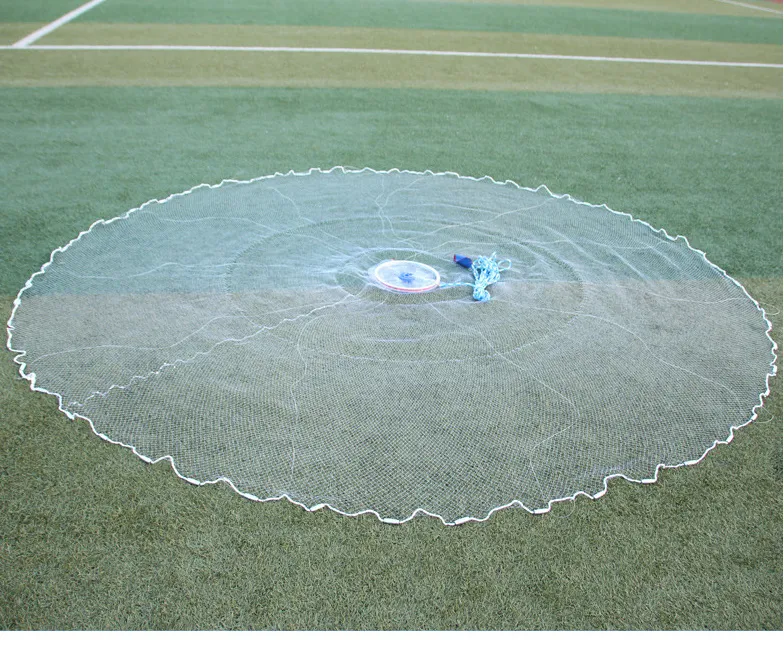
Cast Net NZ – Essential Fishing Gear for Coastal & Estuary Anglers
Perfect for Recreational Fishers, Coastal Crabbers, and Bait Gatherers Across New Zealand
A Cast Net NZ is the ideal tool for fishers in New Zealand who want to catch live bait, small fish, and prawns quickly and efficiently in harbours, estuaries, tidal flats, and shallow coastal waters. Whether you’re preparing for a weekend of surfcasting, heading out for a family fishing day, or need live bait for your next snapper or kingfish trip, a quality cast net helps you gather bait sustainably while enhancing your overall fishing experience. Designed for both novice and experienced anglers, cast nets provide an effective, hands‑on method for catching species such as mullet, kahawai, trevally, yelloweye mullet, and small flounder—right here in NZ waters.
Description – Cast Net NZ
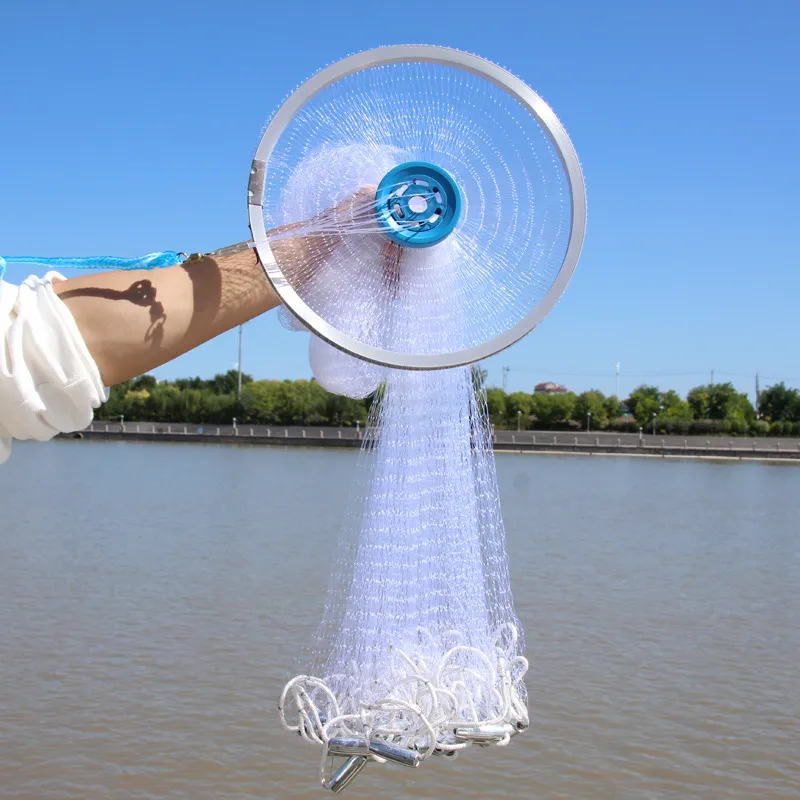
A cast net NZ is a circular net with weighted edges that anglers throw by hand to capture fish and other marine species in shallow water. The weighted perimeter sinks rapidly after casting, spreading the net out in a wide circle so it traps fish as it falls. Once the net reaches the bottom, the weights pull the mesh shut as you pull the retrieve line, enclosing fish inside the net’s centre pocket. This time‑honoured fishing method combines physical skill with practical efficiency, allowing fishers to catch multiple baitfish at once in a single cast.
Cast nets vary in size, mesh diameter, and weight—each suited to different water conditions and target species. Smaller nets (e.g., 2–4 feet) are ideal for shallow, narrow channels and small bait species, while larger nets (5–10 feet and up) cover greater surface area and are effective for bigger schools of fish in deeper tidal zones. Net mesh size is equally important: smaller mesh (10–20 mm) catches tiny fish and prawns, whereas larger mesh (25–40 mm) works for bigger baitfish like kahawai or yelloweye mullet.
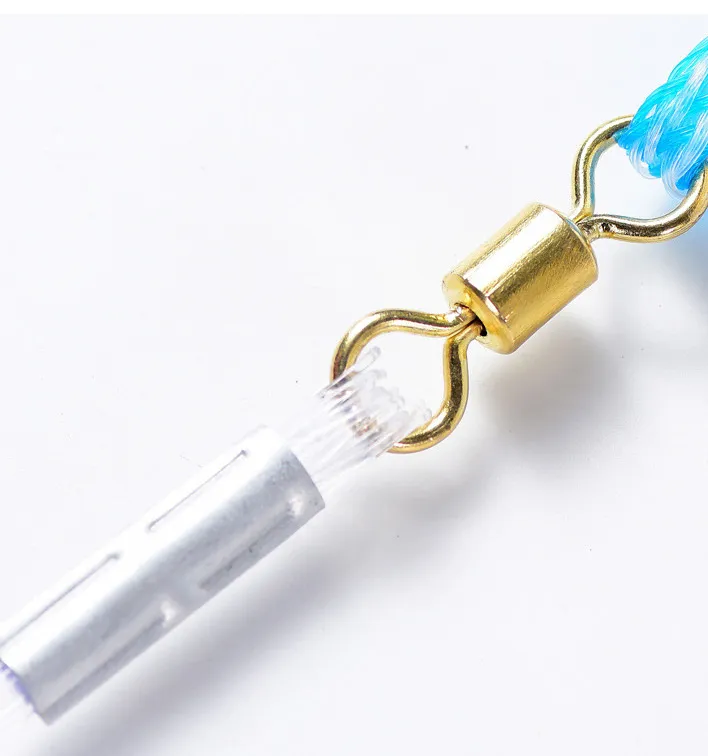
In New Zealand, where coastal environments range from sandy beaches to river mouths and tidal estuaries, choosing the right cast net size and configuration is key to success. High‑quality nets use corrosion‑resistant materials, weighted lead lines around the perimeter, and durable centre bags that handle repeated use. Many NZ anglers also prefer nets with reinforced handlines and braid lines for strength and longevity in saltwater conditions.
Cast nets are not only effective but also sustainable when used responsibly. By learning to read tides, selecting appropriate mesh sizes, and avoiding overharvesting, fishers can gather live bait without adversely impacting fish populations or habitats. This makes cast nets an invaluable tool for those who fish New Zealand’s diverse coastal waters regularly.
Key Points
Efficient Live Bait Capture:
A cast net enables anglers to catch multiple live bait species simultaneously—mullet, kahawai, trevally, and small flounder—making it much
faster than catching bait one fish at a time with a rod and line.
Multiple Sizes for Versatile Use:
Cast nets come in a variety of diameters, typically ranging from 2 ft to over 10 ft. Smaller nets are ideal for shallow tidal flats and
estuaries; larger nets cover broader surface areas and perform well on outgoing and incoming tides.
Durable Saltwater Gear:
High‑quality nets are built with corrosion‑resistant materials, reinforced braids, durable mesh, and lead weights engineered for rapid
sinking and long life in New Zealand’s saltwater environments.
Simple to Use After Practice:
While there is a learning curve involved in casting technique, most anglers quickly master the skill with practice. Once learned, the method
is extremely effective and can become a dependable part of regular fishing routines.
Benefits
1. Faster Bait Collection for Fishing Trips:
Cast nets dramatically reduce the time spent gathering bait compared with traditional rod‑and‑line methods. With skillful casting, you can
fill your livewell or bait bucket in less time and focus more on catching target species.
2. Multiple Fish in a Single Throw:
Unlike single‑hook bait collection, cast nets can enclose schools of fish in one cast, boosting your bait supply efficiently. This is
especially valuable when conditions favour large schools of baitfish.
3. Cost‑Effective and Reusable:
A good cast net is a one‑time purchase that lasts for years with proper care. There are no ongoing costs beyond occasional cleaning and
storage, making it a cost‑effective choice for frequent fishers.
4. Enhances Fishing Success:
Using fresh, live bait gathered with a cast net often results in better fishing outcomes. Predatory species like snapper, kingfish, and
gurnard respond more actively to live bait than frozen alternatives.
Why Choose This Cast Net NZ?
Choosing a cast net NZ tailored for local conditions means investing in fishing gear designed to handle the specific tidal flows, bait species, and coastal environments found around New Zealand. Unlike generic nets, NZ‑focused cast nets are built with materials that withstand corrosion from saltwater and designed for the common depth ranges and baitfish behaviours found in local harbours, estuaries, and coastal inlets.
Many cast nets for NZ anglers come with features that improve usability and longevity—reinforced handlines or braid lines that resist abrasion, pre‑weighted leads that ensure fast sinking in tidal currents, and mesh sizes calibrated for regional bait species. Beginner anglers benefit from nets sized for ease of handling and learning, while experienced fishers choose larger nets and finer mesh for competitive bait gathering.
Moreover, responsible fishers in New Zealand appreciate the sustainability of cast nets when used in compliance with local regulations. By selecting mesh sizes appropriate for the species you intend to catch, avoiding spawning aggregations or protected areas, and respecting bag limits, cast nets help maintain healthy coastal ecosystems.
How To Choose the Right Cast Net NZ
1. Net Size (Radius):
The diameter of the net determines the coverage area. Smaller nets (2–4 ft) are ideal for shallow water and small bait species; mid‑sized
nets (5–7 ft) suit deeper water and larger schools; large nets (8–10 ft+) are best for broad tidal flats and abundant baitfish.
2. Mesh Size:
Mesh size is measured in millimetres and directly affects the fish size you will catch. Fine mesh (10–20 mm) works for small baitfish and
prawns; medium mesh (22–28 mm) captures mid‑sized fish like yelloweye mullet; larger mesh (30–40 mm) targets kahawai and bigger bait
species.
3. Material and Construction:
Durable, UV‑resistant nylon or polyethylene mesh resists wear from saltwater and sunlight. Reinforced edges, durable braiding, and quality
lead weights ensure long‑lasting performance in NZ conditions.
4. Handline Quality:
Braided handlines provide better strength, abrasion resistance, and less stretch compared with cotton or mono lines. A quality handline
improves cast control and makes retrieval smoother.
5. Weight Distribution:
Evenly distributed lead weights around the net perimeter ensure rapid sinking and consistent spread. Quality weight lines help the net cover
a circular pattern more effectively when thrown.
Learning & Mastering Cast Net Technique
Start in Shallow, Calm Water:
Begin practice in knee‑deep water with minimal current until you feel comfortable with the throwing motion.
Grip and Spread:
Hold the handline and lead line with fingers spaced so the net unfolds evenly during your throw. Practice spreading the net into a flat
circle before releasing.
Throwing Motion:
Swing the net out in a wide arc, using wrist rotation combined with arm motion to open the net. The goal is to let the net land in a flat
circular shape on the water’s surface for optimal coverage.
Retrieve with Smooth Motion:
Once the net sinks, pull the handline steadily to close the net and trap fish in the centre. Keep tension even to prevent fish from
escaping.
Practice Makes Perfect:
Like any skill, success improves with repetition. Spend time practising your cast on different tides and in varying conditions to become
consistent.
Safety & Responsible Use
Avoid Overharvesting:
Use mesh sizes that target the bait species you need without catching juveniles or protected species. This practice aligns with sustainable
fishing ethics and local regulations.
Check Local Regulations:
Cast net use, mesh sizes, and allowed locations may be subject to regional fishing rules. Always verify current guidelines with local
fishery authorities.
Respect Other Fishers:
When casting near other anglers, ensure you have enough space and avoid creating hazards with the net or retrieval process.
Avoid Sensitive Habitats:
Refrain from casting in areas with fragile ecosystems such as seagrass beds, shellfish reefs, or spawning grounds to prevent habitat damage.
Cast Net NZ in Everyday Fishing
Family Fishing Outings:
Gathering live bait with a cast net adds excitement for all ages. It’s a hands‑on activity for children and adults alike, enhancing
participation and enjoyment.
Pre‑Trip Bait Gathering:
Rather than relying on purchased bait, a cast net lets you collect fresh live bait right before you fish, ensuring higher bait quality and
better hookup rates.
Estuary & Harbour Fishing:
Shallow estuaries and harbours often harbour dense schools of mullet, yelloweye, and small fish—perfect targets for a well‑chosen NZ cast
net.
Rocky Shore and Reef Edges:
With proper technique and weighting, cast nets can be used on deeper tidal edges near reefs to capture baitfish schooling along structure.
Cast Net Care & Maintenance
Rinse After Use:
After fishing in saltwater, rinse the net thoroughly in fresh water to remove salt and debris. Salt buildup can weaken fibres and reduce net
life.
Check for Damage:
Inspect mesh, leads, and handlines for any broken strands, frayed lines, or loose weights. Prompt repairs ensure reliable performance.
Store Dry:
Allow the net to dry completely before storage to prevent mildew and odour. Hang or lay the net loosely without tight folds.
Replace Worn Parts:
Replace broken leads, worn mesh sections, or frayed handlines to maintain optimal performance season after season.
Conclusion
A Cast Net NZ is a foundational tool for any coastal fisher in New Zealand who wants to catch live bait efficiently, economically, and sustainably. With the right choice of size, mesh, and technique, a cast net becomes a dependable companion for tides, estuaries, harbours, and sandy flats. It empowers fishers—both beginner and experienced—to gather bait for snapper, kingfish, gurnard, and more, enhancing fishing success while reducing reliance on store‑bought bait.
When selected and used responsibly, a cast net supports local ecosystems by targeting appropriate species and sizes, aligning with regional fishing ethics and conservation efforts. Durable construction, ease of use, and the satisfaction of hands‑on bait gathering make cast nets a valuable addition to any fishing kit.
Whether you’re fishing New Zealand’s South Island coastline, North Island estuaries, or any tidal region in between, casting a net wide opens up opportunities for better fishing, greater involvement, and a deeper appreciation of our rich marine environments.
The product may be provided by a different brand of comparable quality.
The actual product may vary slightly from the image shown.
Shop amazing plants at The Node – a top destination for plant lovers
.png)







.jpg)









.jpg)





.jpeg)





.jpeg)



.jpeg)







.jpeg)



.jpeg)

.jpeg)

.jpeg)

.jpeg)



.jpeg)
.jpg)

.jpeg)






.jpeg)
.jpeg)




.jpeg)





.jpeg)


.jpeg)

.jpeg)

.jpeg)

.jpeg)







.jpeg)
.jpeg)
.jpeg)




.jpeg)


.jpeg)




.jpg)
.jpeg)









.jpg)


ulva-Logo.jpg)




.jpeg)


.png)










.png)