
Baby Education Toys

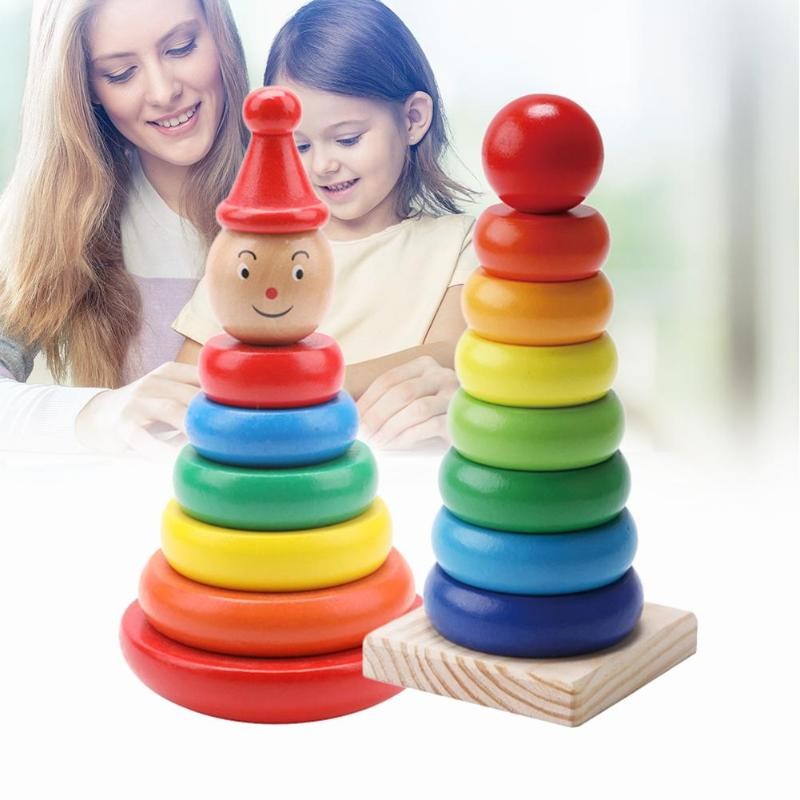
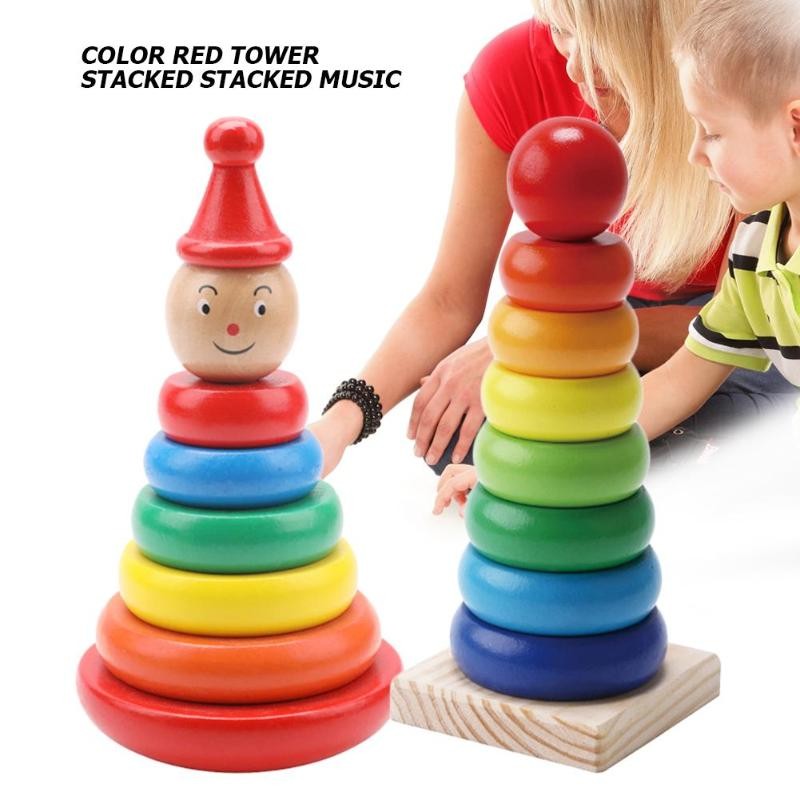
Material: Wooden
Brand: Wooden balls
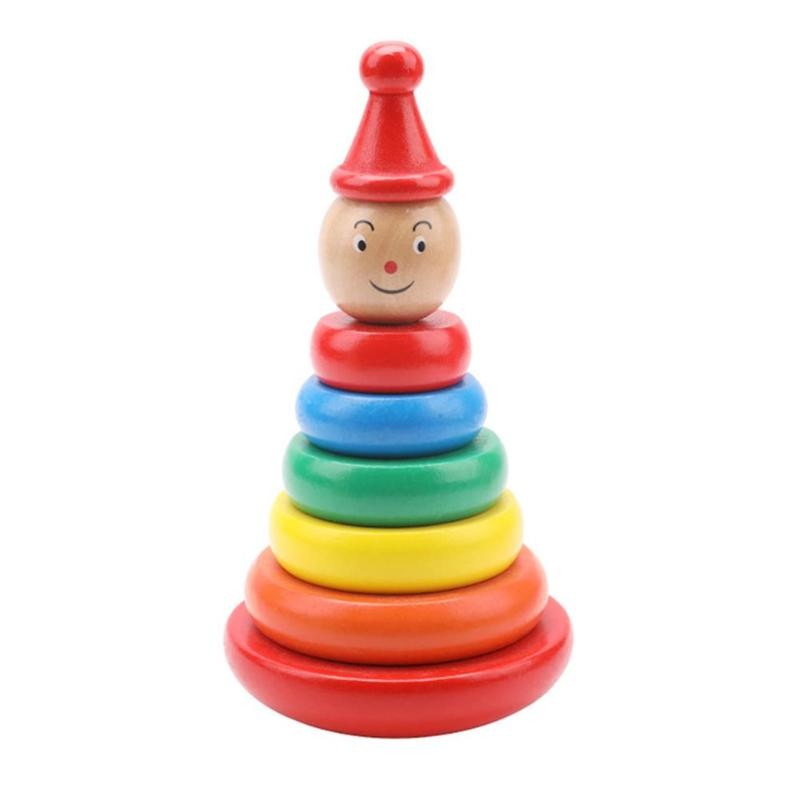
Product Category: Stacked Circle
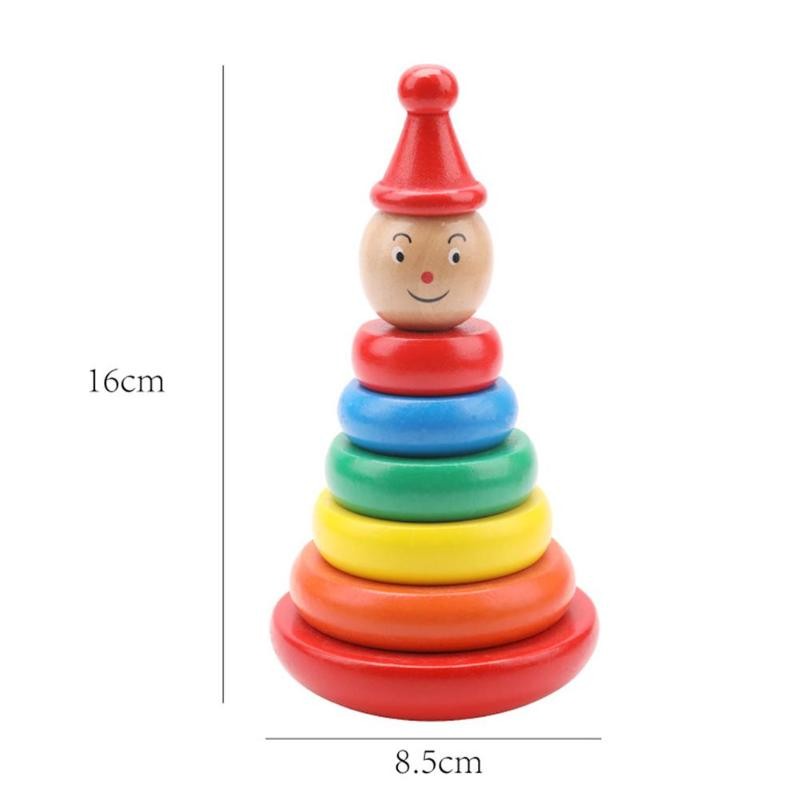
Specification: 7.5*9*9cm
Color: Tumbler Rainbow Tower
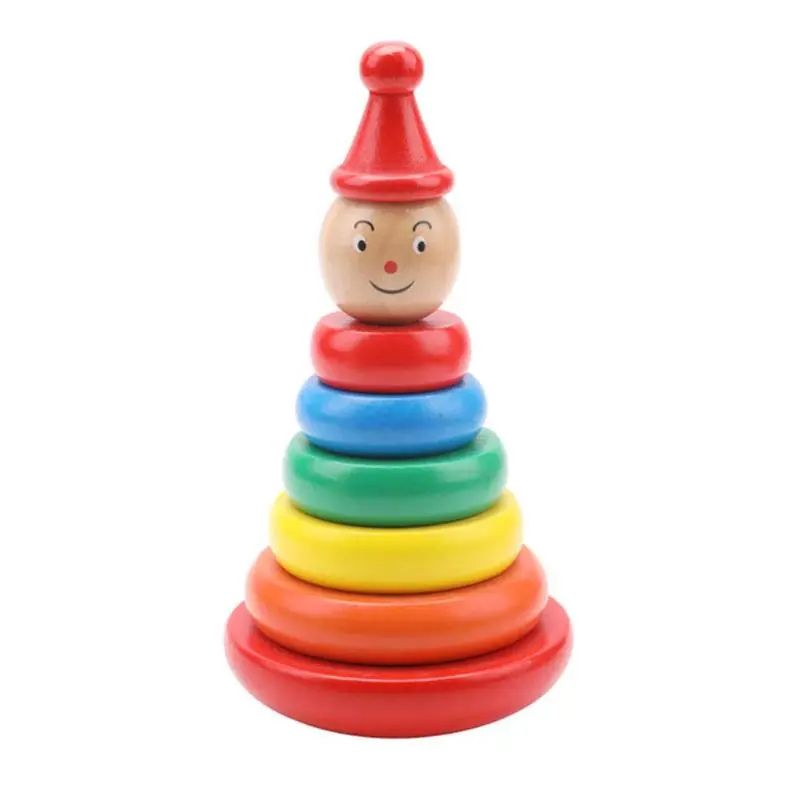
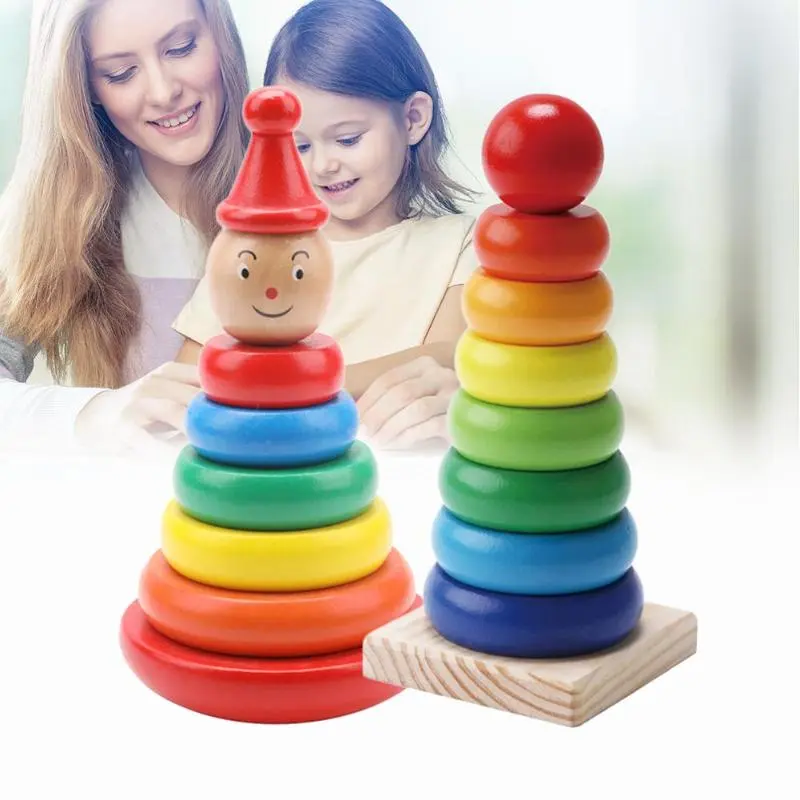
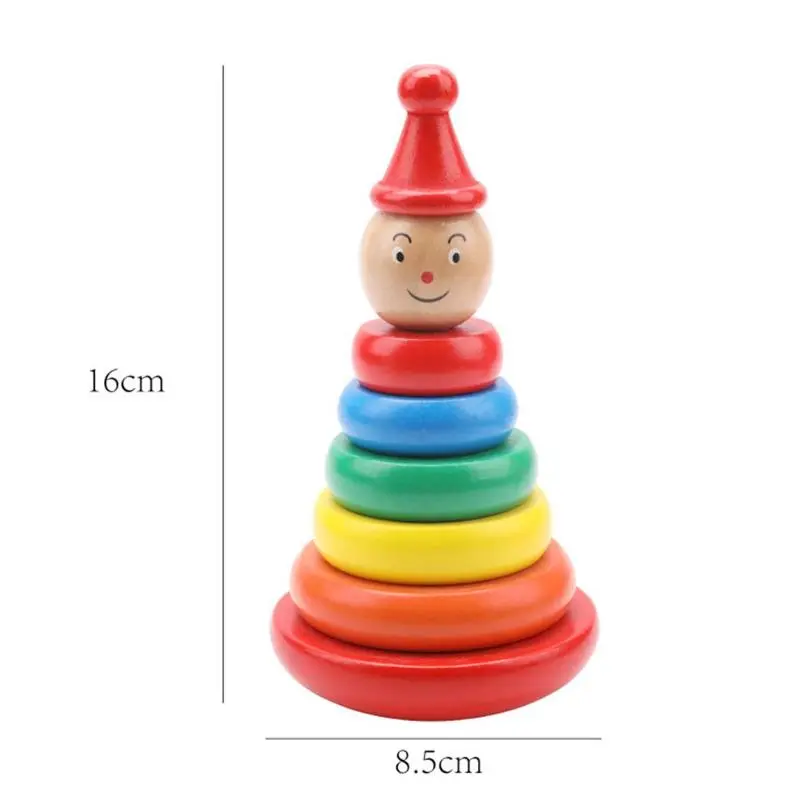
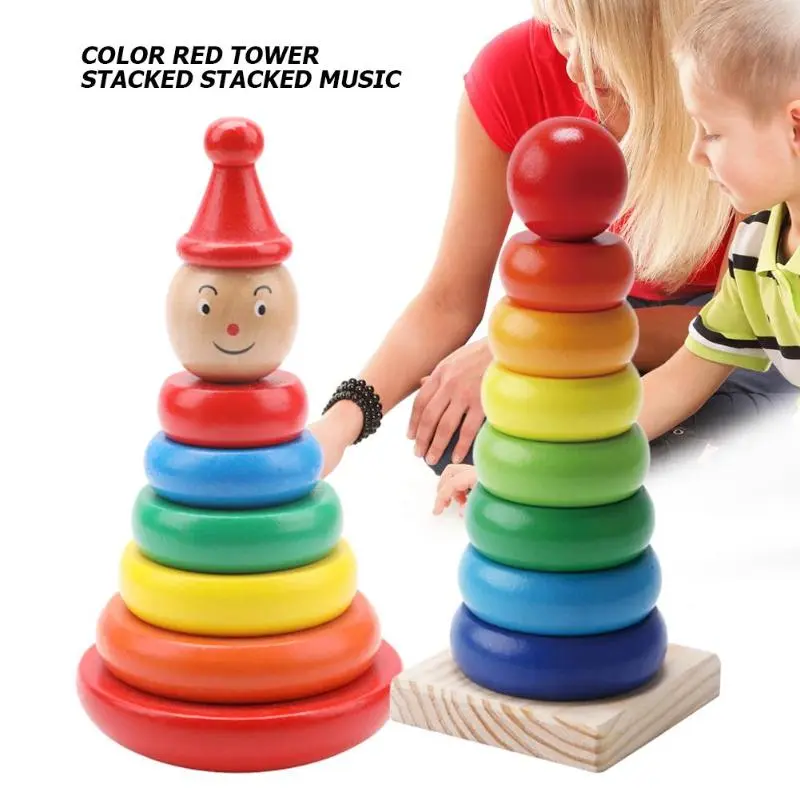
Baby Education Toys – Stimulate Growth Through Play
Perfect for parents, caregivers, and early childhood educators seeking engaging, development‑focused playthings
Baby education toys are thoughtfully designed play items that support early learning, cognitive development, motor skills, sensory exploration, language stimulation, and social interaction. From newborn stages through toddlerhood, these toys provide age‑appropriate experiences that make learning intuitive, playful, and impactful. Rather than simply entertaining, baby education toys promote critical early milestones — helping little ones build foundational skills that parents and educators will appreciate and cherish.
Every child learns through exploration: seeing, touching, shaking, stacking, sorting, repeating, and listening. Educational toys transform these natural impulses into structured experiences that nurture curiosity, confidence, and early problem‑solving. Whether it’s a brightly coloured stacking ring, a texture‑rich sensory ball, or a shape sorter that challenges early reasoning, these toys make developmental progress engaging and measurable.
Description – Baby Education Toys
Baby education toys encompass a wide range of interactive, safe, and developmentally appropriate playthings that encourage learning through active engagement. Designed for infants and toddlers — typically from birth up to around three years old — these toys are crafted from non‑toxic, durable materials with smooth edges and secure construction to meet safety standards for young children.
At the earliest stages, sensory toys such as soft fabric books, high‑contrast boards, and textured rattles stimulate visual tracking, touch exploration, and auditory response. As babies grow, toys evolve to support fine motor skills (grasping, pinching, stacking), gross motor coordination (rolling, scooting, crawling), language recognition (sound‑producing toys, alphabet boards), and early problem‑solving (shape sorters, simple puzzles).
Features of baby education toys vary but often include bright colours, contrast patterns, varied textures, easy‑to‑grip components, interactive buttons, friendly faces, and responsive feedback (sound, light, movement). Many toys are designed with multiple learning layers — for example, a cube with rotating blocks can teach shapes, colours, cause‑and‑effect, and hand‑eye coordination in one.
Manufacturers often organise baby education toys by developmental stage so caregivers can choose items that match current skills while encouraging the next level of learning. From floor playmats that promote tummy time to building blocks that support spatial reasoning, these toys provide purposeful activities that grow with the child.
Thoughtful design also means easy cleaning, sturdy construction, and sizes appropriate for small hands. This ensures that baby education toys remain practical for everyday use — whether in nurseries, playrooms, early learning centres, or family travel.
Key Points
Feature 1: Developmentally Targeted
Toys are designed to match specific age ranges and milestone goals — from sensory engagement to early reasoning and coordination.
Feature 2: Multi‑Sensory Elements
Incorporation of texture, sound, colour, and movement engages multiple senses simultaneously to promote deeper learning.
Feature 3: Safe, Durable Materials
Constructed from non‑toxic plastics, soft fabrics, and reinforced parts to ensure longevity and safety during frequent use.
Feature 4: Easy‑Grip & Manipulative Designs
Shapes, handles, and interactive components are sized for tiny hands, encouraging exploration and fine motor skill development.
Feature 5: Interactive Feedback
Many toys provide sound, light, or movement responses to build cause‑and‑effect understanding and keep babies engaged.
Feature 6: Stimulates Multiple Milestones
Toys integrate features that support motor skills, sensory perception, spatial reasoning, language cues, and emotional engagement.
Feature 7: Growth‑Adaptable Activities
Some toys offer multiple stages of play that evolve as the child’s abilities expand, extending utility and learning value.
Benefits
Benefit 1: Encourages Cognitive Development
Educational toys challenge babies to recognise patterns, cause and effect, and problem‑solve in simple, enjoyable ways.
Benefit 2: Improves Fine and Gross Motor Skills
Activities like grasping, stacking, rolling, and manipulating pieces help strengthen coordination and muscle control.
Benefit 3: Boosts Sensory Awareness
Varied textures, colours, and sounds help infants explore the world around them, laying foundations for sensory processing.
Benefit 4: Promotes Language and Communication
Toys that incorporate letters, sounds, and spoken cues support listening skills and early language recognition.
Benefit 5: Fosters Social Interaction
Play encourages bonding with caregivers and siblings, enhancing social skills and emotional connection through shared experiences.
Benefit 6: Builds Confidence and Curiosity
Achieving simple goals — like placing shapes correctly — reinforces confidence and motivates continued exploration.
Benefit 7: Provides Safe Independent Play
Secure, well‑designed toys offer opportunities for babies to engage in independent, supervised play that supports self‑guided learning.
Why Choose These Baby Education Toys?
Choosing these baby education toys means selecting purposeful, safe, and engaging tools that support early developmental milestones in a fun, structured way. Many general toys entertain briefly — but educational toys are intentional in design: they provide meaningful interactions that change as your child grows.
These toys are crafted with durability in mind, so they withstand daily play without losing appeal or structural integrity. Non‑toxic materials and smooth finishes ensure that exploratory behaviour — including mouthing and chewing — remains safe. Bright colours and varied sensory features captivate attention, while interactive responses (like sounds or movements) teach simple lessons about cause and effect.
Additionally, these toys integrate learning with play rather than segregating fun from education. This means your child enjoys spontaneous exploration while building skills that caregivers can observe and support. Play patterns that evolve with increasing complexity help maintain long‑term engagement and ensure that toys remain relevant through changing abilities.
Choosing toys organised by developmental stage helps caregivers select the right level of challenge and stimulation, promoting progress rather than frustration. Many sets are designed to grow with the child — offering interchangeable components, progressive challenges, and durable designs that make them suitable beyond infancy.
They also support holistic development: while one toy might emphasise sensory stimulation, another focuses on motor skills or language cues. A well‑curated collection of baby education toys offers layered learning opportunities that align with natural curiosity and developmental readiness.
Moreover, these toys make meaningful gifts for baby showers, birthdays, and milestone celebrations — offering both joy and developmental support. Unlike generic presents that may be charming but offer limited educational value, baby education toys contribute to real progress in early childhood learning.
Conclusion
Baby education toys are carefully designed play items that blend learning with fun to support key developmental milestones in infancy and toddlerhood. With features that engage multiple senses, promote motor skills, stimulate early reasoning, and encourage communication, these toys provide structured yet playful opportunities for growth. Their soft yet durable construction, age‑appropriate designs, and interactive elements help babies explore the world confidently and safely.
From sensory exploration to early problem‑solving, baby education toys transform everyday play into meaningful learning experiences. Thoughtful design ensures they are safe, engaging, and adaptable to changing developmental needs — making them valuable additions to nurseries, playrooms, travel bags, and early learning spaces.
Choosing quality baby education toys means giving your child tools that encourage curiosity, build confidence, and support healthy cognitive and physical development. Whether for home use, daycare settings, photos, or gifting, these toys enrich early childhood experiences with joy, interaction, and discovery — all while making playtime purposeful.
The product may be provided by a different brand of comparable quality.
The actual product may vary slightly from the image shown.
Shop amazing plants at The Node – a top destination for plant lovers
.png)






.jpg)








.jpg)

.jpeg)


.jpeg)
.jpeg)






.jpeg)

.jpeg)

.jpeg)
.jpeg)

.jpeg)




.jpeg)
.jpg)
.jpeg)


.jpeg)
.jpeg)

.jpeg)





.jpeg)

.jpeg)

.jpeg)

.jpeg)

.jpeg)





.jpeg)
.jpeg)
.jpeg)

.jpeg)

.jpeg)

.jpg)
.jpeg)


.jpg)

ulva-Logo.jpg)



.jpeg)



.png)








.png)