

Layering Essentials How To Stay Warm Without Sacrificing Style
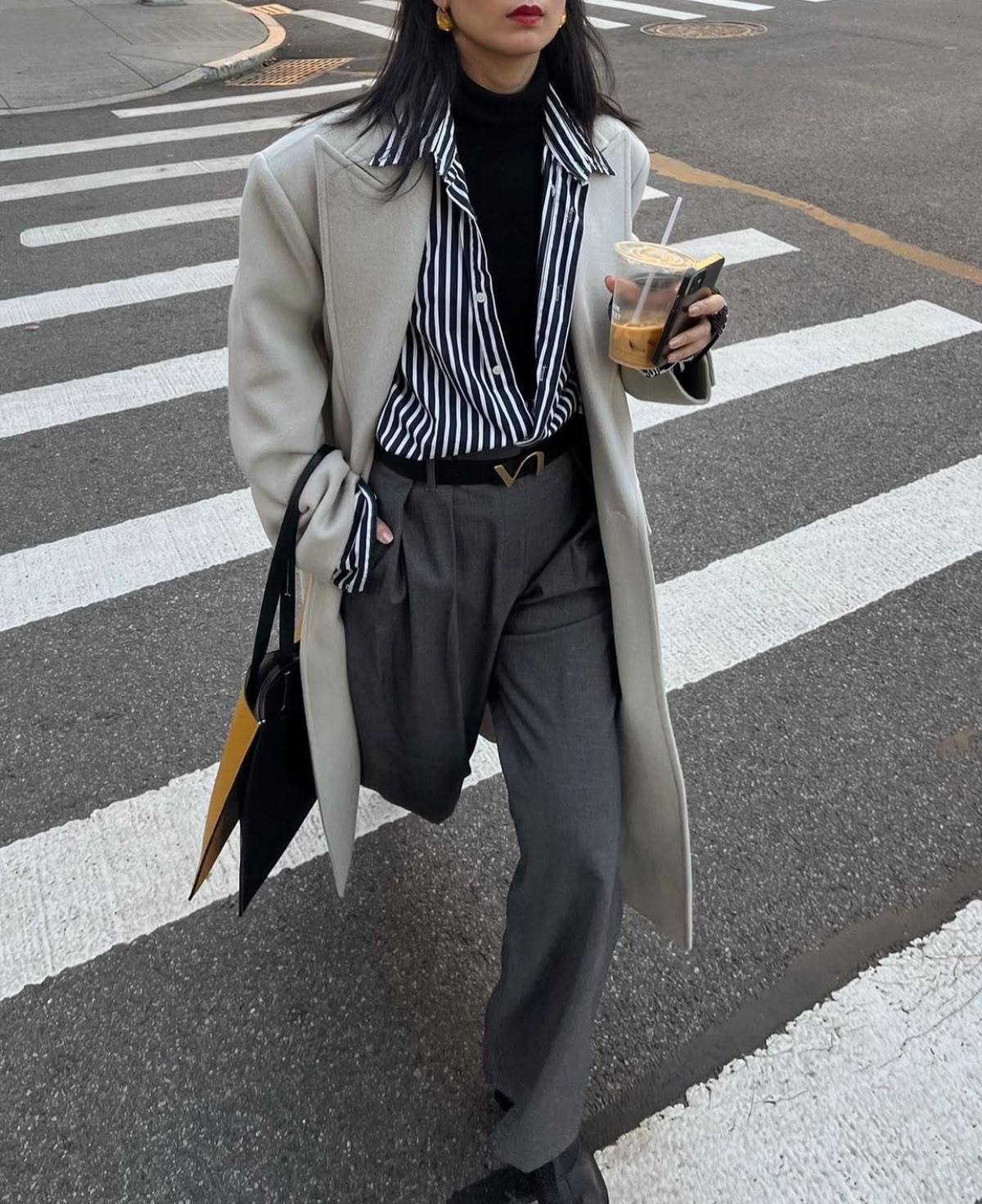
As the cold weather sets in, one of the most essential skills in achieving a stylish winter look is mastering the art of layering. Layering isn't just about piling on clothes to stay warm—it's an opportunity to build an outfit that’s both functional and fashionable. The key to effective layering is creating a look that’s balanced, cohesive, and comfortable, all while ensuring you stay warm in chilly temperatures.
In this article, we’ll delve into the essential layering pieces for winter, show you how to layer like a pro, and offer some tips on how to keep your style intact as you navigate the colder months.
Why Layering is Essential in Winter
Layering isn’t simply a practical necessity—it’s a way to express your style even during the coldest months. The purpose of layering is to trap heat and regulate body temperature while also allowing for versatility throughout the day. For example, if you’re indoors and start to get warm, you can remove a layer, whereas if you're headed outside, you can add a layer to stay comfortable.
The key benefits of layering include:
-
Warmth: Layering provides insulation and keeps warmth close to your body, which is crucial for maintaining body temperature
in the winter.
-
Versatility: Layers can be added or removed based on your environment, whether you’re inside or braving the outdoors.
-
Style: Layering allows for more texture, color, and shape, giving you the chance to experiment with different combinations.
With the right pieces, layering can take you from a functional outfit to a chic, put-together look. Let’s explore how to layer strategically and stylishly this winter.
The Essential Layering Pieces
1. Base Layer: The Foundation of Warmth
The base layer, also known as the first layer or “thermal wear,” is the foundation of your winter outfit. This layer sits directly on your skin and is designed to wick away moisture and retain warmth. It’s essential that your base layer is comfortable and breathable.
Key fabrics for base layers:
-
Merino Wool: Known for its warmth, breathability, and moisture-wicking properties, merino wool is one of the best choices
for base layers.
-
Silk: Soft and light, silk is another excellent option for base layers, although it might not provide the same warmth as
merino wool.
-
Synthetic Fabrics (Polyester): Lightweight and affordable, synthetic fabrics like polyester can also work well for base
layers, though they tend to trap moisture.
What to look for in a base layer:
-
Tight fit: A snug fit allows the fabric to work effectively by trapping heat close to your skin without being bulky.
-
Long sleeves and leggings: Full-length sleeves and leggings provide maximum warmth, but you can opt for short sleeves or
cropped options for a lighter, breathable choice.
For ultimate comfort and style, choose base layers in neutral tones like black, grey, or beige to easily layer them under other pieces.
2. Mid Layer: The Core of Your Outfit
The mid-layer, or insulating layer, is what adds warmth to your ensemble without the bulk. This layer’s primary role is to provide insulation, and it’s often where you can introduce texture and style to your look. Common mid-layers include sweaters, fleece pullovers, and down jackets.
Best fabrics for mid-layers:
- Cashmere: Luxurious and warm, cashmere sweaters are an ideal mid-layer for chilly days.
- Fleece: Soft and insulating, fleece is a great material for a casual and cozy mid-layer.
-
Down or Synthetic Insulation: Down jackets or vests are fantastic for providing warmth without adding weight. Synthetic
alternatives are great for those seeking a cruelty-free option.
What to look for in a mid-layer:
-
Versatility: Choose a mid-layer that can be worn alone for an elevated look or layered under outerwear for extra warmth.
-
Fit and Style: The mid-layer can be fitted for a sleek look or oversized for a more relaxed vibe. A fitted cashmere sweater
pairs beautifully under a tailored coat, while an oversized fleece can be styled more casually.
Mid-layer options to try:
- A chunky knit sweater in a neutral shade is both warm and stylish, adding texture to your outfit.
- A down vest is a great option for layering under a coat without the added bulk of a full jacket.
3. Outer Layer: The Statement Coat
The outer layer is where you can truly make a statement with your winter wardrobe. This layer not only provides the final layer of warmth but also serves as the outermost part of your outfit, so it should be stylish and practical.
Key fabrics for outer layers:
- Wool: Wool coats are a classic winter staple that offer both warmth and a timeless look.
-
Trench Coats: A lighter option that can be worn in milder winter temperatures, trench coats add sophistication to any look.
-
Down or Technical Fabrics: For cold climates, a high-quality down or weather-resistant fabric will keep you warm and dry.
What to look for in an outer layer:
-
Fit: Ensure that your outerwear is slightly looser than your mid-layer to allow for movement and extra warmth. A tailored
fit will always look chic, but oversized coats have a trendy appeal.
-
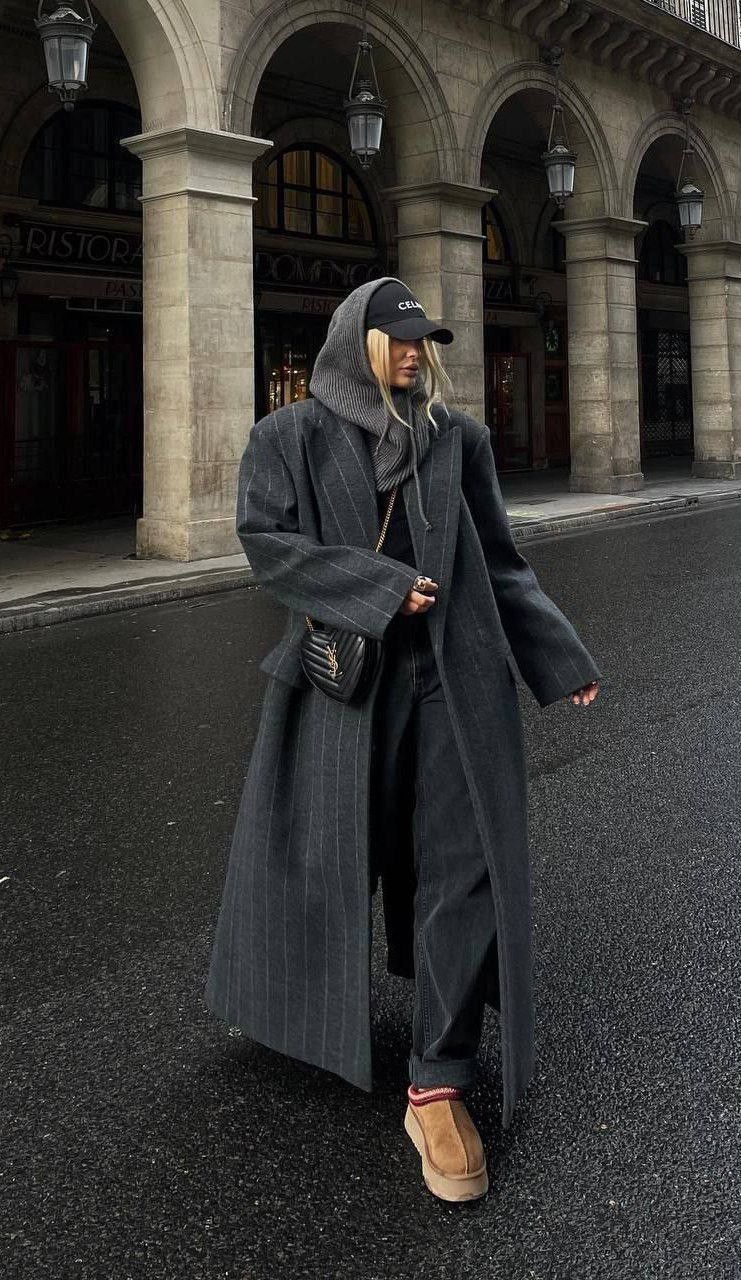
Length: Depending on your preference, you can go for a classic knee-length coat or a longer, floor-sweeping option for
extra coziness.
Popular outer layers for winter:
- A wool overcoat with a belted waist for a tailored, elegant look.
- A puffer jacket for a more casual, sporty vibe, which can be styled with both jeans and skirts.
- A long, tailored trench coat for a sophisticated winter look.
4. Accessories: The Finishing Touches
Accessories are the key to completing your layered look. Not only do they add warmth, but they also elevate your style. Scarves, hats, gloves, and socks are the unsung heroes of winter fashion.
Essential accessories:
-
Scarves: A thick, knitted scarf adds a pop of color and extra warmth. For a more refined look, a cashmere or wool scarf is
both soft and luxurious.
- Hats: Opt for a knitted beanie, a beret, or even a wide-brimmed felt hat for added flair.
- Gloves: Leather gloves are classic, while wool mittens offer extra warmth.
- Socks: Choose merino wool or thermal socks to keep your feet toasty without adding bulk to your shoes.
Tips for Mastering the Art of Layering
-
Start with the basics: Begin your layering process with high-quality base layers. Don’t skimp on fabrics like merino wool
or silk, as they offer the best warmth-to-weight ratio.
-
Mix textures: Layering gives you the chance to play with different textures. Pair soft cashmere with sleek leather or
chunky wool with smooth silk for added interest.
-
Stick to a color palette: Keep your layers within a cohesive color scheme—neutral tones like black, grey, beige, and navy
can easily be mixed and matched without clashing.
-
Play with proportions: Pair looser layers with fitted ones. For example, wear a bulky knit sweater over a slim-fitting base
layer, then top it off with a tailored coat for a balanced silhouette.
Conclusion: Layering for Style and Warmth
Mastering the art of layering is essential for surviving winter in both comfort and style. By investing in versatile base, mid, and outer layers, you can build a wardrobe that keeps you warm without sacrificing style. Accessories play a vital role in completing your look, and with the right balance of textures and colors, you can create a layered outfit that’s both chic and functional.
So, as you prepare for the colder months, remember that layering is the key to a cozy, stylish winter wardrobe that works for all occasions. Stay warm, stay stylish, and embrace the versatility of layering!
Let me know if you'd like me to format this differently or make adjustments for your needs!



.jpg)








.jpg)





.jpeg)



.jpeg)


.jpeg)








.jpeg)


.jpeg)

.jpeg)

.jpeg)

.jpeg)




.jpeg)
.jpg)

.jpeg)






.jpeg)
.jpeg)




.jpeg)





.jpeg)


.jpeg)

.jpeg)

.jpeg)

.jpeg)






.jpeg)
.jpeg)
.jpeg)



.jpeg)


.jpeg)




.jpg)
.jpeg)






.jpg)

ulva-Logo.jpg)



.jpeg)



.png)












.png)