
How to Stop Watching Porn: A Research-Backed, Step-by-Step Guide
Important note: This is educational information, not a diagnosis or a substitute for professional care. If your porn use feels out of control, is causing major distress/impairment, or overlaps with depression, anxiety, trauma, or compulsive behaviors, consider working with a licensed clinician (ideally one familiar with Compulsive Sexual Behavior Disorder (CSBD) and evidence-based treatments like CBT/ACT).
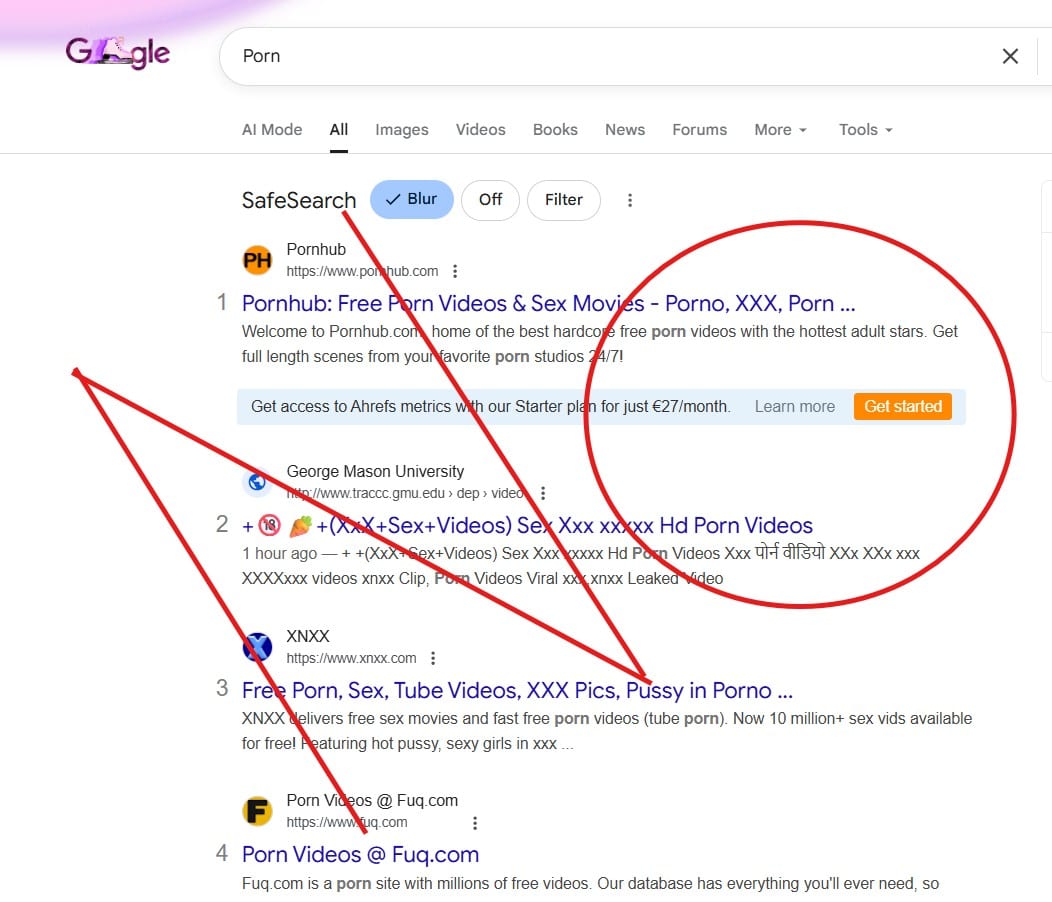
Table of contents
- Why quitting porn is hard (and why “willpower” fails)
- What counts as “problematic” porn use vs. guilt or moral conflict
- The science of habit loops: cue → craving → behavior → reward
- Your first 72 hours: emergency stabilization plan
- The 30-day reset: a structured plan that actually holds
- The 90-day consolidation: turning “not watching porn” into a stable identity
- Urges: what they are, how to ride them, and how to kill them fast
- Triggers: stress, boredom, loneliness, phones, and late nights
- Cognitive tools (CBT): dismantling porn thoughts without fighting them
- Acceptance tools (ACT): cravings without acting + values-based action
- Dopamine myths vs. what research really supports
- Porn-induced sexual difficulties and sensitivity “retraining”
- If you relapse: how to prevent a slip from becoming a binge
- Accountability that works (without shame)
- Relationship repair (if porn affected trust or intimacy)
- Mental health overlaps: anxiety, depression, ADHD, trauma, compulsions
- Practical tech defenses (filters, friction, and environment design)
- A complete “Quit Porn” toolkit you can copy/paste
- When to seek professional help (and what treatment looks like)
- References (lots)
1) Why quitting porn is hard (and why “willpower” fails)
If you’ve tried to stop watching porn and failed, that does not automatically mean you’re “weak.” It usually means you’re fighting a well-trained habit system with the wrong tools.
Porn is powerful because it often combines multiple reinforcement drivers at once:
- Immediate reward (arousal + novelty)
- Rapid escalation (click → stimulus change → more novelty)
- Private availability (no social friction)
- Emotion regulation (stress relief, numbness, distraction)
- Compulsivity loop (use → guilt → stress → use again)
Clinical research on compulsive sexual behaviors describes patterns involving craving, impulsivity, distress/impairment, and comorbidity—features that look a lot like other compulsive patterns.
The key: you don’t “white-knuckle” your way out. You rebuild systems:
- your environment
- your stress coping
- your identity/values
- your response to urges
- your sleep and energy regulation
- your tech boundaries
If you only rely on motivation, you’ll lose on the days you’re tired, stressed, bored, or lonely (which is… most days, sometimes).
2) Problematic porn use vs. guilt or moral conflict
This matters because the solution differs depending on what’s driving your distress.
A) When porn use is compulsive/problematic
The World Health Organization includes Compulsive Sexual Behaviour Disorder (CSBD) in ICD-11 as a persistent pattern of failing to control intense sexual impulses/urges leading to repetitive sexual behavior over an extended period and causing marked distress or significant impairment.
A crucial nuance in the diagnostic framing: distress that is entirely due to moral judgment/disapproval alone is not sufficient by itself.
B) When distress is mostly moral incongruence
Some people feel “addicted” largely because their behavior conflicts with values or beliefs—sometimes called pornography problems due to moral incongruence.
That doesn’t mean the distress isn’t real. It means the best plan may include:
- values clarification
- reducing compulsive patterns and
- reducing shame/rumination loops
Quick self-check (not a diagnosis)
If most of your “problem” is:
- “I do it more than I want and can’t stop,”
- “It’s interfering with work, relationships, sleep, money, time,”
- “I keep escalating, and it’s becoming my default coping tool,”
…you likely need a behavior change + coping skill plan.
If most is:
- “I watch occasionally, but my guilt is massive,”
- “I spiral into shame and obsessive checking,”
- “I’m not impaired, just distressed,”
…you may need a plan that targets shame + obsessive loops as much as the behavior.
Many people have both.
3) The habit loop: cue → craving → behavior → reward
Porn use often looks like this:
Cue: phone + bed, late night, alone, stress, boredom, argument, anxiety
Craving: “Just a peek” / “I need relief” / “I’ll stop after one”
Behavior: browsing, edging, masturbation, escalation
Reward: arousal, numbness, dopamine-style reinforcement, relief, sleepiness
After: guilt, drained energy, frustration
Back to cue: guilt itself becomes a stressor → triggers another round
Your goal isn’t to eliminate cues (impossible). It’s to break the link between cue and behavior.
You do that with:
- friction (make porn harder)
- replacement (make healthy relief easier)
- urge skills (don’t obey cravings)
- values (why you stop)
- systems (sleep, exercise, social contact)
4) Your first 72 hours: emergency stabilization
The first 3 days are about one thing: stop the bleeding.
Step 1: Remove instant access (do this today)
You’re not “being dramatic.” You’re reducing stimulus access while your habit system is still loud.
- Delete porn accounts, bookmarks, saved links, hidden folders.
- Clear browser history/autofill suggestions.
- Log out of Reddit/X/other feeds that push explicit content.
- Turn on SafeSearch / restricted mode everywhere you can.
- If you can, add a blocker (more on this later) and give the password to someone else.
If porn is one click away, you’re relying on “heroic resistance” at the exact moment your brain has learned to click.
Step 2: Create a “panic protocol”
Write a 60-second script you follow when an urge hits:
- Stand up (change state)
- Drink water
- Move for 60 seconds (pushups, squats, walk)
- Cold water on face / quick shower (optional but effective)
- Text someone (or write in notes) “Urge = X/10, doing protocol”
- Do a 10-minute task with hands: dishes, tidy desk, laundry, walk outside
This works because urges feed on stillness + privacy + screens.
Step 3: Sleep defense
If your porn use is mostly at night:
- Phone does not sleep in your bedroom.
- Charge it outside.
- Use an alarm clock.
- If you can’t: put it across the room + enable grayscale + do not disturb + website limits.
Nighttime is where willpower goes to die.
5) The 30-day reset plan (structured)
You’re going to run this like a training block.
The rule for 30 days
No porn. No “just looking.” No edging. No erotic browsing.
You can decide separately about masturbation without porn. Many people find:
- masturbation without porn helps reduce pressure early, then they taper
- others prefer full abstinence to reset cues
Pick whichever reduces relapse risk. The main target is porn + novelty browsing, because that’s what trains the click-and-escalate loop.
Track only 3 metrics
Overtracking fuels obsession. Track:
- Porn-free days (streak)
- Urge intensity peak (0–10)
- Sleep hours
Week 1: Defense and friction
- Install blockers
- Remove phone from bed
- Add daily movement (20–30 min walk minimum)
- Replace the “porn time slot” with something fixed (gym, walk, call, reading)
Week 2: Trigger mapping
Every urge gets one line in a note:
- Time
- Trigger (stress/bored/lonely/tired)
- Emotion
-
What you did instead
No essays. You’re building pattern recognition.
Week 3: Coping upgrade
You’ll add two coping tools:
- CBT thought interrupt (section 9)
- ACT urge surfing + values (section 10)
Week 4: Identity + environment consolidation
- Clean up social feeds
- Reduce mindless scrolling
- Add two “high-meaning” activities per week (sports, class, volunteering, meetups)
Why? Because a porn habit often thrives in a life that feels low-reward and isolated.
6) The 90-day consolidation plan
A lot of people can brute-force 2–3 weeks and then get blindsided by:
- “I’m doing great, I deserve a reward”
- “I’m cured, one peek won’t hurt”
- “I feel flat/bored; porn will fix it”
- “Stress spike; I need relief now”
So 90 days is where you build a system that runs on autopilot.
What changes by day 90?
- urges are less frequent
- triggers are clearer
- you’re less reactive
- your baseline mood often improves (especially if porn was coping for stress)
But: don’t treat 90 days as magic. Treat it as enough time to build replacement rewards and stable boundaries.
7) Urges: what they are and how to deal with them
An urge is a wave: it rises, peaks, and falls—if you don’t feed it with fantasy + browsing.
Two critical truths
- Urges are not commands. They’re sensations + thoughts.
- “Just a peek” is the relapse. The browsing is the drug delivery system.
The 10-minute rule
When you get an urge:
- Commit to not acting for 10 minutes
- Do a physical task + no screens
Most urges drop significantly inside 10–15 minutes if you don’t escalate with “mental porn.”
Urge surfing (simple version)
- Name it: “I’m having an urge”
- Locate it: chest, stomach, throat?
- Rate it: 0–10
- Breathe slow for 90 seconds
- Watch it change without solving it
Acceptance-based approaches like ACT target exactly this: building psychological flexibility so urges don’t dictate behavior. Emerging ACT work in hypersexuality/compulsive sexual behavior suggests promise, including follow-up outcomes.
8) Triggers: stress, boredom, loneliness, screens, late nights
Porn is rarely just about sex. It’s often about state change.
The “HALT” trigger test
Before you relapse, you’re often:
- Hungry
- Angry/anxious
- Lonely
- Tired
Fix the state first, then decide what you want.
Common trigger archetypes and fixes
1) Stress/anxiety
- Short-term fix porn offers: numbing
- Replacement: 10-minute walk + breathing + journaling 3 lines
- Long-term: therapy, exercise routine, workload boundaries
2) Boredom
- Porn offers novelty + stimulation
- Replacement: “hands busy” list (cooking, cleaning, guitar, gym)
3) Loneliness
- Porn offers pseudo-connection
- Replacement: one daily social touchpoint (call/text/meet)
4) Late nights
- Porn offers stimulation + sedative crash
- Replacement: strict sleep boundary + phone out of room
9) CBT tools: dismantle the thoughts that pull you in
Cognitive Behavioral Therapy (CBT) is one of the most supported frameworks for compulsive patterns: it targets triggers, thoughts, and behaviors.
There’s randomized controlled evidence that structured CBT programs can reduce hypersexual disorder symptoms in men.
Common porn thoughts (and better replacements)
Thought: “I can’t handle this urge.”
Replace: “I can handle discomfort for 10 minutes.”
Thought: “Just one video.”
Replace: “The first click is the relapse. I’m choosing freedom.”
Thought: “I already messed up today, might as well binge.”
Replace: “A slip is a data point. I stop now and protect tomorrow.”
Thought: “Porn is my only relief.”
Replace: “Relief is a skill set. I’m building it.”
The CBT “If-Then” plan (implementation intention)
Write 5 trigger scripts:
- If I’m alone at night with my phone, then I put it outside the room and read 10 pages.
- If I feel anxious after work, then I walk 15 minutes before I sit down.
- If I get an urge in the bathroom, then I leave immediately and do 20 squats.
- If I start fantasizing, then I label it and switch to a physical task.
- If I slip, then I do the relapse protocol (section 13) within 5 minutes.
These scripts beat motivation.
10) ACT tools: stop fighting your mind; start following your values
Acceptance and Commitment Therapy (ACT) is built for problems like this:
- urges show up
- you don’t need to obey them
- you act according to values anyway
ACT has emerging evidence in hypersexuality/compulsive sexual behavior interventions.
ACT core moves (porn-specific)
1) Defusion
Instead of “I need porn,” say:
- “I’m having the thought that I need porn.”
This creates distance.
2) Willingness
“I’m willing to feel this urge and not act.”
You’re not trying to delete the urge; you’re refusing to let it drive.
3) Values
Ask:
- “What kind of man/woman/person do I want to be?”
- “What would I do right now if I were living that?”
Then do a values-aligned action for 5 minutes.
4) Committed action
Small actions, daily, beat grand declarations.
11) Dopamine myths vs. reality
Online discourse often oversimplifies porn as “dopamine hijacking.” Reality is more nuanced.
What’s solid:
- Repeated pairing of cues (phone, privacy, bedtime) with reward builds habits.
- Novelty and escalation can amplify reinforcement.
- Compulsive sexual behavior research highlights craving/impulsivity patterns and debate about classification.
What’s not helpful:
- Treating dopamine as a moral enemy
- Expecting a “reset” where your brain becomes new in exactly X days
Use neuroscience as a design principle:
- reduce cues
- reduce novelty loops
- strengthen competing rewards
- stabilize sleep and stress
12) Porn-related sexual difficulties and “retraining”
Some people report reduced arousal with real partners or difficulty finishing without porn. If that’s you, the approach is typically:
- remove porn novelty
- reduce high-stimulus masturbation patterns
- rebuild arousal with real intimacy (or lower-stimulus fantasy)
If you’re in a relationship, communicate carefully (section 15).
For research context, pornography’s association with relationship/sexual satisfaction is mixed across studies, but meta-analytic work has found associations with lower interpersonal satisfaction outcomes in several designs.
If you suspect medical erectile dysfunction, see a clinician—don’t self-diagnose.
13) If you relapse: the anti-binge protocol
Relapse isn’t proof you can’t quit. It’s proof your system needs an upgrade.
The rule: a slip is not a binge
Most damage happens after the first slip when you think:
“I already failed, so who cares.”
The 5-minute recovery sequence
- Stop immediately (close everything)
- Cold water face / stand up
- Write: “What was the trigger? What was the first decision?”
- Fix the environment (blocker on, phone away)
- Do a replacement action for 15 minutes (walk, shower, chores)
Then you continue the plan today. Not Monday.
Post-relapse analysis (no shame, just engineering)
- What was the cue?
- What was my “permission thought”?
- Where was the friction missing?
- What will I change so this exact path is harder next time?
14) Accountability that works (without shame)
Bad accountability is:
- humiliation
- constant confession
- streak obsession
- “I’m a disgusting person”
Good accountability is:
- systems + support
- a person who helps you reduce access and build routines
- brief check-ins focused on behavior and triggers
Try:
- 2 check-ins per week
- share your trigger patterns and changes you made
- avoid explicit details (they can become triggering)
15) Relationship repair (if porn damaged trust)
If porn use harmed your relationship, the repair is usually less about “promising forever” and more about:
- transparency about boundaries
- evidence of changed systems
- consistent emotional availability
- rebuilding intimacy (not just sex)
A helpful structure:
- Acknowledge impact without excuses
- Share your concrete plan (filters, therapy, routines)
- Invite needs/boundaries from your partner
- Agree on check-in cadence
- Follow through quietly (results > speeches)
16) Mental health overlaps: anxiety, depression, ADHD, trauma
Porn can be:
- the symptom (coping tool)
- the amplifier (sleep loss, shame, isolation)
- both
If you relapse mostly when:
- you’re anxious
- you’re depressed
- you can’t focus (ADHD)
- you feel numb (trauma/dissociation)
…then targeting porn alone is like bailing water without patching the leak.
Clinical literature notes psychiatric comorbidity in compulsive sexual behavior patterns.
Consider therapy if:
- porn is used to manage intolerable emotions
- you have panic/depression symptoms
- you have trauma history
- you can’t stop despite serious consequences
17) Practical tech defenses (filters, friction, environment design)
Think in layers:
Layer 1: Reduce exposure
- Unfollow thirst traps
- Disable autoplay
- Remove social apps that trigger you (even temporarily)
Layer 2: Add friction
- Blockers on phone + desktop
- Require passcode held by someone else (best)
- DNS filtering at router level (strong)
Layer 3: Remove private access zones
- No phone in bathroom
- No laptop in bed
- Work only in public/common spaces
Layer 4: Replace the ritual
If porn time is “bed + scrolling,” then:
- substitute “bed + book”
- or “walk + podcast”
- or “pushups + shower”
18) A complete quit-porn toolkit (copy/paste)
Your “Why” (write 5 lines)
- I’m quitting because…
- Porn costs me…
- My life improves by…
- The person I’m becoming is…
- When urges hit, I will…
Your top 10 replacements
- Walk outside
- Gym / pushups
- Cold shower
- Cook / meal prep
- Clean room
- Call a friend
- Journal (3 lines)
- Meditation (5 min)
- Read 10 pages
- Learn a skill (language, coding, instrument)
Your emergency protocol
- Stand up
- Water
- 60 seconds movement
- No screens for 10 minutes
- Do a task with hands
Your environment rules
- Phone out of bedroom
- No bathroom browsing
- Blockers on all devices
- Social feeds cleaned
Your weekly review (10 minutes)
- Biggest trigger this week:
- One system change I made:
- One thing I’m proud of:
- One risk coming next week:
- My plan for that risk:
19) When to seek professional help (and what treatment looks like)
Seek help if:
- you have repeated failed attempts and escalating use
- it’s impacting work/school/relationships
- you feel trapped in a binge cycle
- you have significant distress or impairment
What evidence-based care often includes
- CBT for triggers, thoughts, behaviors (including relapse prevention).
- ACT for urges, values, psychological flexibility (emerging evidence).
- Treating comorbid anxiety/depression/ADHD
- Couples therapy if trust/intimacy were impacted
If you want, tell me:
-
your typical relapse time (day/night), device (phone/PC), and top 3 triggers
…and I’ll build you a customized 30-day plan with specific friction + replacement routines (no fluff).
20) References (selected, credible, and useful)
Diagnostic / clinical framing
- Kraus, S. W. et al. “Compulsive sexual behaviour disorder in the ICD-11.” (2018).
- WHO ICD-11 platform (general ICD-11 access).
- Kraus, S. W., Voon, V., Potenza, M. N. “Neurobiology of compulsive sexual behavior: Emerging science.” (2016).
- Kraus, S. W. et al. “Neurobiology of Compulsive Sexual Behavior.” (2015).
Moral incongruence and “feeling addicted”
- Grubbs, J. B. et al. “Pornography Problems Due to Moral Incongruence.” (2019).
Treatment research (CBT / ACT)
- Hallberg, J. et al. “Randomized Controlled Study of Group-Administered CBT for Hypersexual Disorder in Men.” (2019).
- Ortega-Otero, M. et al. “One-year follow-up effects of an acceptance-based ACT intervention…” (2026).
- Montesinos, F. et al. ACT for compulsive sexual behaviour (2022) (institutional record).
- Brem, M. J. et al. Experiential avoidance and CSB relationships (2018).
Porn use and relationship/sexual satisfaction (meta-analytic)
- Wright, P. J. et al. “Pornography Consumption and Satisfaction: A Meta-Analysis.” (2017).
- Abdi, F. et al. Meta-analytic work on pornography and sexual satisfaction (PubMed entry).
Accessible overview
- American Psychological Association (APA) Monitor: “Is pornography addictive?” (2014).


.jpg)







.jpg)




.jpeg)





.jpeg)



.jpeg)






.jpeg)



.jpeg)

.jpeg)
.jpeg)

.jpeg)




.jpeg)
.jpg)
.jpeg)






.jpeg)
.jpeg)



.jpeg)




.jpeg)


.jpeg)

.jpeg)

.jpeg)

.jpeg)




.jpeg)
.jpeg)
.jpeg)


.jpeg)


.jpeg)


.jpg)
.jpeg)







.jpg)


ulva-Logo.jpg)


.jpeg)


.png)










.png)