
How To Know Different Type Of Musical Instrument With Names-A Comprehensive Guide for Music Enthusiasts in New Zealand
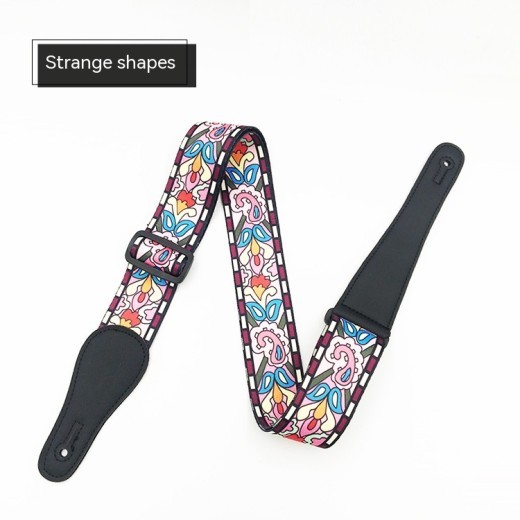
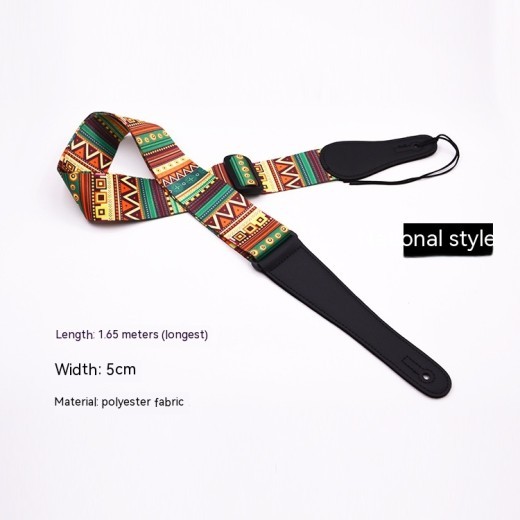
Accesorios de guitarra Correa de madera para guitarra acústica Correa para guitarra eléctrica Correa para el hombro para bajo Correa estampada
Gift Tree
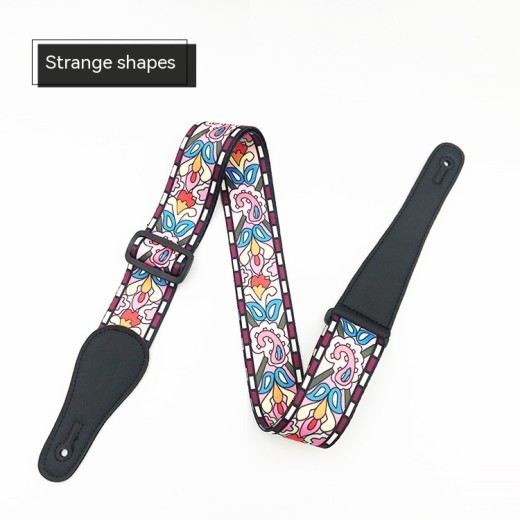
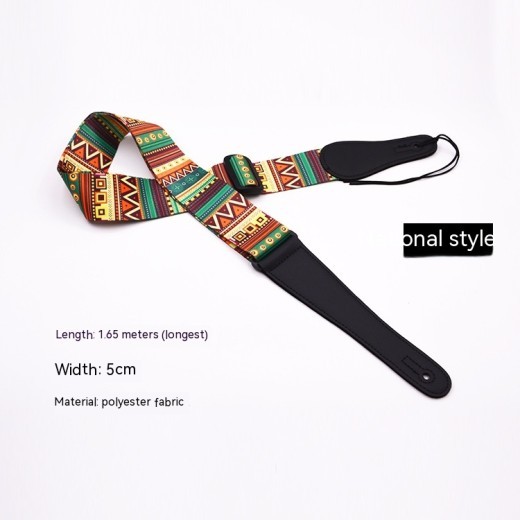
Guitar Accessories Acoustic Wooden Guitar Strap Electric Guitar Bass Shoulder Strap Printed Strap
Gift Tree
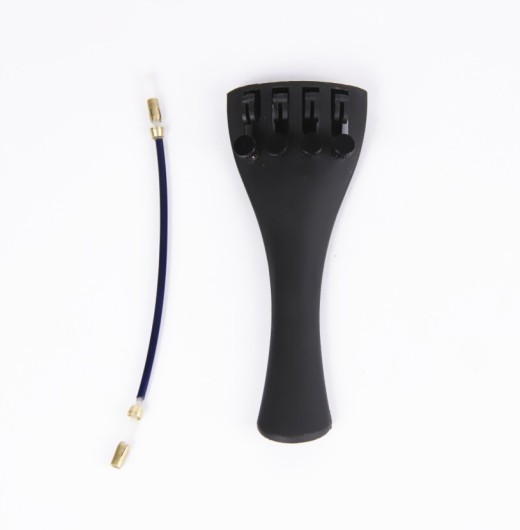
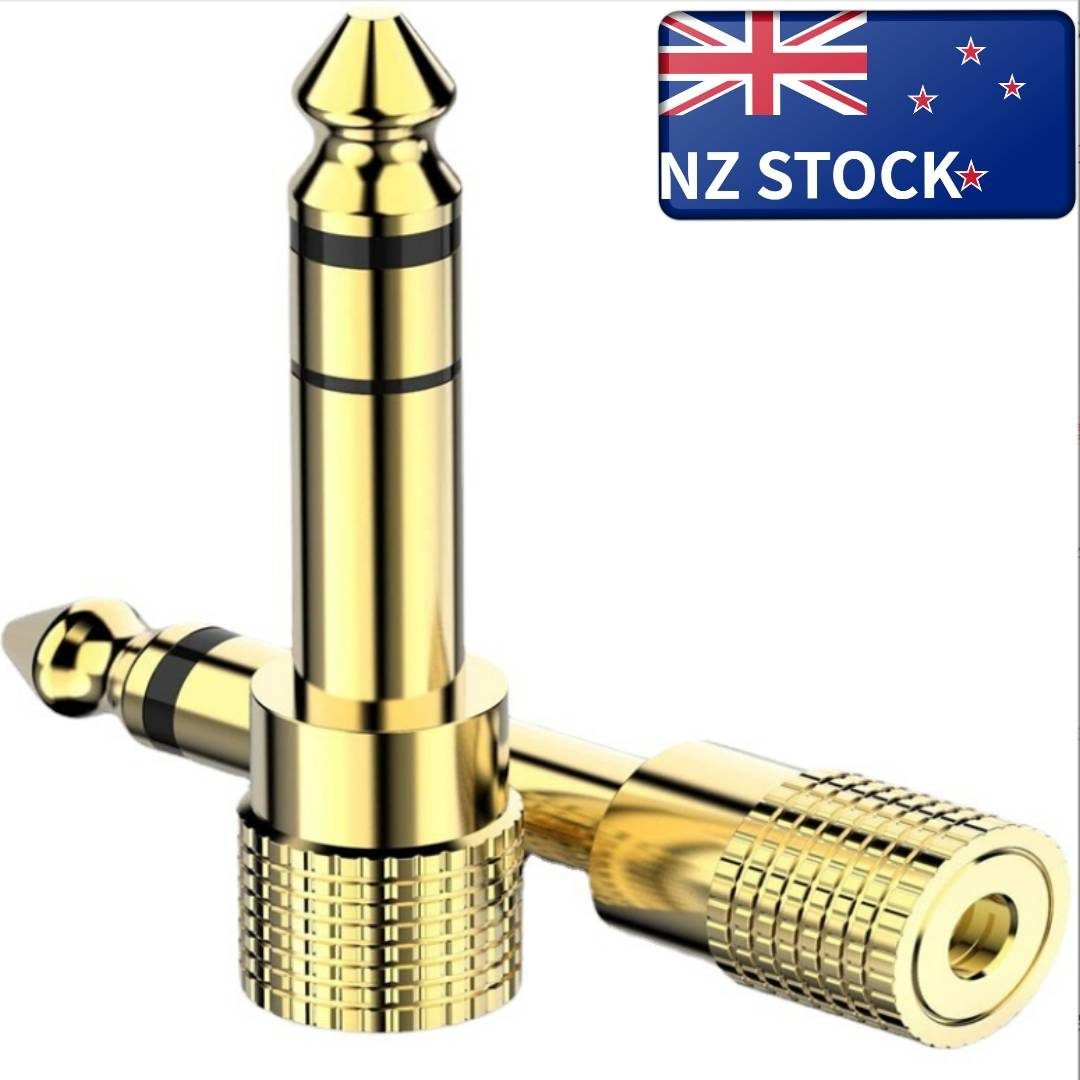
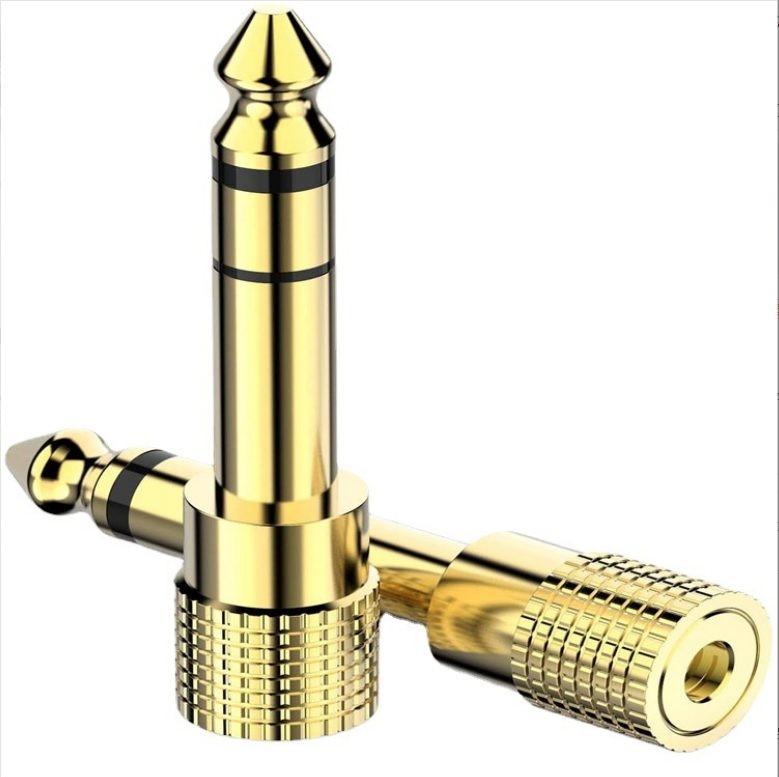
6.5MM Male to 3.5MM Female Jack Plug Audio Headset Microphone Guitar Adapter
Gift Tree
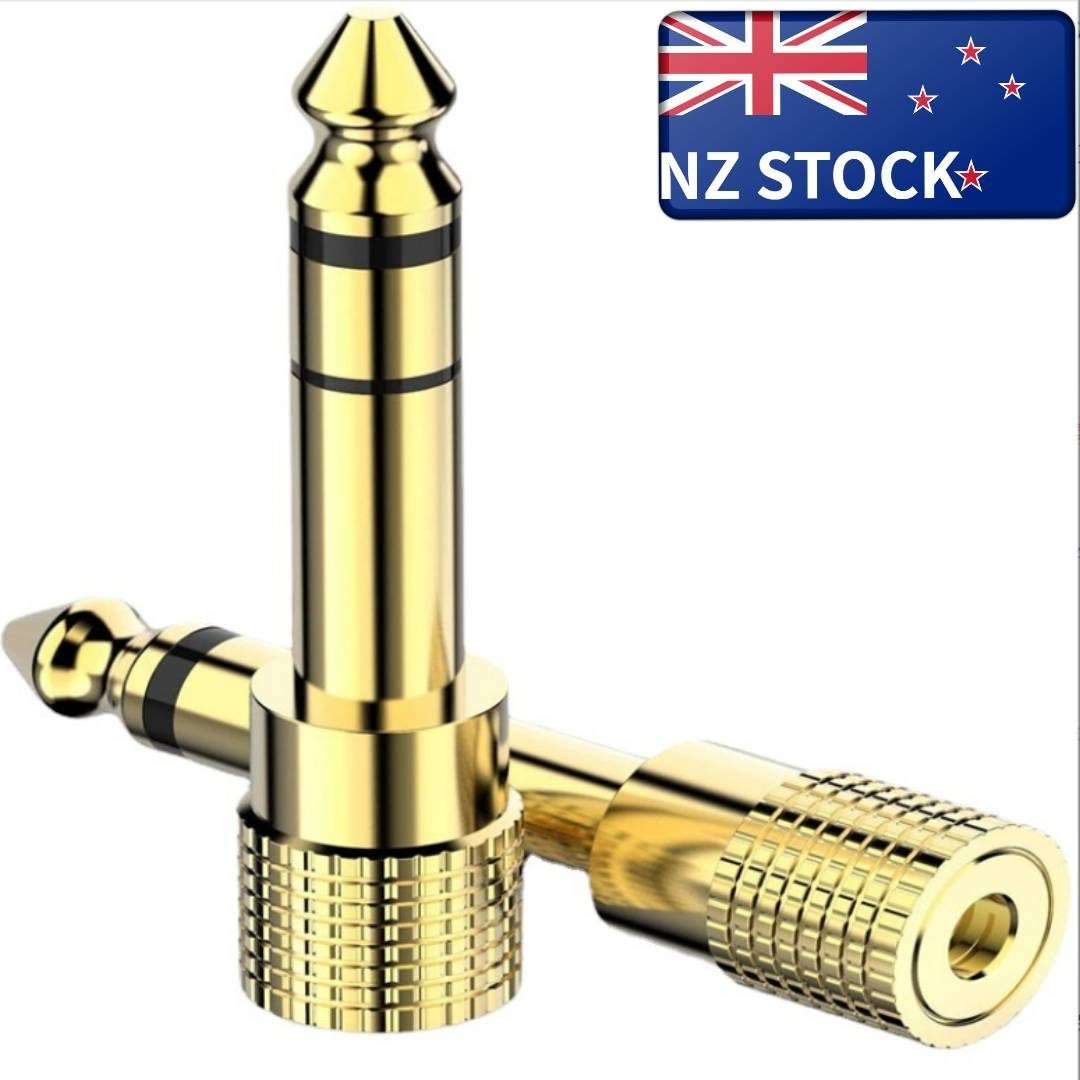
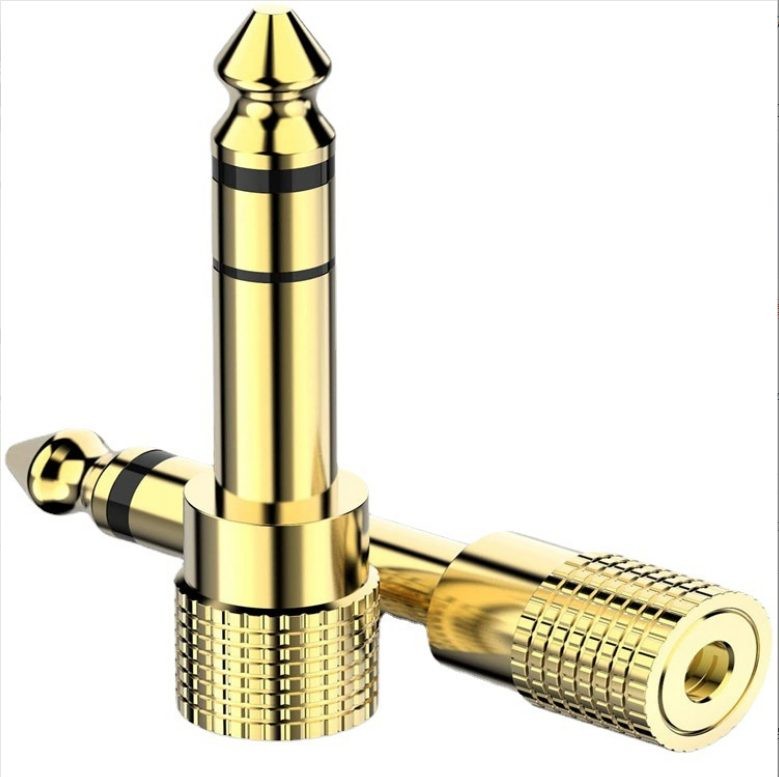
Adaptador de audio para auriculares, micrófono y guitarra con conector jack macho de 6,5 mm a hembra de 3,5 mm.
Gift Tree
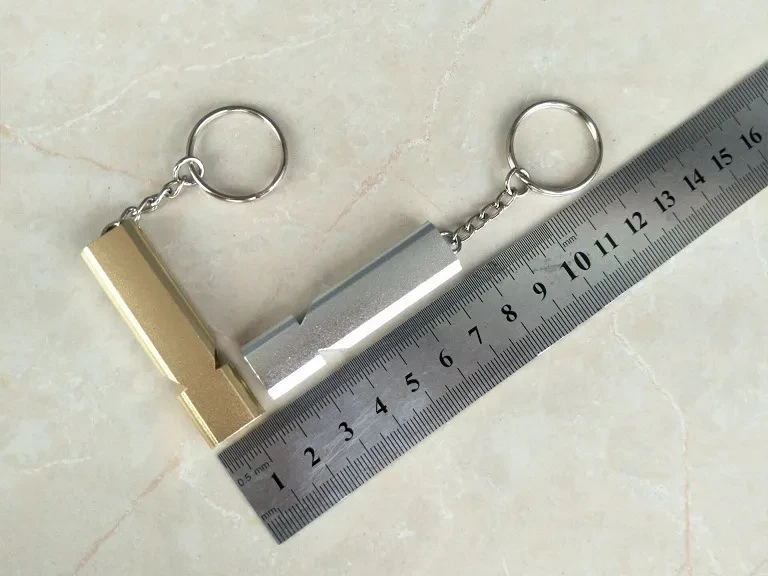
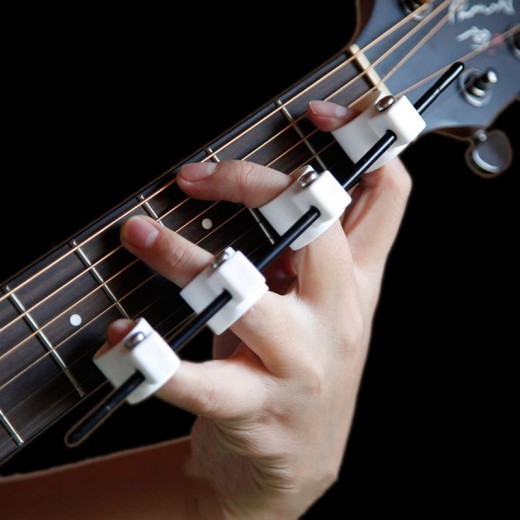
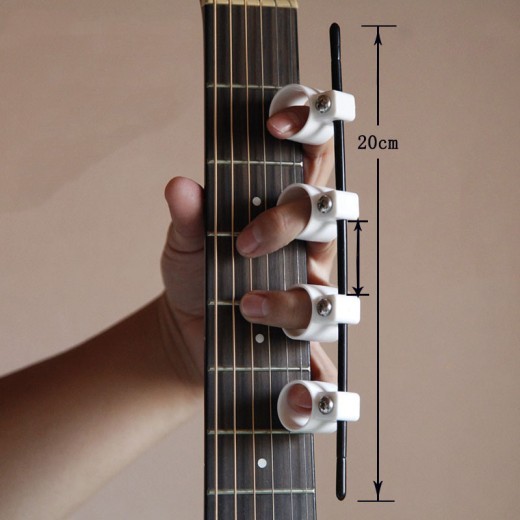
Accesorios de guitarra para amplificadores de instrumentos musicales
Gift Tree
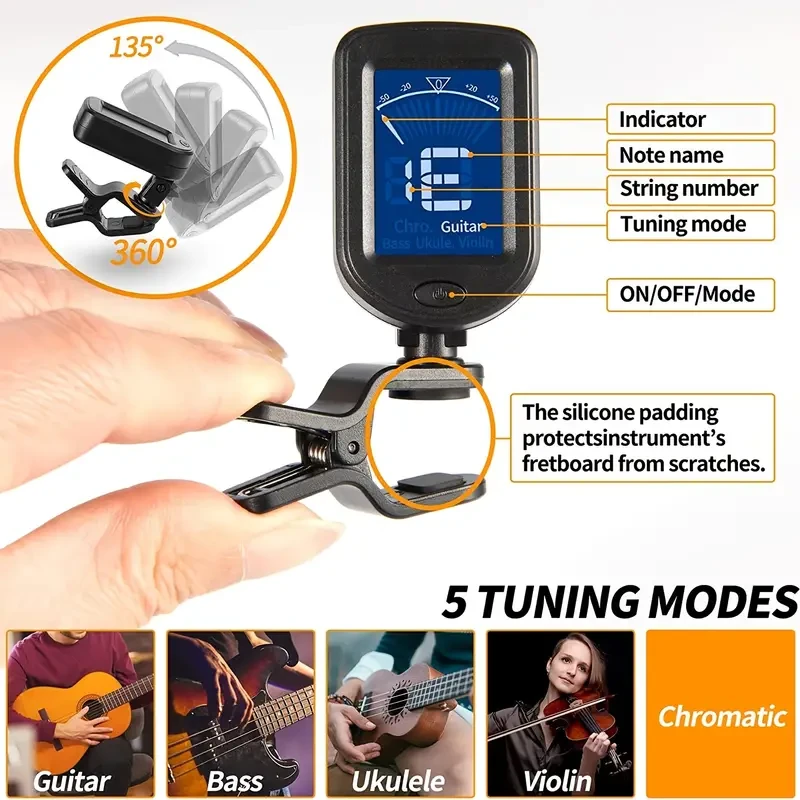
Afinador cromático ultrapreciso de enganche rápido para guitarra acústica, bajo, violín y ukelele. Herramienta de afinación universal y versátil.
Gift Tree
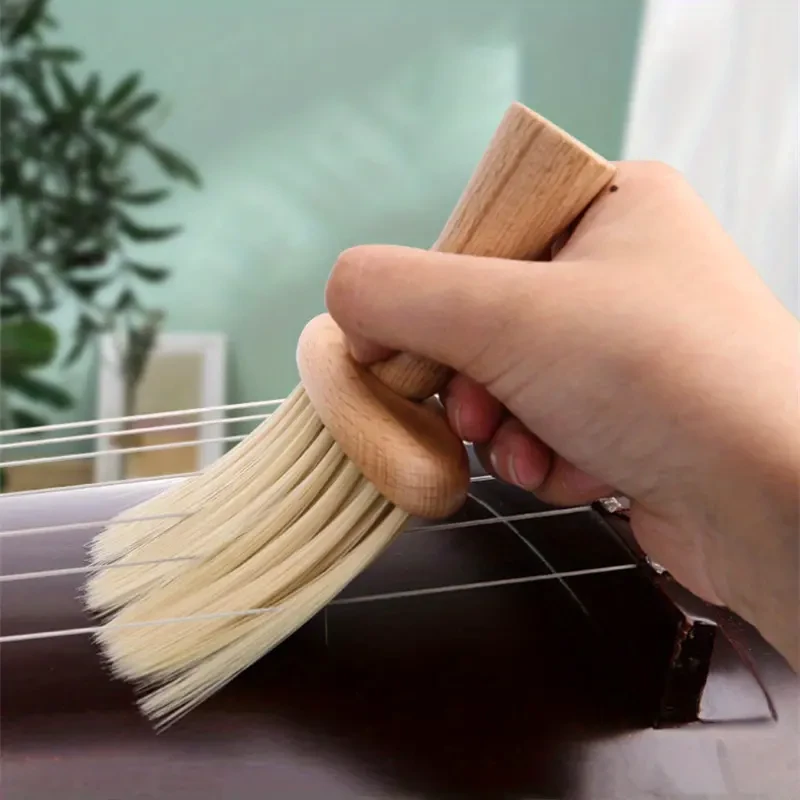
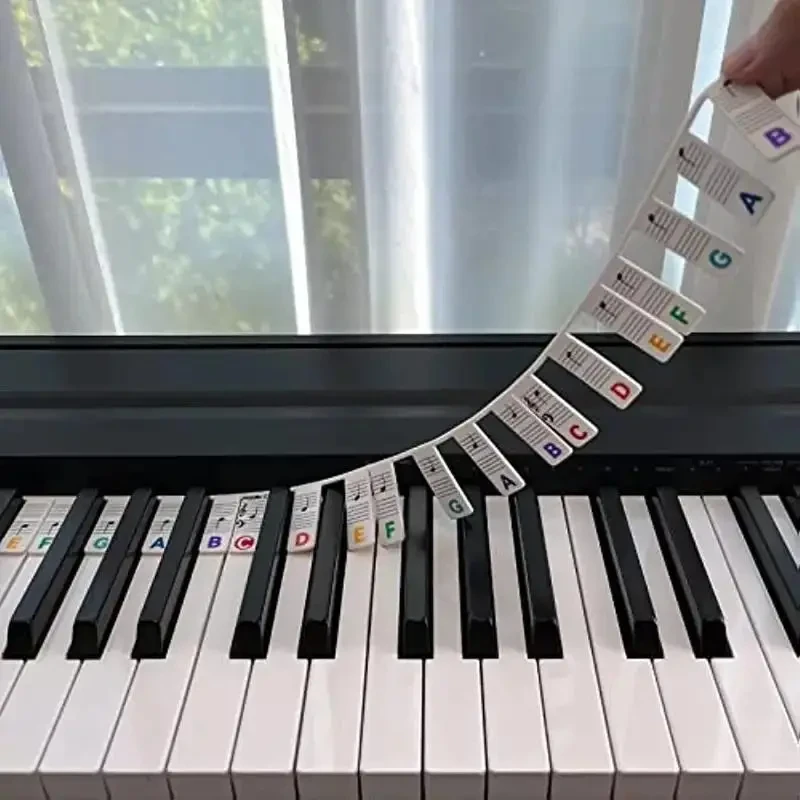
Etiquetas de silicona reutilizables para notas de piano: perfectas para principiantes que aprenden a tocar el piano.
Gift Tree
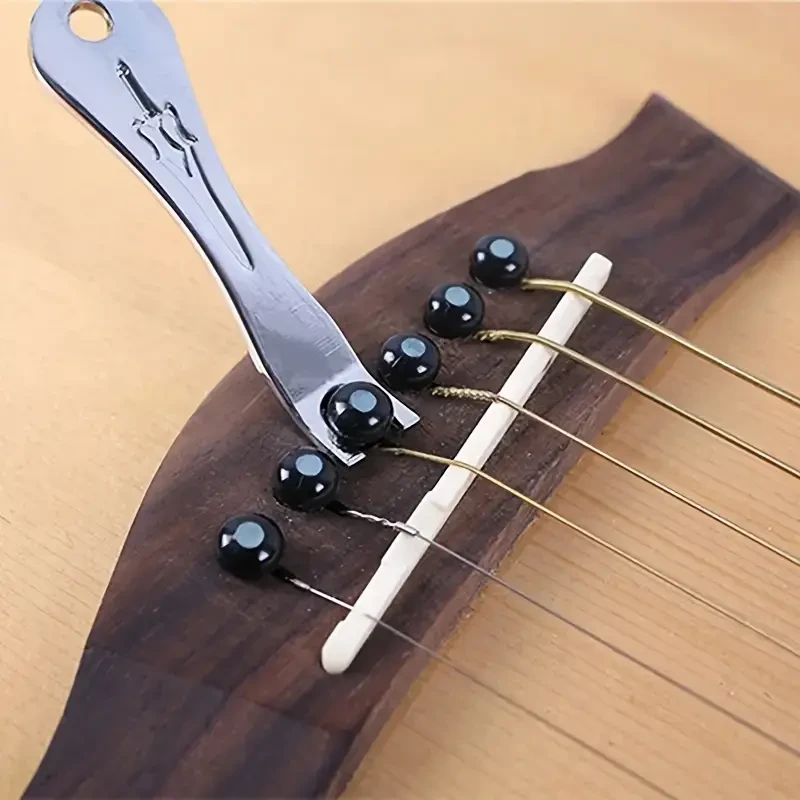
Guitar String Changer Tool With Metal Plucking Nail And String Cone Nail
Gift Tree
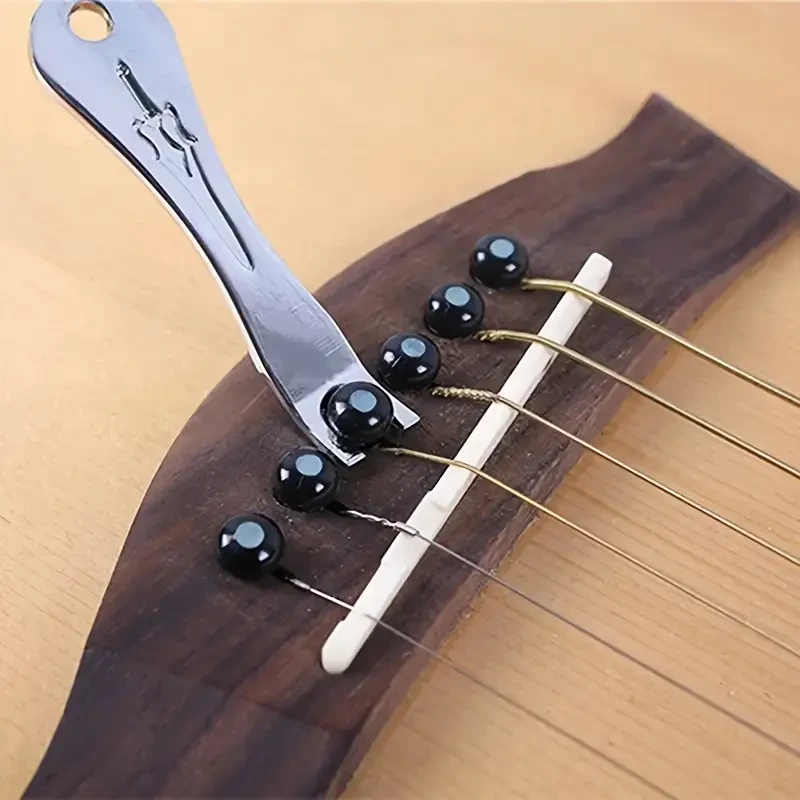
Herramienta para cambiar cuerdas de guitarra con clavo metálico para puntear y clavo cónico para cuerdas.
Gift Tree
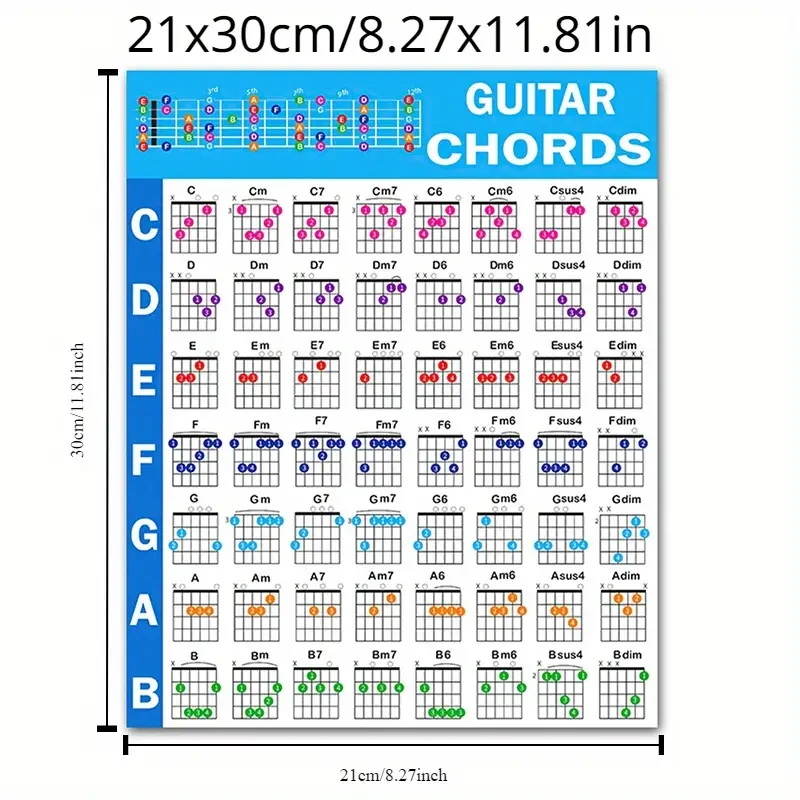
Póster visual para aprender acordes de guitarra - Material educativo en inglés - Arte mural interactivo para enseñar música a principiantes y aficionados
Gift Tree
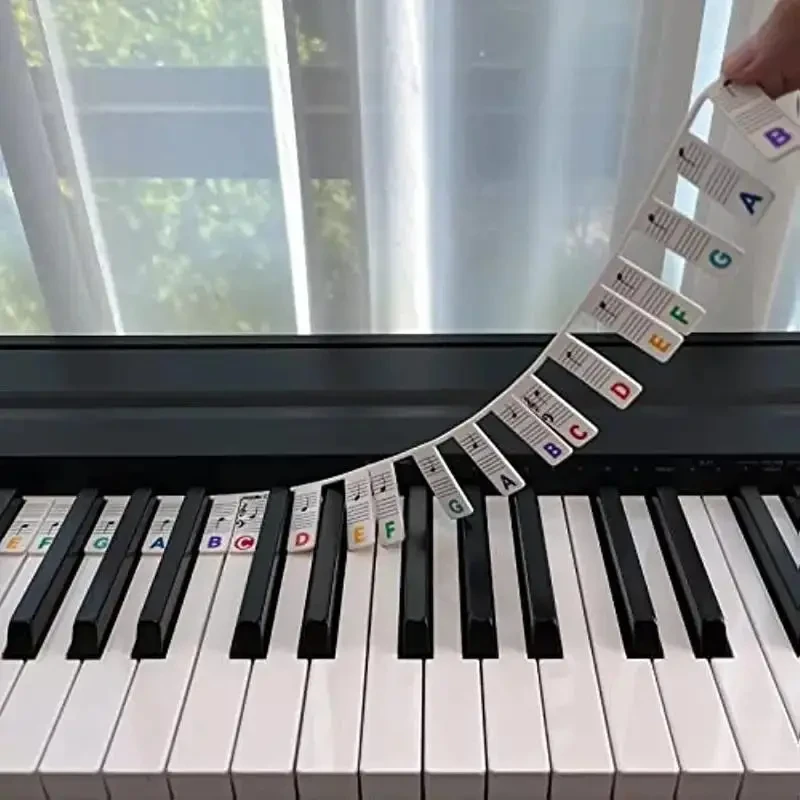
Reusable Silicone Piano Keyboard Note Labels - Perfect For Beginners Learning Piano Notes
Gift Tree
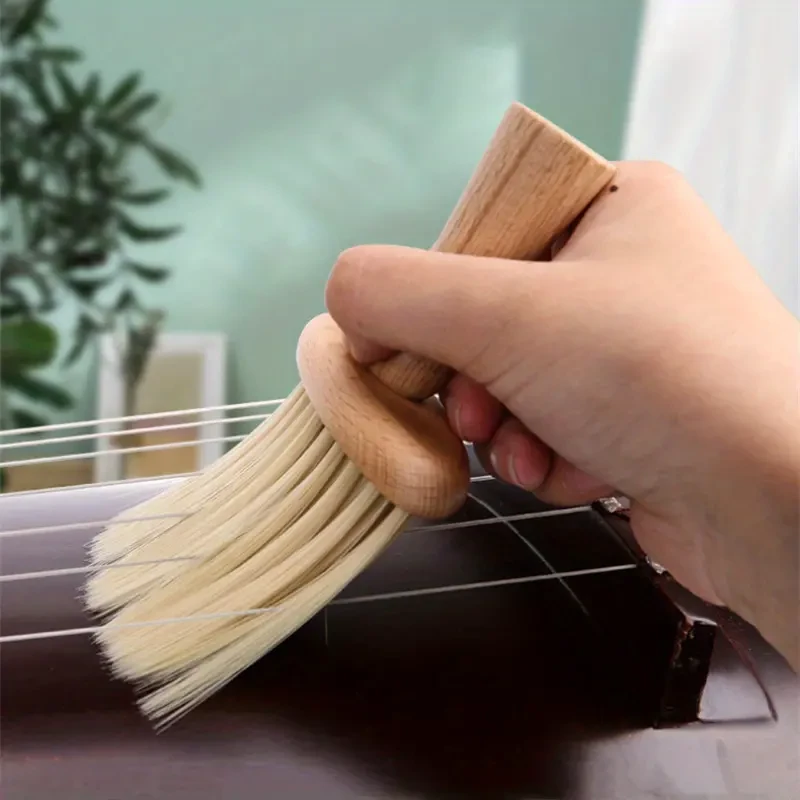
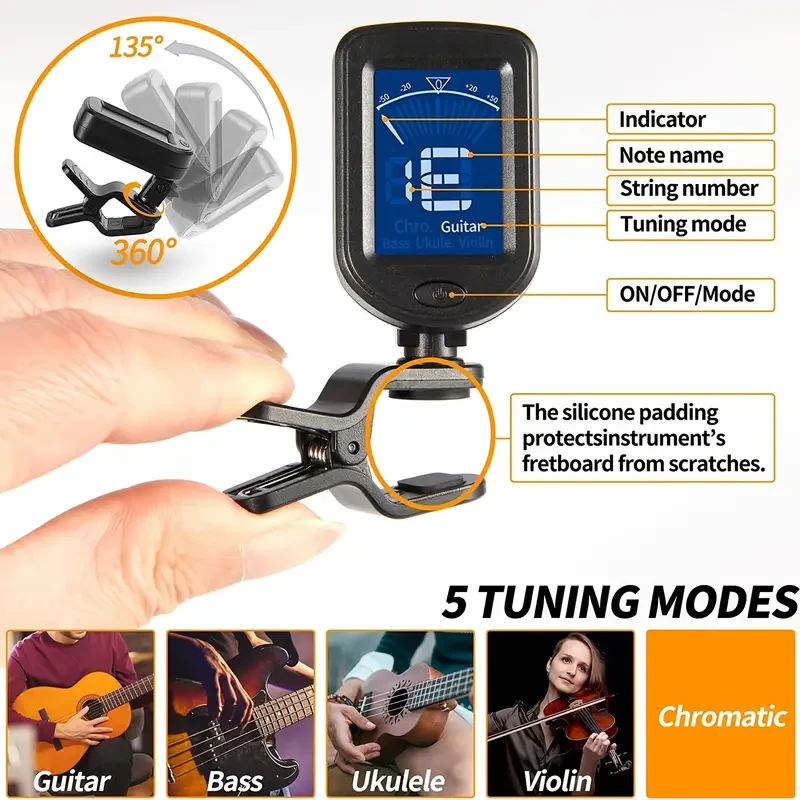
Ultra-Accurate Chromatic Tuner - Quick-Clip for Acoustic Guitar, Bass, Violin & Ukulele - Versatile Universal Tuning Tool
Gift Tree
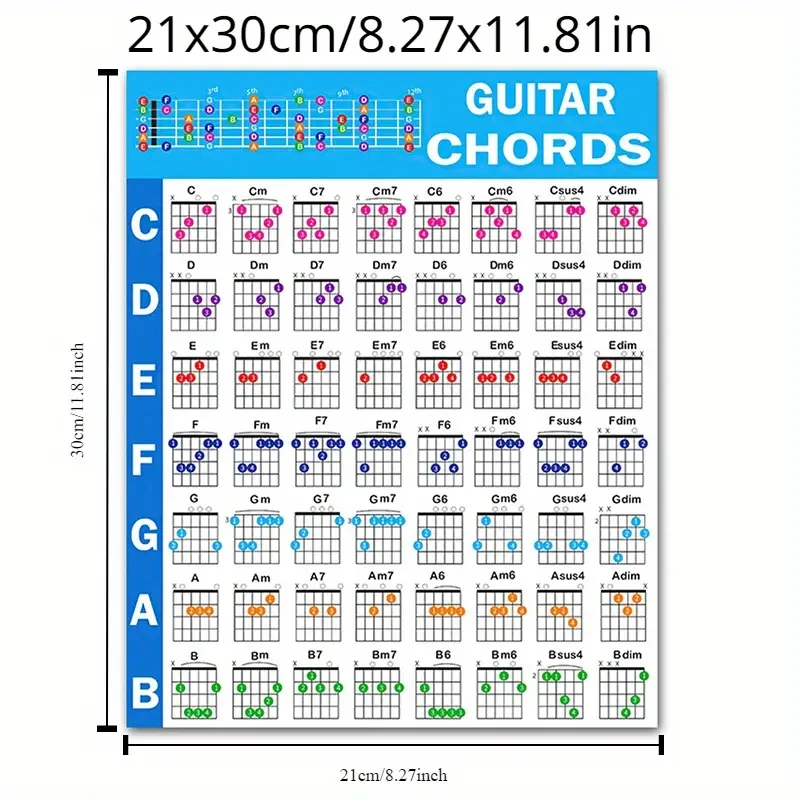
Visual Guitar Chord Learning Poster - English Education Aid - Interactive Music Teaching Wall Art for Beginners & Enthusiasts
Gift Tree
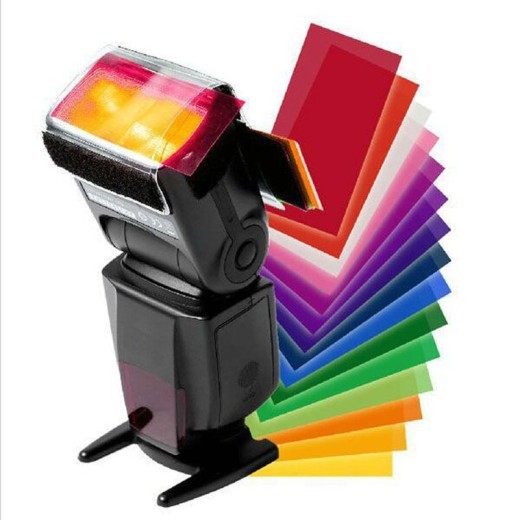
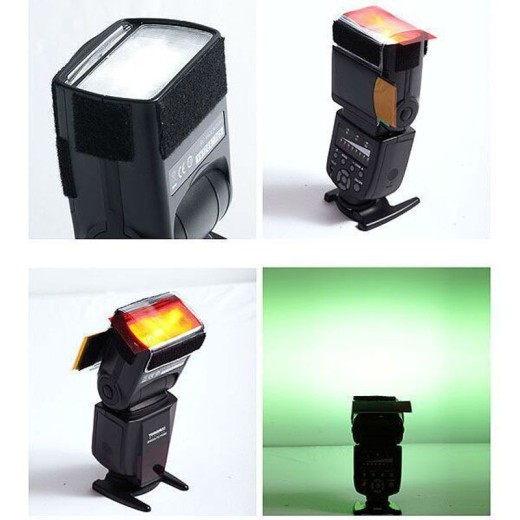
Difusor de flash con filtro de gel de color Yongnuo, caja suave, 12 juegos de colores, difusor de flash de estudio para cámara
Gift Tree
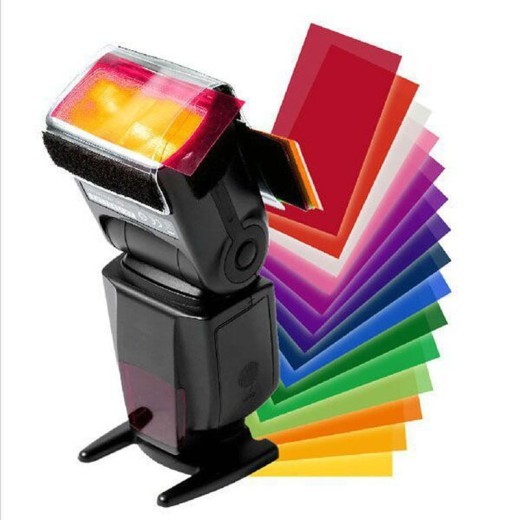
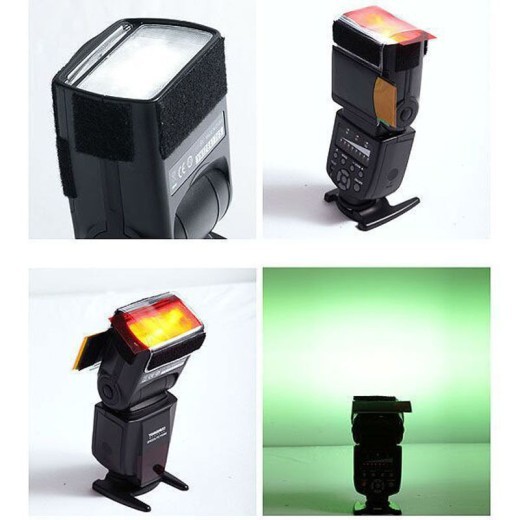
For yongnuo Color Gel Filter Flash Diffuser Soft Box 12 Sets of Colors Studio Flash Camera Diffuser
Gift Tree
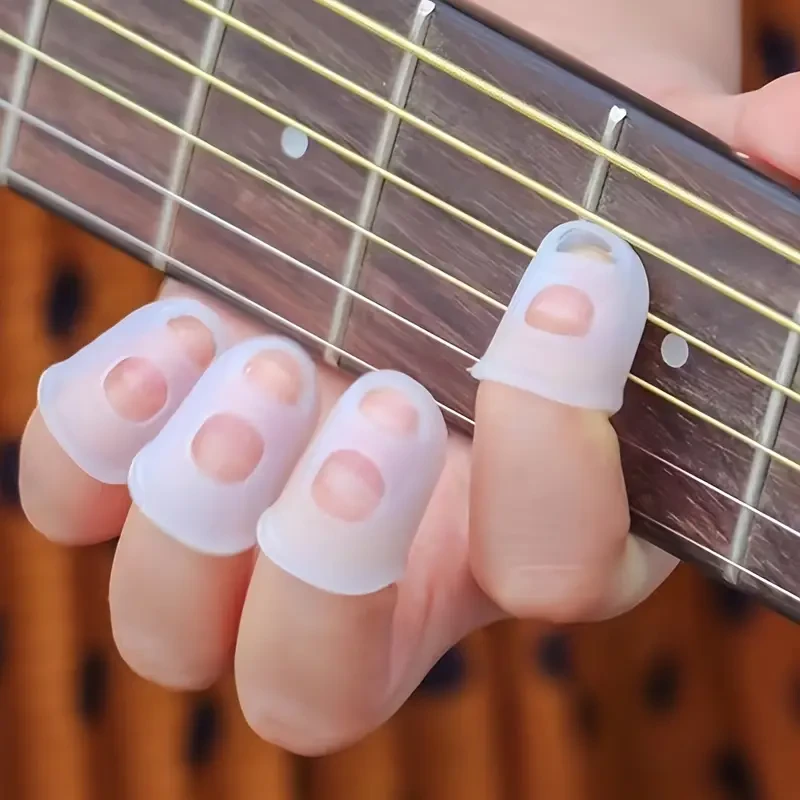
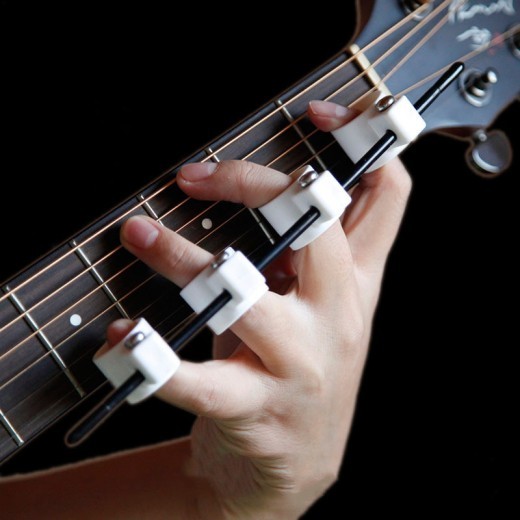
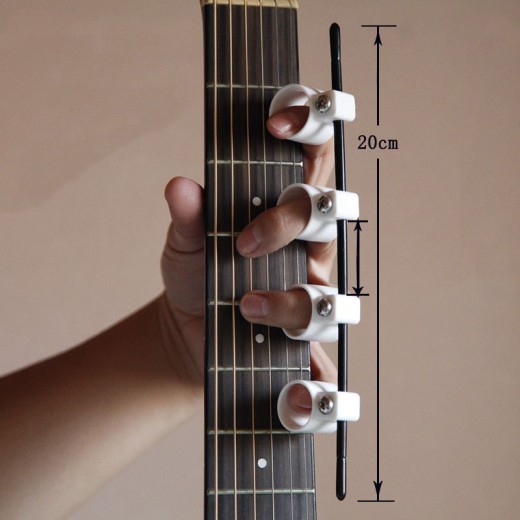
Fundas de silicona para dedos de guitarra para práctica de principiantes
Gift Tree
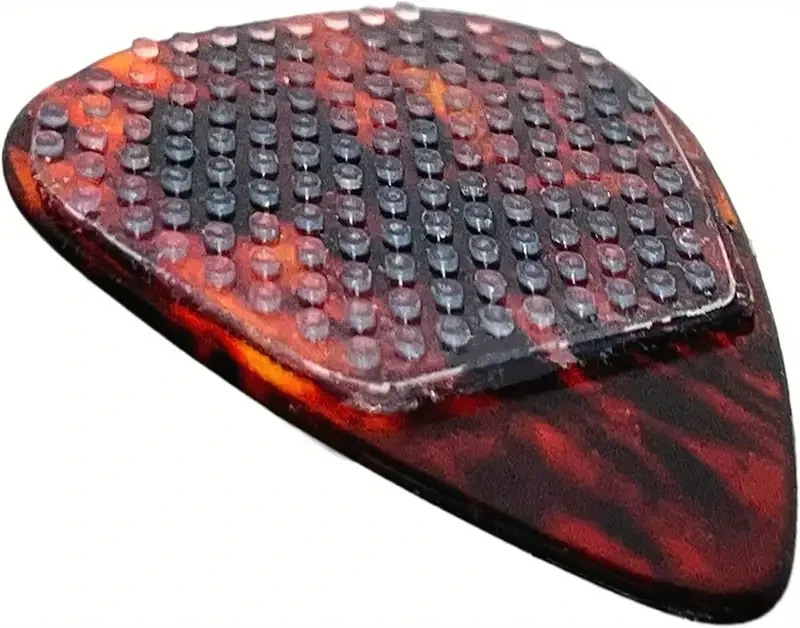
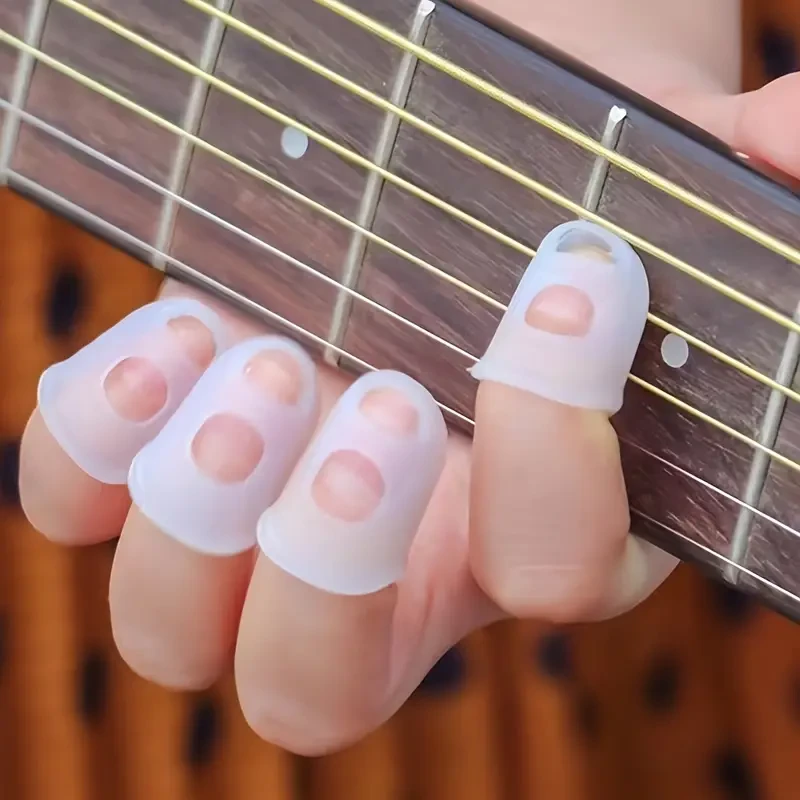
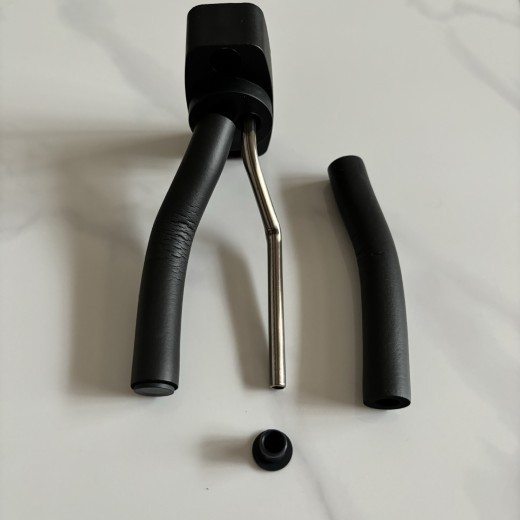
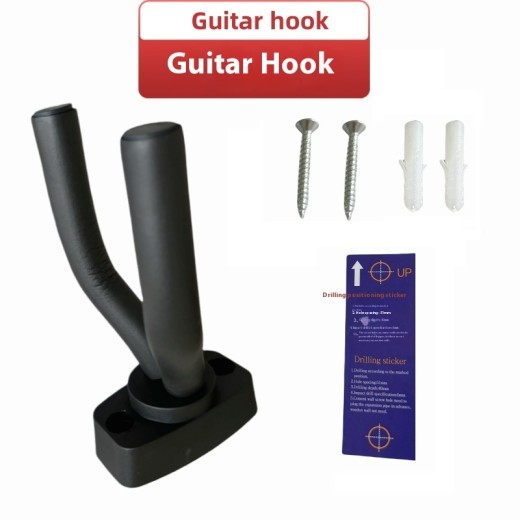
Gancho para guitarra, gancho corto para guitarra, gancho de pared para ukelele, gancho de metal para guitarra de madera, accesorios para guitarra
Gift Tree
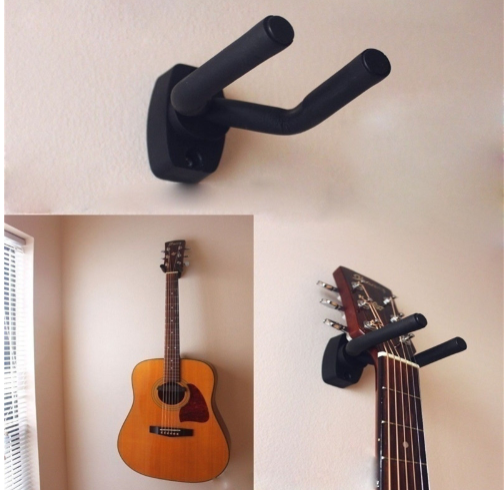
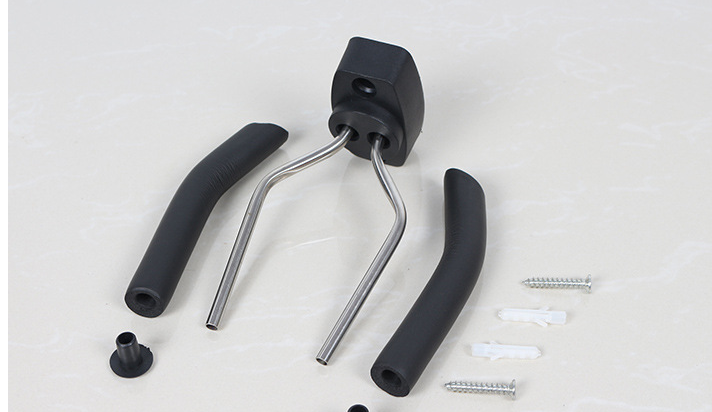
Ganchos de pared para guitarra, ganchos cortos para violín, erhu, ganchos para guitarra, ganchos para marcos colgantes, accesorios para guitarra
Gift Tree
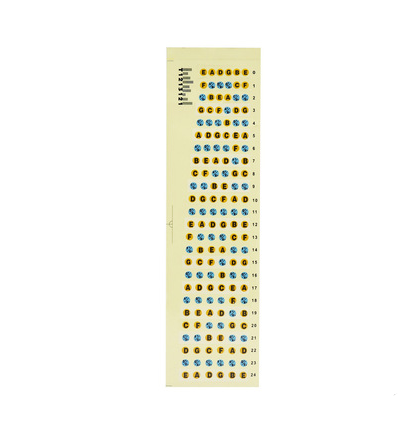
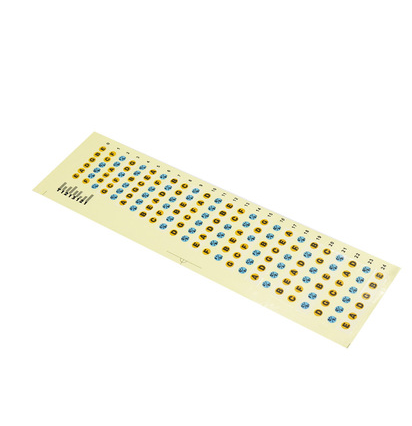
Guitar fingerboard stickers Guitar electric guitar universal fingerboard stickers Guitar accessories Fingerboard scale stickers
Gift Tree
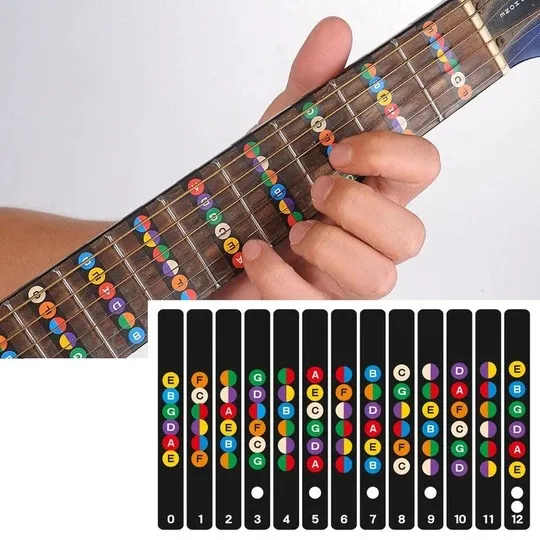
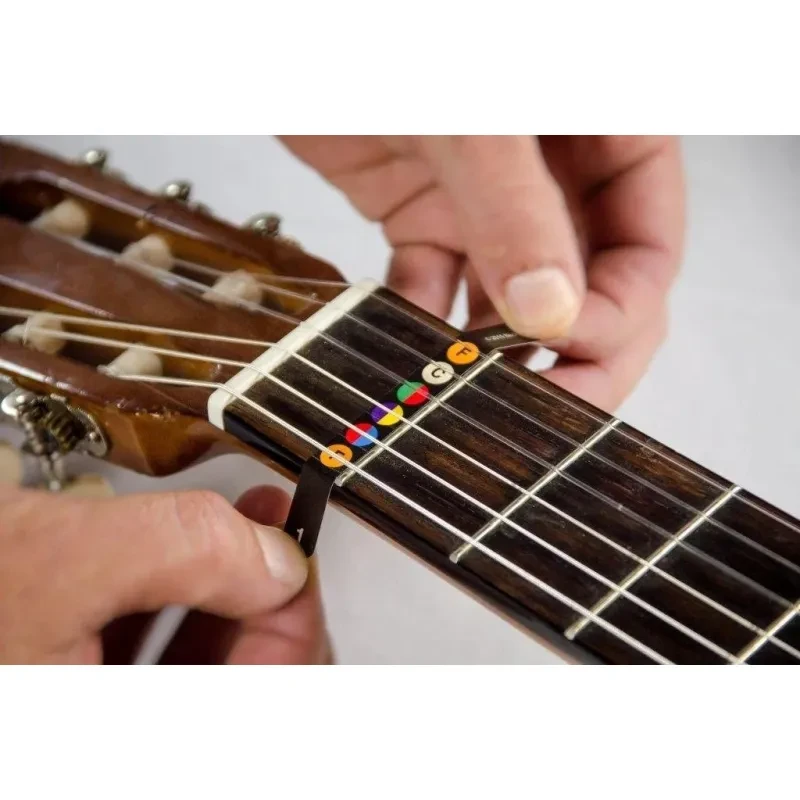
Guitar Fretboard Sticker Notes Map Labels Sticker Fingerboard Fret Decals for 6 String Acoustic-Electric Guitar
Gift Tree
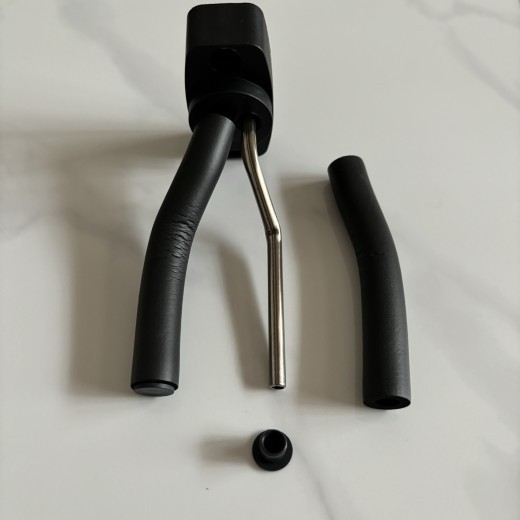
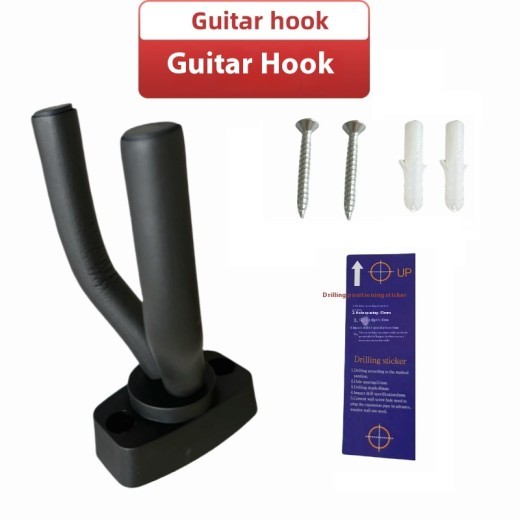
Guitar Hook Guitar Short Hook Ukulele Wall Metal Punch Hook Wooden Guitar Guitar Accessories
Gift Tree
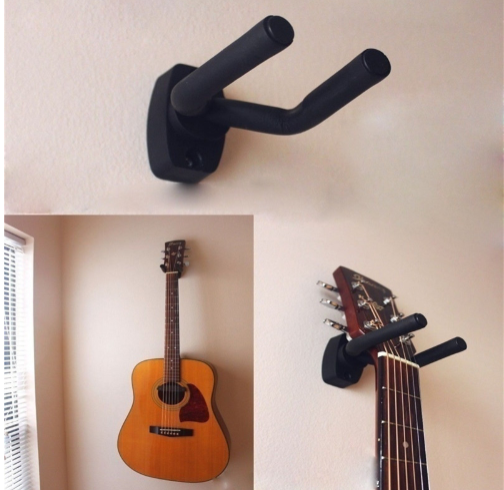
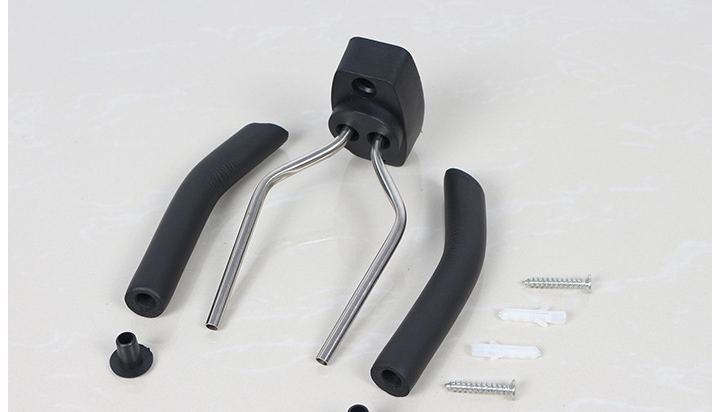
Guitar Wall Hooks Short Hooks Violin Erhu Guitar Hooks Hanging Frame Hooks Guitar Accessories
Gift Tree
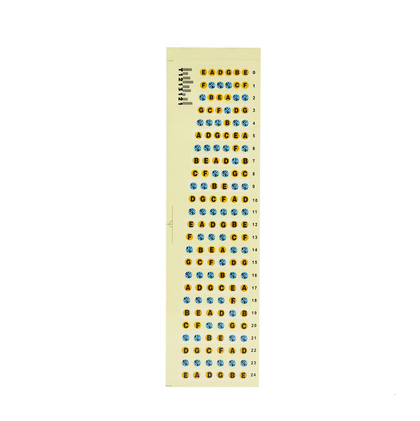
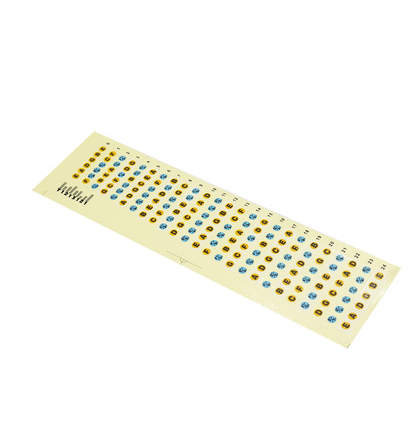
Pegatinas para diapasón de guitarra Pegatinas universales para diapasón de guitarra eléctrica Accesorios para guitarra Pegatinas de escala para diapasón
Gift Tree
Reseñas 4.8 ( 4.8 de ) Todas las reseñas son de compras verificadas Reseñas de artículos (2,033) Reseñas del proveedor (3,034) avatar Andrea cupcake en el 20 de enero de 2024 muy satisfecho con él, buen producto Ver más avatar bo***on en el 18 de febrero
Gift Tree
reviews 4.8 ( 4.8 from ) All reviews are from verified purchases Item reviews (2,033) Provider reviews (3,034) avatar Andrea cupcake in on Jan 20, 2024 very pleased with it, good product See more avatar bo***on in on Feb 18, 2024 excellent production,
Gift Tree
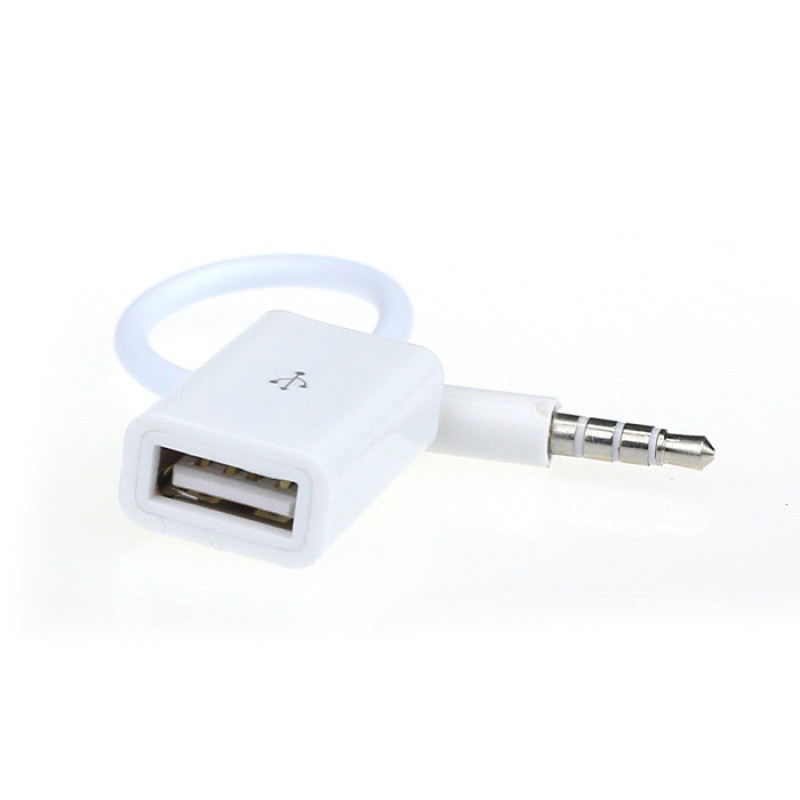
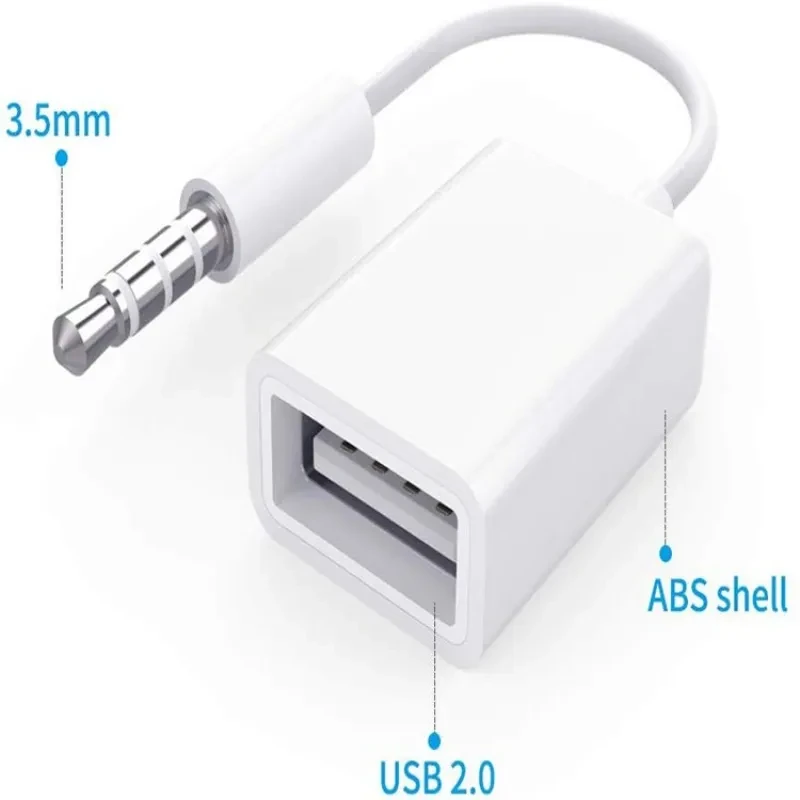
USB To 3.5MM U Disk Cable 12V Car CD Player AUX Car Audio Adapter Cable
Gift Tree
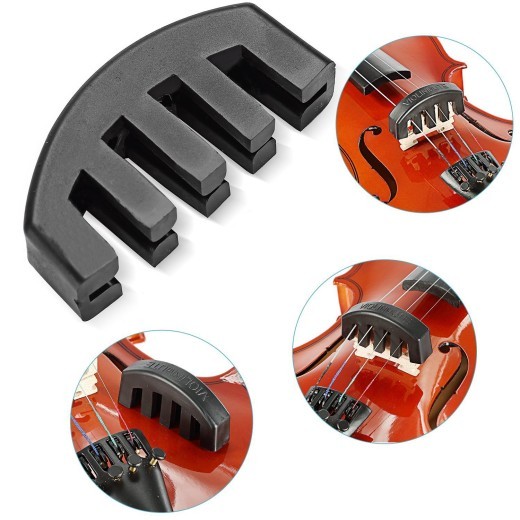
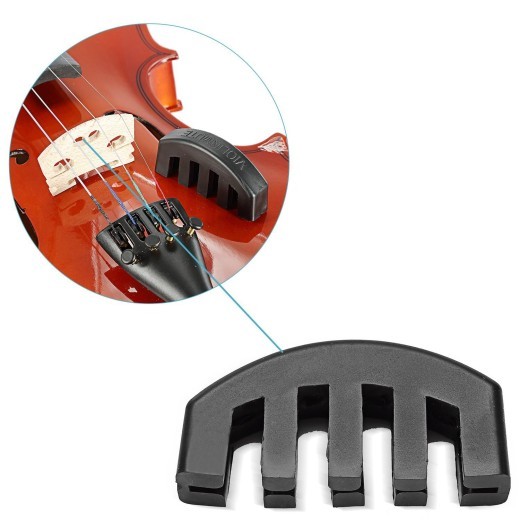
Violín Sourdine Accesorios especiales para violín Micrófono de goma
Gift Tree
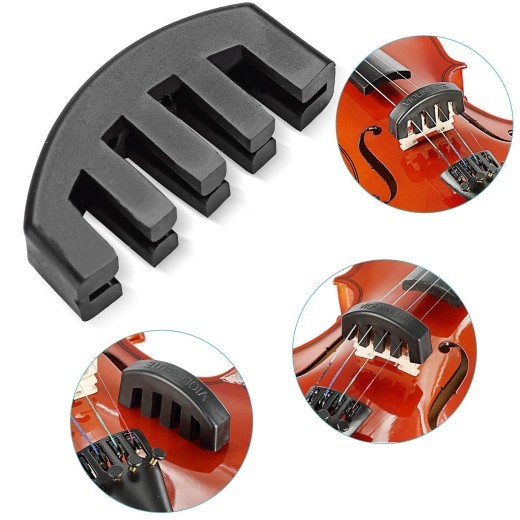
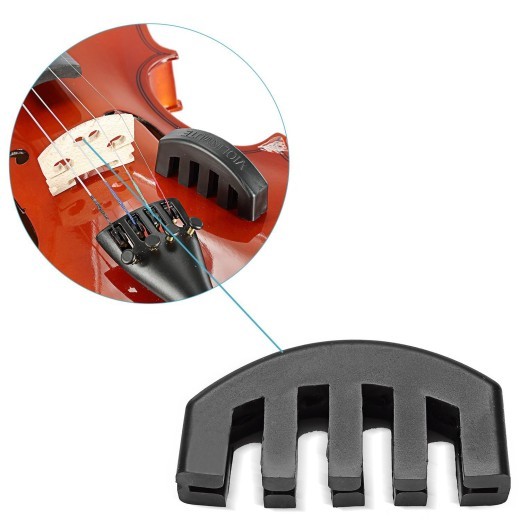
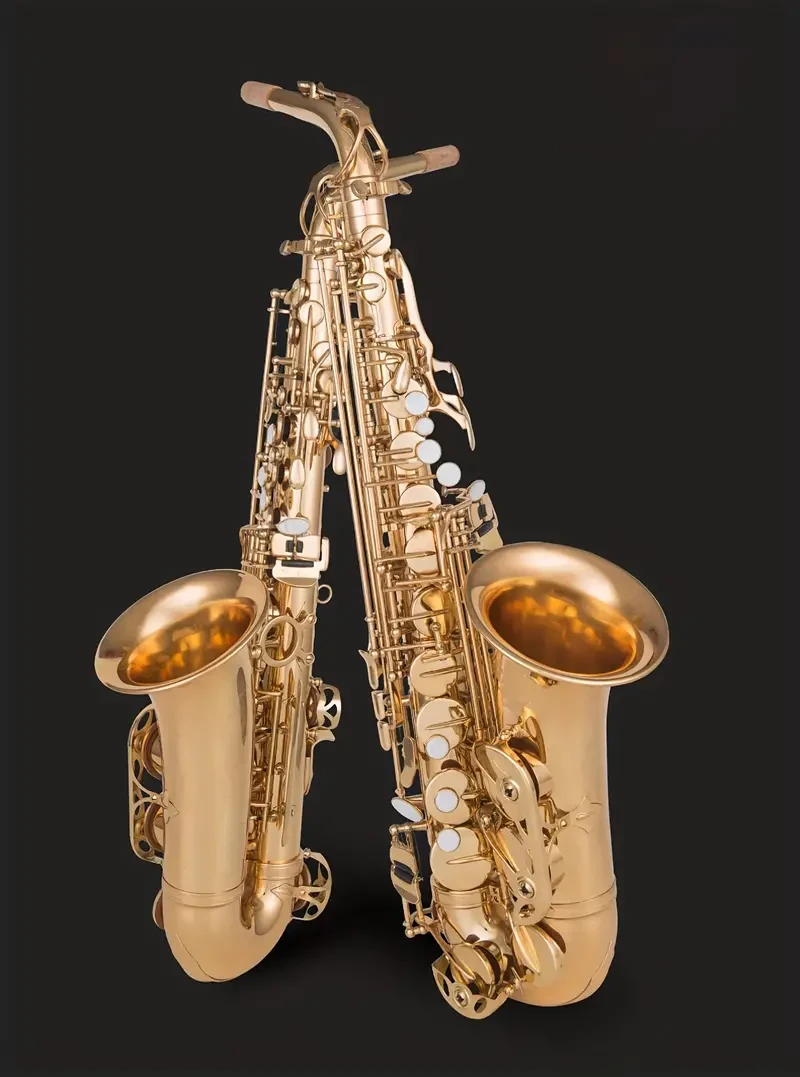
Xinmel Professional Alto Saxophone In E-Flat - Classic Brass With Polished Finish, Includes Case, Reeds & Cleaning Kit For Beginners
Gift Tree
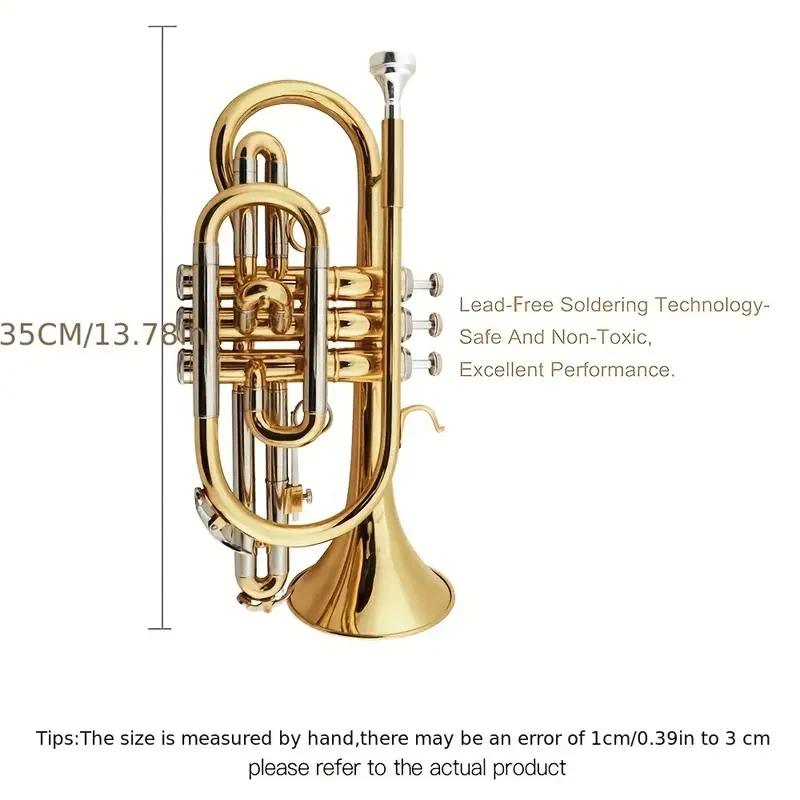
JYCO-E100G Trumpet Brass Lacquered Cornet B-flat Professional Trumpet Beginner Horn Jazz Instrument Gift Trumpet
Gift Tree
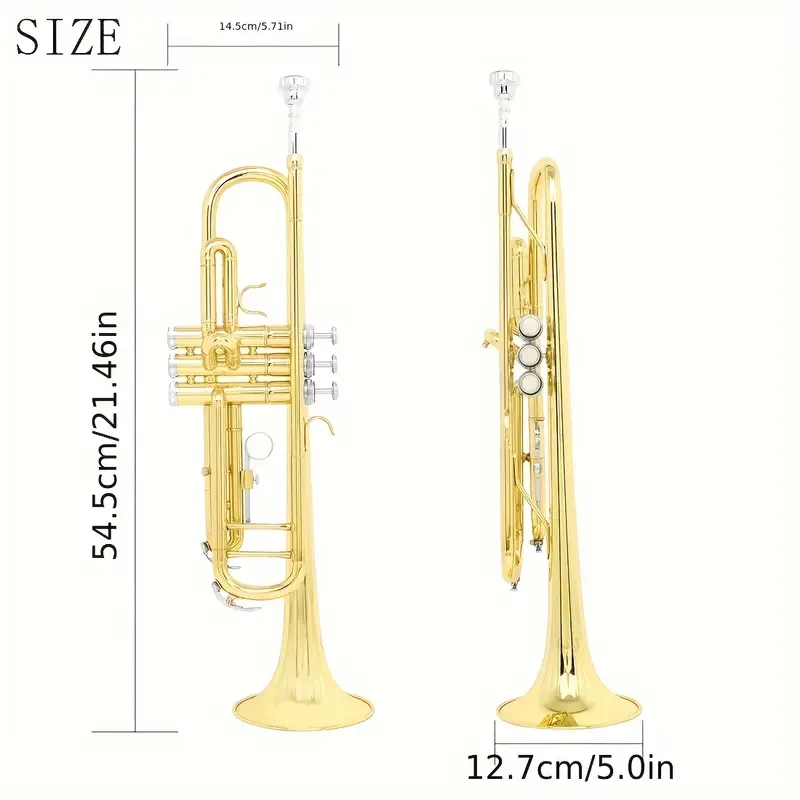
Mmbat Premium B-Flat Trumpet - Brass With Diamond Mouthpiece, Nickel-Plated Valves & Double Rod Support - Includes Case, Mouthpiece, Strap, Gloves & Cleaning Cloth
Gift Tree
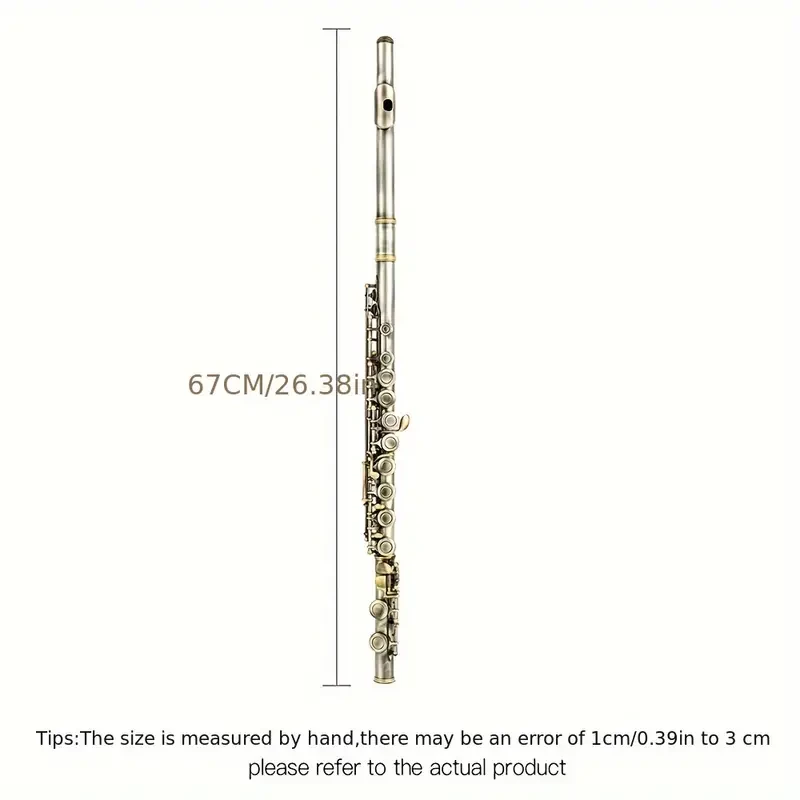
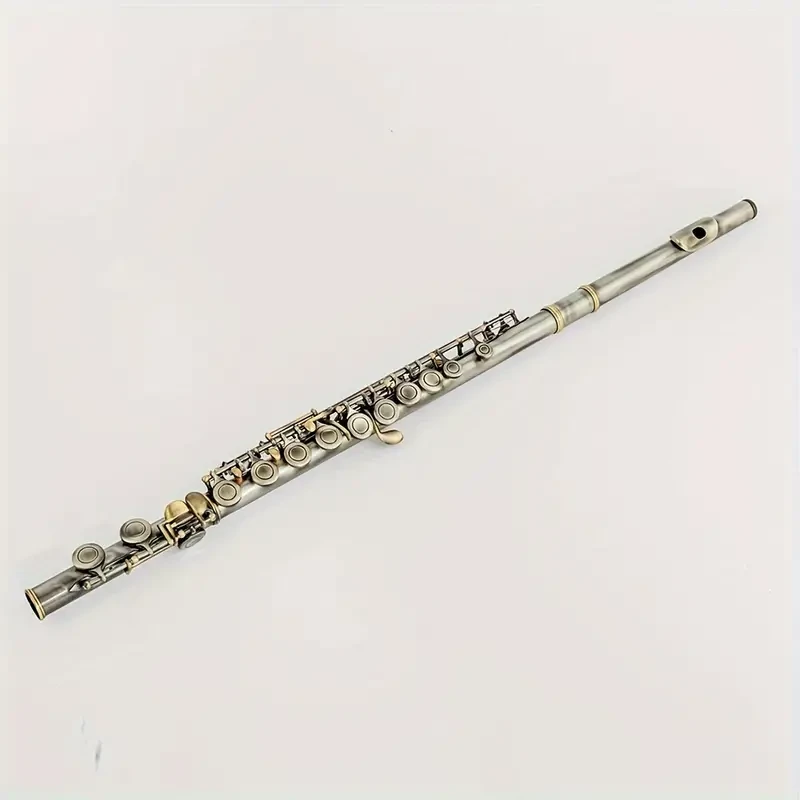
KALUOLIN Soprano C Key Flute, 16 Closed Hole, E Mechanism, Brushed Copper Surface, Professional Flute with Leather Case
Gift Tree
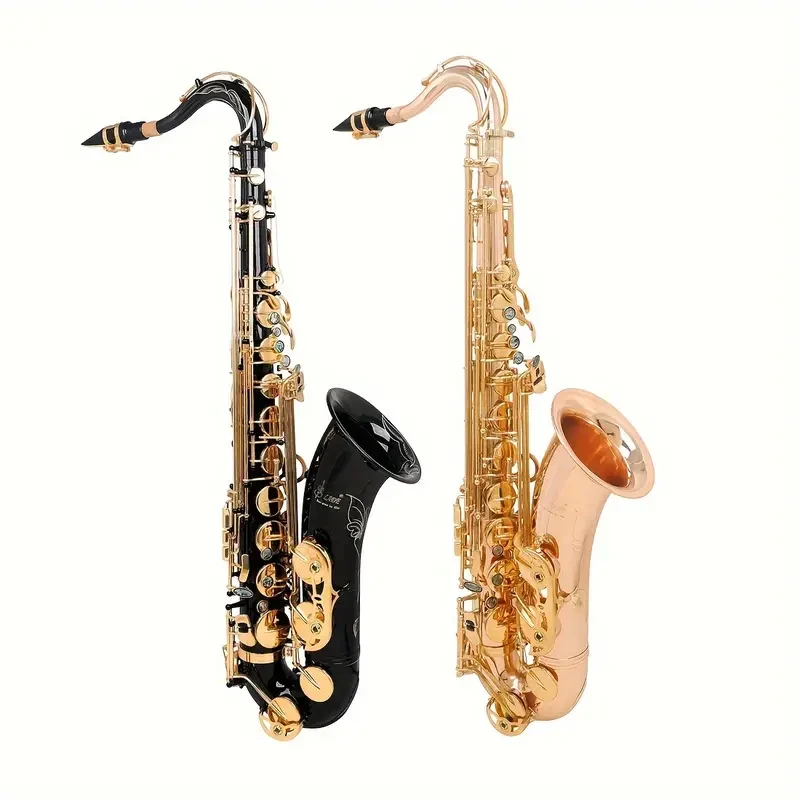
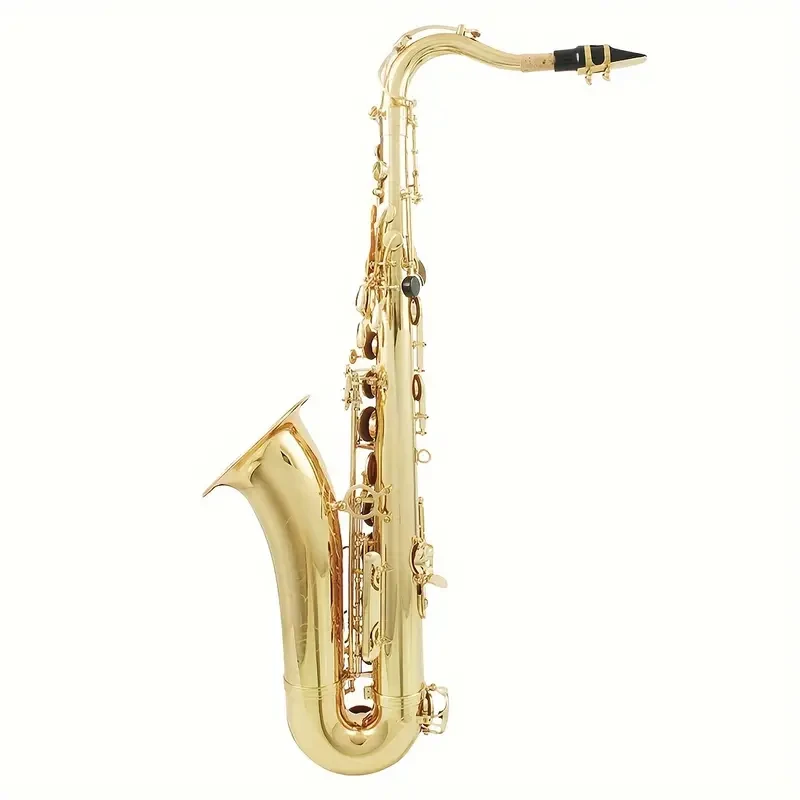
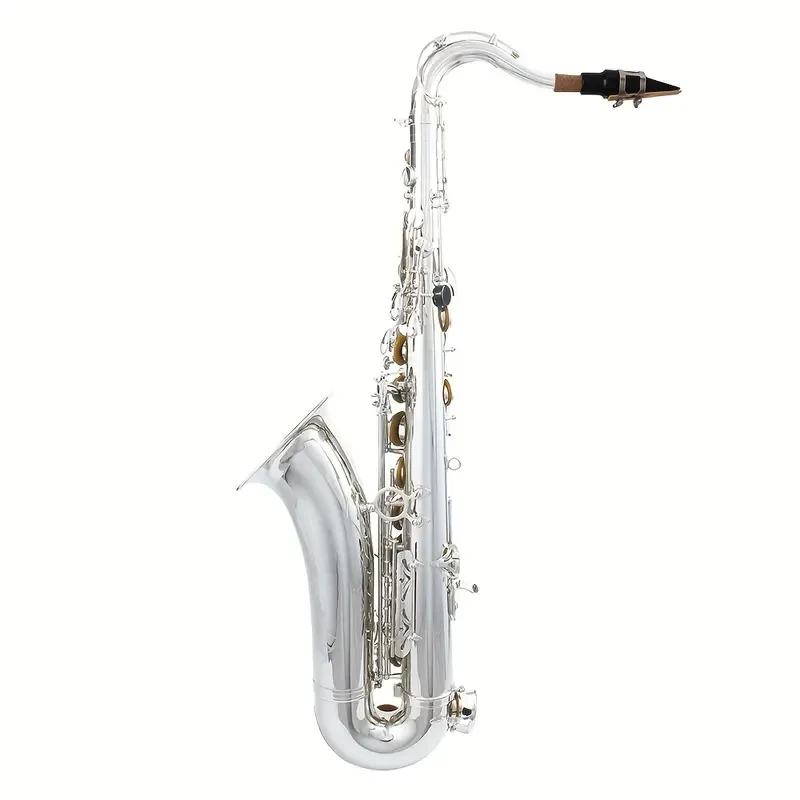
LADE Tenor Saxophone for Pros: Elegant Brass Body, Polished, Engraved White Shell Keys - Elevate Your Performance
Gift Tree
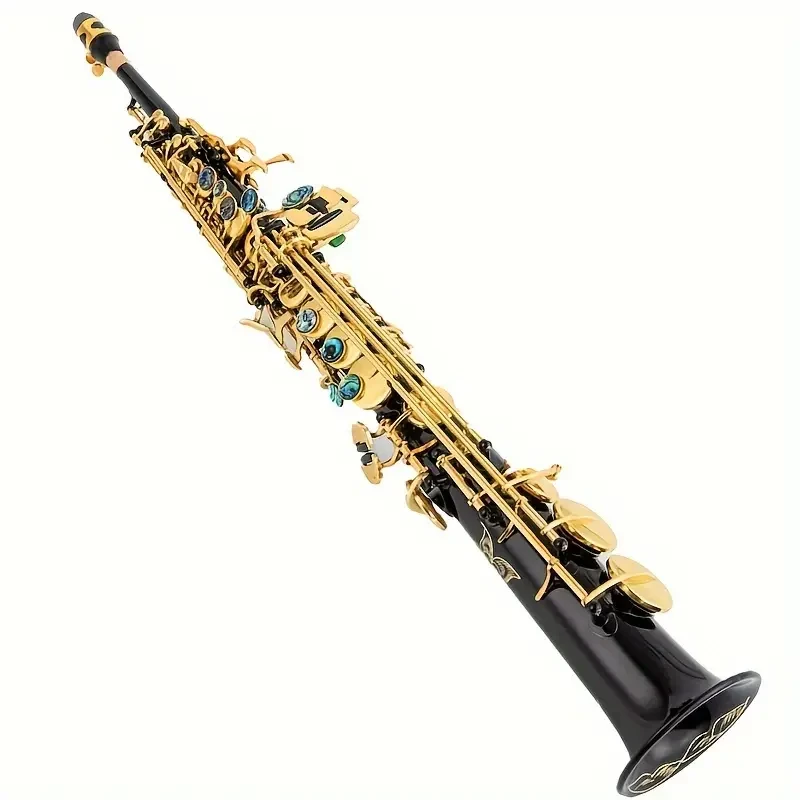
Y-82Z Bb Soprano Saxophone Straight Black Gold Key Sax Instruments For Beginners Students Intermediate Players With Carrying Case, Mouthpiece, Pads, Reed, Cleaning Kit, neck Strap, White Gloves
Gift Tree
Music is a universal language that connects people across cultures and generations. The world of musical instruments is vast and diverse, offering countless options for those eager to learn and explore the art of music. Whether you're a beginner looking to pick up your first instrument or an experienced musician seeking to broaden your musical knowledge, understanding the different types of musical instruments is an essential step in your journey.
In New Zealand, the love for music is deeply embedded in the culture, with many people embracing various types of instruments, both traditional and modern. This guide is designed to help you understand the different categories of musical instruments, their names, and how each one plays a role in creating music. From string instruments like guitars and violins to percussion instruments like drums and pianos, we will break down the types, features, and sounds of each instrument, so you can make an informed decision when choosing which one to learn or listen to.
The world of music offers a unique blend of excitement and creativity. Whether you're playing in an orchestra, jamming with a band, or simply enjoying music at home, knowing the various types of instruments enhances your appreciation and enjoyment of music. In this guide, we’ll introduce you to various categories of instruments, from the basics to the more complex, and explore their history, evolution, and usage in different musical genres.
Types of Musical Instruments
Musical instruments can be classified in many ways, but one of the most common methods is by grouping them based on how they produce sound.
The primary categories include string, wind, brass, percussion, and keyboard instruments. Each category has unique characteristics that make
it special in the world of music.
String Instruments
String instruments are among the oldest musical instruments, producing sound through vibrating strings. The pitch of the sound produced depends on the length, tension, and mass of the string. Players typically use their fingers, a bow, or a pick to make the strings vibrate.
-
Guitar: One of the most popular string instruments worldwide, the guitar has six strings and is played by strumming or
plucking. Acoustic, electric, and classical guitars offer various styles of play.
-
Violin: The violin is a string instrument that uses a bow to create sound. It’s an essential part of orchestras and is also
popular in folk music. It has four strings and is known for its rich, expressive sound.
-
Cello: Larger than the violin, the cello has a deep, resonant tone and is played while sitting down, with the instrument
placed between the knees.
-
Piano: Though technically a percussion instrument, the piano is often classified as a string instrument due to its strings
being struck by hammers when the keys are pressed. It plays a crucial role in many music genres, from classical to jazz.
Wind Instruments
Wind instruments are those that produce sound through the vibration of air, either by blowing through a mouthpiece or by the player’s breath. These instruments can be made from wood or metal and include many well-known instruments used in orchestras and bands.
-
Flute: The flute is a woodwind instrument that produces sound when air is blown across a hole in the instrument. It is used
in a variety of music genres, from classical to contemporary.
-
Clarinet: Similar to the flute but with a reed mouthpiece, the clarinet is known for its rich, warm tone and is used in
both orchestral and jazz music.
-
Saxophone: Made of brass but classified as a woodwind, the saxophone is an iconic instrument in jazz, known for its
powerful, expressive sound.
-
Oboe: A woodwind instrument with a double reed, the oboe produces a distinctive, piercing tone, and is often used in
orchestral music.
-
Trumpet: A brass wind instrument, the trumpet is known for its sharp, bright sound and is a staple in orchestras, jazz
bands, and marching bands.
Percussion Instruments
Percussion instruments produce sound when struck, shaken, or scraped. They are one of the oldest types of musical instruments, playing a vital role in creating rhythm and texture in music.
-
Drums: Drums are the most common percussion instruments. They come in various sizes and styles, including snare drums, bass
drums, and toms. Drummers use sticks or hands to strike the drumhead to produce sound.
-
Xylophone: The xylophone consists of wooden bars that are struck with mallets to produce a melodic sound. It’s commonly
used in orchestras and educational settings.
-
Tambourine: A small, handheld percussion instrument that combines a drumhead with metal jingles. It’s often used in folk,
rock, and classical music to add texture.
-
Cymbals: Cymbals are large, round metal plates that are struck together to create a loud, crashing sound. They are often
used in drum kits or orchestral music.
-
Marimba: Similar to the xylophone but larger, the marimba produces a rich, resonant tone and is often used in orchestras
and ensembles.
Brass Instruments
Brass instruments are made from metal and produce sound through the vibration of air in a player’s mouth. These instruments have a bold, powerful sound and are typically used in orchestras, military bands, and jazz.
-
Tuba: The tuba is the largest and lowest-pitched brass instrument, providing the bass foundation in brass ensembles and
orchestras.
- French Horn: Known for its mellow, rich sound, the French horn is a staple in orchestras and brass bands.
-
Trombone: The trombone has a slide that allows the player to change pitch smoothly. It is used in jazz, orchestral, and
brass band music.
-
Cornet: Similar to the trumpet but with a more compact and mellow tone, the cornet is used in brass bands and orchestras.
- Euphonium: This brass instrument has a deep, warm sound and is often used in brass bands.
Keyboard Instruments
Keyboard instruments are played by pressing keys, which activate hammers or electronic circuits to produce sound. These instruments are versatile and can play both melody and harmony.
-
Piano: The piano is arguably the most famous keyboard instrument, with 88 keys that allow for the performance of a wide
range of music. It is used in virtually every music genre, including classical, jazz, pop, and rock.
-
Organ: The organ produces sound by forcing air through pipes and is typically used in classical and church music.
-
Electric Keyboard: The electric keyboard is a more portable version of the piano, offering a variety of sounds and effects.
It is commonly used in pop, rock, and electronic music.
-
Harpsichord: An early keyboard instrument that produces sound by plucking strings, the harpsichord is mostly used in
Baroque music.
How to Choose the Right Musical Instrument
Choosing the right musical instrument depends on various factors, including your interests, musical goals, and physical comfort. Here are
some factors to consider when deciding which instrument to learn:
1. Consider Your Musical Interests
Think about the type of music you enjoy listening to the most. If you love rock and pop, a guitar or keyboard might be a great choice. If you enjoy orchestral or classical music, consider instruments like the violin or piano. Your musical preferences can guide you towards an instrument that resonates with you.
2. Physical Comfort and Ease of Learning
Some instruments require more physical effort or may be harder to learn than others. For instance, string instruments like the violin or cello may take some time to master, whereas keyboard instruments like the piano offer immediate visual cues for beginners. Consider your physical comfort when choosing an instrument, and pick one that suits your body size and dexterity.
3. Sound and Versatility
Some instruments are more versatile than others, allowing you to explore various musical genres and styles. The piano, for example, is incredibly versatile and can be used in almost every genre, while instruments like the flute or saxophone are more specialized for specific musical genres.
4. Space and Portability
The space available to practice and store your instrument is another factor to consider. Large instruments like the piano, double bass, or drum kit require more space, while smaller instruments like the violin, flute, or guitar are more portable and easier to store.
5. Budget
Different instruments come at varying price points. Some, like the guitar or keyboard, may be more affordable for beginners, while others, such as the violin or trumpet, can be more expensive. Consider your budget when selecting an instrument and look for affordable yet high-quality options.
Why Musical Instruments Matter in New Zealand
New Zealand is known for its rich cultural history, and music is deeply embedded in its traditions. Whether you're involved in local Māori
music, rock, jazz, or orchestral performances, musical instruments are essential tools that help bring music to life. By learning about
different types of instruments, you can appreciate the diverse range of sounds and styles in New Zealand’s music scene.
Additionally, understanding how various instruments contribute to different genres enhances your overall music appreciation. Many Kiwis are drawn to exploring both traditional and modern instruments, making it important to have knowledge of these instruments’ origins, characteristics, and uses in various musical genres.
Enter your content here


.jpg)








.jpg)


.jpeg)



.jpeg)

.jpeg)







.jpeg)

.jpeg)

.jpeg)

.jpeg)

.jpeg)



.jpeg)
.jpg)
.jpeg)





.jpeg)
.jpeg)


.jpeg)





.jpeg)

.jpeg)

.jpeg)

.jpeg)

.jpeg)





.jpeg)
.jpeg)
.jpeg)


.jpeg)

.jpeg)




.jpg)
.jpeg)






.jpg)

ulva-Logo.jpg)




.jpeg)



.png)














.png)