
How To Know Different Type Of Musical Instrument With Names-A Comprehensive Guide for Music Enthusiasts in New Zealand
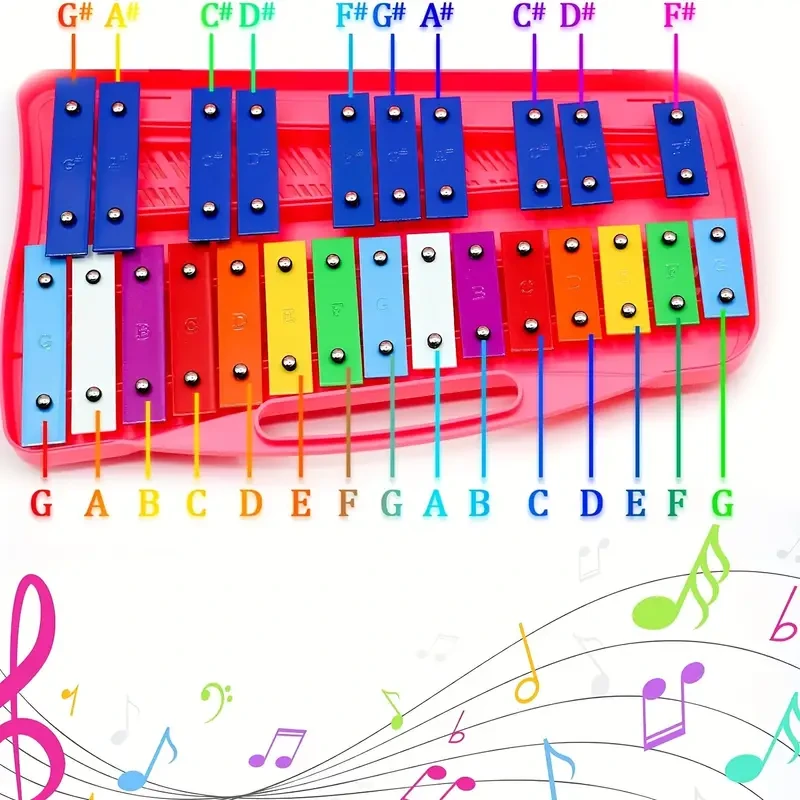
Xilófono Eavnbaek de 25 notas: Glockenspiel de amplio rango para un sonido rico, instrumento de percusión profesional con estuche rígido resistente y baquetas blandas, ideal para estudiantes principiantes, enseñanza musical y regalos únicos.
Gift Tree
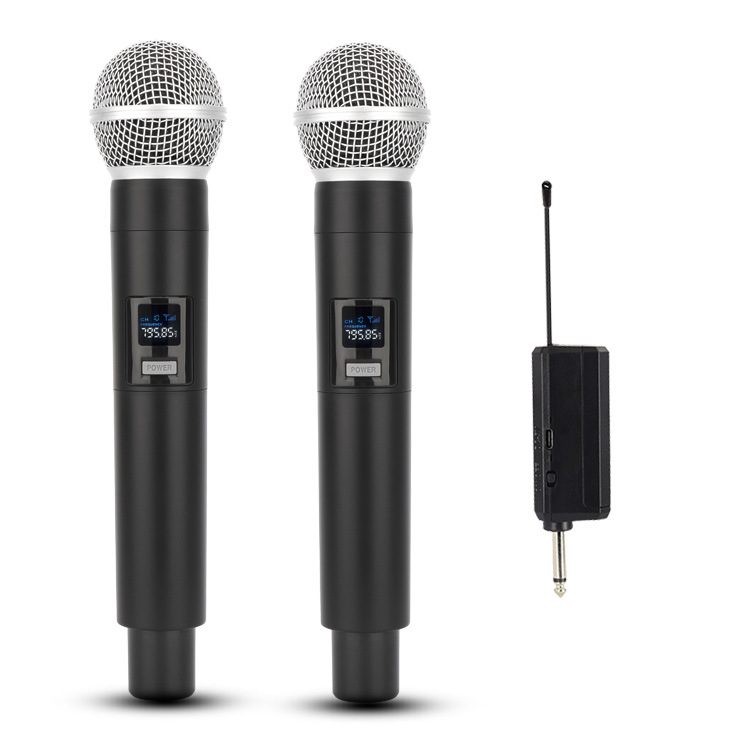
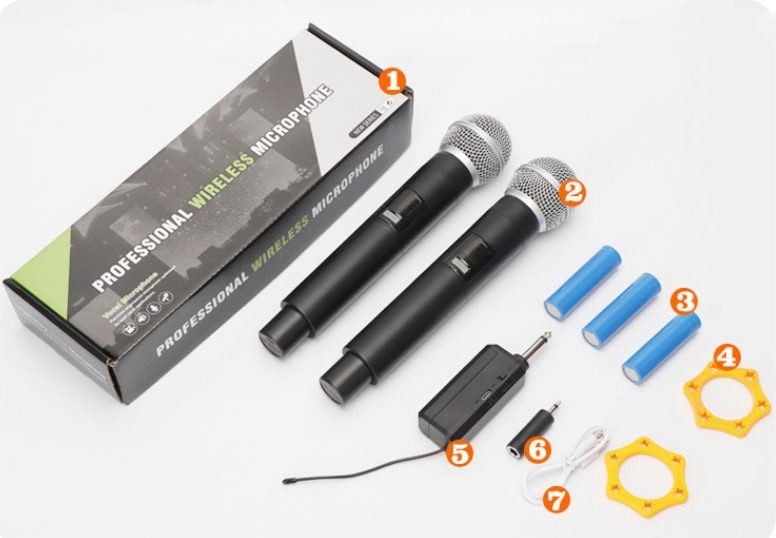
Micrófonos inalámbricos x 2 Receptor recargable y batería, Alcance de 100 pies Karaoke
Gift Tree
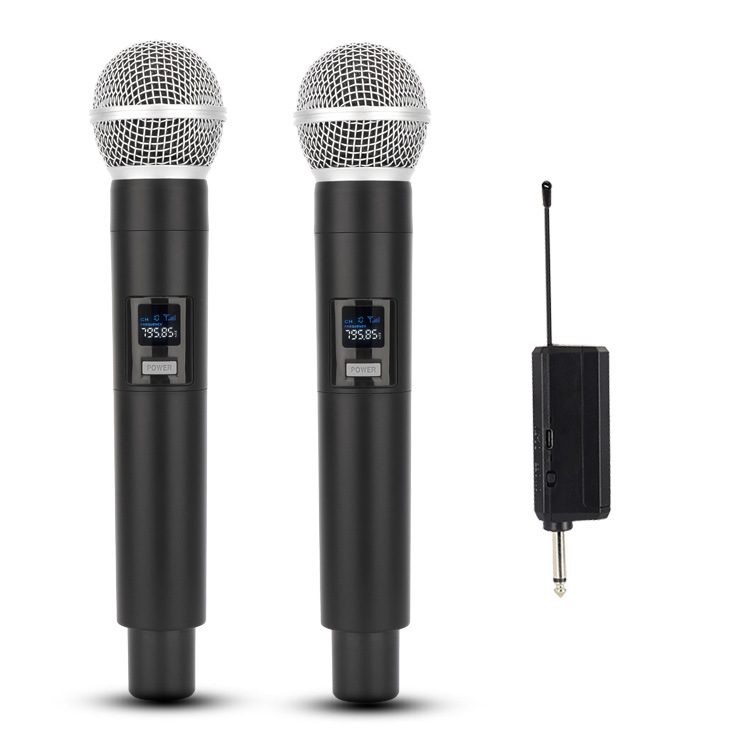
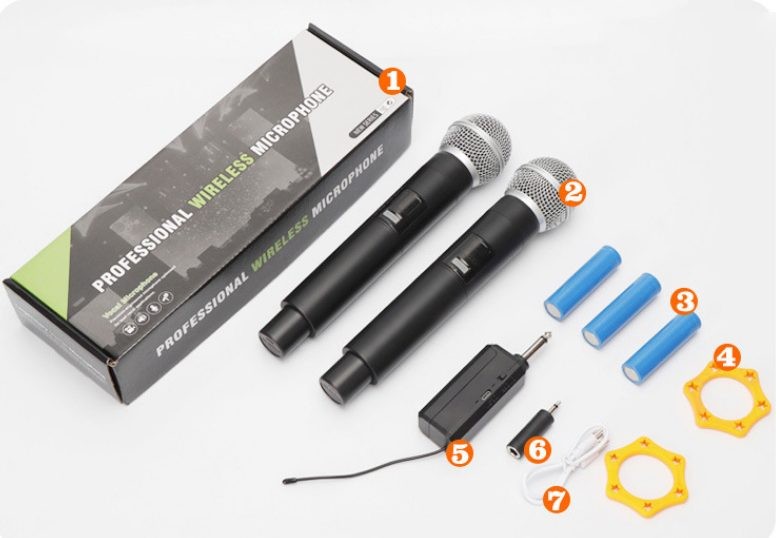
Wireless Microphones x 2 Rechargeable Receiver and Battery, 100 ft Range Karaoke
Gift Tree
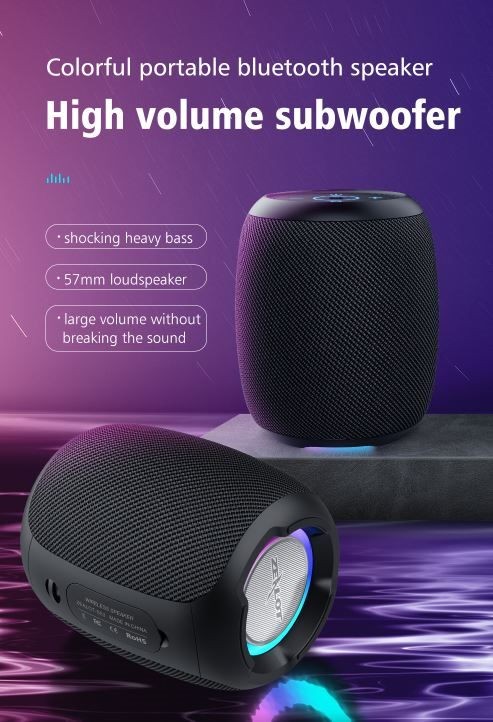

Bluetooth speaker, Zealot S53, 24 hours playing time, 20w super loud sound.
Gift Tree
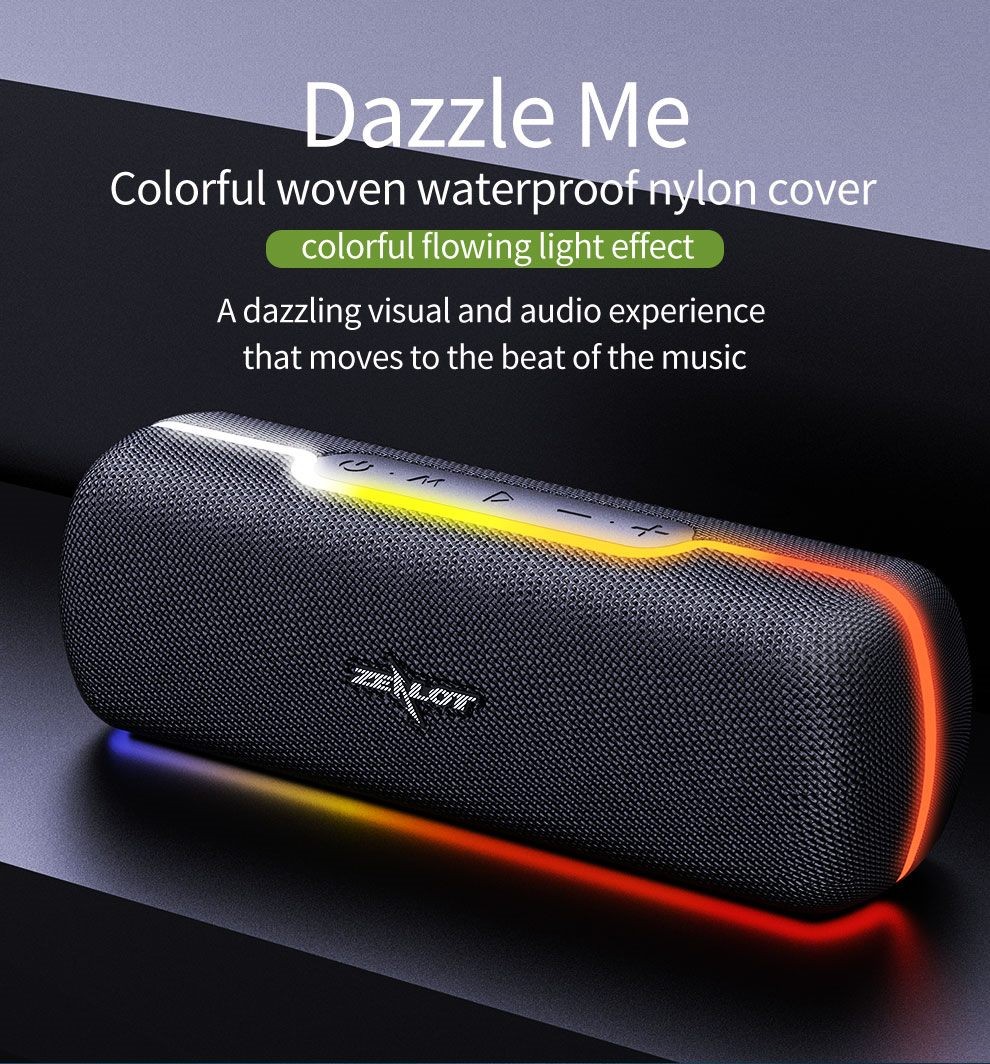
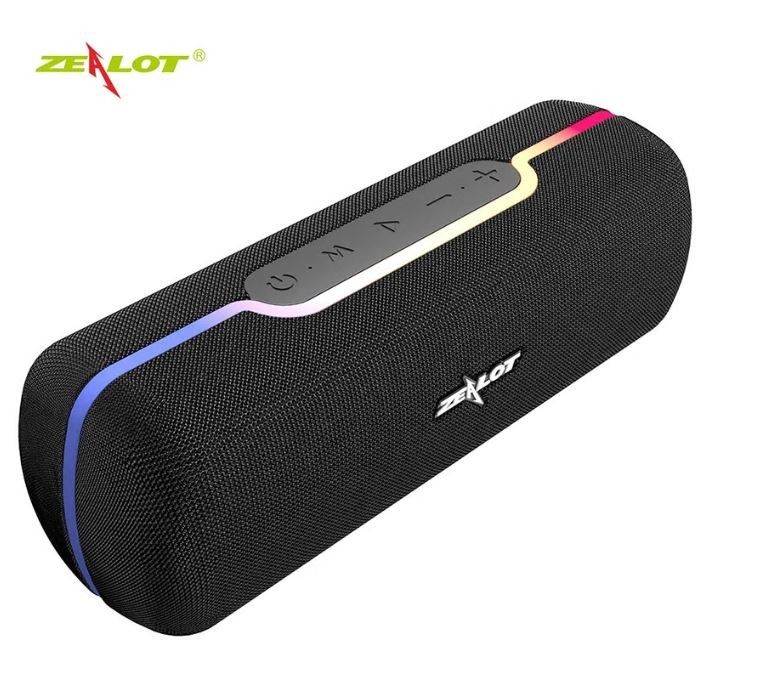
Altavoz Bluetooth Zealot S55, sonido HiFi, 8 horas de reproducción, altavoz de alta calidad.
Gift Tree
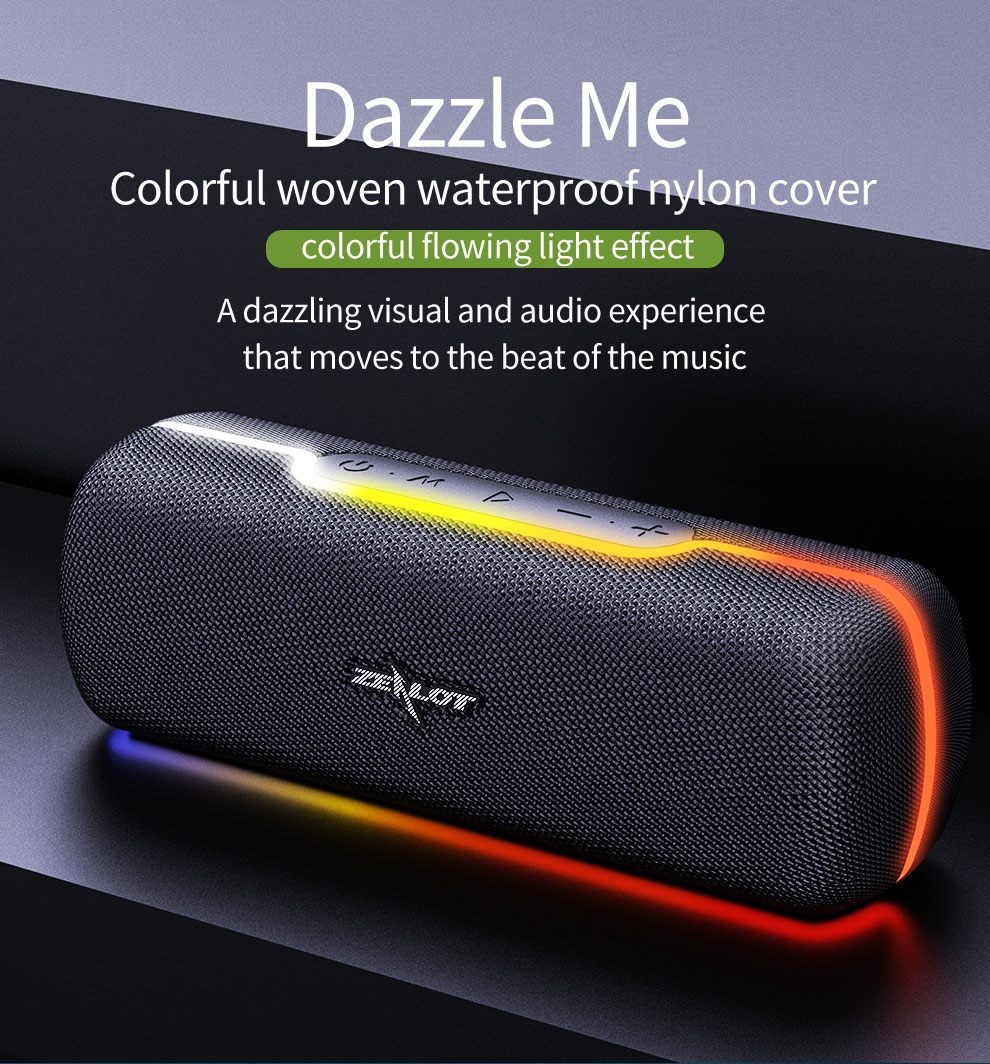

Bluetooth speaker, Zealot S55, HiFi Sound,8 hours Playtime, High Quality Speaker
Gift Tree

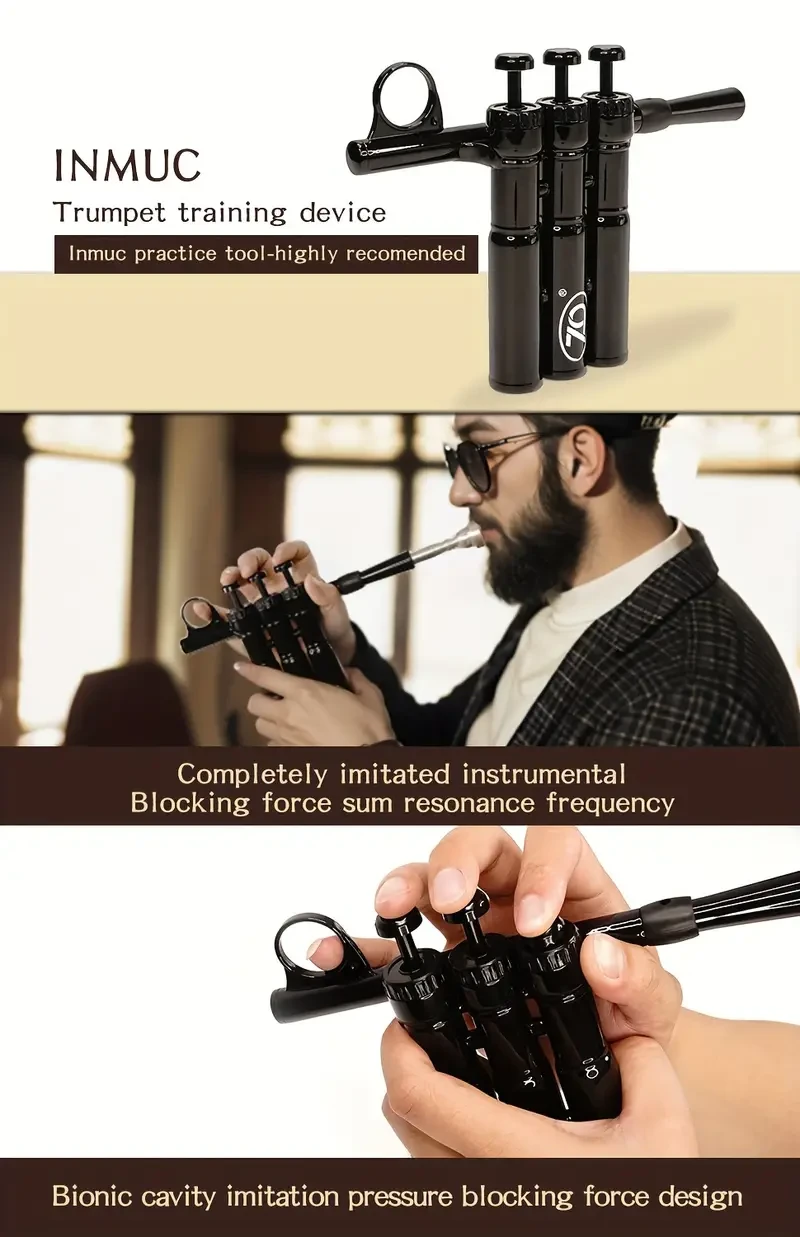
Dispositivo de entrenamiento de trompeta en Sib Inmuc TruTra Standard: ayuda práctica mejorada para estudiantes principiantes: herramienta perfecta para el desarrollo del sonido de músicos noveles
Gift Tree
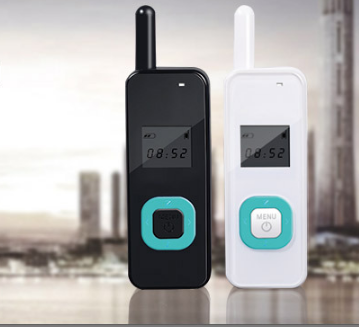
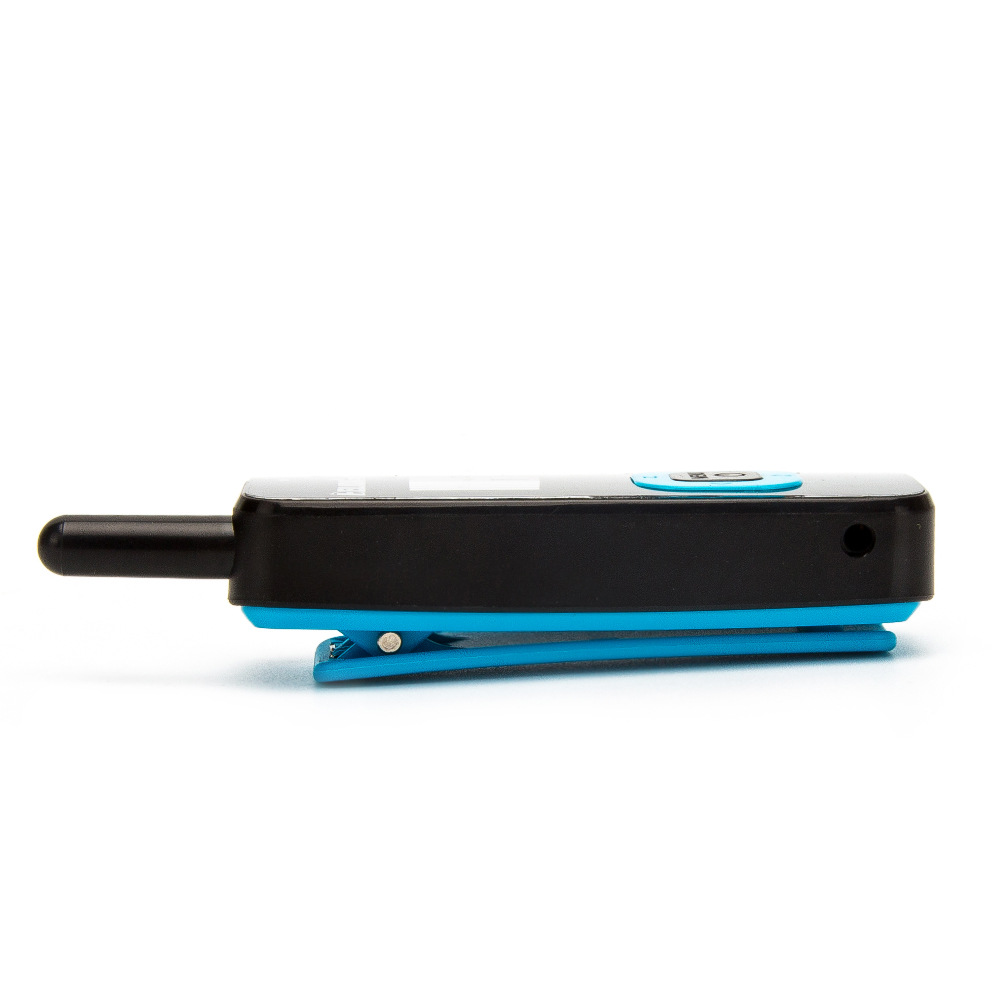
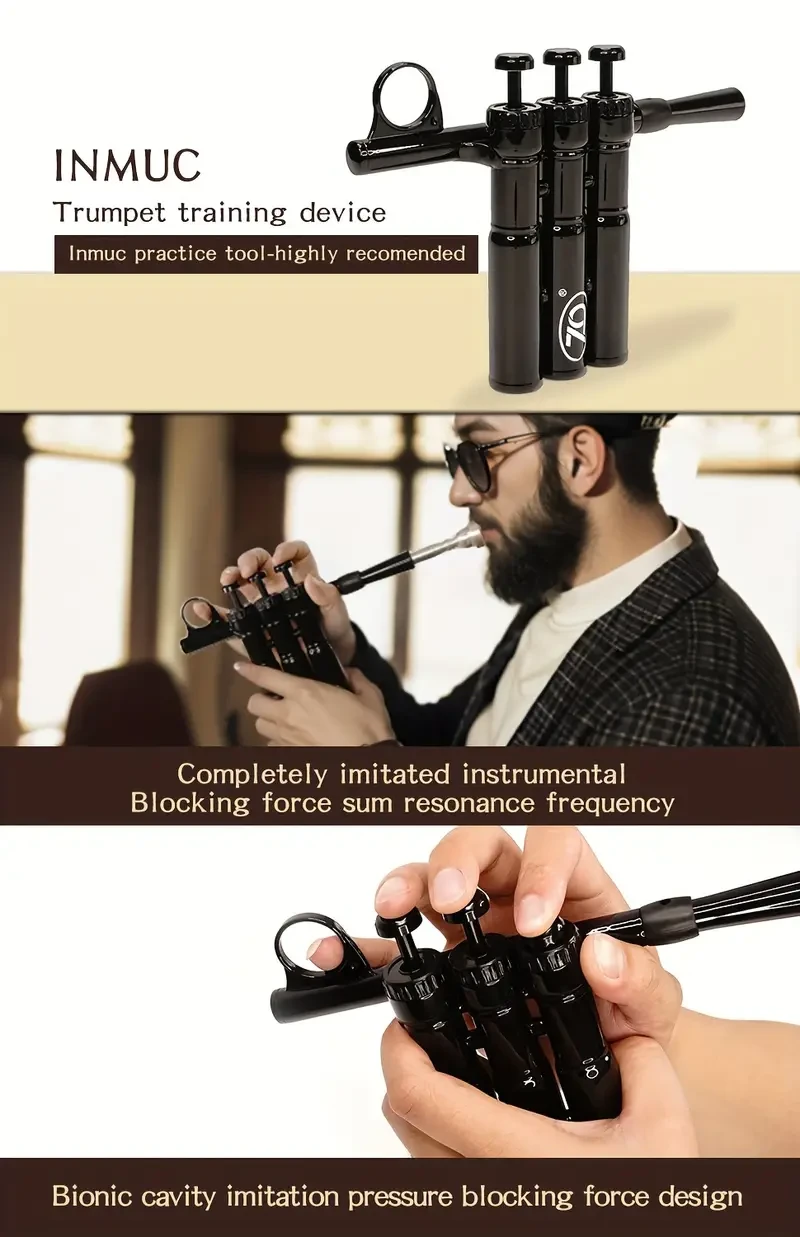
Inmuc TruTra Standard Bb Trumpet Training Device - Enhanced Practice Aid for Student Beginners - Perfect Sound Development Tool for Novice Musicians
Gift Tree

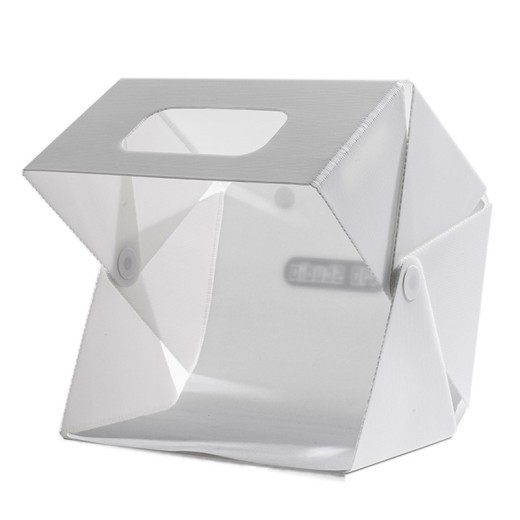
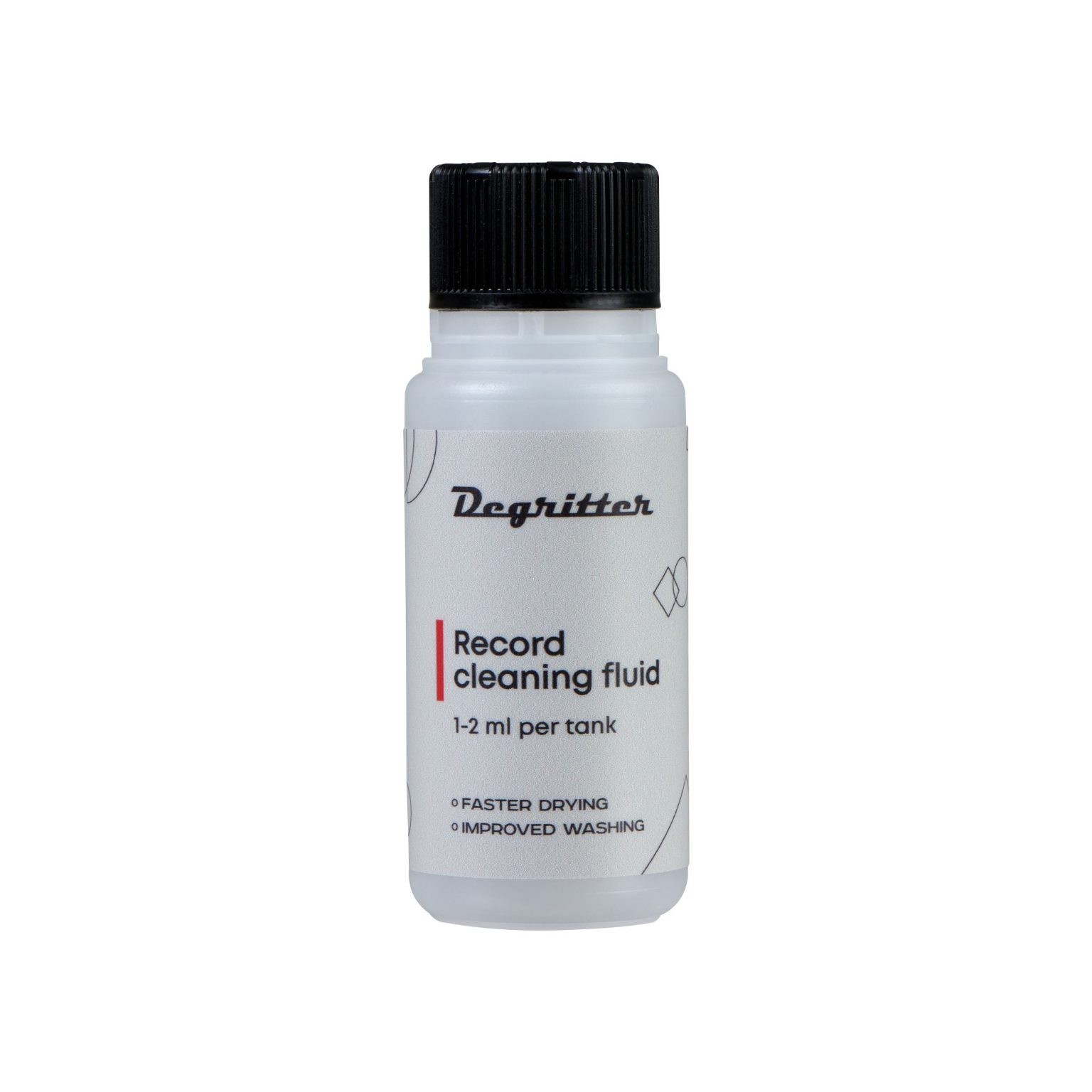

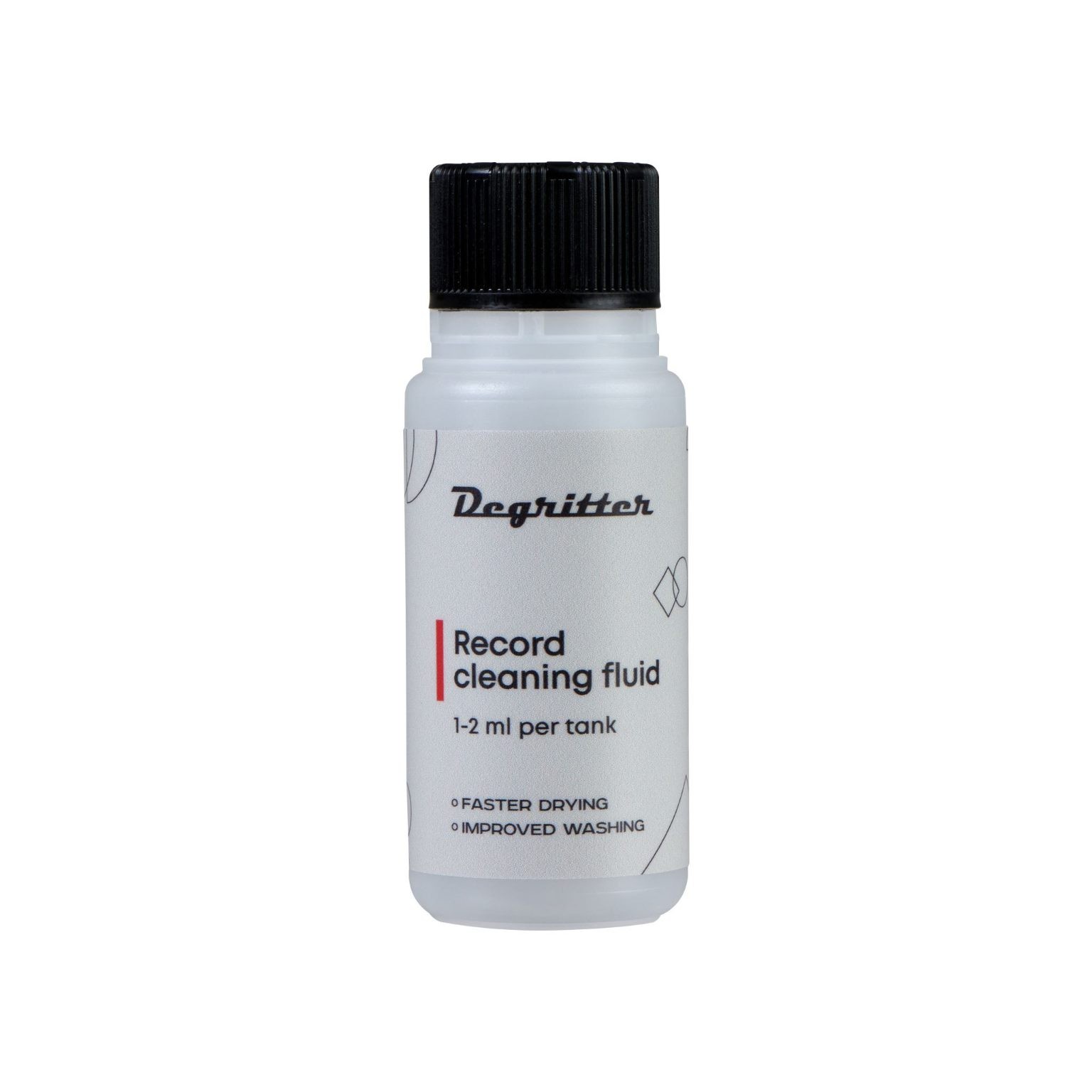

Líquido limpiador DEGRITTER 100 ml Precio de lista $58 *Audio de referencia
Gift Tree
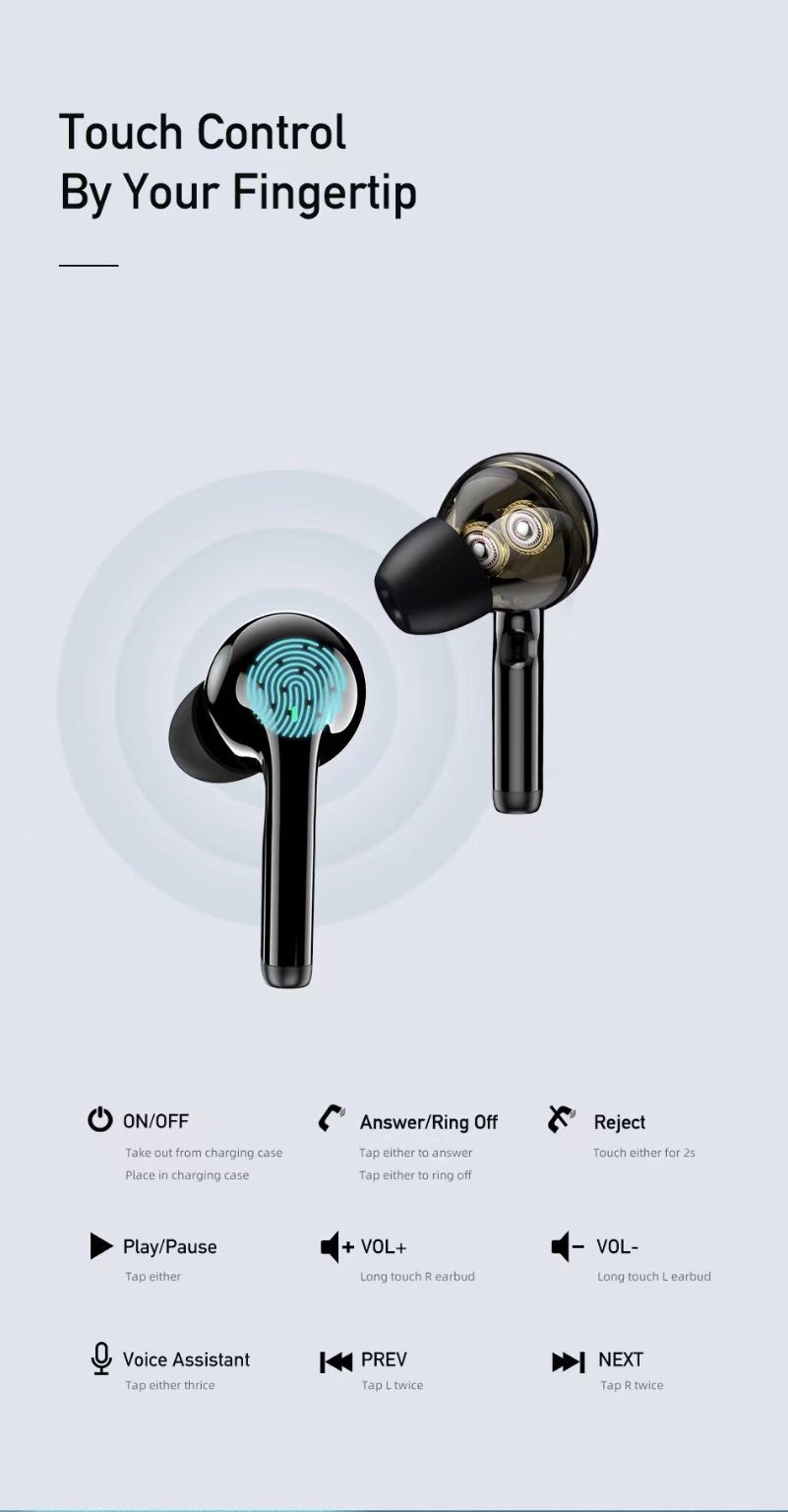
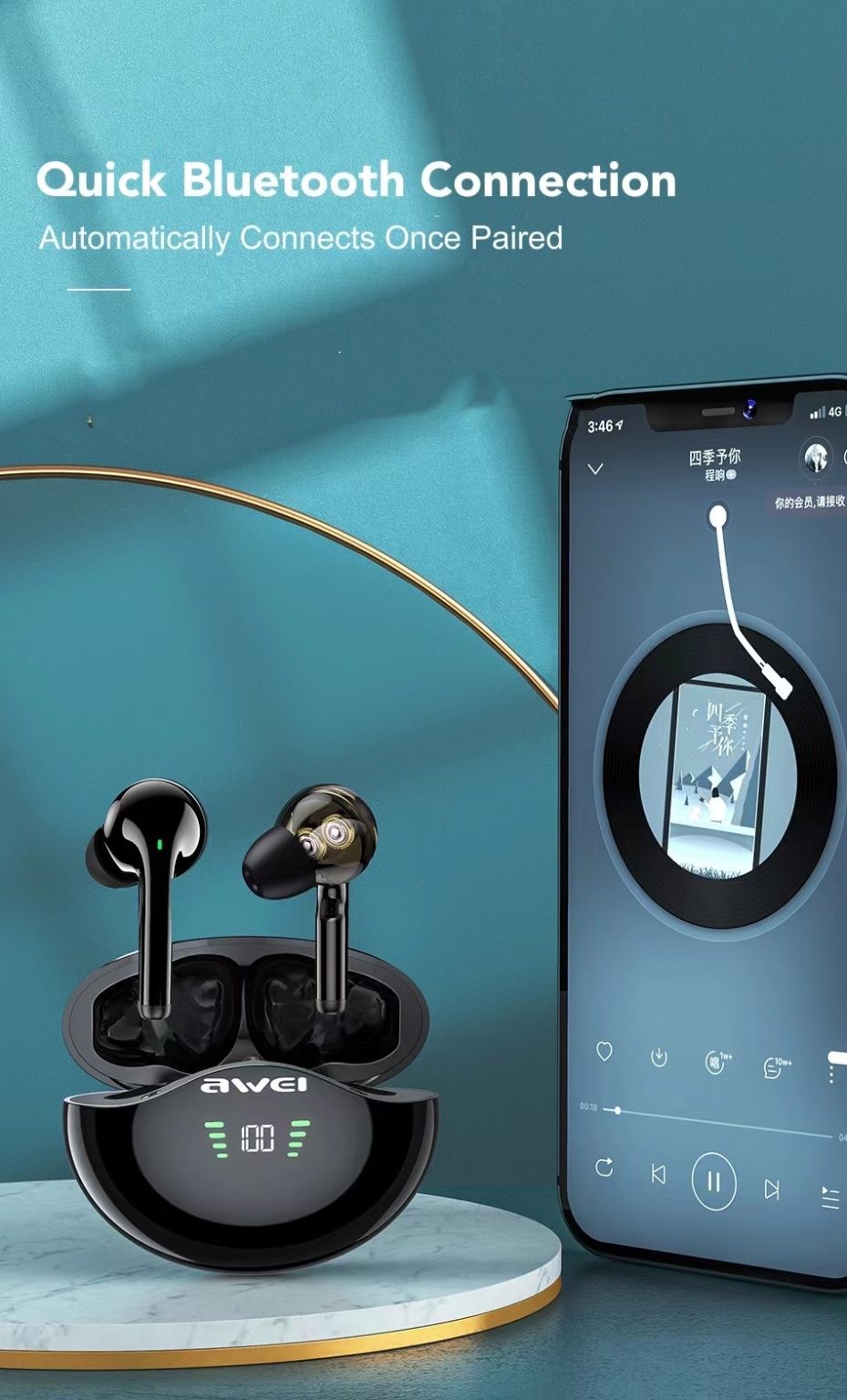
Auriculares con sonido potente - Controladores duales - Estuche de carga - 8 horas de reproducción
Gift Tree
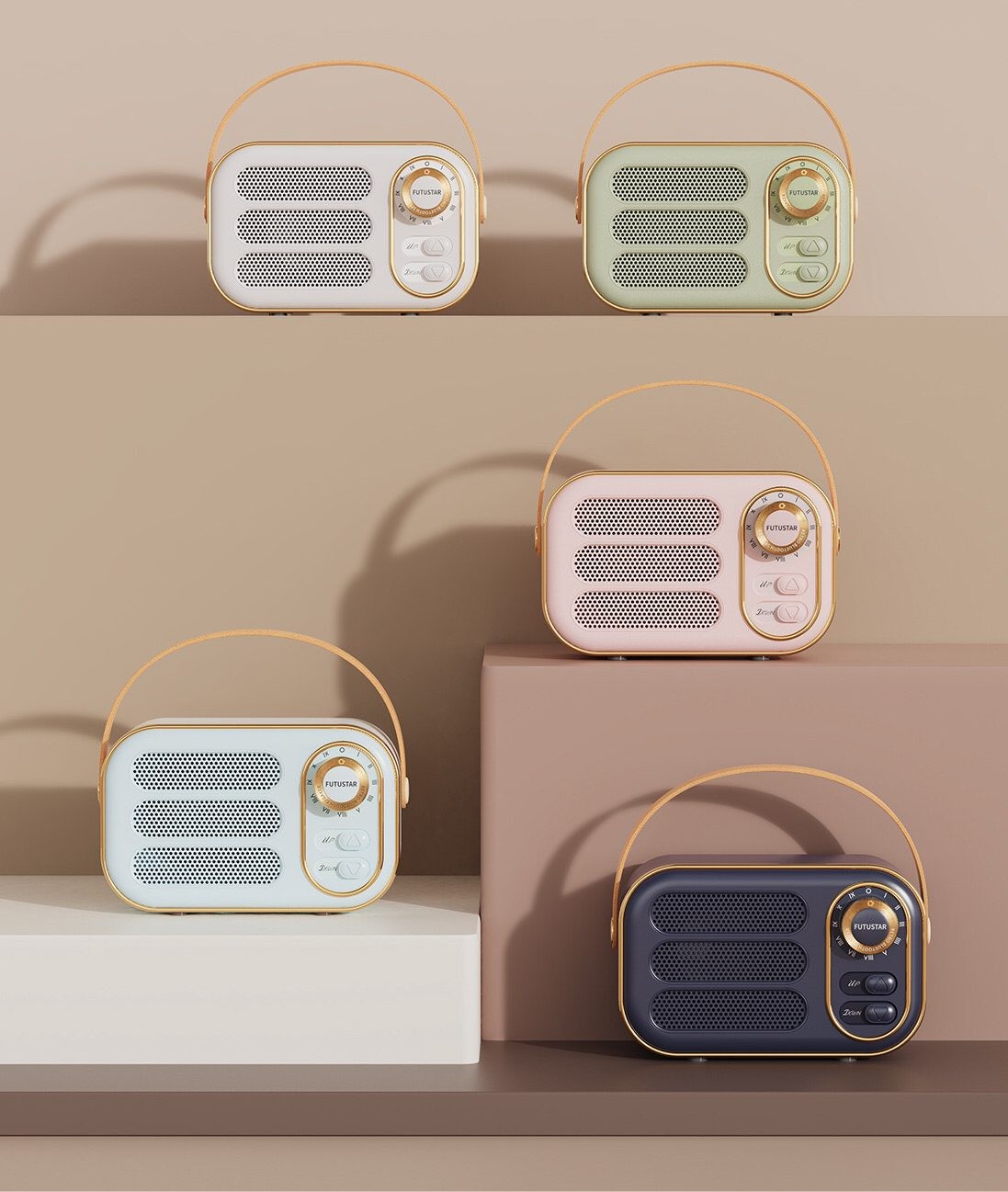
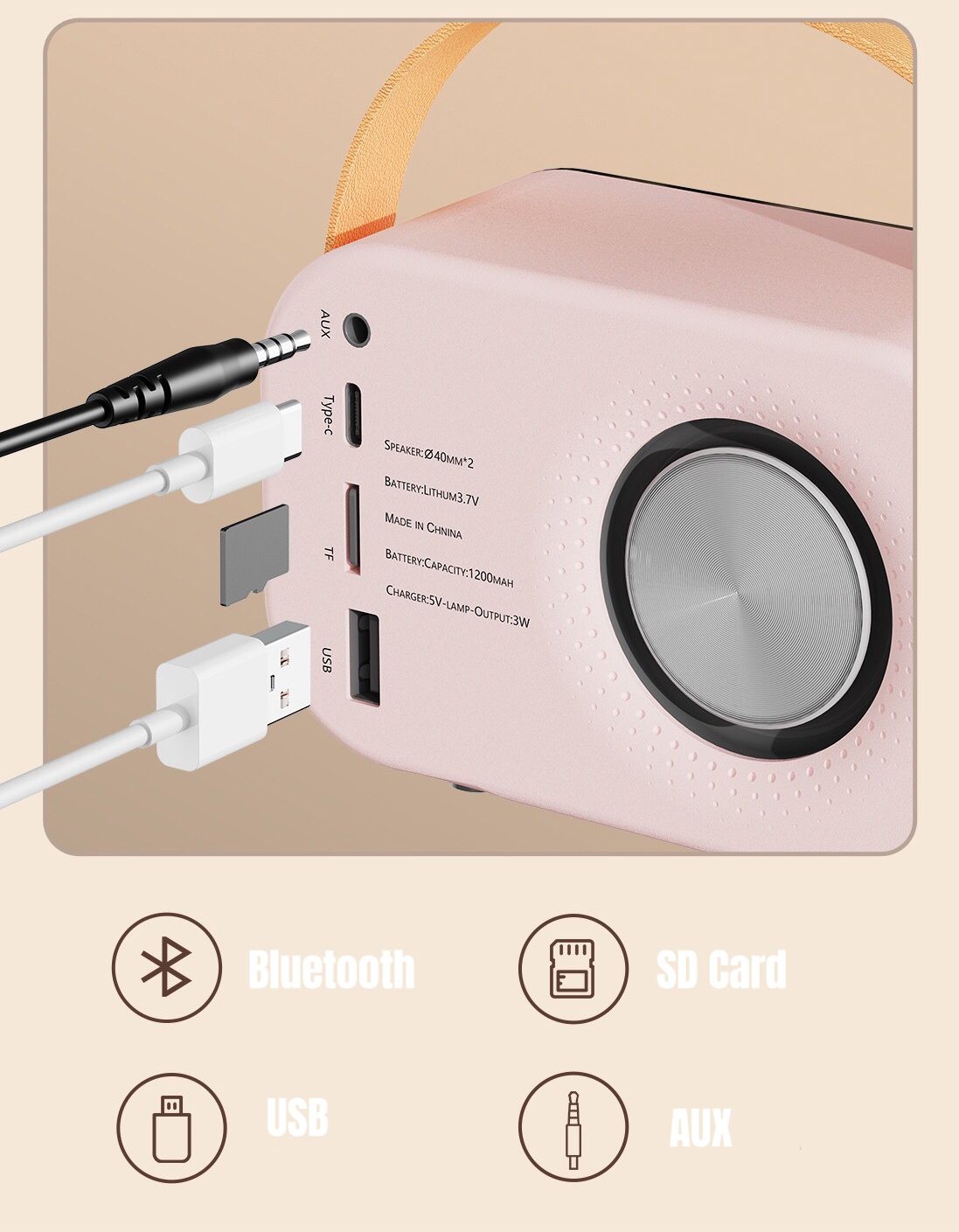
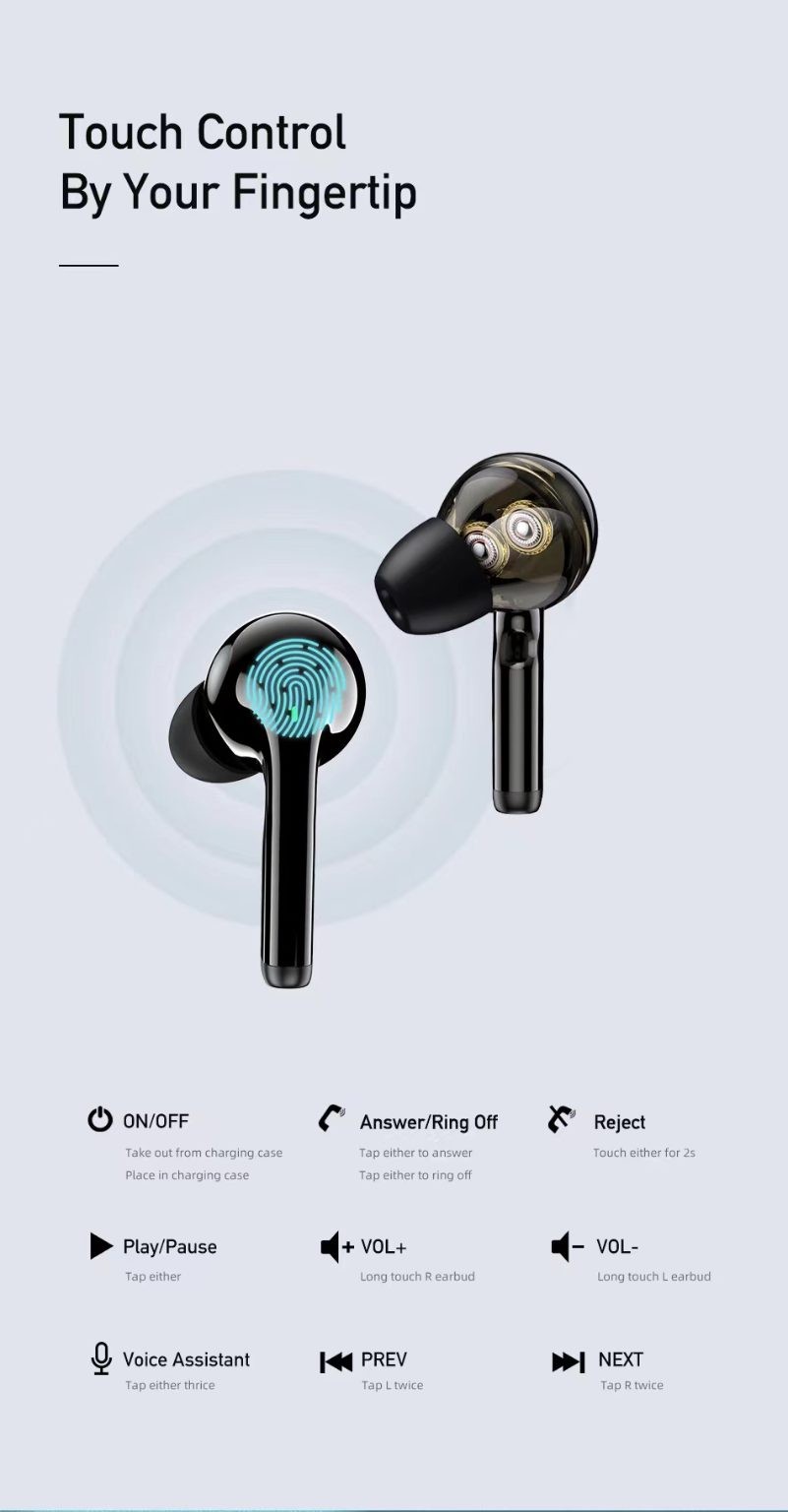
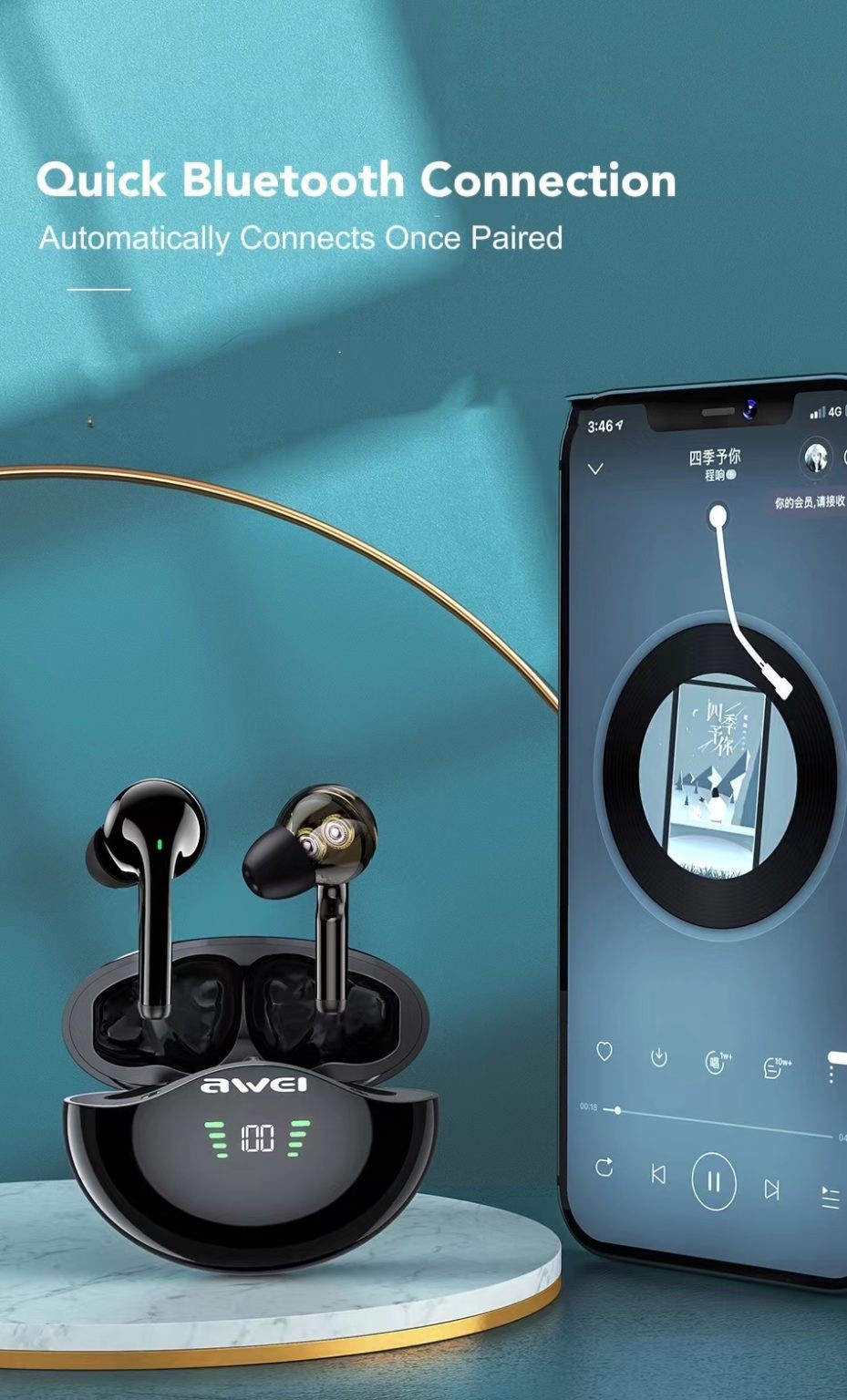
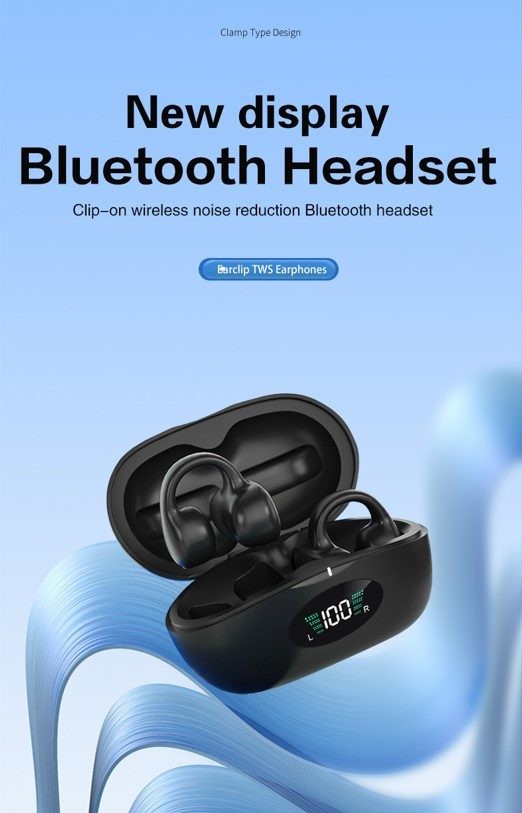
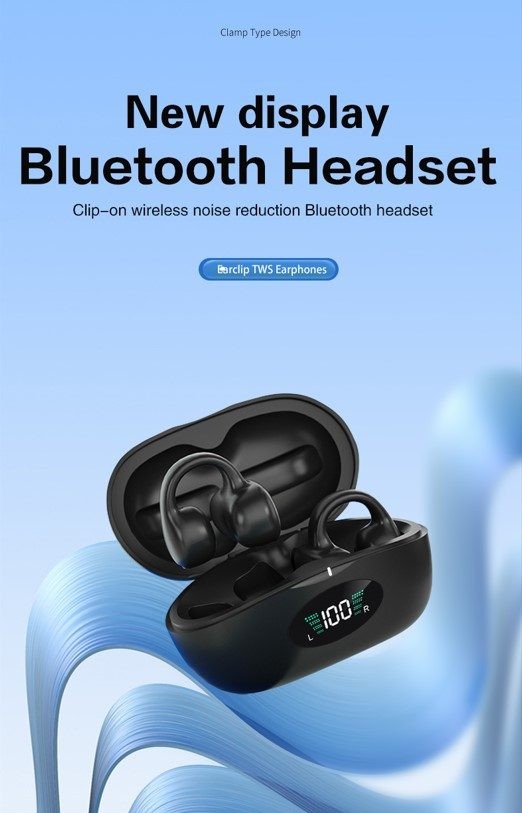
Earbuds With Powerful Sound - Dual Drivers - Charging Case - 8 Hours Playback
Gift Tree
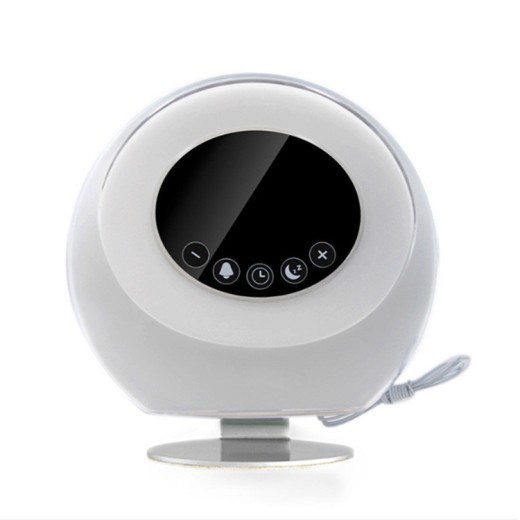
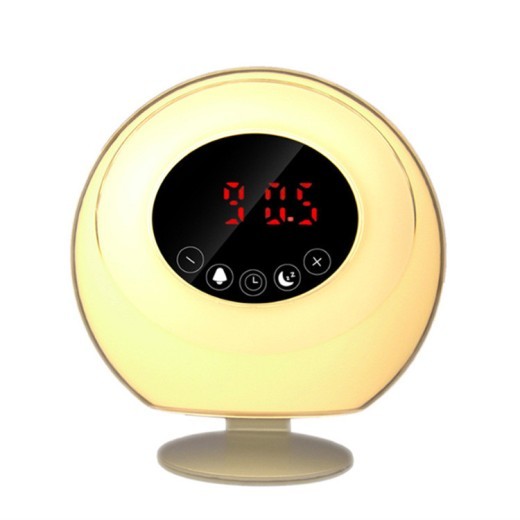
Lámpara de noche LED de 7 colores con función de despertador y tarjeta musical
Gift Tree
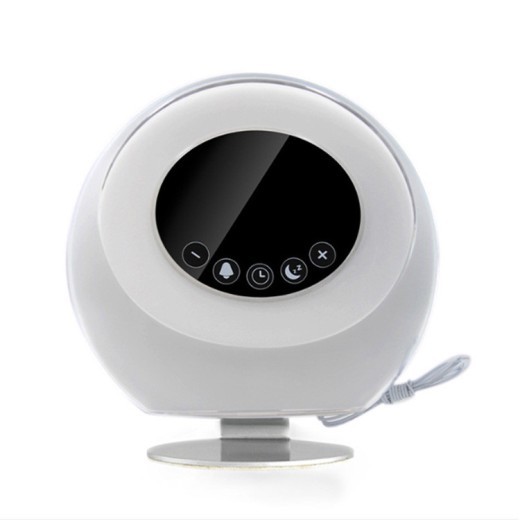
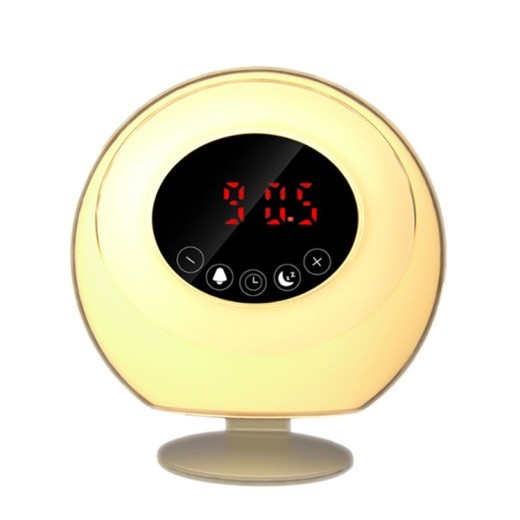
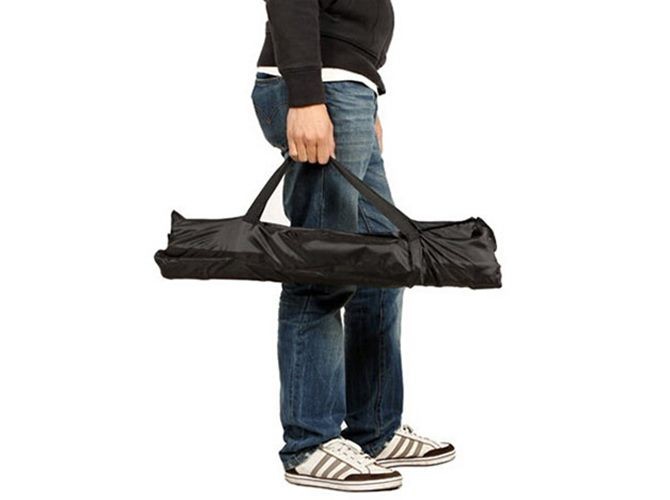
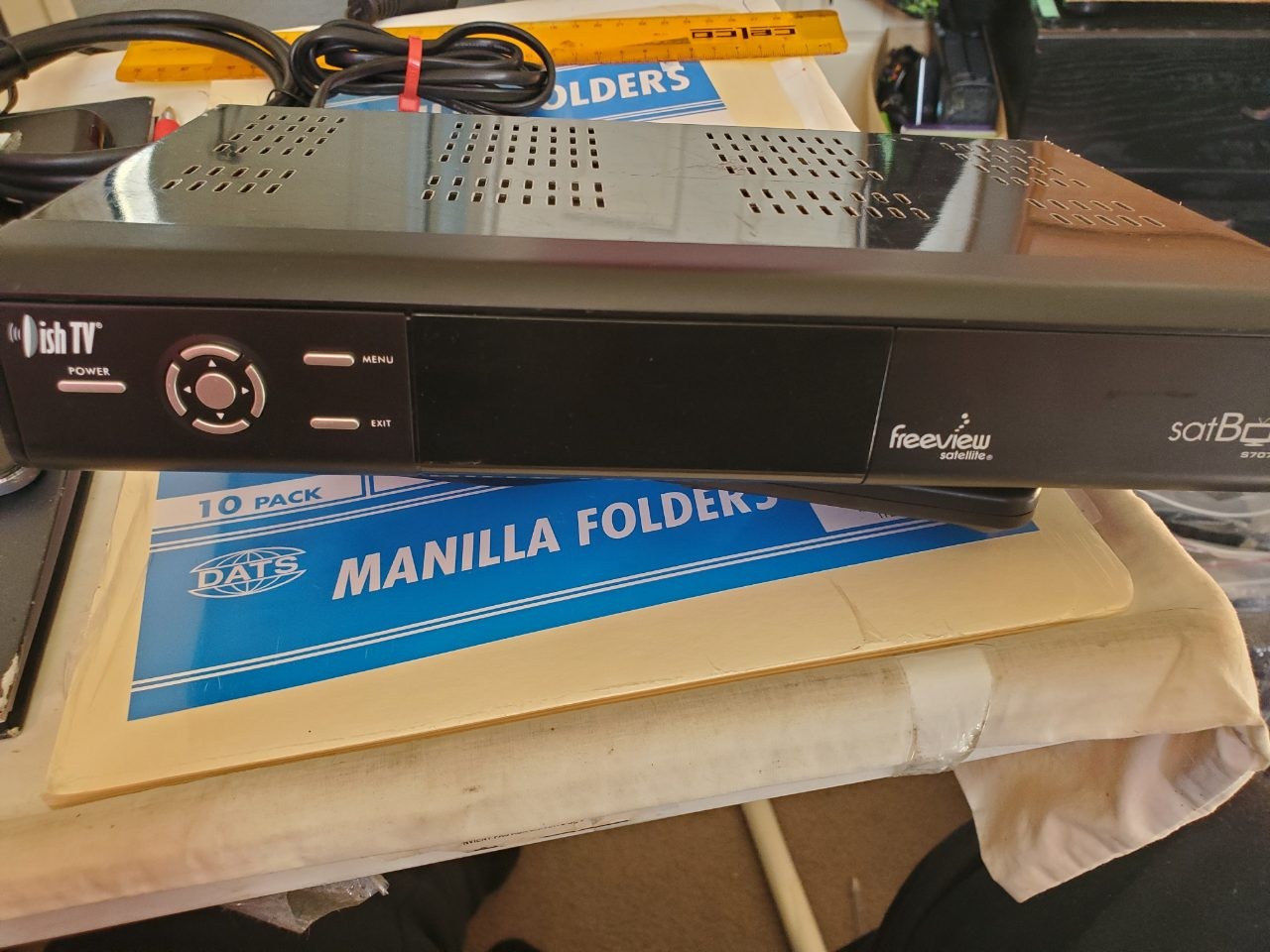

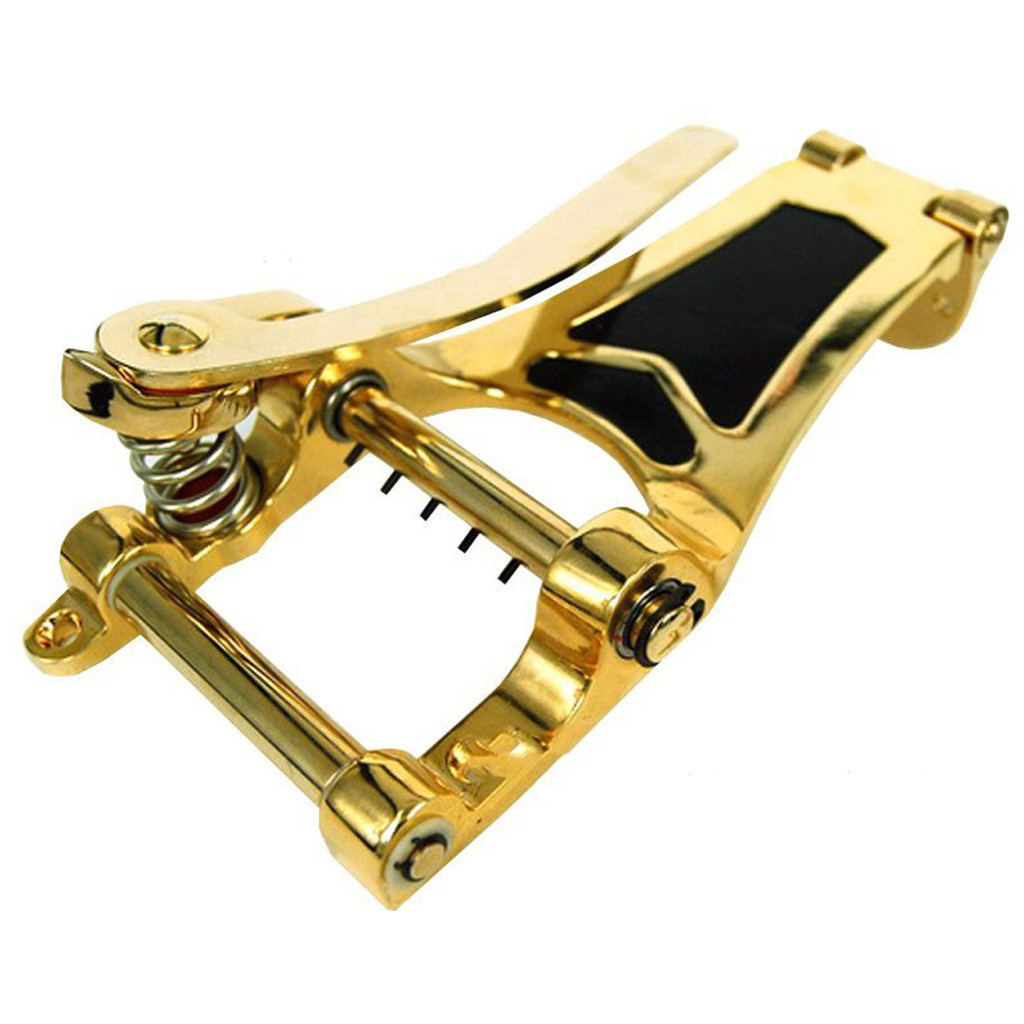
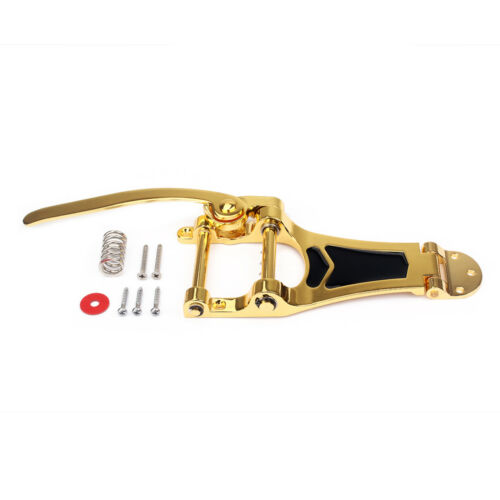
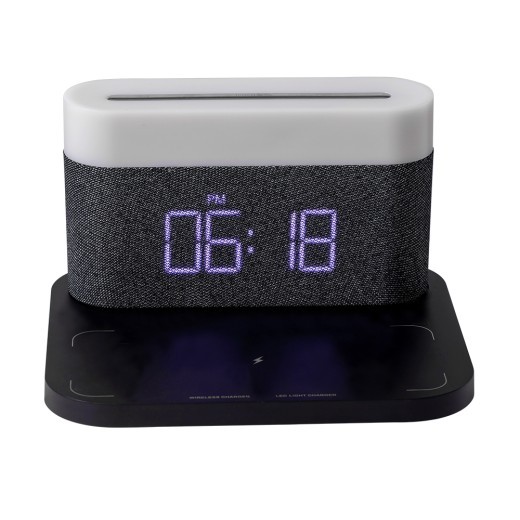

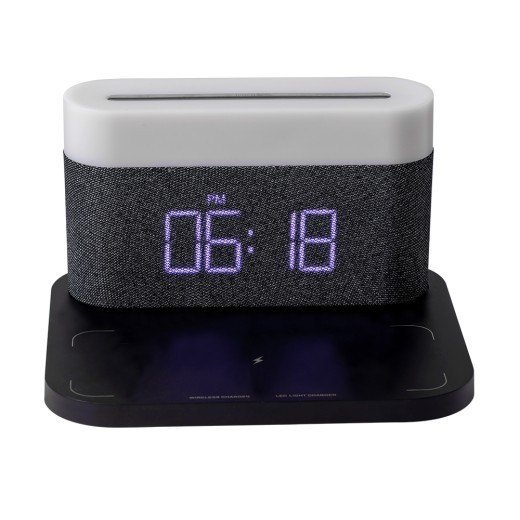
Cargador inalámbrico, reloj de escritorio, luz nocturna, lámpara de mesa
Gift Tree

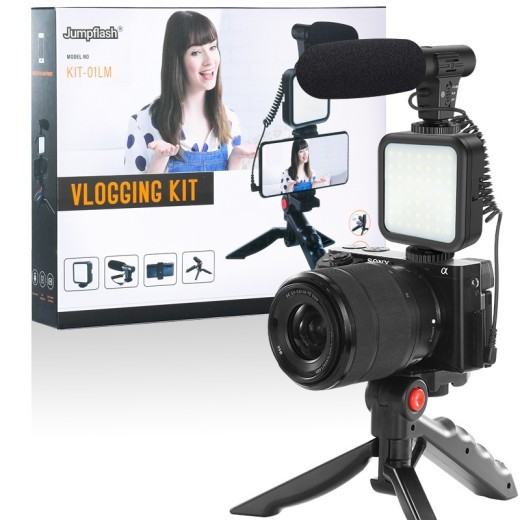
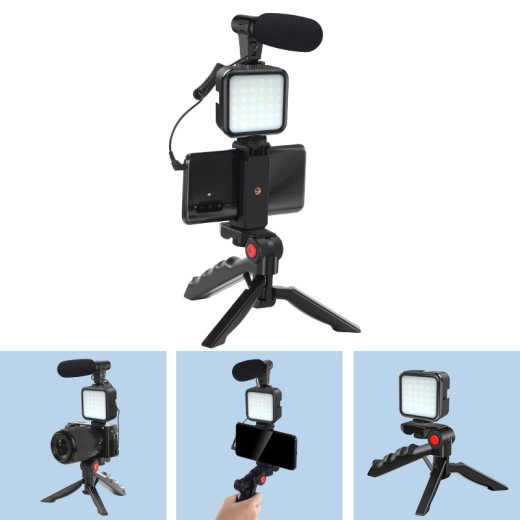
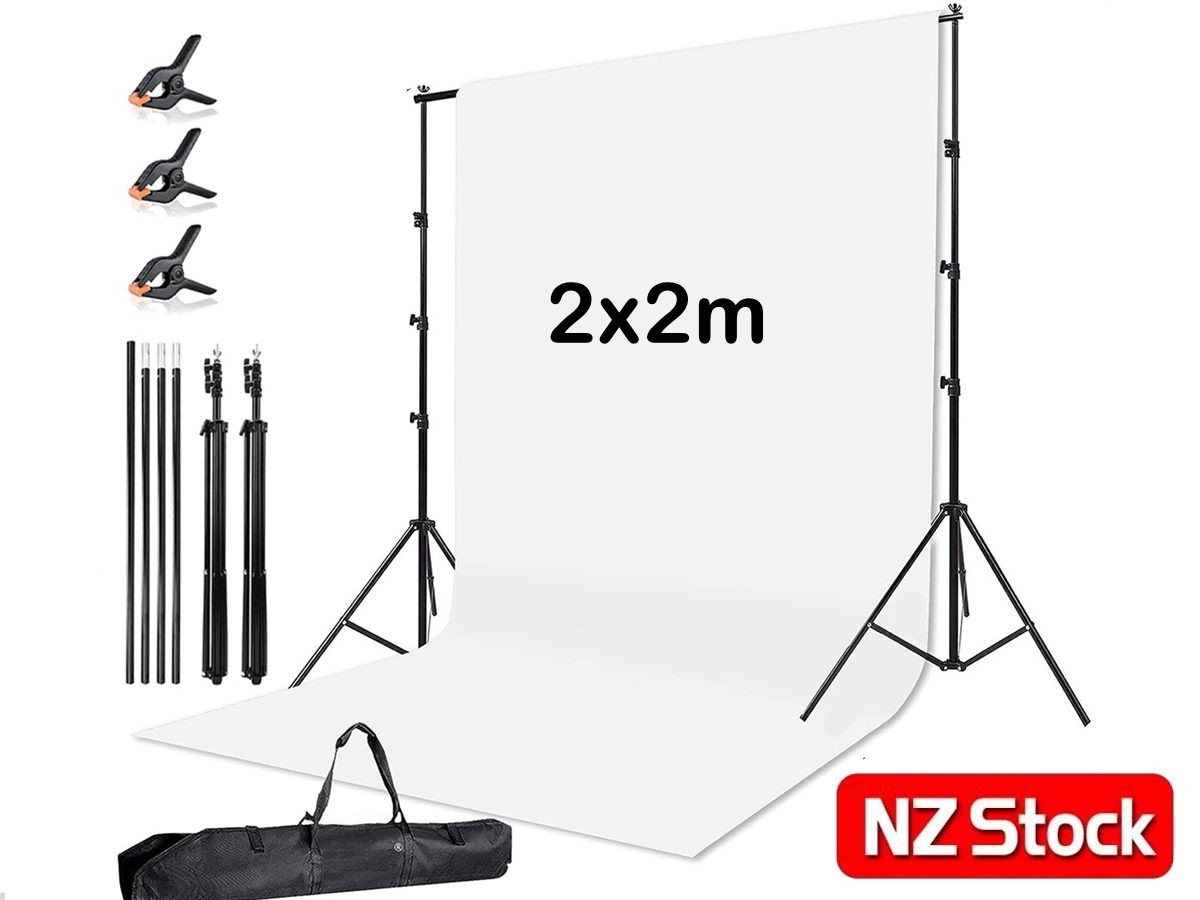
Compatible con Apple, kit de trípode para vlogs profesionales, fotografía de vlogs con estudio de video para teléfonos inteligentes
Gift Tree
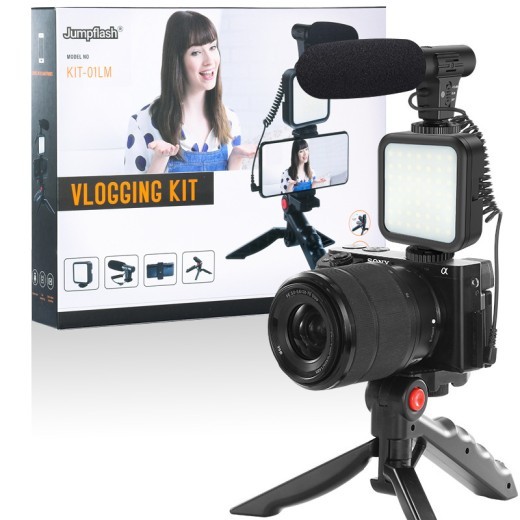
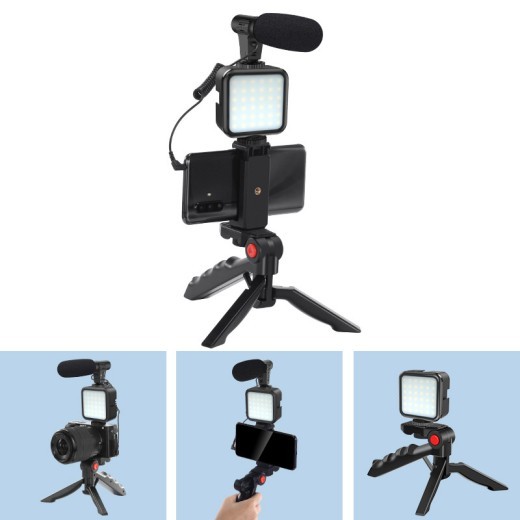
Compatible with Apple, Profession Vlog Tripod Kit Vlogging Photography With Smartphone Video Studio
Gift Tree
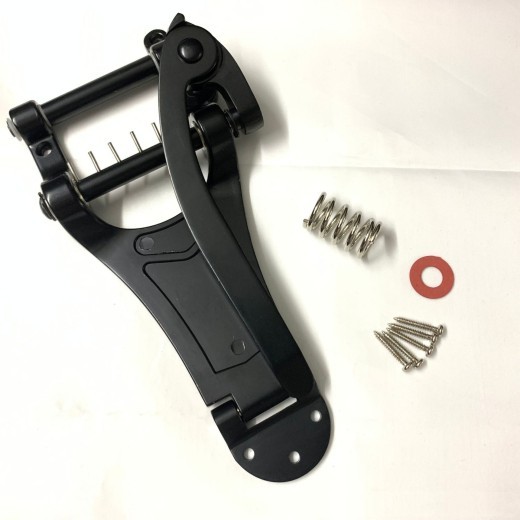
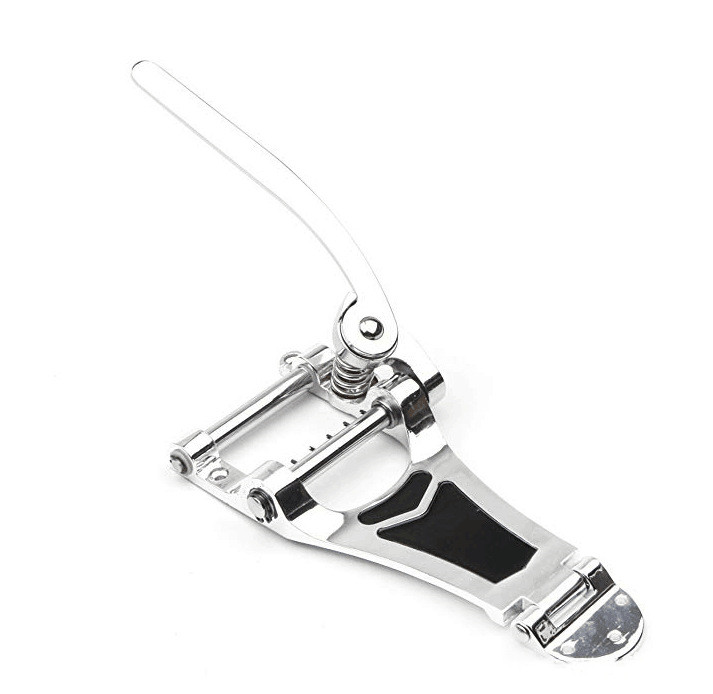
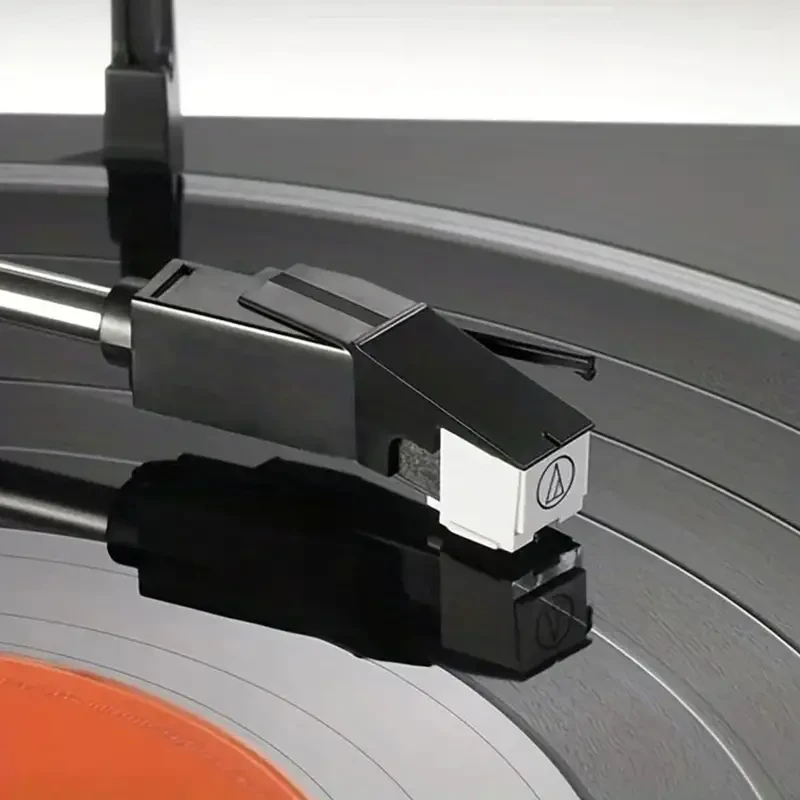
Actualización del tocadiscos At3600L: Cartucho de plato giratorio de doble imán móvil con aguja de diamante: calidad de sonido mejorada
Gift Tree
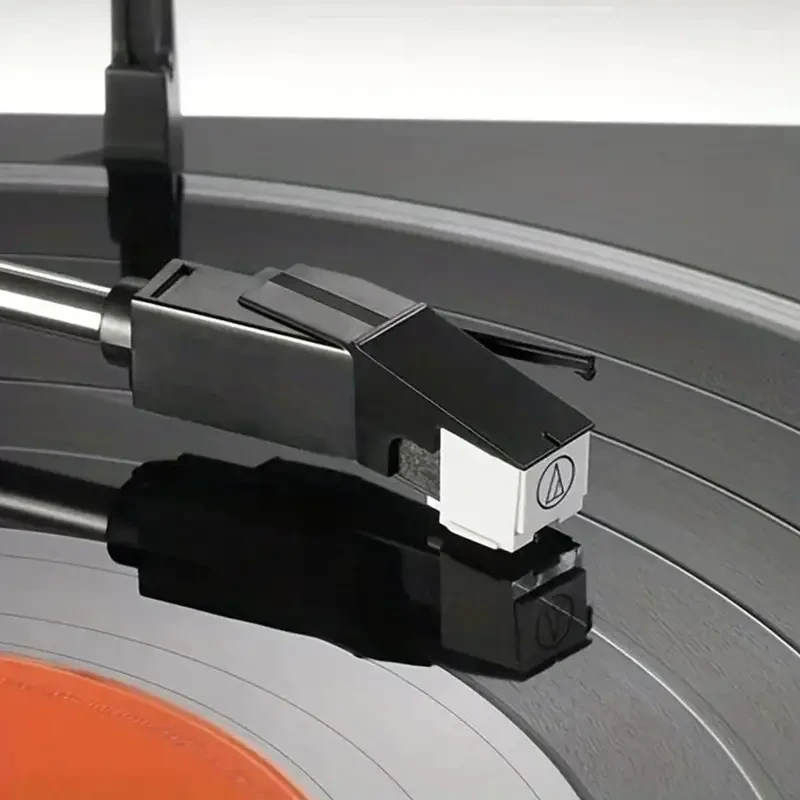
At3600L Record Player Upgrade: Dual Moving Magnet Turntable Cartridge With Diamond Stylus - Enhanced Sound Quality
Gift Tree
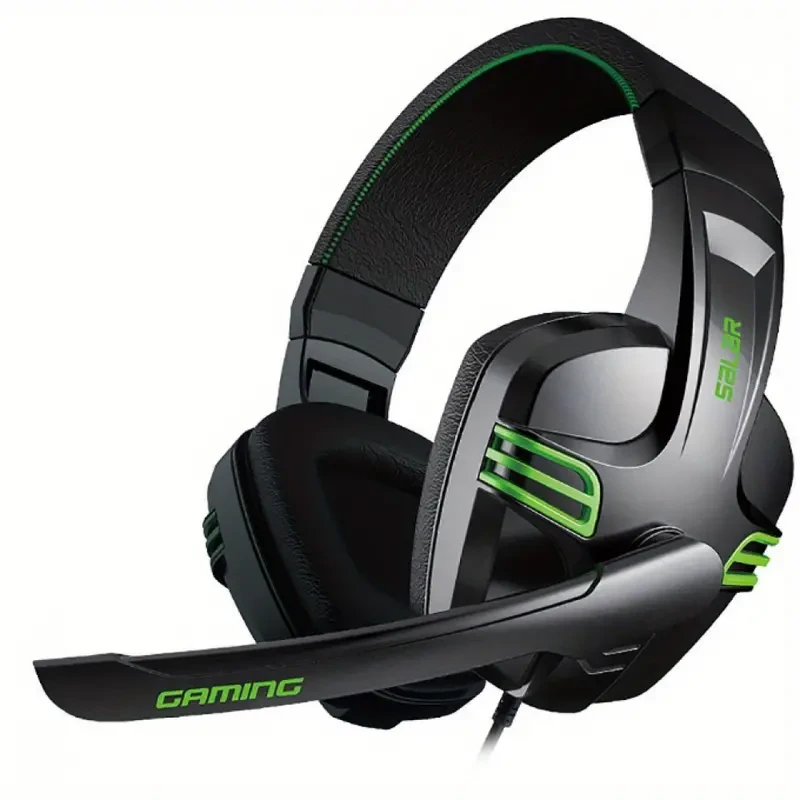
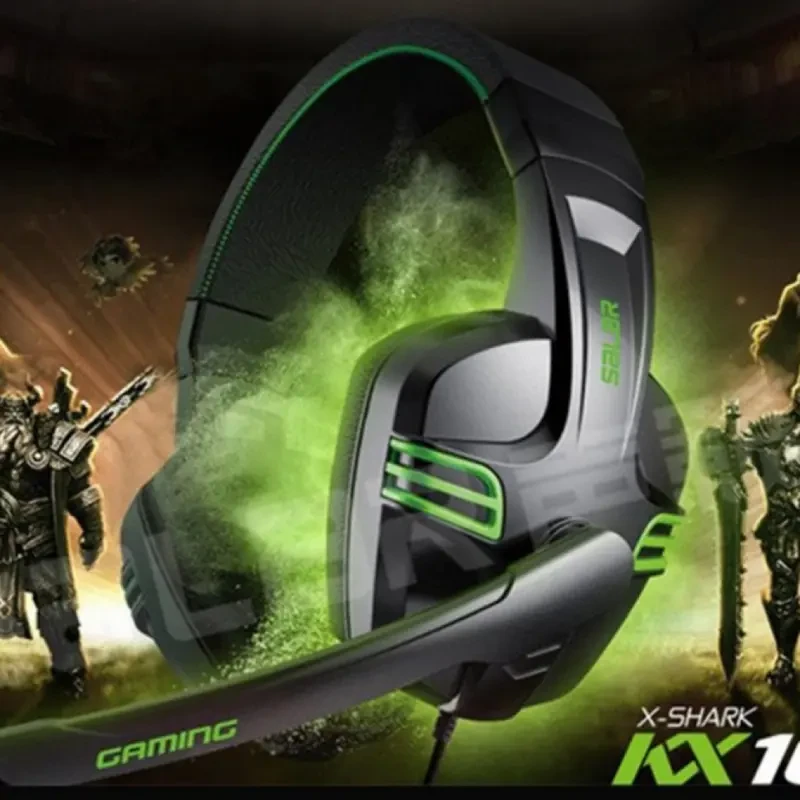
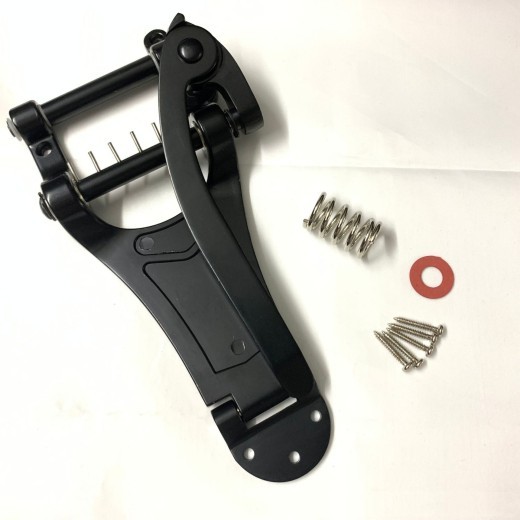
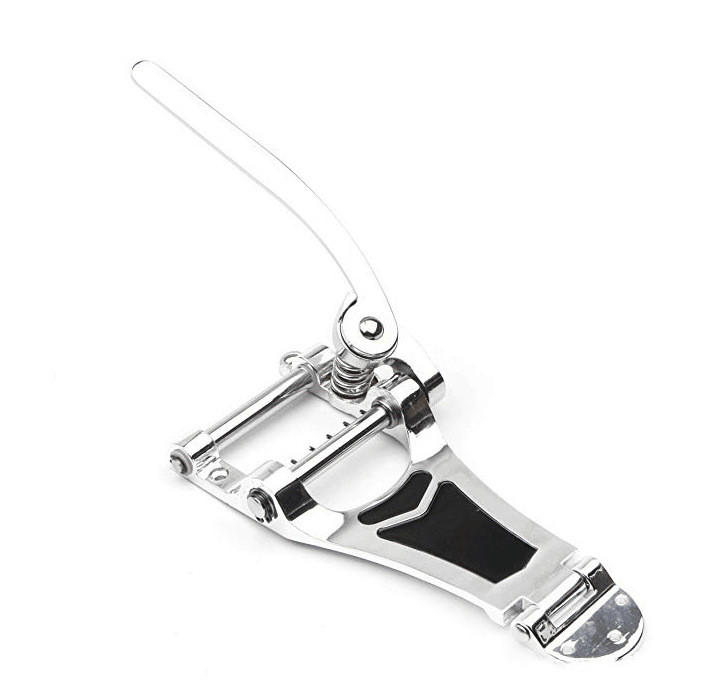
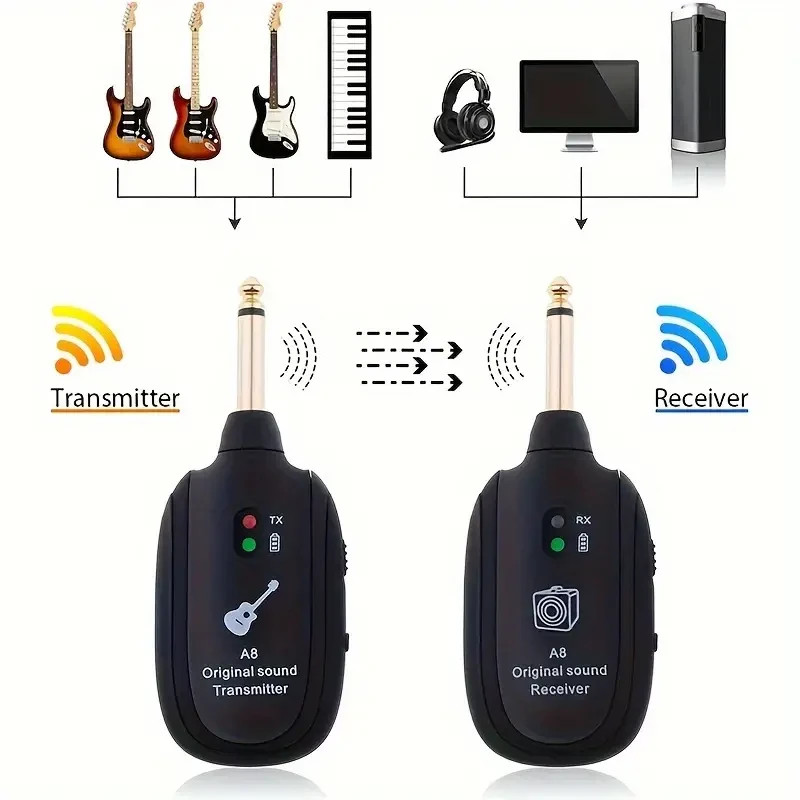
guitar transmitter and receiver with rechargeable 2 4ghz digital for electric guitar bass violin 300 feet transmission range black eid al adha mubarak details 0guitar transmitter and receiver with rechargeable 2 4ghz digital for electric guitar bass violi
Gift Tree
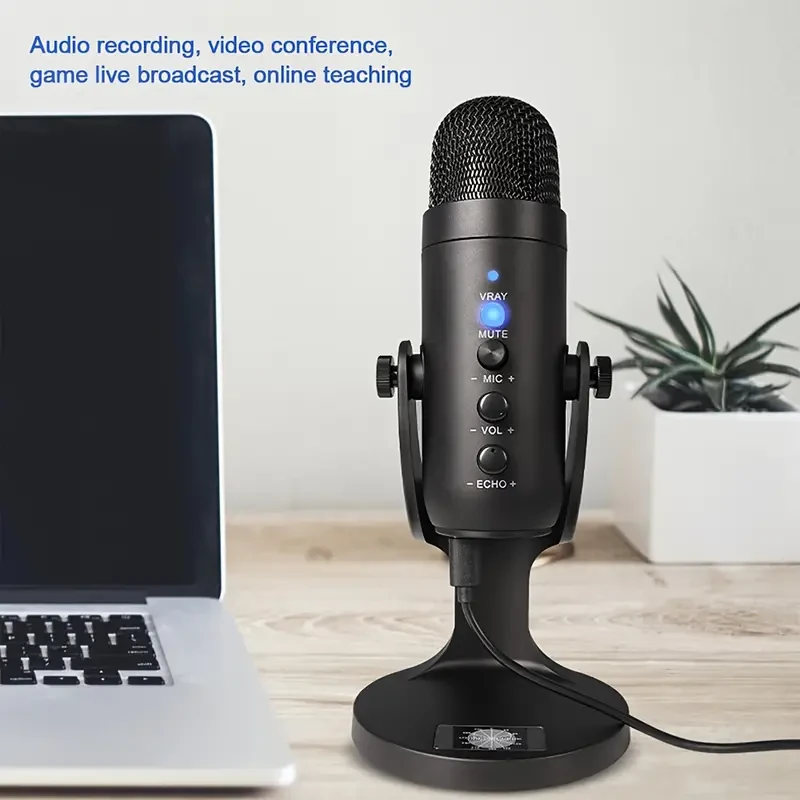
Micrófono de condensador USB profesional para PC, Plug and Play, para juegos, con salida de auriculares y control de volumen para streaming, podcasts, grabación en estudio y juegos. Botón de silencio para voz. Eid al-Adha Mubarak.
Gift Tree
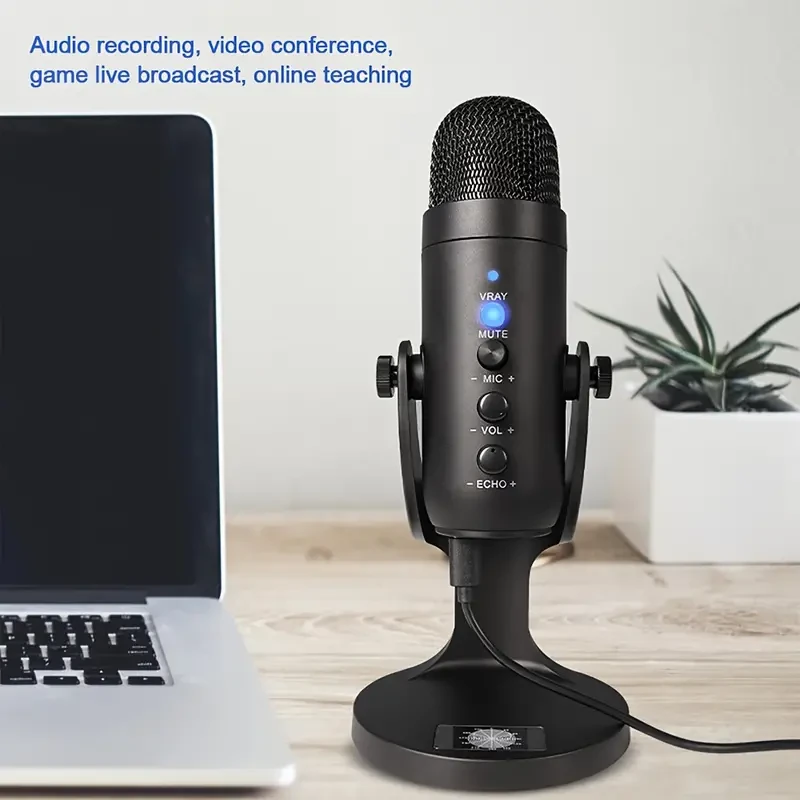
Professional USB Microphone Condenser Computer PC Plug And Play Gaming Mic With Headphone Output&Volume Control For Streaming Podcast Studio Recording And Games Mute Button For Vocal Eid Al-Adha Mubarak
Gift Tree
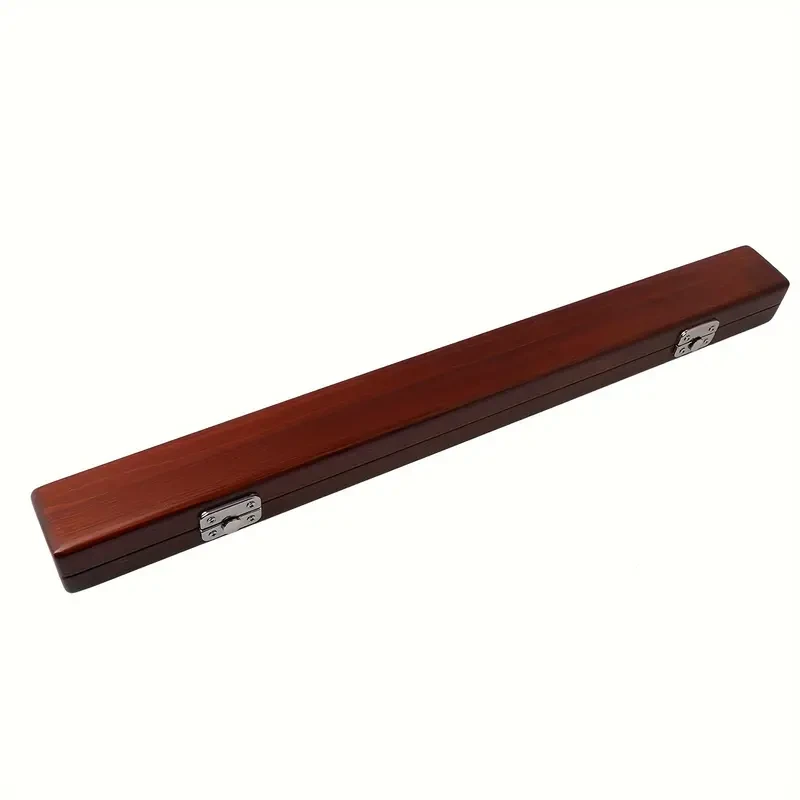
Protege tu batuta con nuestro estuche de madera premium artesanal. Con un acabado suave y un cierre de hebilla seguro, es perfecto para directores de orquestas sinfónicas y corales.
Gift Tree
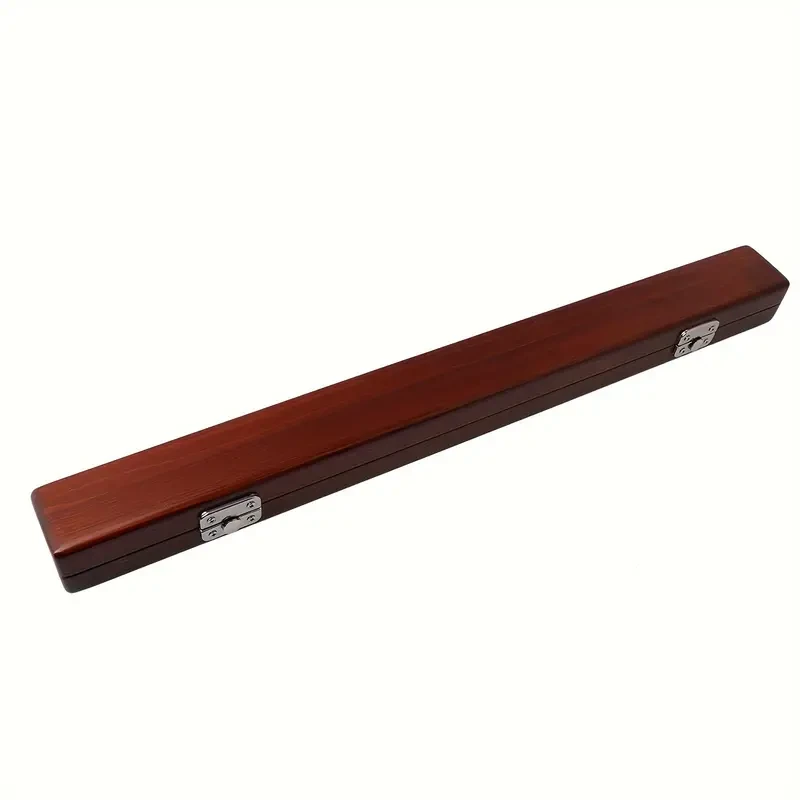
Safeguard your baton with our Premium Handcrafted Wooden Baton Case. Featuring a smooth finish and secure buckle closure, it's perfect for symphony and choral conductors.
Gift Tree
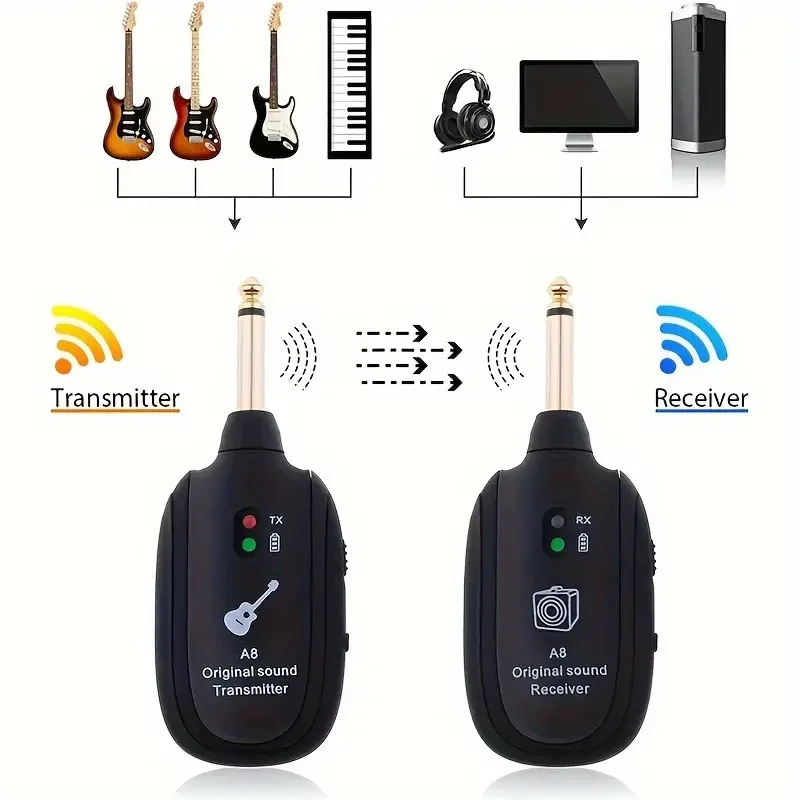
Transmisor y receptor de guitarra con batería recargable de 2,4 GHz digital para guitarra eléctrica, bajo, violín, alcance de transmisión de 300 pies, negro, detalles de Eid al Adha Mubarak 0 Transmisor y receptor de guitarra con batería recargable de 2,4
Gift Tree
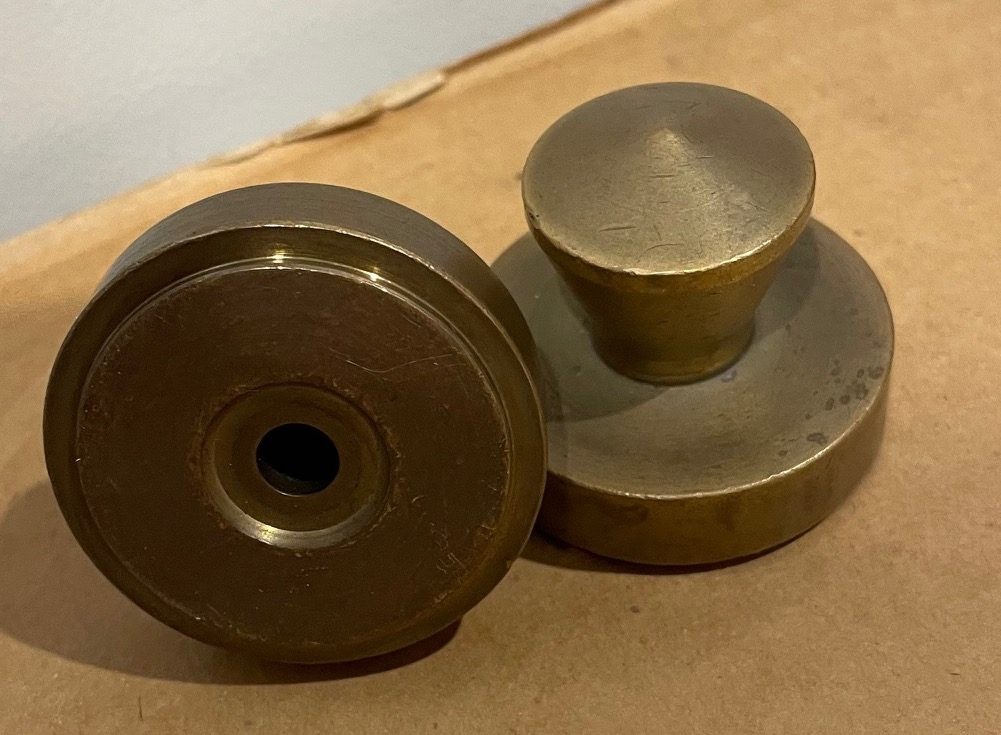
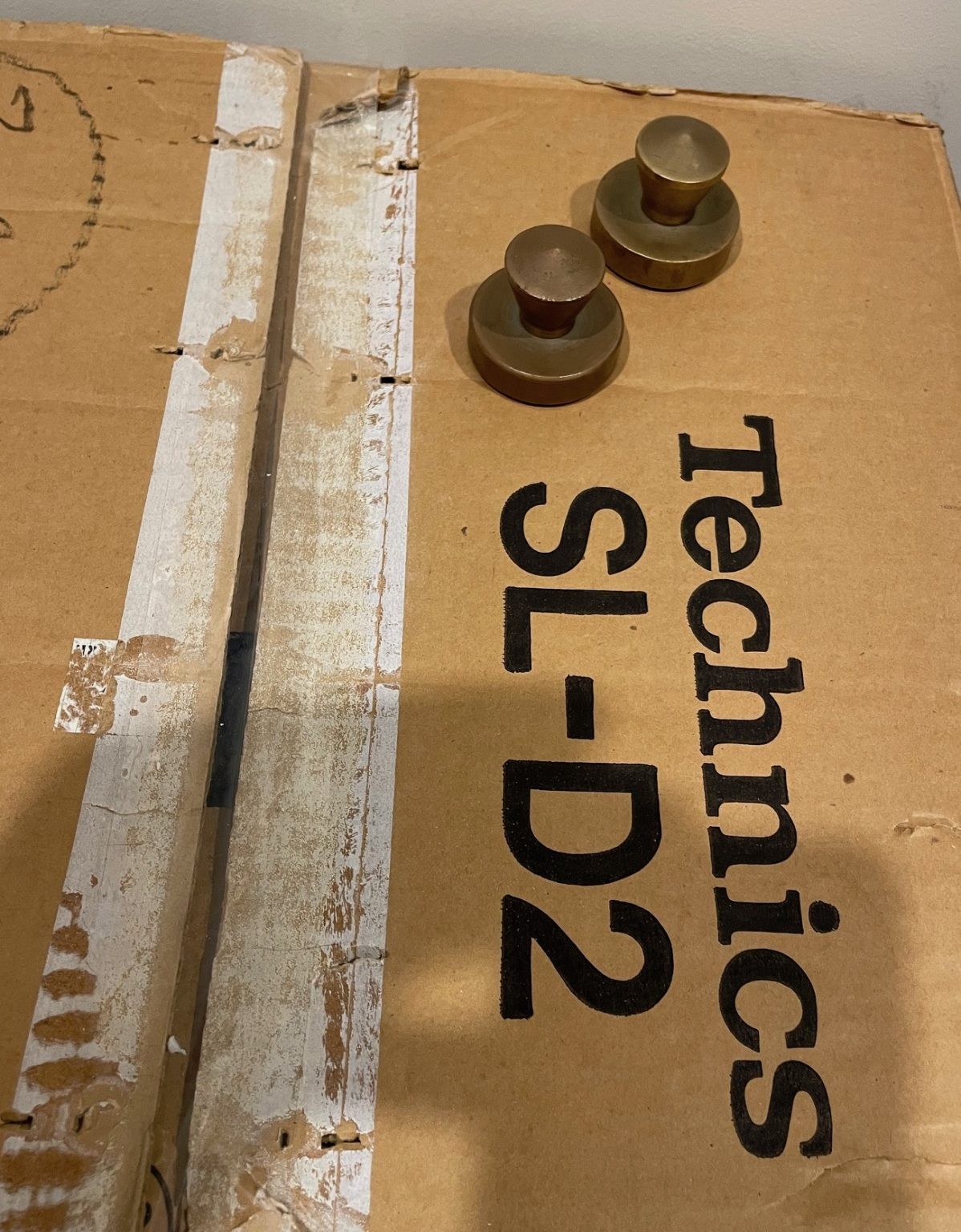
ADAPTADORES VINTAGE DE 45 RPM EX-RADIO NEW ZEALAND - ¡GRANDES! ((LATÓN MACIZO))
Gift Tree
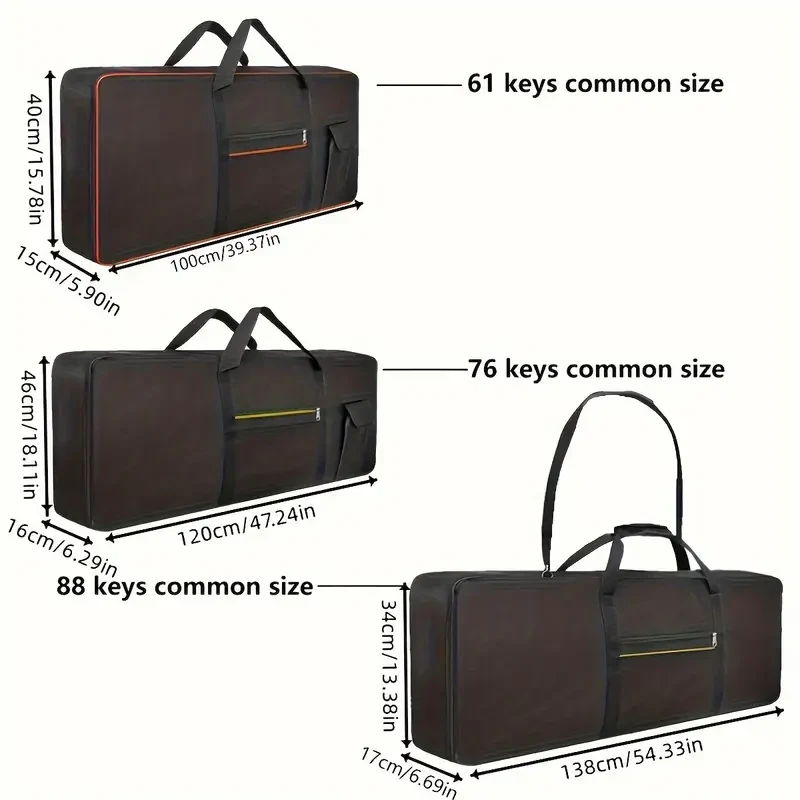
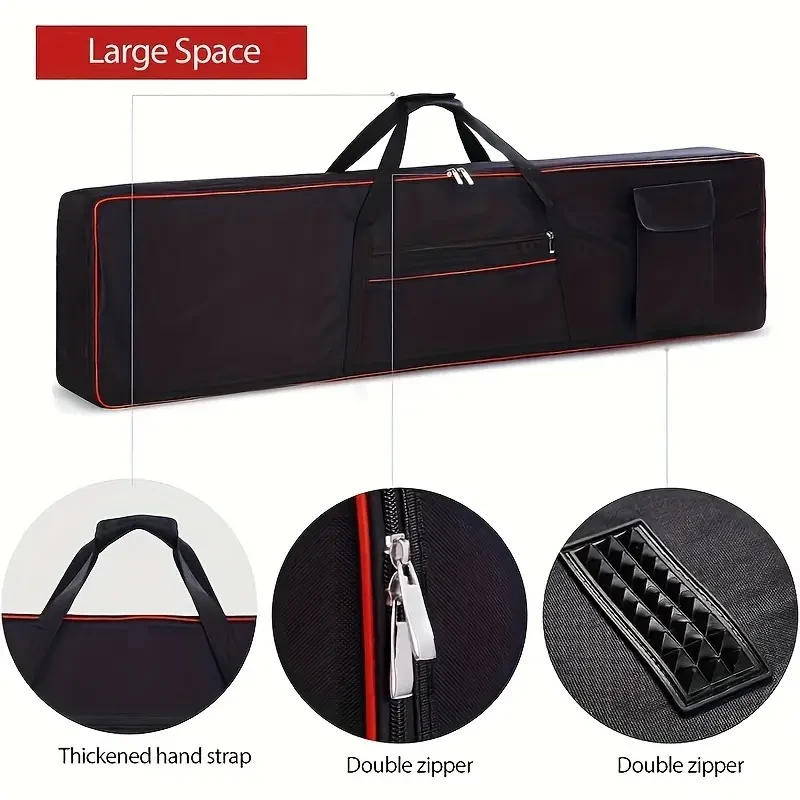
Bolsa de hombro para piano digital y piano eléctrico, tamaño máximo: 54,33 x 13,38 x 6,69 pulgadas
Gift Tree
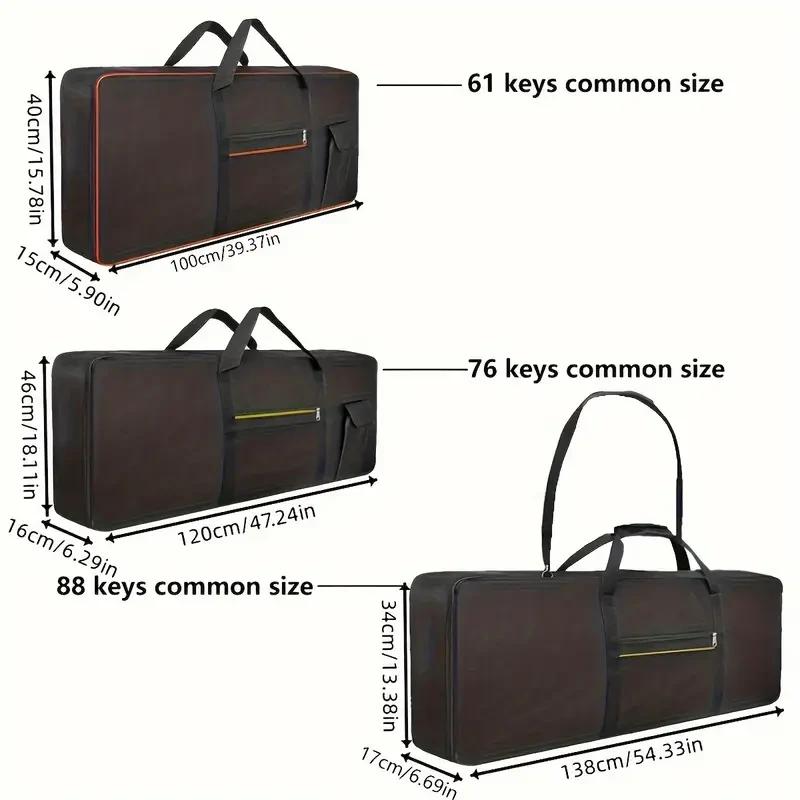
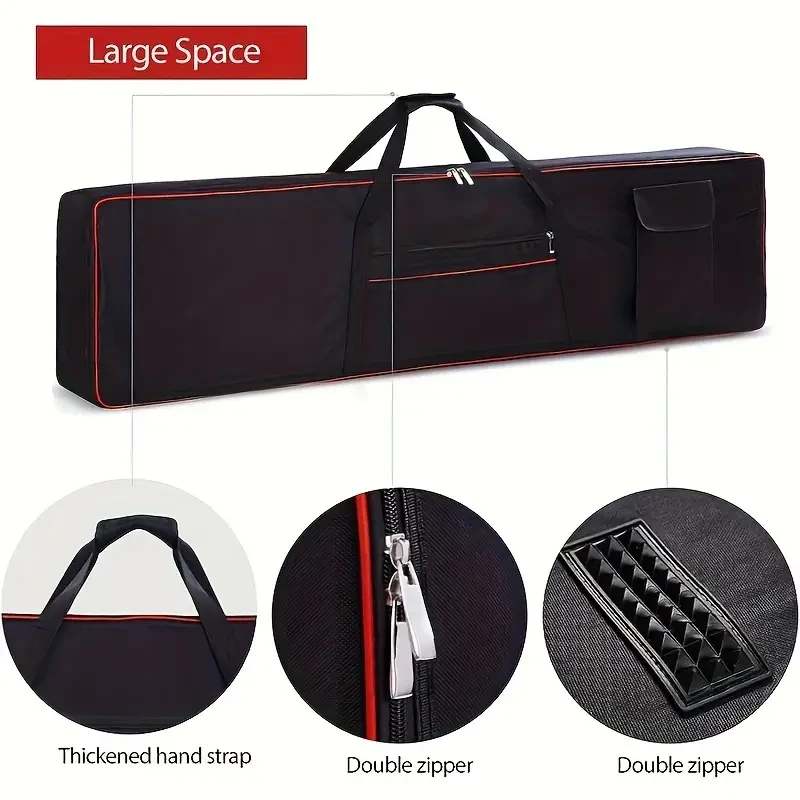
Shoulder Digital Piano Electric Piano Bag, The Maximum Size 54.33x13.38x6.69in
Gift Tree
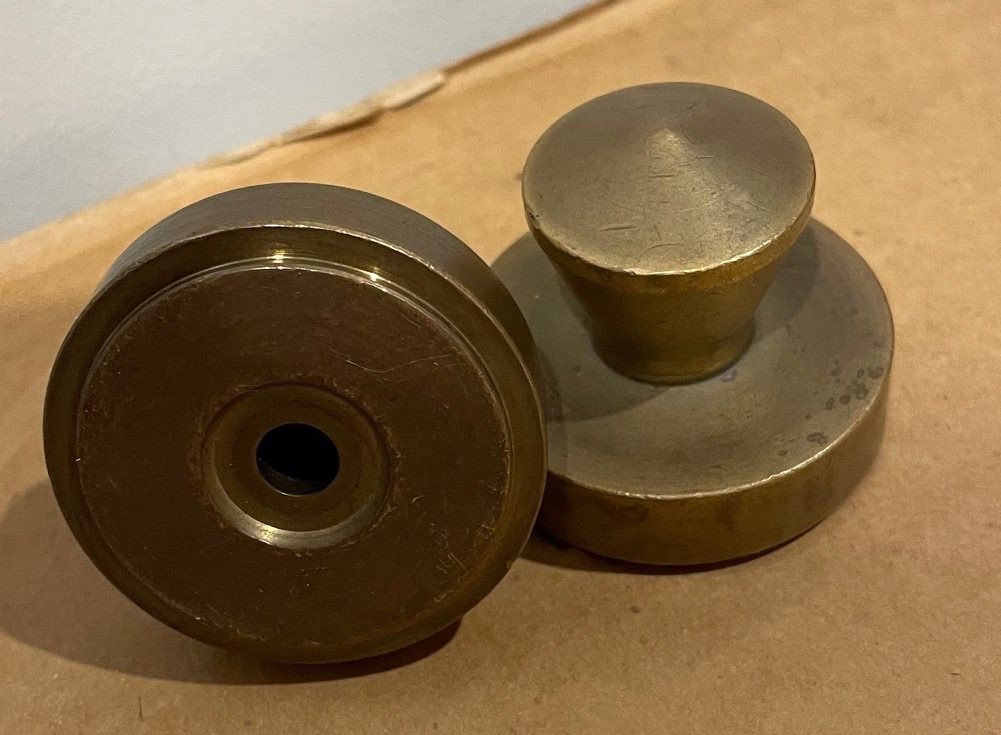
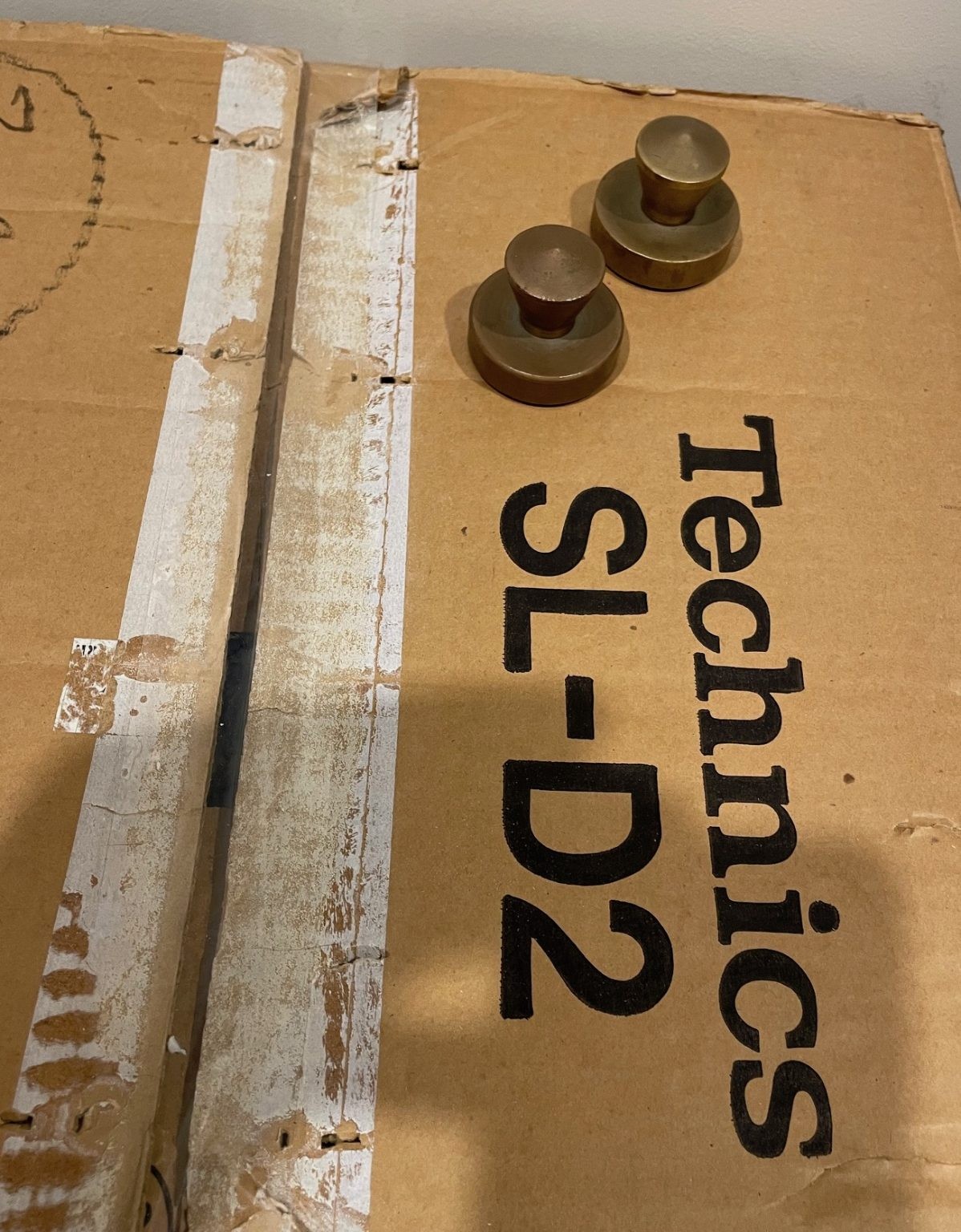
VINTAGE 45rpm ADAPTORS EX-RADIO NEW ZEALAND -HEAVY! ((SOLID BRASS))
Gift Tree




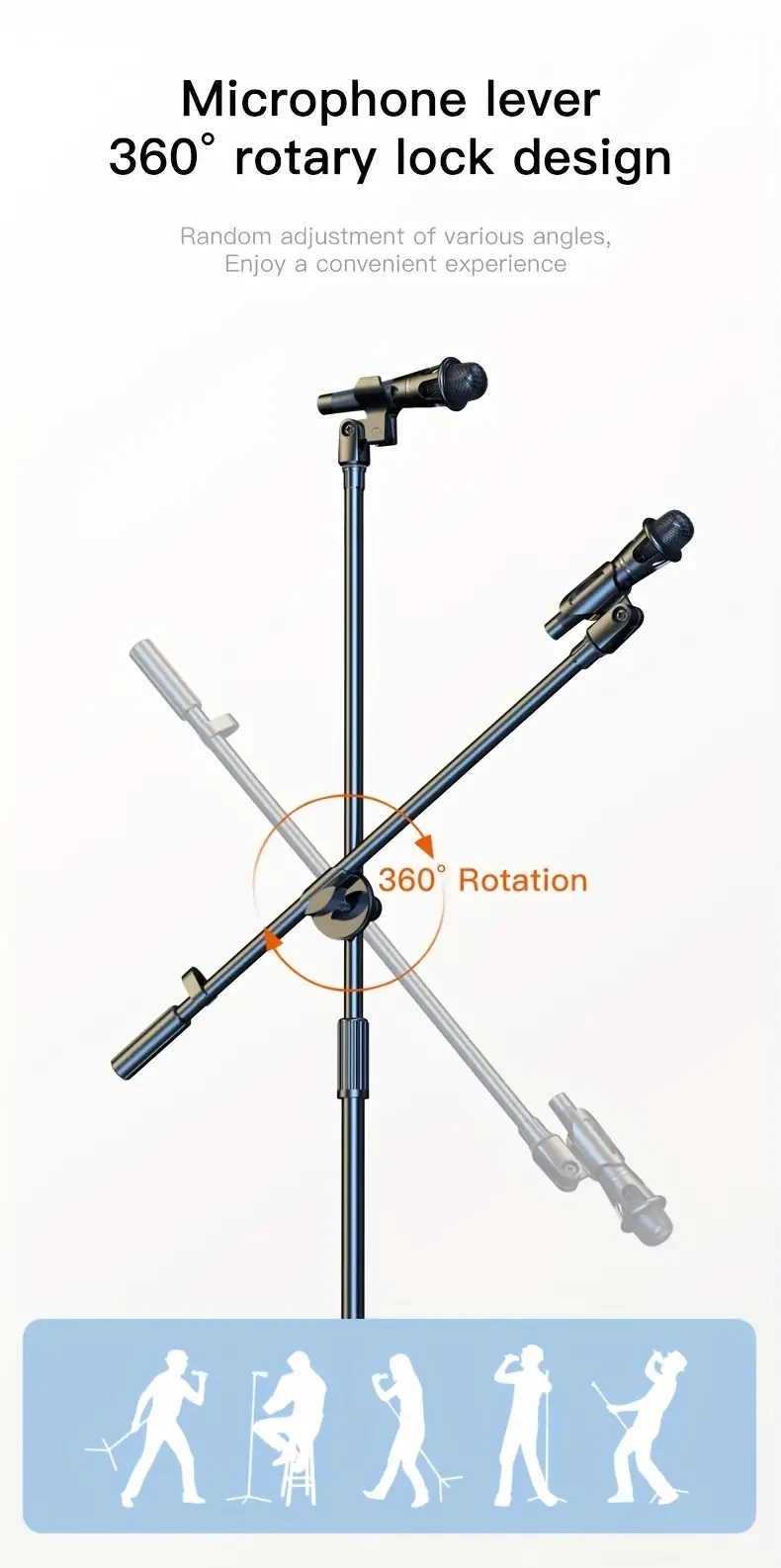
Premium Microphone Stand - Detachable Tripod Boom Stand W/ Clip Holder & Metal Base - Perfect For Singing, Speech, Stage, Wedding & Outdoor Events!
Gift Tree
Music is a universal language that connects people across cultures and generations. The world of musical instruments is vast and diverse, offering countless options for those eager to learn and explore the art of music. Whether you're a beginner looking to pick up your first instrument or an experienced musician seeking to broaden your musical knowledge, understanding the different types of musical instruments is an essential step in your journey.
In New Zealand, the love for music is deeply embedded in the culture, with many people embracing various types of instruments, both traditional and modern. This guide is designed to help you understand the different categories of musical instruments, their names, and how each one plays a role in creating music. From string instruments like guitars and violins to percussion instruments like drums and pianos, we will break down the types, features, and sounds of each instrument, so you can make an informed decision when choosing which one to learn or listen to.
The world of music offers a unique blend of excitement and creativity. Whether you're playing in an orchestra, jamming with a band, or simply enjoying music at home, knowing the various types of instruments enhances your appreciation and enjoyment of music. In this guide, we’ll introduce you to various categories of instruments, from the basics to the more complex, and explore their history, evolution, and usage in different musical genres.
Types of Musical Instruments
Musical instruments can be classified in many ways, but one of the most common methods is by grouping them based on how they produce sound.
The primary categories include string, wind, brass, percussion, and keyboard instruments. Each category has unique characteristics that make
it special in the world of music.
String Instruments
String instruments are among the oldest musical instruments, producing sound through vibrating strings. The pitch of the sound produced depends on the length, tension, and mass of the string. Players typically use their fingers, a bow, or a pick to make the strings vibrate.
-
Guitar: One of the most popular string instruments worldwide, the guitar has six strings and is played by strumming or
plucking. Acoustic, electric, and classical guitars offer various styles of play.
-
Violin: The violin is a string instrument that uses a bow to create sound. It’s an essential part of orchestras and is also
popular in folk music. It has four strings and is known for its rich, expressive sound.
-
Cello: Larger than the violin, the cello has a deep, resonant tone and is played while sitting down, with the instrument
placed between the knees.
-
Piano: Though technically a percussion instrument, the piano is often classified as a string instrument due to its strings
being struck by hammers when the keys are pressed. It plays a crucial role in many music genres, from classical to jazz.
Wind Instruments
Wind instruments are those that produce sound through the vibration of air, either by blowing through a mouthpiece or by the player’s breath. These instruments can be made from wood or metal and include many well-known instruments used in orchestras and bands.
-
Flute: The flute is a woodwind instrument that produces sound when air is blown across a hole in the instrument. It is used
in a variety of music genres, from classical to contemporary.
-
Clarinet: Similar to the flute but with a reed mouthpiece, the clarinet is known for its rich, warm tone and is used in
both orchestral and jazz music.
-
Saxophone: Made of brass but classified as a woodwind, the saxophone is an iconic instrument in jazz, known for its
powerful, expressive sound.
-
Oboe: A woodwind instrument with a double reed, the oboe produces a distinctive, piercing tone, and is often used in
orchestral music.
-
Trumpet: A brass wind instrument, the trumpet is known for its sharp, bright sound and is a staple in orchestras, jazz
bands, and marching bands.
Percussion Instruments
Percussion instruments produce sound when struck, shaken, or scraped. They are one of the oldest types of musical instruments, playing a vital role in creating rhythm and texture in music.
-
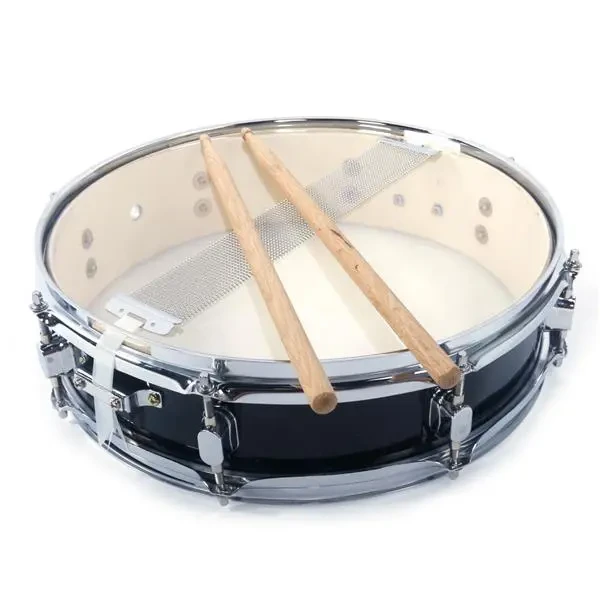
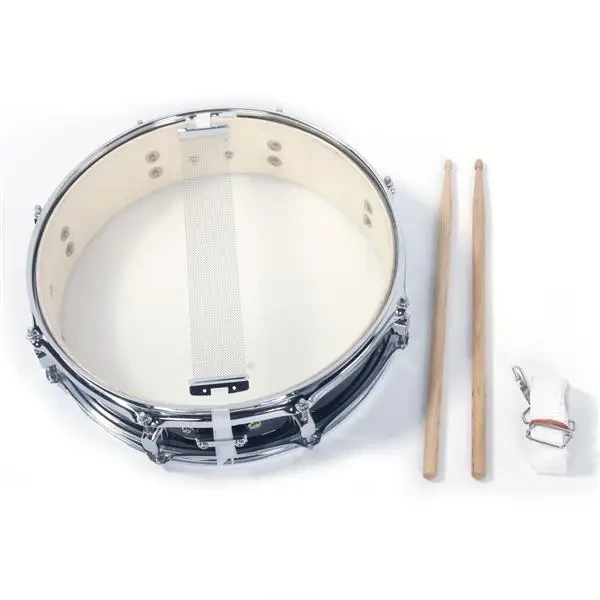
Drums: Drums are the most common percussion instruments. They come in various sizes and styles, including snare drums, bass
drums, and toms. Drummers use sticks or hands to strike the drumhead to produce sound.
-
Xylophone: The xylophone consists of wooden bars that are struck with mallets to produce a melodic sound. It’s commonly
used in orchestras and educational settings.
-
Tambourine: A small, handheld percussion instrument that combines a drumhead with metal jingles. It’s often used in folk,
rock, and classical music to add texture.
-
Cymbals: Cymbals are large, round metal plates that are struck together to create a loud, crashing sound. They are often
used in drum kits or orchestral music.
-
Marimba: Similar to the xylophone but larger, the marimba produces a rich, resonant tone and is often used in orchestras
and ensembles.
Brass Instruments
Brass instruments are made from metal and produce sound through the vibration of air in a player’s mouth. These instruments have a bold, powerful sound and are typically used in orchestras, military bands, and jazz.
-
Tuba: The tuba is the largest and lowest-pitched brass instrument, providing the bass foundation in brass ensembles and
orchestras.
- French Horn: Known for its mellow, rich sound, the French horn is a staple in orchestras and brass bands.
-
Trombone: The trombone has a slide that allows the player to change pitch smoothly. It is used in jazz, orchestral, and
brass band music.
-
Cornet: Similar to the trumpet but with a more compact and mellow tone, the cornet is used in brass bands and orchestras.
- Euphonium: This brass instrument has a deep, warm sound and is often used in brass bands.
Keyboard Instruments
Keyboard instruments are played by pressing keys, which activate hammers or electronic circuits to produce sound. These instruments are versatile and can play both melody and harmony.
-
Piano: The piano is arguably the most famous keyboard instrument, with 88 keys that allow for the performance of a wide
range of music. It is used in virtually every music genre, including classical, jazz, pop, and rock.
-
Organ: The organ produces sound by forcing air through pipes and is typically used in classical and church music.
-
Electric Keyboard: The electric keyboard is a more portable version of the piano, offering a variety of sounds and effects.
It is commonly used in pop, rock, and electronic music.
-
Harpsichord: An early keyboard instrument that produces sound by plucking strings, the harpsichord is mostly used in
Baroque music.
How to Choose the Right Musical Instrument
Choosing the right musical instrument depends on various factors, including your interests, musical goals, and physical comfort. Here are
some factors to consider when deciding which instrument to learn:
1. Consider Your Musical Interests
Think about the type of music you enjoy listening to the most. If you love rock and pop, a guitar or keyboard might be a great choice. If you enjoy orchestral or classical music, consider instruments like the violin or piano. Your musical preferences can guide you towards an instrument that resonates with you.
2. Physical Comfort and Ease of Learning
Some instruments require more physical effort or may be harder to learn than others. For instance, string instruments like the violin or cello may take some time to master, whereas keyboard instruments like the piano offer immediate visual cues for beginners. Consider your physical comfort when choosing an instrument, and pick one that suits your body size and dexterity.
3. Sound and Versatility
Some instruments are more versatile than others, allowing you to explore various musical genres and styles. The piano, for example, is incredibly versatile and can be used in almost every genre, while instruments like the flute or saxophone are more specialized for specific musical genres.
4. Space and Portability
The space available to practice and store your instrument is another factor to consider. Large instruments like the piano, double bass, or drum kit require more space, while smaller instruments like the violin, flute, or guitar are more portable and easier to store.
5. Budget
Different instruments come at varying price points. Some, like the guitar or keyboard, may be more affordable for beginners, while others, such as the violin or trumpet, can be more expensive. Consider your budget when selecting an instrument and look for affordable yet high-quality options.
Why Musical Instruments Matter in New Zealand
New Zealand is known for its rich cultural history, and music is deeply embedded in its traditions. Whether you're involved in local Māori
music, rock, jazz, or orchestral performances, musical instruments are essential tools that help bring music to life. By learning about
different types of instruments, you can appreciate the diverse range of sounds and styles in New Zealand’s music scene.
Additionally, understanding how various instruments contribute to different genres enhances your overall music appreciation. Many Kiwis are drawn to exploring both traditional and modern instruments, making it important to have knowledge of these instruments’ origins, characteristics, and uses in various musical genres.
Enter your content here


.jpg)








.jpg)


.jpeg)



.jpeg)
.jpeg)







.jpeg)

.jpeg)

.jpeg)

.jpeg)

.jpeg)


.jpeg)
.jpg)
.jpeg)




.jpeg)
.jpeg)


.jpeg)





.jpeg)

.jpeg)

.jpeg)

.jpeg)
.jpeg)




.jpeg)
.jpeg)
.jpeg)


.jpeg)

.jpeg)



.jpg)
.jpeg)






.jpg)

ulva-Logo.jpg)




.jpeg)



.png)












.png)