

Comprehensive Guide To Understanding And Managing Hair Loss Causes Treatments And Prevention
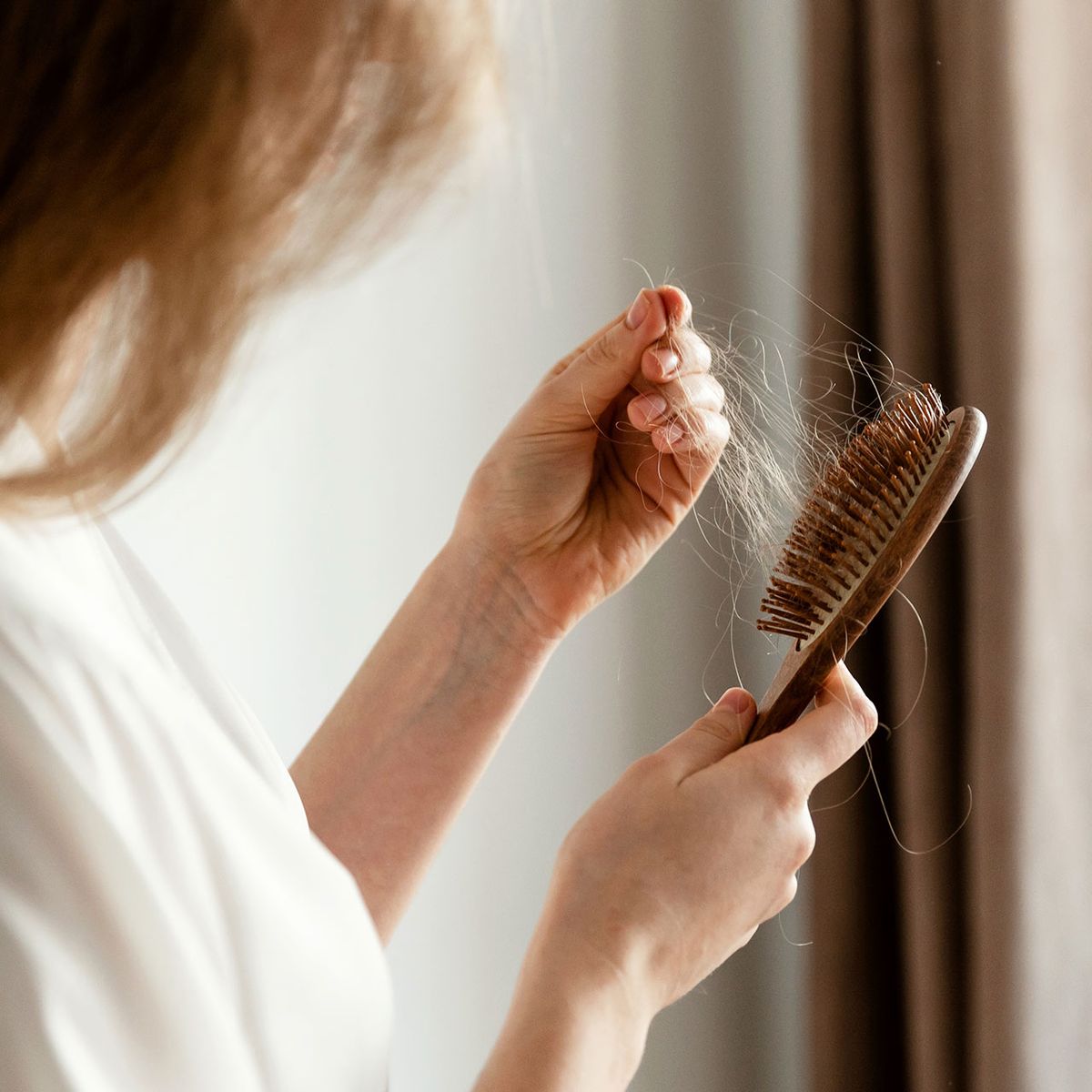
Hair loss is a common issue that affects both men and women, and it can occur for various reasons. While it is normal to shed a
small amount of hair every day as part of your natural hair growth cycle, excessive hair loss may signal underlying health issues.
Understanding the causes, symptoms, and treatment options for hair loss can help you manage this condition and take proactive steps to
prevent further hair thinning or shedding.
What is Hair Loss?
Hair loss, or alopecia, occurs when hair falls out and is not replaced by new strands. For most individuals, it's normal to shed up to 100 strands of hair a day. As part of your hair's growth cycle, new strands grow to replace those that are shed. However, if the hair loss becomes excessive and fewer or no new strands grow back, it can lead to noticeable thinning or bald spots. Hair loss can affect just the scalp or other parts of the body as well.
Types of Hair Loss
Hair loss comes in many forms, some of which are temporary, while others are permanent. The most common types of hair loss include:
-
Androgenic Alopecia (Male and Female Pattern Baldness): This hereditary form of baldness affects a large percentage of
people. It is characterized by gradual thinning of hair, often starting at the hairline or crown.
-
Alopecia Areata: An autoimmune condition in which the body mistakenly attacks its hair follicles, leading to round patches
of hair loss on the scalp or body. It can affect both adults and children.
-
Telogen Effluvium: A form of temporary hair loss that typically occurs after physical or emotional stress, illness, or
hormonal changes. It involves the shedding of hair in large amounts within a short time frame.
-
Anagen Effluvium: Rapid hair loss due to chemotherapy or certain medications that disrupt the hair’s growth cycle.
Common Causes of Hair Loss
The causes of hair loss are varied, ranging from genetic factors to lifestyle and medical conditions. Common causes include:
-
Genetics: Hereditary hair loss is the most common cause, particularly in the form of androgenic alopecia (male and female
pattern baldness).
- Hormonal Changes: Pregnancy, childbirth, menopause, and thyroid imbalances can all trigger hair loss.
-
Medical Conditions: Conditions such as anemia, thyroid disease, and autoimmune diseases (like alopecia areata) are known to
contribute to hair thinning.
-
Stress: Physical or emotional stress, such as a major life change or the loss of a loved one, can lead to temporary hair
loss.
-
Medication: Certain medications, including those for chemotherapy, blood pressure, and depression, may have hair loss as a
side effect.
-
Dietary Deficiencies: Lack of essential nutrients like iron, protein, and vitamins can weaken hair and lead to thinning or
shedding.
-
Hairstyles and Hair Treatments: Tight hairstyles (e.g., ponytails, braids) or harsh chemical treatments (e.g., perms,
bleaching) can cause hair to break and fall out.
Symptoms of Hair Loss
Hair loss manifests in different ways depending on the cause. Some of the most common symptoms include:
-
Receding Hairline: Characteristic of male pattern baldness, the hairline recedes over time, typically starting at the
temples or forehead.
-
Thinning Hair: Women often experience general thinning of hair across the scalp, especially at the crown or parting.
-
Patchy Hair Loss: Sudden, round patches of hair loss on the scalp or body, commonly seen in alopecia areata.
-
Full-Body Hair Loss: In severe cases, hair loss can affect not only the scalp but also other parts of the body.
Complications of Hair Loss
While hair loss itself does not pose significant health risks, it can lead to emotional distress for many people. The psychological impact of losing hair, particularly when it results in visible bald spots, can affect self-esteem and quality of life. In some cases, it may also lead to scalp sensitivity, sunburn, and increased risk of skin damage if the scalp is exposed to the sun.
Diagnosis of Hair Loss
If you experience significant hair loss, it's essential to consult a healthcare provider. A doctor will typically diagnose the cause of hair loss based on your medical history, family history, and a thorough scalp examination. They may also order blood tests to check for nutritional deficiencies, thyroid function, or underlying medical conditions.
In some cases, your doctor might perform a scalp biopsy to examine the skin and identify any signs of infection or other scalp conditions that could be contributing to hair loss.
Treatments for Hair Loss
The treatment approach for hair loss depends on its underlying cause. If the hair loss is related to an identifiable medical condition or medication, treating the condition may resolve the problem. Common treatment options for hair loss include:
-
Minoxidil (Rogaine®): This over-the-counter topical treatment is widely used to slow hair loss and stimulate new hair
growth. It’s available for both men and women and is applied directly to the scalp.
-
Finasteride (Propecia®): An oral medication approved for use in men with male pattern baldness. It works by blocking the
hormone responsible for hair loss.
-
Hair Transplants: A surgical procedure in which healthy hair follicles are removed from areas with thick hair and
transplanted to areas with thinning hair.
-
Platelet-Rich Plasma (PRP): This involves drawing blood from the patient, isolating the plasma rich in platelets, and
injecting it into the scalp to stimulate hair growth.
- Wigs or Hairpieces: For those who experience significant hair loss, wearing wigs or hairpieces can help restore confidence and appearance.

Preventing Hair Loss
While you can't prevent all forms of hair loss, there are several steps you can take to maintain healthy hair and minimize the risk of thinning:
-
Maintain a Healthy Diet: Ensure that your diet includes adequate levels of protein, iron, and essential vitamins to promote
strong hair. Foods like eggs, nuts, lean meats, and leafy greens are excellent for hair health.
-
Manage Stress: Chronic stress can lead to telogen effluvium, so finding ways to manage stress—through exercise, meditation,
or therapy—can help prevent hair loss.
-
Avoid Harsh Hairstyles: Tight hairstyles, such as braids or ponytails, can stress the hair follicles, leading to hair loss.
Try to avoid pulling the hair too tightly.
-
Protect Your Hair from the Elements: Protect your hair from extreme temperatures and environmental damage. Wearing hats and
using sun protection on your scalp can help prevent hair damage.
-
Use Gentle Hair Care Products: Avoid harsh chemical treatments or excessive heat styling. Opt for products that are gentle
on the scalp and nourish the hair.
-
Regular Trims: Trim your hair regularly to eliminate split ends and minimize breakage. Healthy hair is essential for
optimal growth.
-
Consider Hair Growth Serums: Products like hair growth serums can help nourish the scalp and promote thicker, healthier
hair. Clinical studies have shown that some serums can increase hair density and reduce visible hair loss when used consistently.
Hair loss is a common concern that can stem from various causes, including genetics, hormonal changes, and lifestyle factors. Whether you are experiencing temporary hair loss or dealing with more chronic conditions like male or female pattern baldness, understanding the causes, symptoms, and available treatments can empower you to take control of your hair health. While some hair loss conditions are irreversible, many are treatable with the right approach. If you're dealing with hair loss, it's essential to consult a healthcare provider to determine the cause and find the most effective treatment options for your specific condition.
Shopping or spending abroad? Check out the GiftTree Brand



.jpg)







.jpg)





.jpeg)




.jpeg)



.jpeg)






.jpeg)


.jpeg)

.jpeg)

.jpeg)

.jpeg)



.jpeg)
.jpg)

.jpeg)






.jpeg)
.jpeg)



.jpeg)





.jpeg)


.jpeg)

.jpeg)

.jpeg)

.jpeg)






.jpeg)
.jpeg)
.jpeg)



.jpeg)


.jpeg)




.jpg)
.jpeg)







.jpg)

ulva-Logo.jpg)



.jpeg)



.png)















.png)