
The Ultimate Guide to Toddler Development: Engaging Activities for Skill Growth from 2 Months to 2 Years
The Power of Play in Toddler Development
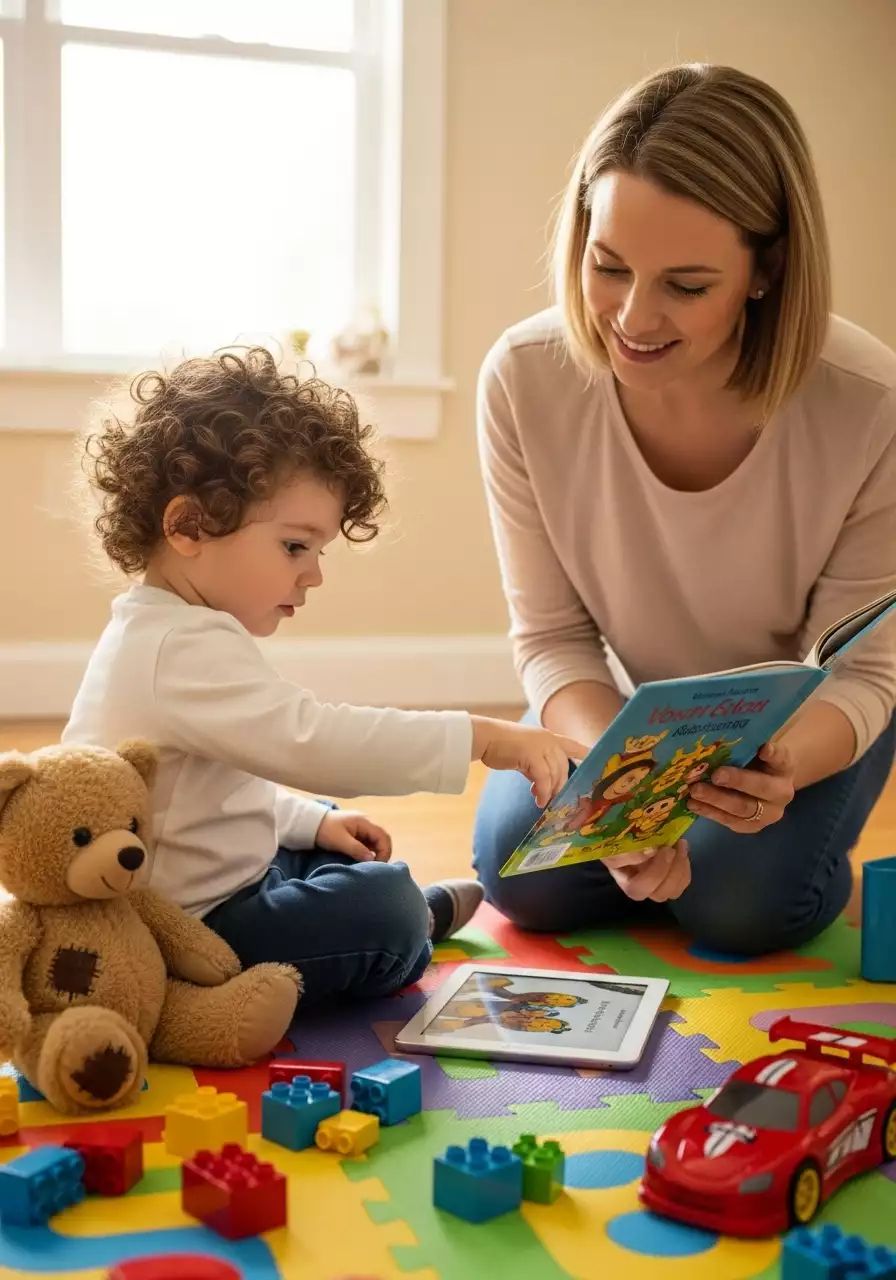
As a parent or caregiver, you are your child’s first and most important teacher. Play is a vital part of your toddler’s learning journey, fostering their cognitive, social, emotional, and physical development. Through play, your toddler learns about the world, explores new skills, builds relationships, and practices motor functions. Active playtime during the first two years is an essential tool for shaping their future development, and it’s also one of the best ways for you to bond with your little one.
In this guide, we’ve compiled an extensive list of engaging, fun, and developmental activities tailored to your toddler’s growing abilities. From their early days as a 2-month-old to their first steps as a 2-year-old, we’ll walk you through age-appropriate activities designed to encourage growth, learning, and curiosity.
By participating in these activities, you’ll not only support their developmental milestones but also make learning a fun and enjoyable experience.
Table of Contents
-
Activities for 2-Month-Olds
- Tap Along: Developing Listening Skills
- Chit Chat: Boosting Communication
- Reach, Reach, Reach!: Fine Motor Skill Development
- Tap Along: Developing Listening Skills
-
Activities for 4-Month-Olds
- Story Time: Promoting Early Literacy
- Texture Talk: Enhancing Sensory Development
- Turn the Switch: Understanding Cause and Effect
- Story Time: Promoting Early Literacy
-
Activities for 6-Month-Olds
- Let’s Get Rolling!: Gross Motor Skill Growth
- Go Exploring: Outdoor Exploration for Senses
- Magical Ride: Strengthening Core and Neck Muscles
- Let’s Get Rolling!: Gross Motor Skill Growth
-
Activities for 9-Month-Olds
- Copy Cat: Promoting Social and Emotional Skills
- Independent Explorer: Encouraging Independence
- Follow the Leader: Learning Through Commands
- Copy Cat: Promoting Social and Emotional Skills
-
Activities for 1-Year-Olds
- Hide and Search: Object Permanence
- Words, Words, Words!: Language Development
- Water Wonder: Visual and Sensory Stimulation
- Hide and Search: Object Permanence
-
Activities for 18-Month-Olds
- Walking Buddy: Building Confidence and Mobility
- Make Believe: Enhancing Creativity and Empathy
- In and Out: Fine Motor and Communication Skills
- Walking Buddy: Building Confidence and Mobility
-
Activities for 2-Year-Olds
- Household Helper: Fostering Independence
- Budding Artist: Encouraging Creativity
- Tower Tumbler: Building Physical Strength and Coordination
- Household Helper: Fostering Independence
1. Activities for 2-Month-Olds
At two months, your baby is beginning to explore the world around them and has just started developing some essential skills. Their muscles are getting stronger, and they are beginning to engage more with their caregivers. During this period, eye contact, listening, and early motor control are critical parts of their development.
Tap Along: Developing Listening Skills
Activity Details:
Lay your baby on their back and sing them a familiar song. As you sing, gently tap the bottoms of their feet in time with the rhythm of the
song.
How It Helps Your Baby:
This activity helps stimulate your baby’s listening skills. The rhythmic pattern of the tapping along with your voice
creates a sensory experience, helping your baby engage with sound. Babies at this stage are fascinated by the sound of their caregivers’
voices and begin to process language patterns, which lays the foundation for speech development.
Benefits:
- Boosts auditory development.
- Establishes a bond between you and your baby through shared musical experiences.
- Introduces rhythm, which will later help with language acquisition and motor coordination.
Chit Chat: Boosting Communication
Activity Details:
Sit face to face with your baby, making direct eye contact. When they make sounds, respond by mimicking their noises or saying simple words
back. Pause to allow them to "respond" in their own way.
How It Helps Your Baby:
This activity is the earliest form of turn-taking and conversational exchange. By responding to your
baby's sounds, you help them develop a foundation for language comprehension. Babies at this stage love interacting and
will learn social cues like eye contact, facial expressions, and tone of voice.
Benefits:
- Fosters early communication skills.
- Strengthens the bond between caregiver and child.
- Encourages language development and listening skills.
Reach, Reach, Reach!: Fine Motor Skill Development
Activity Details:
Hold a brightly colored object, such as a soft toy or cloth, just out of your baby’s reach. Gently guide their hands toward it, encouraging
them to stretch and grasp the object. Alternate sides to help them practice using both hands.
How It Helps Your Baby:
At this stage, your baby’s muscles are developing, and their ability to control movements is improving. Encouraging your baby to reach for
objects helps them develop fine motor skills and strengthens their hand-eye coordination, which is essential for later
skills like writing or drawing.
Benefits:
- Supports fine motor development by promoting hand control.
- Strengthens muscles in the arms and hands.
- Helps improve hand-eye coordination.
2. Activities for 4-Month-Olds
At four months, your baby is becoming more aware of their surroundings and capable of more complex interactions. They may start to reach for objects, hold their head up, and track moving objects with their eyes. Their cognitive and physical abilities are developing quickly, and these activities aim to help them learn through sensory exploration and communication.
Story Time: Promoting Early Literacy
Activity Details:
Choose a baby-friendly book with bright pictures or simple illustrations. Hold the book in front of your baby and point to different objects
on each page, naming them aloud. Let your baby touch the book or focus on the pictures.
How It Helps Your Baby:
Reading to your baby helps introduce them to the concept of language and storytelling. At this stage, babies start
developing visual tracking skills and begin associating words with images, which is the foundation of literacy. Regularly reading to your
baby promotes language development and vocabulary expansion.
Benefits:
- Encourages early literacy skills.
- Stimulates visual development.
- Fosters bonding time between caregiver and child.
Texture Talk: Enhancing Sensory Development
Activity Details:
Provide your baby with a range of textures to touch. These can include soft fabrics, rough materials, or squishy objects. As your baby
touches these, describe the textures using words like smooth, rough, or bumpy.
How It Helps Your Baby:
This sensory activity enhances your baby's sense of touch, helping them to differentiate between different textures. The
more varied experiences your baby has with textures, the more it contributes to their sensory development, and vocabulary
expansion as you describe the sensations.
Benefits:
- Stimulates sensory awareness, especially the sense of touch.
- Expands vocabulary by introducing new words related to textures.
- Enhances cognitive development as babies start associating words with tactile sensations.
Turn the Switch: Understanding Cause and Effect
Activity Details:
Walk around your home and demonstrate simple cause-and-effect actions, such as turning on a light or faucet, or pressing
buttons on a toy. As you perform these actions, say the words “on” and “off” aloud.
How It Helps Your Baby:
This simple activity introduces the concept of cause and effect—understanding that actions lead to outcomes. As your baby
grows, this will help them make sense of their environment and understand how things work.
Benefits:
- Teaches cause-and-effect relationships.
- Expands vocabulary with new action words like “on” and “off.”
- Encourages problem-solving and cognitive development.
3. Activities for 6-Month-Olds
By six months, your baby is becoming increasingly mobile and curious. They may be sitting up or rolling over, and they are learning to engage more fully with their environment. These activities support both their gross motor skills and their exploration of new textures and experiences.
Let’s Get Rolling!: Gross Motor Skill Growth
Activity Details:
Place your baby on their back or tummy on a safe surface and place a favorite toy just out of reach. Encourage your baby to roll over to
reach the toy.
How It Helps Your Baby:
Rolling is a major milestone in your baby’s gross motor development. It helps strengthen the muscles needed for sitting,
crawling,
and eventually walking. Engaging them with toys they are eager to reach for encourages both physical movement and emotional excitement.
Benefits:
- Supports physical development by enhancing gross motor skills.
- Encourages early mobility and body awareness.
- Strengthens muscles needed for later movements, such as crawling.
Go Exploring: Outdoor Exploration for Senses
Activity Details:
Take your baby on a walk outside. Point out the different things you see, like trees, birds, flowers, or even the sounds of traffic. Talk
about the different colors, textures, and sounds you hear.
How It Helps Your Baby:
Exposure to new visual and auditory experiences helps develop your baby's senses and language skills. The
more experiences they have in the world, the more they begin to recognize familiar objects and sounds.
Benefits:
- Enhances visual, auditory, and social skills.
- Helps develop sensory awareness and early social engagement.
- Exposes babies to the natural environment, promoting curiosity.
Magical Ride: Strengthening Core and Neck Muscles
Activity Details:
Place your baby on their tummy on a soft surface like a towel or blanket, and gently lift the corners to move them around the room.
Encourage your baby to raise their head and neck as they "ride" around.
How It Helps Your Baby:
This activity strengthens your baby's core muscles and helps improve head and neck control, which are crucial for later
developmental milestones like crawling, sitting, and walking.
Benefits:
- Builds core strength and head control.
- Promotes gross motor skill development and stability.
- Encourages early muscle growth in the back, core, and neck.
Nurturing Growth Through Play
The first two years of a child’s life are crucial for laying the foundation for lifelong learning. Every activity, from tapping along with a song to exploring textures and objects, plays a key role in your baby’s physical, cognitive, and emotional growth. The activities in this guide offer a comprehensive approach to toddler development, helping your little one progress toward their milestones with confidence and joy.
By engaging in these activities, you are not just providing fun, but actively shaping your toddler’s future. Whether it’s strengthening their fine motor skills, improving their language development, or simply giving them opportunities to explore their world, each moment of play will contribute to a brighter, more well-rounded future.
This expanded version of the article dives deeper into the developmental benefits of each activity, offering a comprehensive look at toddler growth and the crucial role of play in their development. If you'd like to expand further on each section or include additional activities and explanations, let me know, and I can continue building on this content!


.jpg)








.jpg)



.jpeg)





.jpeg)


.jpeg)






.jpeg)

.jpeg)

.jpeg)
.jpeg)

.jpeg)




.jpeg)
.jpg)

.jpeg)




.jpeg)
.jpeg)


.jpeg)





.jpeg)

.jpeg)

.jpeg)

.jpeg)

.jpeg)





.jpeg)
.jpeg)
.jpeg)


.jpeg)


.jpeg)




.jpg)
.jpeg)




.jpg)

ulva-Logo.jpg)



.jpeg)



.png)












.png)