

Which Direction Should A Sofa Be Placed





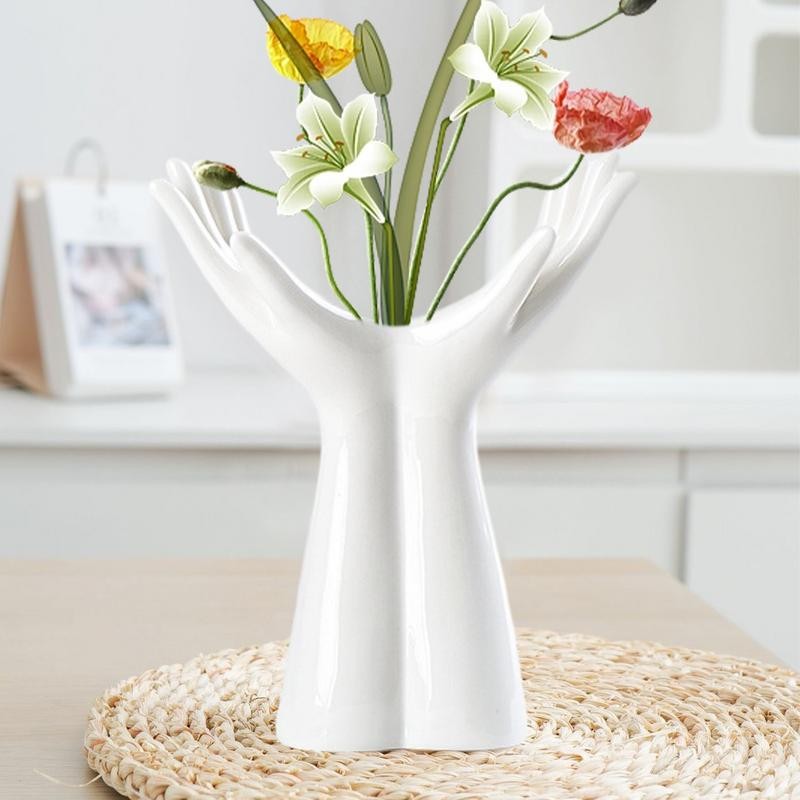
Jarrón de cerámica de estilo nórdico: moderno y creativo jarrón con arreglos florales para decoración del hogar, la oficina, el escritorio y la sala de estar.
Gift Tree
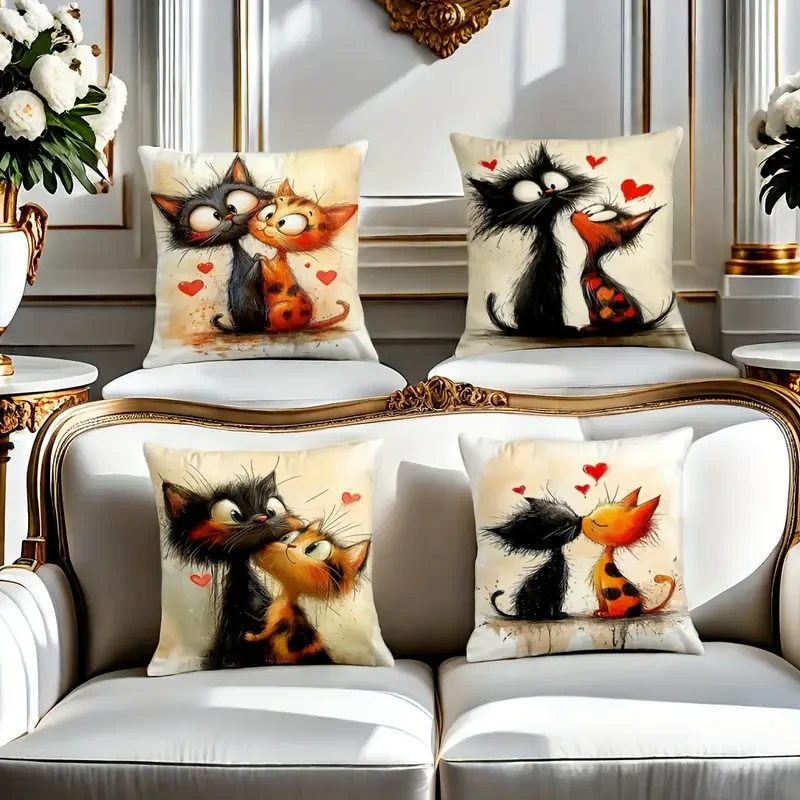

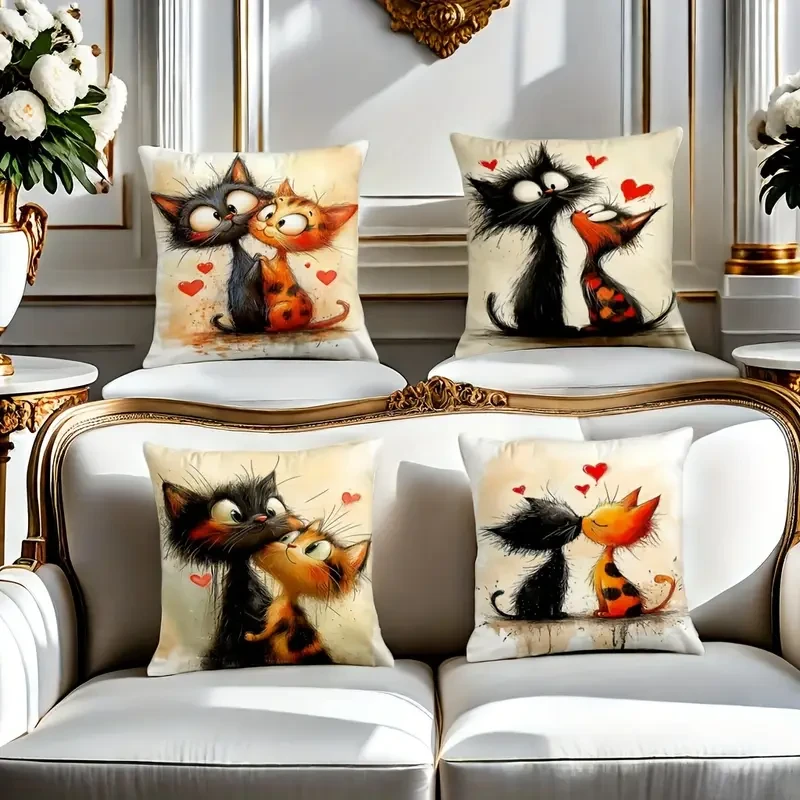
Juego de 4 fundas de cojín con diseño de pareja de gatos dibujados a mano
Gift Tree
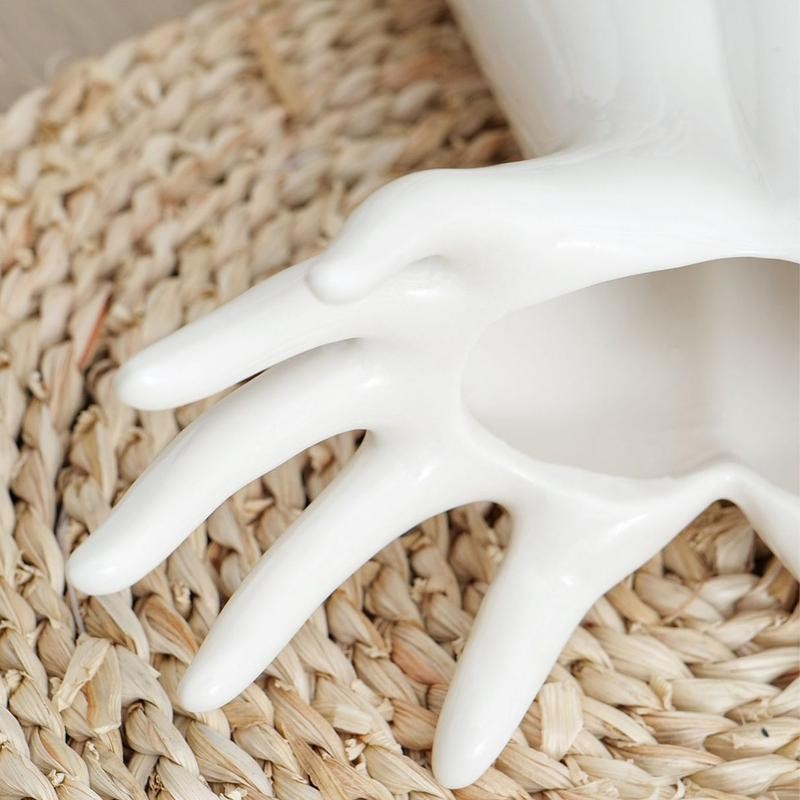
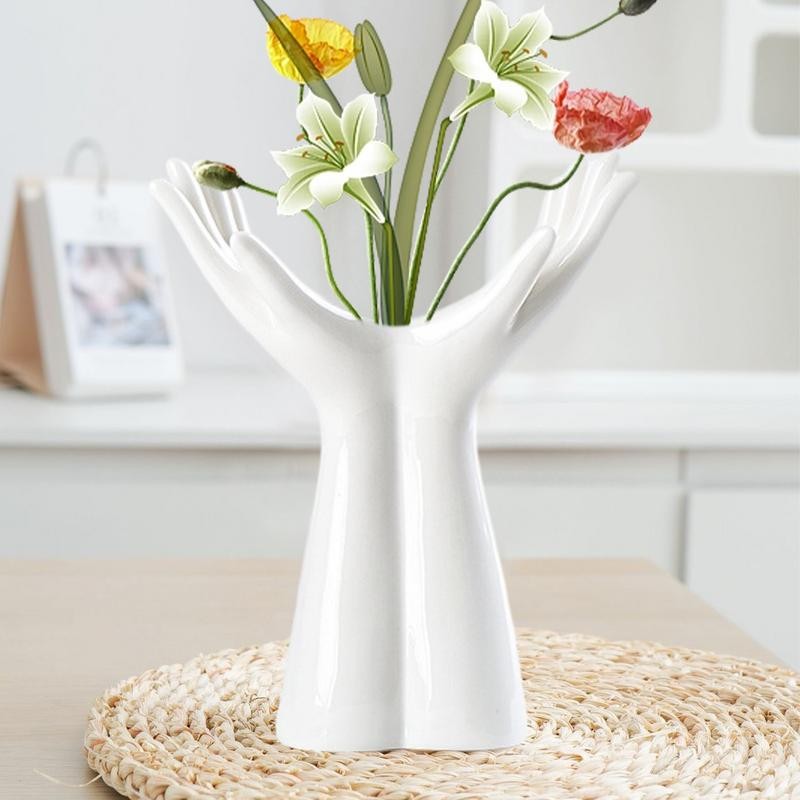
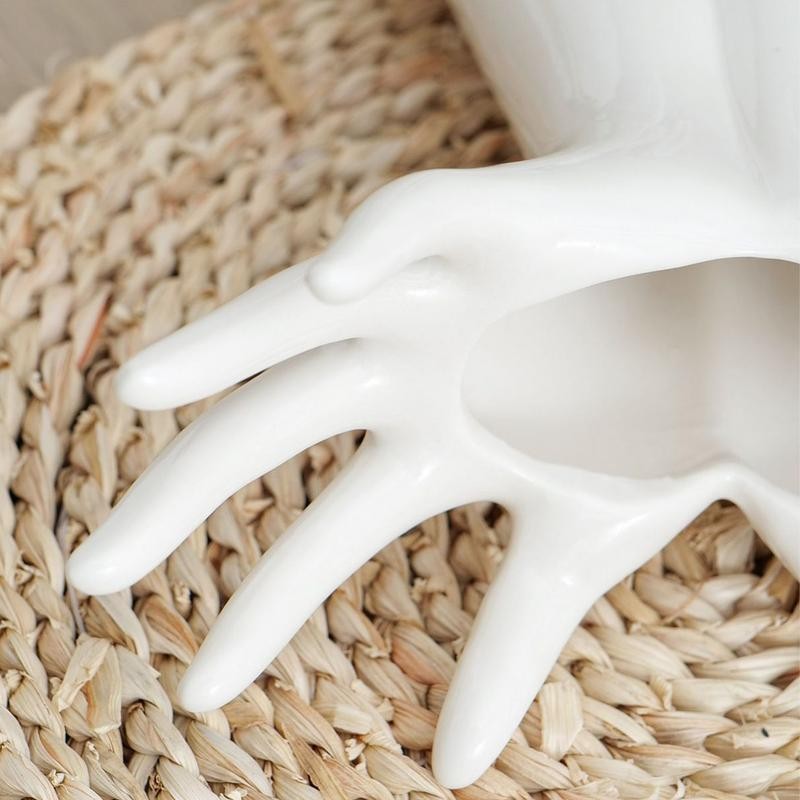
Nordic Style Ceramic Hand Vase - Modern Creative Flower Arrangement Vase for Home, Office, Desktop, and Living Room Decor
Gift Tree
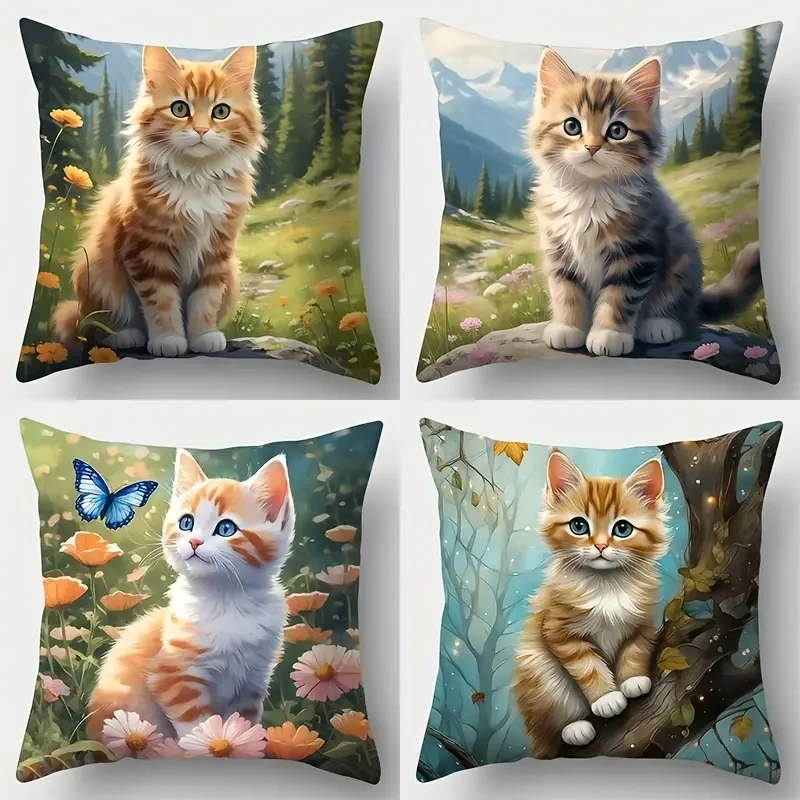
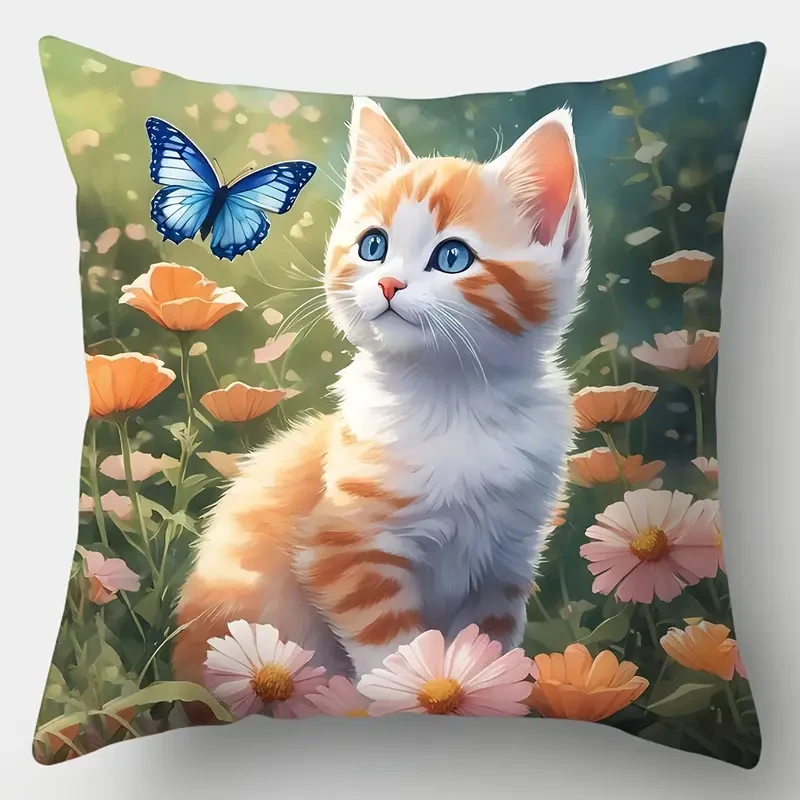
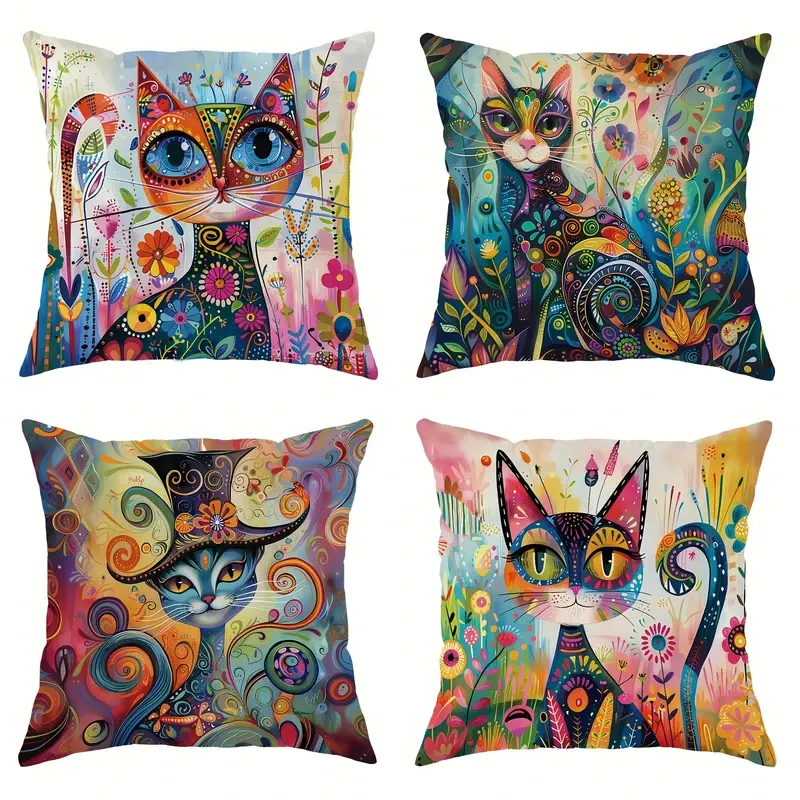
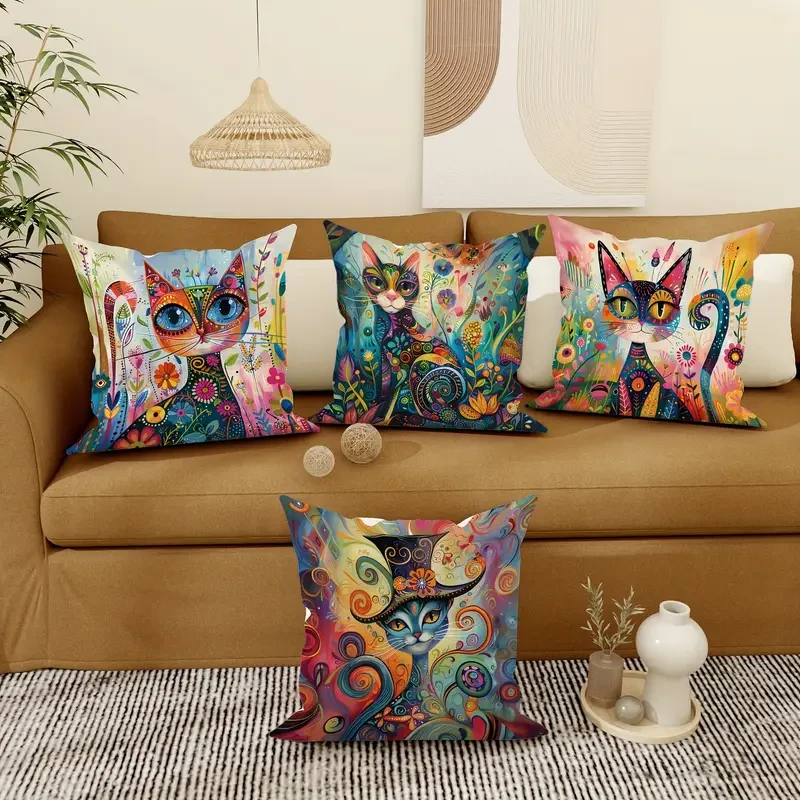
JIT 4-Pack Contemporary Throw Cushion Covers – Velvet Cat Floral Abstract Art
Gift Tree
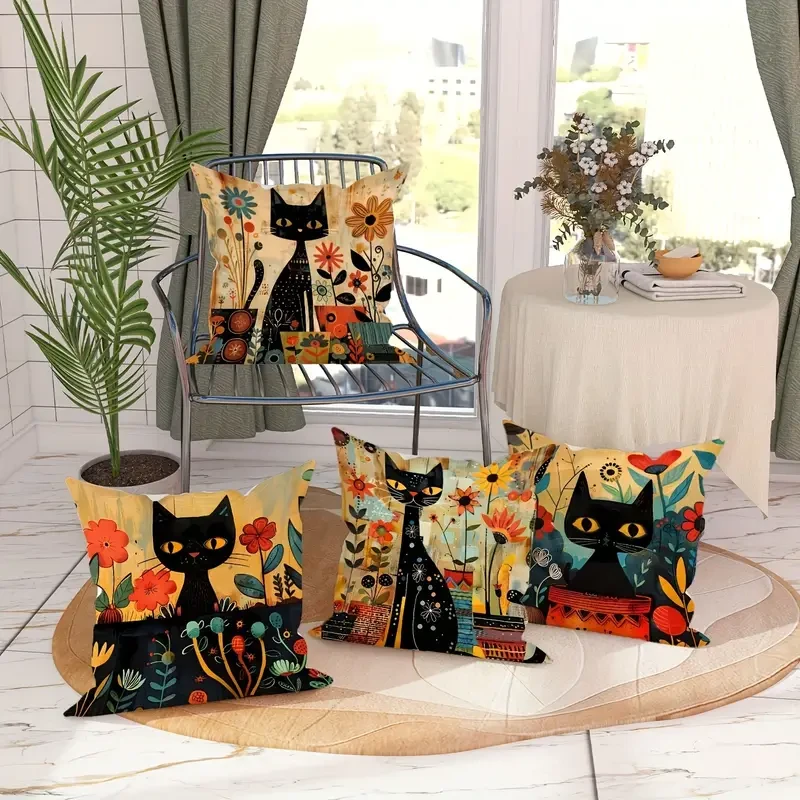
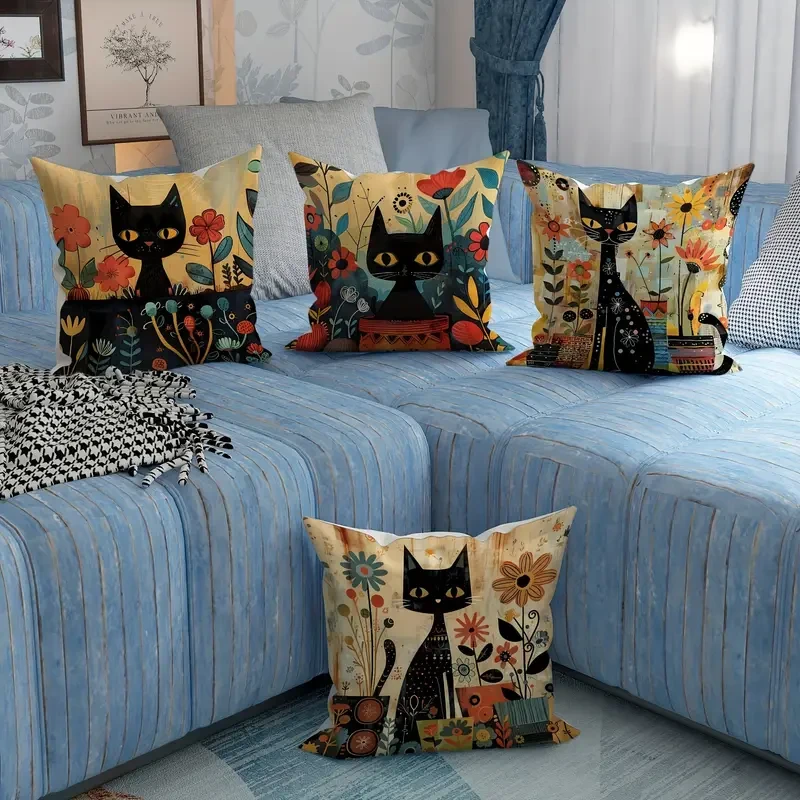
Juego de 4 fundas de cojín vintage de terciopelo con diseño de gato negro y flores
Gift Tree
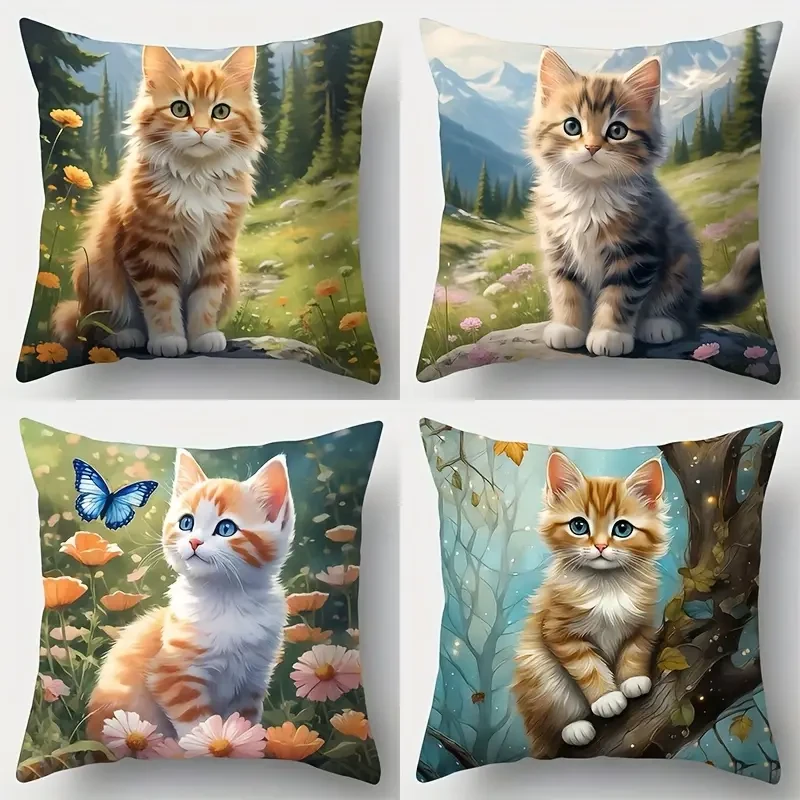
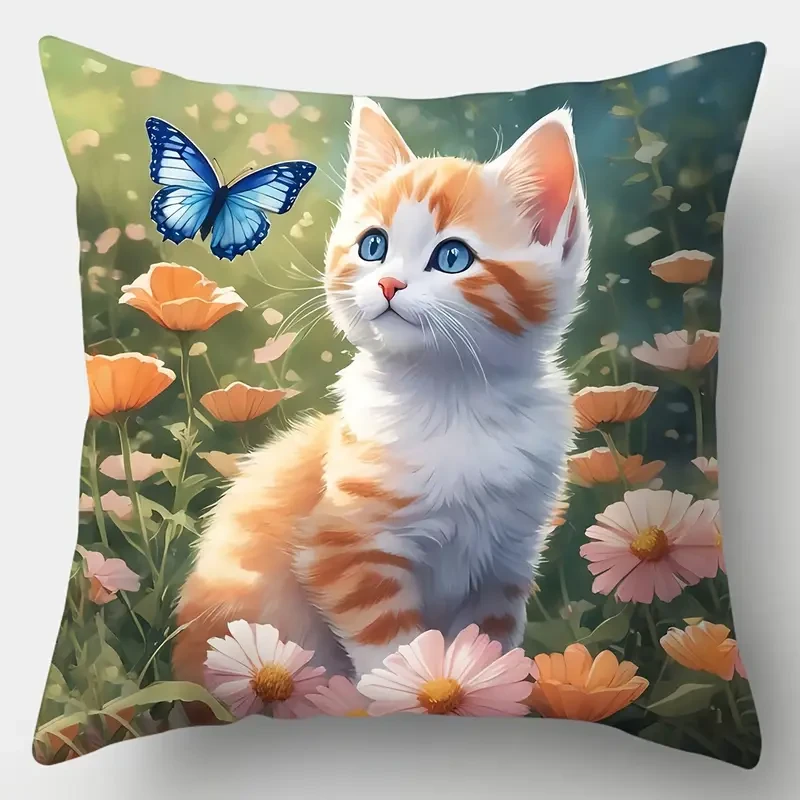
Paquete de 4 fundas de cojín contemporáneas - Estampado floral de gatos
Gift Tree
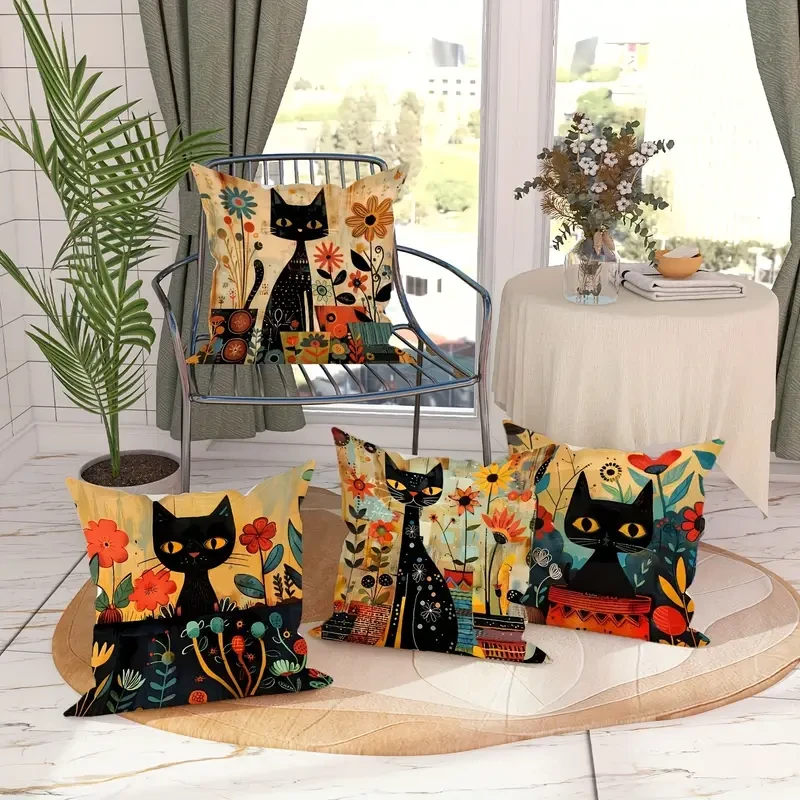
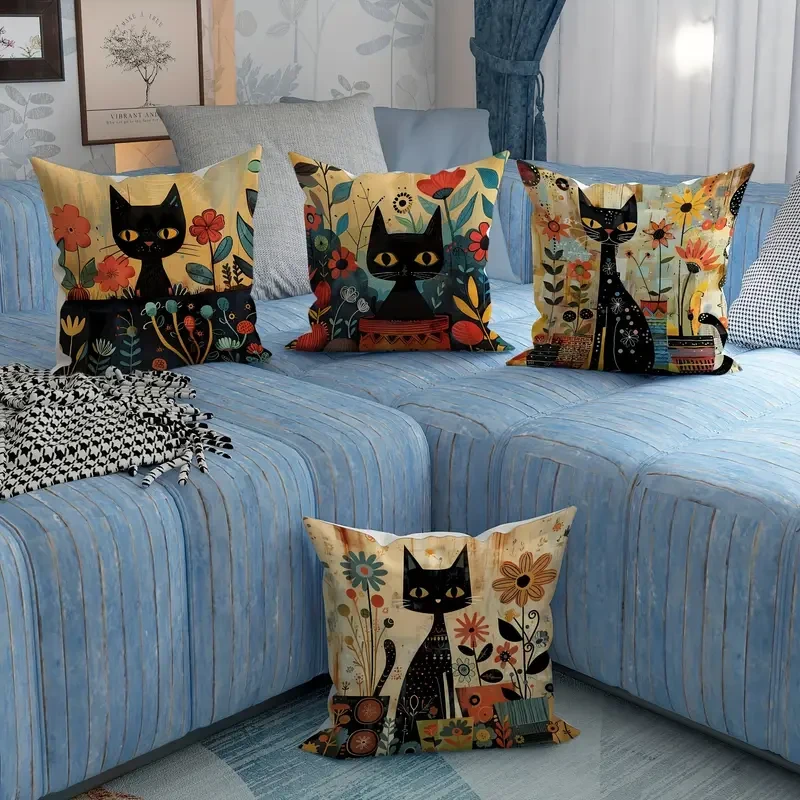
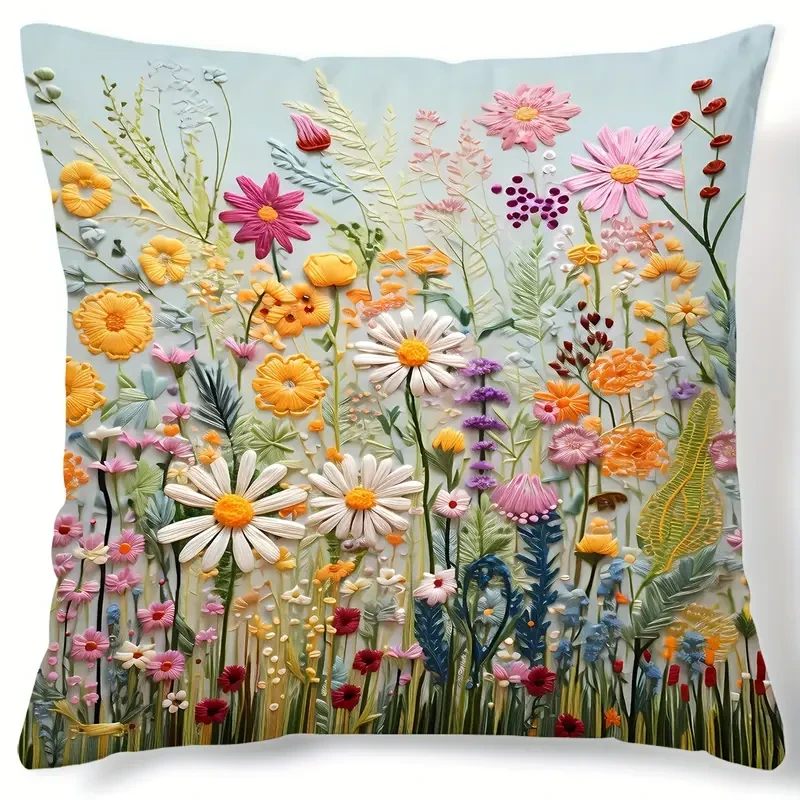
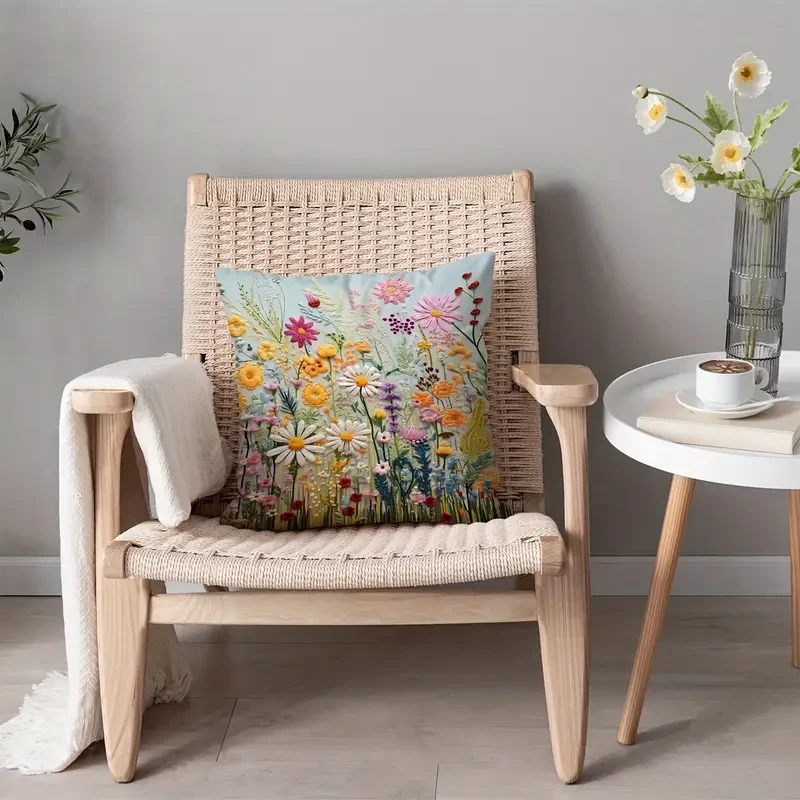
Funda de cojín de poliéster con estampado de flores y plantas, elegante decoración para dormitorio y sofá.
Gift Tree
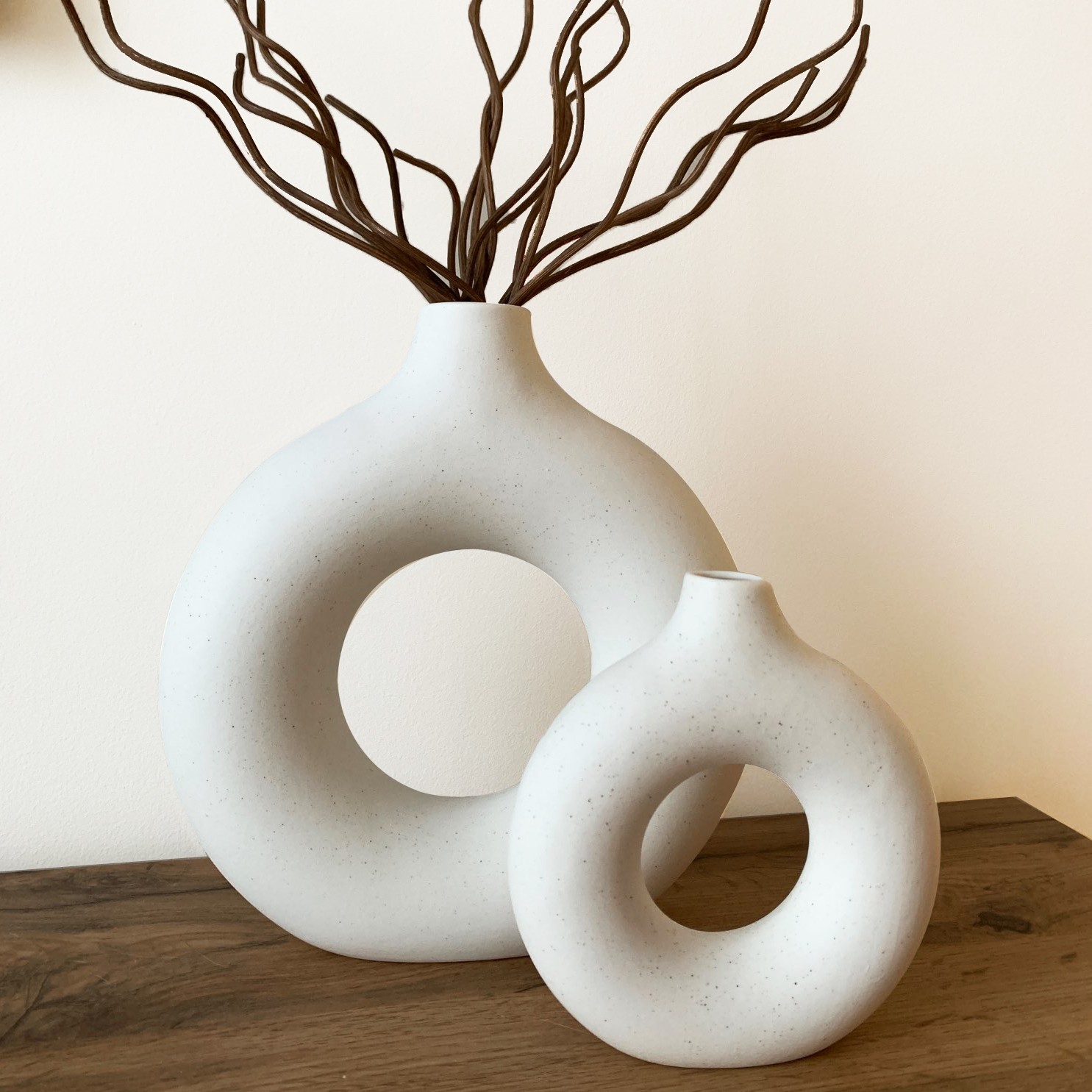
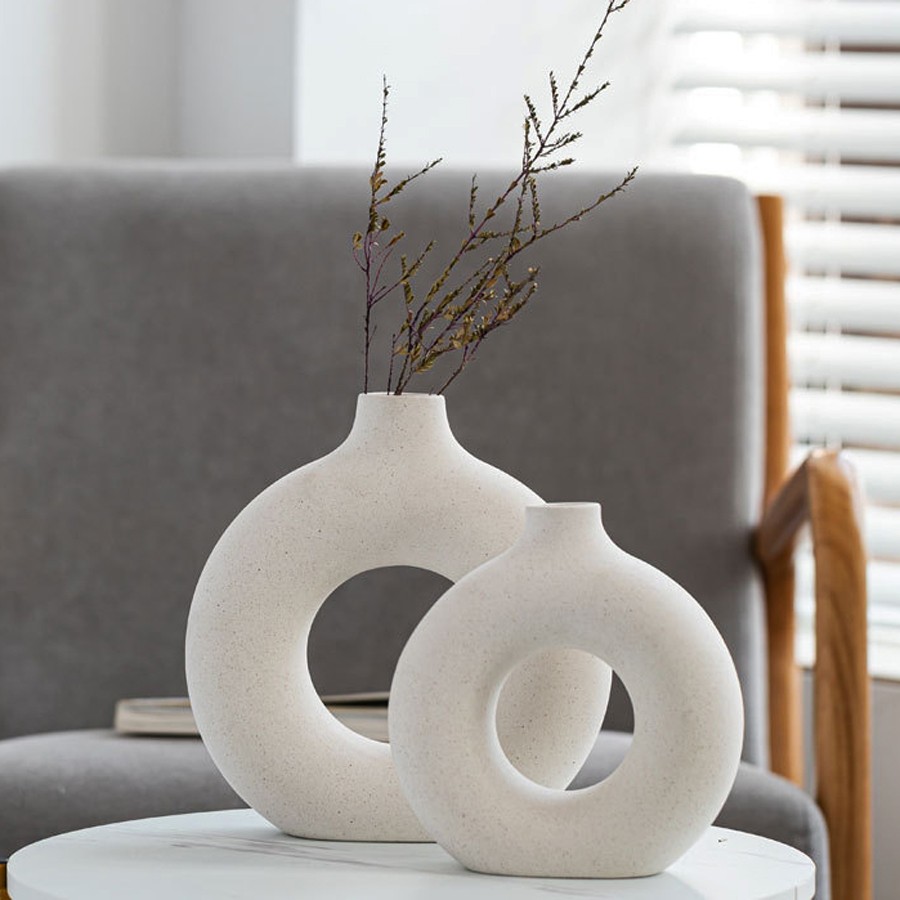
Jarrón nórdico circular hueco de cerámica en forma de donut: elegante maceta para decoración del hogar, sala de estar, oficina y escritorio.
Gift Tree
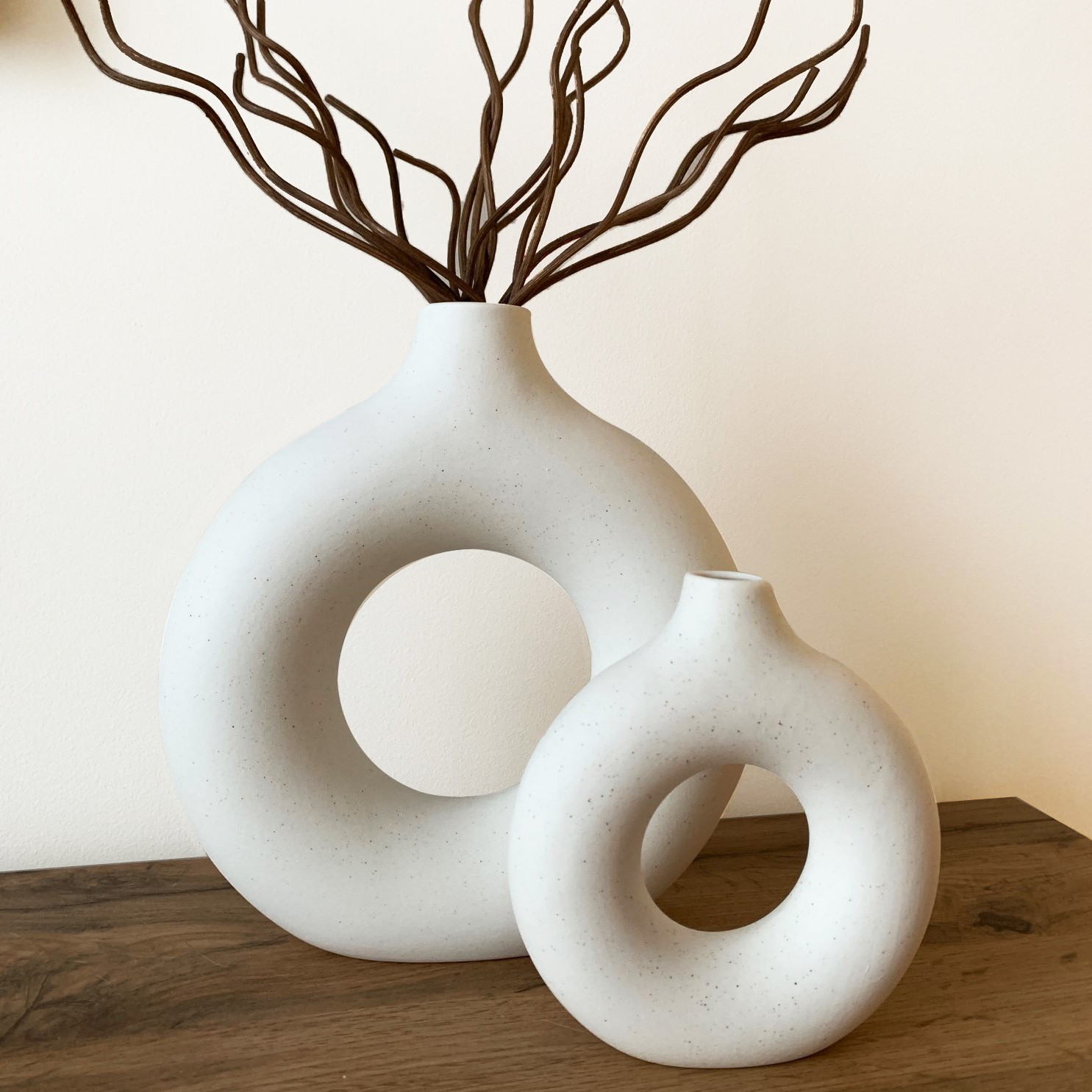
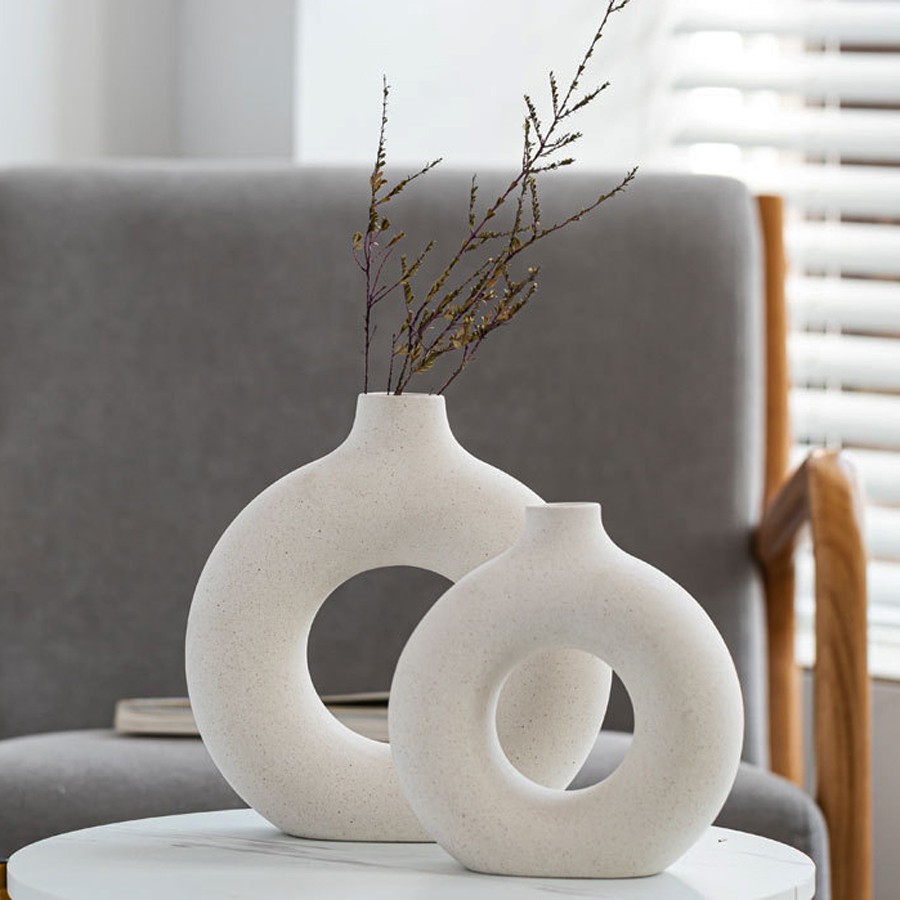
Nordic Circular Hollow Ceramic Donut Vase - Elegant Flower Pot for Home, Living Room, Office, and Desktop Decor
Gift Tree
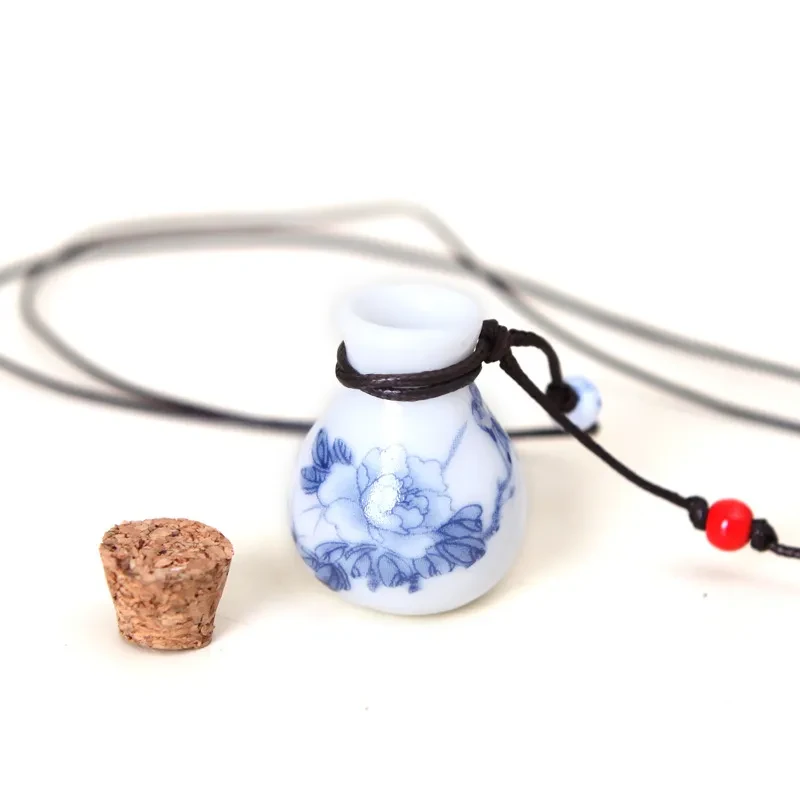
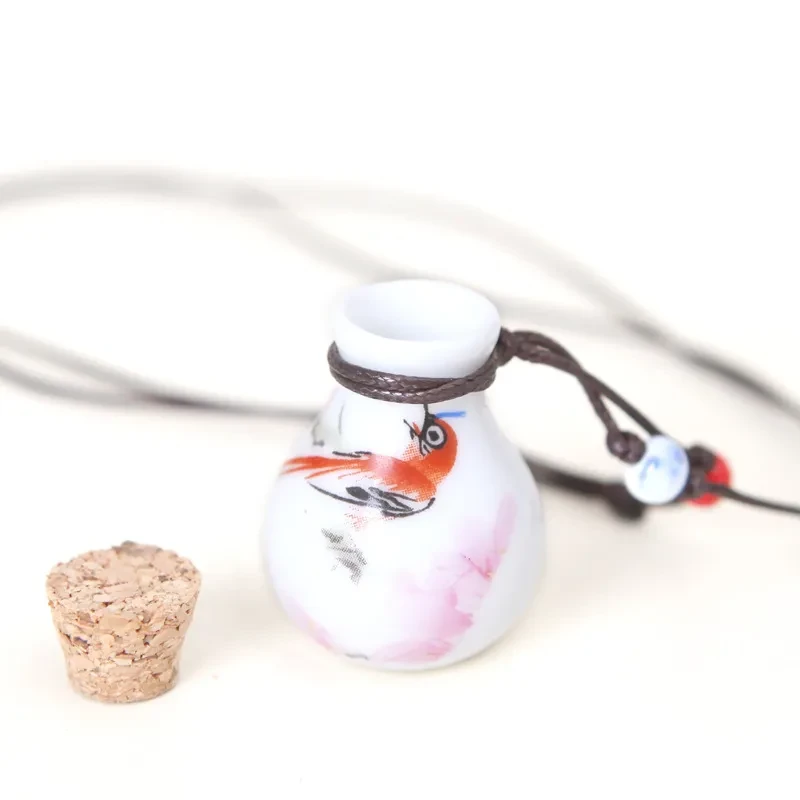
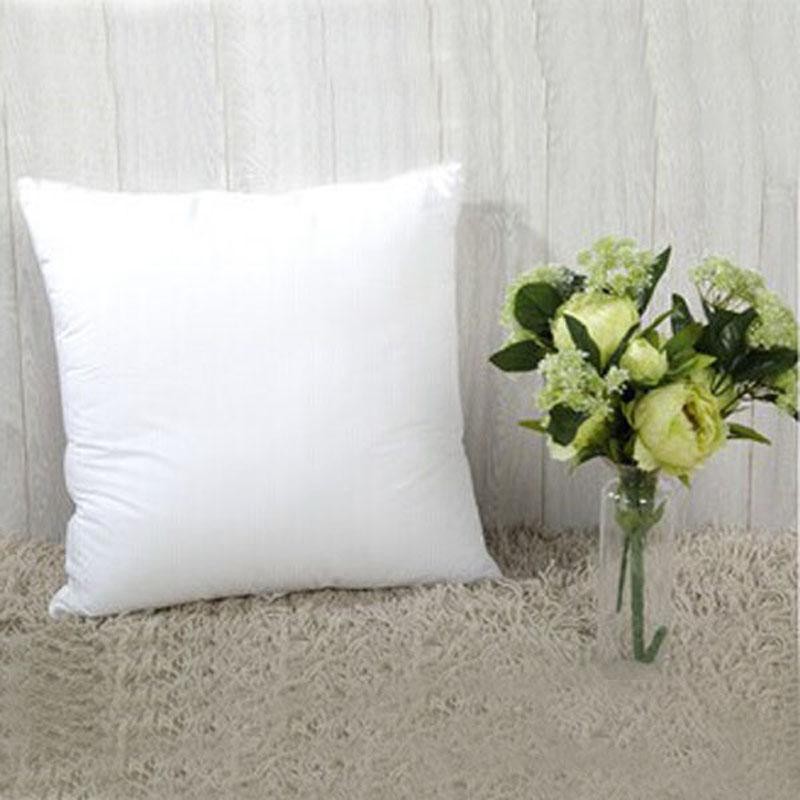
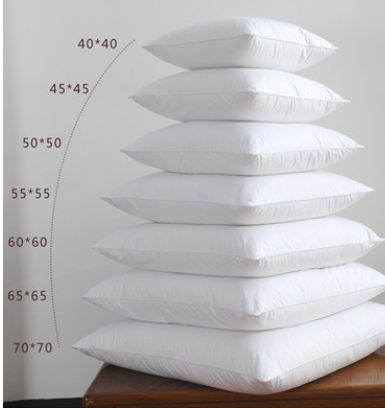
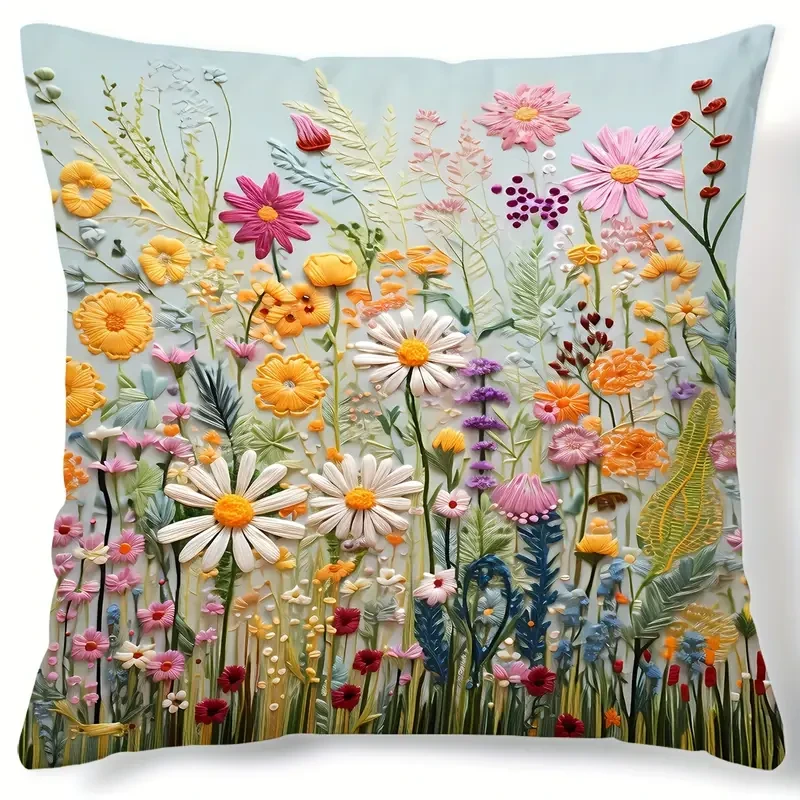
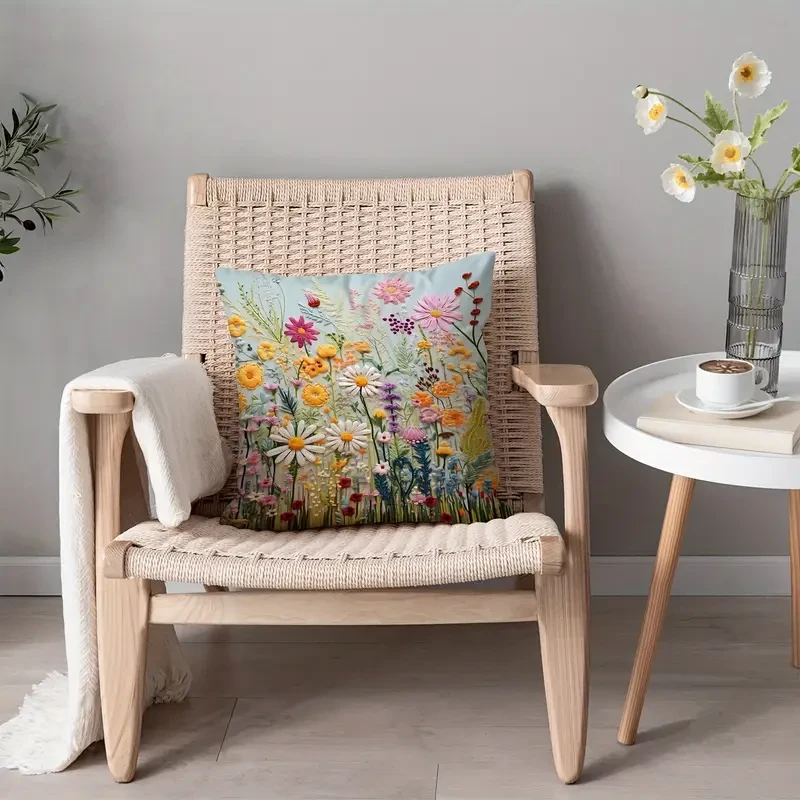
Plant Flower Pattern Polyester Cushion Cover – Elegant Room, Bedroom, and Sofa Decor
Gift Tree


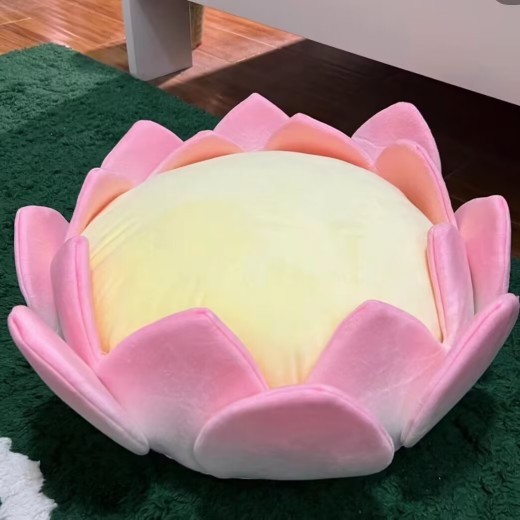
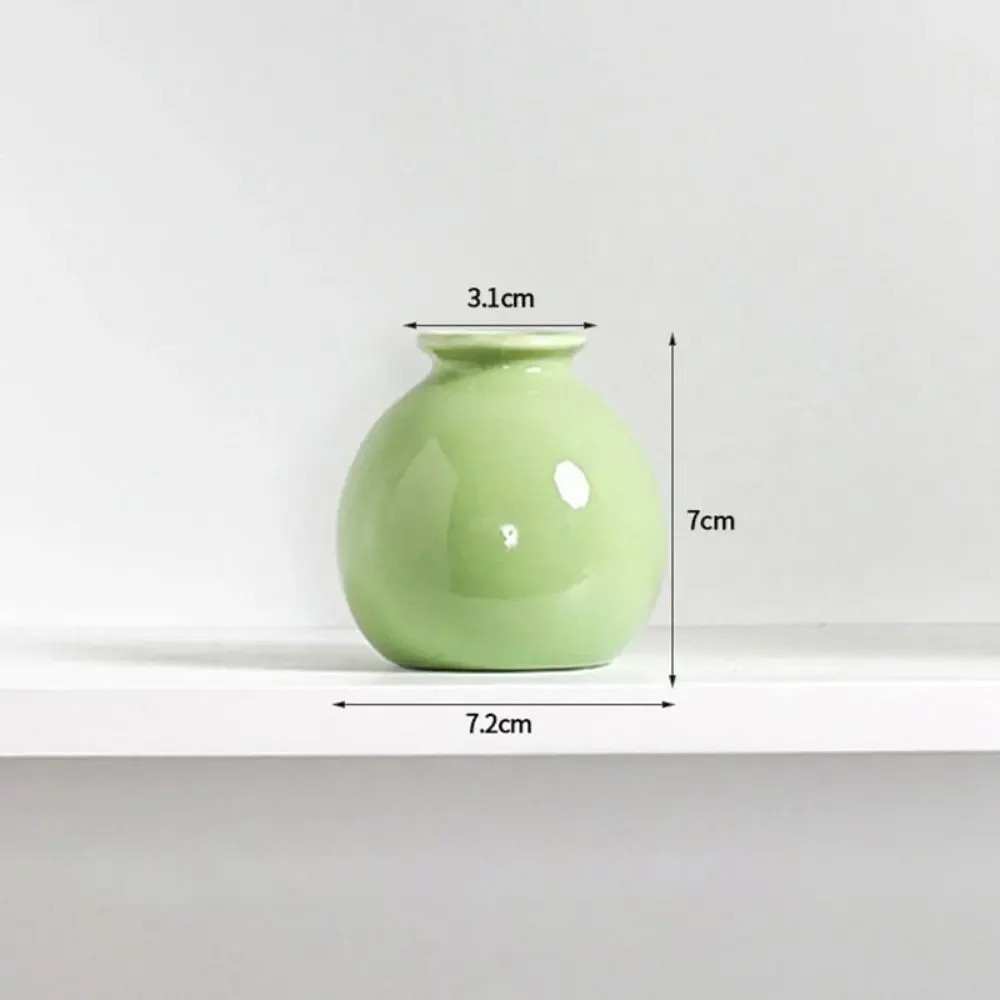
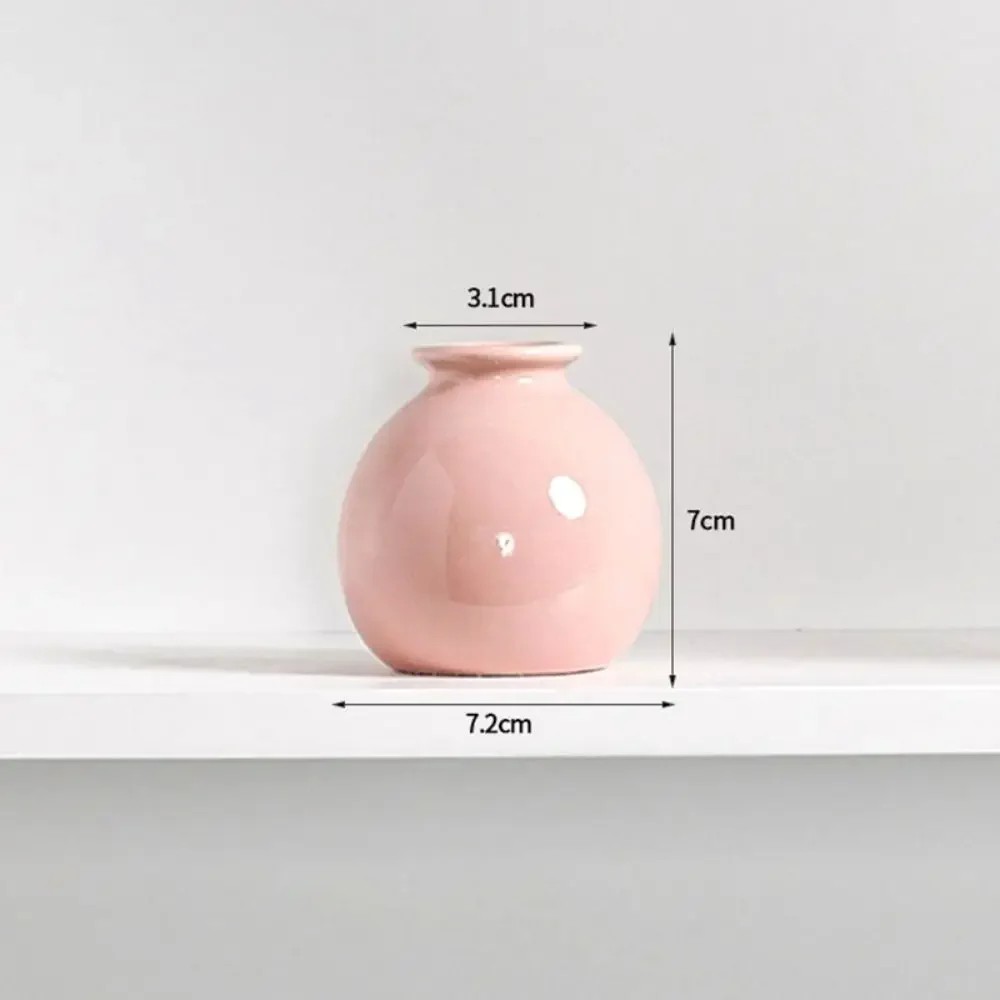
1 Pc Flower Vase Hydroponics Ceramics Vase - Colorful Desktop Ornaments, Creative Flower Plant Pots for Home Decor
Gift Tree
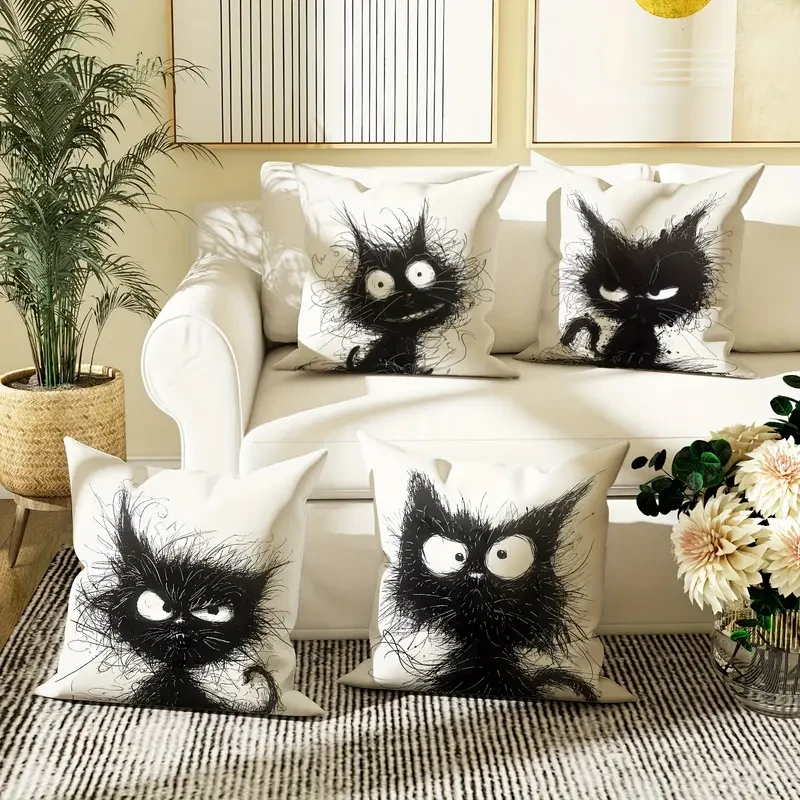
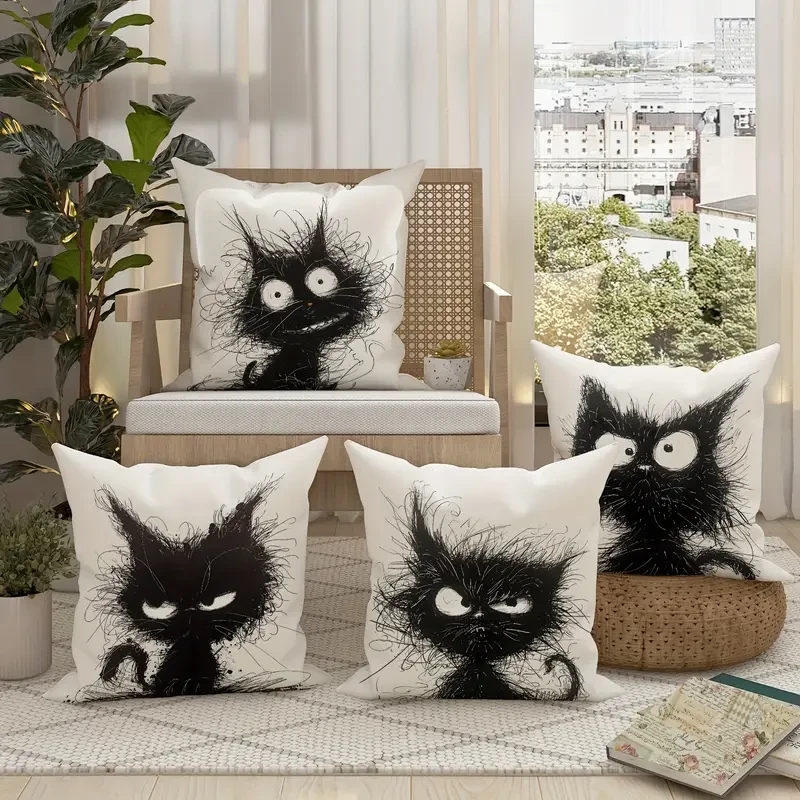
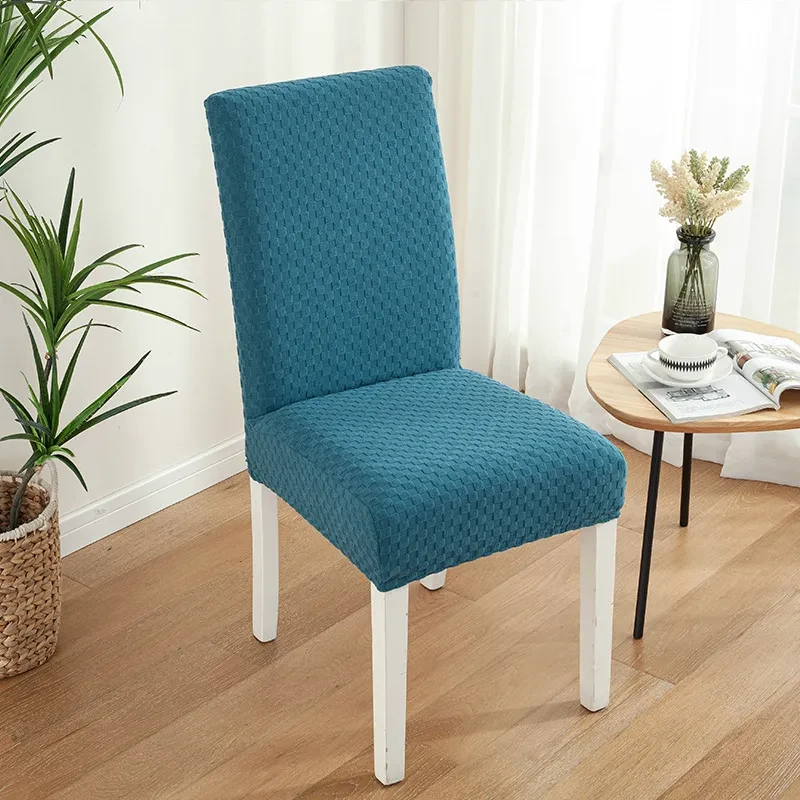
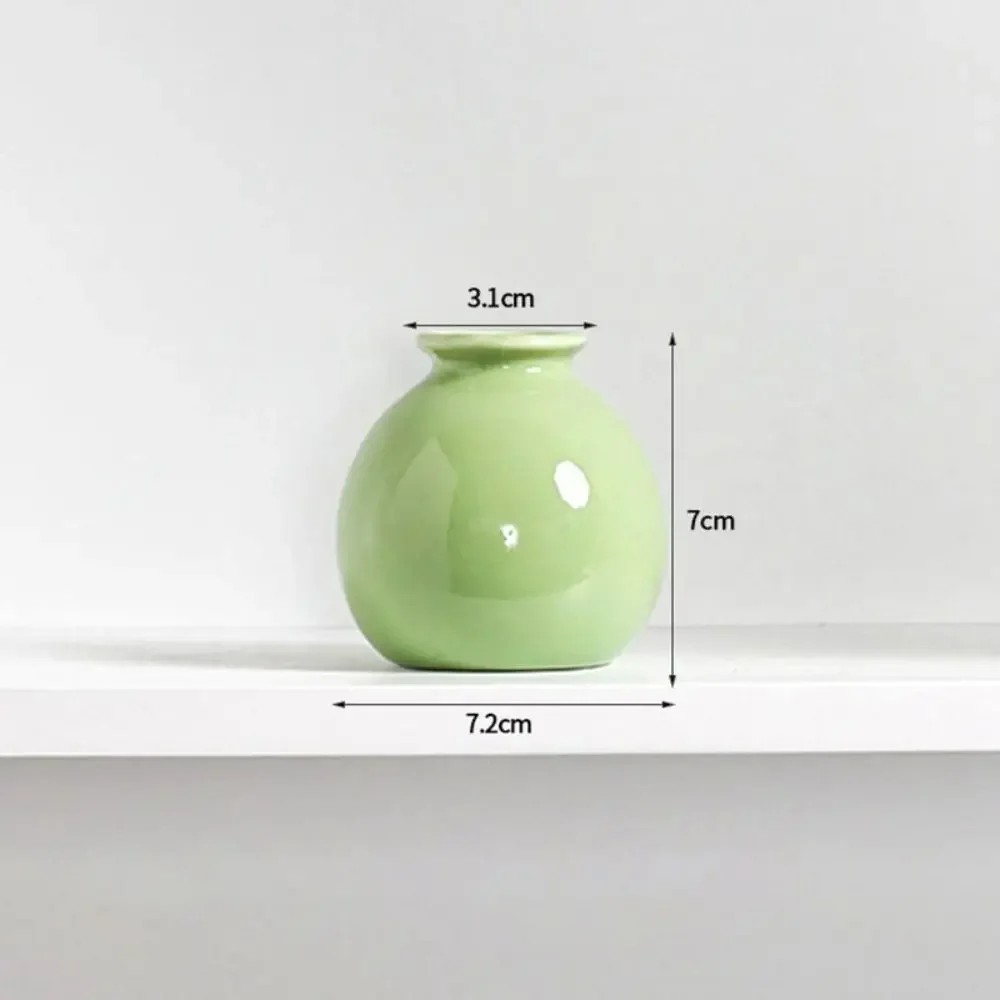
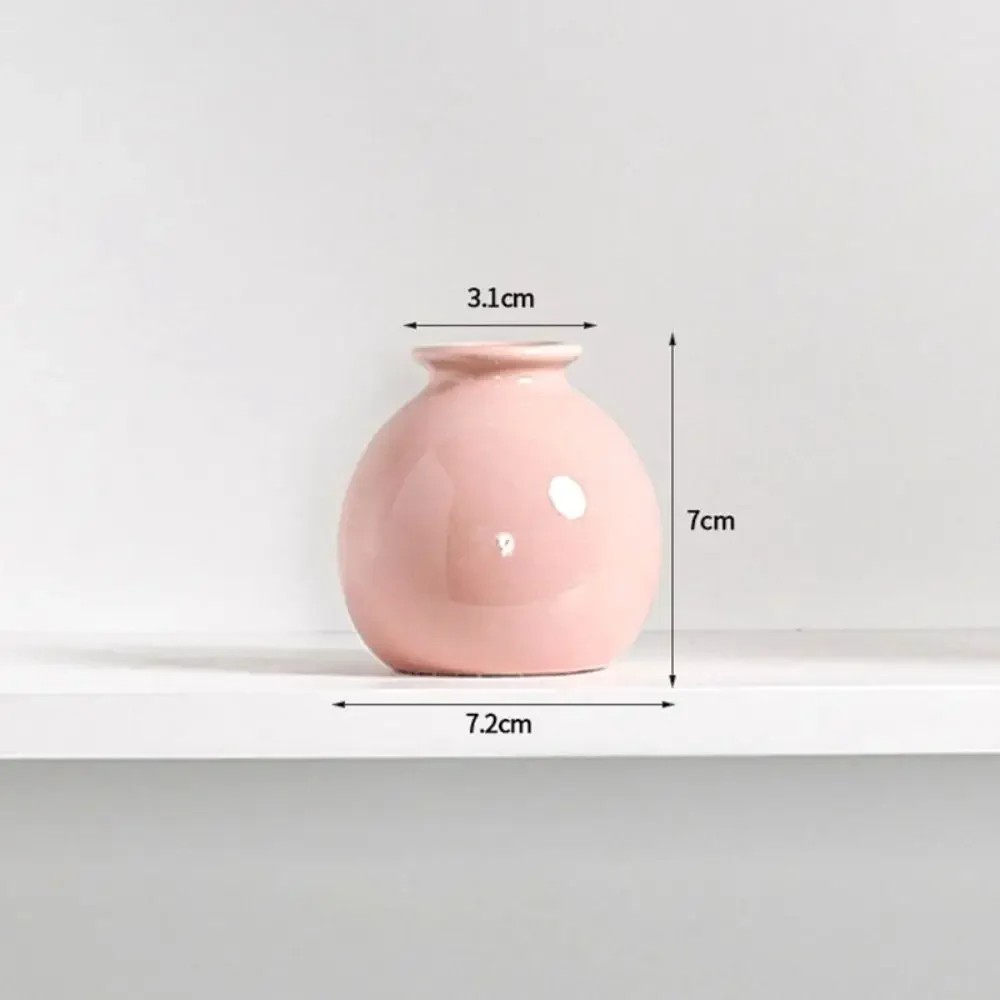
Jarrón de cerámica hidropónica para flores, colorido adorno de escritorio, maceta creativa para decoración del hogar.
Gift Tree
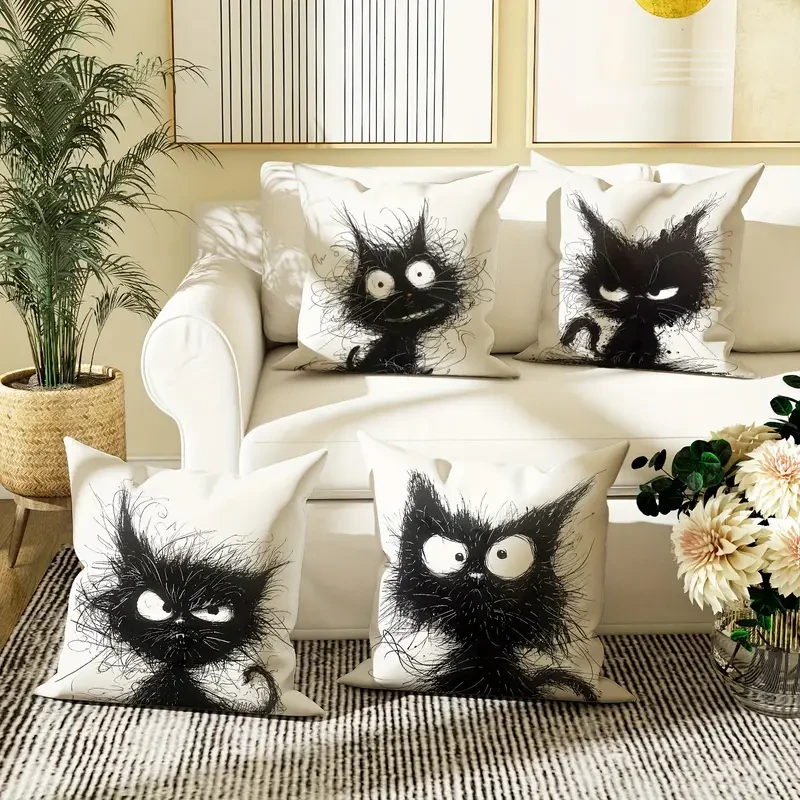
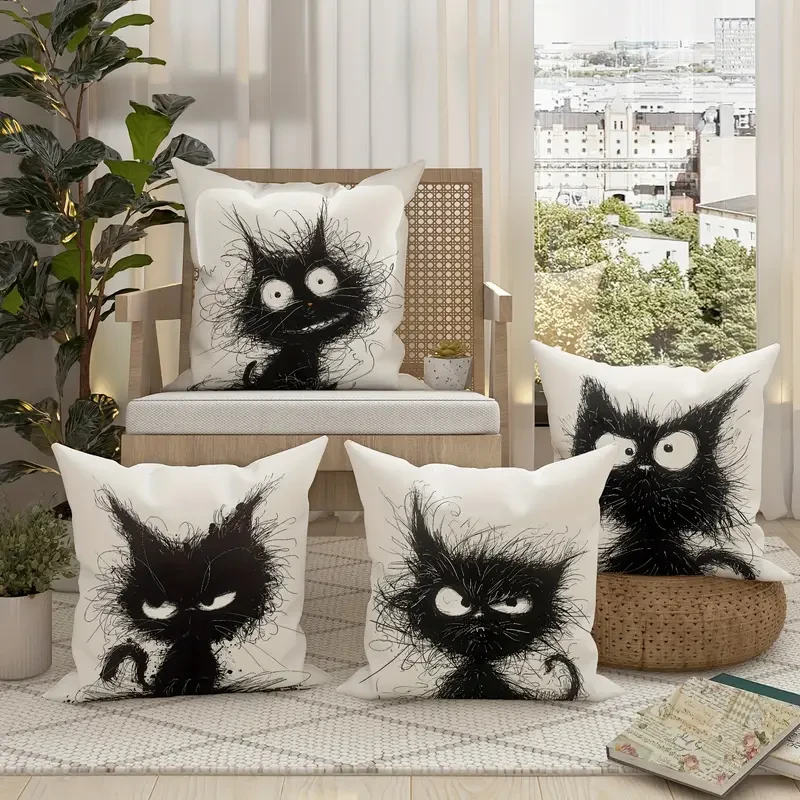
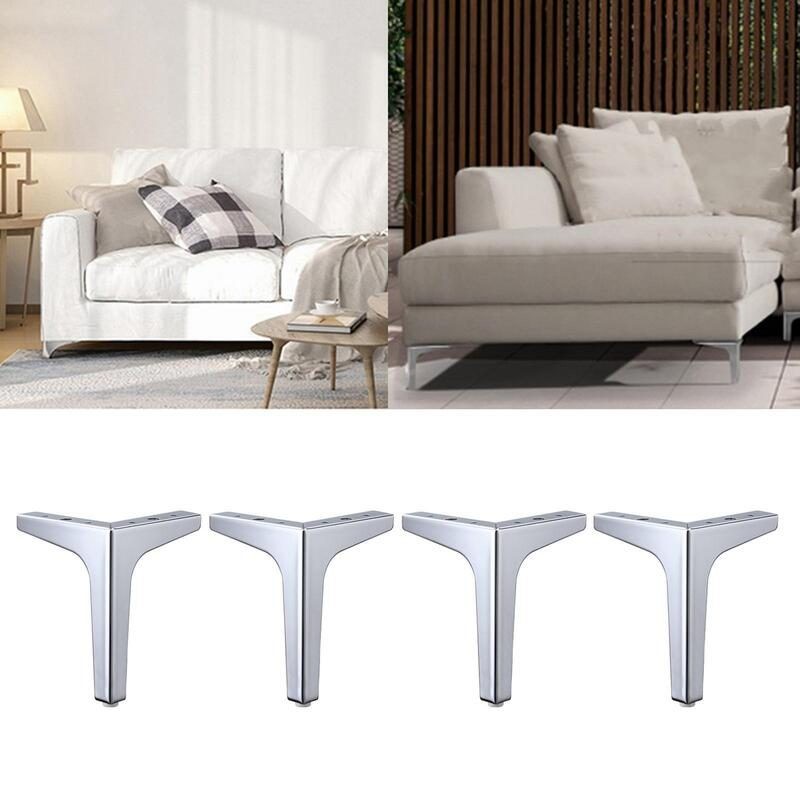
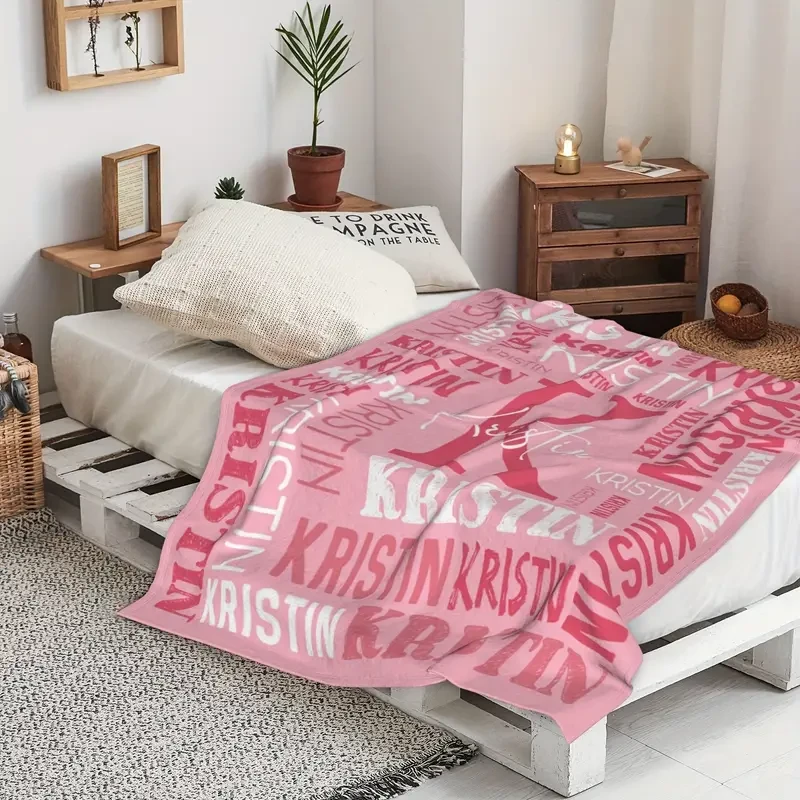
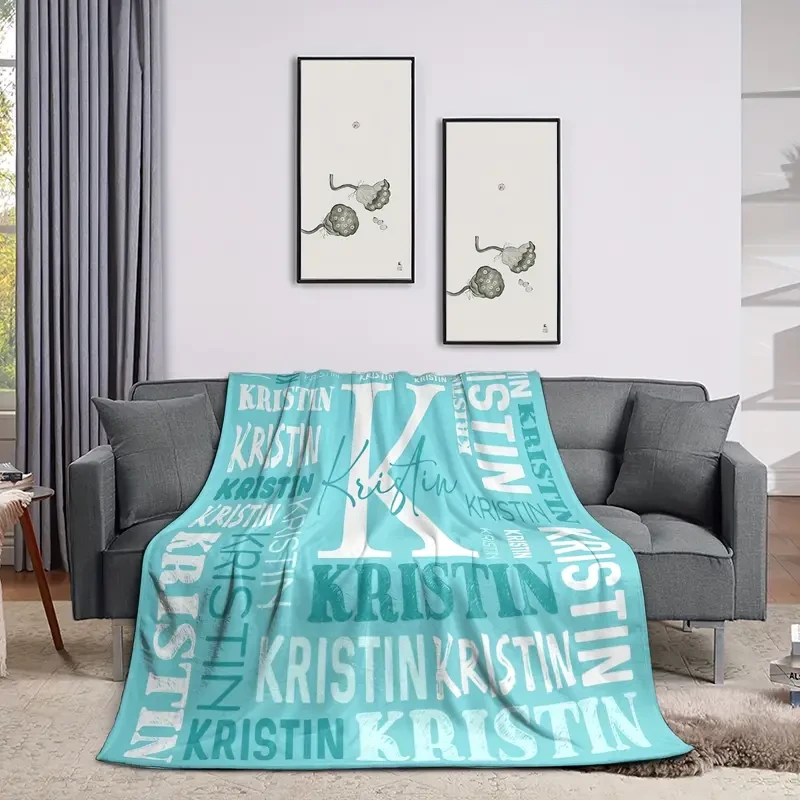
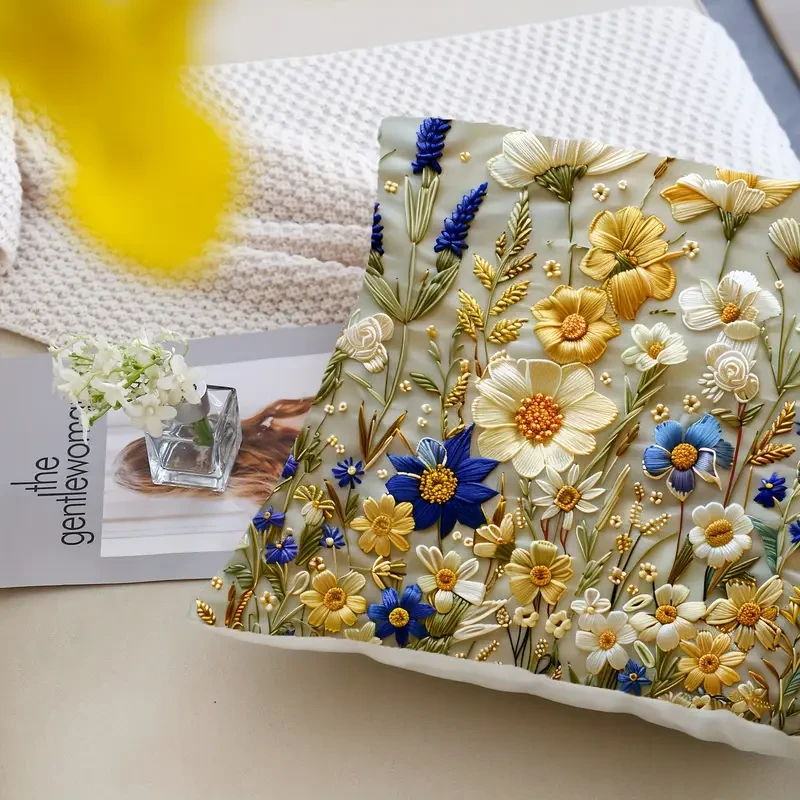
Tranquil Decor Ultra-Soft Floral Pillowcase – Stylish and Comfortable Home Accent
Gift Tree

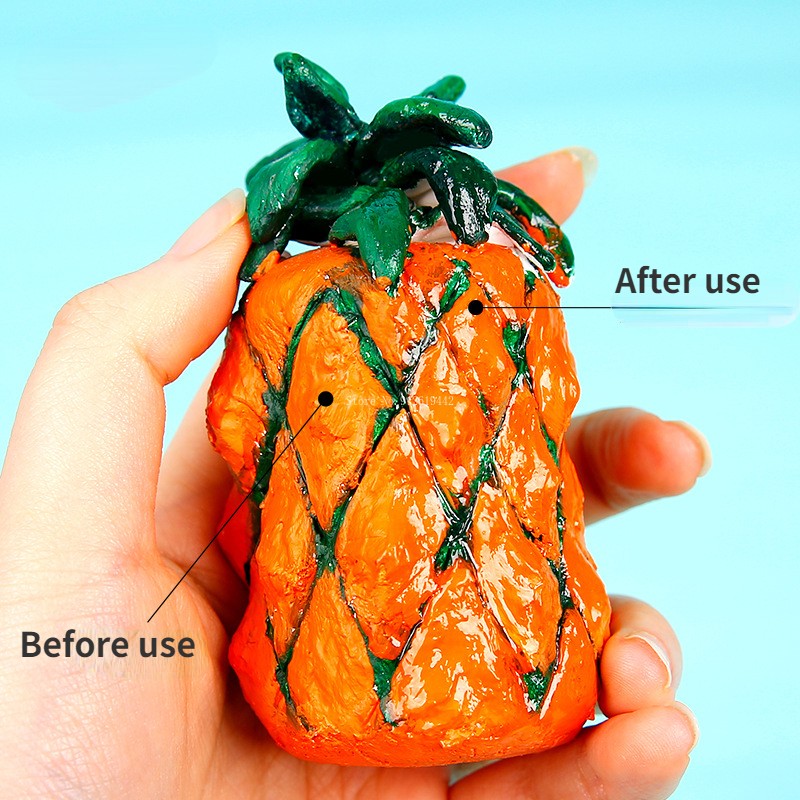
20/60/120ml Stone Plastic Clay Brightener - Air-Dried Ceramic Brightener, Dustproof Waterproof Pottery Production Material
Gift Tree

Abrillantador de arcilla plástica de piedra (20/60/120 ml): abrillantador cerámico de secado al aire, resistente al polvo y al agua. Material para producción de cerámica.
Gift Tree
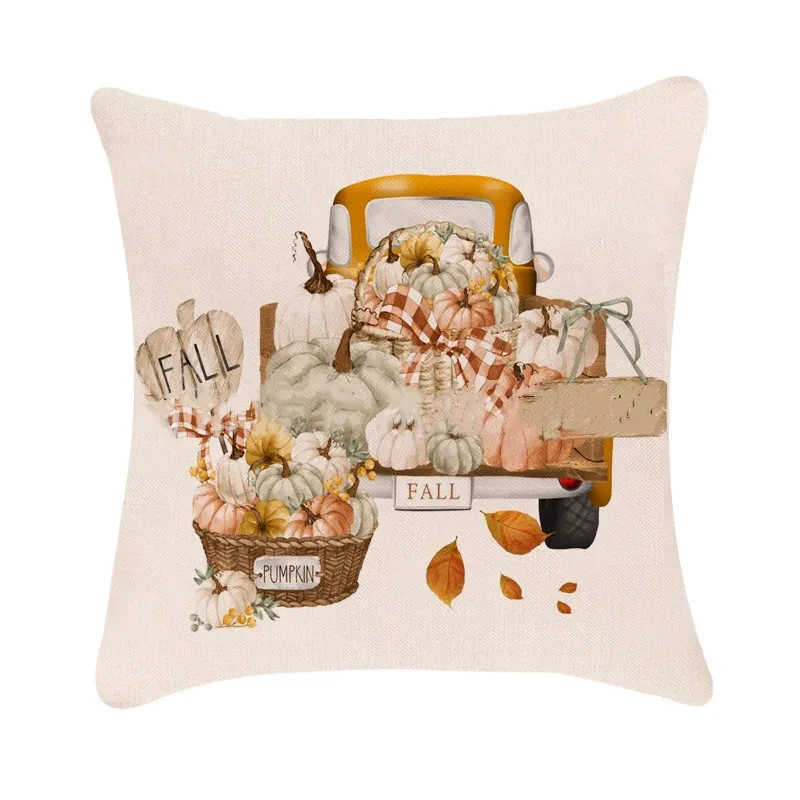

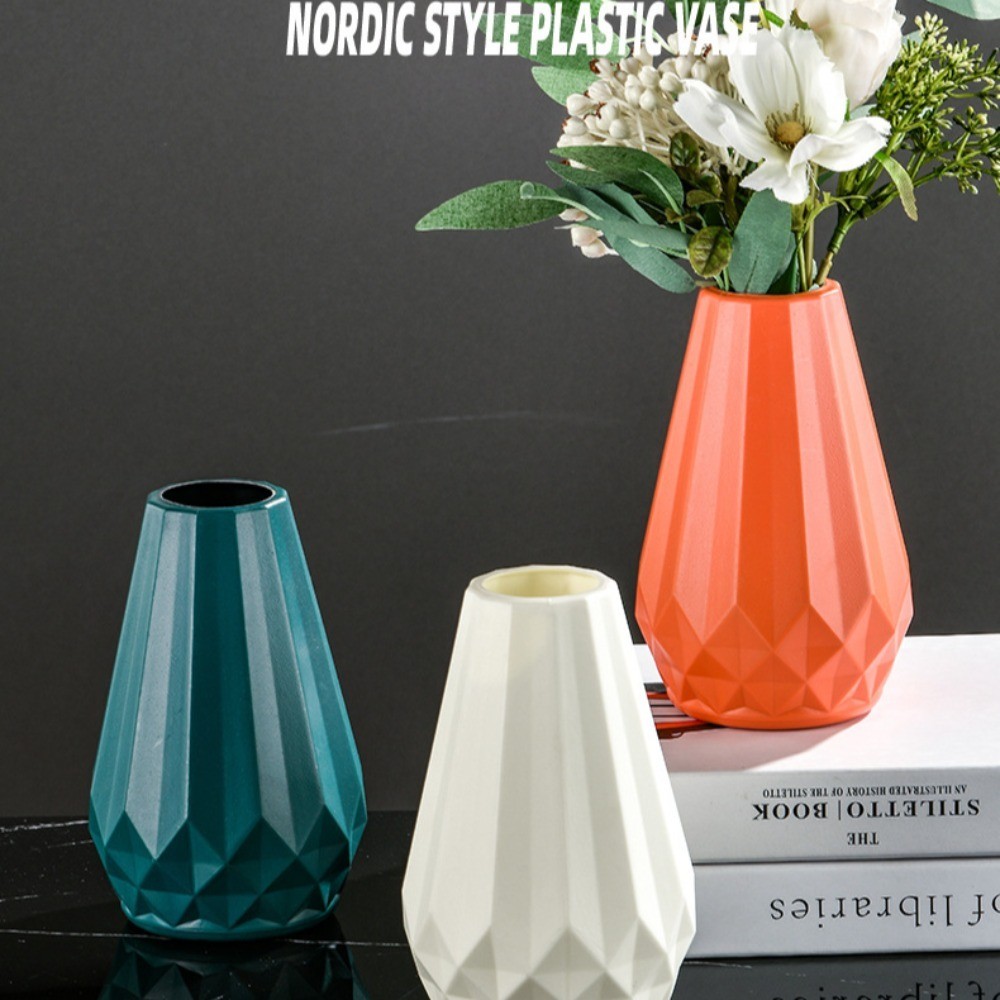
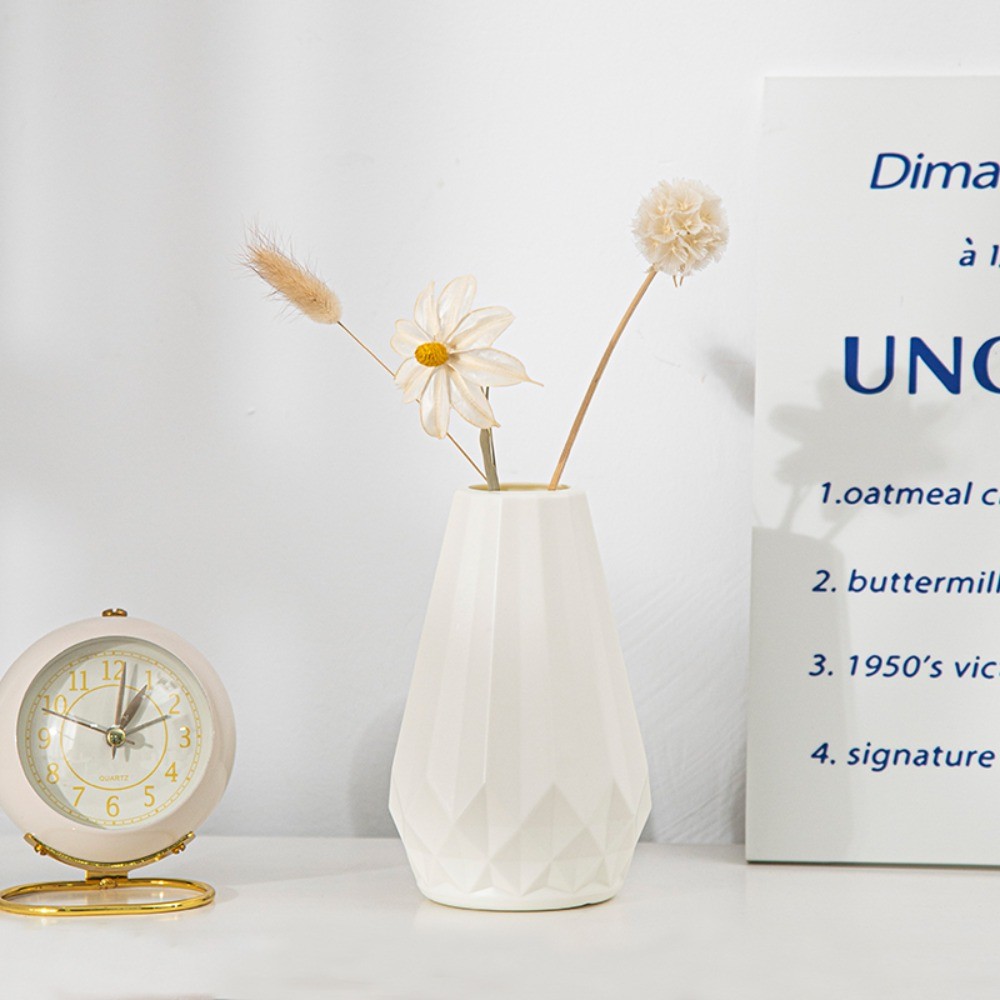
Diamond Shaped Flower Vase - Fashion Imitation Ceramic Plastic Flower Pot, Nordic Style Modern Flower Arrangement for Living Room
Gift Tree
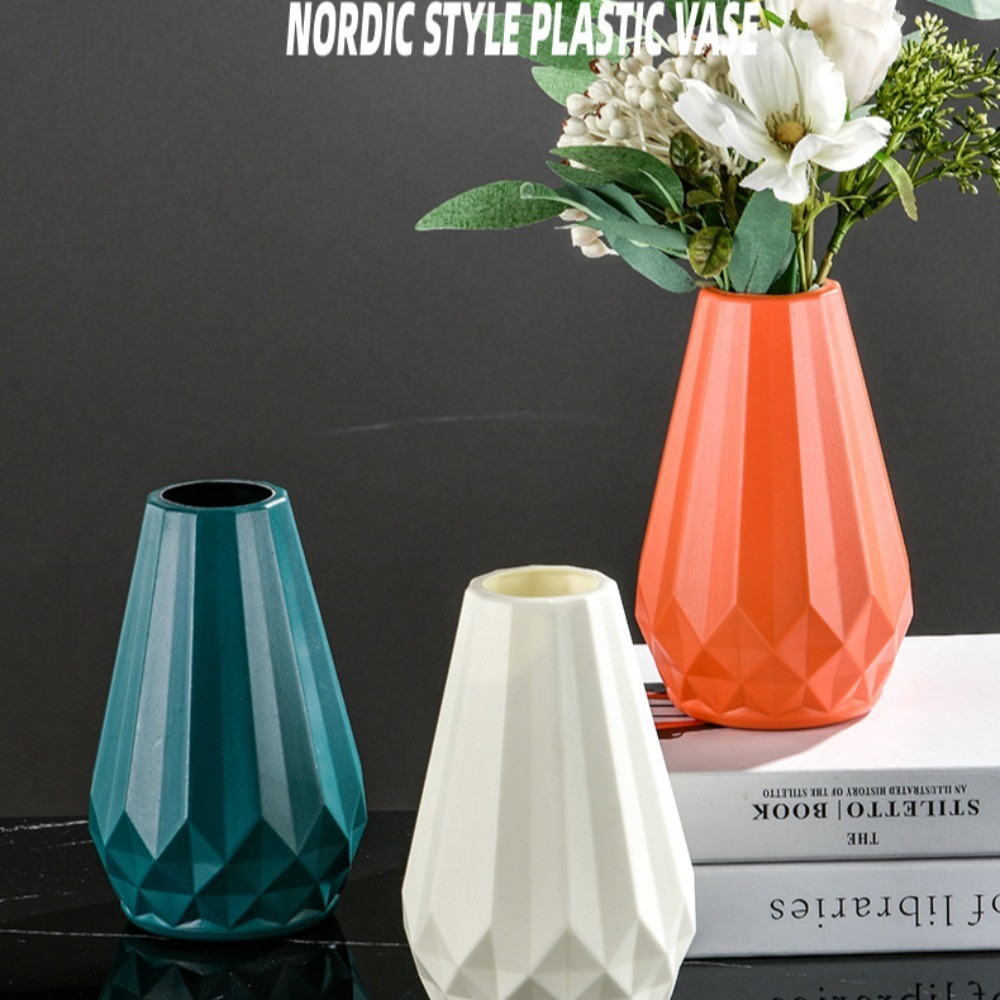
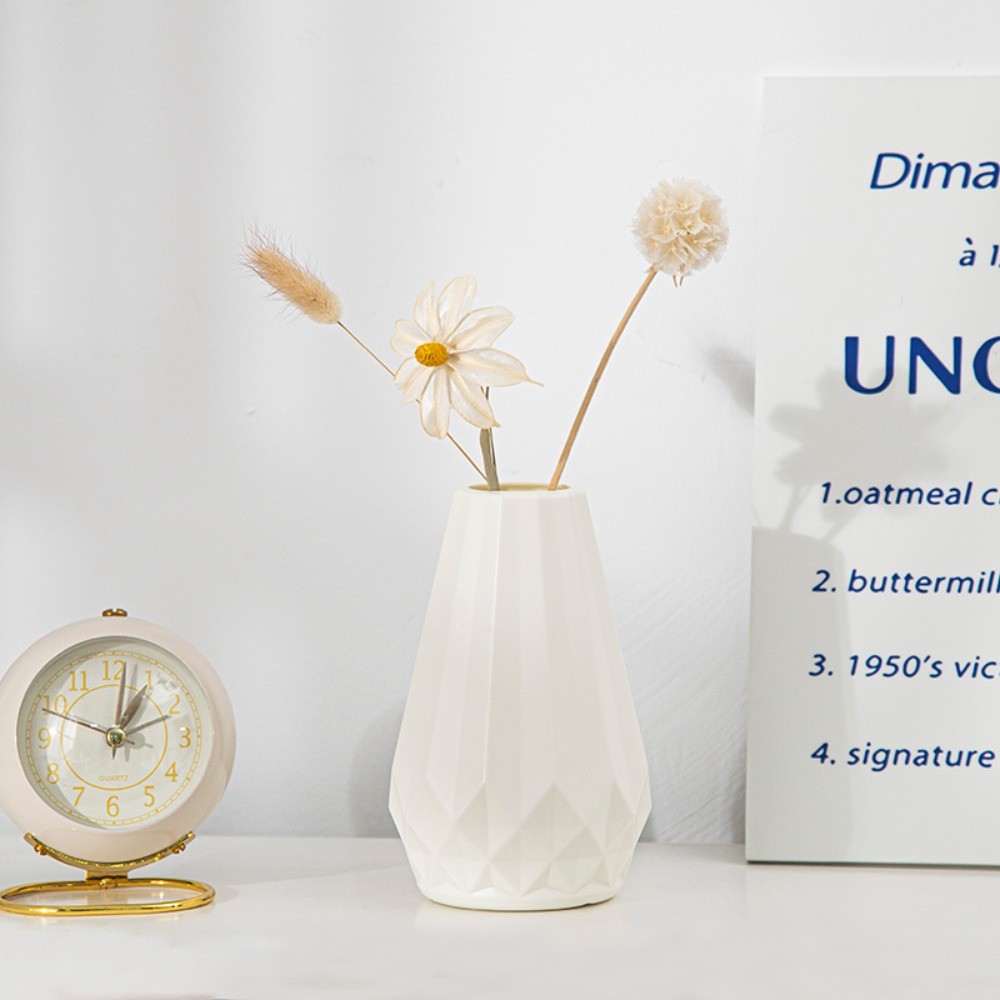
Jarrón de flores con forma de diamante: maceta de plástico de imitación de cerámica, estilo nórdico, moderno arreglo floral para sala de estar.
Gift Tree
When it comes to designing a living room, few decisions are as important as determining the ideal direction for placing your sofa. Sofa placement is a key factor in the overall flow of the room, influencing both the functionality and aesthetics of the space. Whether you're furnishing a small apartment or a spacious house in New Zealand, the right sofa arrangement can create a cozy, inviting atmosphere while maximizing the use of your living area.
The placement of your sofa isn't just about where it fits—it’s also about how it complements other furniture, enhances the room’s layout, and promotes ease of movement. This comprehensive guide explores various factors that should be considered when deciding which direction to place your sofa. From considering room size and shape to creating a focal point and ensuring proper functionality, these expert tips will help you make the right choice for your living room design.
Consider the Room Layout and Size
Before you decide on the direction for placing your sofa, it’s important to first assess the layout and size of the room. These factors will help determine the best sofa placement for the space, ensuring that it complements the room's flow and makes the most of available square footage.
-
Small Rooms: In smaller living spaces, it’s important to be strategic with your furniture placement. A sofa should not
overwhelm the space, so consider placing it against the longest wall to maximize floor space. If the room is too cramped, opt for a
sectional sofa that can make the most of the corner space without obstructing traffic flow.
-
Large Rooms: Larger rooms offer more flexibility when it comes to sofa placement. However, you’ll want to create distinct
zones within the room. Placing the sofa centrally can help establish a focal point, with additional seating arranged around it. Consider
placing the sofa at an angle if you want to create a more dynamic layout or direct attention to a specific view, such as a fireplace or
large window.
-
Open Concept Spaces: In open-concept homes, where the living room flows into dining and kitchen areas, the sofa placement
should help define the space while maintaining the open, airy feel. A good strategy is to place the sofa facing the main gathering area,
creating a boundary without obstructing the view.
Room Functionality and Traffic Flow
The function of your living room will heavily influence the direction in which you place your sofa. For instance, if the room is used primarily for entertainment, such as watching television, you’ll need to consider sightlines and the best position for viewing.
-
Focal Point: Determine the main focal point of the room. If the living room is designed for watching TV, the sofa should
face the television screen, allowing all seated guests to have a clear view. Alternatively, if the focus is a fireplace, the sofa should be
placed to encourage cozy conversation around the hearth.
-
Social Space: If your living room is meant to facilitate socializing, arrange the sofa to encourage conversation. Placing
the sofa opposite a set of chairs or across from another sofa creates a comfortable arrangement for discussion. You might also want to avoid
placing the sofa directly against the wall to allow for easy access to the room and to promote an open, inviting atmosphere.
-
Traffic Flow: Ensure there is enough space for people to move freely around the room without feeling cramped. The sofa
should not obstruct doorways or create bottlenecks in the flow of traffic. If necessary, leave a few feet of space between the sofa and
other furniture pieces or walls to allow for smooth transitions between areas.
Creating a Focal Point in the Room
One of the most important aspects of placing a sofa is its relationship to other key features of the room, such as artwork, a TV, or a fireplace. These elements can act as focal points, drawing the eye and giving the room purpose.
-
TV or Entertainment Area: If the room is designed primarily for entertainment, place the sofa in a way that directly faces
the TV screen or entertainment unit. If you have a sectional sofa, consider placing it at an angle to allow for a better viewing experience,
especially if the room is large or has an open-plan design.
-
Fireplace as Focal Point: If your living room has a fireplace, positioning the sofa directly across from it can create a
cozy, intimate setting. This setup encourages conversation and creates a natural gathering spot around the hearth. Additionally, consider
placing the sofa at a slight angle to make the most of the view, especially if there’s a beautiful exterior landscape or a stunning feature
to enjoy.
-
Artwork or Statement Pieces: If you have a striking piece of art or a statement feature in the room, such as a large window
with a beautiful view, place the sofa so that it frames or highlights this focal point. This arrangement enhances the visual appeal of the
space and draws attention to your favorite design elements.
Optimizing Light and Views
Natural light can dramatically affect the ambiance of a room, and positioning your sofa near a window can make the space feel bright and airy. Here’s how to optimize light and views when placing your sofa:
-
Maximizing Natural Light: In New Zealand, where sunlight can vary depending on the season, it’s a good idea to place your
sofa near windows that provide plenty of natural light. If you have large windows or a sliding door leading outside, place the sofa where it
faces the light, allowing the room to feel spacious and open.
-
Views of the Outdoors: If your living room boasts a spectacular view, whether of a garden, city skyline, or the ocean,
consider orienting your sofa to face the window. This arrangement allows you and your guests to enjoy the scenery while sitting comfortably.
-
Artificial Lighting: If natural light is limited or you’re designing a room for evening use, consider placing your sofa
near task or ambient lighting fixtures. A well-lit room helps set the tone and ensures the space remains functional during evening hours.
Consider Sofa Size and Shape
The size and shape of your sofa will also influence its placement in the room. Whether you’re working with a large sectional or a smaller two-seater, here’s how to find the best spot for your sofa:
-
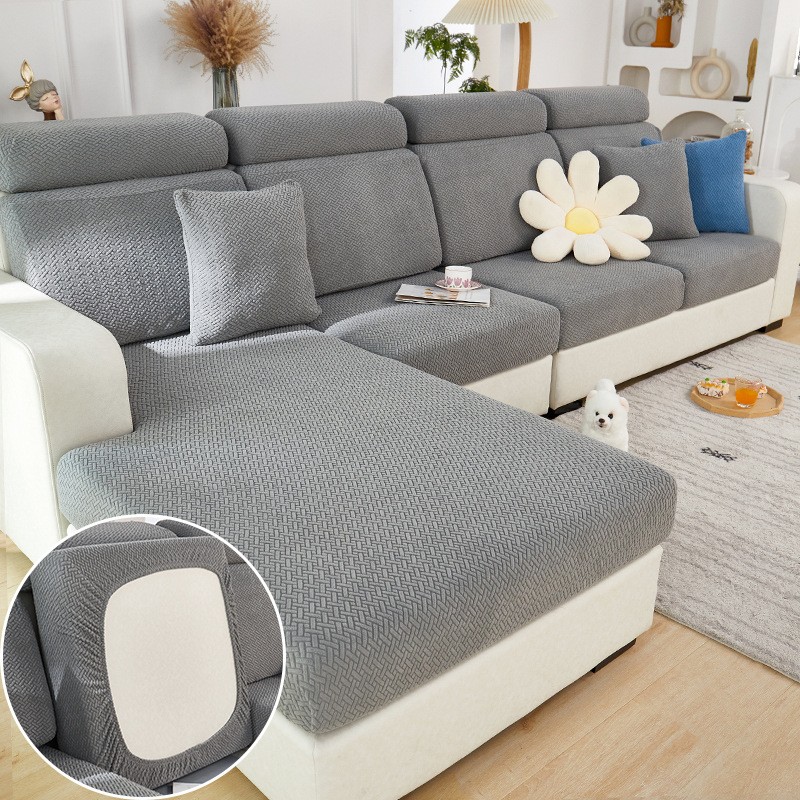
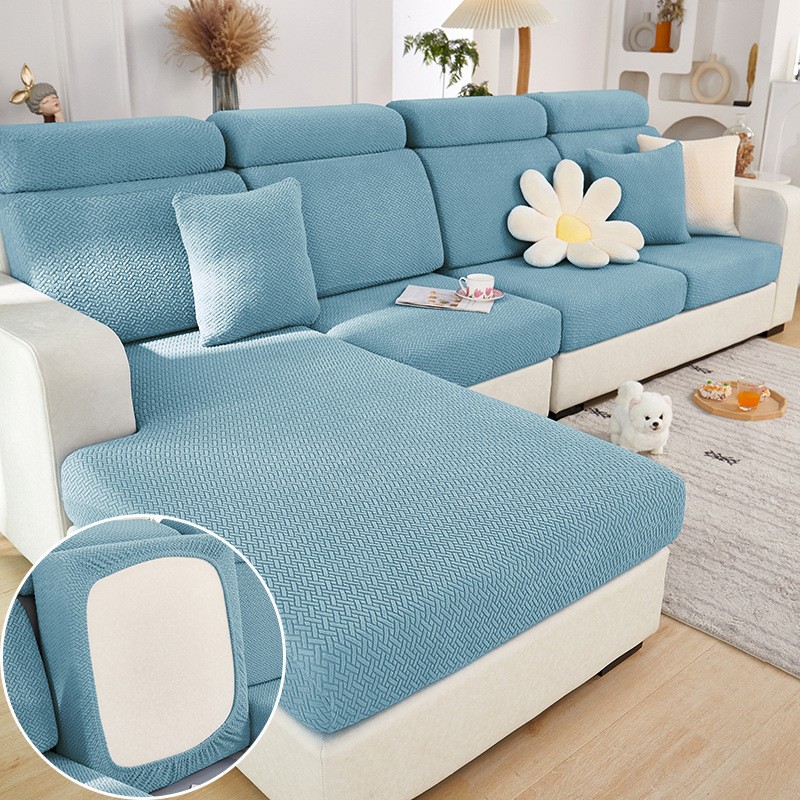
Sectional Sofas: Sectional sofas are designed to fit snugly into corners and can serve as a central piece in a large room.
Arrange them in an L-shape to define different zones within an open-plan space, or place them facing each other to create a symmetrical,
balanced design.
-
Two- or Three-Seater Sofas: For smaller rooms, a compact two- or three-seater sofa can be placed against a wall to optimize
space. You may also place it across from a coffee table to encourage conversation or center it around a focal point such as a fireplace or
television.
-
Modular Sofas: Modular sofas, which consist of individual sections that can be rearranged, offer maximum flexibility.
Depending on the size and layout of the room, you can position modular pieces to create a layout that suits your space.
Sofa Placement in Open Concept Spaces
In modern homes with open concept layouts, arranging the sofa can be more challenging, as you want to create distinct zones while maintaining the openness of the space. Here are some tips for placing a sofa in an open-concept area:
-
Define the Living Area: In an open-concept living and dining space, consider placing the sofa perpendicular to the dining
table or facing away from the kitchen. This creates a clear distinction between the living area and other parts of the room, while also
ensuring that the sofa remains central to the space.
-
Use Rugs to Anchor the Sofa: A large area rug can serve as a visual anchor for the sofa and help define the living area.
Placing the sofa on top of the rug ties the space together and gives the room a cohesive, well-designed look.
Factors to Avoid When Placing a Sofa
While there are several great options for placing your sofa, there are also a few things to avoid:
-
Avoid Placing the Sofa in the Pathway: It’s essential not to place the sofa in high-traffic areas, as it can block access
to doors and other parts of the room. Leave enough space for people to move freely without feeling constrained.
-
Don’t Block Natural Light: Avoid placing the sofa in a way that obstructs natural light or the view outside. Not only does
this limit the room’s brightness, but it can also make the space feel smaller or more closed off.
-
Be Mindful of Room Proportions: Ensure that the sofa fits proportionally within the room. Too large a sofa in a small space
can make the room feel cramped, while a small sofa in a large room might look out of place.
Enter your content here


.jpg)









.jpg)





.jpeg)




.jpeg)



.jpeg)








.jpeg)



.jpeg)

.jpeg)

.jpeg)

.jpeg)




.jpeg)
.jpg)

.jpeg)






.jpeg)
.jpeg)




.jpeg)





.jpeg)

.jpeg)

.jpeg)

.jpeg)

.jpeg)







.jpeg)
.jpeg)
.jpeg)





.jpeg)



.jpeg)




.jpg)
.jpeg)









.jpg)


ulva-Logo.jpg)




.jpeg)



.png)















.png)