

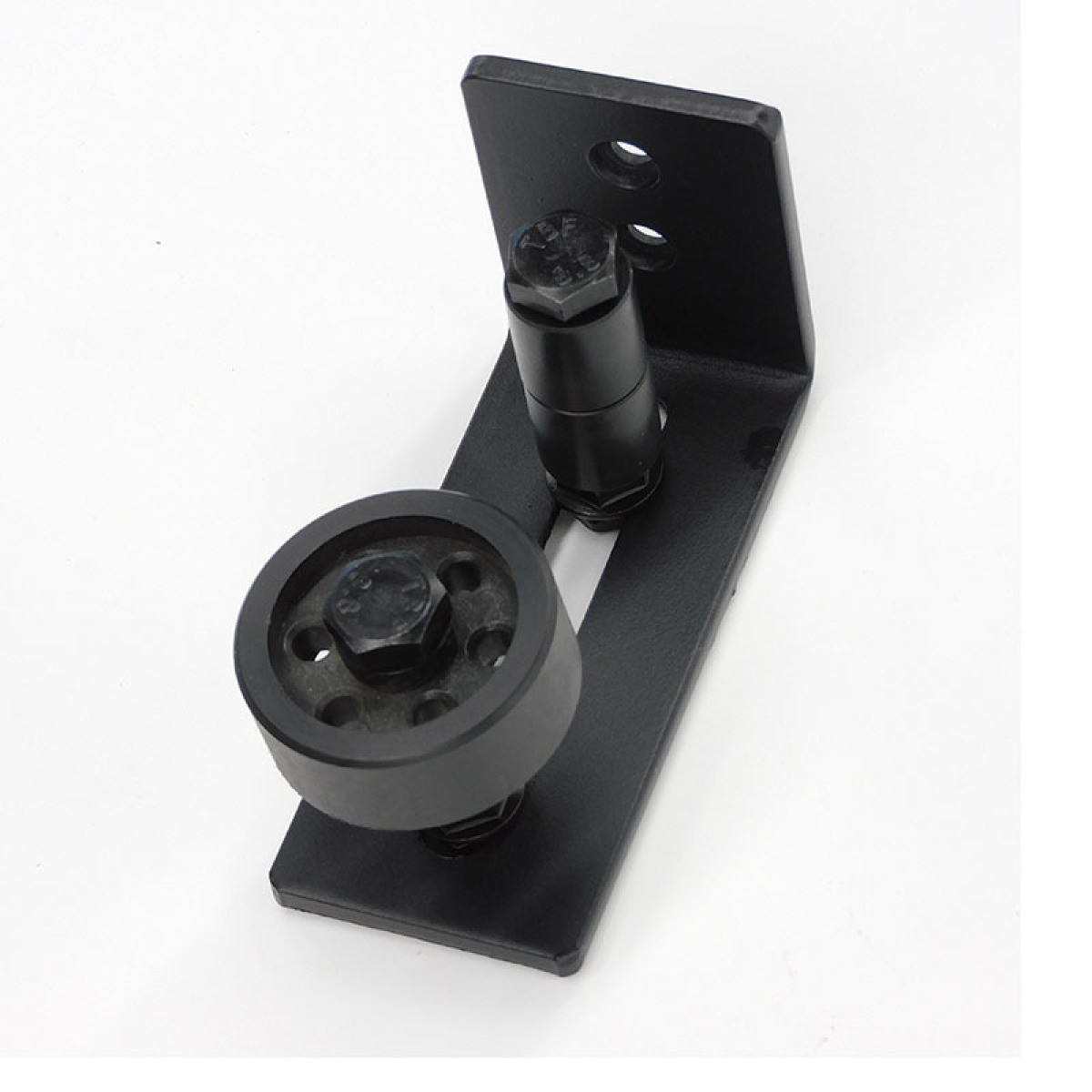
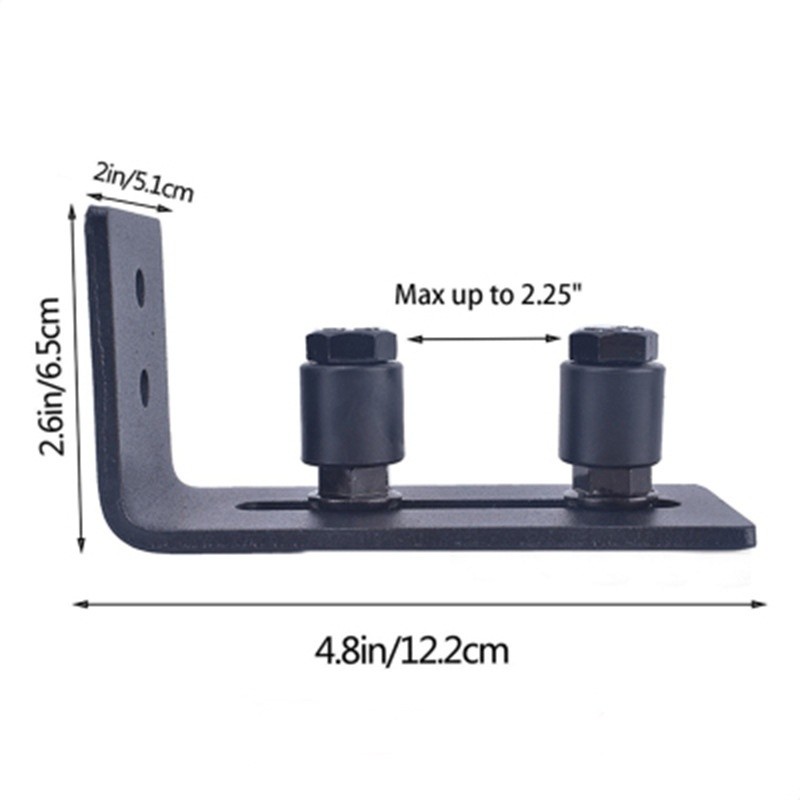
Sliding Door Guide

Product information:
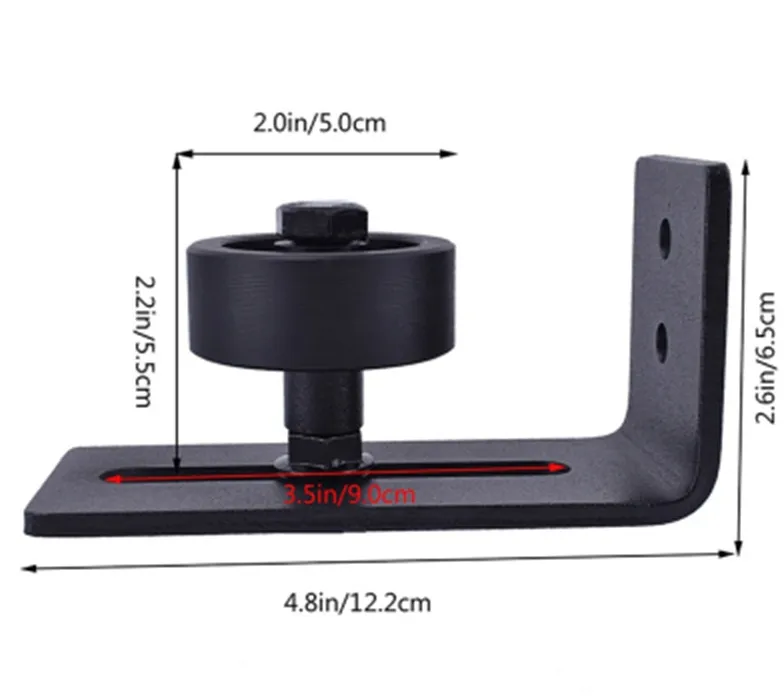
Type: nylon wheel stopper
Material: carbon steel
Name: 012 stopper
Specifications: 012L type stopper, x100,x063,x 099.063 type B, x063A type
Style: American
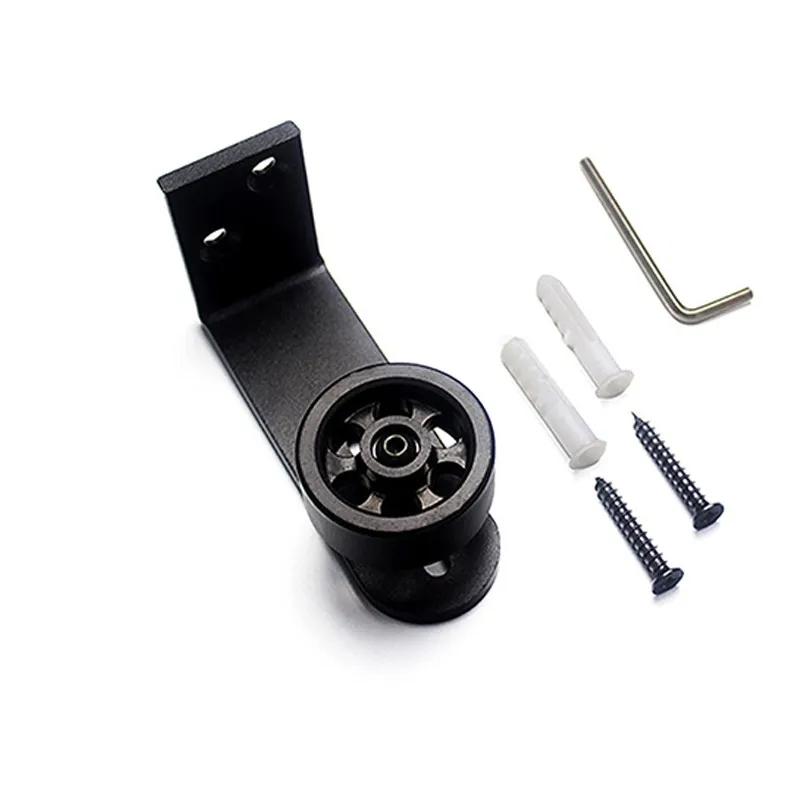
Packing list:
Stopper x1
Product Image:
Sliding Door Guide – Smooth, Stable Sliding Door Alignment Solution
Perfect for Homeowners, Builders, and DIY Users Needing Reliable Sliding Door Stability and Alignment
A sliding door guide is designed for anyone installing, repairing, or maintaining sliding doors in homes, wardrobes, offices, or commercial spaces. It is especially useful for homeowners dealing with unstable, misaligned, or noisy sliding doors, as well as builders and DIY users who want smooth and controlled door movement in interior installations.
Sliding doors rely on precise alignment to function properly. Without a proper guide, doors can swing, wobble, derail, or produce friction noise during operation. A sliding door guide ensures the door remains aligned within its track system, improving movement stability and extending the lifespan of the entire sliding mechanism.
Sliding Door Guide – Smooth, Stable Sliding Door Alignment Solution
Description – Sliding Door Guide
A sliding door guide is a mechanical hardware component installed at the base or lower section of a sliding door system. Its primary function is to keep the door panel properly aligned within its track, preventing unwanted lateral movement, tilting, or derailment during opening and closing.
It is commonly used in a wide range of sliding systems including wardrobe doors, interior room dividers, barn-style doors, glass sliding panels, and commercial partition systems. The guide works in combination with top rollers or upper track systems to ensure smooth and stable door movement.
Most sliding door guides are constructed from durable materials such as reinforced nylon, ABS plastic, stainless steel, or aluminium alloy. These materials are selected for their strength, low friction properties, and resistance to wear from repeated sliding motion. The base components are often designed to withstand continuous contact with door surfaces without damaging the finish.
The installation process is typically straightforward. The guide is fixed to the floor or door frame using screws or adhesive depending on the model. Once installed, the bottom edge of the sliding door passes through or rests against the guide, ensuring it remains in a straight vertical position during movement.
One of the key roles of a sliding door guide is preventing door sway. Without a guide, sliding doors may swing outward or inward due to air movement, uneven flooring, or track wear. This can lead to operational issues such as sticking, noise, or even derailment from the track system. The guide stabilises the door and maintains consistent alignment.
In wardrobe systems, sliding door guides are particularly important because they help ensure smooth daily use without disruption. Heavy wardrobe doors rely on precise alignment to glide properly, and even minor misalignment can cause friction or uneven movement. A guide eliminates this issue by keeping the door firmly in its correct path.
In modern interior design, sliding doors are widely used due to their space-saving functionality. However, without proper hardware components like guides, rollers, and tracks, their performance can degrade quickly. The sliding door guide plays a critical supporting role in maintaining long-term usability and smooth operation.
Many sliding door guide designs also include adjustable features. This allows users to fine-tune the positioning of the guide to accommodate different door thicknesses or alignment requirements. This adjustability ensures compatibility with a wide range of door types and installation environments.
Noise reduction is another important benefit. By stabilising the door and reducing unnecessary movement, the guide helps minimise rattling, scraping, or vibration sounds during operation. This contributes to a quieter and more refined user experience, especially in residential environments.
In New Zealand homes and renovation projects, sliding door guides are commonly used in wardrobes, bedrooms, laundry rooms, and modern interior partitions where space efficiency and smooth operation are priorities.
Key Points
Stable Door Alignment Control
Keeps sliding doors properly aligned within the track system, preventing wobbling, tilting, or derailment during movement.
Durable Wear-Resistant Materials
Made from strong materials such as nylon, ABS, or metal alloys designed for long-term use and continuous sliding motion.
Easy Installation System
Can be installed using screws or mounting hardware, making it suitable for DIY users and professional installers.
Adjustable Compatibility Design
Many models support adjustment to fit different door thicknesses and sliding system configurations.
Benefits
Smooth Door Operation
Ensures consistent and friction-free sliding movement, improving daily usability of doors and wardrobes.
Reduced Noise and Vibration
Minimises rattling and unwanted movement, creating a quieter indoor environment.
Extended Door System Lifespan
Reduces strain on tracks and rollers by maintaining proper alignment, helping extend overall system durability.
Improved Safety and Stability
Prevents doors from slipping off tracks or becoming misaligned, reducing potential damage or accidents.
Why Choose This Sliding Door Guide?
This sliding door guide is designed for reliable performance in both residential and light commercial environments. Unlike basic or low-quality guides that wear quickly or fail to maintain alignment, this solution focuses on stability, durability, and consistent operation.
Its main advantage is precision control. It ensures that sliding doors remain firmly aligned throughout their entire movement cycle, reducing common issues such as sticking, dragging, or uneven sliding.
It is also highly versatile. Suitable for wardrobes, interior doors, and partition systems, it can be used across a wide range of home improvement and renovation projects without requiring complex modifications.
Installation is straightforward, making it accessible for both professional installers and DIY users. Once fitted, it requires minimal maintenance while delivering long-term performance.
For homeowners and builders in New Zealand looking to improve sliding door functionality, this guide provides a practical and cost-effective hardware solution that enhances both usability and durability.
Conclusion
A sliding door guide is an essential hardware component for ensuring smooth, stable, and reliable sliding door operation. By maintaining proper alignment and reducing unwanted movement, it significantly improves the performance and lifespan of sliding door systems.
It is easy to install, highly durable, and suitable for a wide range of interior applications including wardrobes, room dividers, and modern home designs. Whether used in new installations or repair projects, it provides a simple but highly effective solution to common sliding door issues.
For anyone looking to improve door stability, reduce noise, and enhance overall functionality, a sliding door guide is a practical and essential upgrade.
The product may be provided by a different brand of comparable quality.
The actual product may vary slightly from the image shown.
Shop amazing plants at The Node – a top destination for plant lovers
.png)








.jpg)








.jpg)





.jpeg)





.jpeg)


.jpeg)








.jpeg)



.jpeg)

.jpeg)

.jpeg)

.jpeg)




.jpeg)
.jpg)

.jpeg)






.jpeg)
.jpeg)




.jpeg)





.jpeg)

.jpeg)

.jpeg)

.jpeg)

.jpeg)







.jpeg)
.jpeg)
.jpeg)





.jpeg)



.jpeg)






.jpg)
.jpeg)









.jpg)


ulva-Logo.jpg)




.jpeg)



.png)















.png)