
Seed Vault Kit

Product information:
Color: Vegetable Seeds
Suitable Occasions: Birthdays, First Month Celebrations, Graduations, Housewarming
Applicable Relationships: Universal
Craftsmanship: Other, Hand-Painted, Injection Molding, Semi-Handmade
Packing list:
Vegetable bag * 1
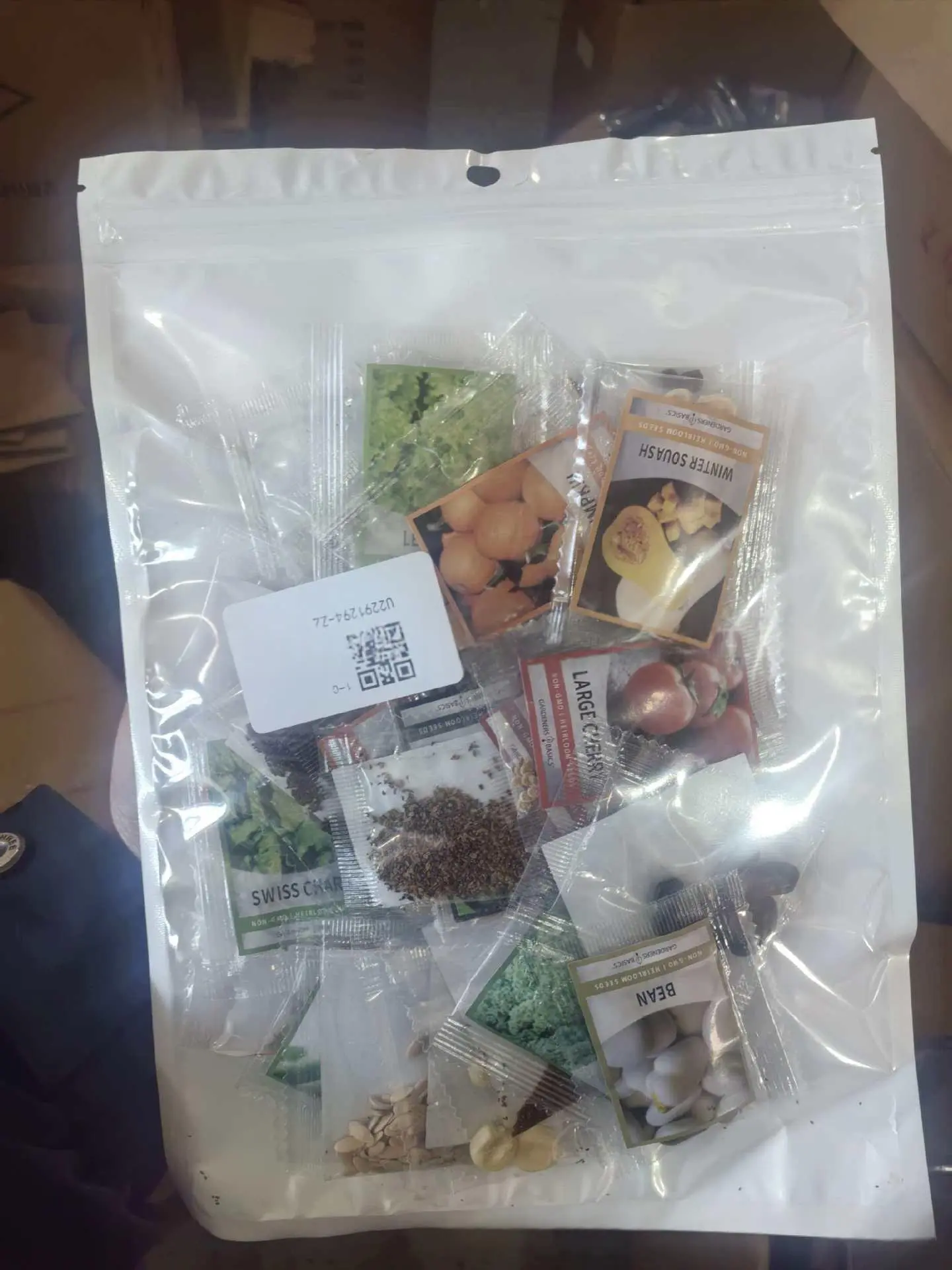
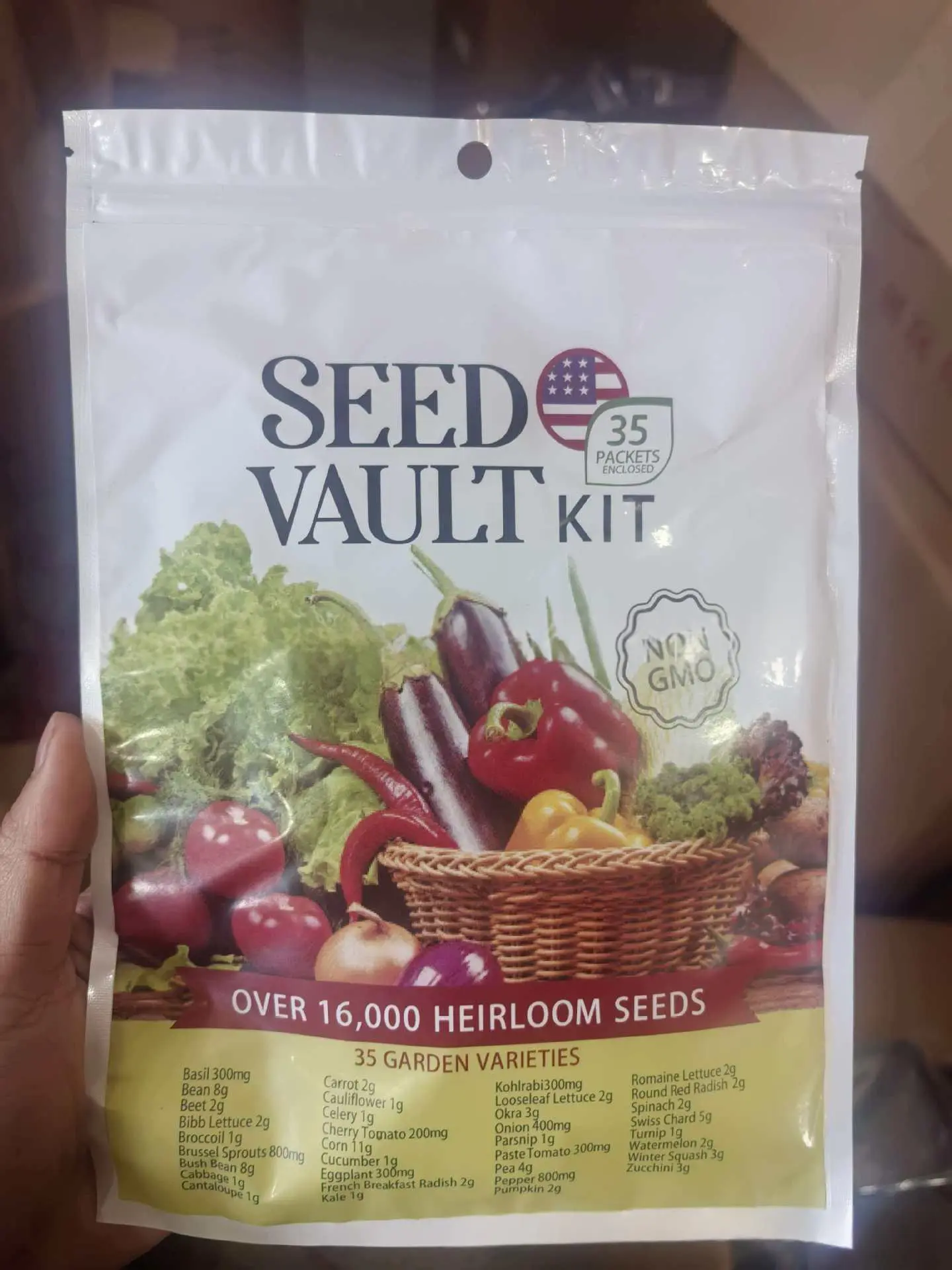
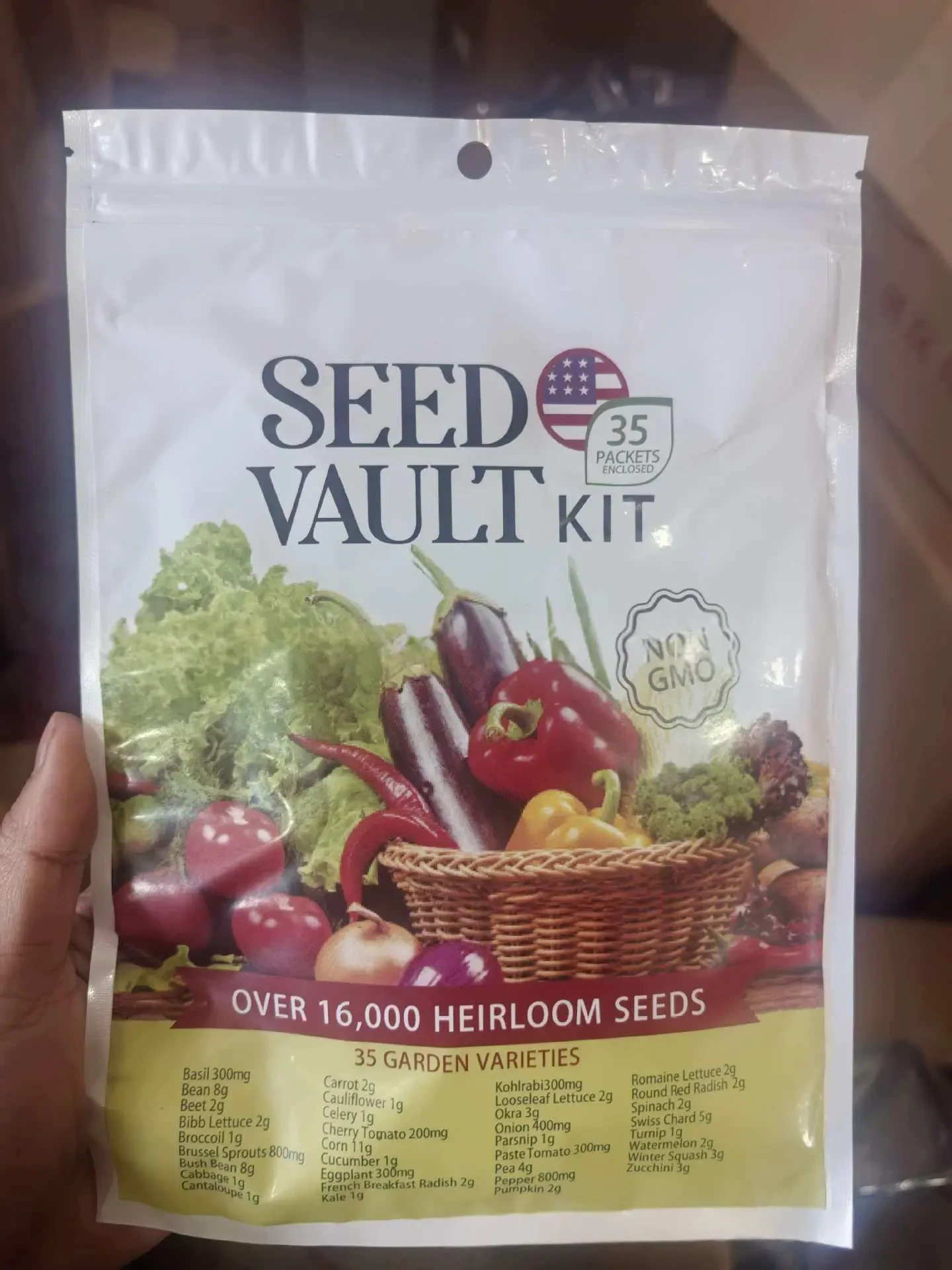
The Seed Vault Kit – Over 16,000 Heirloom Seeds with 35 Garden Varieties is a comprehensive collection created for gardeners who want a diverse selection of vegetables, herbs and garden crops conveniently packaged together. Featuring 35 individual seed packets and more than 16,000 heirloom seeds in total, the kit provides an extensive starting point for planning and growing a varied home garden.
Instead of purchasing many different seed varieties separately, the Seed Vault Kit brings together a broad assortment in one convenient package. The collection shown includes familiar garden favourites such as basil, beans, beet, broccoli, Brussels sprouts, cabbage, cantaloupe, carrot, cauliflower, celery, cherry tomato, corn, cucumber, eggplant, French breakfast radish, kale, kohlrabi, looseleaf lettuce, okra, onion, parsnip, paste tomato, peas, peppers, pumpkin, romaine lettuce, round red radish, spinach, Swiss chard, turnip, watermelon, winter squash and zucchini.
The package identifies the collection as containing 35 garden varieties and over 16,000 heirloom seeds, making it particularly useful for gardeners interested in growing a broad selection rather than focusing on only one or two crops.
Whether you are establishing a new vegetable garden, expanding an existing growing space or simply want a versatile collection of seeds available for future planting, this kit provides an organised way to keep numerous garden varieties together.
A Diverse Collection for the Home Garden
One of the major advantages of the Seed Vault Kit is variety.
A productive home garden often contains plants with different growing habits, harvest periods and culinary uses. Rather than supplying many packets of the same crop, this collection includes numerous vegetables and herbs, allowing gardeners to experiment with a wider selection.
Leafy vegetables such as lettuce, kale, spinach and Swiss chard can complement root vegetables such as carrots, beet, radishes, parsnips and turnips. Fruiting crops including tomatoes, peppers, eggplant, cucumber, zucchini, pumpkin and squash add further diversity.
The inclusion of basil provides an herb option, while beans, peas, corn, onions, cauliflower, broccoli, Brussels sprouts and cabbage broaden the range even further.
This assortment gives gardeners flexibility when planning beds, containers or seasonal planting areas according to local growing conditions.
Over 16,000 Heirloom Seeds
The package states that the Seed Vault Kit contains over 16,000 heirloom seeds.
Seed quantities naturally differ between varieties because different seeds vary substantially in size and weight. A packet containing small lettuce seeds, for example, may contain considerably more individual seeds than a packet containing larger beans or peas.
For this reason, the individual varieties within the collection are packaged in different stated weights rather than identical quantities.
Together, however, the collection is presented as providing more than 16,000 seeds across its 35 included garden varieties.
For gardeners, this means the kit provides a substantial assortment from which to plan multiple plantings, subject to germination conditions, available growing space and the planting requirements of each crop.
35 Garden Varieties in One Kit
The Seed Vault Kit contains 35 packets, each representing a different garden variety.
This broad assortment is particularly useful for gardeners who enjoy diversity. Purchasing dozens of different seed packets individually can take time, especially when trying to establish a vegetable garden from the beginning.
A pre-assembled seed collection simplifies that process by providing numerous common garden crops together.
The included varieties cover several major garden categories, including leafy greens, root crops, legumes, brassicas, fruiting vegetables, melons, squash and herbs.
Included Garden Seed Varieties
Based on the product packaging shown, the collection includes the following varieties and stated packet weights:
- Basil – 300mg
- Bean – 8g
- Beet – 2g
- Bibb Lettuce – 2g
- Broccoli – 1g
- Brussels Sprouts – 800mg
- Bush Bean – 8g
- Cabbage – 1g
- Cantaloupe – 1g
- Carrot – 2g
- Cauliflower – 1g
- Celery – 1g
- Cherry Tomato – 200mg
- Corn – 11g
- Cucumber – 1g
- Eggplant – 300mg
- French Breakfast Radish – 2g
- Kale – 1g
- Kohlrabi – 300mg
- Looseleaf Lettuce – 2g
- Okra – 3g
- Onion – 400mg
- Parsnip – 1g
- Paste Tomato – 300mg
- Pea – 4g
- Pepper – 800mg
- Pumpkin – 2g
- Romaine Lettuce – 2g
- Round Red Radish – 2g
- Spinach – 2g
- Swiss Chard – 5g
- Turnip – 1g
- Watermelon – 2g
- Winter Squash – 3g
- Zucchini – 3g
This combination provides gardeners with a considerable range of potential crops from a single seed collection.
Heirloom Seeds for Gardeners Who Value Variety
The package describes the contents as heirloom seeds.
Heirloom varieties are popular among many home gardeners because of their connection with established garden varieties and traditional seed-growing practices.
For gardeners interested in cultivating a more varied vegetable patch, an heirloom collection can provide an appealing alternative to purchasing a narrow assortment of individual seed packets.
The exact performance of any seed depends heavily on environmental factors, including soil quality, moisture, temperature, planting depth, season, light and ongoing garden care.
Consequently, the presence of a large number of seeds does not guarantee a particular number of mature plants or a specific harvest.
Non-GMO Product Labelling
The front of the package is marked "NON GMO."
This makes the kit straightforward for shoppers specifically looking for a seed collection carrying non-GMO labelling.
Customers should retain the original packaging and individual seed packets so that the supplied product information remains available throughout storage and planting.
Leafy Greens for a Varied Garden
The Seed Vault Kit contains several leafy garden crops, providing gardeners with multiple options for planning green vegetable areas.
Bibb Lettuce
Bibb lettuce is a familiar leafy vegetable that can be incorporated into a home vegetable garden. Its inclusion provides another lettuce option beyond romaine and looseleaf varieties.
Looseleaf Lettuce
Looseleaf lettuce offers gardeners an additional leafy crop and adds variety to the collection.
Romaine Lettuce
Romaine is another widely recognised lettuce type. Having several lettuce varieties in the same kit allows gardeners to experiment with different growing and harvesting approaches.
Kale
Kale is a popular garden green belonging to the brassica family. It adds further diversity beyond conventional lettuce varieties.
Spinach
Spinach is another familiar leafy vegetable included within the 35-variety assortment.
Swiss Chard
The collection also contains Swiss chard, supplied in a stated 5g packet.
Together, these leafy crops provide multiple possibilities for gardeners who want more than one type of green vegetable in their growing space.
Root Vegetable Selection
Root crops form another important part of the Seed Vault Kit.
Carrots
The kit contains a stated 2g packet of carrot seeds. Carrots are a classic choice for vegetable gardens and can be incorporated into appropriate garden beds according to seasonal conditions.
Beet
Beet adds another root crop to the assortment and is supplied in a stated 2g quantity.
French Breakfast Radish
French breakfast radish provides one of two radish selections within the kit.
Round Red Radish
A second radish variety, round red radish, expands the root vegetable selection.
Parsnip
Parsnip adds another traditional root vegetable to the collection.
Turnip
Turnip completes another part of the kit's root-crop assortment.
The inclusion of several different root vegetables allows gardeners to allocate sections of their growing space to crops with different characteristics and growing requirements.
Tomatoes for the Home Garden
Tomatoes are among the most familiar crops grown in home vegetable gardens, and the Seed Vault Kit contains two tomato selections.
Cherry Tomato
The collection includes a 200mg packet of cherry tomato seeds.
Cherry tomatoes are recognised for producing comparatively small fruits and are commonly grown in home gardens.
Paste Tomato
A 300mg packet of paste tomato seeds is also included.
Having two tomato types within the same collection gives gardeners greater variety and the opportunity to grow tomatoes suited to different culinary uses.
As with every variety in the kit, gardeners should follow appropriate planting guidance for their climate and growing environment.
Peppers and Eggplant
The collection contains both pepper and eggplant seeds.
Pepper
The package lists 800mg of pepper seeds.
Peppers are warm-season crops in many climates and generally benefit from suitable warmth and sunlight.
Eggplant
The kit contains 300mg of eggplant seeds.
Eggplant is another warm-season garden crop that adds variety to a vegetable garden and complements the peppers and tomatoes included in the collection.
Beans and Peas
Legumes provide another important component of the kit.
Bean
An 8g bean packet is included.
Bush Bean
The collection separately lists 8g of bush bean seeds, providing gardeners with another bean option.
Pea
The kit also includes 4g of pea seeds.
Including beans and peas alongside leafy greens, root vegetables and fruiting crops contributes to the overall diversity of the collection.
Brassica Garden Varieties
The kit contains a particularly useful selection of vegetables belonging to or commonly associated with the brassica group.
Broccoli
A 1g packet of broccoli seeds is included.
Brussels Sprouts
The package lists 800mg of Brussels sprouts seeds.
Cabbage
A 1g cabbage seed packet forms another part of the assortment.
Cauliflower
The kit contains 1g of cauliflower seeds.
Kale
Kale provides a leafy brassica option.
Kohlrabi
The collection also includes 300mg of kohlrabi seeds.
The presence of several brassica varieties makes the kit suitable for gardeners who enjoy growing multiple members of this familiar vegetable group.
Cucumbers, Zucchini, Pumpkin and Squash
Vining and spreading garden crops form another substantial component of the collection.
Cucumber
The kit includes 1g of cucumber seeds.
Cucumber plants can require suitable growing space and support depending on the gardening method and variety.
Zucchini
The package lists 3g of zucchini seeds.
Zucchini is a familiar home garden crop and adds another productive summer vegetable option to the assortment.
Pumpkin
A 2g pumpkin seed packet is included.
Pumpkin vines can require considerable garden space, so growers should plan their planting area accordingly.
Winter Squash
The collection contains 3g of winter squash seeds.
This broadens the range of cucurbit crops and provides another option for gardeners planning seasonal vegetable production.
Melon Varieties
Two familiar melon crops are represented.
Cantaloupe
The kit contains 1g of cantaloupe seeds.
Watermelon
It also provides 2g of watermelon seeds.
Both crops generally require suitable seasonal warmth and adequate growing space. Local climate should therefore be considered when deciding when and where to plant.
Corn, Okra and Other Garden Favourites
The collection goes beyond the most common leafy greens and root vegetables.
Corn
The package lists 11g of corn seeds, one of the larger stated packet weights within the collection.
Okra
The kit contains 3g of okra seeds.
Okra is typically associated with warm growing conditions and gives gardeners another distinctive crop to experiment with.
Celery
A 1g celery seed packet is included.
Onion
The collection contains 400mg of onion seeds.
Together, these crops further expand the possibilities available from the kit.
Basil for the Herb Garden
Although much of the collection consists of vegetables, Basil is also included.
The kit provides a stated 300mg packet of basil seeds.
Basil is a popular culinary herb and can be incorporated into an herb garden or grown alongside other suitable garden plants.
Its inclusion helps broaden the collection beyond vegetables and provides gardeners with a familiar herb to cultivate.
Suitable for New and Experienced Gardeners
The Seed Vault Kit can appeal to gardeners at different experience levels.
For beginners, purchasing a collection can remove some of the complexity involved in selecting numerous individual seed packets. The range offers an opportunity to discover which crops perform best under local conditions and which vegetables the gardener most enjoys cultivating.
More experienced gardeners may appreciate having a broad assortment available for seasonal planting and garden planning.
Regardless of experience, successful seed growing requires attention to each variety's particular needs.
Different crops can require different sowing depths, temperatures, spacing, watering schedules and amounts of sunlight.
Plan Your Garden According to the Seasons
Not all 35 varieties should necessarily be planted at the same time.
Some crops favour cooler growing conditions, while others generally perform best during warmer parts of the growing season.
The appropriate planting calendar depends strongly on location.
Gardeners should therefore consult local planting calendars and the instructions supplied with the seeds before sowing.
For New Zealand gardeners, conditions can differ significantly between Northland, Auckland, Waikato, Wellington, Canterbury, Otago and other regions. Even gardens within the same region can have different microclimates.
The Seed Vault Kit provides the seeds; thoughtful seasonal planning helps gardeners decide how best to use them.
Growing Conditions Matter
Seeds are living biological materials, and germination cannot be treated in the same way as the operation of a manufactured product.
Successful germination can be influenced by:
- Soil or growing-medium quality
- Soil temperature
- Air temperature
- Moisture
- Planting depth
- Seed age and storage
- Light requirements
- Drainage
- Local climate
- Pest activity
- Disease pressure
- General garden care
For these reasons, no responsible seed description should promise that every seed will germinate.
Following variety-specific planting instructions and maintaining appropriate growing conditions gives gardeners the best basis for successful cultivation.
Planning a Vegetable Garden With the Kit
With 35 different varieties available, planning can make the collection easier to manage.
Gardeners can begin by identifying how much growing space is available and how much sunlight each area receives.
Large spreading plants such as pumpkin, winter squash, watermelon and some cucumbers may need more room than compact leafy vegetables or root crops.
Tall crops such as corn can also influence sunlight reaching nearby plants, so their position should be considered.
Root vegetables need suitable soil conditions for underground development, while tomatoes, peppers and eggplants have their own seasonal requirements.
Instead of attempting to plant everything simultaneously, gardeners can select varieties according to season, space and household preferences.
Garden Beds, Raised Beds and Containers
Many home gardeners use a combination of traditional garden beds, raised beds and containers.
The suitability of an individual crop for a particular container depends on factors such as mature plant size, root depth and spacing requirements.
Compact crops may be easier to accommodate in smaller spaces, while sprawling vines require considerably more room.
Raised beds can provide gardeners with greater control over soil composition and drainage, while conventional ground beds may provide more extensive planting space.
The Seed Vault Kit offers enough diversity for gardeners to explore several growing methods where appropriate.
Succession Planting Opportunities
Because the collection contains many different vegetables, gardeners may be able to plan sowings across different stages of the growing season.
Rather than filling the entire garden at once, available space can be managed progressively as crops are harvested and seasonal conditions change.
This approach is often called succession planting.
The exact strategy depends on climate, crop maturity times and garden conditions, so gardeners should research the requirements of each included variety before establishing a planting schedule.
Starting Seeds Indoors or Outdoors
Some garden crops may be started indoors before being transplanted, while others are commonly sown directly into their final growing location.
The appropriate method varies by plant.
Tomatoes, peppers and eggplants, for example, are often started under protected conditions in climates where the outdoor growing season is limited.
Root crops may require different treatment because transplanting can disturb developing roots.
The individual instructions associated with each seed variety should take priority over general gardening advice.
Soil Preparation
Healthy plant growth begins with appropriate growing conditions.
Before sowing, gardeners should assess whether the intended soil provides suitable drainage, structure and fertility for the selected crop.
Garden soil can vary enormously. Heavy clay, sandy soils and rich loams behave differently with regard to drainage, moisture retention and nutrient availability.
Organic matter or other soil amendments may be appropriate depending on existing conditions, but gardeners should avoid assuming that every crop needs identical soil treatment.
Watering Seedlings and Established Plants
Water is essential for germination and plant development, but both insufficient and excessive moisture can create problems.
Seeds generally require suitable moisture during germination, while established plants may develop different watering requirements depending on their root systems, weather and growth stage.
A newly germinating seed has very different requirements from a mature pumpkin vine or tomato plant.
This is another reason the 35 varieties should be treated individually rather than as though they were a single crop.
Sunlight and Garden Positioning
Most vegetable gardens benefit from good access to sunlight, but exact requirements vary.
Before planting, gardeners can observe how sunlight moves across their garden throughout the day.
Buildings, fences, trees and taller plants can create shade.
Planning where different crops will grow before sowing can help make better use of the available area.
Large or tall plants should be positioned thoughtfully so that they do not unnecessarily shade smaller crops that require strong sunlight.
Creating a More Diverse Home Garden
One of the most attractive features of a 35-variety kit is the opportunity to move beyond growing only a few familiar vegetables.
A gardener who usually plants tomatoes and lettuce, for example, can experiment with kohlrabi, Swiss chard, okra or French breakfast radish.
Someone who normally focuses on leafy greens can add beans, peas, corn, pumpkin or melons.
This diversity can make gardening more interesting and provide valuable practical experience with different types of plants.
The product may be provided by a different brand of comparable quality.
The actual product may vary slightly from the image shown.
Shop amazing plants at The Node – a top destination for plant lovers