
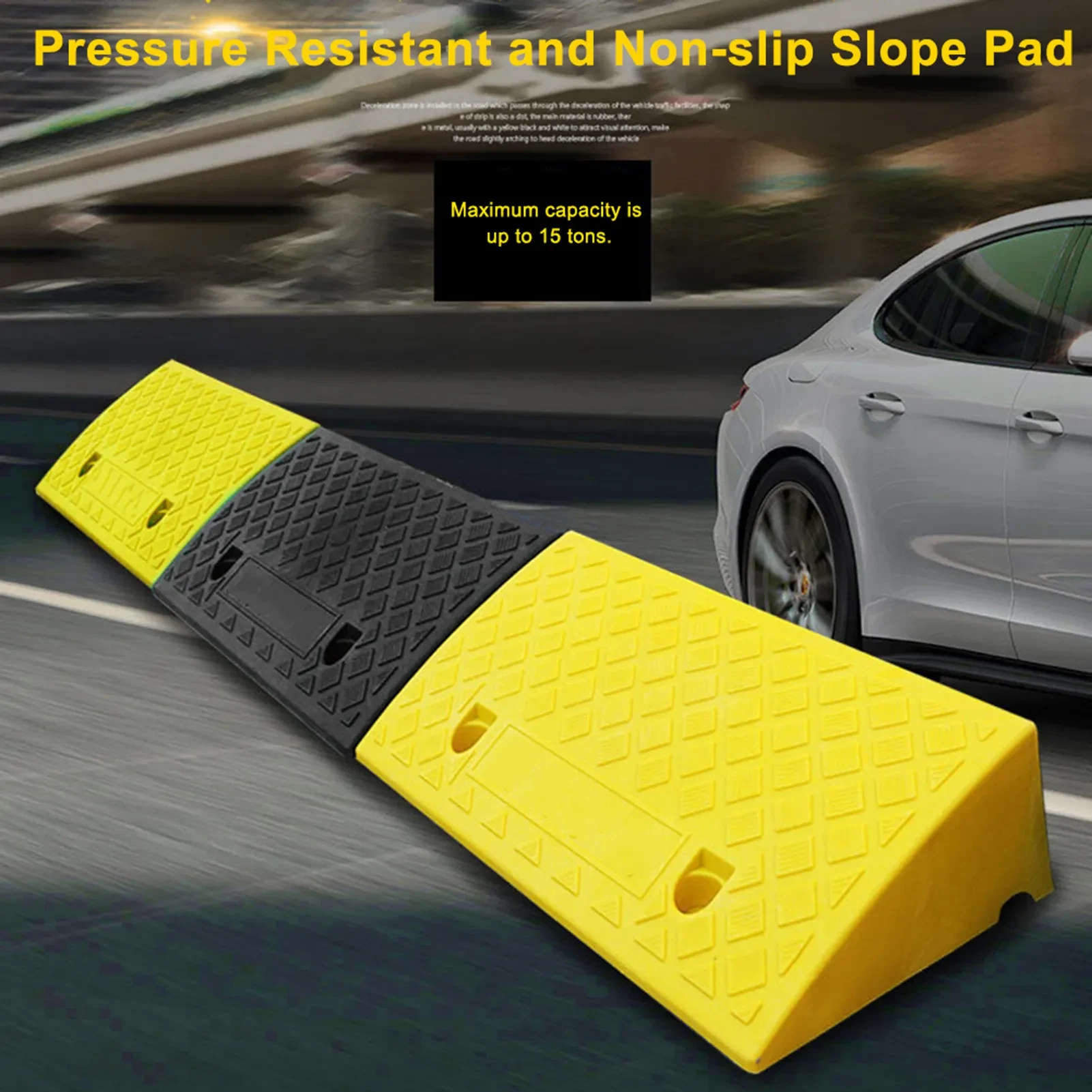
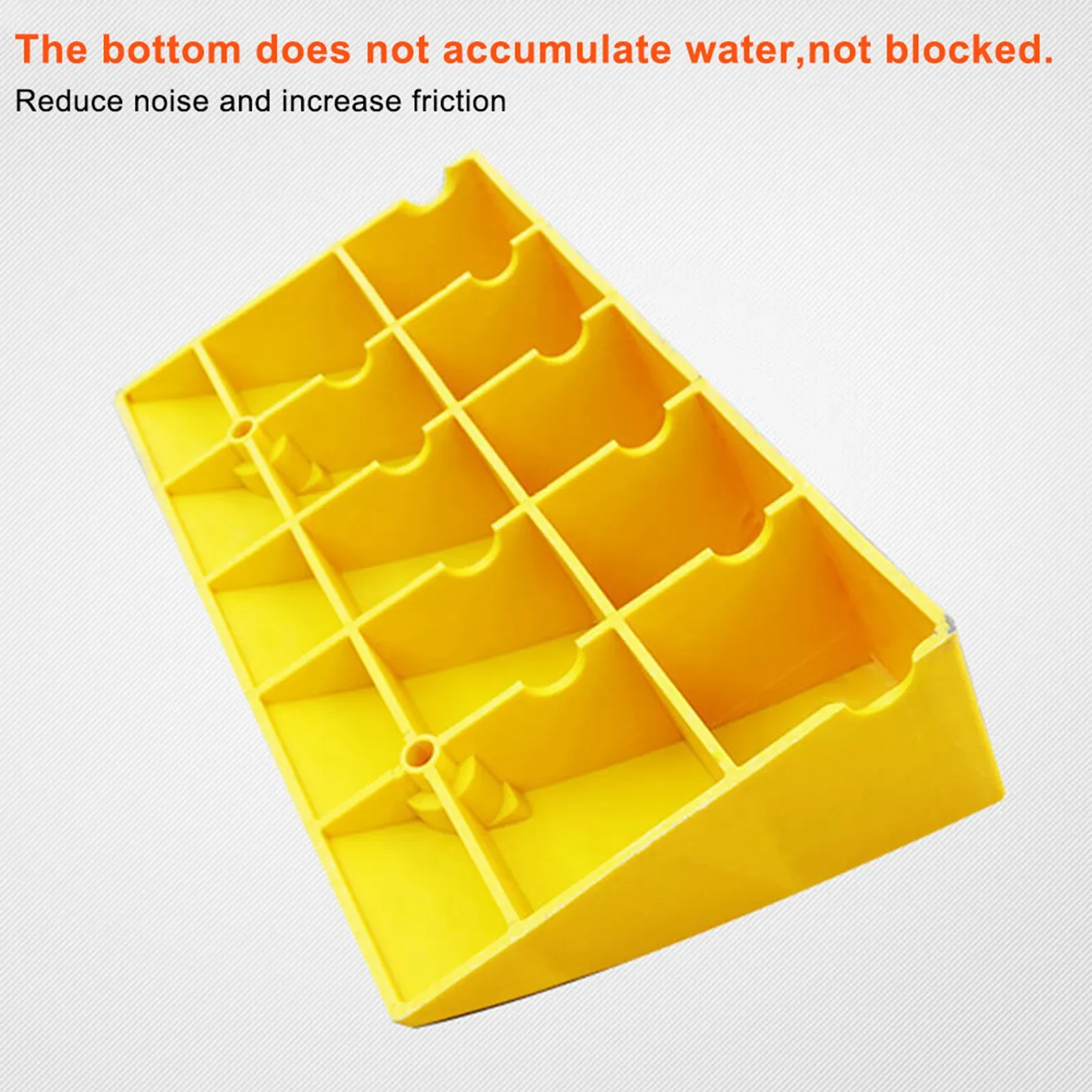
Kerb Ramps

Product information:
Material: PVC
Style: fashion and simplicity
Features: Easy to go uphill
Colour: Yellow
Size Information:
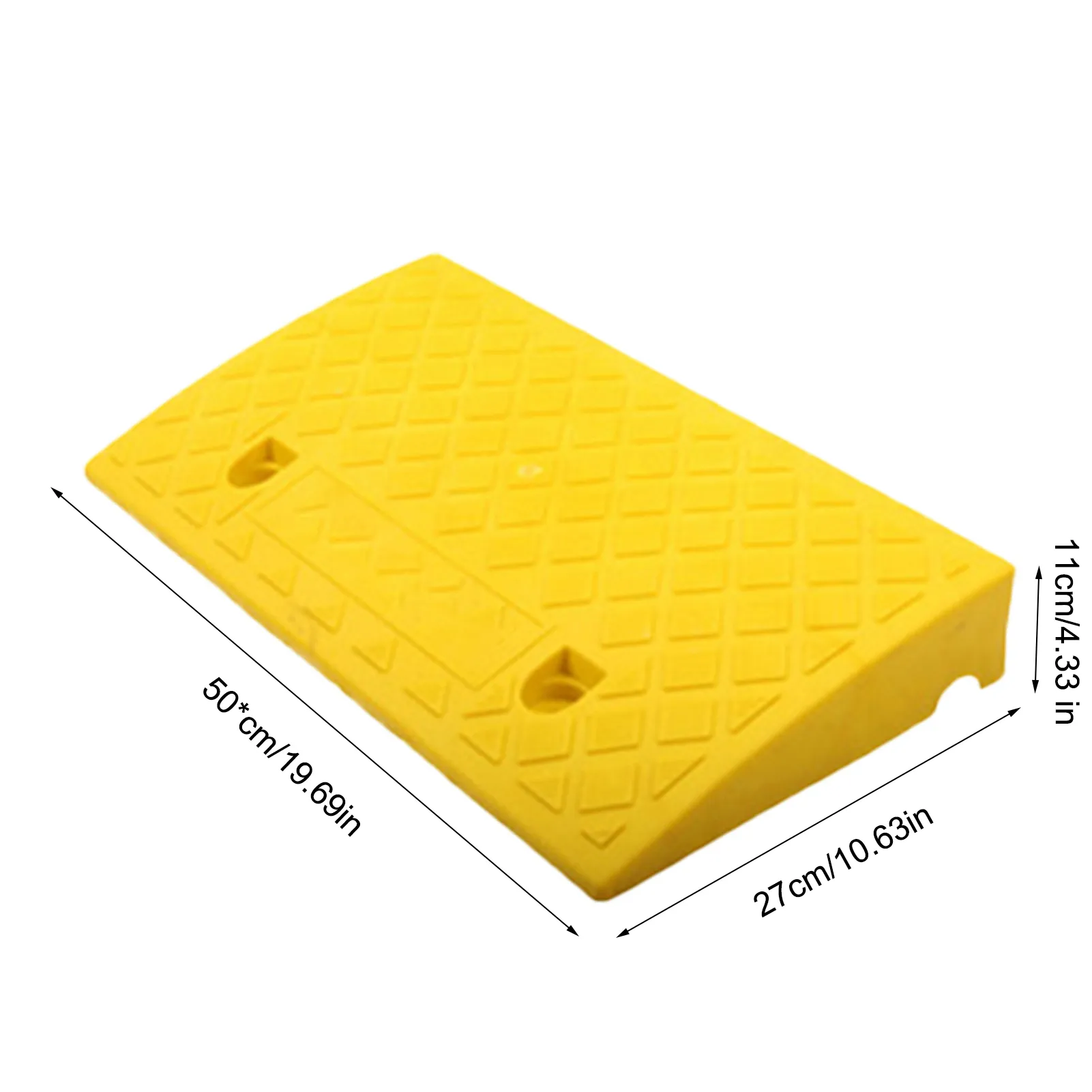
Packing list:
Ramp pad *1
Product Image:
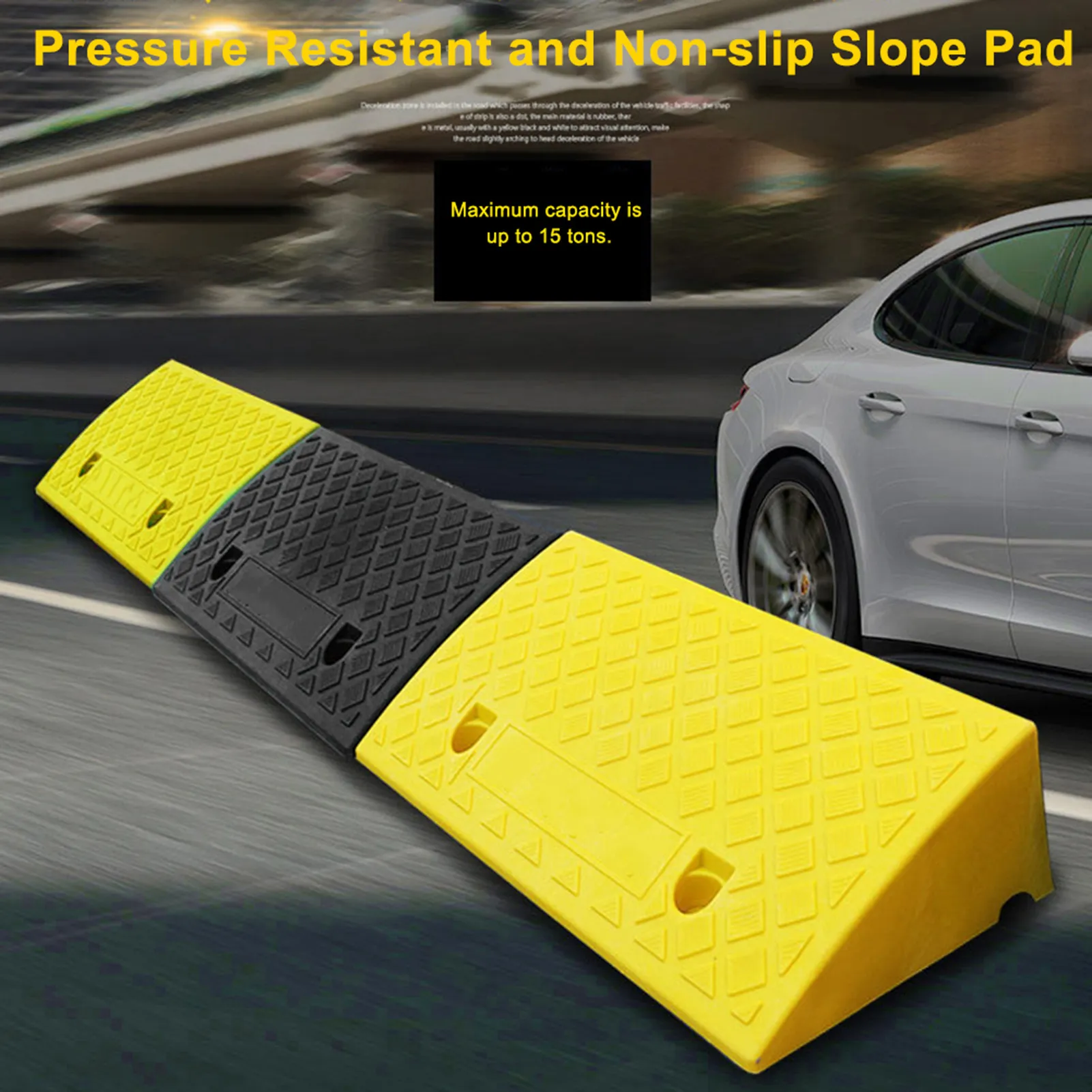
Kerb Ramps – Heavy-Duty Access Solutions for Smooth Level Transitions
Perfect for Wheelchairs, Trolleys, Cars, and Loading Access in New Zealand
Kerb ramps are practical access solutions designed to bridge height differences between surfaces such as kerbs, steps, and raised platforms. In New Zealand, they are widely used in residential, commercial, and industrial environments to improve accessibility, support mobility aids, and assist with vehicle and equipment movement. They are essential for anyone needing a safe, stable, and portable way to overcome small vertical obstacles.
Description – Kerb Ramps
Kerb ramps are sloped platforms engineered to create a smooth transition between two uneven surfaces, typically a raised kerb and a lower road or footpath. They are commonly used for wheelchairs, mobility scooters, trolleys, bikes, and even light vehicles depending on their load capacity.
These ramps are typically constructed from high-strength materials such as heavy-duty rubber, reinforced plastic, aluminium, or steel. Rubber kerb ramps are popular for portable and residential use due to their flexibility, grip, and impact resistance. Aluminium ramps are commonly used in commercial and industrial settings because of their high load-bearing capacity and corrosion resistance, making them suitable for outdoor environments across New Zealand’s varied weather conditions.
The surface of kerb ramps is usually designed with anti-slip textures or grooves to improve traction and reduce the risk of slipping in wet or uneven conditions. This is particularly important in NZ where rain and damp surfaces are common. The angled slope is carefully engineered to ensure a gradual transition that reduces shock and impact when moving across the ramp.
Kerb ramps come in different sizes and weight ratings depending on their intended use. Lightweight portable ramps are designed for personal mobility use and can be easily moved or positioned as needed. Heavy-duty industrial ramps are fixed or semi-permanent and designed to support forklifts, delivery trolleys, and vehicles in loading bays or warehouses.
Some models include interlocking edges or modular designs, allowing multiple ramps to be connected for wider coverage or customised access paths. Others feature built-in drainage channels to prevent water pooling and maintain surface grip in wet conditions.
Kerb ramps are widely used in both public and private settings. In residential environments, they assist wheelchair users and mobility scooter access. In commercial spaces, they support deliveries and equipment movement. In industrial areas, they improve workflow efficiency by enabling smooth loading and unloading operations.
Key Points
Heavy-Duty Load Capacity:
Designed to support wheelchairs, trolleys, vehicles, and industrial equipment depending on model type.
Anti-Slip Surface Design:
Textured surfaces improve grip and safety in wet or slippery conditions.
Portable or Fixed Options:
Available in lightweight portable models and permanent industrial installations.
Weather-Resistant Construction:
Built to withstand outdoor exposure, including rain, UV, and temperature changes common in NZ.
Benefits
Improved Accessibility:
Enables smooth movement over kerbs and steps for mobility aids and pedestrians.
Enhanced Safety:
Reduces trip hazards and provides stable transitions between uneven surfaces.
Increased Efficiency:
Speeds up loading, unloading, and equipment movement in commercial environments.
Versatile Applications:
Suitable for homes, businesses, warehouses, and public access areas.
Why You Choose This Kerb Ramps?
Kerb ramps are chosen because they provide a simple yet highly effective solution for overcoming height barriers in everyday environments. Unlike permanent construction modifications, they offer flexibility and portability while still delivering strong load-bearing performance.
For New Zealand users, kerb ramps are particularly valuable in both urban and rural settings where uneven access points are common. They support accessibility requirements for mobility users while also improving operational efficiency in commercial and industrial contexts.
Compared to makeshift solutions like wooden boards or improvised ramps, engineered kerb ramps provide consistent slope angles, safer traction, and higher durability. This reduces accident risk and ensures compliance with basic accessibility and safety standards.
Their versatility across mobility, transport, and industrial applications makes them a practical investment for a wide range of users.
Conclusion
Kerb ramps provide a reliable, durable, and practical solution for bridging height differences in residential, commercial, and industrial environments. With anti-slip surfaces, strong load capacity, and weather-resistant construction, they improve accessibility and safety across New Zealand. Whether for mobility assistance or equipment transport, kerb ramps are an essential access tool.
The product may be provided by a different brand of comparable quality.
The actual product may vary slightly from the image shown.
Shop amazing plants at The Node – a top destination for plant lovers