

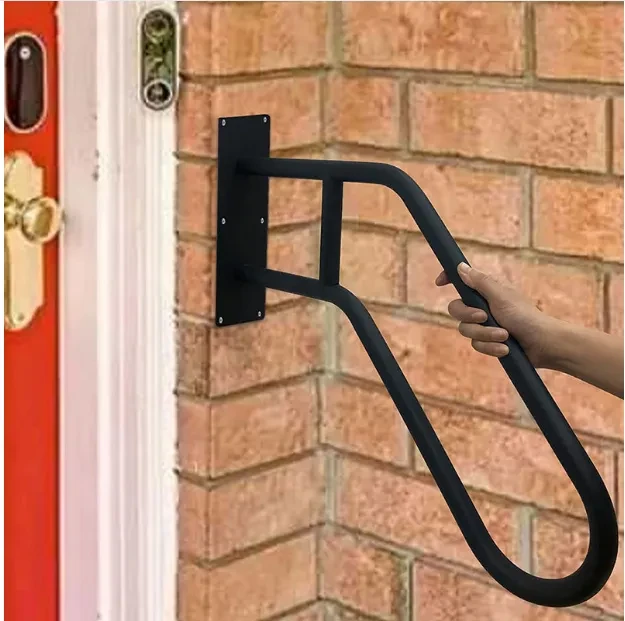
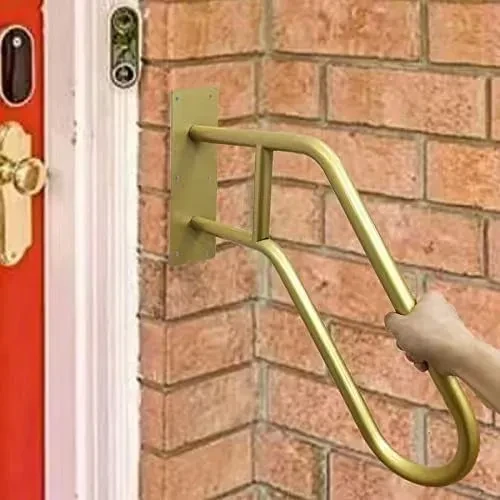
Handrail Requirements

Product information:
Material: wrought iron
Specifications: black, gold
Shape: U-shaped
Style: Simple
Category: stairs and their accessories
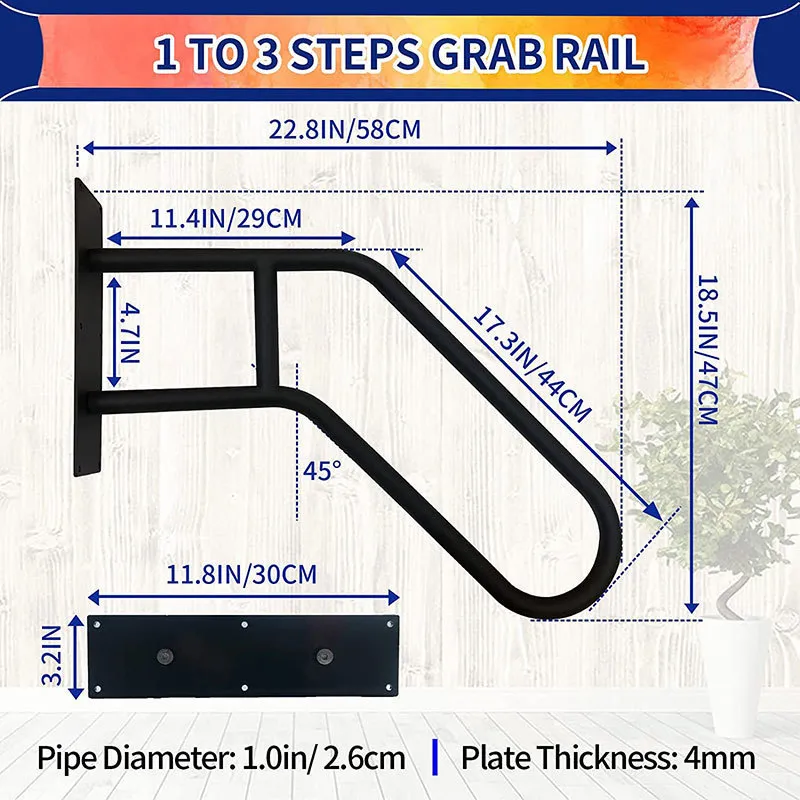
Packing list:
Handrail wall hanging×1PC
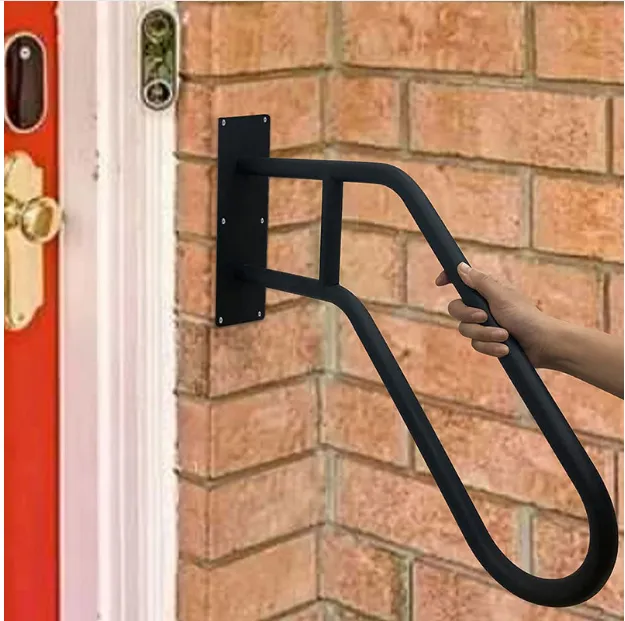
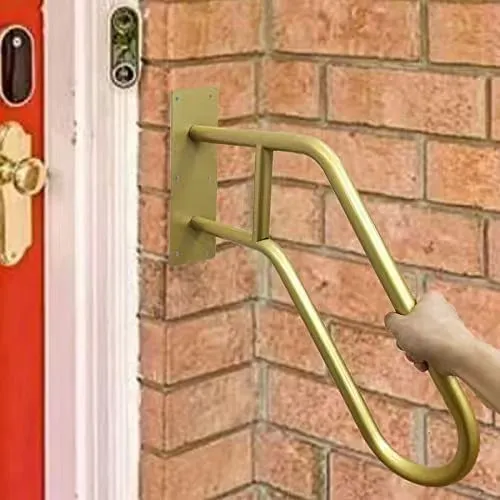
Handrail Requirements – Safety, Accessibility, and Compliance Guidelines
Perfect for Builders, Architects, Homeowners, and Property Managers
Handrail Requirements are essential for ensuring safety, accessibility, and compliance in homes, commercial spaces, and public areas. Properly designed and installed handrails reduce the risk of slips and falls, provide support for users of all ages, and ensure adherence to local building codes. Ideal for builders, architects, homeowners, and property managers, understanding handrail requirements is critical for creating safe and functional stairways, ramps, and walkways.
Description – Handrail Requirements
Handrail requirements refer to the set of standards and guidelines that dictate the proper design, placement, and installation of handrails. These standards are typically outlined in national or local building codes and are designed to ensure safety, accessibility, and usability for all individuals. Key aspects of handrail requirements include height, diameter, grip, clearance from walls, strength, continuity, and structural stability.
For residential stairs, handrails are usually required on at least one side of the staircase, while commercial or public buildings often require handrails on both sides. Height standards generally fall within 865 mm to 965 mm (34–38 inches) from the stair tread or ramp surface. Grip size should accommodate the average user’s hand comfortably, typically between 32–50 mm (1.25–2 inches) in diameter. Clearance from walls should be sufficient (often 50 mm or 2 inches) to allow users to grasp the rail fully without obstruction.
Materials for handrails can include wood, metal, or composite materials, provided they meet structural strength and durability requirements. Many handrail systems also include features for accessibility, such as continuous rails, smooth edges, and extensions at the top and bottom of stairs to aid users with mobility challenges.
Key Points
Height Compliance: Handrails must meet standard height requirements to ensure safe and ergonomic use.
Proper Grip: The rail diameter should allow users to grasp securely for balance and support.
Clearance from Wall: Adequate space between the handrail and wall ensures full hand access.
Structural Strength: Handrails must support sufficient weight and force without bending or breaking.
Continuous Support: Rails should be continuous along the entire length of stairs or ramps for uninterrupted support.
Accessibility Features: Incorporates extensions, smooth finishes, and ergonomics to aid children, seniors, and mobility-impaired users.
Benefits
Improved Safety: Handrails reduce the risk of slips and falls on stairs, ramps, and walkways.
Accessibility for All Users: Properly designed handrails support seniors, children, and people with disabilities, promoting safe movement.
Code Compliance: Adhering to handrail requirements ensures compliance with local building codes and safety regulations.
Durable and Reliable: Following installation standards ensures the handrail remains stable and effective over time.
Enhanced User Confidence: Proper handrails provide reassurance and stability, particularly in high-traffic or public areas.
Why Choose to Follow Handrail Requirements?
Following Handrail Requirements ensures that stairways, ramps, and walkways are safe, functional, and accessible for all users. Compliance with building codes reduces liability, enhances safety, and promotes inclusive design. Proper handrail design and installation create a balance of safety, comfort, and aesthetics for residential, commercial, and public spaces.
Conclusion
Understanding and implementing proper Handrail Requirements is essential for safety, accessibility, and regulatory compliance. Correct height, grip, clearance, and structural standards ensure that handrails provide reliable support for users of all ages and abilities. For homeowners, builders, architects, and property managers, adhering to handrail requirements guarantees a safe, functional, and professional installation that enhances both safety and comfort.
The product may be provided by a different brand of comparable quality.
The actual product may vary slightly from the image shown.
Shop amazing plants at The Node – a top destination for plant lovers
.png)









.jpg)









.jpg)





.jpeg)





.jpeg)



.jpeg)








.jpeg)



.jpeg)

.jpeg)

.jpeg)

.jpeg)




.jpeg)
.jpg)

.jpeg)






.jpeg)
.jpeg)




.jpeg)





.jpeg)


.jpeg)

.jpeg)

.jpeg)

.jpeg)







.jpeg)
.jpeg)
.jpeg)





.jpeg)



.jpeg)





.jpg)
.jpeg)









.jpg)


ulva-Logo.jpg)




.jpeg)



.png)















.png)