
How To Build A House On A Budget
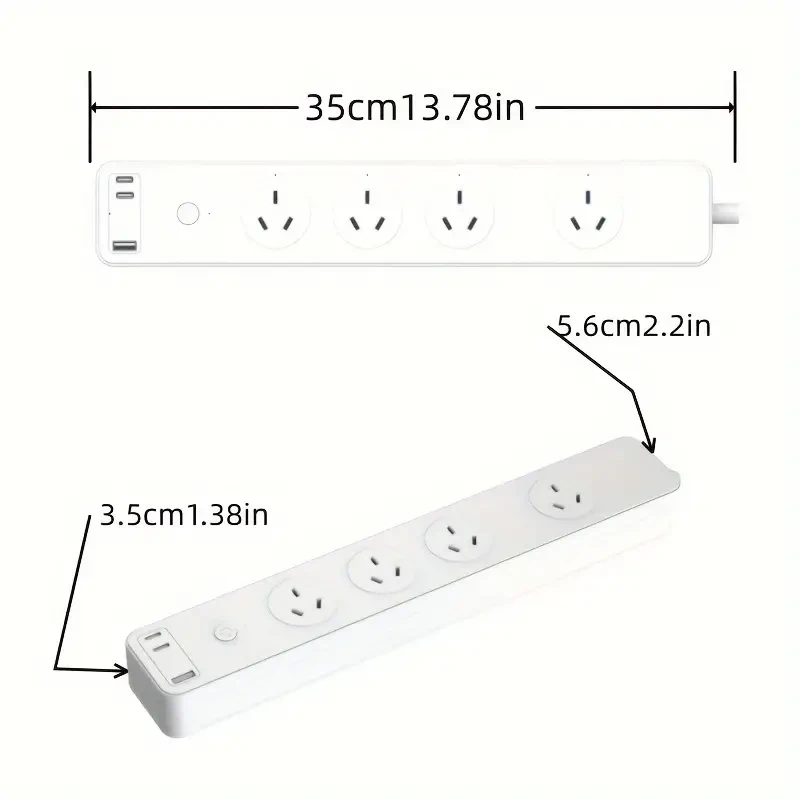
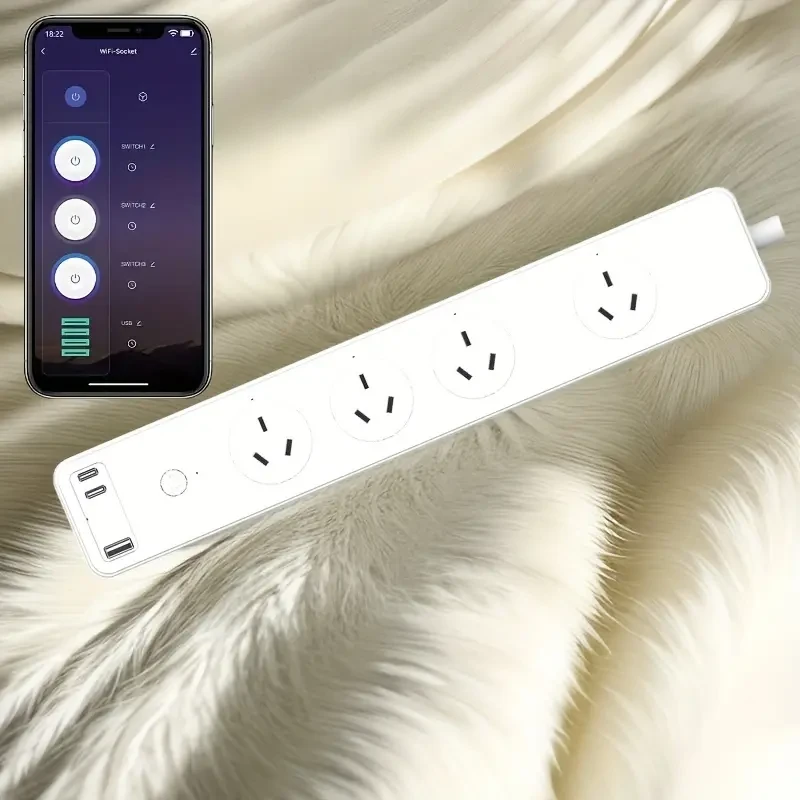
Multi-Function WIFI Smart Power Strip Socket With 3pcs USB Ports And 4pcs AU Plugs
Gift Tree


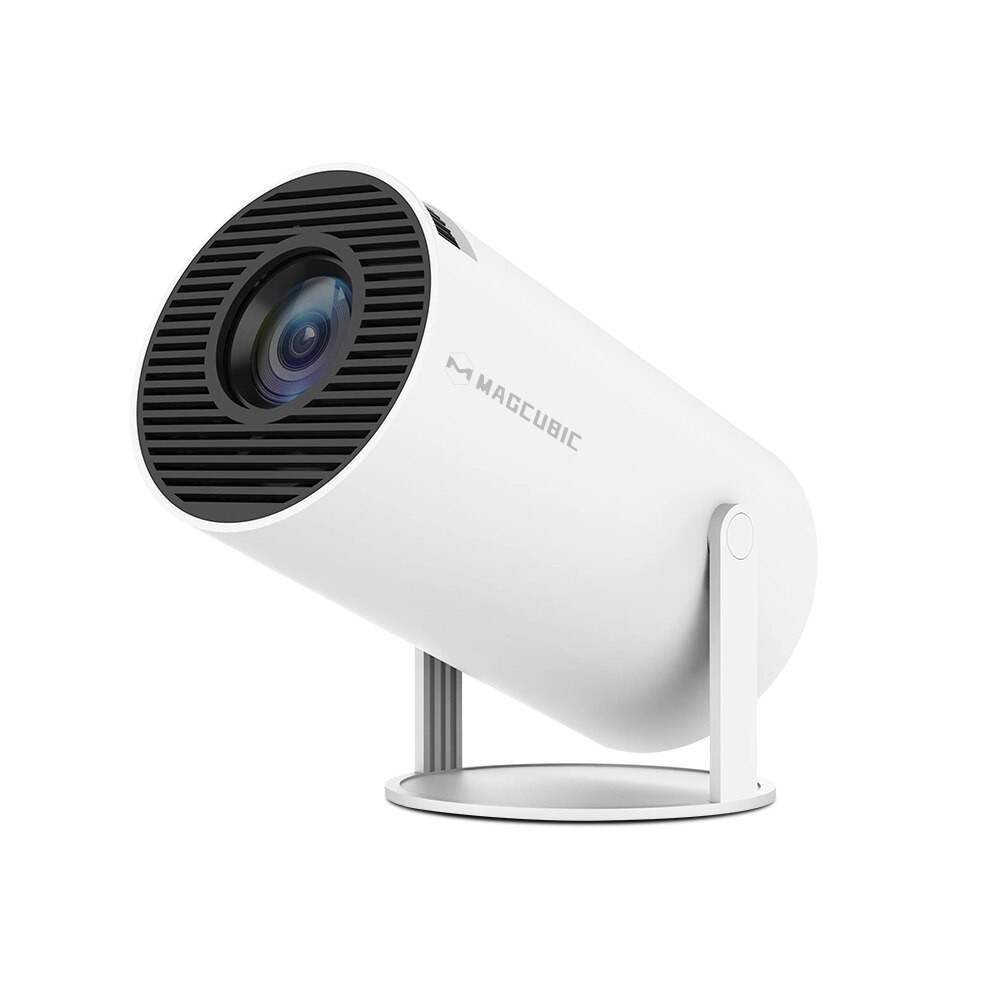
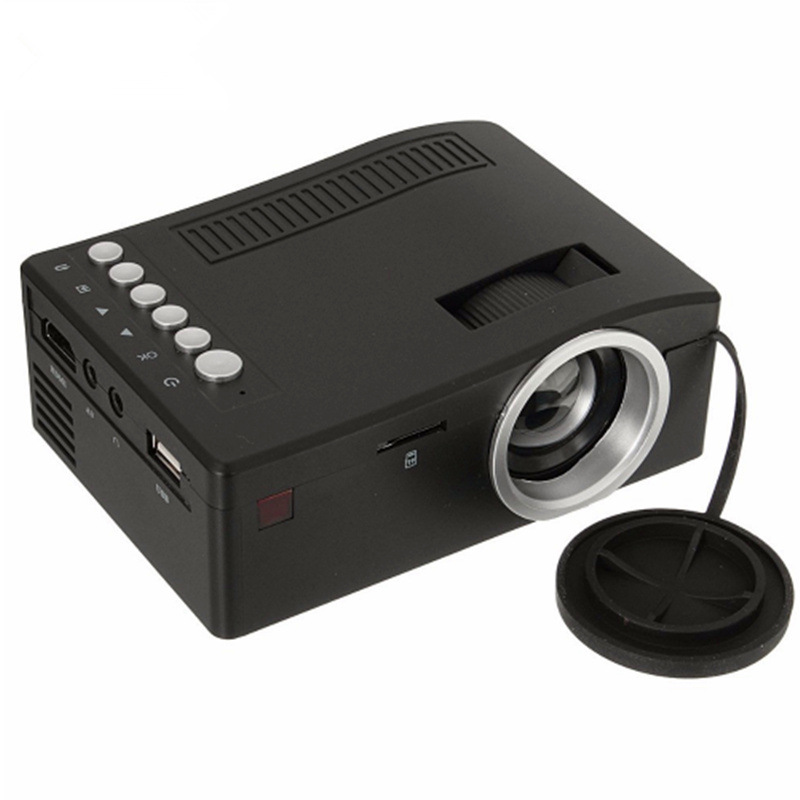
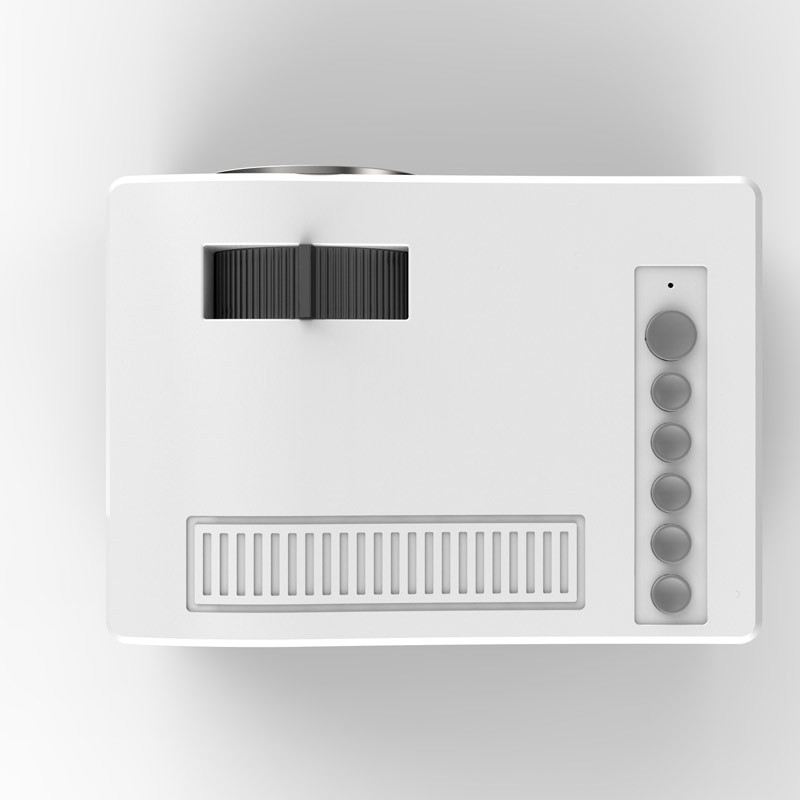
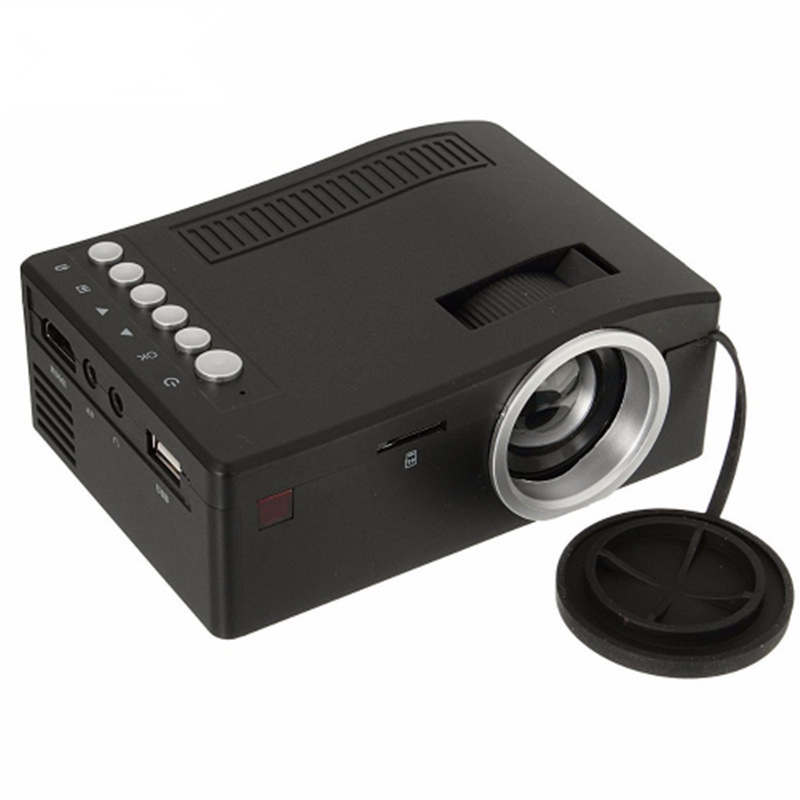
Proyector Magcubic HY300 Pro 4K con Android 11, WiFi 6 dual, 260 lúmenes ANSI, Bluetooth 5.0, 1080P
Gift Tree
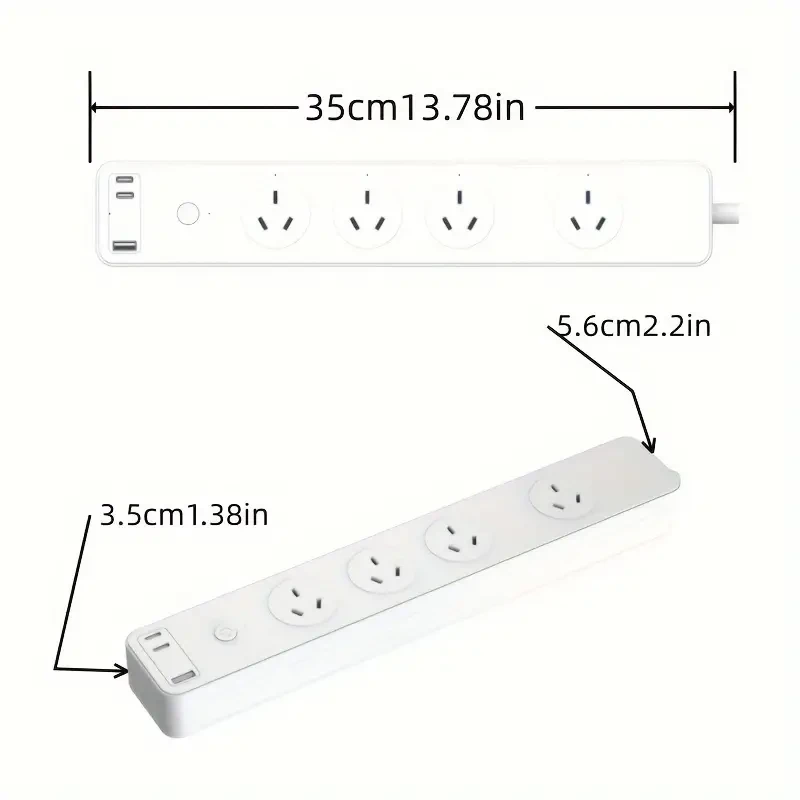
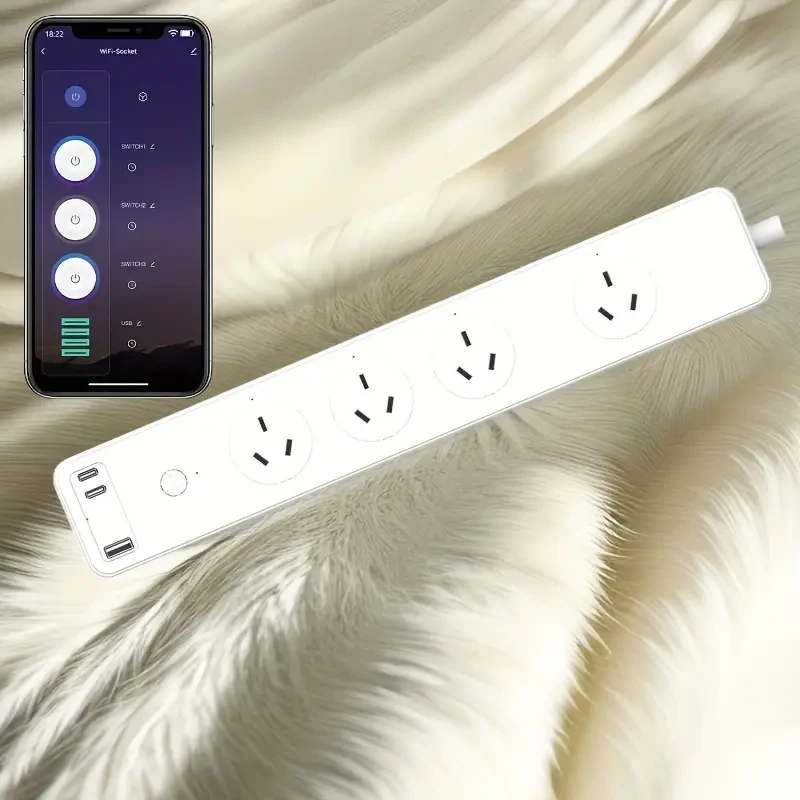
Regleta de enchufes inteligente con wifi multifunción, 3 puertos USB y 4 enchufes australianos
Gift Tree
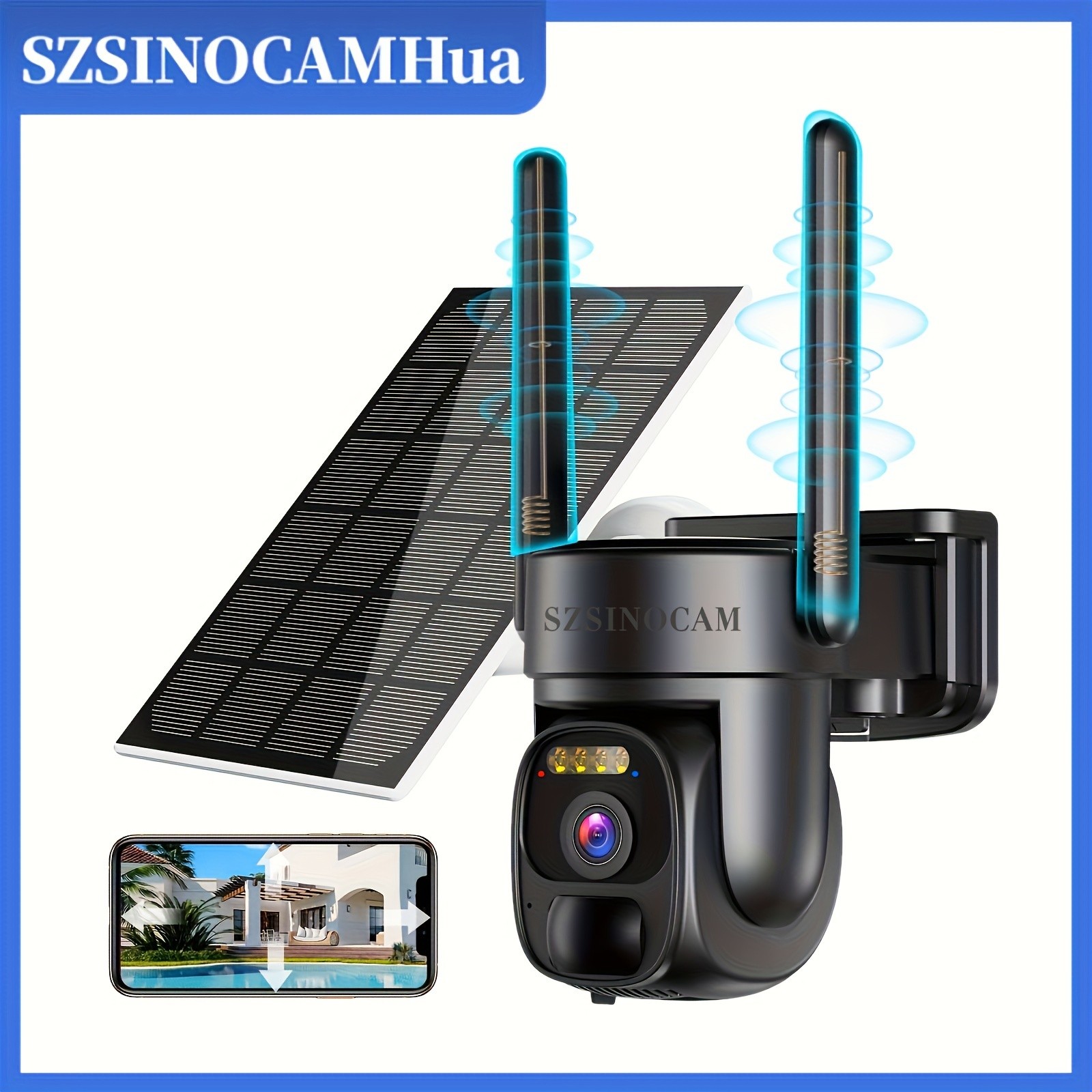
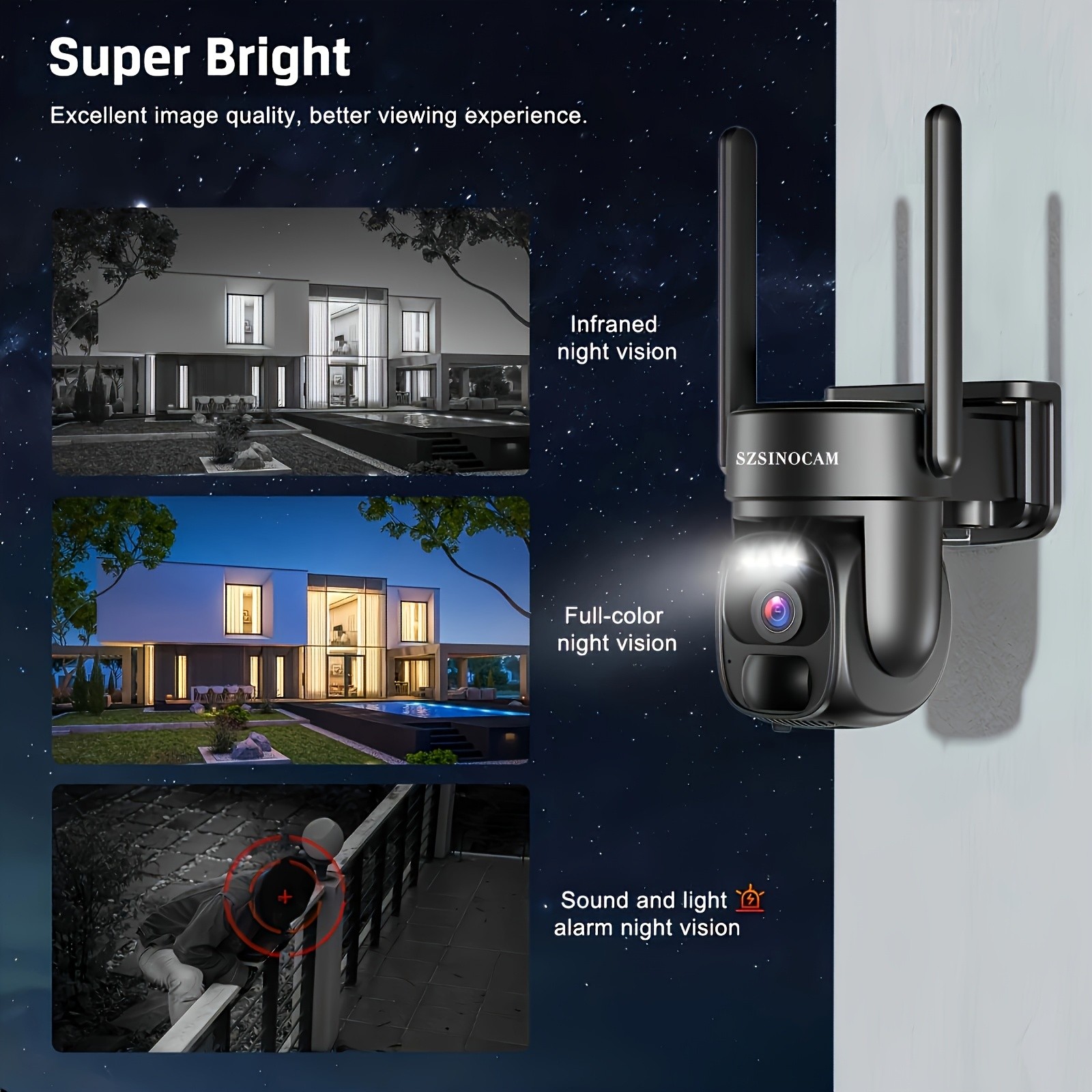
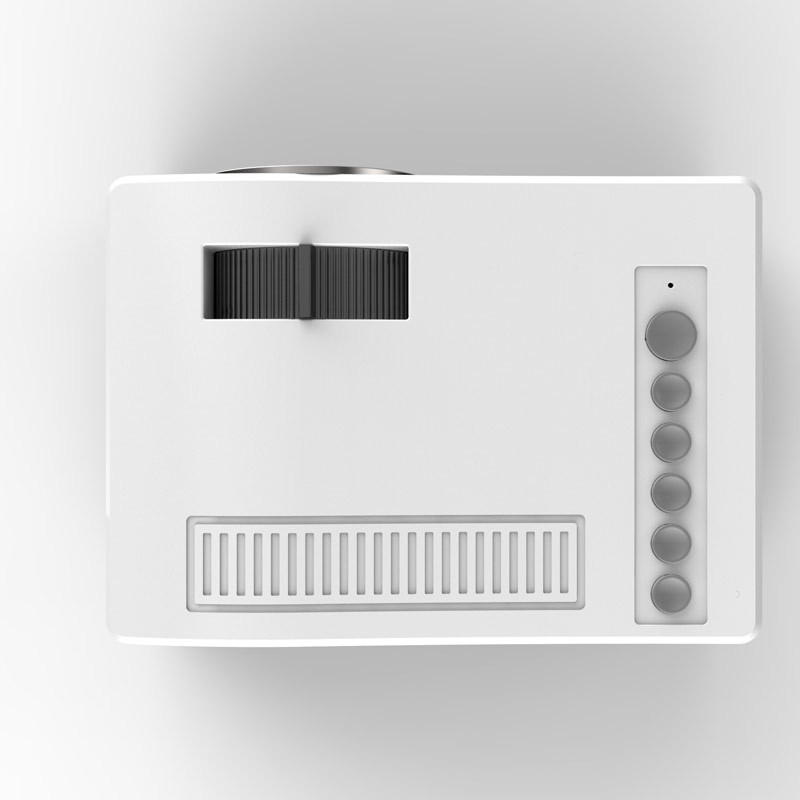


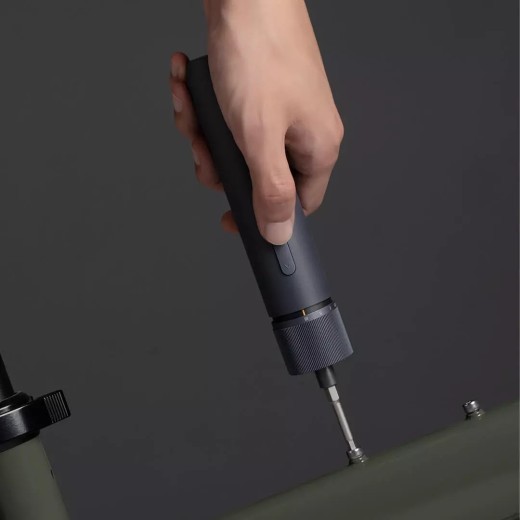
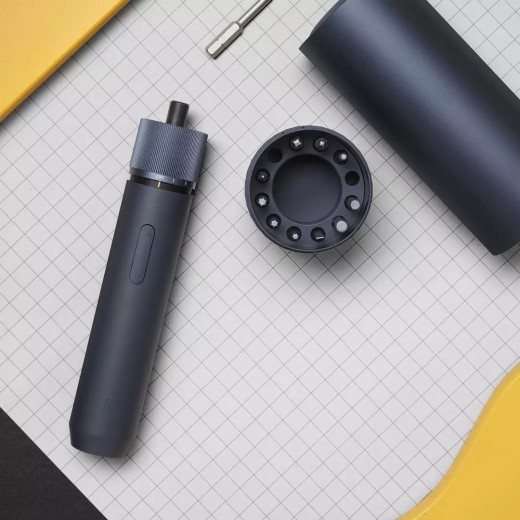
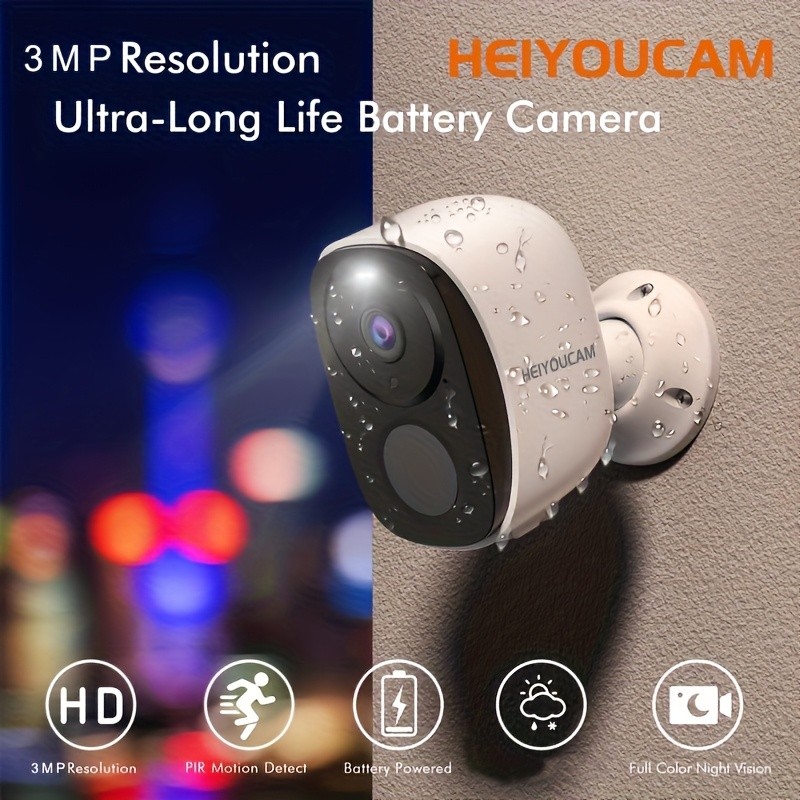
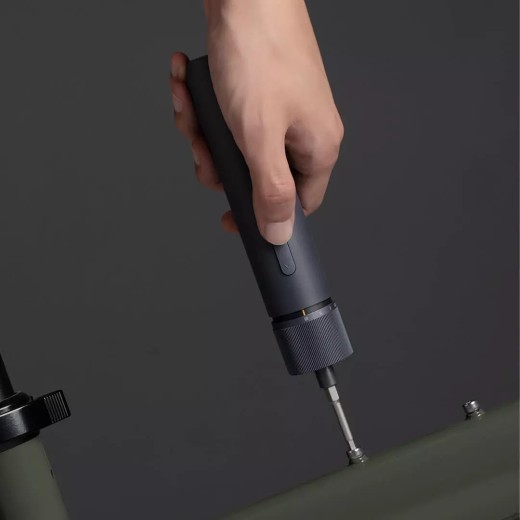
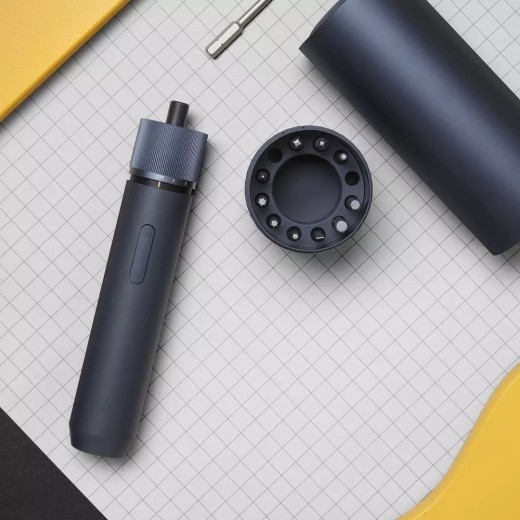
Taladro manual inalámbrico Destornillador multifuncional para el hogar
Gift Tree



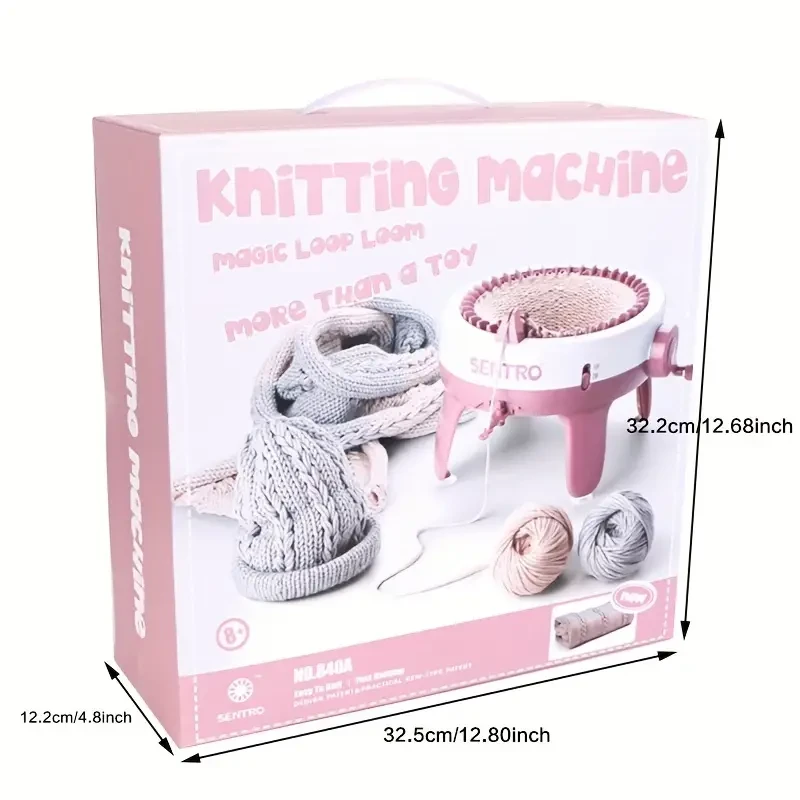
40-Needle Manual Yarn Knitting Machine - DIY Scarf & Hat Maker with Instructions
Gift Tree



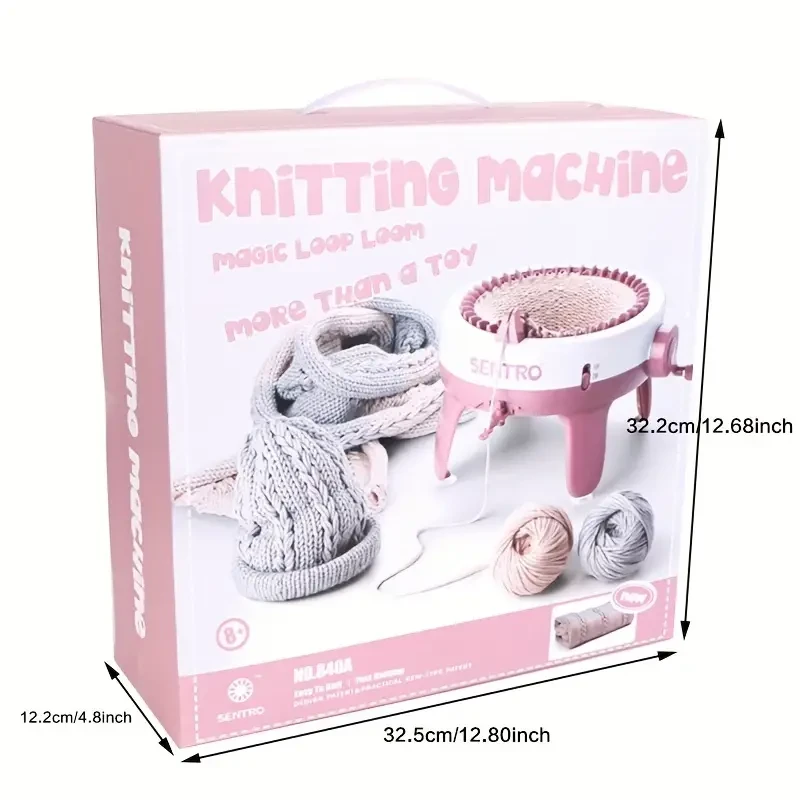
Máquina de tejer manual de 40 agujas: ¡Crea bufandas y sombreros tú mismo con instrucciones!
Gift Tree





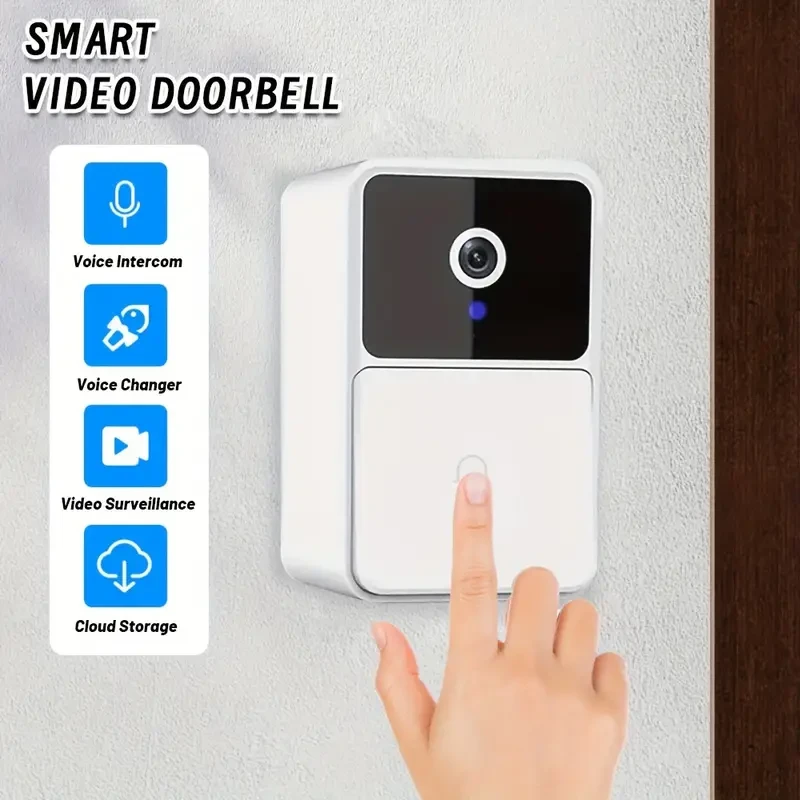
Timbre con cámara WIFI Plus: timbre con vídeo inteligente inalámbrico de 480p con visión nocturna
Gift Tree

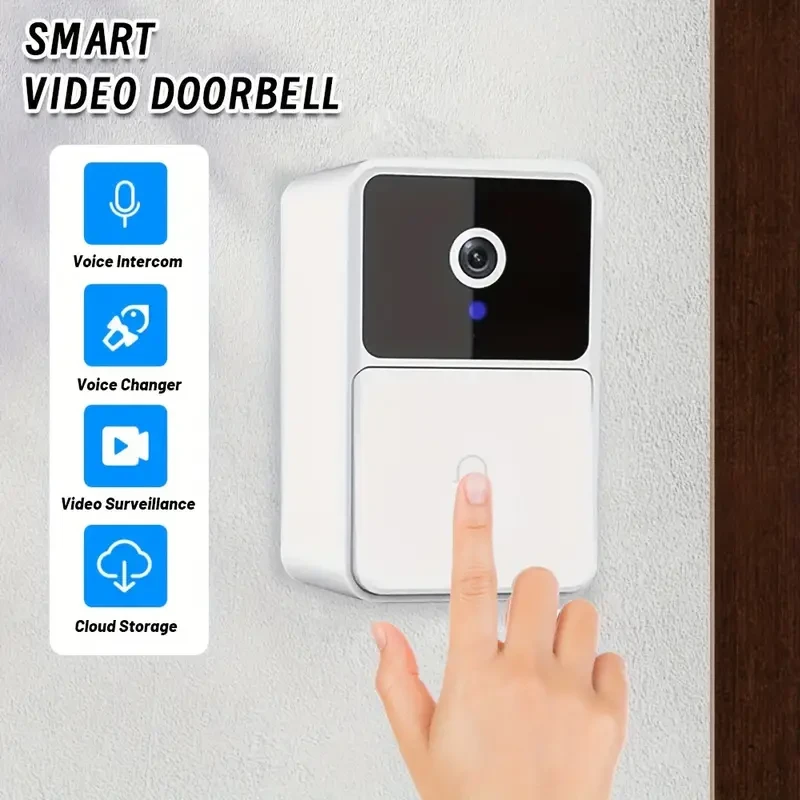
WIFI Doorbell Camera Plus - 480p Wireless Intelligent Video Doorbell with Night Vision
Gift Tree
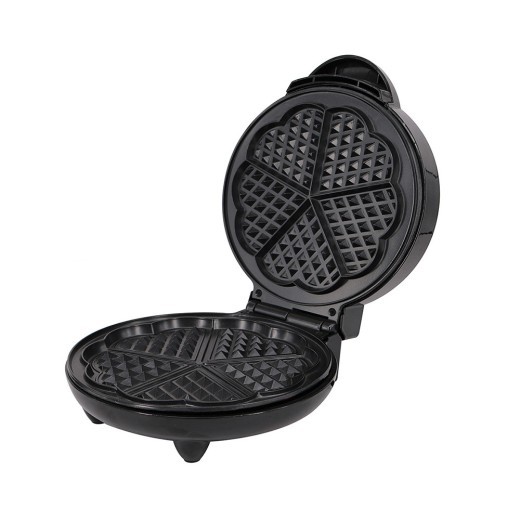
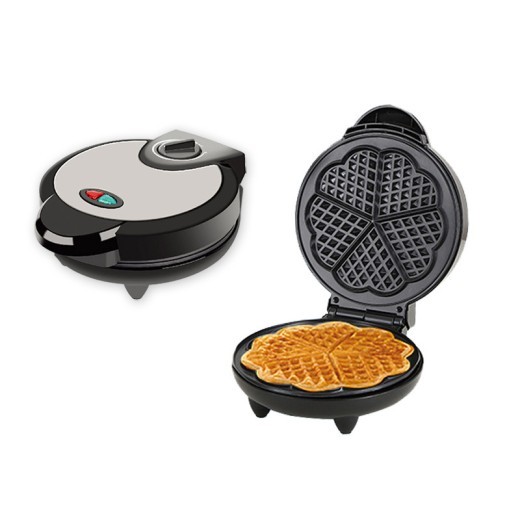
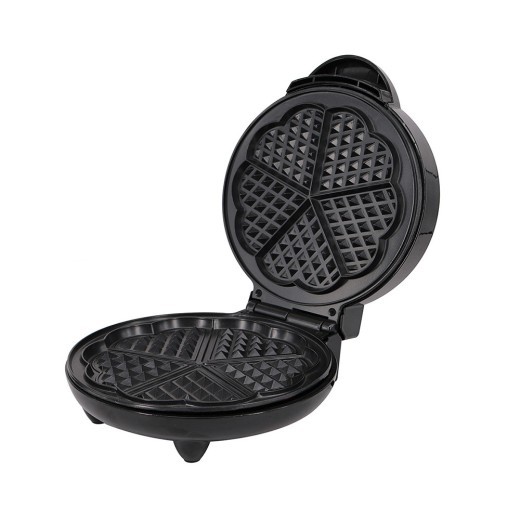
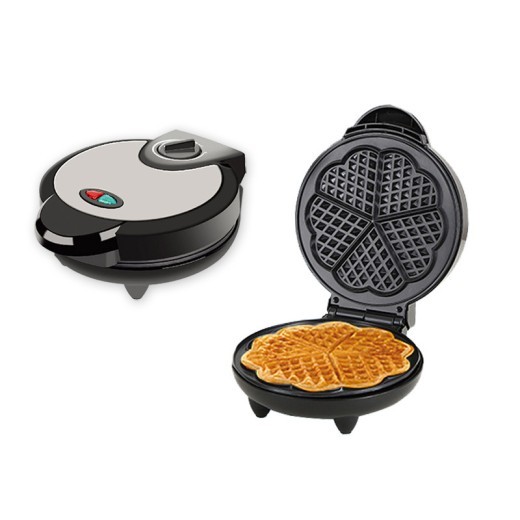


ANYAZHINENG Smart Home Security Camera – Night Vision, Motion Detection & Remote Viewing for Total Peace of Mind
Gift Tree
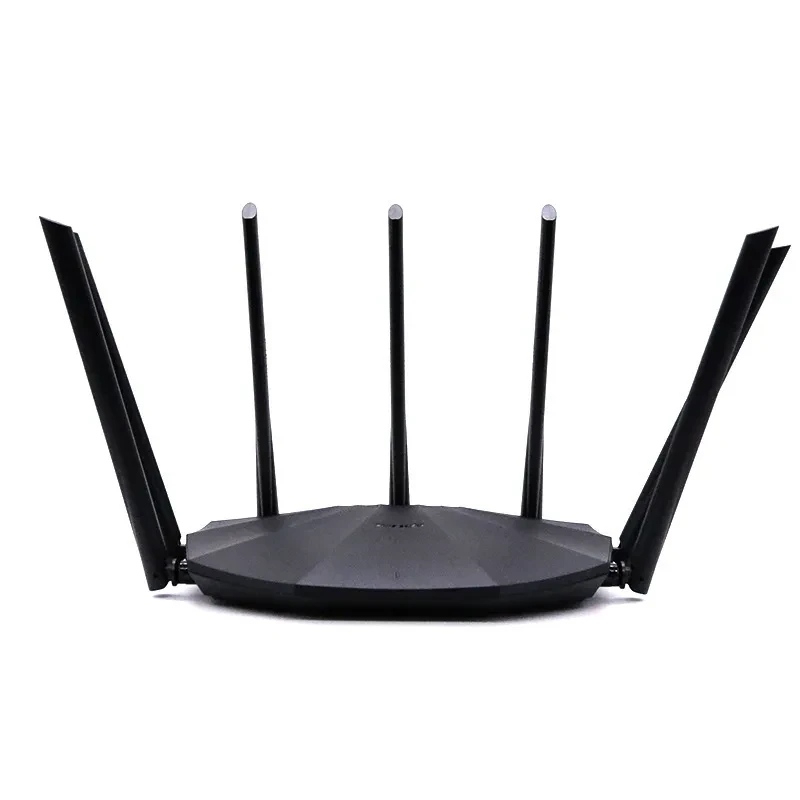
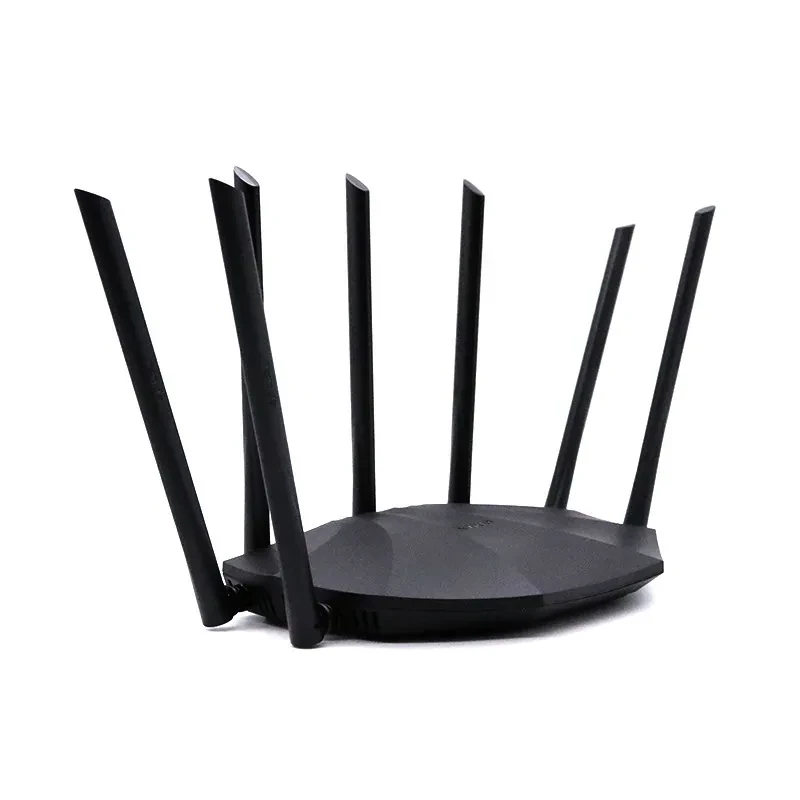
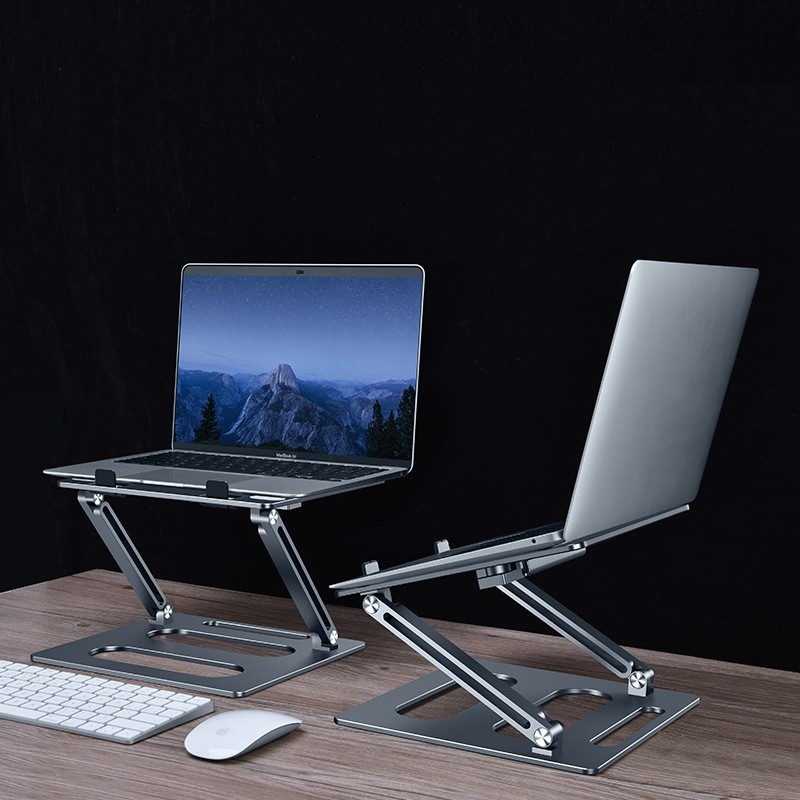
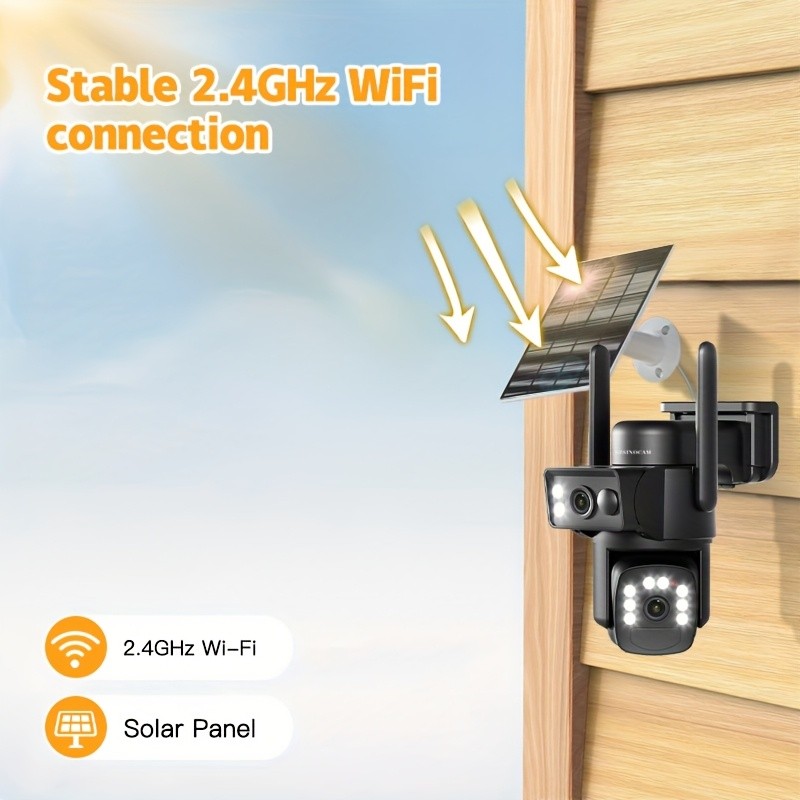
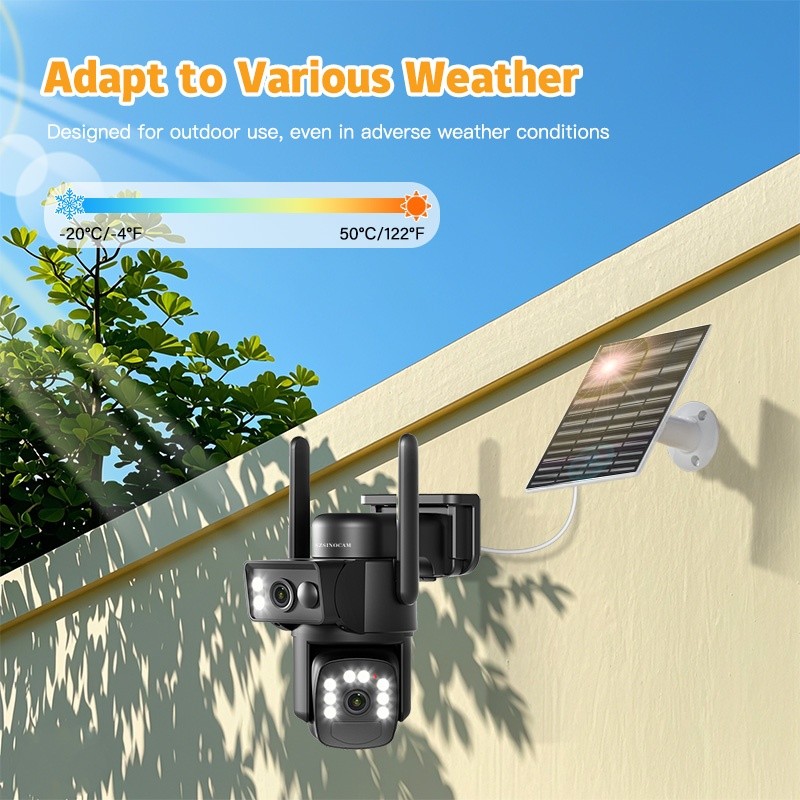
Days10x Zoom 360-Degree Low-Power CCTV Solar Panel Battery WiFi Camera
Gift Tree
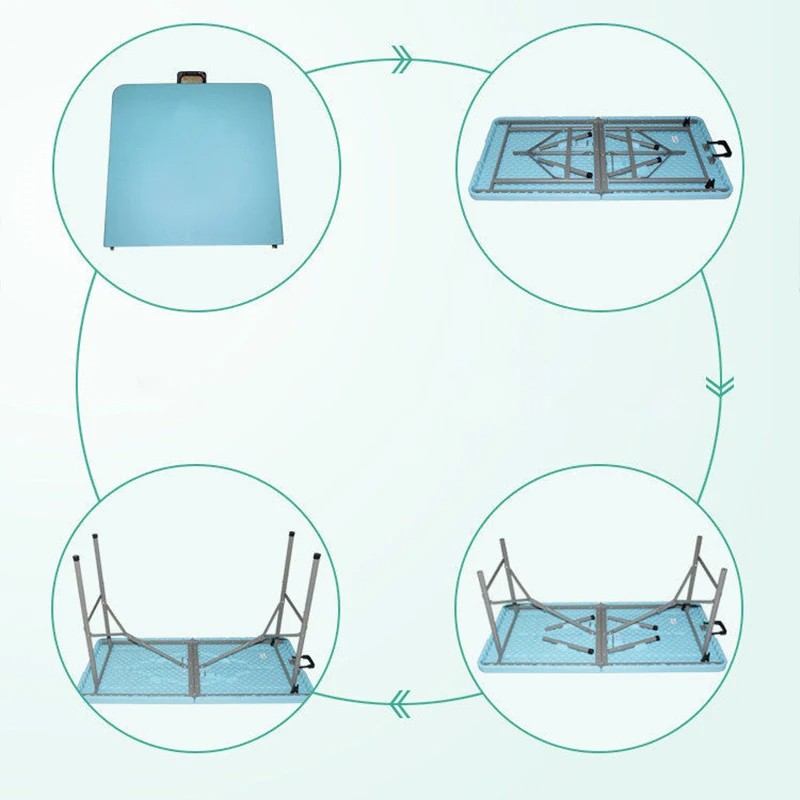




4K30FPS-Action Camera Ultra-high Definition Underwater Camera Outdoor Sports Camera With Wifi Comes With Waterproof Accessories, 32GB Memory Card
Gift Tree

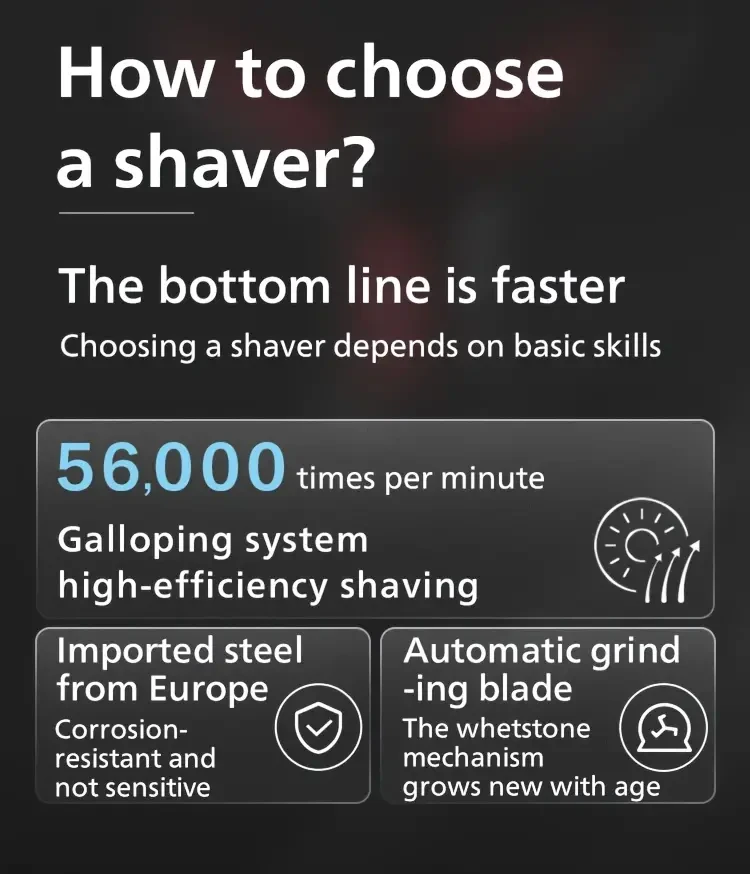
Afeitadora eléctrica Philips S1113 - Recargable por USB, carga rápida en 1 hora, cuchillas PowerCut, acero inoxidable, diseño ergonómico con cabezal flotante triple
Gift Tree


AI Intelligent Speech Robot Programming Gesture Remote Control Magic Sound Change Music Dance Early Education Machine Model Toy
Gift Tree
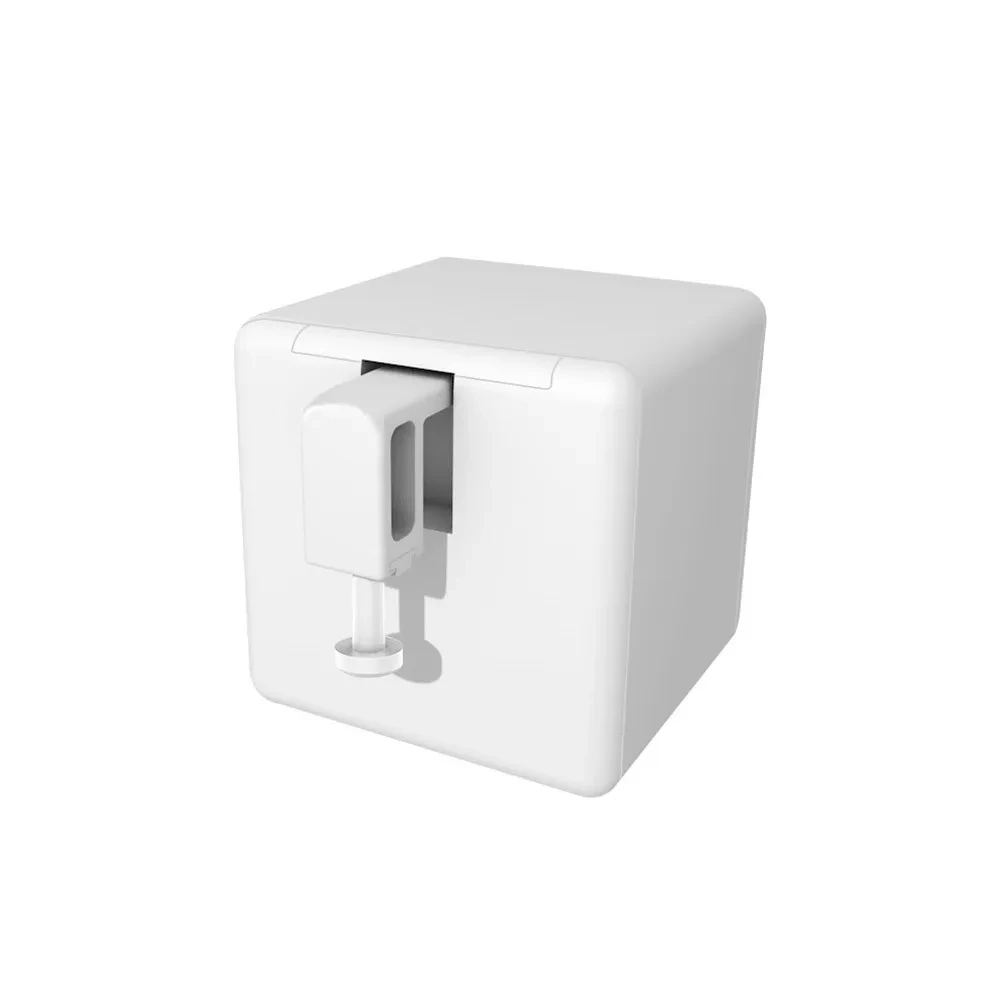



Cámara de acción 4K 30FPS de ultra alta definición, subacuática, para deportes al aire libre, con wifi, incluye accesorios impermeables y tarjeta de memoria de 32 GB.
Gift Tree


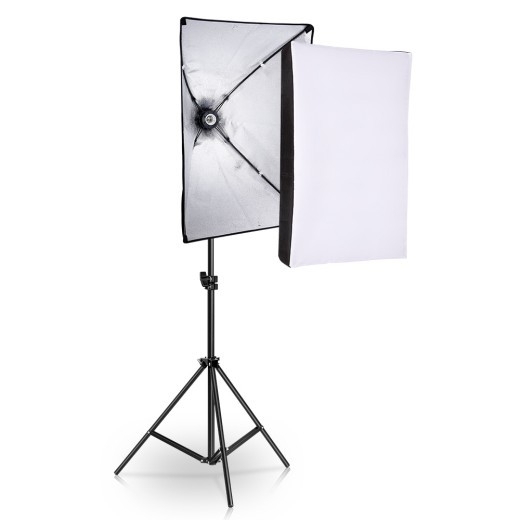

Compatible con Apple, trípode de estudio, luz en vivo, fotografía complementaria de retratos y disfraces.
Gift Tree
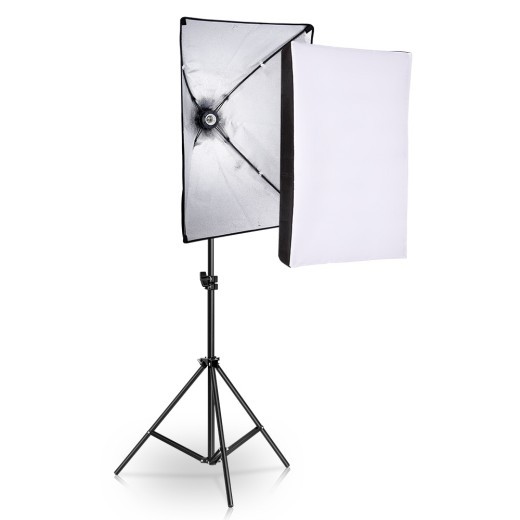

Compatible with Apple, Tripod Studio Set Live Light Supplemental Portrait Costume Shooting
Gift Tree
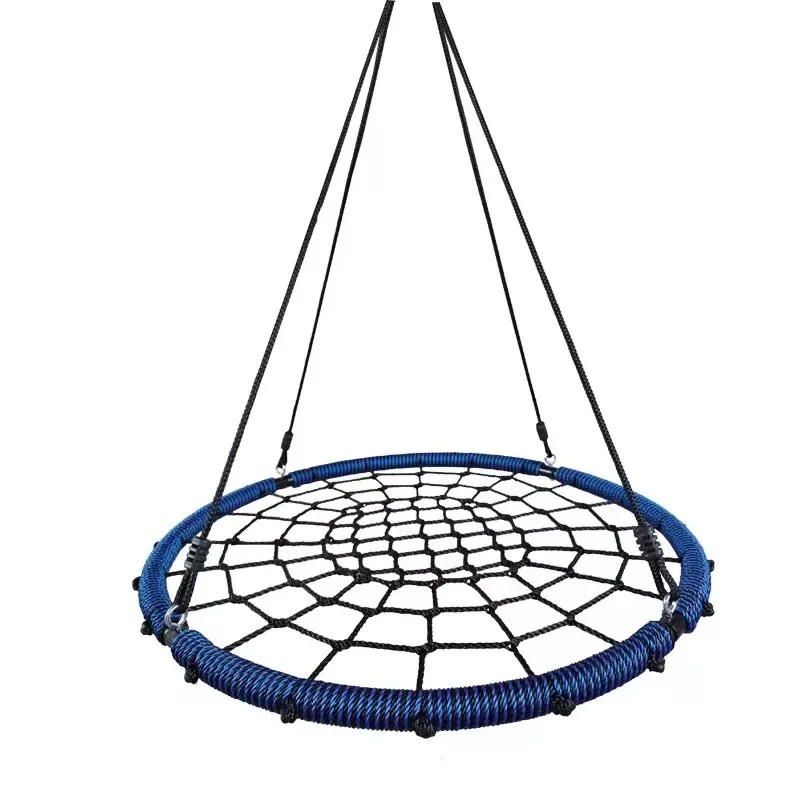
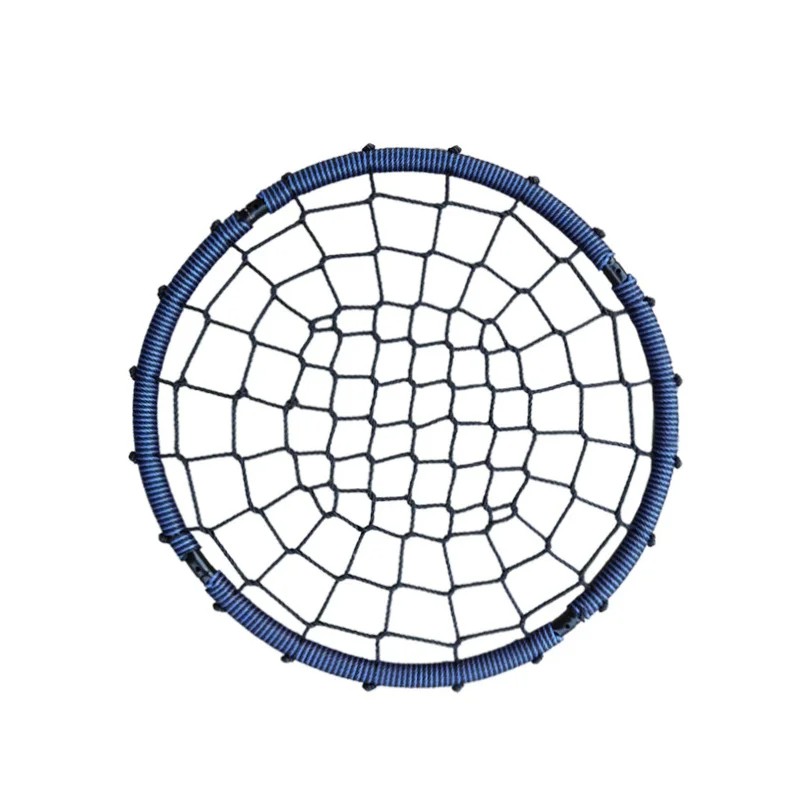
Diameter 100CM Round Nest Rope Swing: Indoor/Outdoor Hanging Chair
Gift Tree
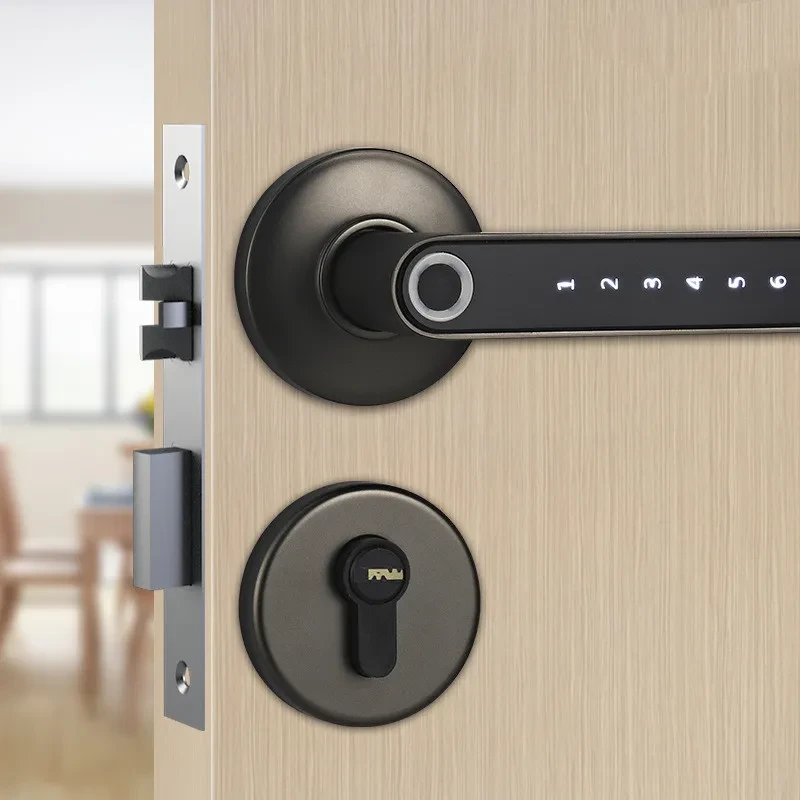


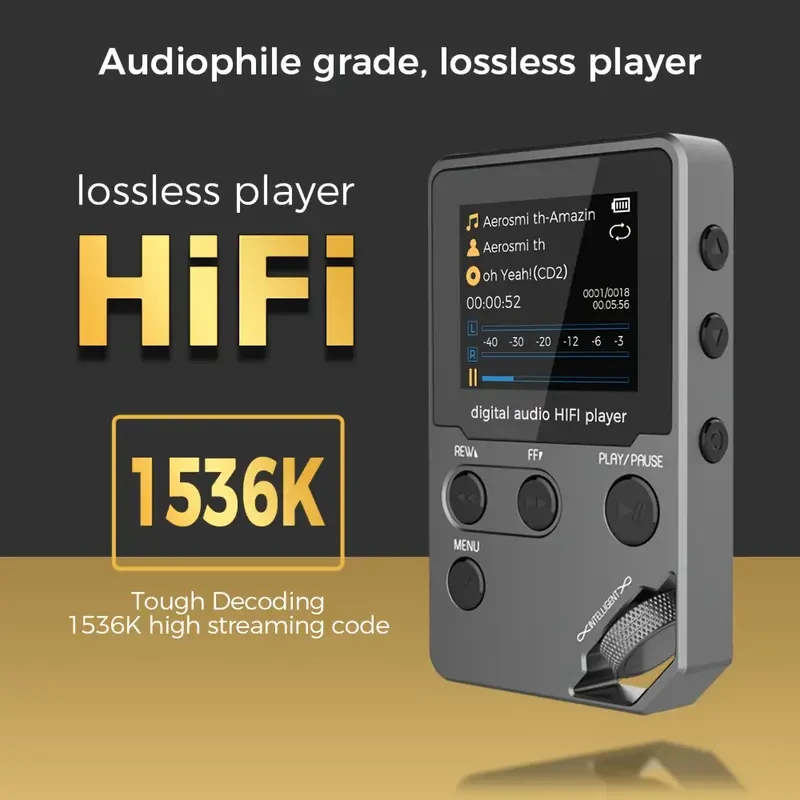
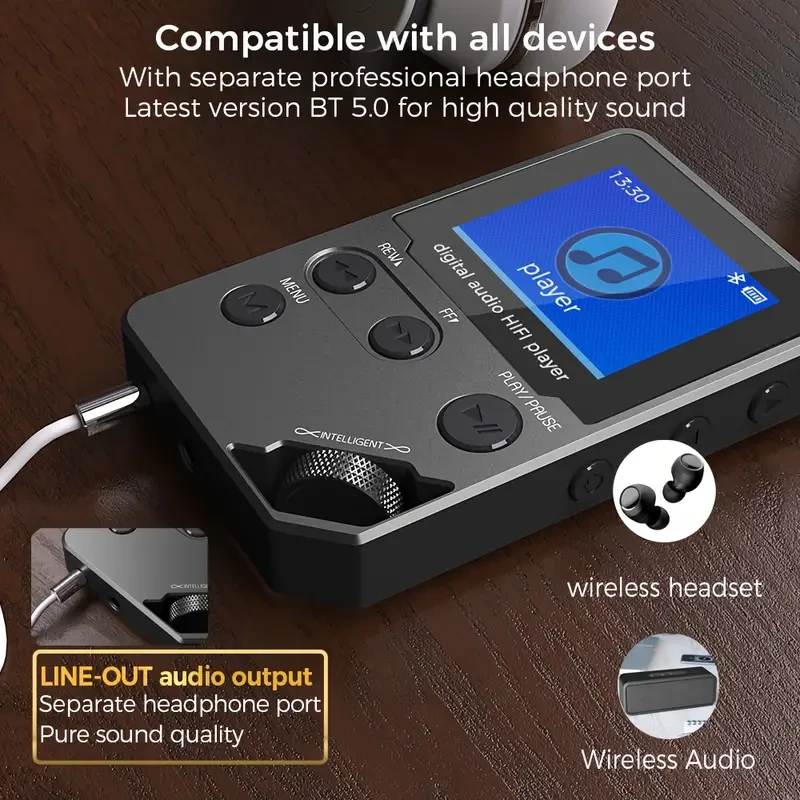
Innovador reproductor de música Cappsu de 72 GB, de alta fidelidad y sin pérdidas, de calidad profesional, de aleación de zinc, inalámbrico, con controles giratorios, radio FM y grabadora de voz, diseño compacto para deportes. CAPPSU
Gift Tree
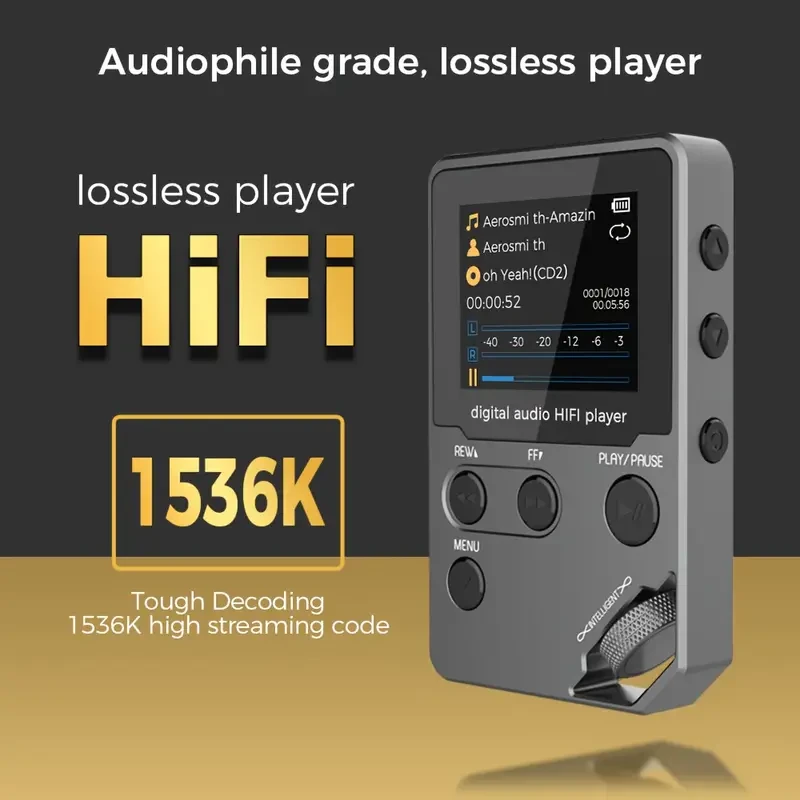
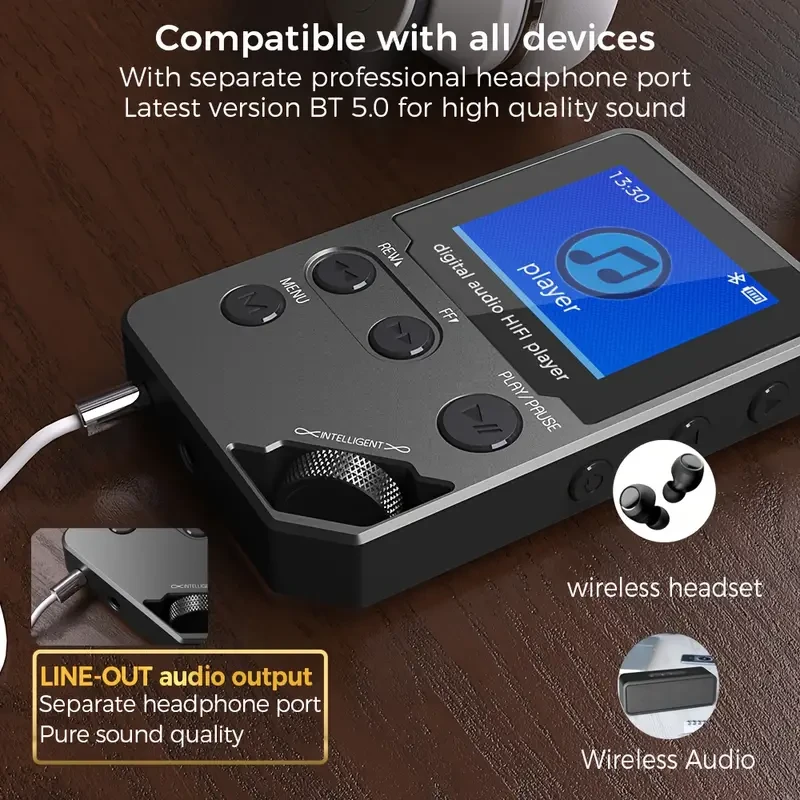
Innovative, Cappsu 72GB High-Fidelity Lossless Music Player - Professional Grade, Zinc Alloy, Wireless Wireless, Rotary Controls, FM Radio & Voice Recorder, Compact Design for Sports, CAPPSU
Gift Tree

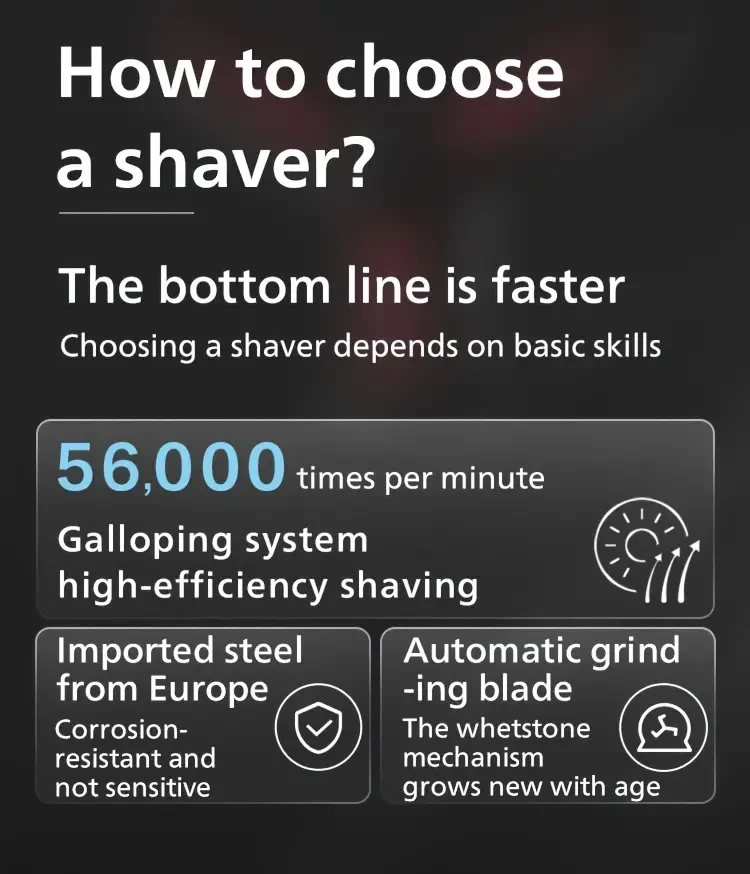
Philips S1113 Electric Shaver - USB Rechargeable, Fast Charge in 1 Hour, PowerCut Blades, Stainless Steel, Ergonomic Design with Triple Floating Head
Gift Tree


Robot de voz inteligente con IA, programación de gestos, control remoto, cambio de sonido mágico, música, baile, educación temprana, modelo de juguete
Gift Tree
How to Build a House on a Budget in New Zealand
Building a house is a dream for many New Zealanders, but the costs associated with construction can be overwhelming. However, with careful planning, smart choices, and strategic budgeting, you can build a high-quality home without breaking the bank. Whether you are a first-time home builder or looking for cost-effective ways to construct your dream home, this guide will walk you through the essential steps to achieve it while keeping expenses in check.
Understanding the Costs of Building a Home in NZ
Before you start, it’s important to understand the costs involved in building a house in New Zealand. Construction expenses can vary depending on factors such as location, materials, design, and labor costs. The key cost components include:
- Land purchase – Finding an affordable section in the right location
- Consents and permits – Meeting council regulations and legal requirements
- Design and architecture – Choosing between custom-built and pre-designed homes
- Materials – Selecting cost-effective and durable materials
- Labor costs – Hiring builders, contractors, and tradespeople
- Site preparation – Clearing, leveling, and preparing the land
By understanding these costs, you can identify areas where you can save money and make better financial decisions.
Choosing the Right Location
The location of your home significantly impacts the overall budget. Land prices vary across New Zealand, with urban areas generally being more expensive than rural locations. If you are looking for affordability, consider:
- Buying land in developing suburbs – Growing areas often offer more competitive prices.
- Opting for a smaller section – A compact piece of land reduces costs on site preparation and landscaping.
- Looking for government grants – Certain areas may offer incentives for first-time home builders.
Researching different locations and comparing prices can help you find the best deal that fits within your budget.
Designing a Budget-Friendly Home
The design phase is crucial in determining the overall cost of your house. To keep expenses down, consider:
- Choosing a simple floor plan – Complicated layouts increase building costs.
- Opting for open-plan living – Fewer walls reduce material and labor costs.
- Using standard sizes – Custom-built features often come with a premium price.
- Planning for future expansion – Instead of building big now, design a home that allows for extensions later.
Working with an architect or home builder who specializes in budget-friendly designs can help you create a cost-effective and functional home.
Selecting Cost-Effective Materials
Material selection plays a vital role in cost savings. Some budget-friendly yet durable materials include:
- Pre-fabricated panels – Reduce construction time and labor costs.
- Engineered wood – Cheaper than solid timber but offers great durability.
- Concrete flooring – A cost-effective and long-lasting option.
- Recycled or reclaimed materials – Save money while being environmentally friendly.
Shopping around for materials, comparing prices, and looking for deals can significantly lower your overall costs.
Finding Affordable Builders and Contractors
Hiring the right professionals can make a significant difference in your construction budget. To get the best deals:
- Obtain multiple quotes – Compare prices from different builders and contractors.
- Look for package deals – Some builders offer cost-saving house-and-land packages.
- Negotiate rates – Many professionals are willing to work within your budget.
- Consider DIY where possible – Tasks like painting, landscaping, and minor installations can be done by yourself to save costs.
By carefully selecting your builders and negotiating rates, you can keep construction expenses to a minimum.
Saving Money on Permits and Approvals
Building consents and permits are necessary when constructing a home in NZ, but they can add up in costs. Some tips to save money include:
- Understanding council requirements – Ensuring compliance avoids costly delays and fines.
- Choosing pre-approved designs – Some councils have standard plans that reduce approval time and expenses.
- Bundling approvals – Submitting multiple consents together may lower costs.
Checking with your local council and researching available options can help you cut down on these expenses.
Maximizing Energy Efficiency for Long-Term Savings
Investing in energy-efficient features may have upfront costs, but they save money in the long run. Some cost-effective ways to improve energy efficiency include:
- Installing solar panels – Reduces electricity costs over time.
- Using energy-efficient insulation – Keeps heating and cooling costs down.
- Opting for double-glazed windows – Provides better temperature regulation.
- Choosing LED lighting – Consumes less power and lasts longer.
These investments will not only lower your ongoing utility bills but also increase the value of your home.
Budgeting for Unexpected Costs
Even with careful planning, unexpected expenses can arise. To prepare for these situations:
- Set aside a contingency fund – A buffer of 10-20% of your total budget is ideal.
- Be flexible with your plans – Adjustments may be necessary along the way.
- Monitor spending closely – Regularly track expenses to stay within budget.
Having a financial cushion ensures that you can handle any unforeseen costs without going over budget.
Government Grants and Financial Assistance
In New Zealand, there are various grants and schemes available to help reduce building costs. Some options include:
- First Home Grant – Provides financial support for eligible first-home buyers.
- Kāinga Ora schemes – Assist with deposits and home loans.
- Energy efficiency grants – Subsidies for insulation and solar panels.
Exploring these financial assistance programs can help you build your home more affordably.
Conclusion: Achieving Your Dream Home on a Budget
Building a house on a budget in New Zealand is achievable with careful planning and smart decision-making. By selecting the right location, designing a cost-effective home, using affordable materials, and finding the best builders, you can create a quality home without overspending. Take advantage of government grants, negotiate wisely, and always have a contingency plan to ensure your dream home becomes a reality within your financial means.
Enter your content here


.jpg)









.jpg)





.jpeg)





.jpeg)



.jpeg)







.jpeg)



.jpeg)

.jpeg)

.jpeg)

.jpeg)




.jpeg)
.jpg)

.jpeg)






.jpeg)
.jpeg)




.jpeg)





.jpeg)

.jpeg)

.jpeg)

.jpeg)

.jpeg)







.jpeg)
.jpeg)
.jpeg)





.jpeg)


.jpeg)





.jpg)
.jpeg)








.jpg)

ulva-Logo.jpg)




.jpeg)



.png)















.png)