
How To Build A House On A Budget






Controlador de juegos móvil 5 en 1 con ventilador y batería externa
Gift Tree
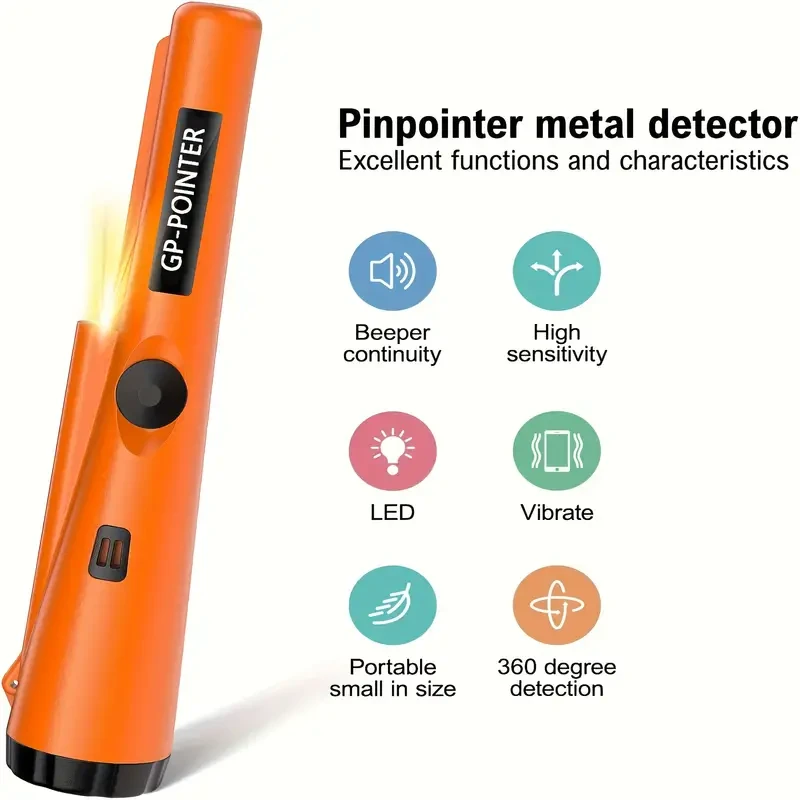
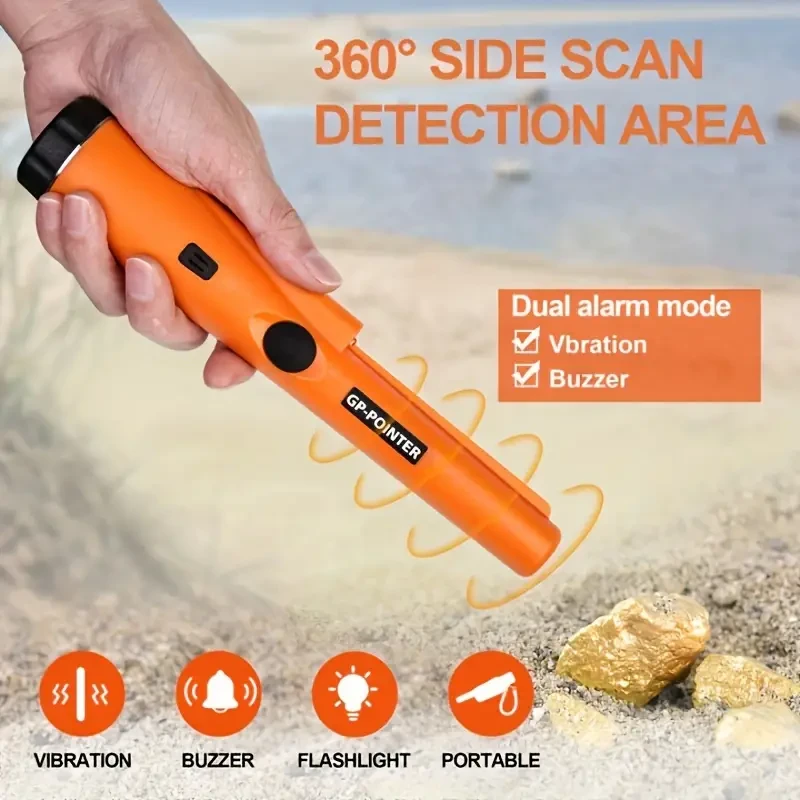
Detector de metales portátil de 1 pieza, resistente al agua, con escaneo de 360 grados, detector de tesoros de minas y alta sensibilidad, incluye cinturón y funda, nuevo estilo portátil.
Gift Tree


Diffusers For Essential Oils Large Room, 550ml Essential Oil Diffusers With Remote Control, Ultrasonic Oil Diffuser With Timer, 7 Colors Light For Bedroom
Gift Tree


Difusor de aceites esenciales para habitaciones grandes, 550 ml, con control remoto, ultrasónico con temporizador y luz de 7 colores para dormitorio.
Gift Tree
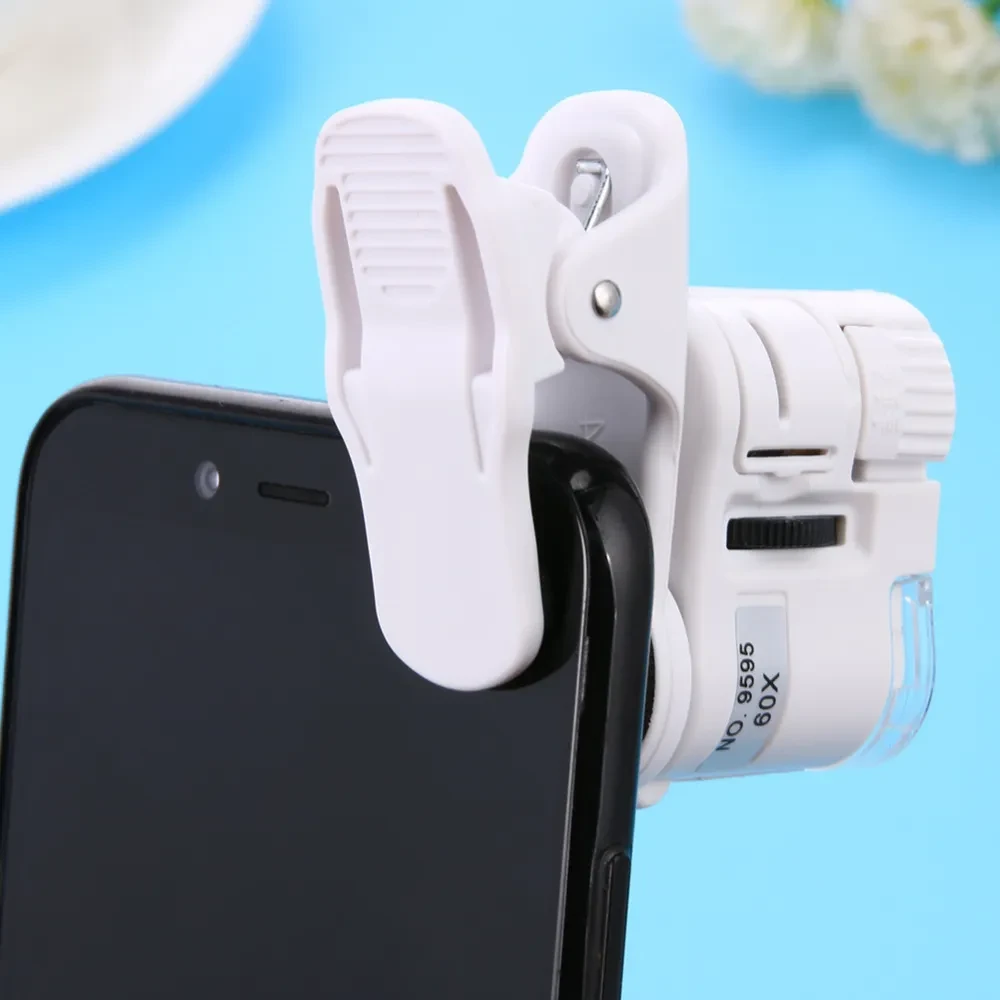
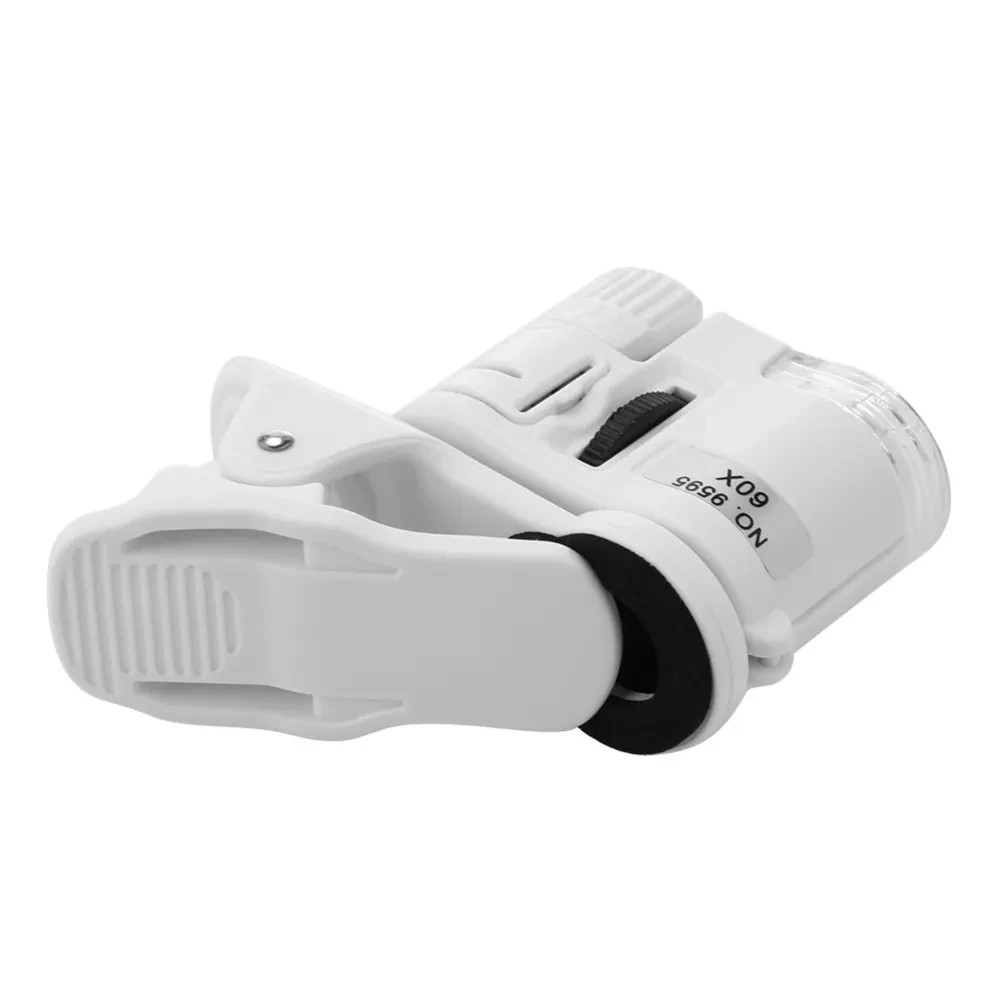

.webp)
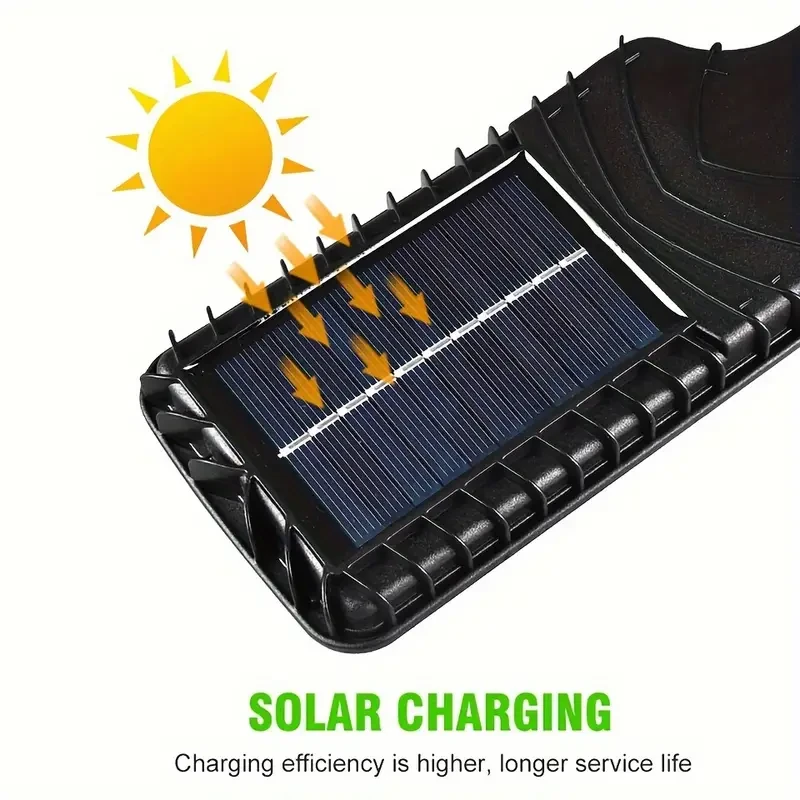
Foco LED solar con sensor de movimiento: 18 LED para exteriores, ideal para jardín, patio y calle.
Gift Tree





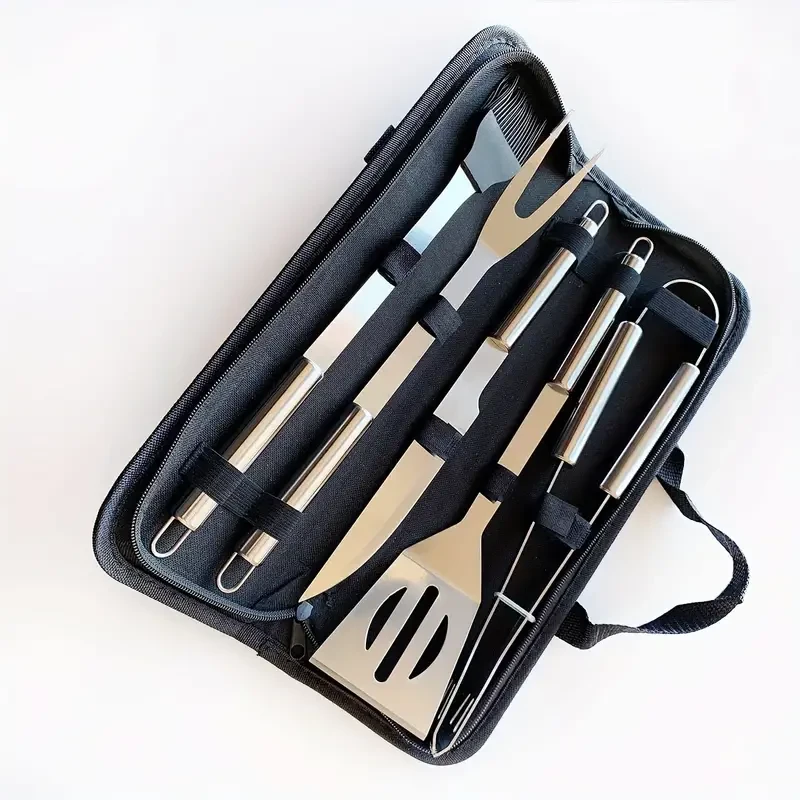
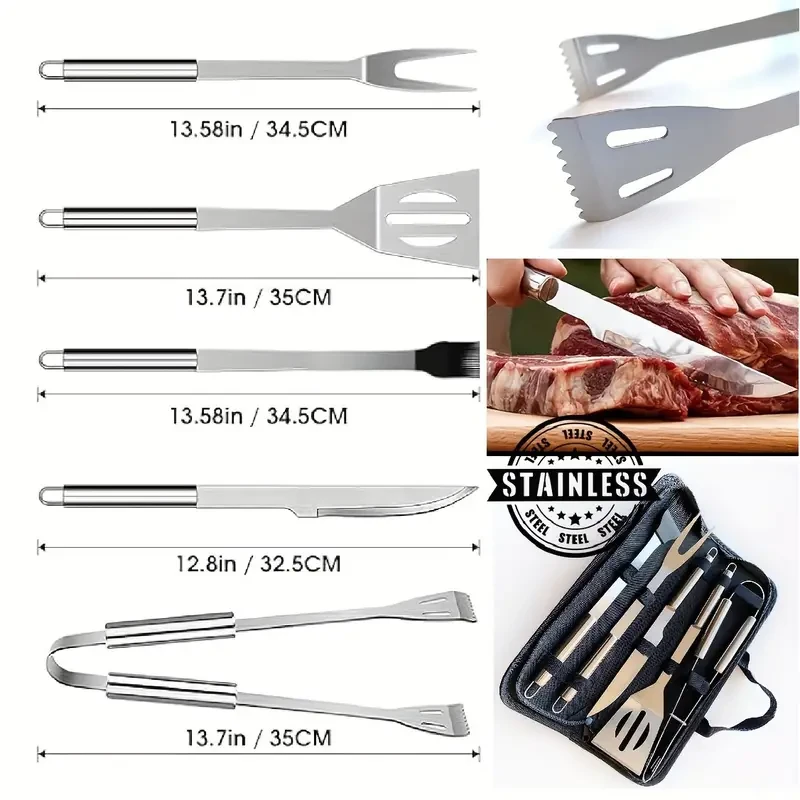
Herramientas de acero inoxidable para parrilla de barbacoa, accesorios para utensilios, herramientas para ahumador de carbón, placa para parrilla, tenedor, cuchillo de cocina, cortador de carne, cuchillo, pinzas, espátula, utensilios para cocinar al aire
Gift Tree
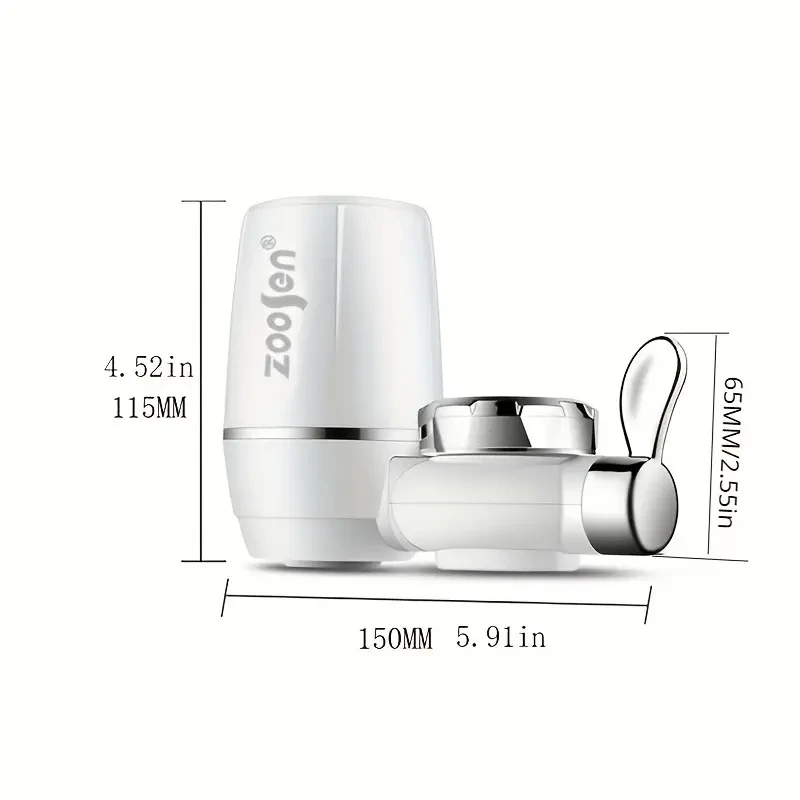
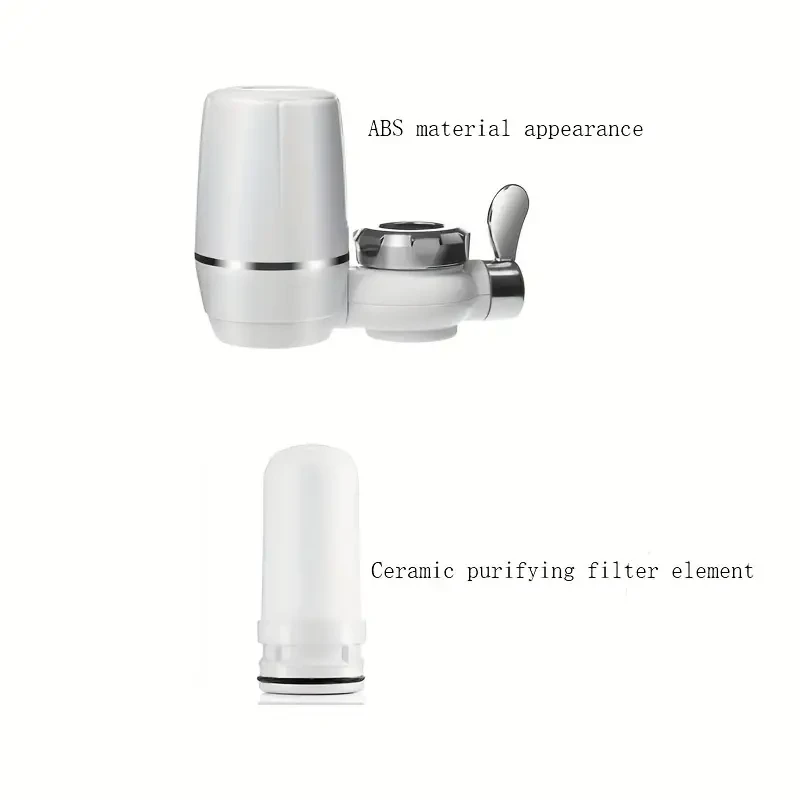
Household Faucet Water Purifier, Ceramic Cartridge Water Purifier, Tap Water Filter
Gift Tree







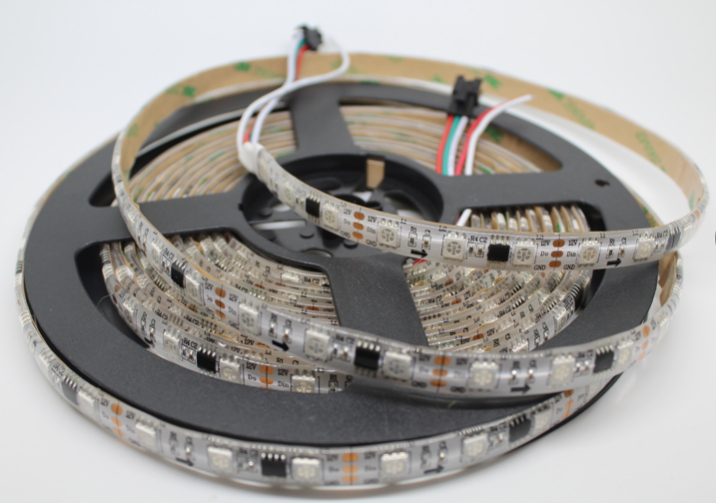
Led Full Color WS2811 Magic Color Light With Waterproof Soft Light Strip
Gift Tree
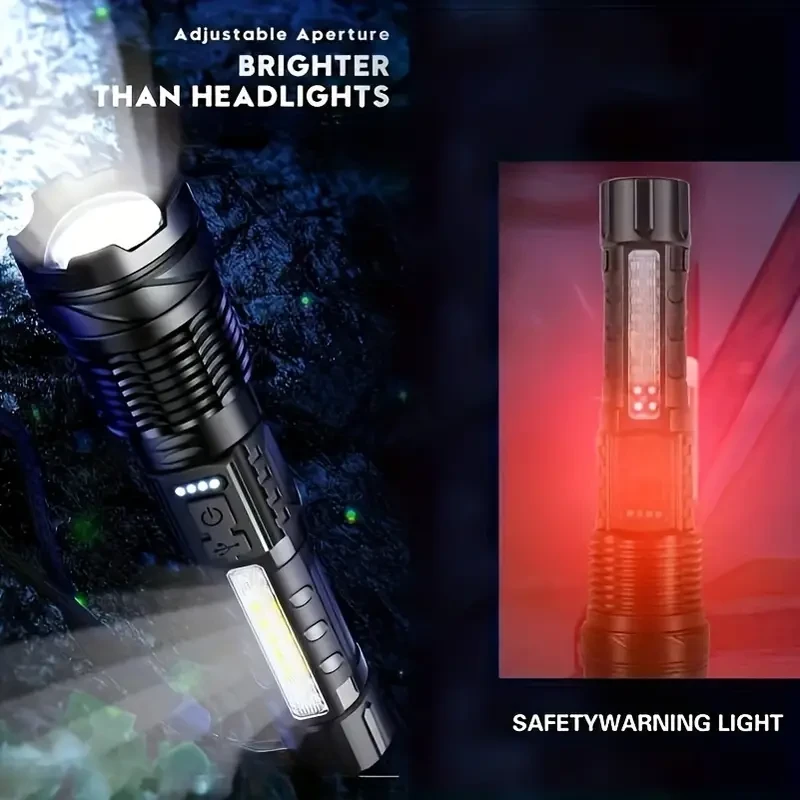
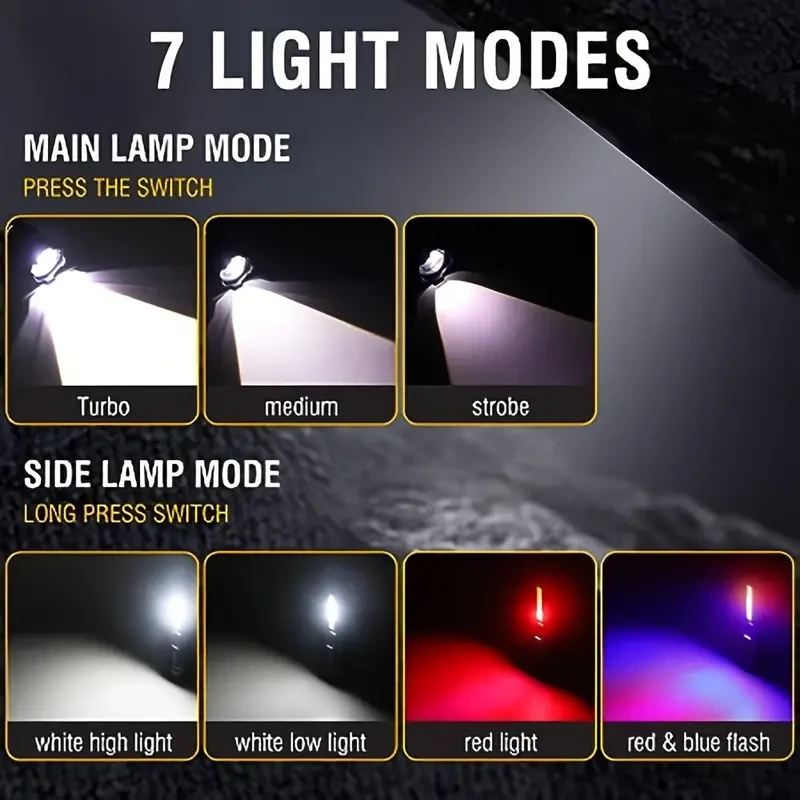
Linterna de inundación recargable superbrillante de 1 pieza: duración ultralarga, resistente al agua, modo de luz roja, enfoque ajustable. Ideal para entusiastas de las actividades al aire libre, camping, pesca, caza, escalada, emergencias, ciclismo noctu
Gift Tree
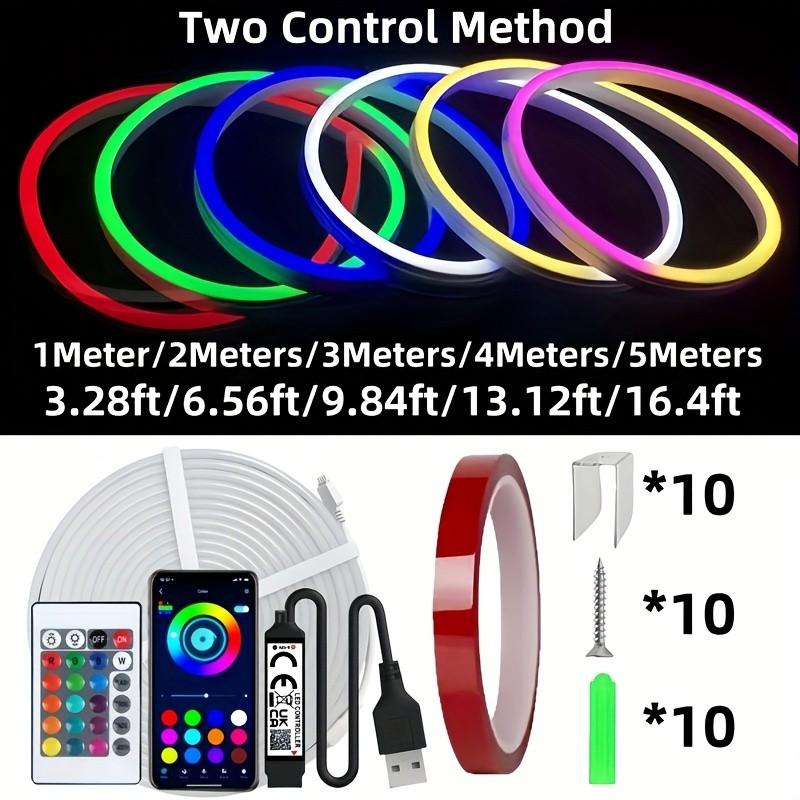

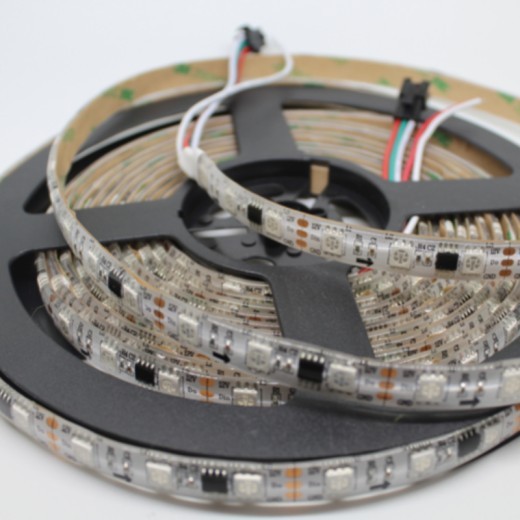
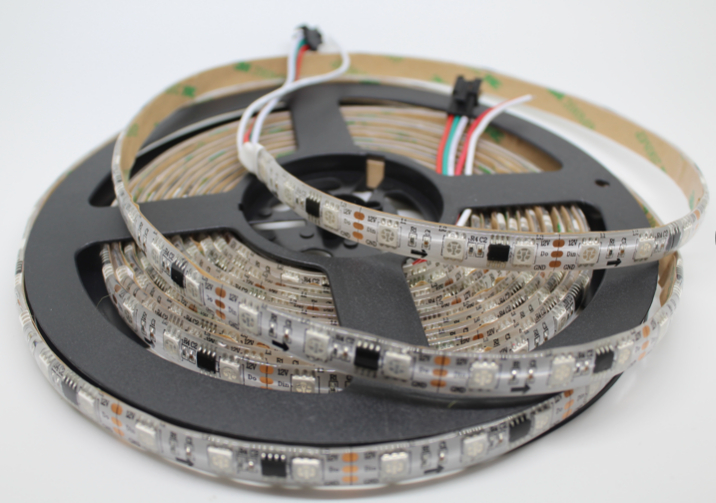
Luz LED a todo color WS2811 con luz mágica y tira de luz suave impermeable
Gift Tree
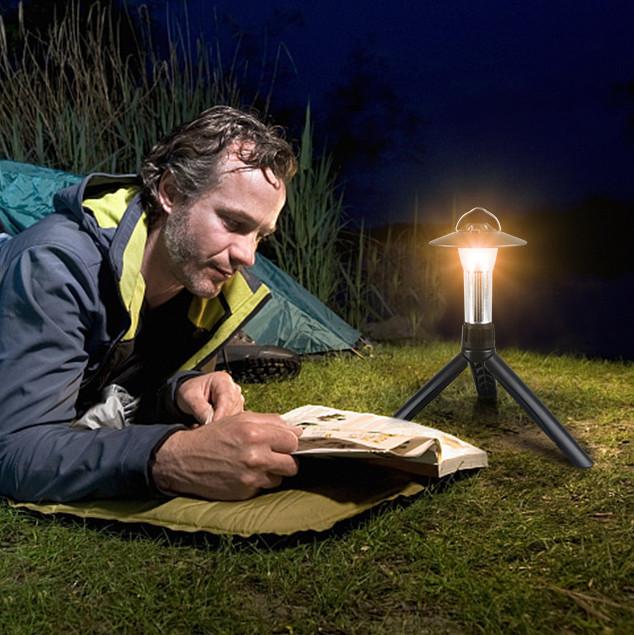
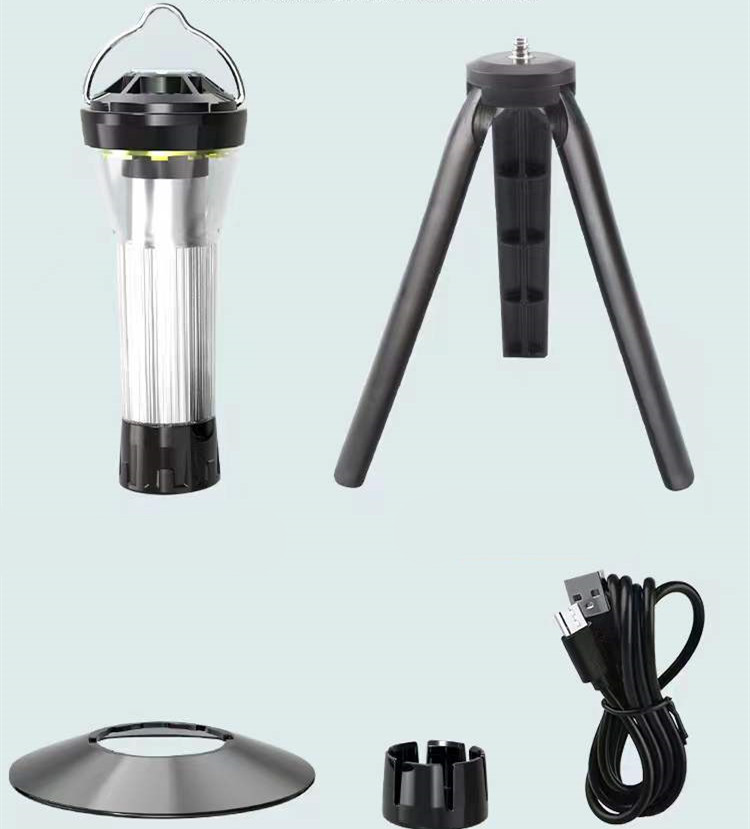







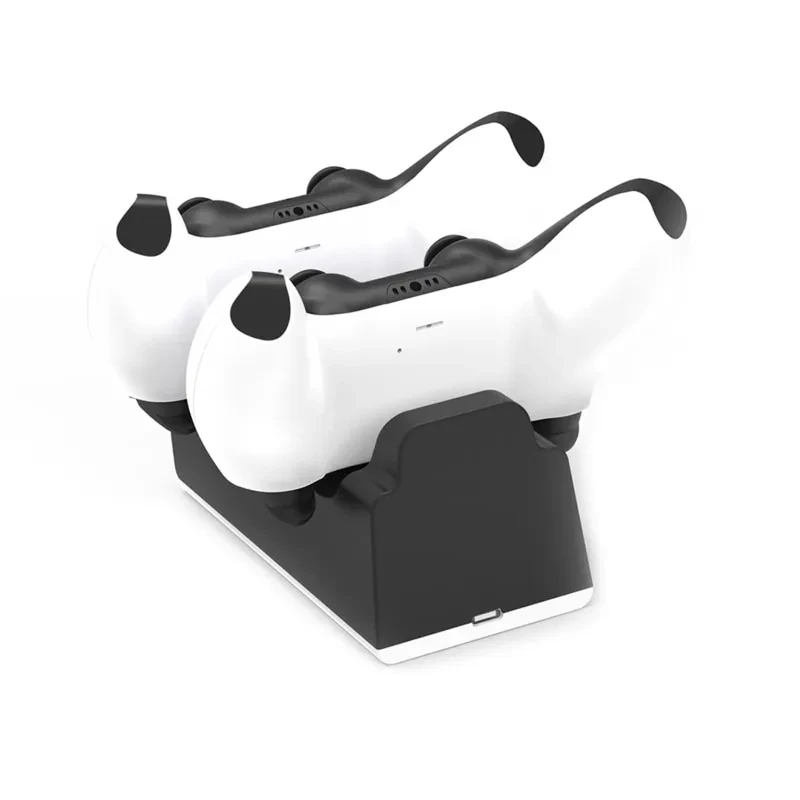
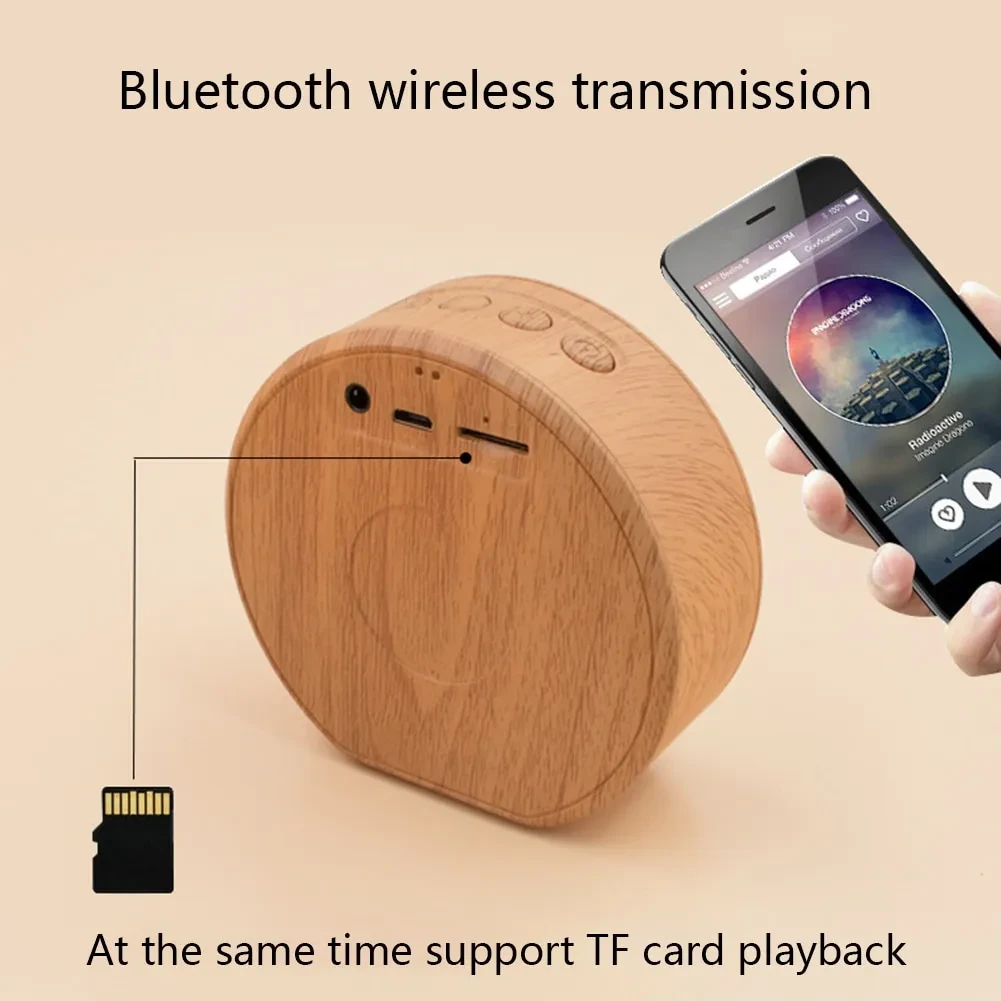
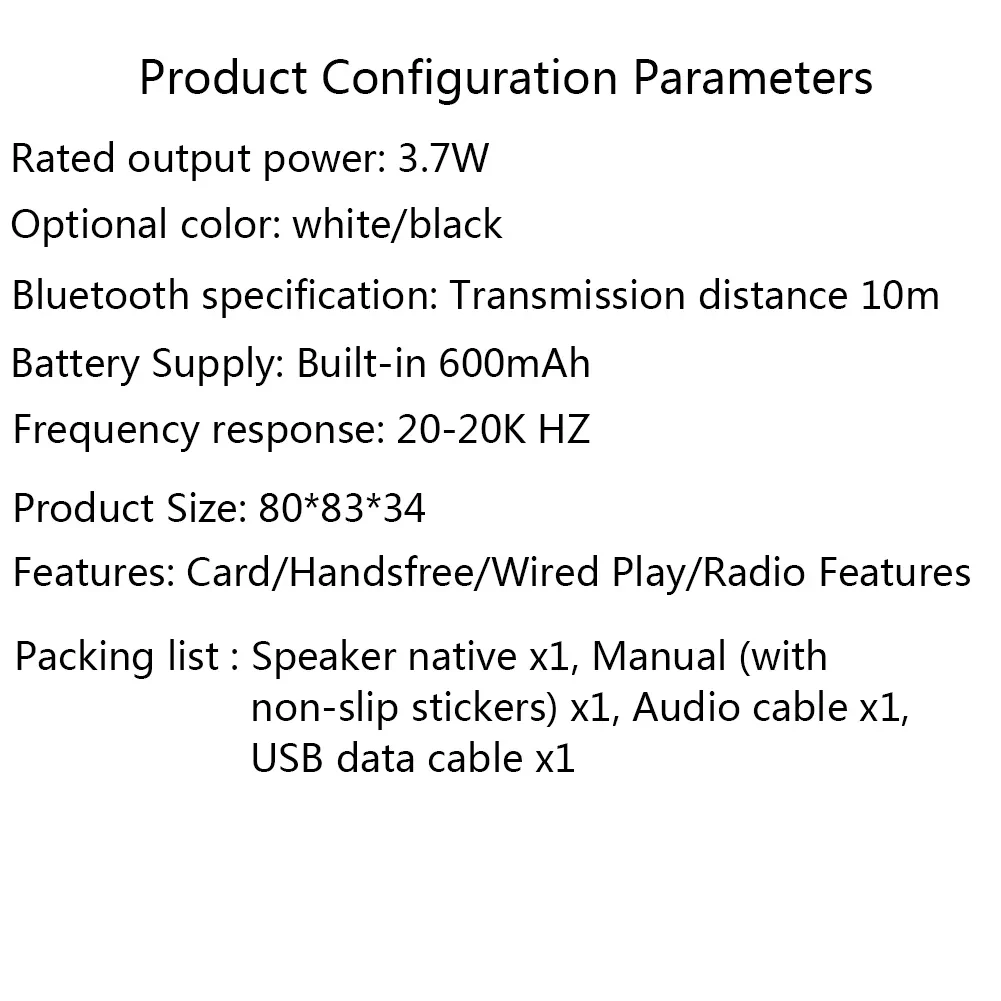
Mini altavoz Bluetooth de madera portátil para exteriores, inalámbrico, compatible con AUX TF
Gift Tree





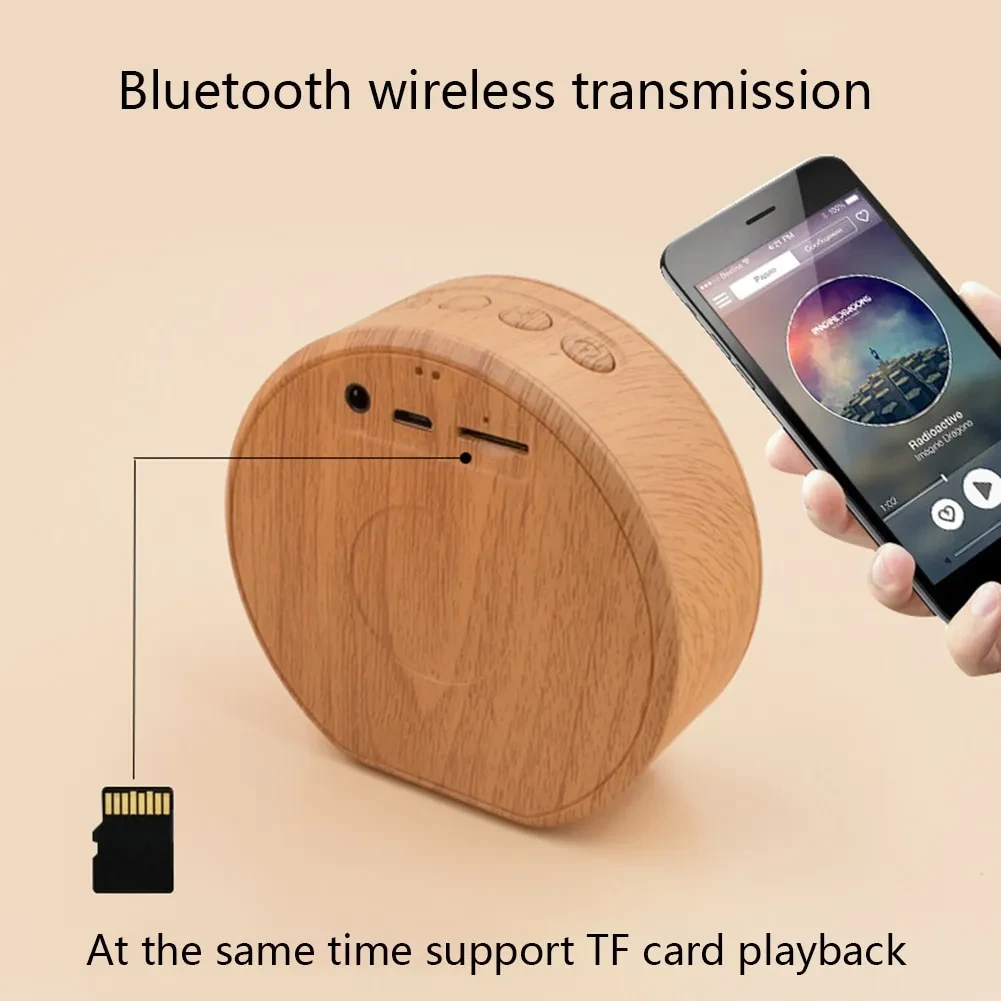
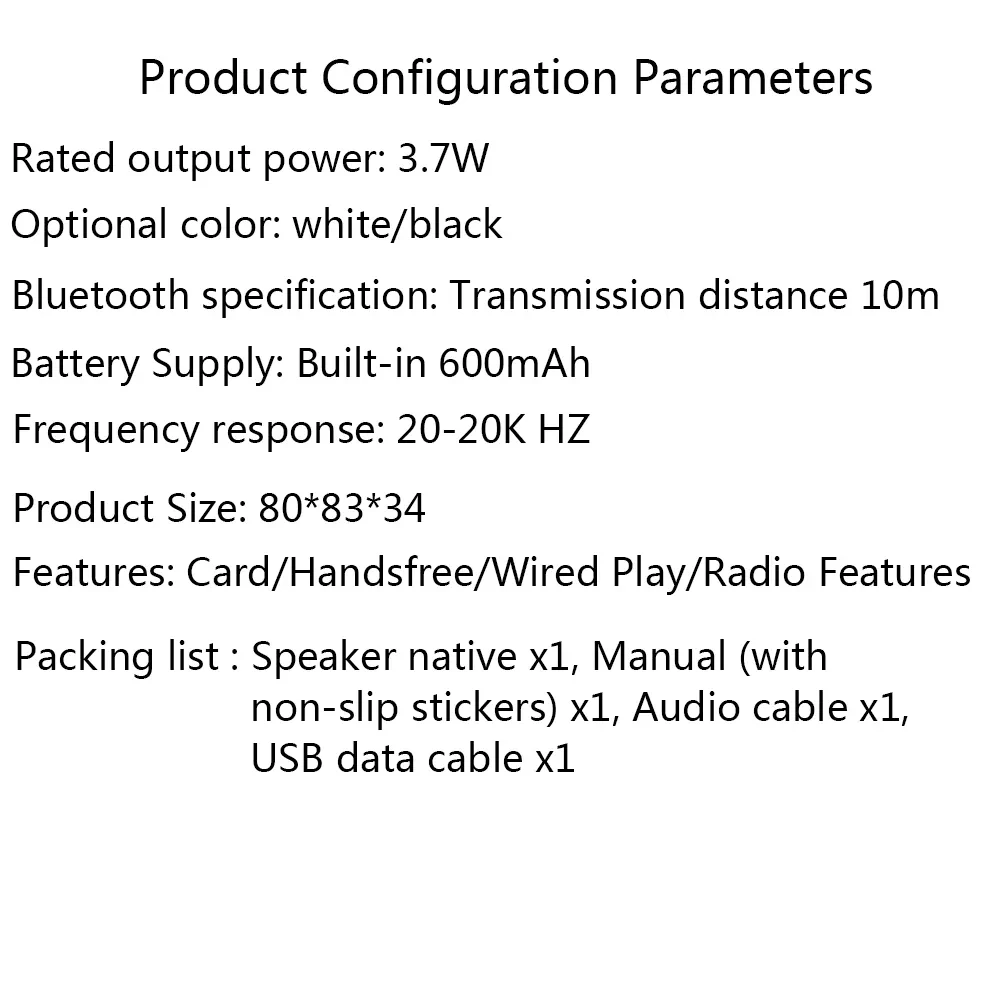
Mini Wood Bluetooth Speaker Portable Outdoor Wireless Support AUX TF
Gift Tree


Photo Studio Photography Background Cloth Simple Gray Photo Background Cloth
Gift Tree


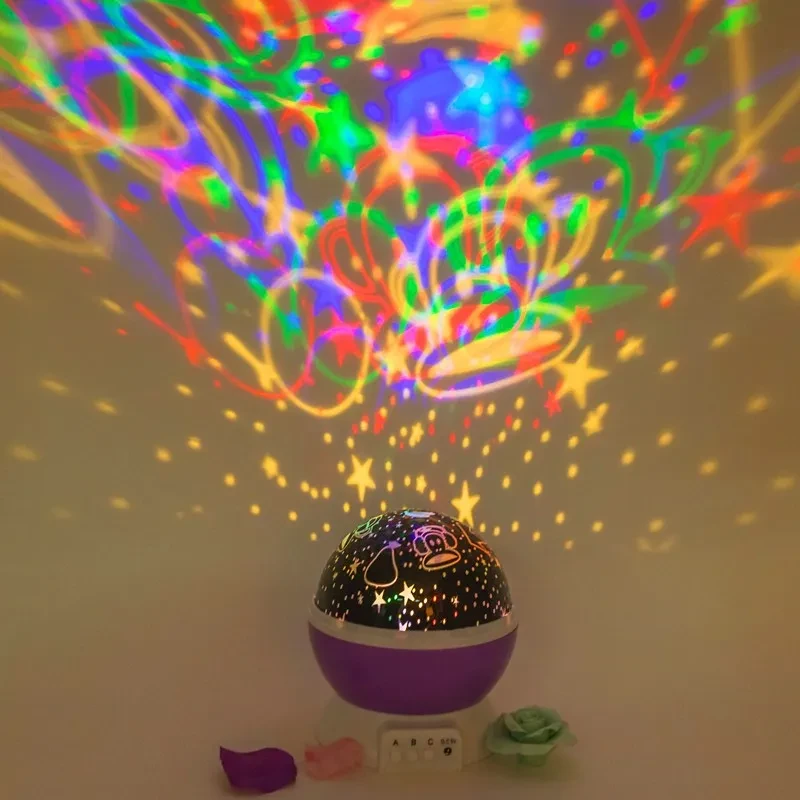
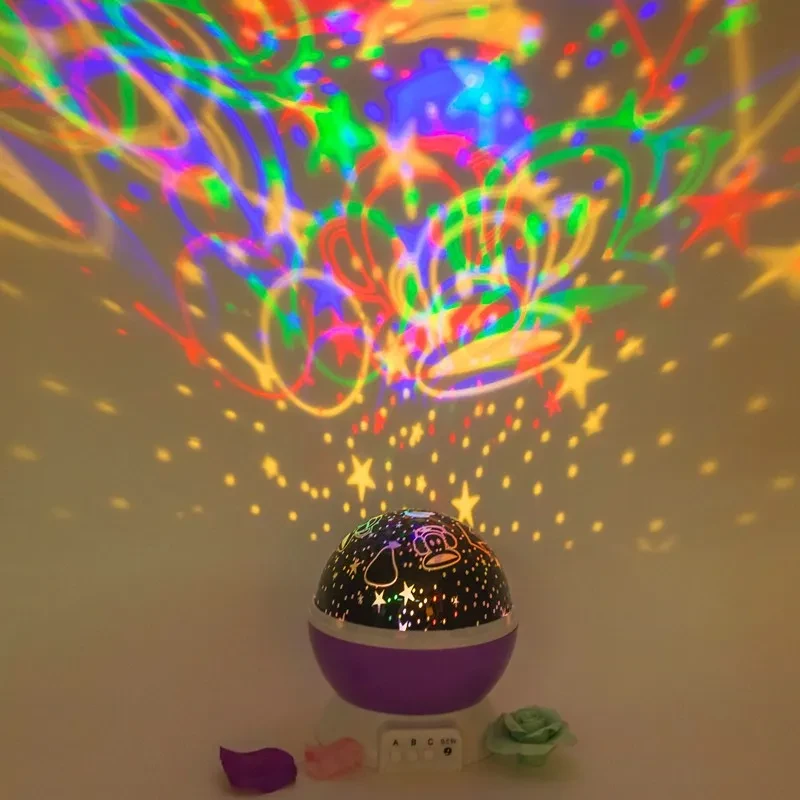
Proyector de cielo estrellado con rotación de la Tierra, luz nocturna LED, lámpara de noche LED alimentada por USB y pilas AA, luz novedosa para bebés
Gift Tree
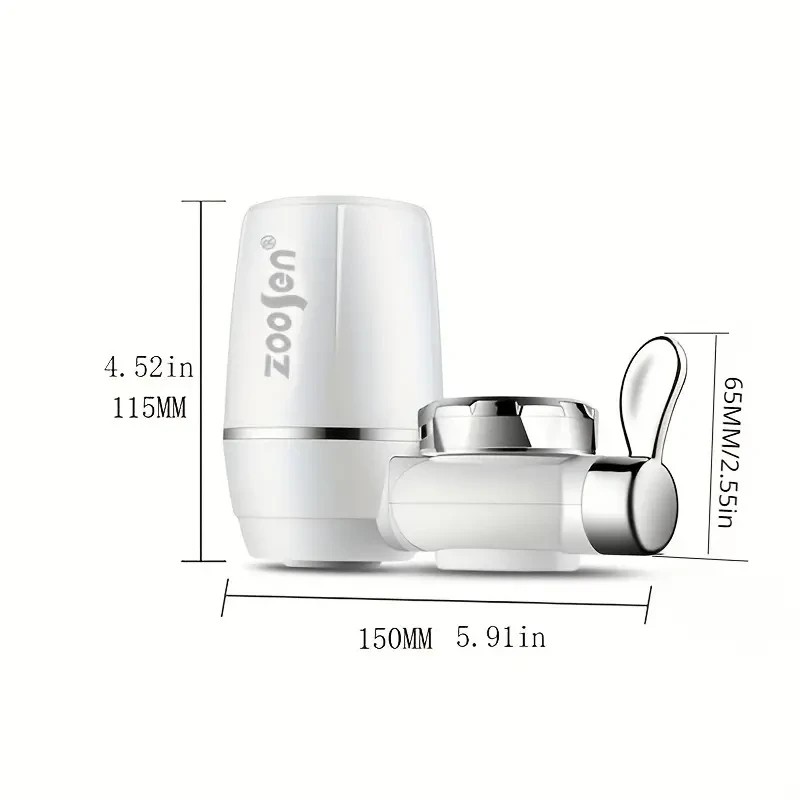
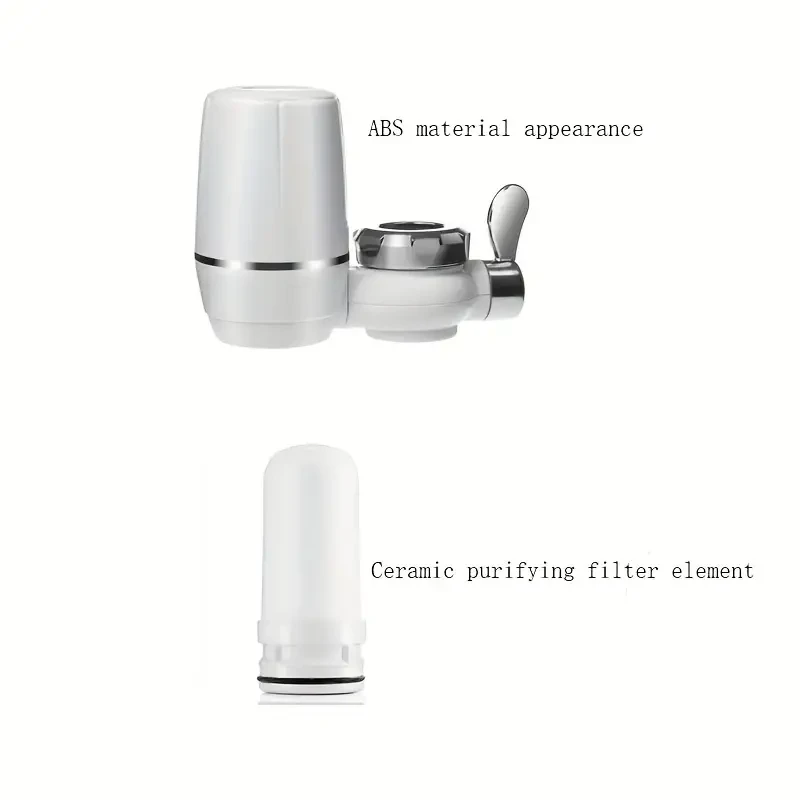
Purificador de agua para grifo doméstico, cartucho cerámico, filtro de agua para grifo
Gift Tree


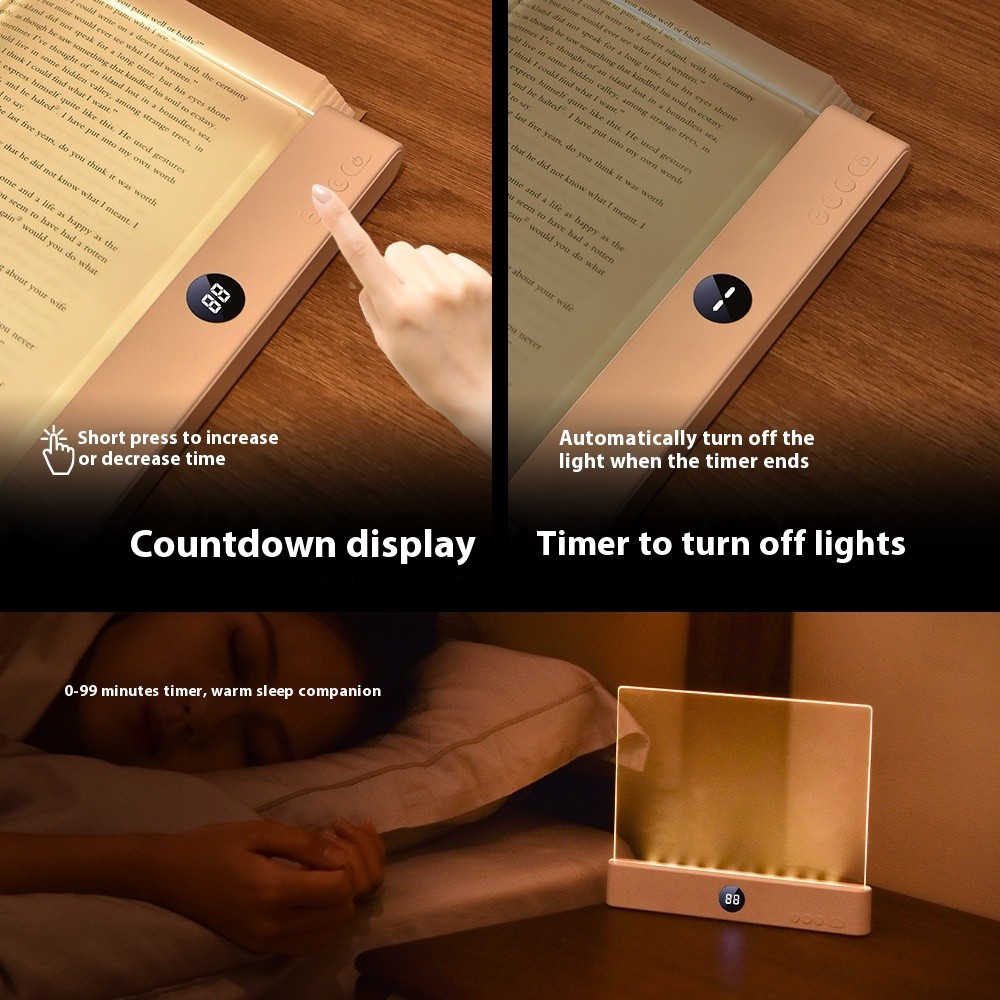
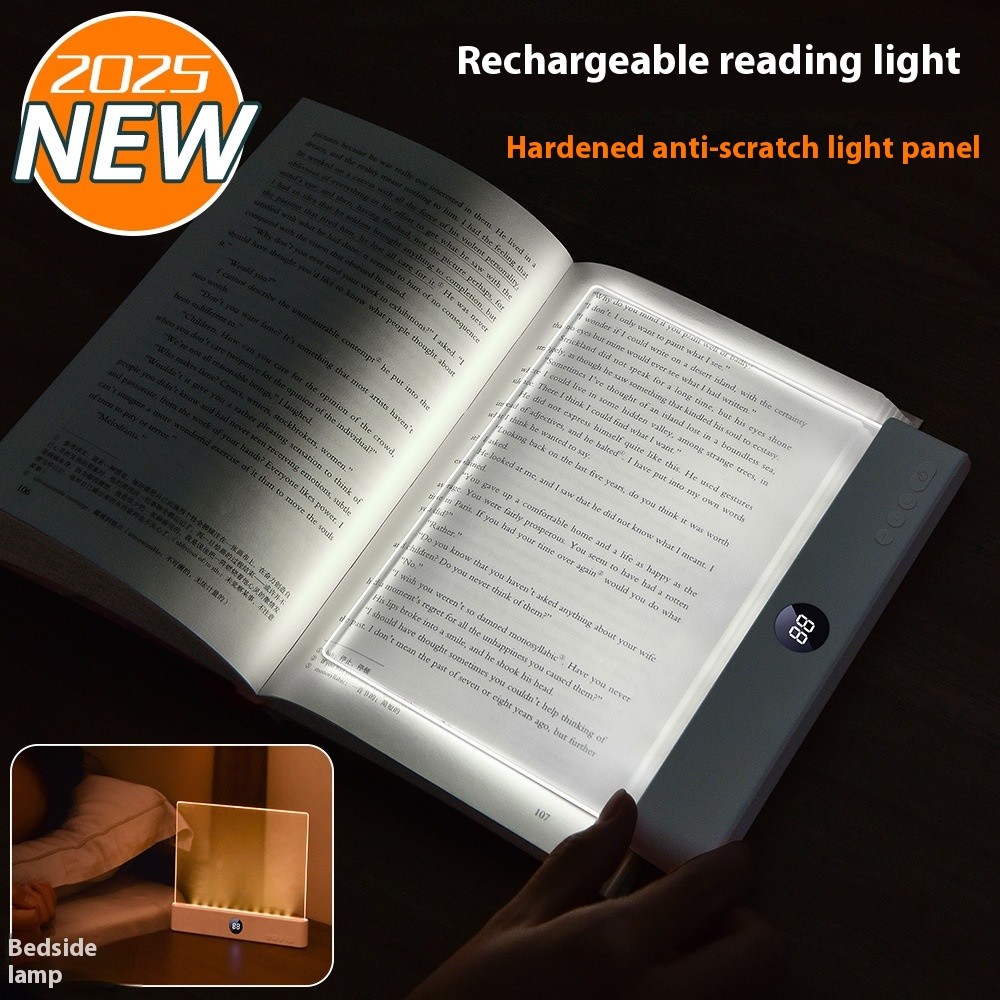
Rechargeable Reading Light: Illuminate Your Reading Experience Anywhere
Gift Tree






.webp)
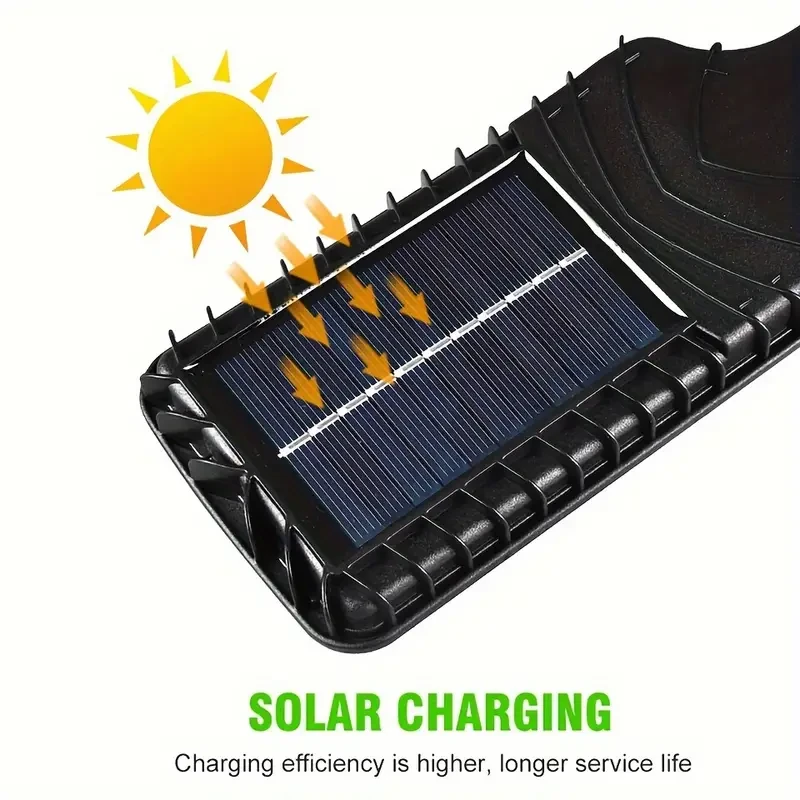
Solar-Powered LED Flood Light with Motion Sensor - 18 LED Outdoor Light for Garden, Yard, and Street
Gift Tree
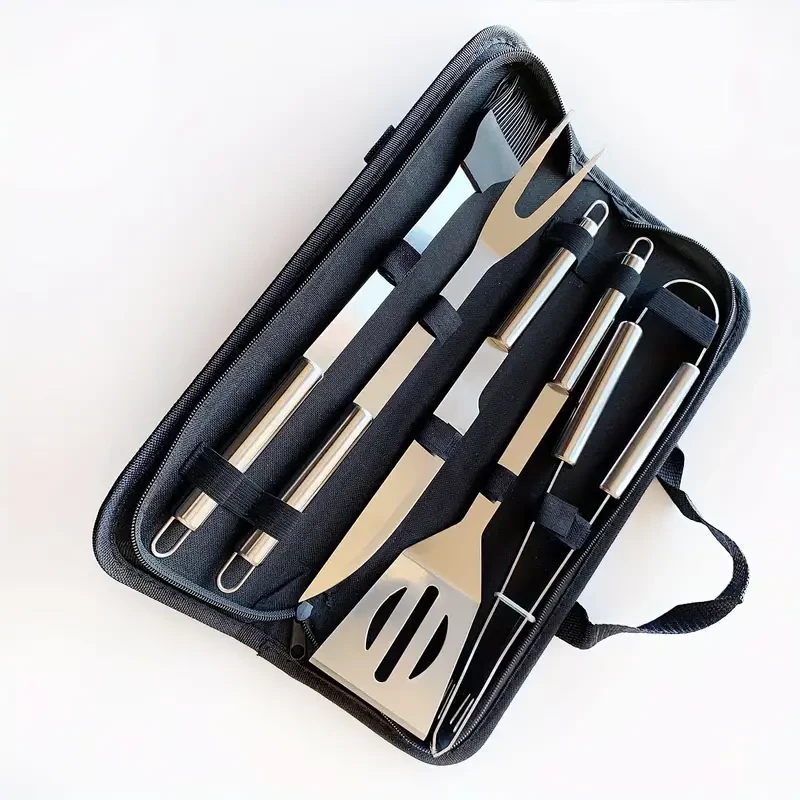
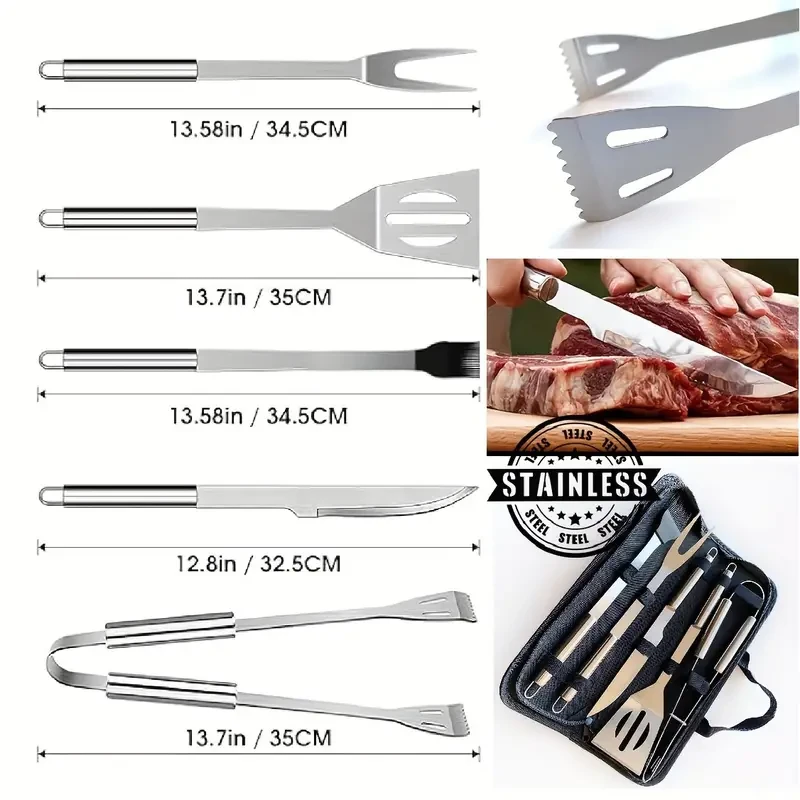
Stainless Steel BBQ Grill Tools Utensil Accessories Charcoal BBQ Smoker Tools Grill Plate Fork Kitchen Knife Meat Chop Cleaver Knife Tongs Spatula Outdoor Camping BBQ Cooking Stove Utensil Accessories Tools Best Gifts For Men Dad Him
Gift Tree




Starry Sky Earth Rotate Projector LED Night Light USB AA Battery Powered LED Night Lamp Novelty Baby Light
Gift Tree


Taza automática de 350 ml con agitación automática, taza para mezclar café, leche y jugo, taza eléctrica de acero inoxidable con rotación lenta, taza con agitación magnética, utensilios de cocina
Gift Tree




U-Shaped Electric Neck Massager with Durable Memory Foam, Heated Deep Tissue Kneading for Relaxation, Rechargeable Lithium Battery 800mAh, USB Charging, Portable for Travel, Office, Home, Ideal Father's Day Gift - Unscented
Gift Tree
How to Build a House on a Budget in New Zealand
Building a house is a dream for many New Zealanders, but the costs associated with construction can be overwhelming. However, with careful planning, smart choices, and strategic budgeting, you can build a high-quality home without breaking the bank. Whether you are a first-time home builder or looking for cost-effective ways to construct your dream home, this guide will walk you through the essential steps to achieve it while keeping expenses in check.
Understanding the Costs of Building a Home in NZ
Before you start, it’s important to understand the costs involved in building a house in New Zealand. Construction expenses can vary depending on factors such as location, materials, design, and labor costs. The key cost components include:
- Land purchase – Finding an affordable section in the right location
- Consents and permits – Meeting council regulations and legal requirements
- Design and architecture – Choosing between custom-built and pre-designed homes
- Materials – Selecting cost-effective and durable materials
- Labor costs – Hiring builders, contractors, and tradespeople
- Site preparation – Clearing, leveling, and preparing the land
By understanding these costs, you can identify areas where you can save money and make better financial decisions.
Choosing the Right Location
The location of your home significantly impacts the overall budget. Land prices vary across New Zealand, with urban areas generally being more expensive than rural locations. If you are looking for affordability, consider:
- Buying land in developing suburbs – Growing areas often offer more competitive prices.
- Opting for a smaller section – A compact piece of land reduces costs on site preparation and landscaping.
- Looking for government grants – Certain areas may offer incentives for first-time home builders.
Researching different locations and comparing prices can help you find the best deal that fits within your budget.
Designing a Budget-Friendly Home
The design phase is crucial in determining the overall cost of your house. To keep expenses down, consider:
- Choosing a simple floor plan – Complicated layouts increase building costs.
- Opting for open-plan living – Fewer walls reduce material and labor costs.
- Using standard sizes – Custom-built features often come with a premium price.
- Planning for future expansion – Instead of building big now, design a home that allows for extensions later.
Working with an architect or home builder who specializes in budget-friendly designs can help you create a cost-effective and functional home.
Selecting Cost-Effective Materials
Material selection plays a vital role in cost savings. Some budget-friendly yet durable materials include:
- Pre-fabricated panels – Reduce construction time and labor costs.
- Engineered wood – Cheaper than solid timber but offers great durability.
- Concrete flooring – A cost-effective and long-lasting option.
- Recycled or reclaimed materials – Save money while being environmentally friendly.
Shopping around for materials, comparing prices, and looking for deals can significantly lower your overall costs.
Finding Affordable Builders and Contractors
Hiring the right professionals can make a significant difference in your construction budget. To get the best deals:
- Obtain multiple quotes – Compare prices from different builders and contractors.
- Look for package deals – Some builders offer cost-saving house-and-land packages.
- Negotiate rates – Many professionals are willing to work within your budget.
- Consider DIY where possible – Tasks like painting, landscaping, and minor installations can be done by yourself to save costs.
By carefully selecting your builders and negotiating rates, you can keep construction expenses to a minimum.
Saving Money on Permits and Approvals
Building consents and permits are necessary when constructing a home in NZ, but they can add up in costs. Some tips to save money include:
- Understanding council requirements – Ensuring compliance avoids costly delays and fines.
- Choosing pre-approved designs – Some councils have standard plans that reduce approval time and expenses.
- Bundling approvals – Submitting multiple consents together may lower costs.
Checking with your local council and researching available options can help you cut down on these expenses.
Maximizing Energy Efficiency for Long-Term Savings
Investing in energy-efficient features may have upfront costs, but they save money in the long run. Some cost-effective ways to improve energy efficiency include:
- Installing solar panels – Reduces electricity costs over time.
- Using energy-efficient insulation – Keeps heating and cooling costs down.
- Opting for double-glazed windows – Provides better temperature regulation.
- Choosing LED lighting – Consumes less power and lasts longer.
These investments will not only lower your ongoing utility bills but also increase the value of your home.
Budgeting for Unexpected Costs
Even with careful planning, unexpected expenses can arise. To prepare for these situations:
- Set aside a contingency fund – A buffer of 10-20% of your total budget is ideal.
- Be flexible with your plans – Adjustments may be necessary along the way.
- Monitor spending closely – Regularly track expenses to stay within budget.
Having a financial cushion ensures that you can handle any unforeseen costs without going over budget.
Government Grants and Financial Assistance
In New Zealand, there are various grants and schemes available to help reduce building costs. Some options include:
- First Home Grant – Provides financial support for eligible first-home buyers.
- Kāinga Ora schemes – Assist with deposits and home loans.
- Energy efficiency grants – Subsidies for insulation and solar panels.
Exploring these financial assistance programs can help you build your home more affordably.
Conclusion: Achieving Your Dream Home on a Budget
Building a house on a budget in New Zealand is achievable with careful planning and smart decision-making. By selecting the right location, designing a cost-effective home, using affordable materials, and finding the best builders, you can create a quality home without overspending. Take advantage of government grants, negotiate wisely, and always have a contingency plan to ensure your dream home becomes a reality within your financial means.
Enter your content here


.jpg)









.jpg)





.jpeg)





.jpeg)



.jpeg)







.jpeg)



.jpeg)

.jpeg)

.jpeg)

.jpeg)




.jpeg)
.jpg)

.jpeg)






.jpeg)
.jpeg)



.jpeg)





.jpeg)

.jpeg)

.jpeg)

.jpeg)

.jpeg)







.jpeg)
.jpeg)
.jpeg)





.jpeg)


.jpeg)




.jpg)
.jpeg)







.jpg)

ulva-Logo.jpg)




.jpeg)



.png)












.png)