
Benefits of Puzzles for Child Development – Boost Cognitive, Emotional, and Motor Skills with Fun and Engaging Puzzles
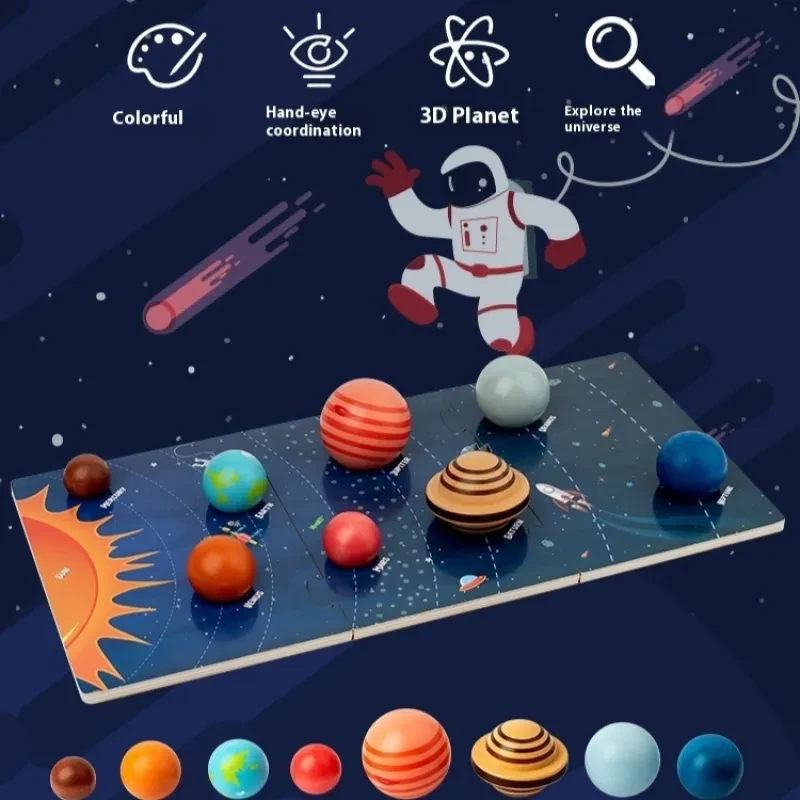
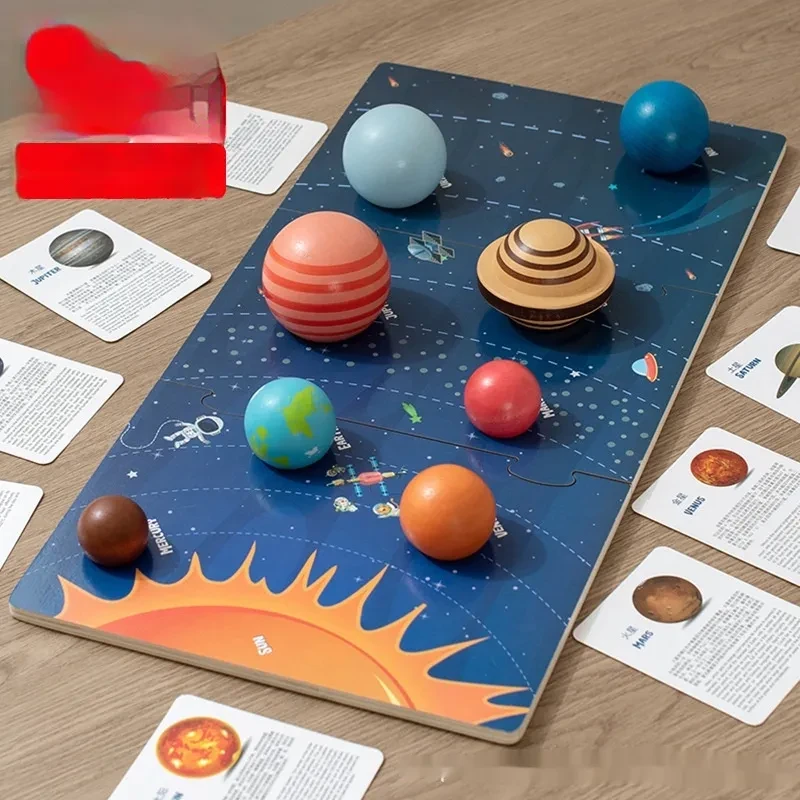
Juguete educativo 3D con el sistema solar y los ocho planetas para niños
Gift Tree
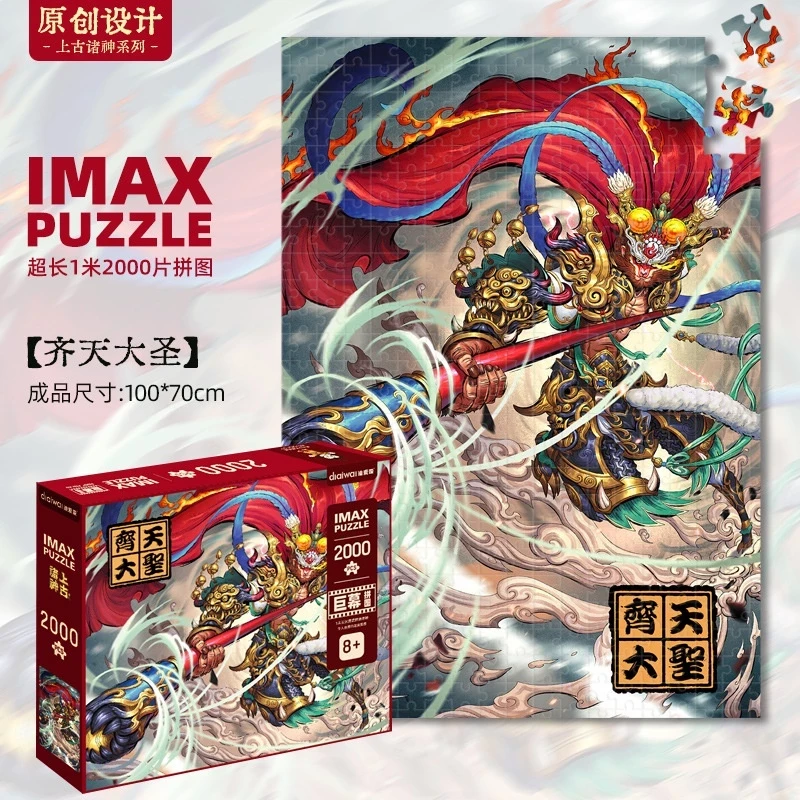
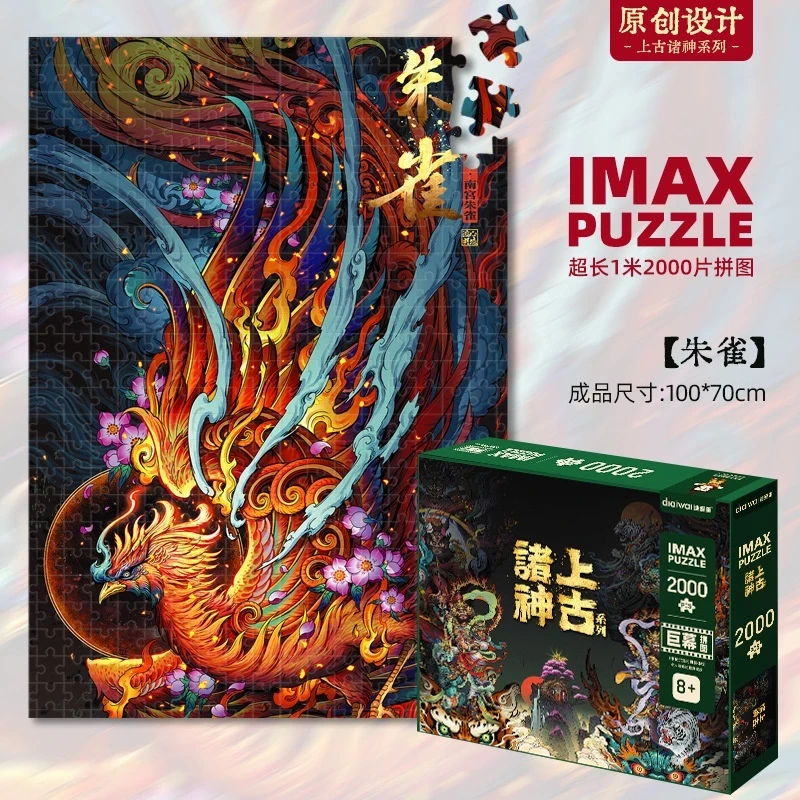
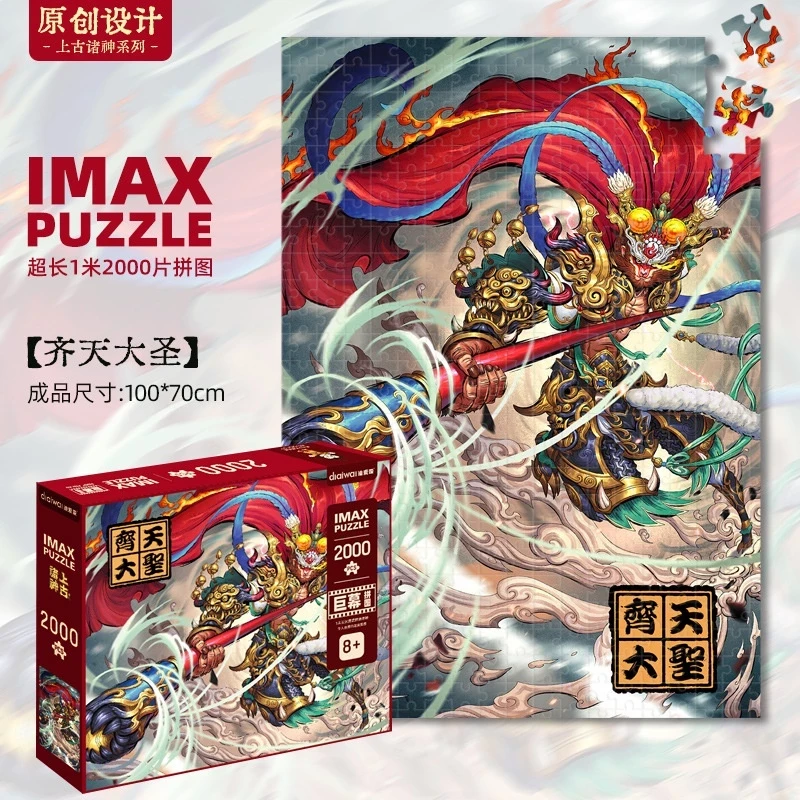
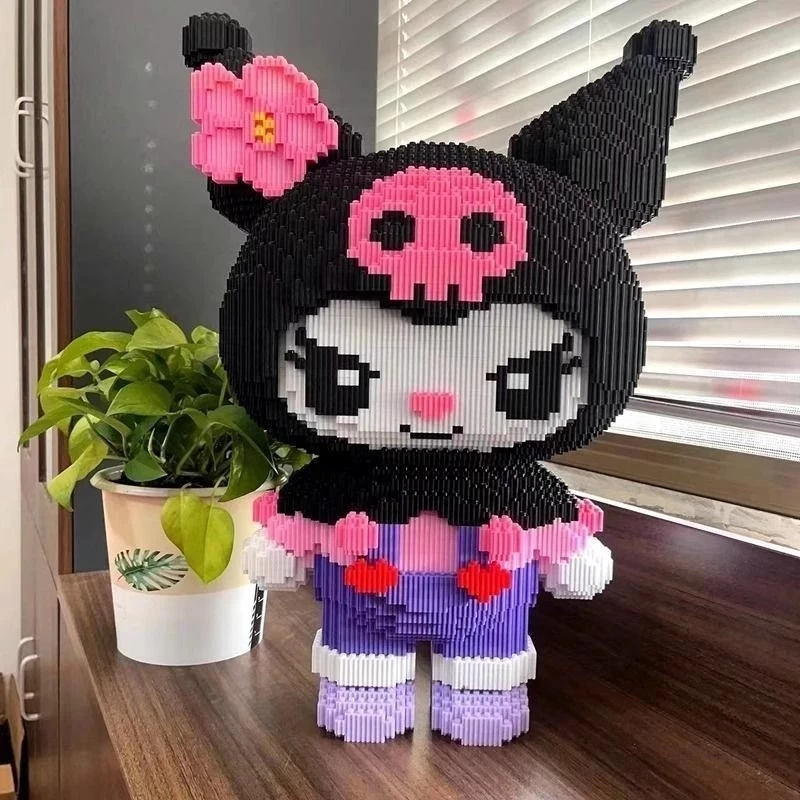
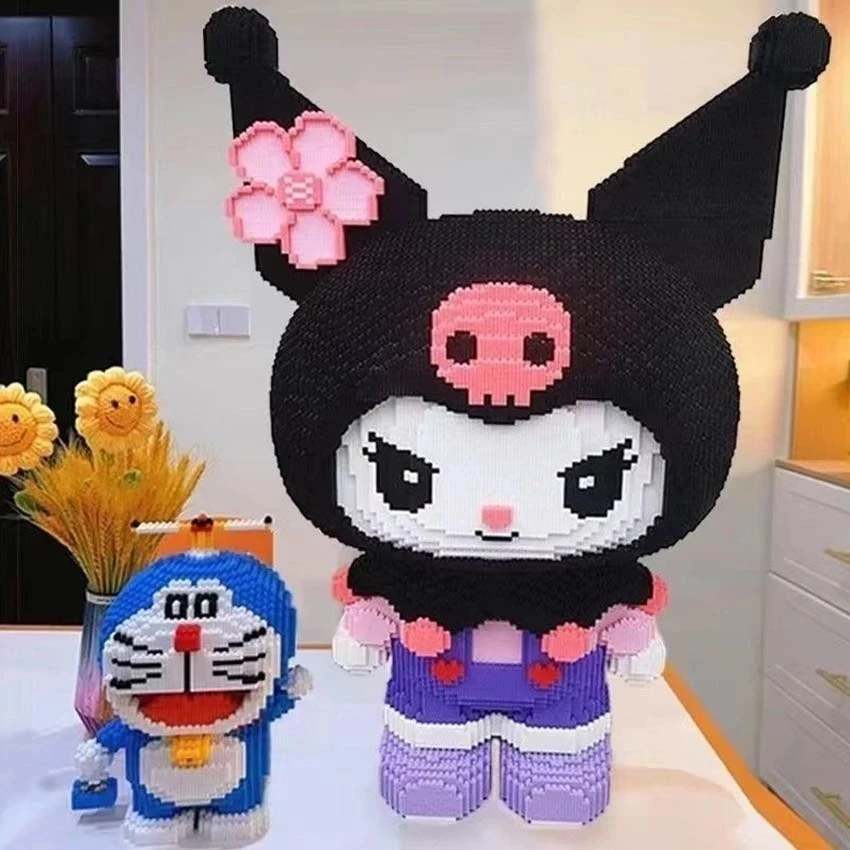
55CM Large Nano Block Sanrio Anime Series Bricks Education Nano Block 11000PCS Kuromi Free Accessories Hammer 3D
Gift Tree
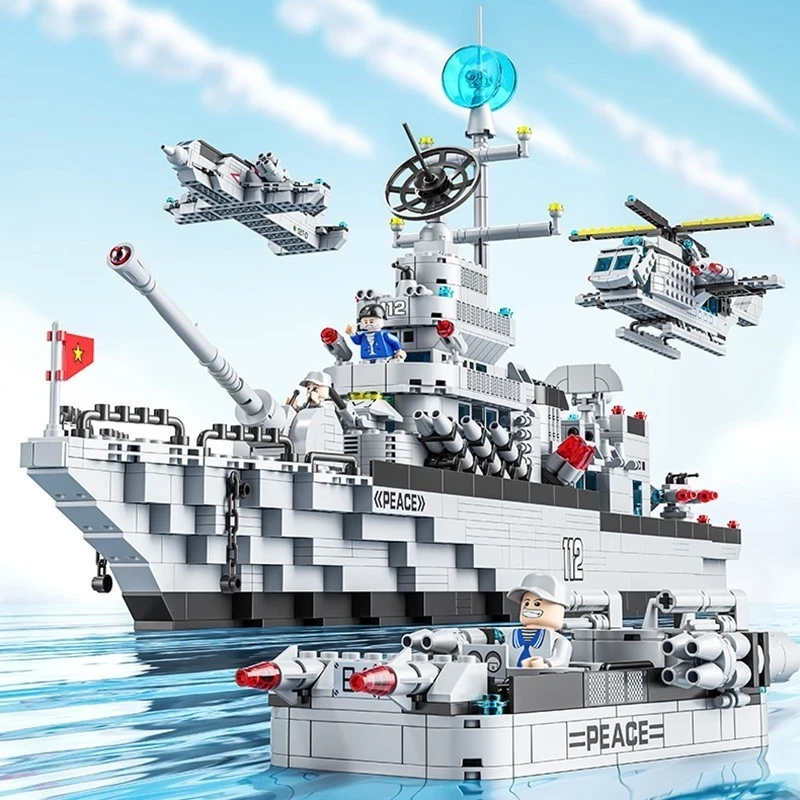
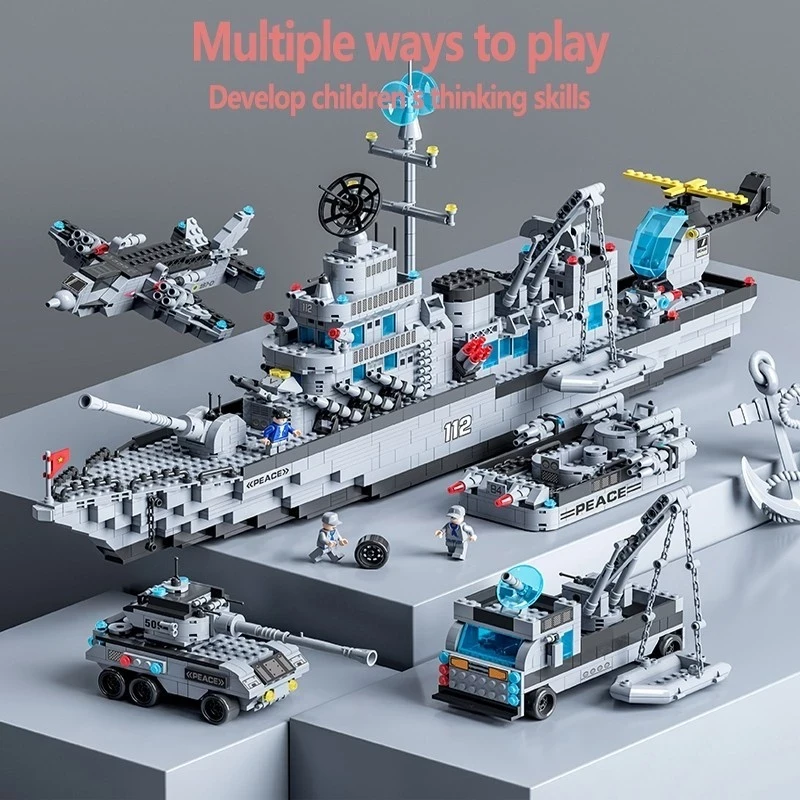
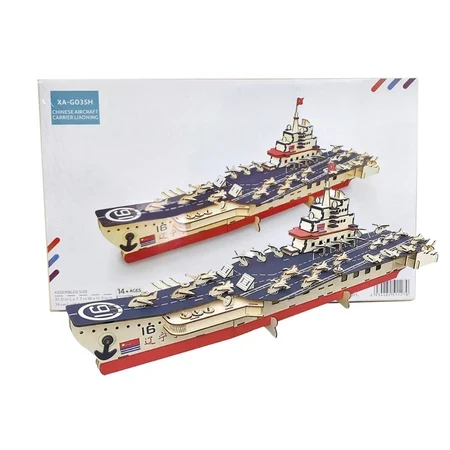
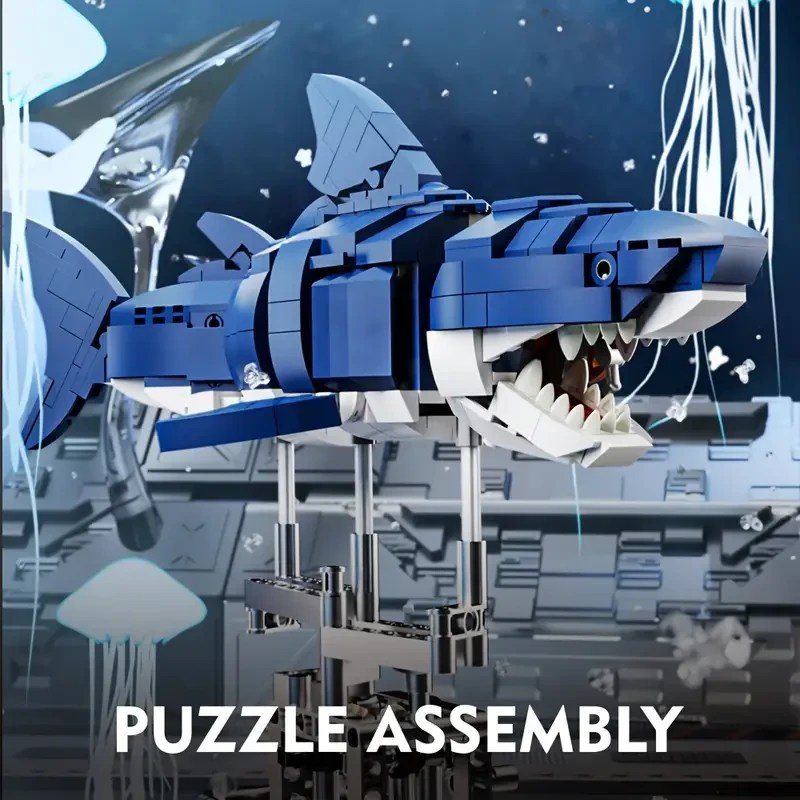
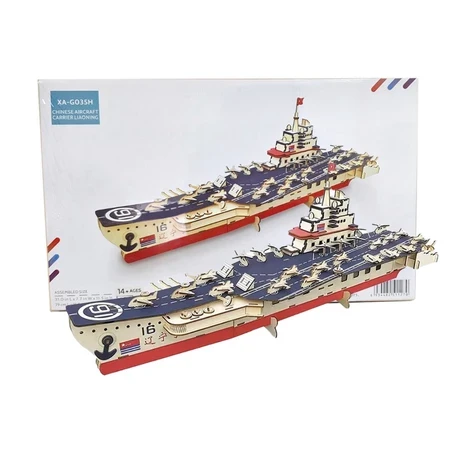
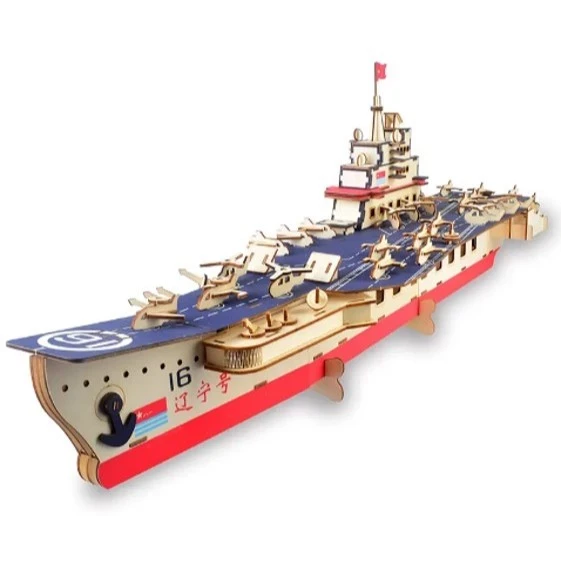
Aircraft Carrier 1560PCS Large Educational Building Blocks Toys for Boys 3D Puzzle
Gift Tree
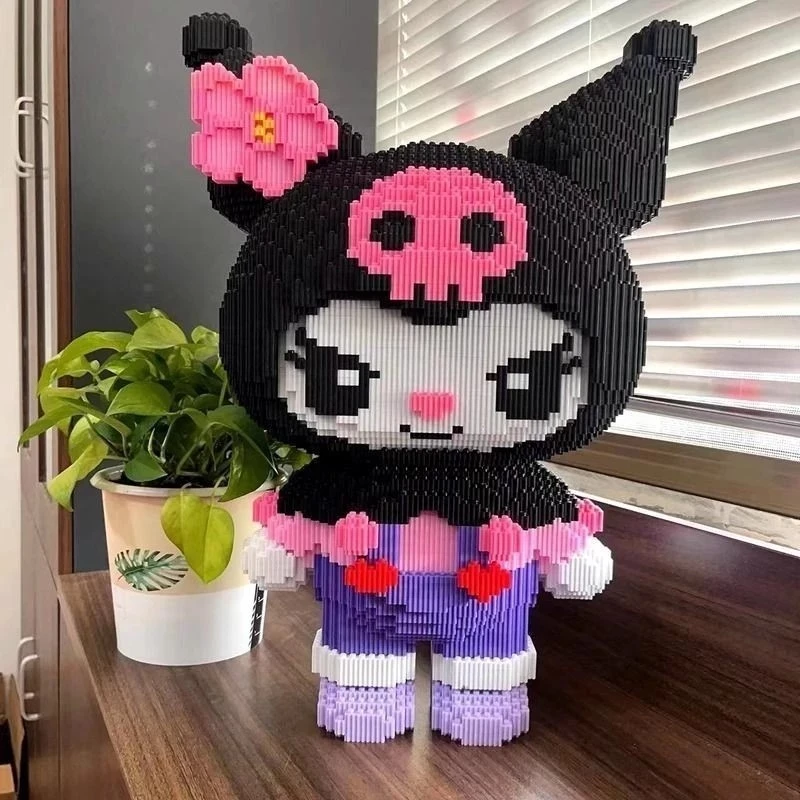
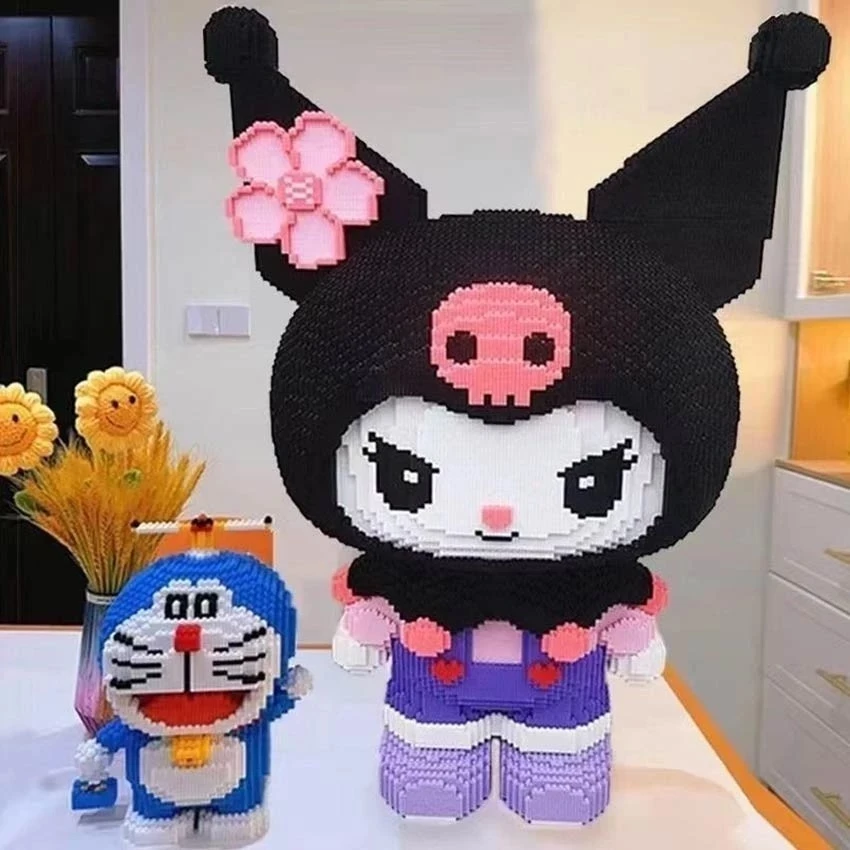
Bloque nano grande de 55 cm, serie Sanrio Anime, ladrillos educativos, bloque nano, 11000 piezas Kuromi, accesorios gratis, martillo 3D
Gift Tree
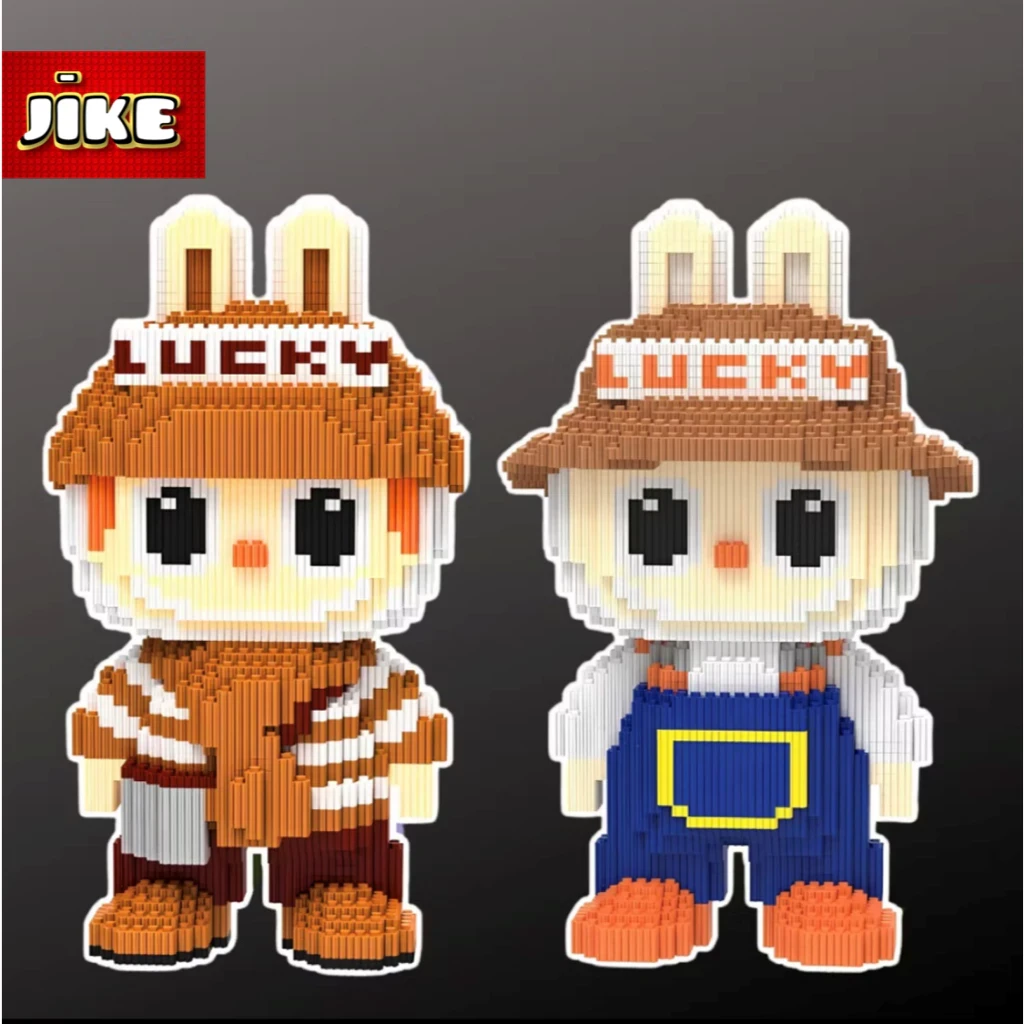
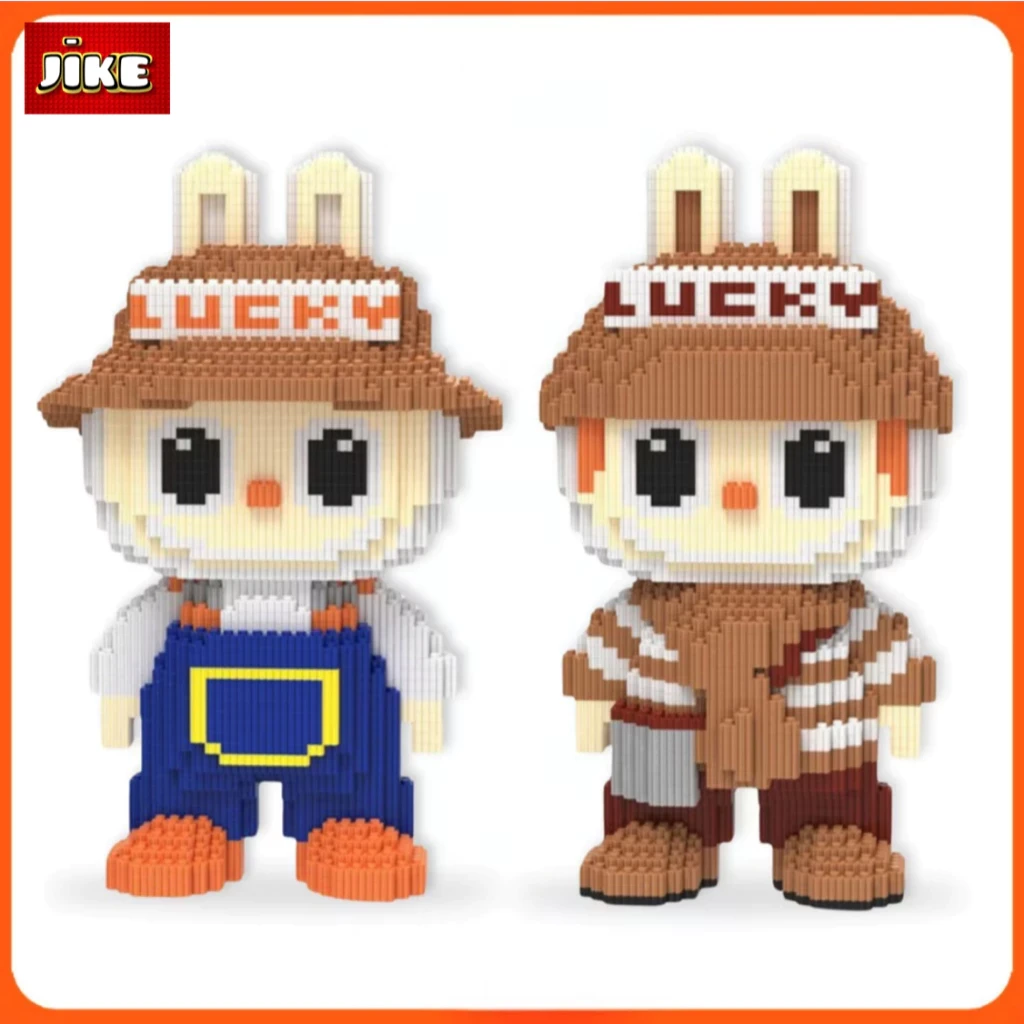
Bloques Jike Nano, modelo 3D de calabaza mediana, juguete de calabaza apilable, bloques de construcción DIY
Gift Tree
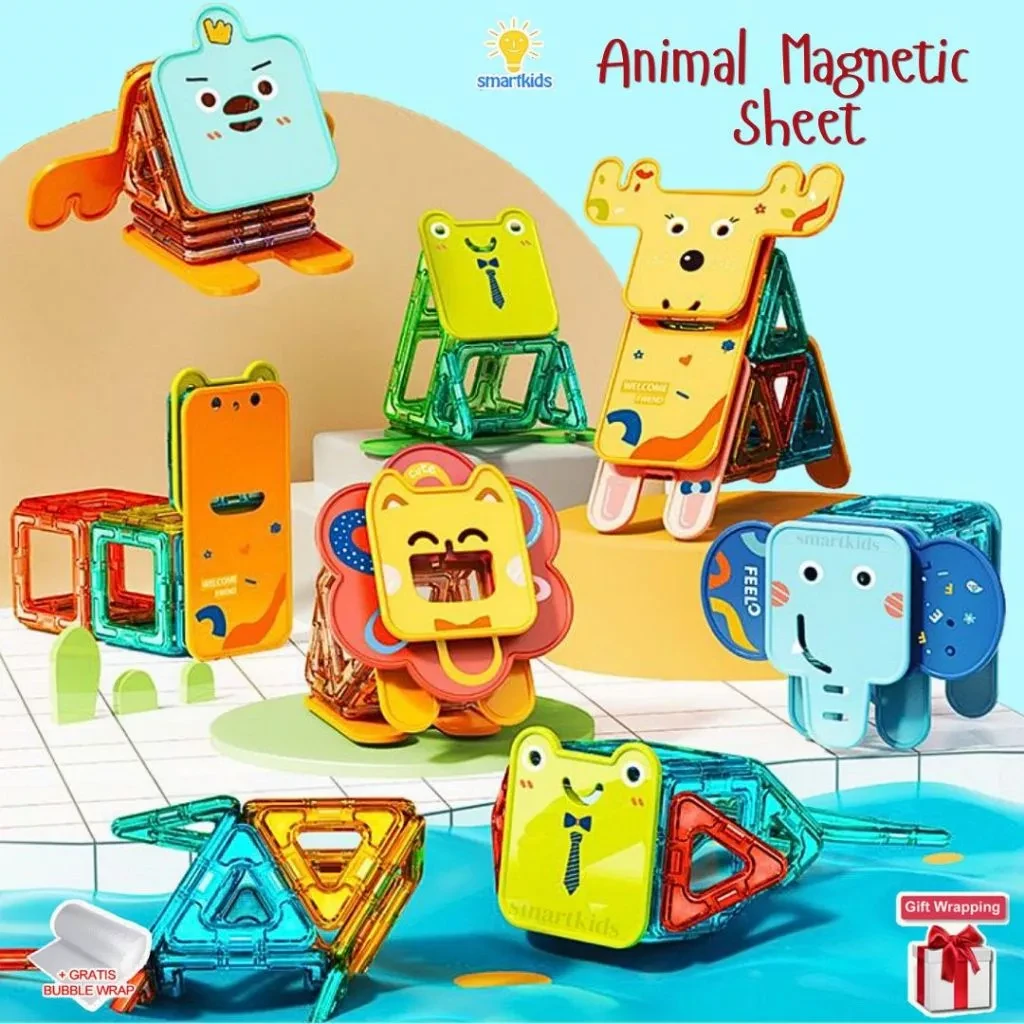
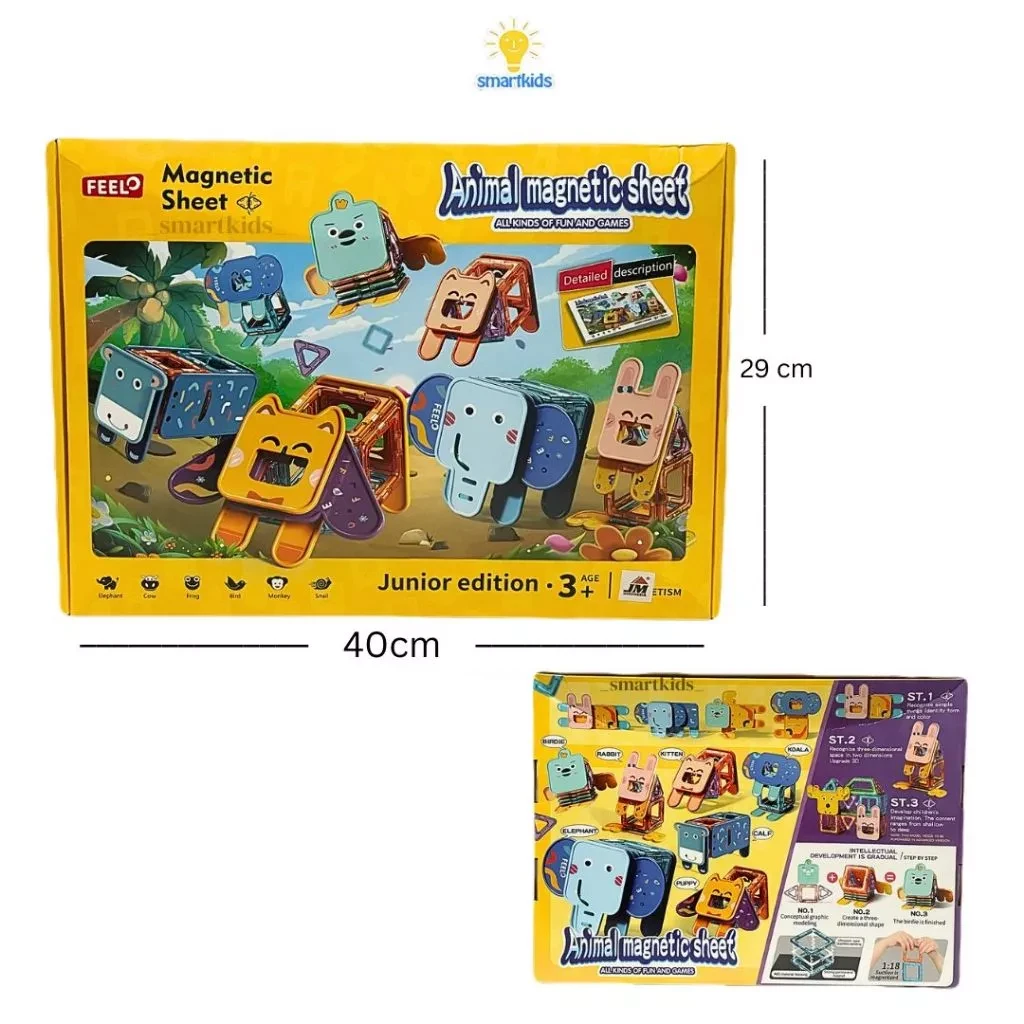
Bloques magnéticos de animales 4D, rompecabezas, laberinto, fichas, juguetes educativos para que los niños apilen formas de animales, construyen diseños 3D STEM
Gift Tree
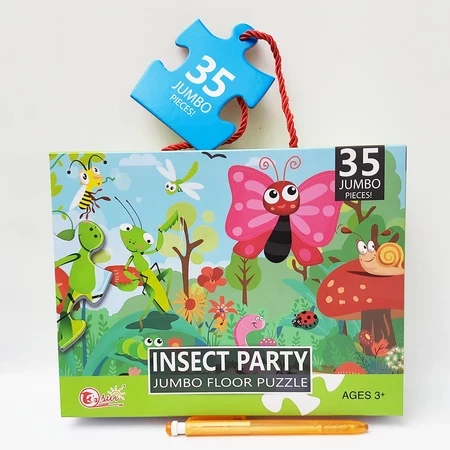
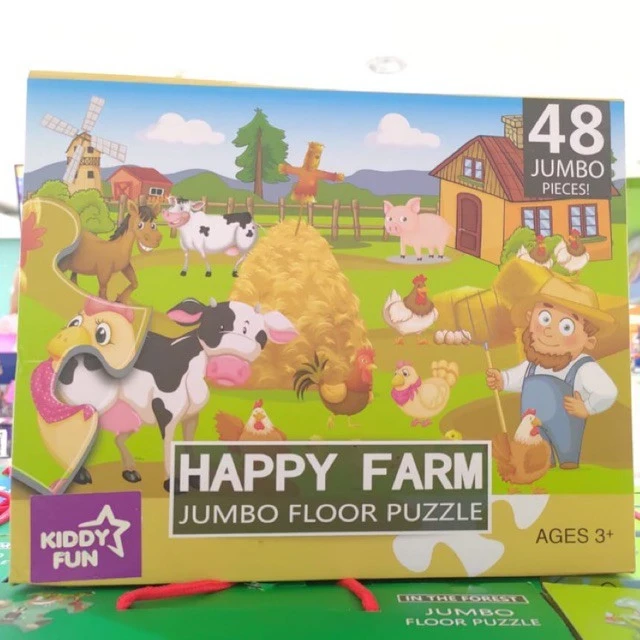
Children's Puzzle Toys 35 pcs Jumbo Insect Party Jumbo Floor Puzzle Animal Butterfly Educational Animals
Gift Tree
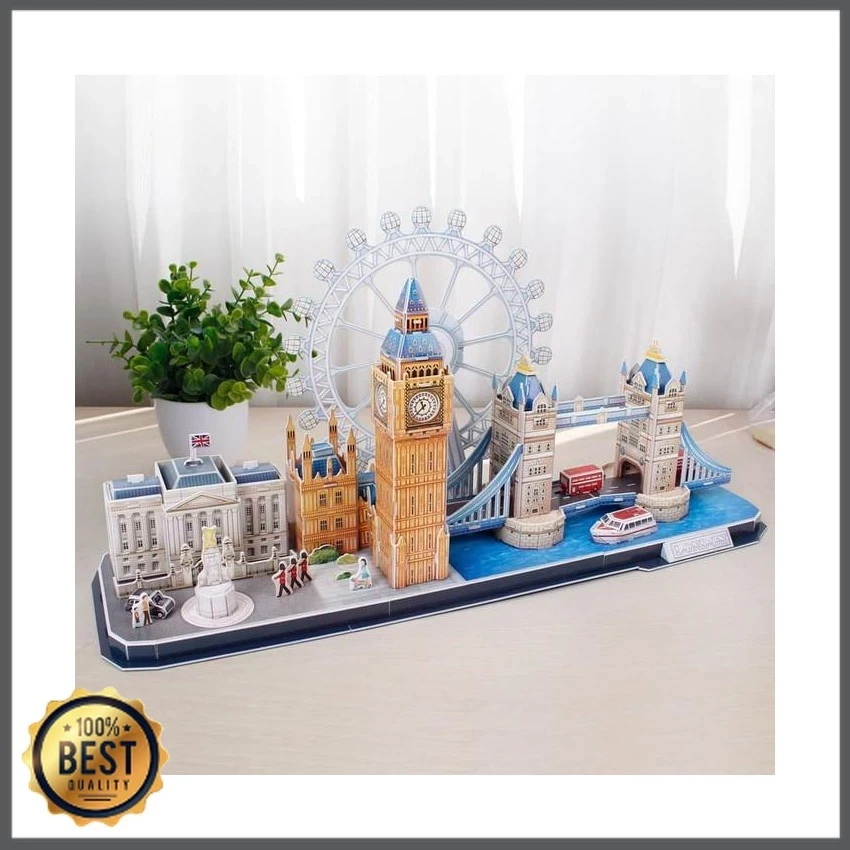
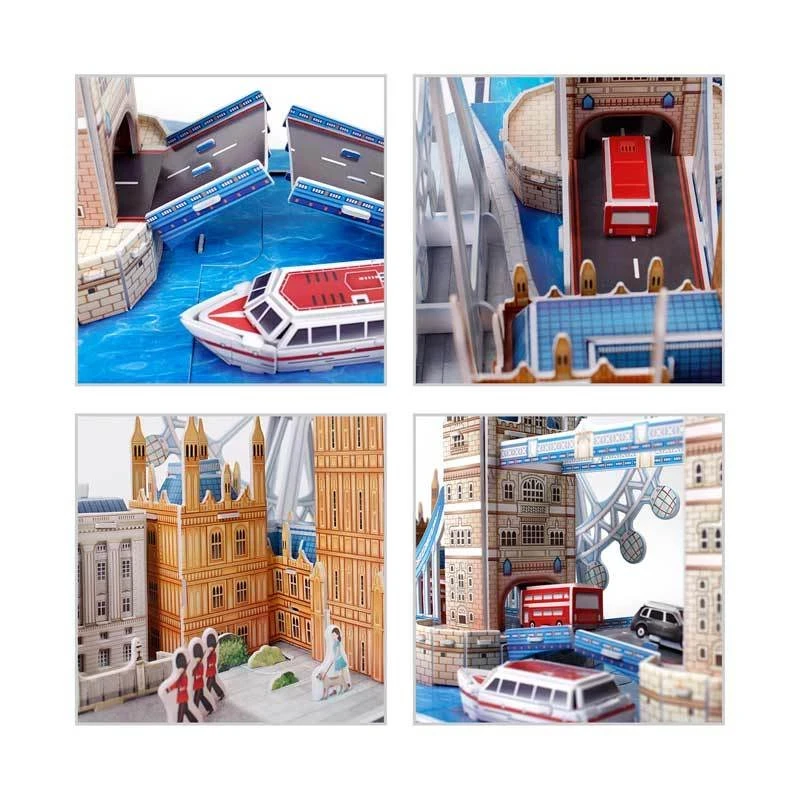
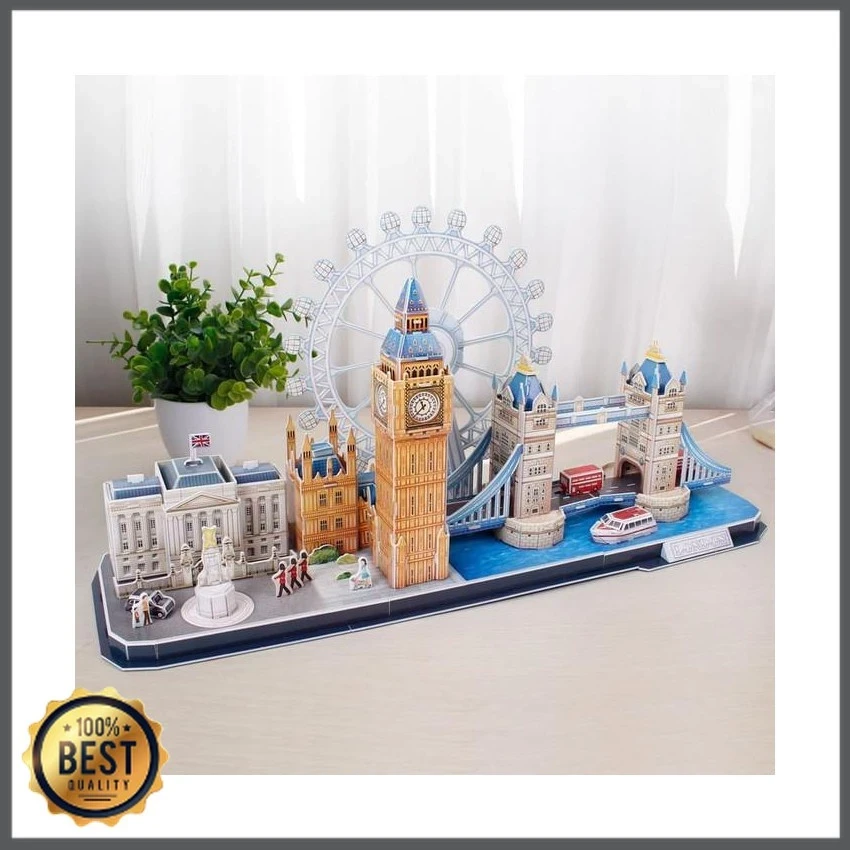
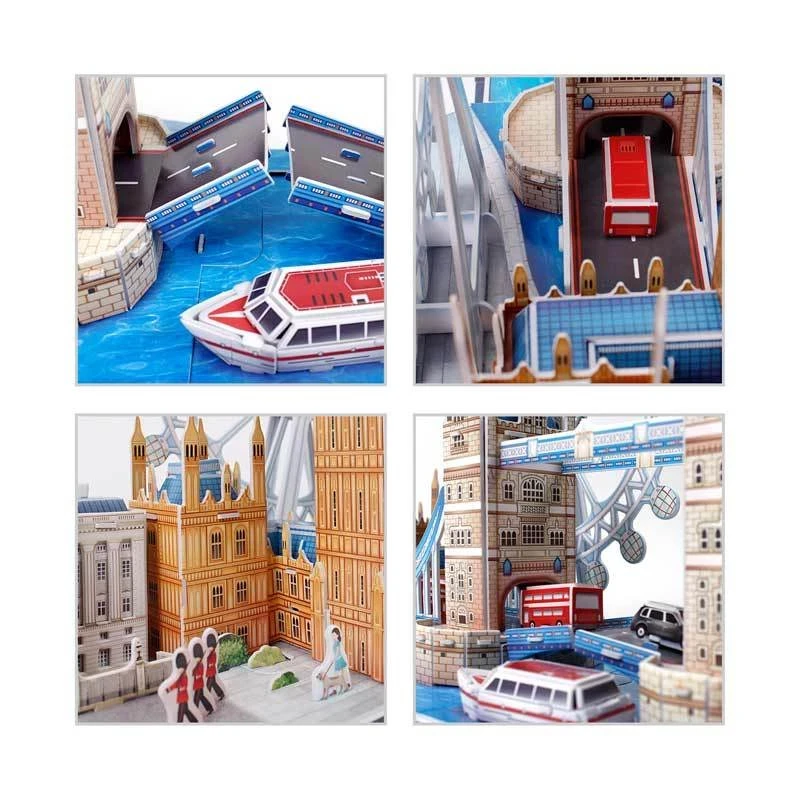
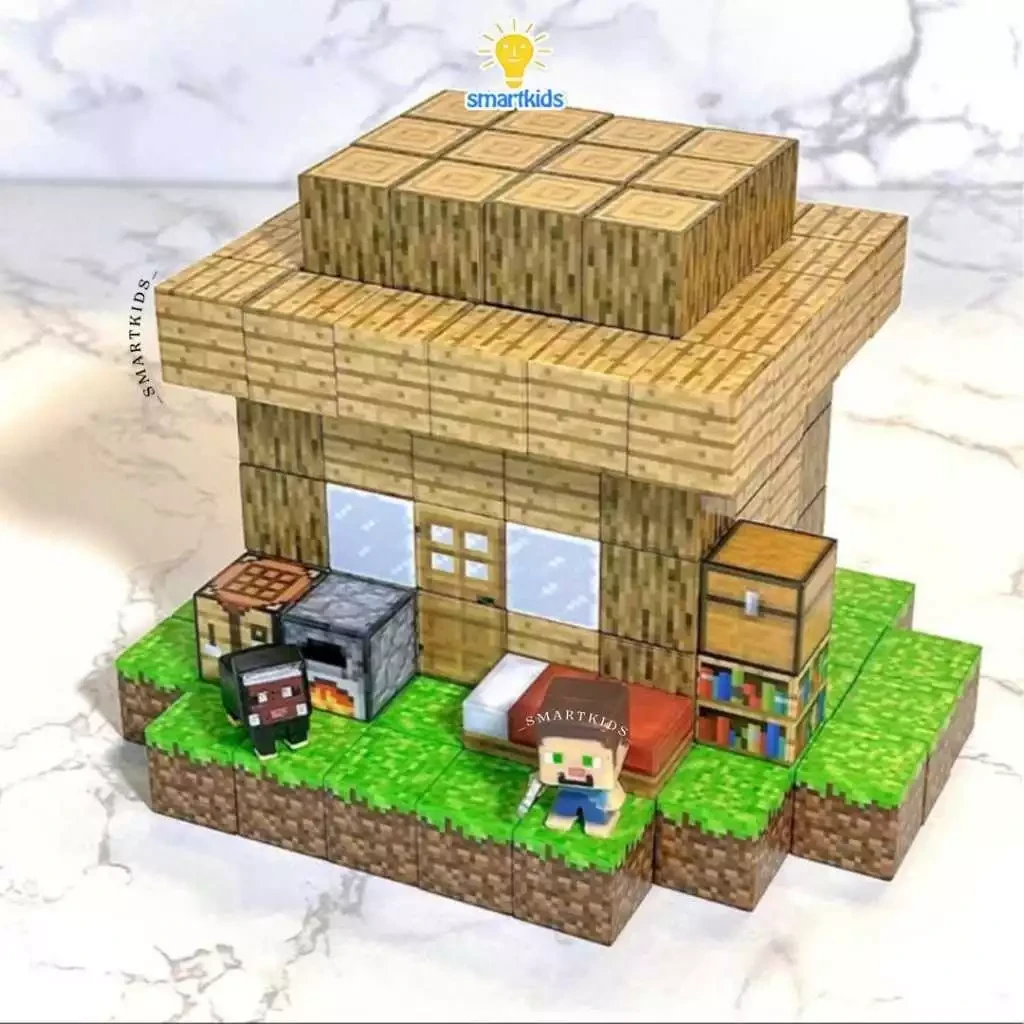
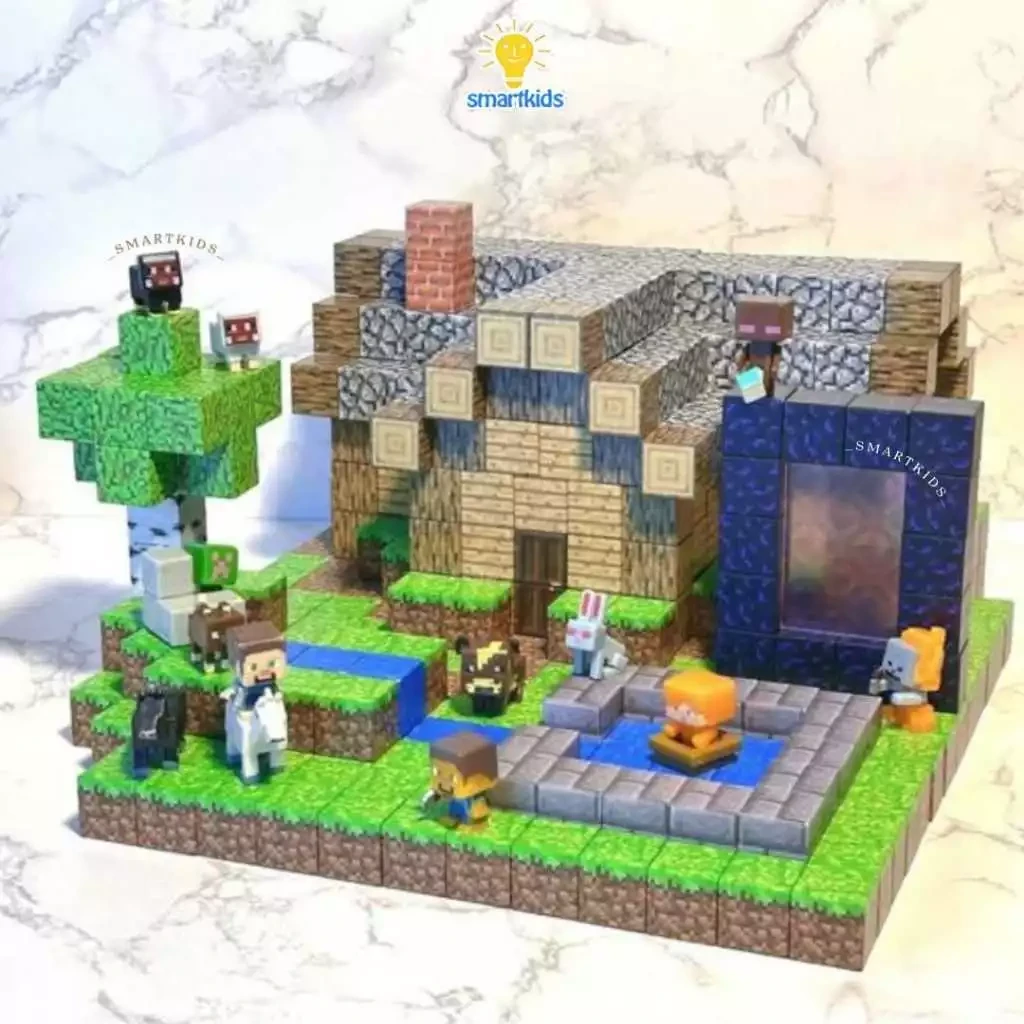
Cubos magnéticos 4D de Minecraft Premium, bloques de rompecabezas magnéticos 3D de My World para hacer tú mismo.
Gift Tree
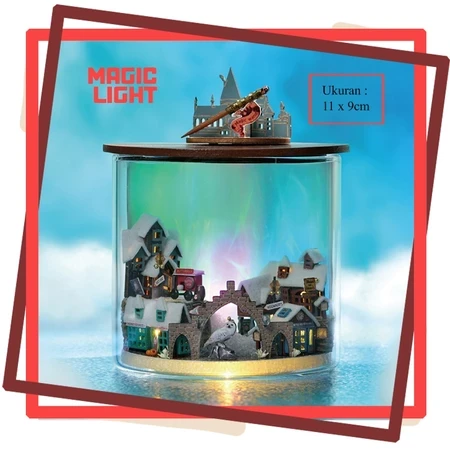
Cuter Room Magic light DIY Puzzle 3D Handicraft Unique children's Toy Gift
Gift Tree
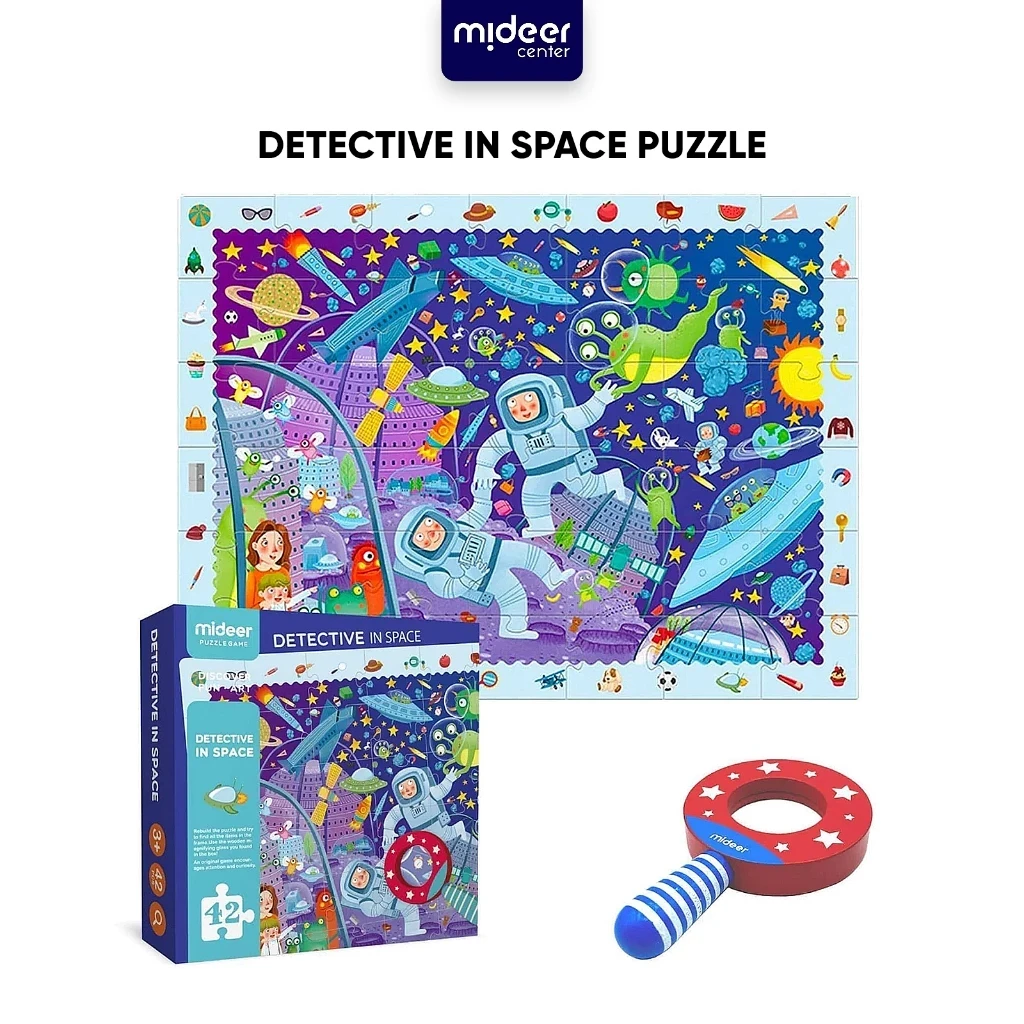
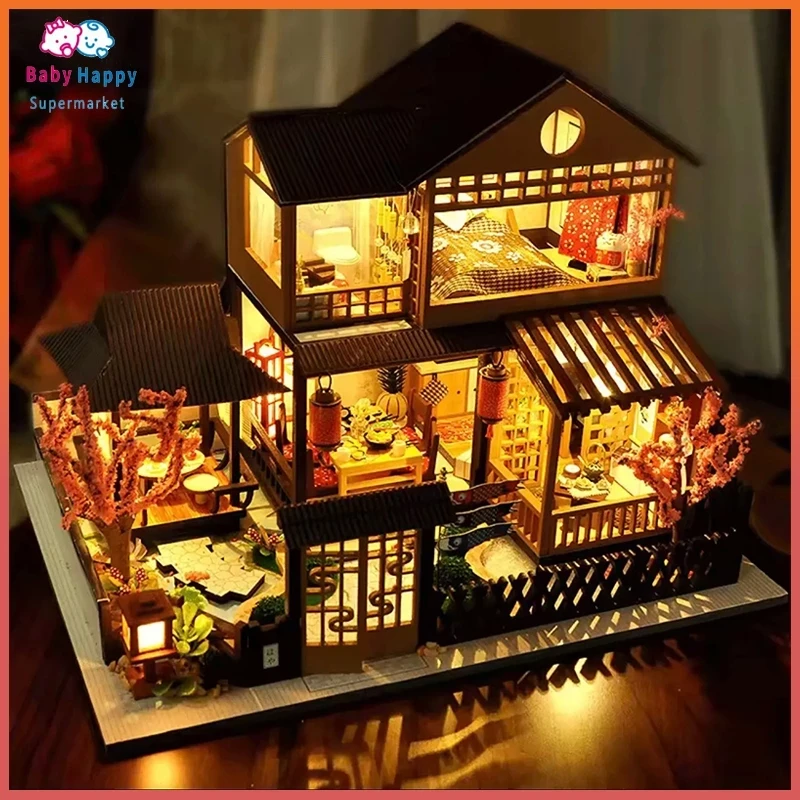

DIY 3D Book Corner Kit Gift Retro Model Building Kit Puzzle Japanese Small House
Gift Tree
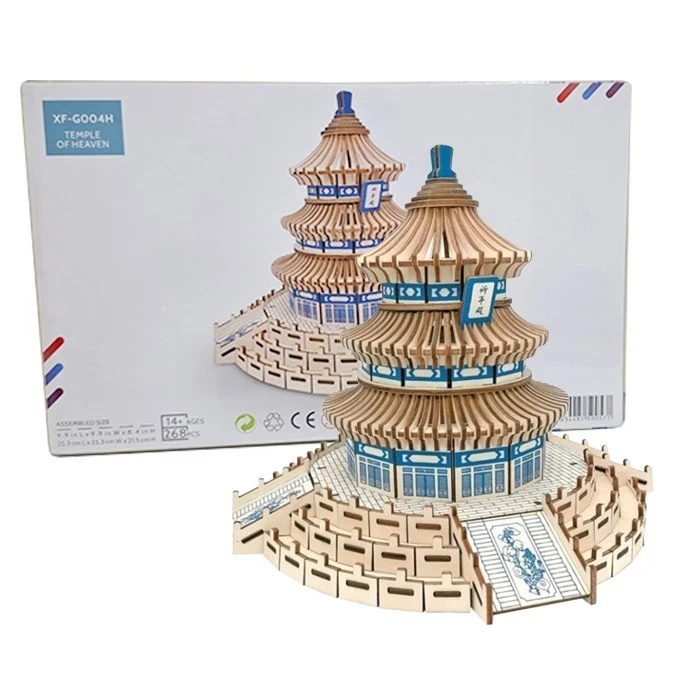
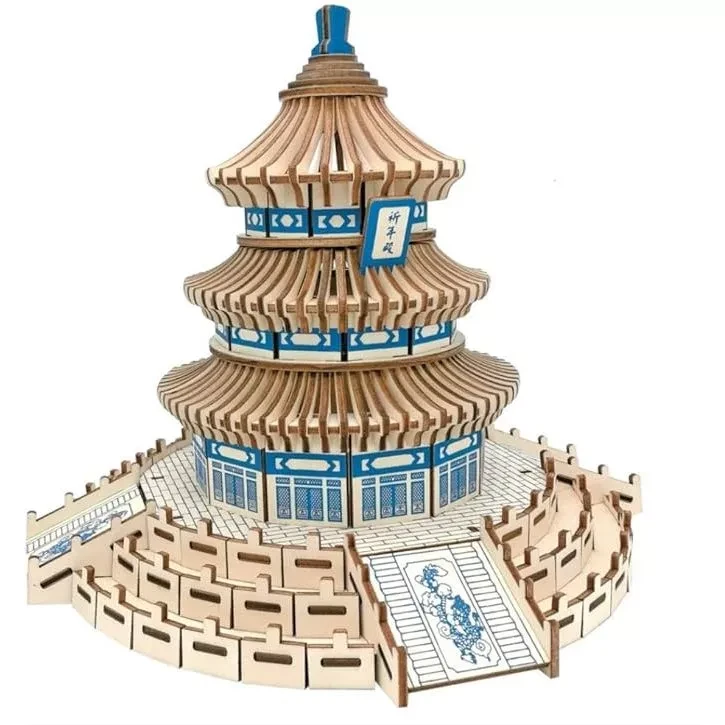
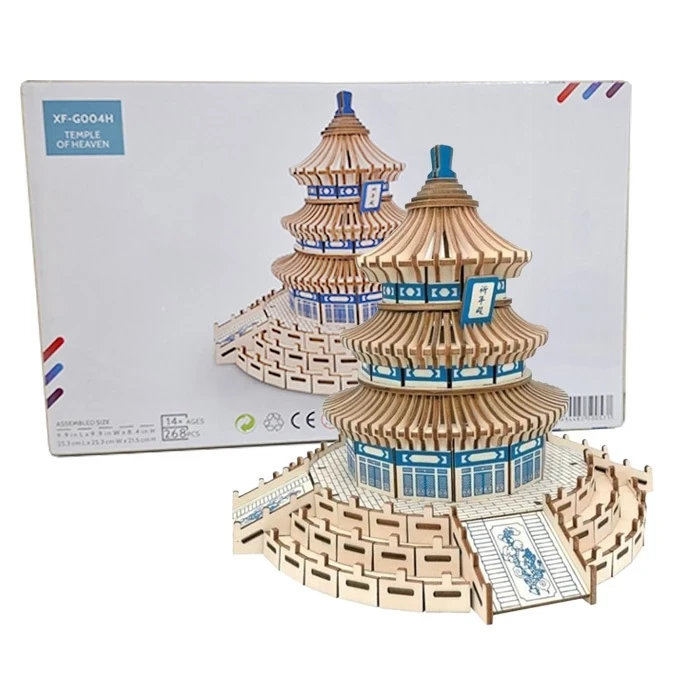
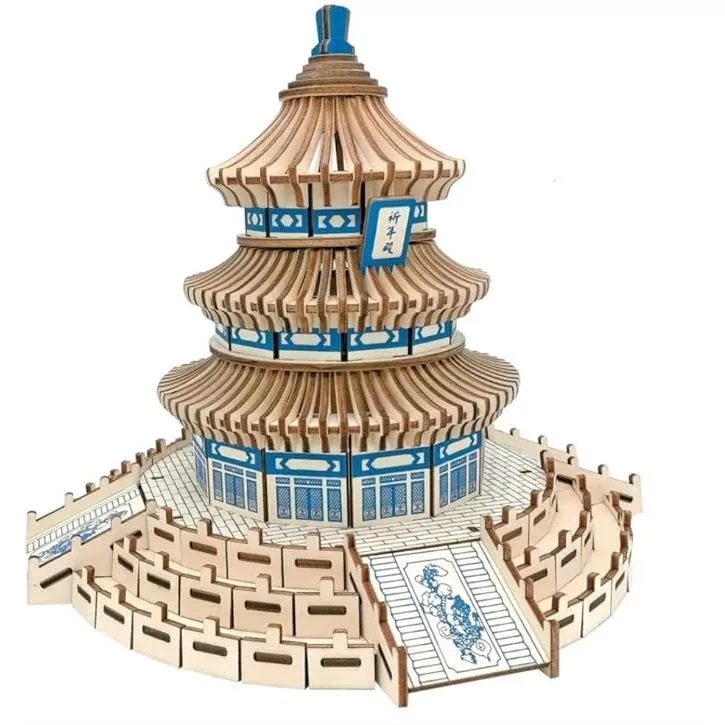
Edificios famosos: rompecabezas tridimensional del Templo del Cielo
Gift Tree

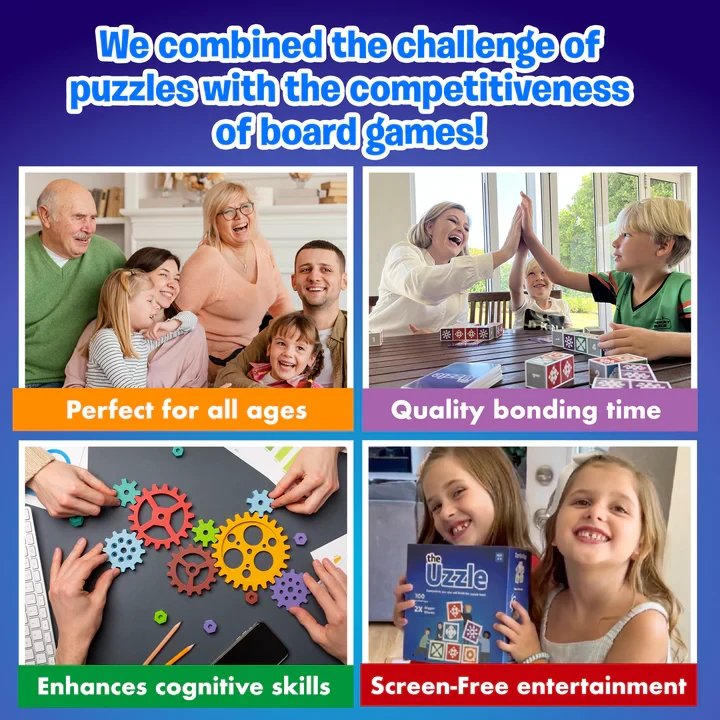


Frozen/Villains/Orchestra/Mickey & Minnie/Disney Gala/Impossible Marvel Puzzle 1000 Pcs
Gift Tree
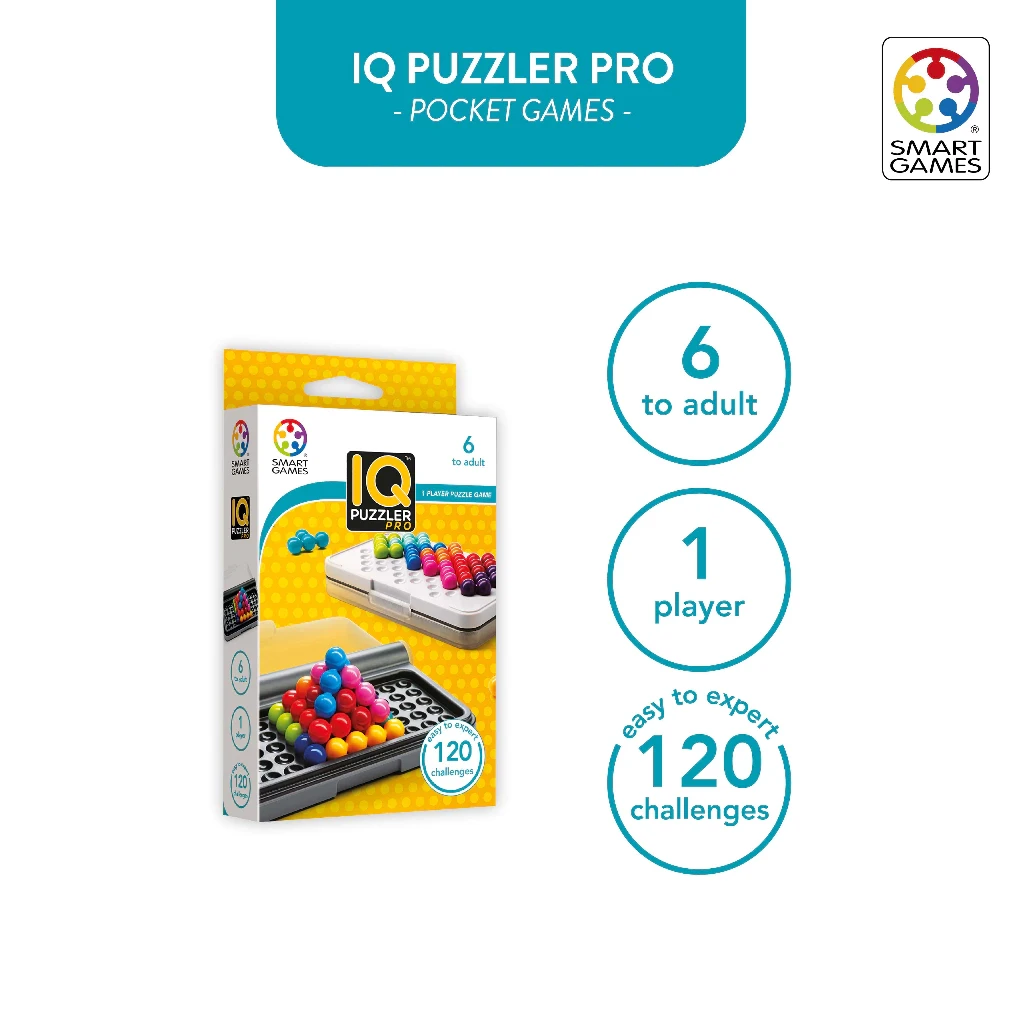
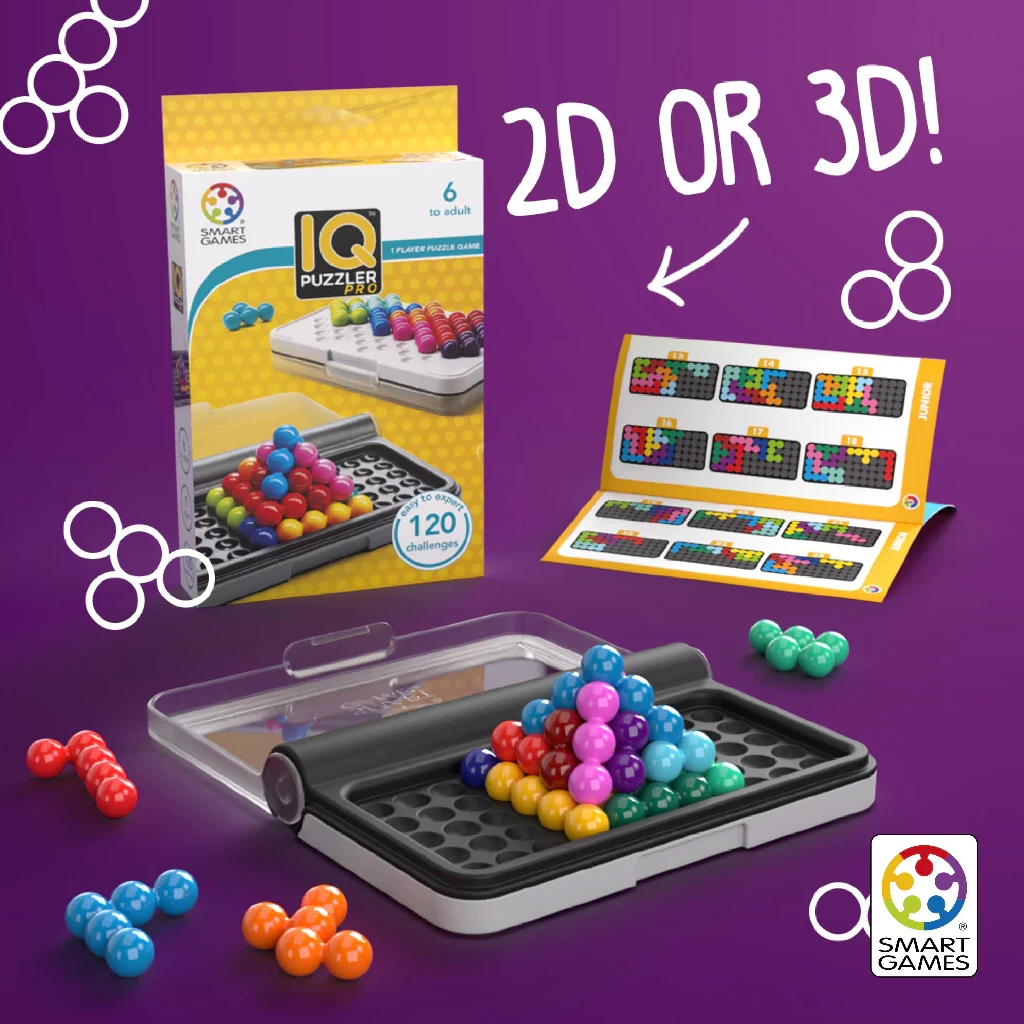
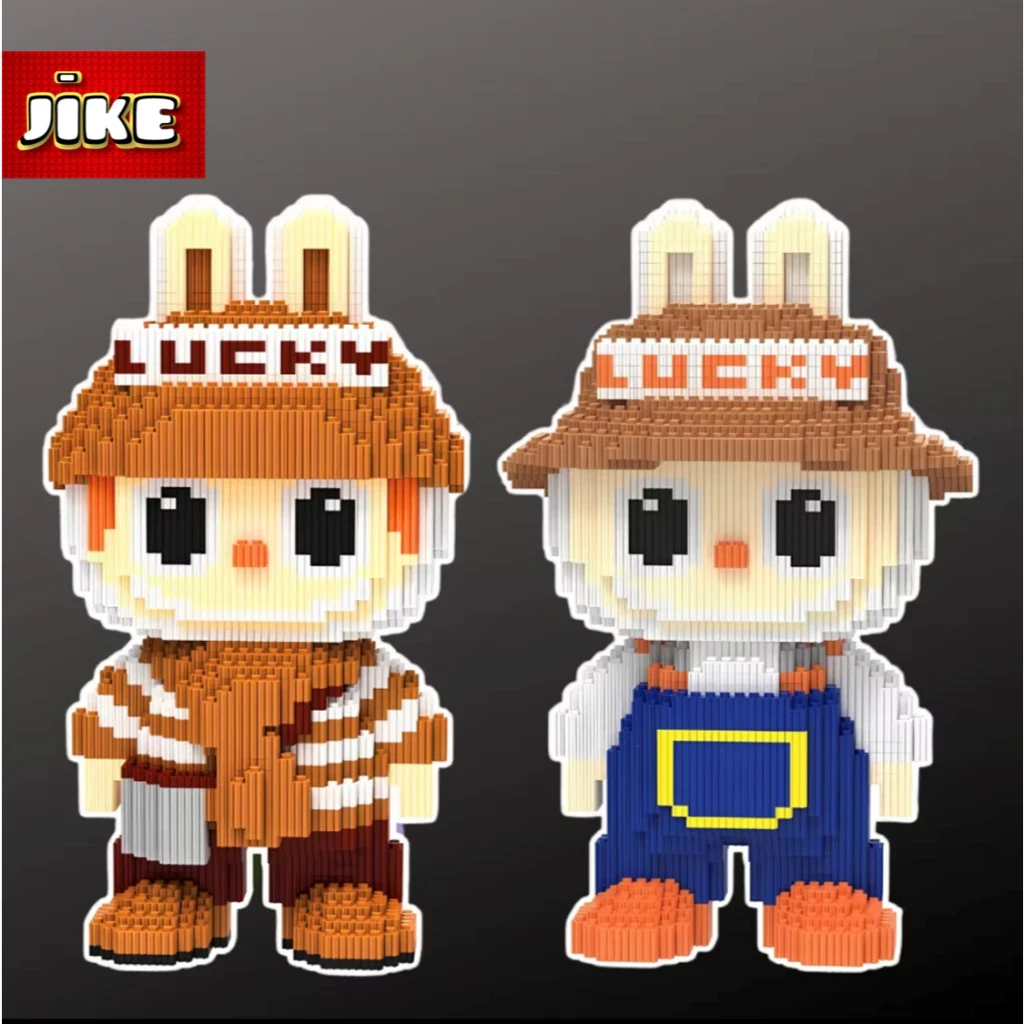
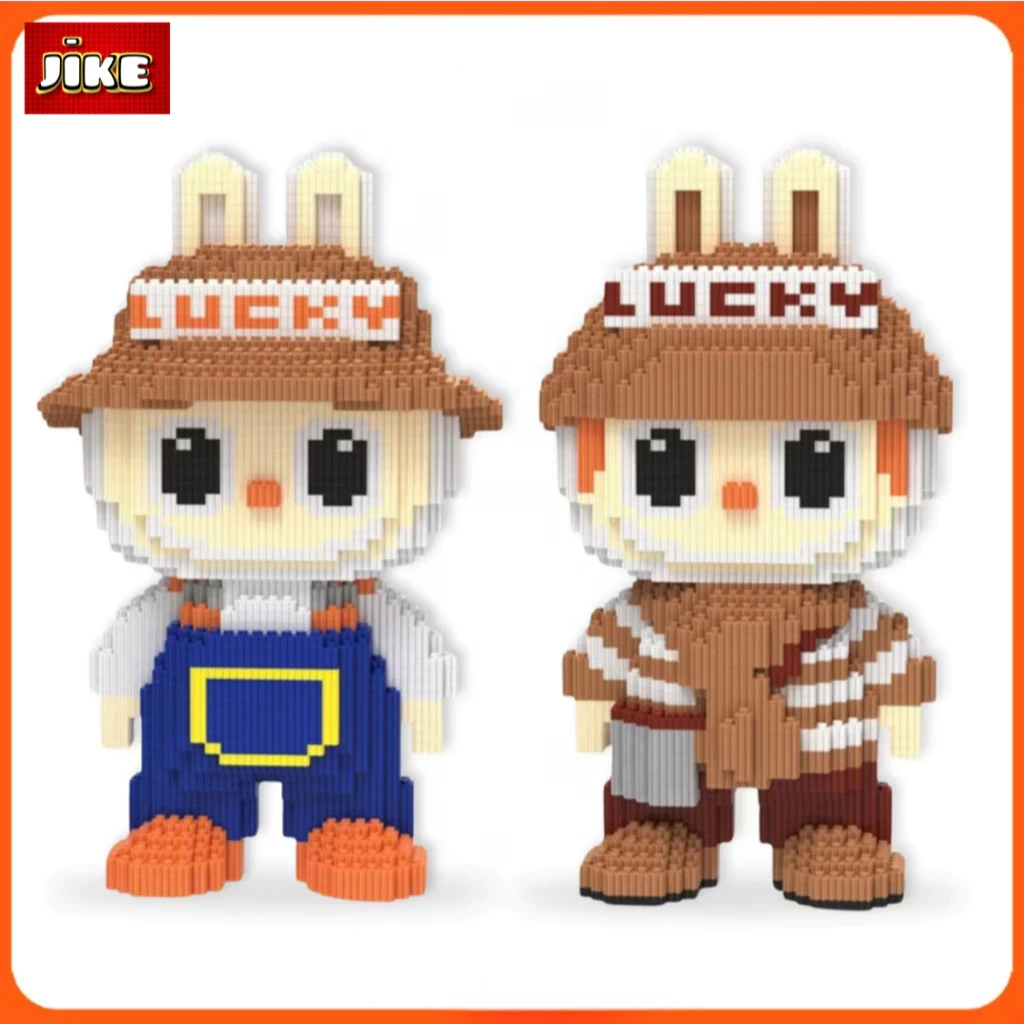
Jike Nano Blocks Medium Pumpkin Series 3D Model, Toy Block Stacking Pumpkin, DIY Construction Block
Gift Tree
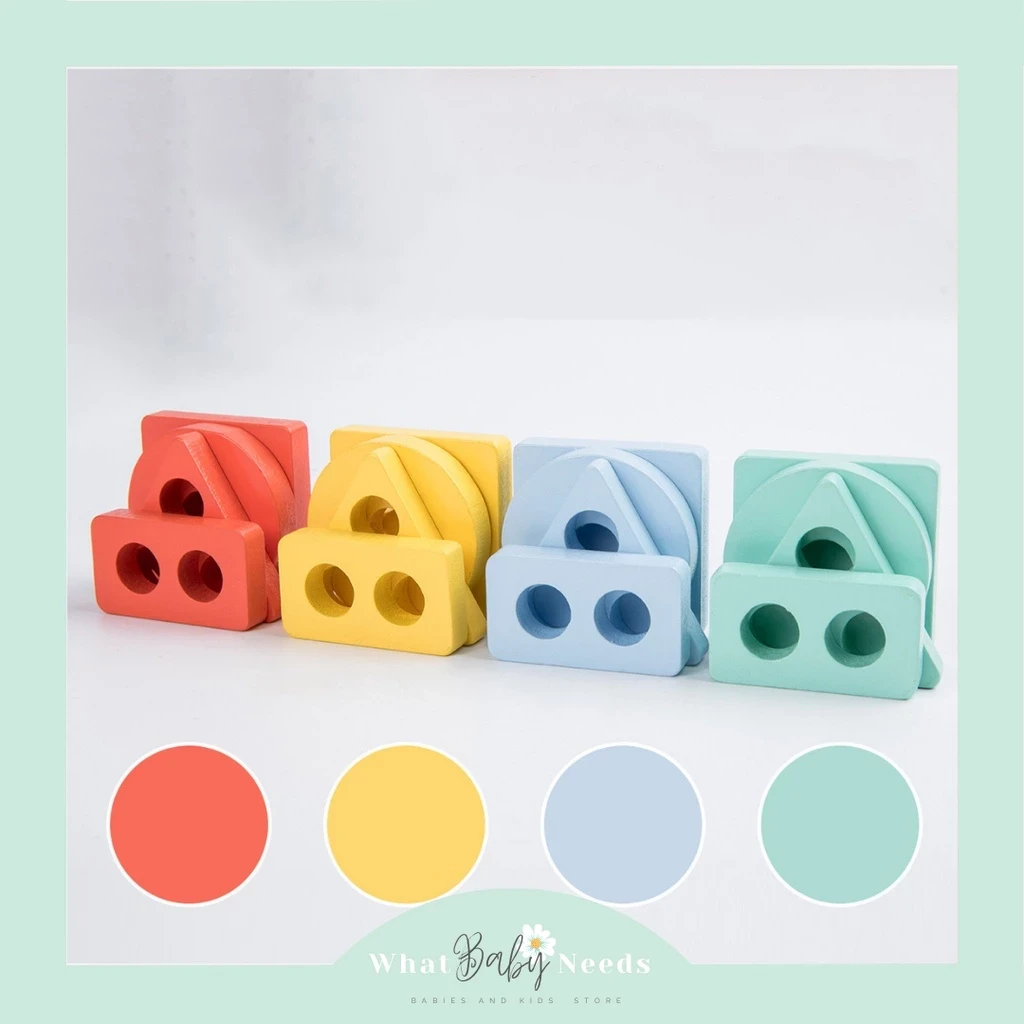
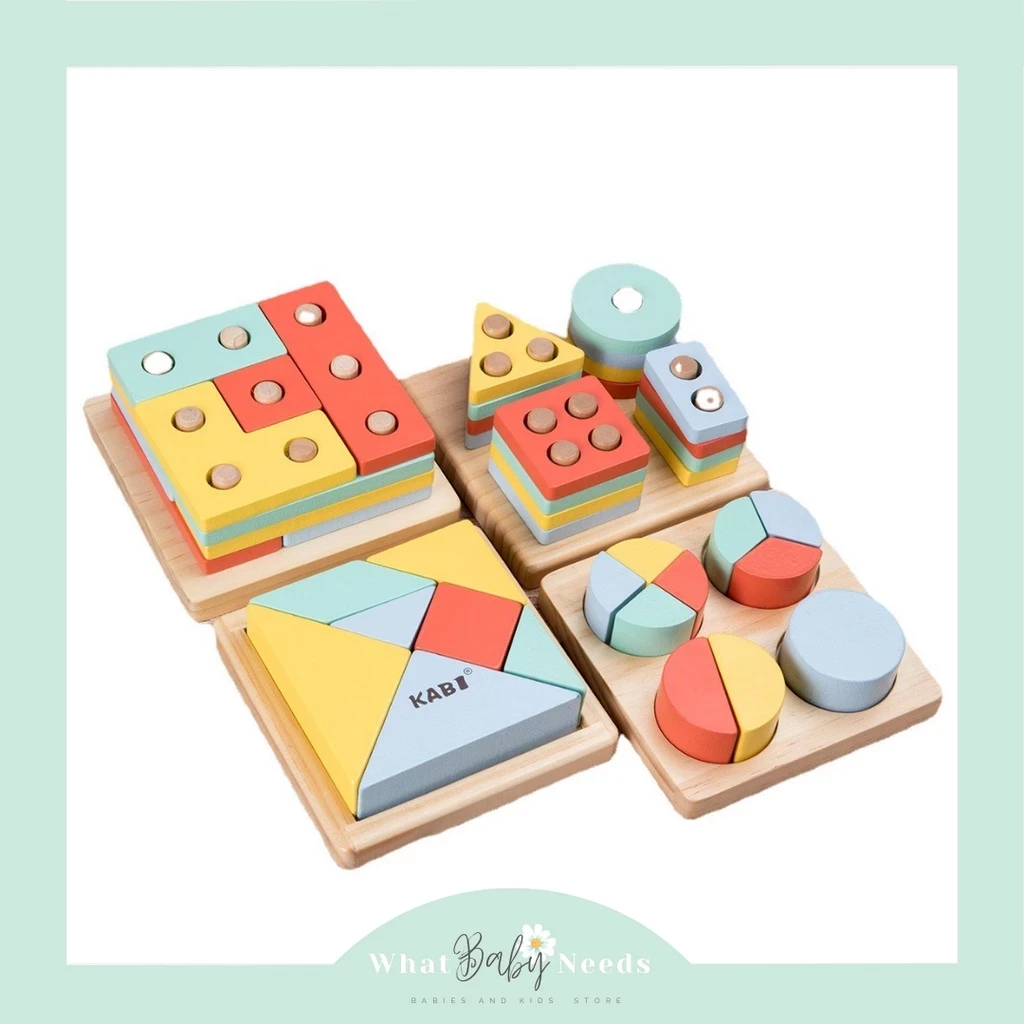
Juguete de madera Montessori 4 en 1 / Juguetes educativos de madera Scrapenak Forma y color
Gift Tree
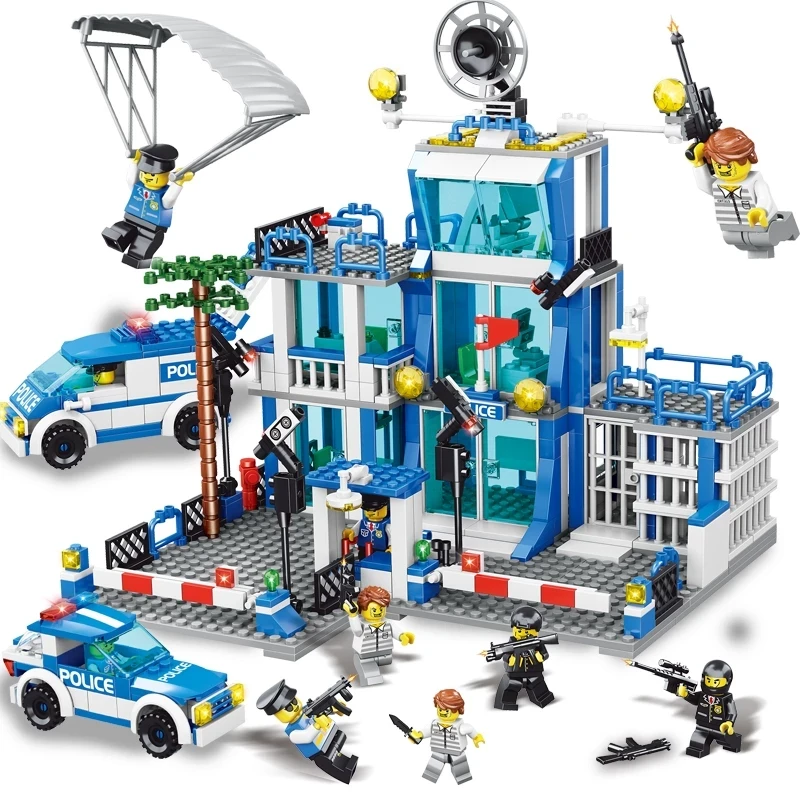
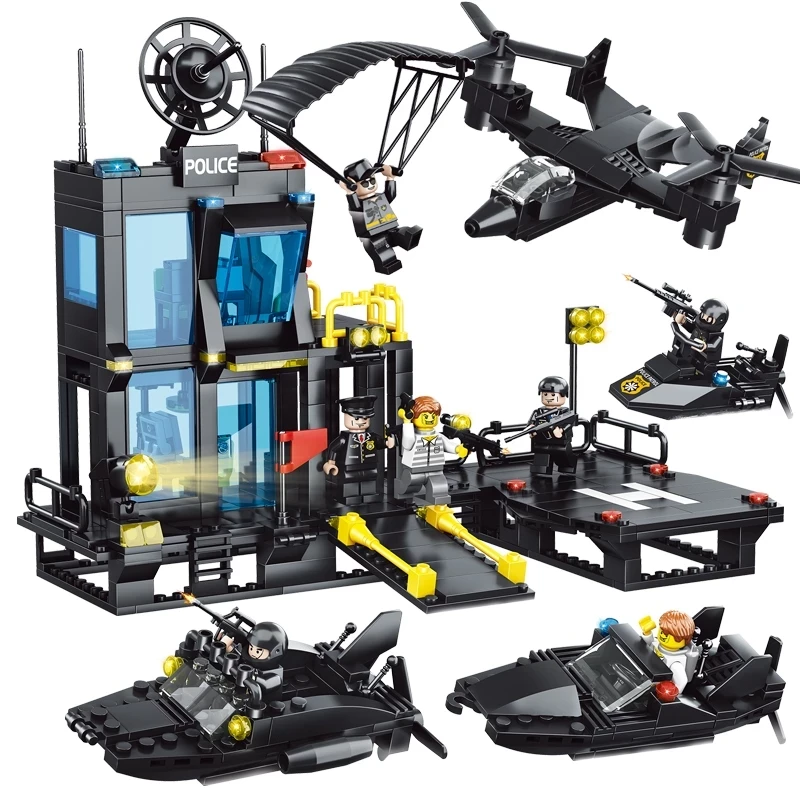
Juguetes 1256 piezas, modelo de estación de policía, bloques de construcción, rompecabezas 3D, juguetes educativos de bloques
Gift Tree
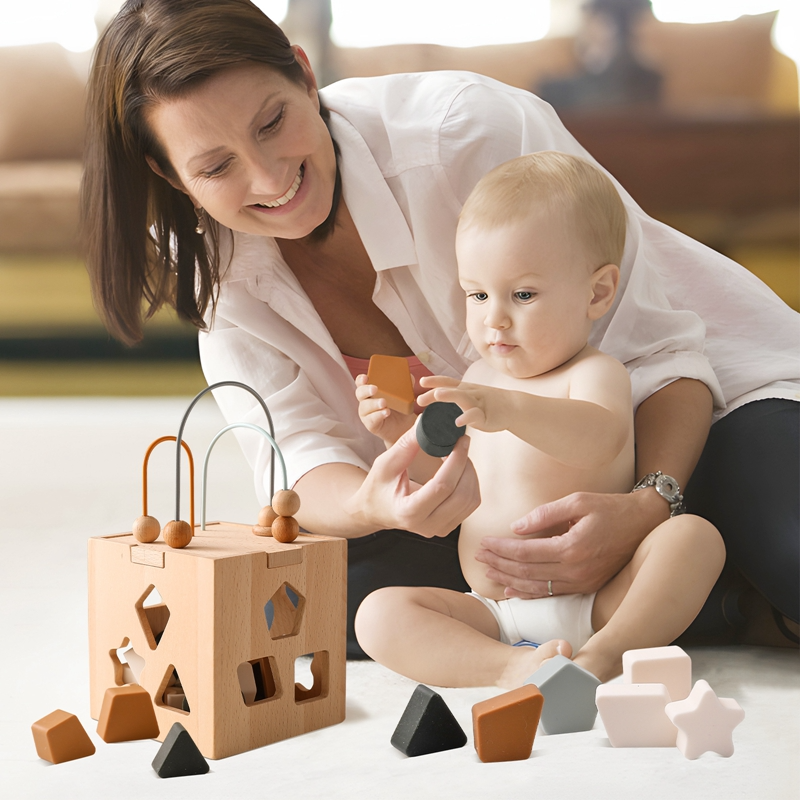
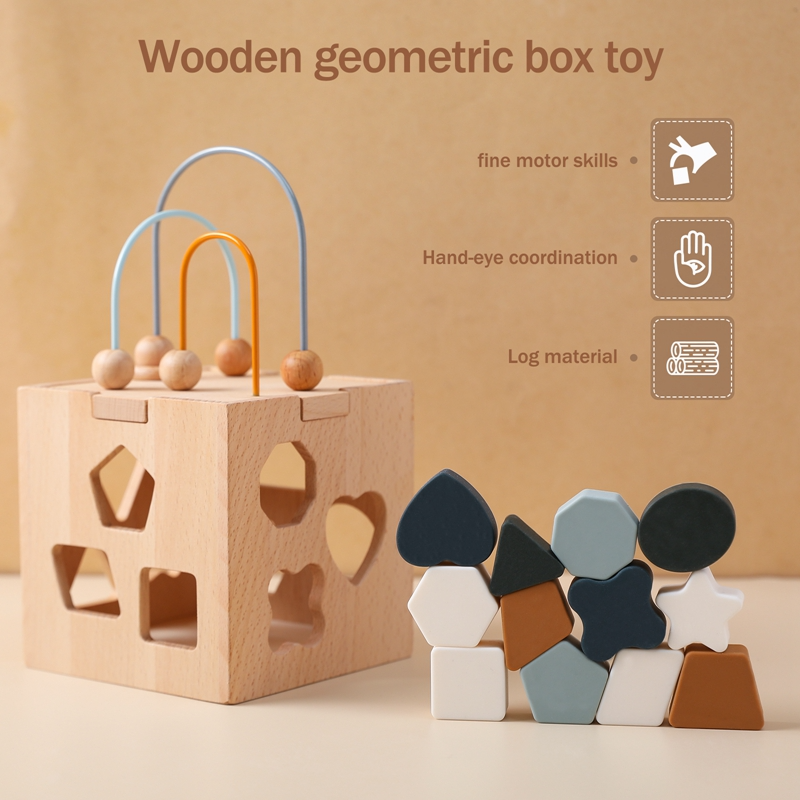
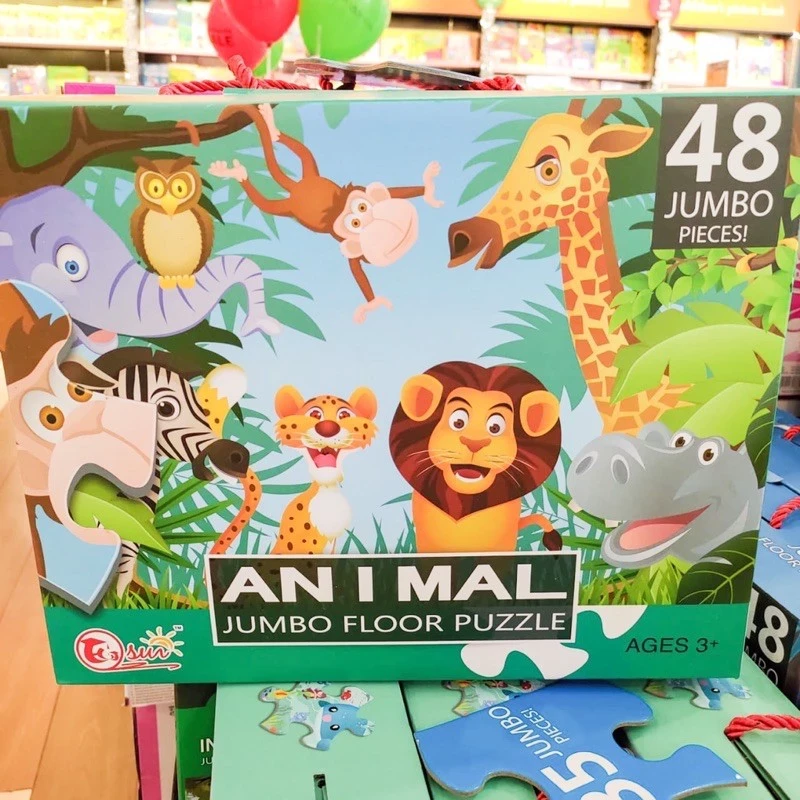
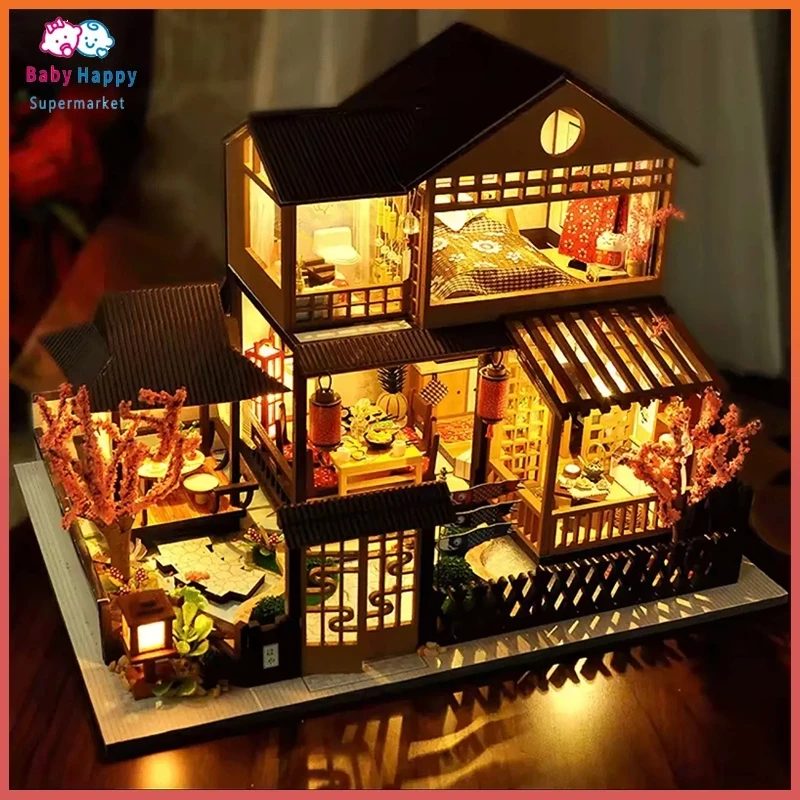

Kit de rincón de libros 3D DIY, regalo, modelo retro, kit de construcción, rompecabezas, casa pequeña japonesa
Gift Tree
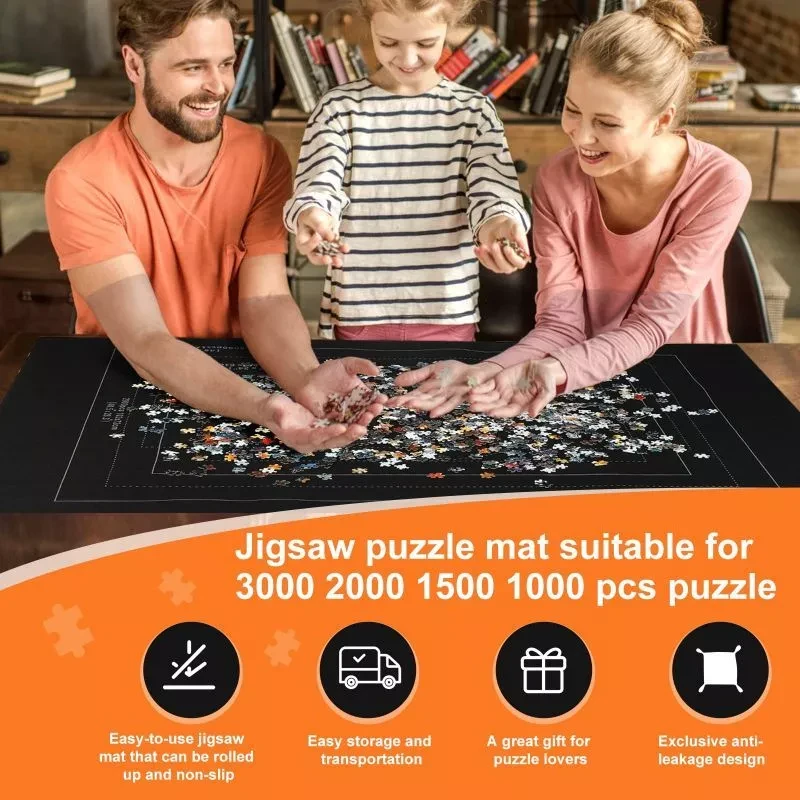
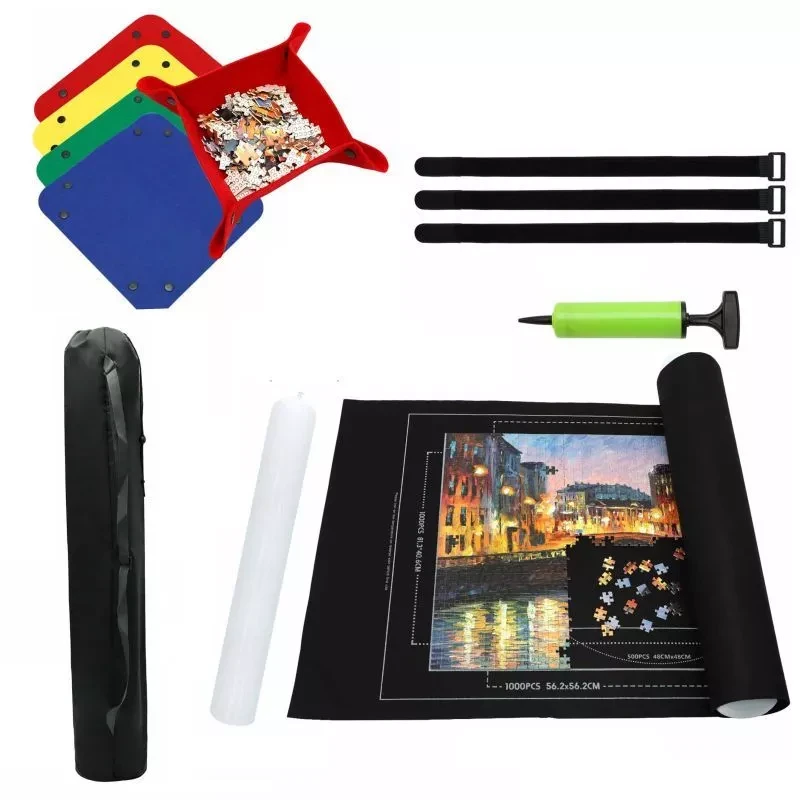
Manta de rompecabezas, manta de rompecabezas, almohadilla, también tapete enrollable para rompecabezas
Gift Tree
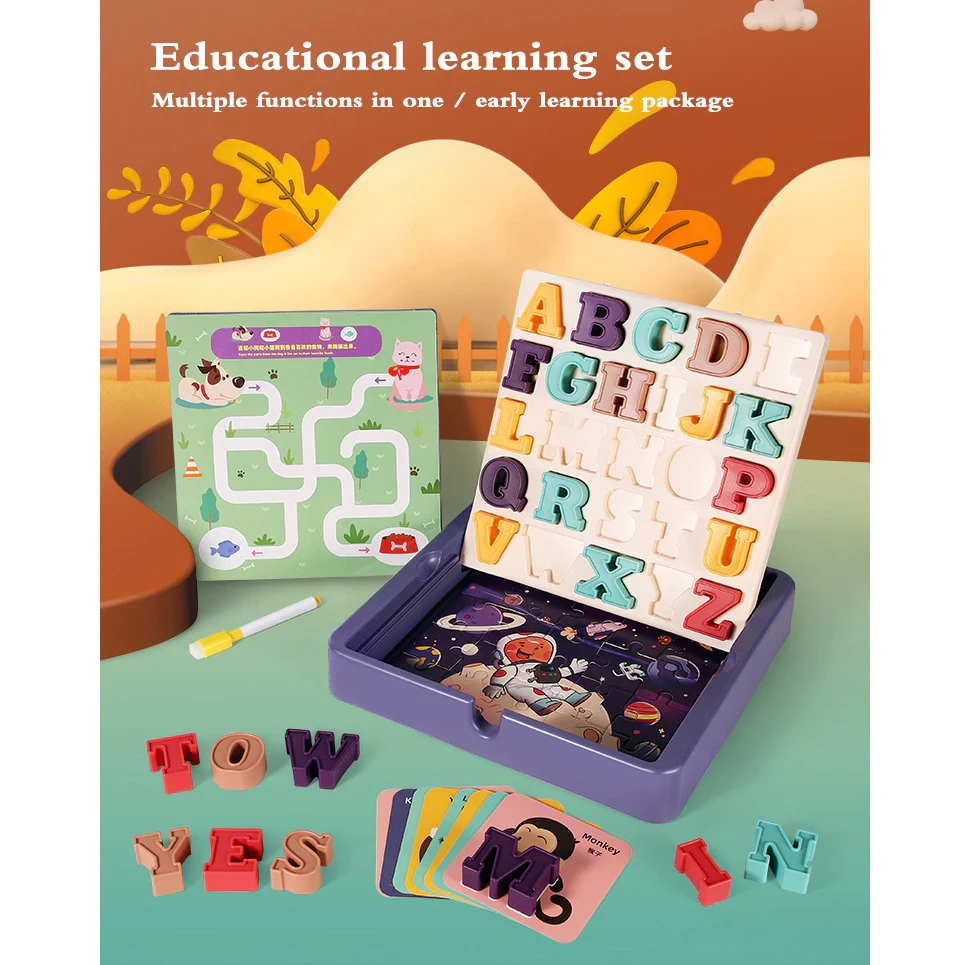
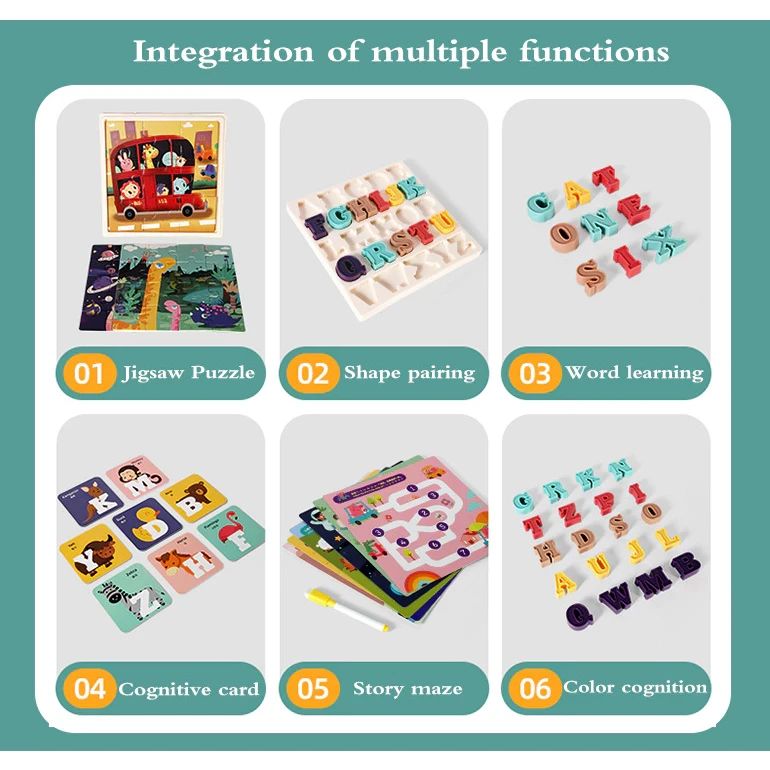
Meibeile - Juego de rompecabezas 3 en 1 con asa para aprender letras en inglés, formas y combinaciones, para niños
Gift Tree
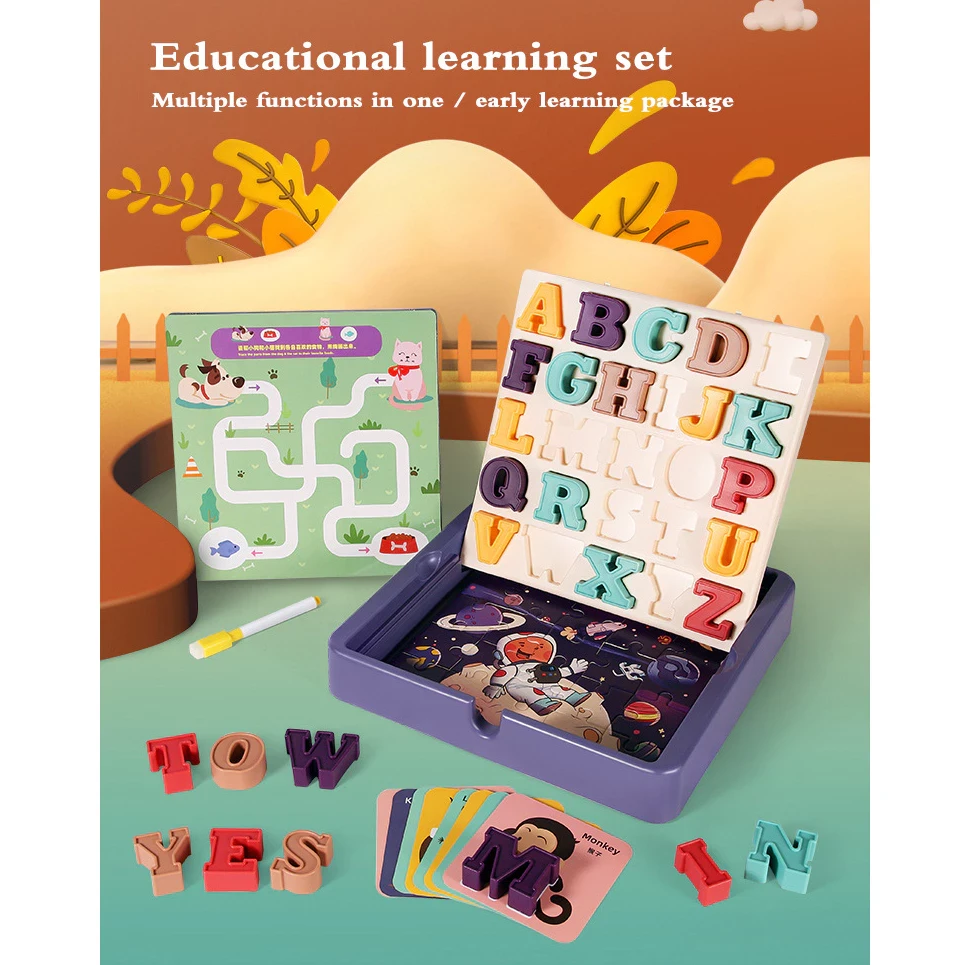
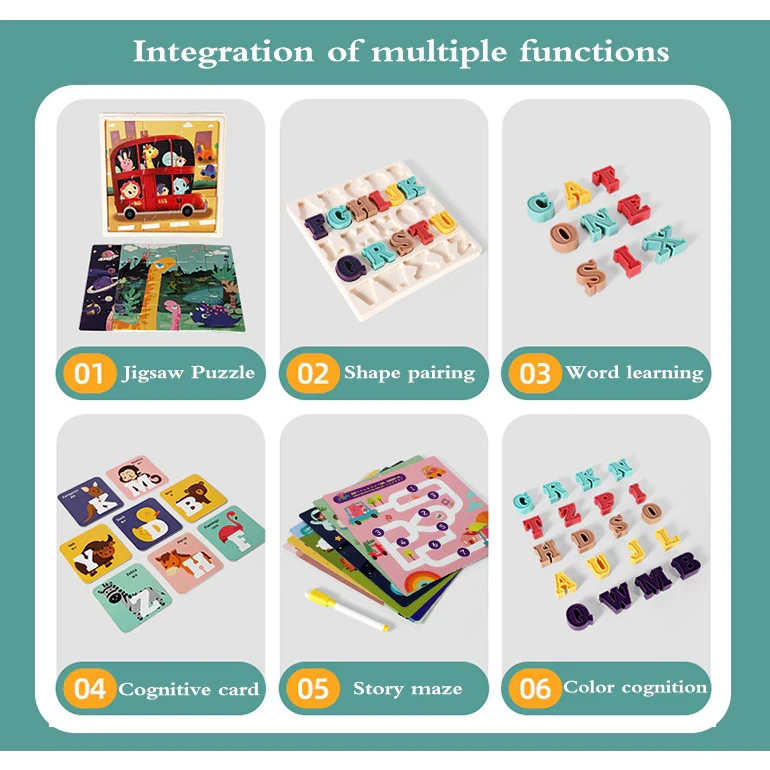
Meibeile 3in1 Alphabet With Handle Storage English Letter Learning Shape Matching Diy Puzzle Set Line Drawing Maze Kids
Gift Tree
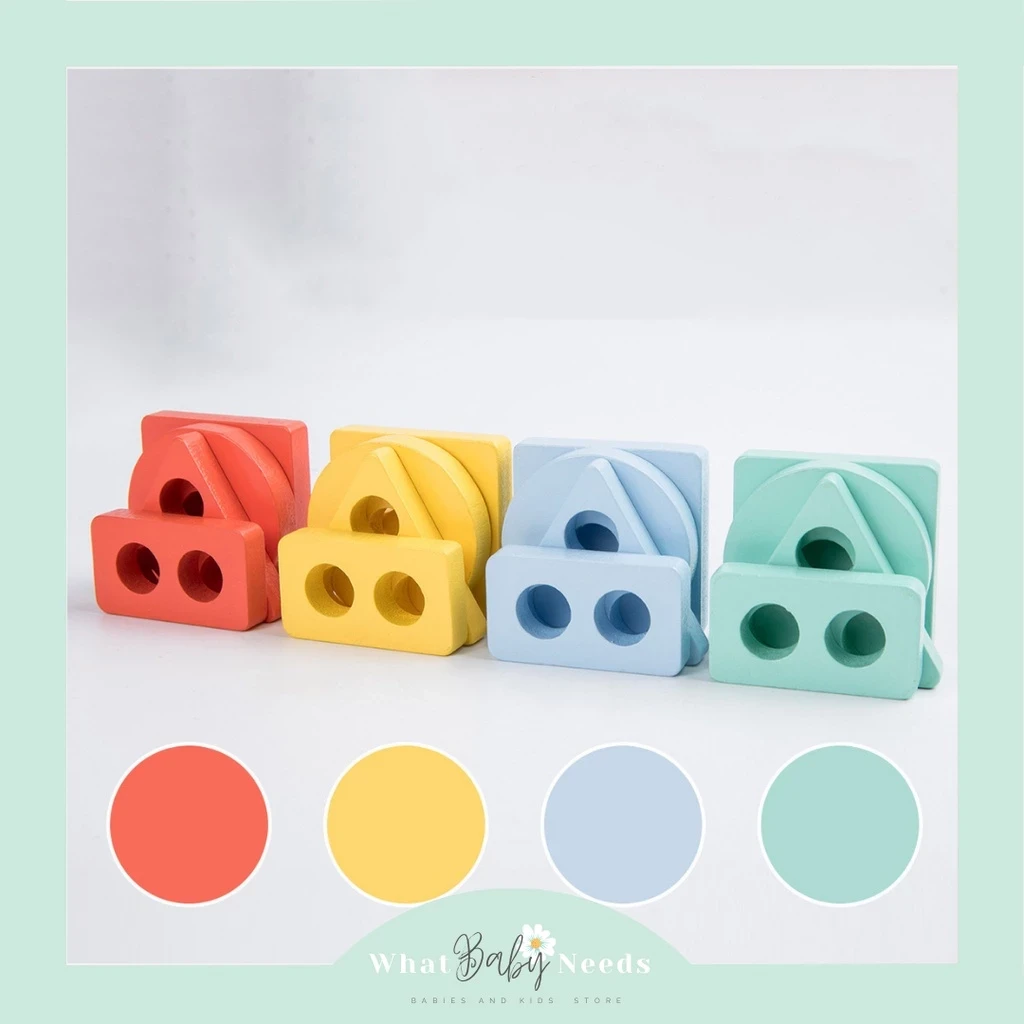
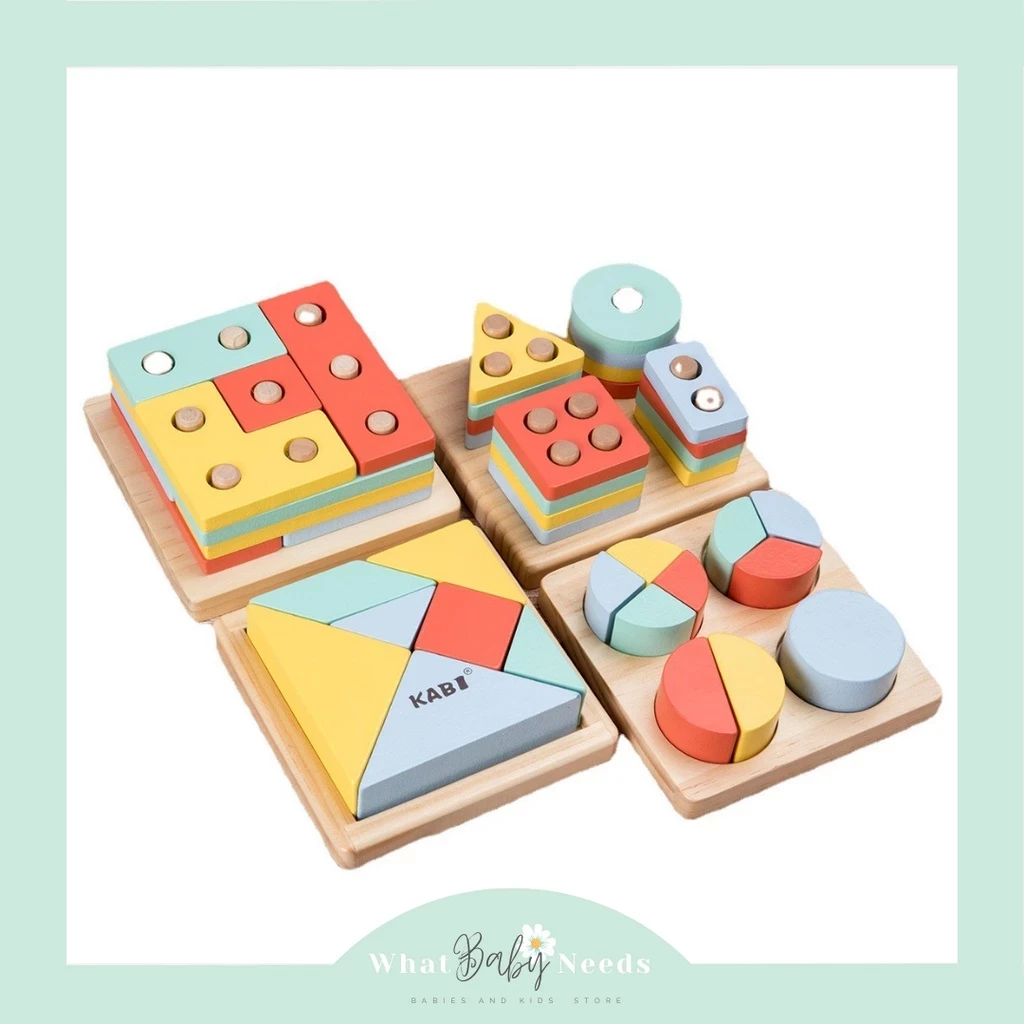
Montessori Wooden Toy 4 in 1 / Toys Educational Wooden Scrapenak Shape & Color
Gift Tree
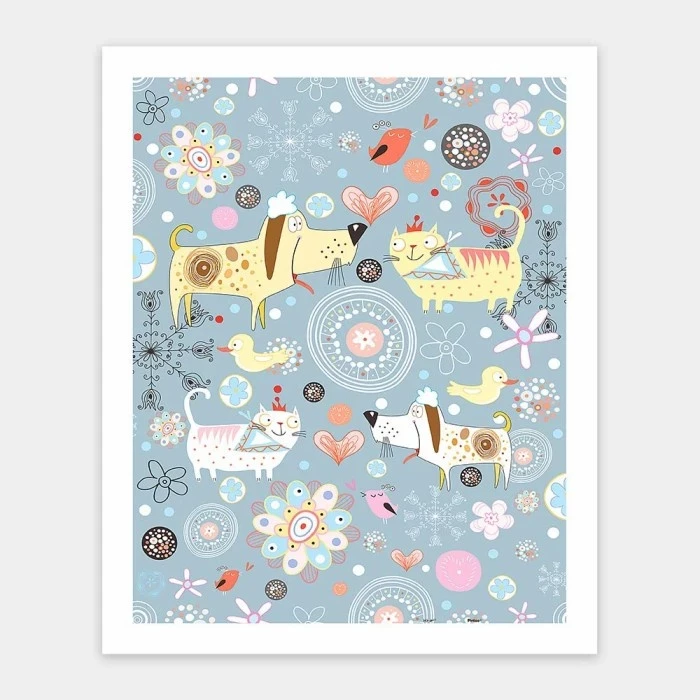
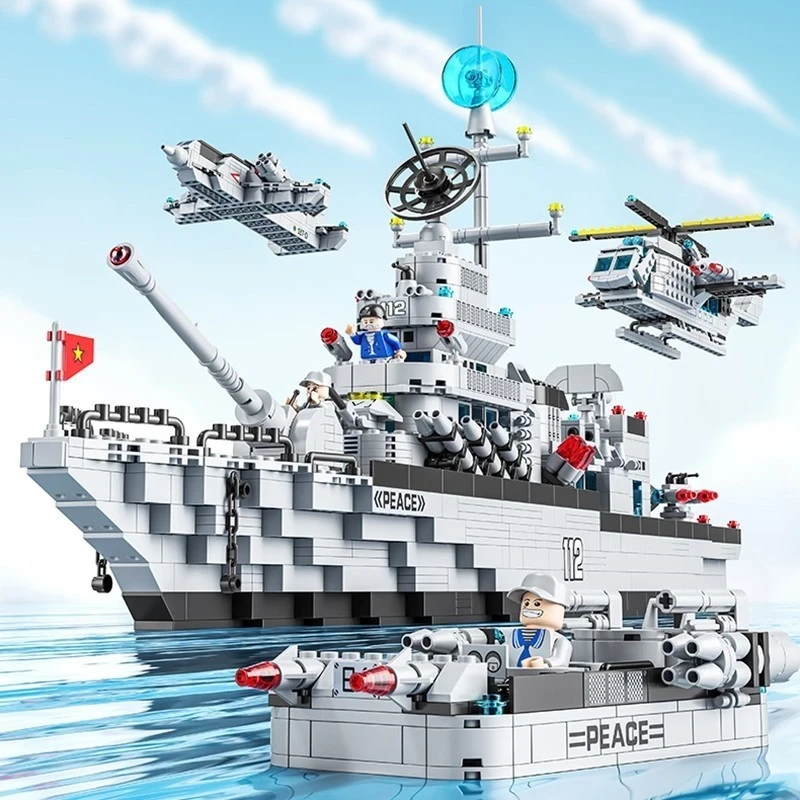
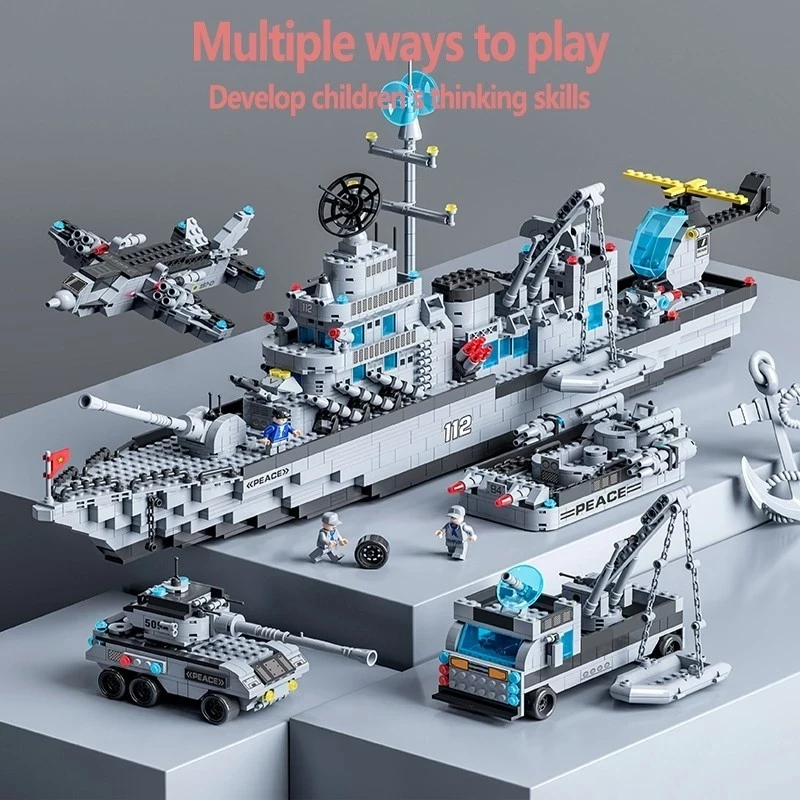
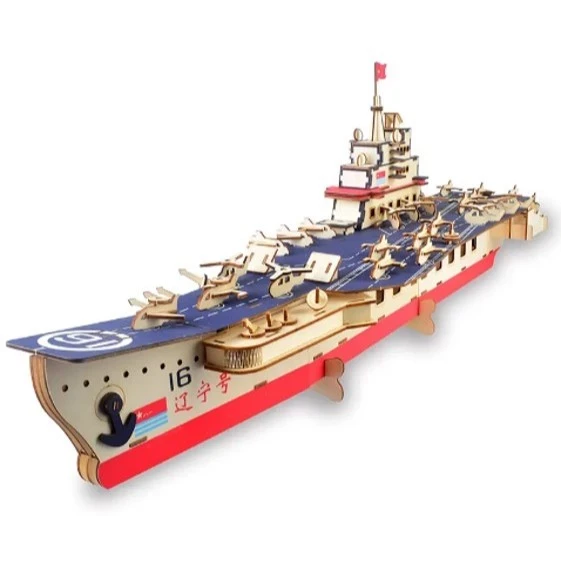
Portaaviones 1560 piezas grandes bloques de construcción educativos juguetes para niños rompecabezas 3D
Gift Tree
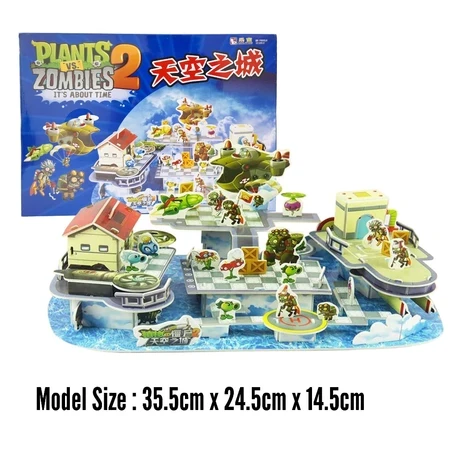
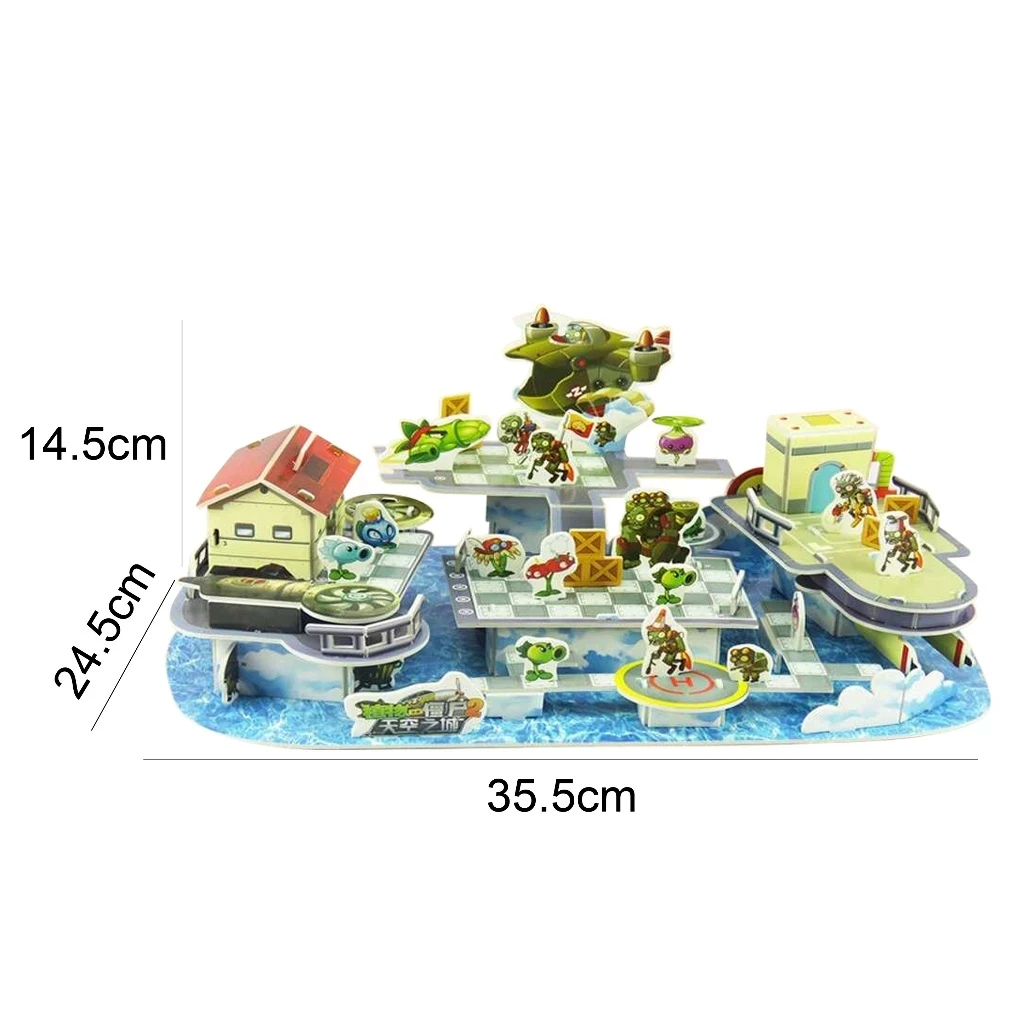
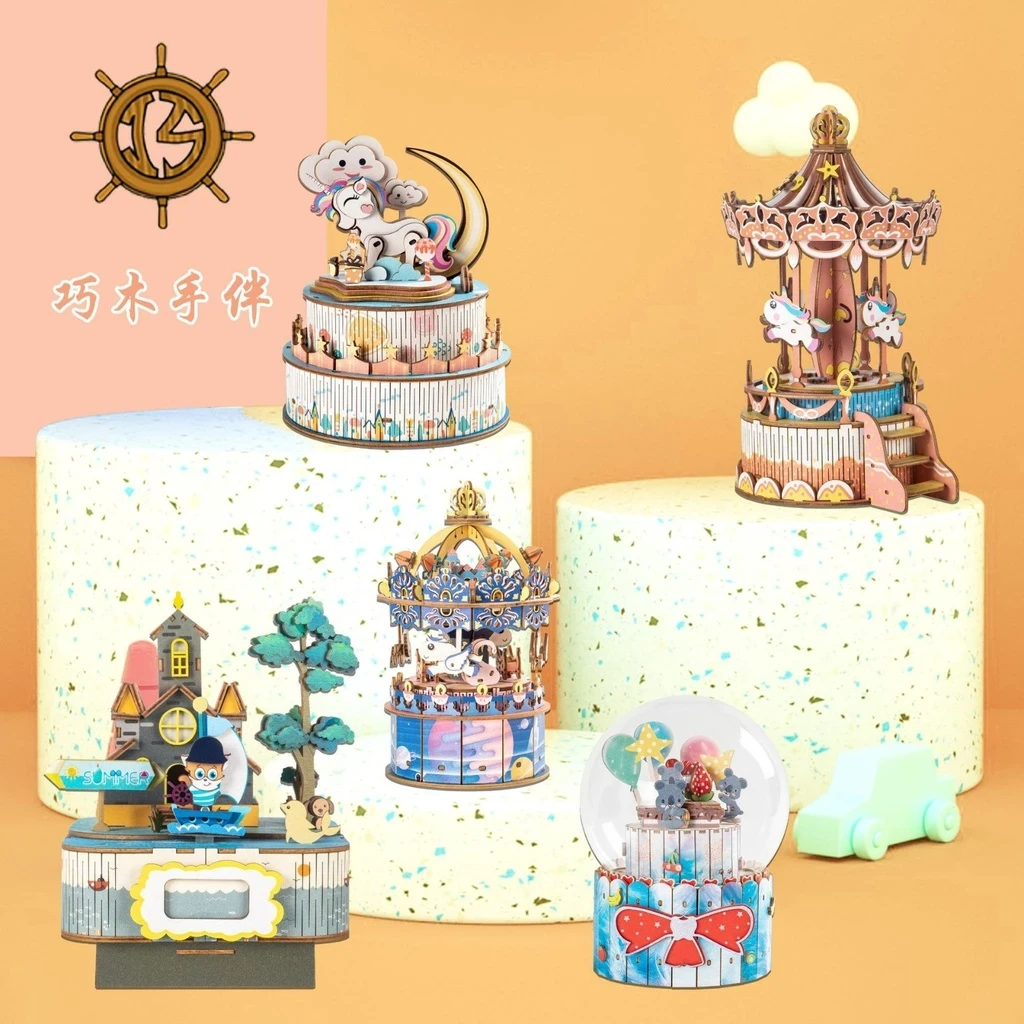
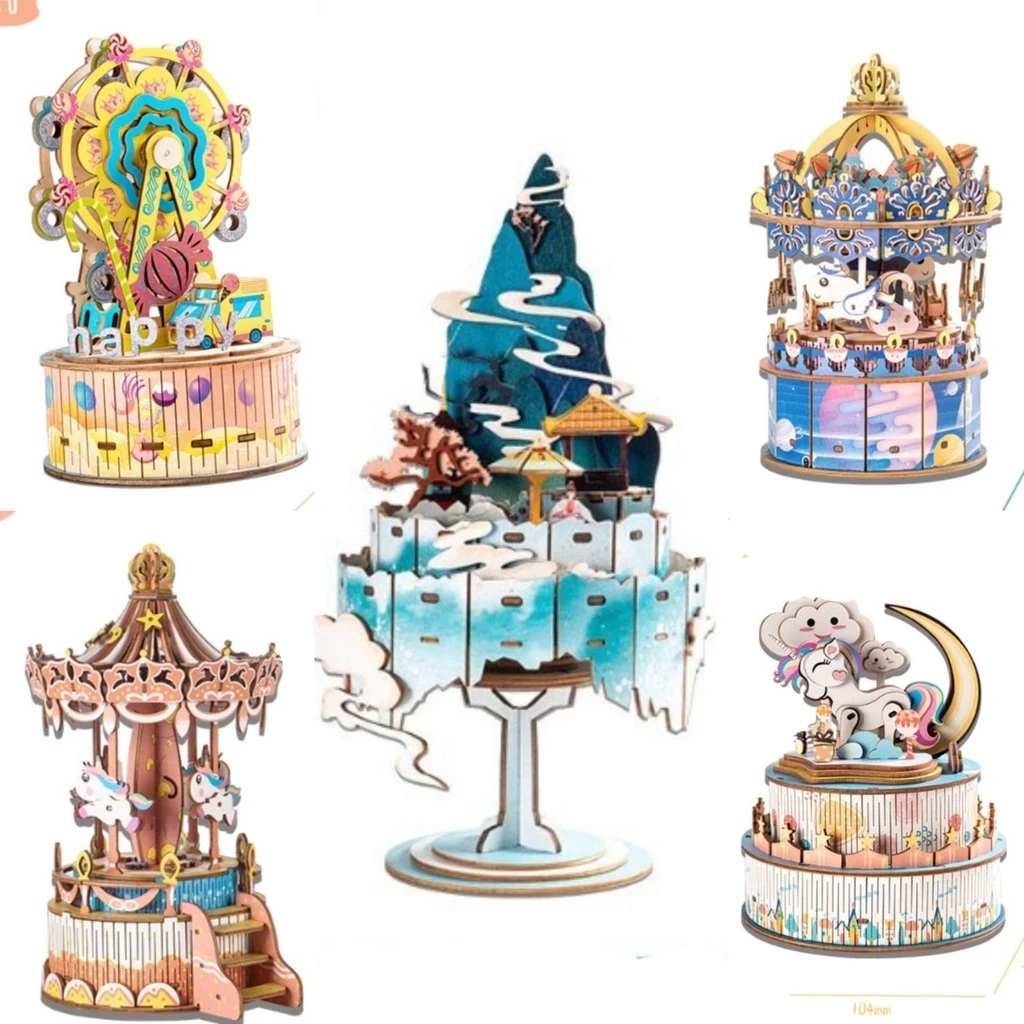
Robotime ROKR - Rompecabezas musical de madera para armar, carrusel de madera, juguete de regalo
Gift Tree
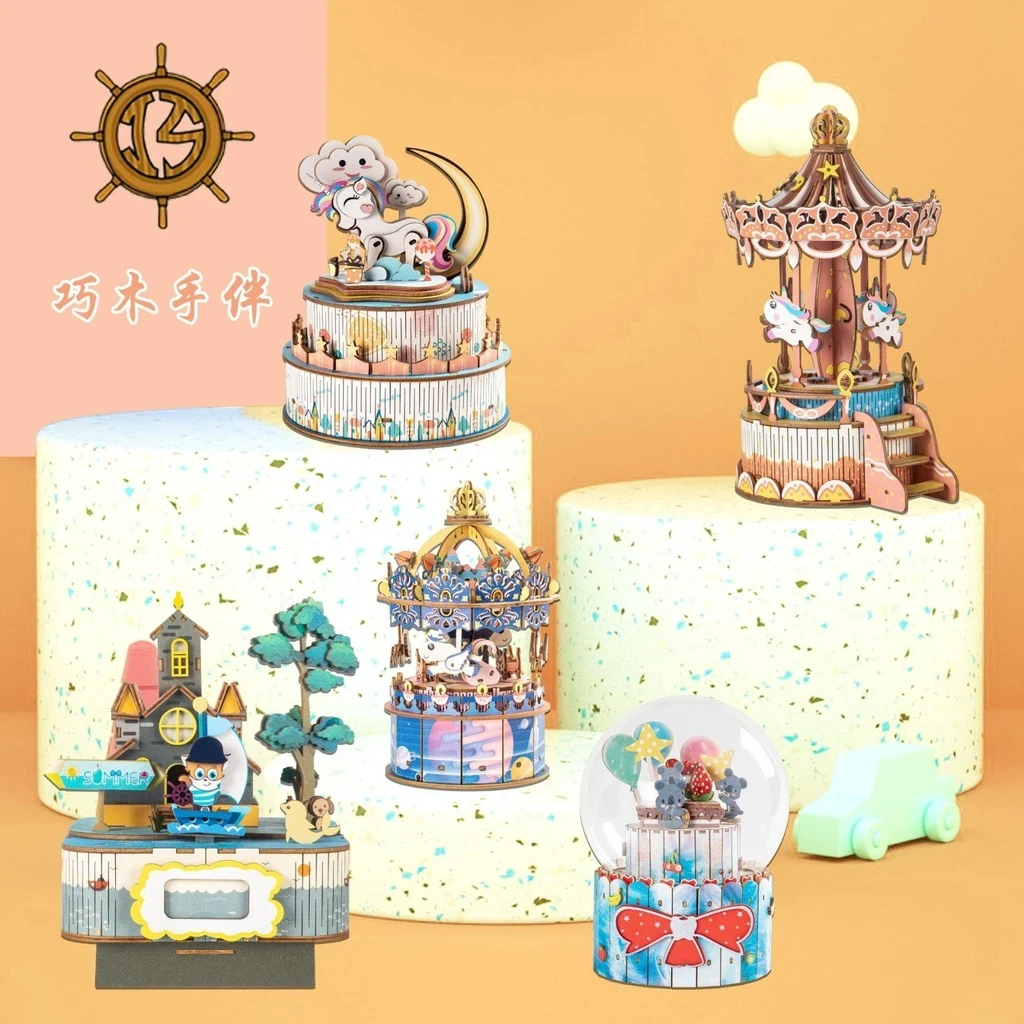
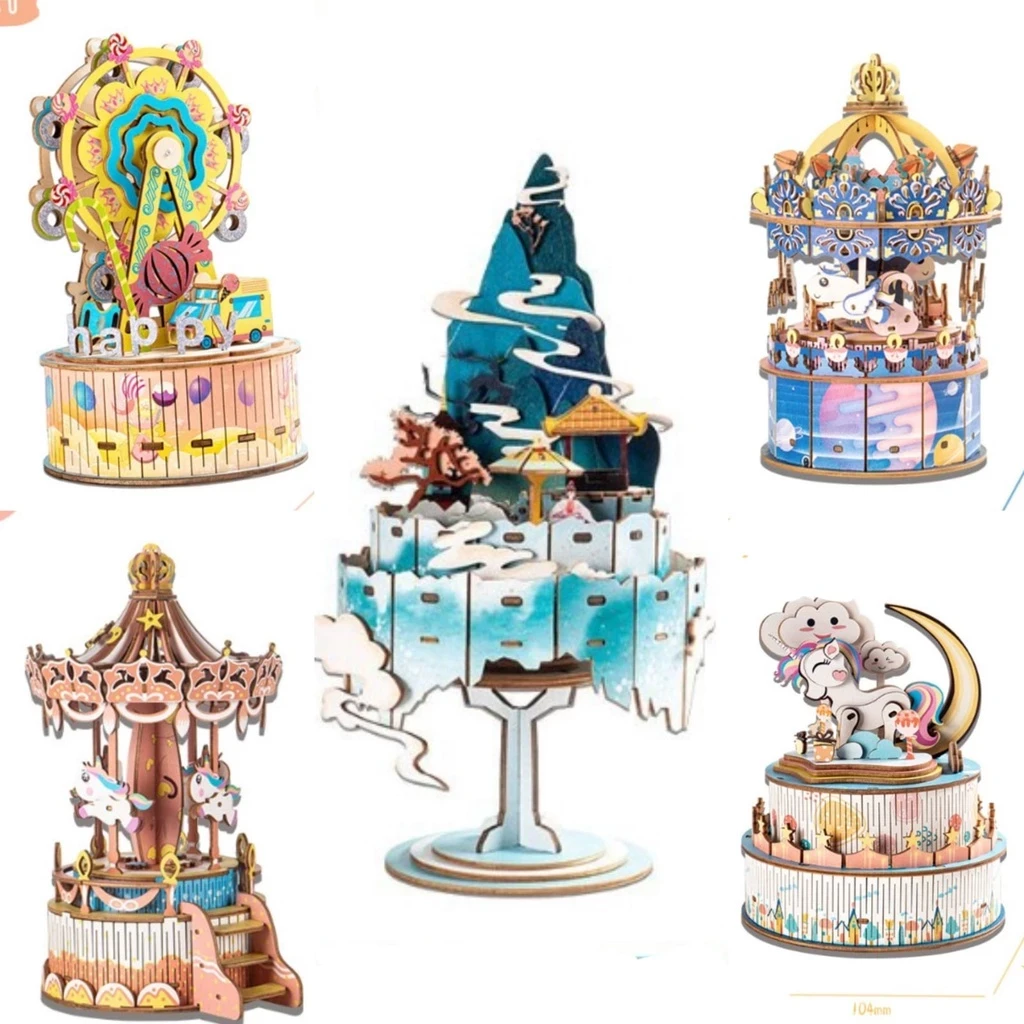
Robotime ROKR DIY Wooden Music Puzzle Wooden Carousel Puzzle Toy Gift
Gift Tree
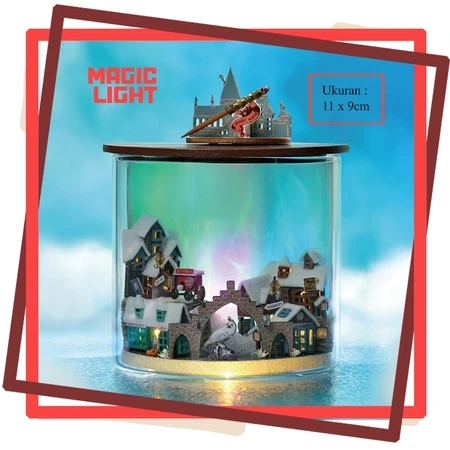
Rompecabezas 3D con luz mágica para habitación más linda, artesanía única, juguete de regalo para niños.
Gift Tree
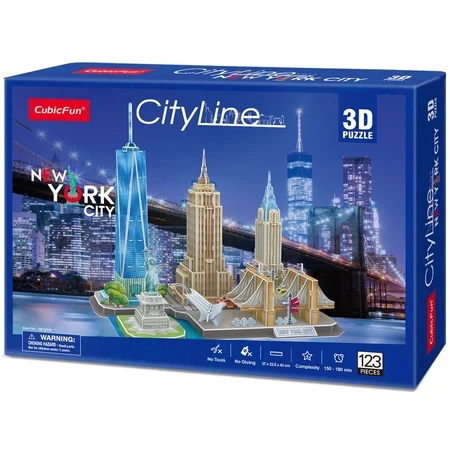
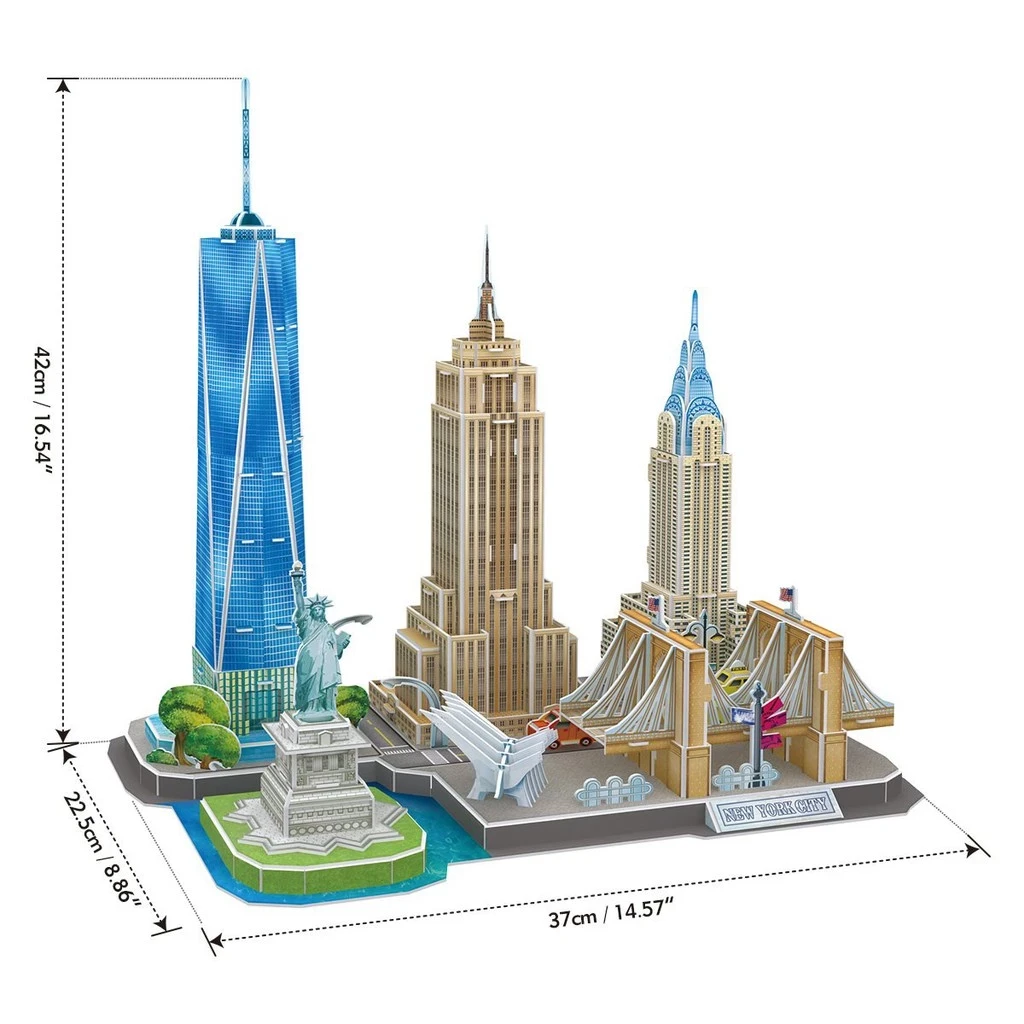
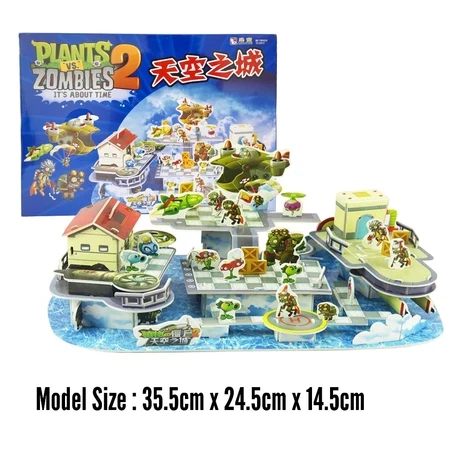
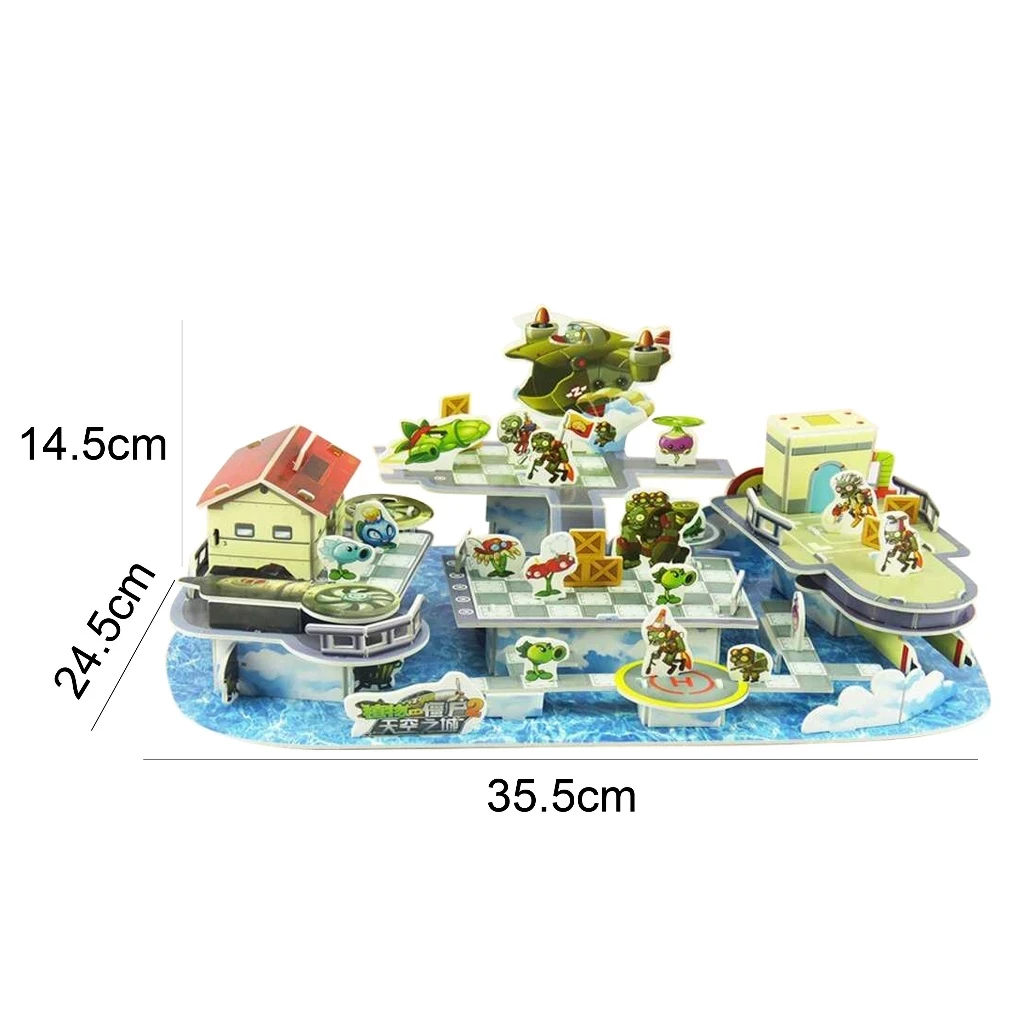


Rompecabezas de Frozen/Villanos/Orquesta/Mickey y Minnie/Disney Gala/Imposible Marvel de 1000 piezas
Gift Tree
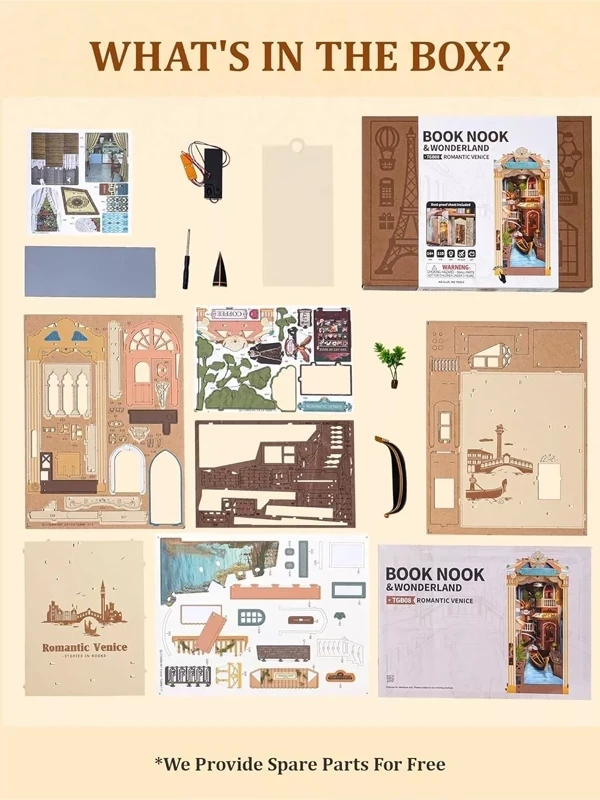
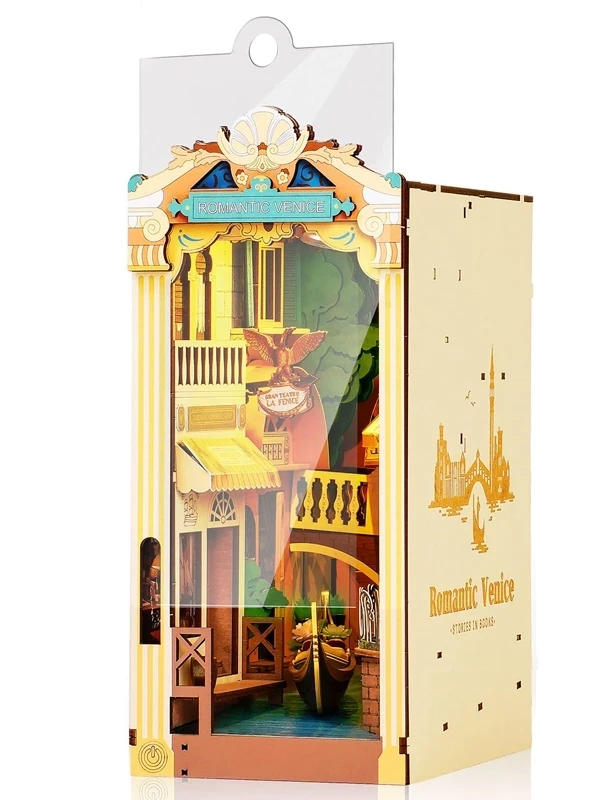
Rompecabezas de juguete 3D DIY de madera Book Nook Kit Led para regalo de cumpleaños, Navidad, Halloween, adultos y niños
Gift Tree
Puzzles are not only fun but also a powerful tool in helping children develop various skills that are crucial for their growth. As parents in New Zealand look for engaging ways to enhance their child’s development, puzzles have become an increasingly popular option. Puzzles are not just a pastime—they are educational tools that promote cognitive, emotional, and physical development in children of all ages.
From basic jigsaw puzzles to more complex problem-solving games, puzzles offer a wide range of benefits. They stimulate a child’s mind, foster creativity, and help develop patience and perseverance. The physical process of fitting puzzle pieces together improves hand-eye coordination and fine motor skills. Furthermore, puzzles encourage social skills when children engage in group play, enhancing communication and teamwork.
In this comprehensive guide, we’ll explore the various benefits of puzzles for child development and how incorporating them into daily activities can foster positive growth. Whether you're a parent, caregiver, or educator in New Zealand, you’ll discover how puzzles can be a simple yet effective tool for enhancing a child's overall development.
Key Features
-
Cognitive Development: Puzzles are an excellent way to improve a child’s problem-solving abilities and critical thinking
skills. They engage the brain in activities that require focus, attention, and reasoning.
-
Motor Skills Enhancement: As children manipulate puzzle pieces, they develop fine motor skills and hand-eye coordination,
which are essential for later learning and everyday activities.
-
Emotional Growth: Completing a puzzle can boost a child’s self-confidence and sense of accomplishment. It encourages
patience and helps children cope with frustration and challenges.
-
Social Interaction: Puzzles are great for group play, encouraging children to work together, share, and communicate
effectively. These activities help children build important social skills.
-
Language Skills: Through puzzle play, children learn new vocabulary, practice following instructions, and improve their
ability to communicate their thoughts and ideas.
-
Age-Appropriate Challenges: Puzzles come in a variety of difficulty levels, making them suitable for children of different
ages. From simple shape-matching puzzles for toddlers to more complex puzzles for older children, they grow with the child’s abilities.
-
Variety of Themes: Puzzles come in various themes, such as animals, letters, numbers, and geography. These themes enhance
learning in specific areas, such as early literacy and numeracy.
Benefits of Puzzles for Child Development
Engaging children in puzzle play provides a wealth of developmental benefits. Here are some of the key advantages of puzzles for children’s
cognitive, emotional, and physical growth:
-
Enhances Cognitive Abilities:
One of the primary benefits of puzzles is their ability to engage and challenge a child’s brain. Puzzles require children to analyze, strategize, and solve problems. As children work to find the correct placement of pieces, they strengthen their spatial reasoning, memory, and logical thinking skills. This type of problem-solving helps develop a child’s ability to think critically and make decisions.
-
Improved Memory: Many puzzles require children to remember the shape, color, and placement of pieces as they work through
the puzzle. This improves their short-term and long-term memory.
-
Critical Thinking and Planning: Complex puzzles require children to think ahead, anticipate the next steps, and adjust
their approach when necessary. This boosts their critical thinking and planning abilities.
-
Develops Fine Motor Skills:
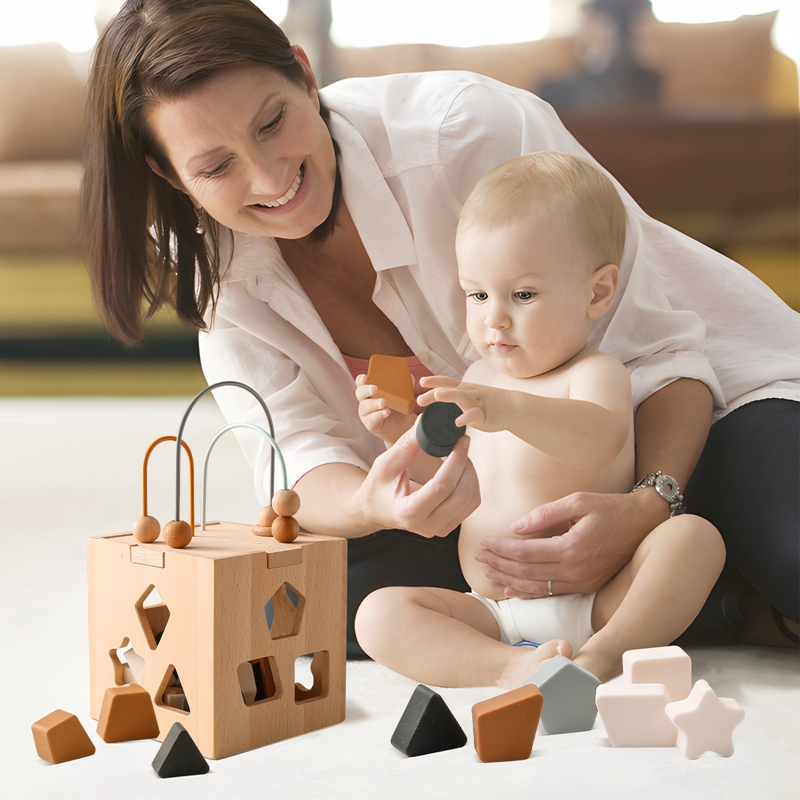
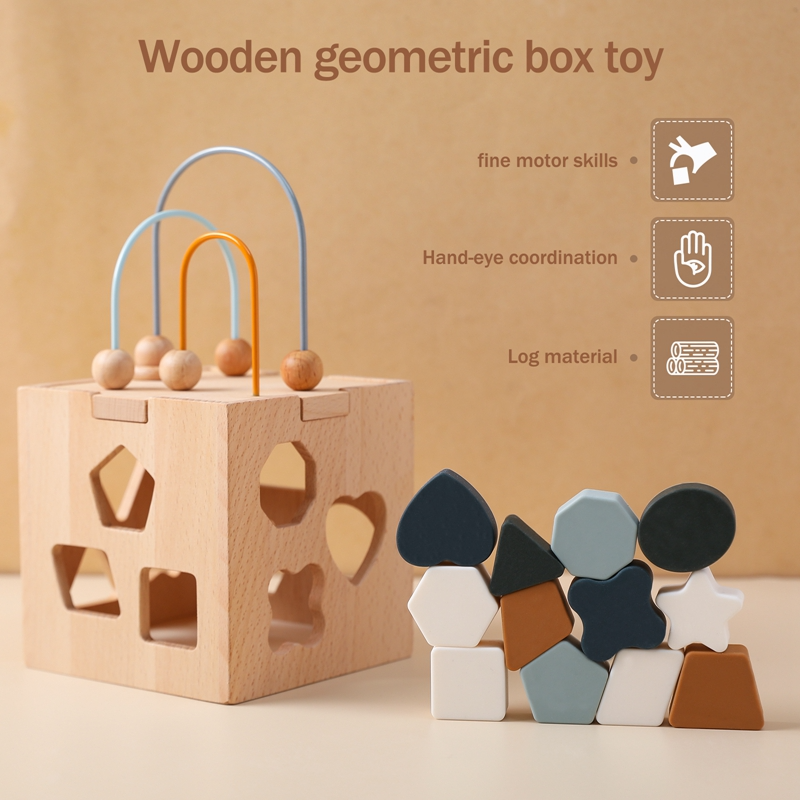
Puzzles are an excellent way for children to develop their fine motor skills. Manipulating puzzle pieces requires precision and coordination between the hands and eyes. These skills are essential for many everyday tasks, such as writing, dressing, and using utensils. By regularly engaging in puzzle play, children improve their hand-eye coordination and fine motor abilities.
-
Building Dexterity: As children work with smaller puzzle pieces, they develop better finger dexterity and control, which is
helpful in other activities like drawing and building with blocks.
-
Enhanced Coordination: Puzzles help children learn to coordinate their hand movements with what they see, which is
essential for later tasks, such as using a keyboard or drawing.
-
Promotes Emotional Development:
Completing puzzles provides children with a sense of accomplishment, which is important for their emotional development. The challenge of fitting pieces together, overcoming obstacles, and finally completing a puzzle gives children a confidence boost. Additionally, puzzles help children develop patience and perseverance, teaching them that success comes through effort and persistence.
-
Boosts Self-Esteem: Successfully completing a puzzle reinforces a child’s belief in their own abilities, boosting
self-esteem and confidence.
-
Teaches Patience and Delayed Gratification: Working on a puzzle takes time and effort. Children learn that things are not
always immediate, and they must exercise patience to reach a rewarding outcome.
-
Coping with Frustration: When a child struggles with a puzzle, they learn how to manage frustration and stay calm when they
encounter challenges. This is an important emotional skill that will serve them well in many areas of life.
-
Encourages Social Skills:
Puzzles are perfect for group activities, making them an excellent tool for encouraging social interaction among children. Whether playing with family, friends, or classmates, puzzles promote collaboration, communication, and teamwork.
-
Teamwork: When children work together to solve a puzzle, they learn to share ideas, divide tasks, and collaborate. These
social skills are essential for school and later in life.
-
Learning to Share: Puzzles often require children to share pieces and take turns. This helps teach patience and generosity,
while fostering a sense of cooperation.
-
Improving Communication: As children discuss their strategies and ideas, they practice articulating their thoughts and
listening to others, which enhances their communication skills.
-
Boosts Language Development:
Puzzles help children with language development by expanding their vocabulary and comprehension skills. Many puzzles feature pictures, words, and themes that encourage children to learn new terms and concepts.
-
Building Vocabulary: Puzzles with themes such as animals, colors, shapes, and numbers introduce new words to children,
helping them expand their vocabulary.
-
Following Instructions: As children work on puzzles, they often need to follow verbal or written instructions, helping them
improve their ability to understand and execute tasks.
-
Storytelling and Imagination: Puzzles with pictures can stimulate a child’s imagination, encouraging them to create stories
or narratives based on the images they see, fostering creativity and language skills.
-
Fosters Concentration and Focus:
The process of solving a puzzle requires children to focus their attention for an extended period of time. This practice strengthens their concentration skills and helps them learn to stay engaged with a task until it is completed.
-
Building Focus: As children work on puzzles, they develop the ability to focus on a single task for a longer duration,
improving their attention span in other areas, such as schoolwork or hobbies.
-
Increased Attention to Detail: Puzzles require children to pay attention to small details, helping them improve their
ability to spot patterns and notice subtle differences.
-
Improves Hand-Eye Coordination:
Puzzles are a great way to enhance a child’s hand-eye coordination. Children need to align pieces properly and fit them into the right places, which strengthens their ability to coordinate their hand movements with their visual perception.
-
Developing Spatial Awareness: Puzzles help children develop spatial awareness by requiring them to recognize shapes, sizes,
and how pieces fit together, improving their understanding of space.
-
Enhanced Physical Dexterity: As children move and place puzzle pieces, they improve their fine motor skills, which are
important for other activities, such as writing or playing musical instruments.
Why Choose Puzzles for Child Development
Puzzles are an effective and enjoyable way to foster a variety of skills in children. Here’s why they should be an essential part of your
child’s developmental toolkit:
-
Multifaceted Learning: Puzzles engage multiple areas of learning, from cognitive to physical, emotional, and social
development, making them a holistic tool for growth.
-
Interactive and Engaging: Unlike passive activities such as watching TV, puzzles encourage active participation and mental
engagement, making learning fun and interactive.
-
Developmentally Appropriate: Puzzles come in a variety of complexity levels, ensuring that they are appropriate for
different age groups. This means your child can enjoy puzzles from toddlerhood through to adolescence.
-
Low-Tech, High-Impact: In an increasingly digital world, puzzles provide a refreshing, screen-free activity that encourages
critical thinking, creativity, and hands-on learning.
-
Long-Term Benefits: The skills developed through puzzle play, such as problem-solving, patience, and coordination, have
long-term benefits that will help children succeed in school and life.
Who Should Use Puzzles for Child Development
-
Parents and Caregivers: If you're looking for an easy, fun, and educational way to support your child's development at
home, puzzles are a great choice.
-
Teachers and Educators: Puzzles can be used as a valuable learning tool in classrooms to promote cooperative learning,
critical thinking, and fine motor development.
-
Therapists and Specialists: Occupational therapists, speech therapists, and child psychologists often use puzzles as a
therapeutic tool to help children develop motor skills, cognitive abilities, and language.
-
Parents of Children with Special Needs: Puzzles can be adapted for children with special needs, providing an engaging way
to improve motor skills, cognitive abilities, and emotional development.
Final Thoughts
Puzzles are a wonderful and effective tool for promoting child development in a fun, interactive way. They help children develop a wide
range of skills that are essential for their growth, from cognitive and emotional development to fine motor skills and social abilities.
Whether you’re a parent, teacher, or caregiver in New Zealand, introducing puzzles into your child’s daily routine can have a profound
impact on their overall development.
By fostering creativity, problem-solving, and patience, puzzles provide valuable benefits that will serve children throughout their lives. The wide variety of puzzles available ensures that there’s something for every age, ability, and interest. Start incorporating puzzles into your child’s playtime today, and watch them grow, learn, and thrive.
Enter your content here


.jpg)








.jpg)



.jpeg)



.jpeg)
.jpeg)







.jpeg)

.jpeg)

.jpeg)

.jpeg)
.jpeg)




.jpeg)
.jpg)

.jpeg)



.jpeg)
.jpeg)


.jpeg)





.jpeg)

.jpeg)

.jpeg)

.jpeg)

.jpeg)




.jpeg)
.jpeg)
.jpeg)

.jpeg)


.jpeg)


.jpg)
.jpeg)




.jpg)

ulva-Logo.jpg)




.jpeg)



.png)










.png)